Ash'Kara

A Michelin Bib Gourmand-recognised Israeli restaurant in Denver's LoHi neighbourhood, Ash'Kara serves vegetable-forward mezze, wood-fired whole-grain pita, and hearty tagines at an accessible price point. Chef Reggie Dotson draws on Mediterranean, North African, and Middle Eastern traditions to produce cooking that is as thoughtful as it is approachable, with strong accommodation for dietary restrictions across the menu.
Pearl is the En Primeur Club membership app — saves, bookings, and concierge access live there. Same editors, same standards.
- Address
- 2005 W 33rd Ave, Denver, CO 80211
- Phone
- (303) 537-4407
- Website
- ashkaradenver.com
- Directions
- Get directions
 Saves & bookings on Pearl
Wood Smoke, Heritage Wheat, and the Eastern Mediterranean in LoHi
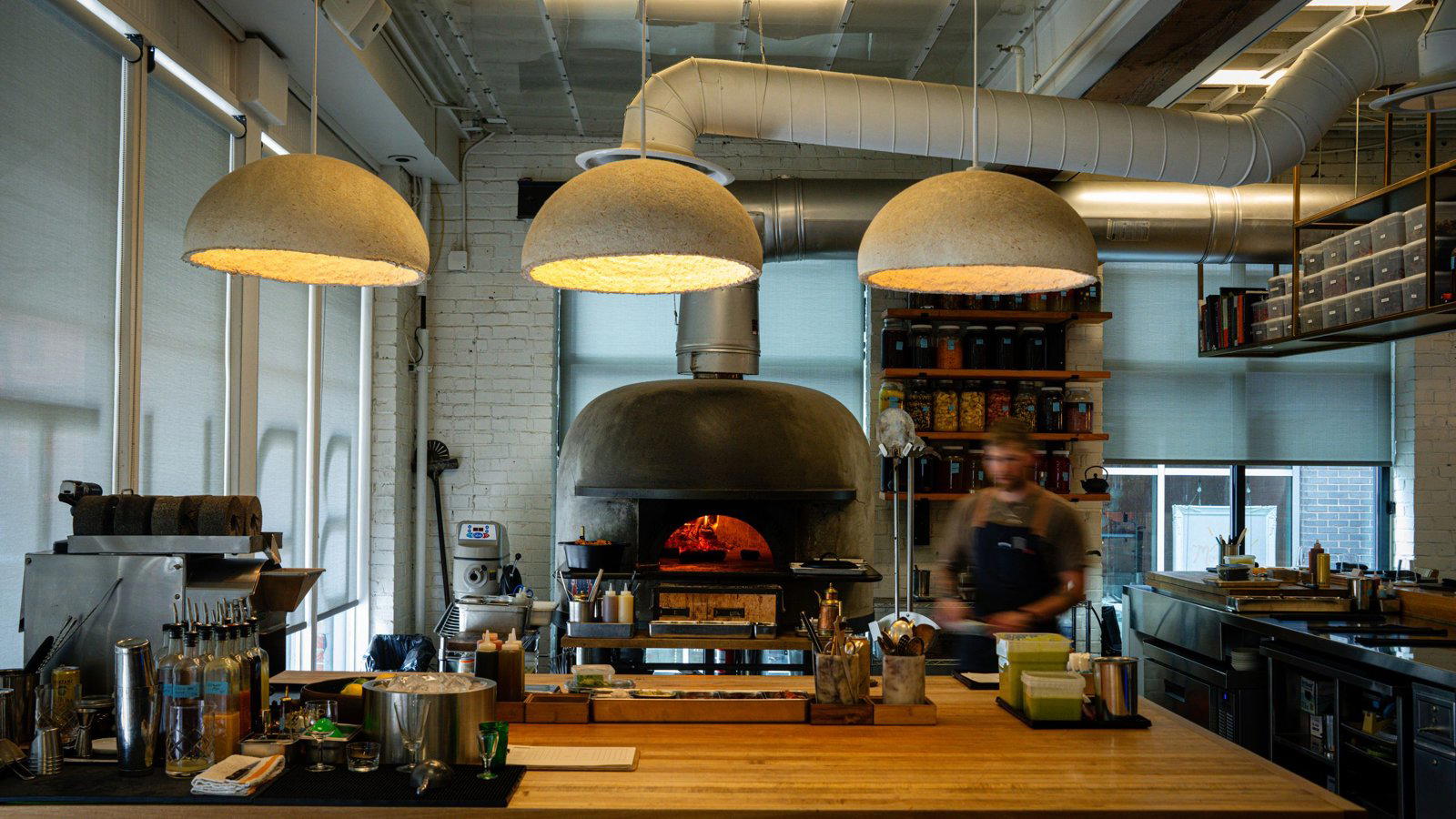
Walk into 2005 W 33rd Ave on any given evening and the first thing that registers is the smell: wood fire and toasted grain, a combination that places you somewhere between a Levantine bakery and a North African kitchen before you've read a single word of the menu. Denver's Lower Highland neighbourhood has built a reputation for restaurants that operate outside the city's steakhouse and farm-to-table defaults, and Ash'Kara occupies a specific niche in that story. It is an Israeli-inflected kitchen with Mediterranean, North African, and Middle Eastern reach, priced at the $$$ tier and holding a Michelin Bib Gourmand, the guide's signal for cooking that delivers quality above what its price bracket would predict.
That Bib Gourmand placement matters as context. In Denver's current Michelin cohort, the starred tier includes places like Brutø and The Wolf's Tailor, both at $$$$, and Alma Fonda Fina, which has achieved a star at $$. Ash'Kara's recognition sits in a different category: it is not about tasting-menu ambition or chef-as-auteur programming, but about consistent, ingredient-focused cooking done well at a price that allows for regular visits. Among its immediate peers in the Israeli-adjacent space, Denver also has Safta, another $$$ Israeli kitchen, which means diners in this city have a more developed reference point for the cuisine than in most American markets outside New York.
The Mezze Table as Editorial Statement
The menu at Ash'Kara opens with mezze, and that structural choice is itself a position. In Israeli and broader Eastern Mediterranean dining, mezze is not a starter category so much as an argument about how people should eat: communally, with shared plates arriving in sequence, each dish complementing the last. The hummus, babaganoush, and falafel here are described in the Michelin record as carefully selected versions of familiar staples, which is a harder achievement than it sounds. Both hummus and babaganoush have become so ubiquitous in American casual dining that the gap between a competent version and a considered one is often invisible to the diner. Cooking that closes that gap reliably earns the Bib designation on merit.
The anchor of the mezze section is the wood-fired whole-grain pita, made from heritage wheat. This is a meaningful specification. Heritage wheat varieties, often lower in gluten than modern commodity strains, behave differently in high-heat environments: they char faster, carry more complex bran flavour, and have a structural integrity that allows them to hold heavier dips without tearing. A gluten-free pita option is available for those who need it, which, alongside the kitchen's stated attention to all dietary restrictions, makes Ash'Kara more accessible than many of its peers in the same price range.
From Mezze to Stew: The Dinner Register
Beyond the mezze opening, the dinner menu moves into more substantial territory through tagines. The tagine, a slow-braised North African stew cooked in a conical clay vessel, is among the more instructive ways to read a kitchen's commitment to the traditions it draws on. Versions built around eggplant represent the vegetable-forward orientation that the kitchen makes central to its identity; lamb tenderloin offers a leaner, more direct protein option within the same aromatic framework. Both sit in the tradition of long-cooked, spice-layered stews that connect Moroccan and Algerian home cooking to the broader culinary exchanges of the Eastern Mediterranean.
The editorial angle that runs through the cooking at the restaurant connects to a broader shift in how Middle Eastern and North African food is received in American cities. For much of the past two decades, Israeli cuisine in the United States was primarily associated with casual falafel counters and the Tel Aviv-inflected vegetable cooking that figures like Yotam Ottolenghi made familiar to a wider audience through cookbooks. The more formal, restaurant-grade expression of that tradition, the one that includes proper mezze sequencing, wood-fired bread, and slow-braised mains, has taken longer to establish itself outside the New York market. At 12 Chairs and Balaboosta in New York City, that format has had years to mature. In Denver, the restaurant is part of a smaller group carrying that tradition forward.
Vegetable-Forward Without Compromise
The kitchen's vegetable-forward approach is worth examining as a structural commitment rather than a marketing preference. In the context of stews and mezze, placing vegetables at the centre of the plate requires more technical attention than it might in a European fine-dining context, because both the Eastern Mediterranean and North African traditions have deep, complex flavour expectations built on long-cooked pulses, charred aubergine, tahini emulsification, and herb-forward finishing. A kitchen that can meet those expectations without defaulting to meat as the primary flavour carrier is working harder than the menu's accessible pricing implies.
That commitment also makes the restaurant one of the more reliably navigable options in Denver for diners with dietary restrictions. Vegetarian and vegan diners at a $$$ Israeli table are not usually making compromises; the cuisine's architecture is built for them. The explicit accommodation of gluten-free diners through the alternative pita option goes further than most kitchens at this price point bother to.
Where Ash'Kara Sits in the Denver Dining Map
Denver's restaurant scene has matured considerably since its Michelin designation in 2023, and the city now supports a range of ambitions. Beckon and Annette represent different registers of contemporary cooking, while the Michelin-starred set at [The Wolf's Tailor] and [Brutø] anchors the upper end of the price range. The restaurant occupies the middle tier of that picture: formally recognised, ingredient-serious, and priced for frequency rather than occasion.
In that sense, the restaurant functions the way a good neighbourhood restaurant always has in cities where dining culture is durable: it is the place that earns a Bib Gourmand not because it is trying to, but because cooking vegetables well, firing bread properly, and building a menu with genuine dietary intelligence is, apparently, still enough to distinguish a kitchen. In Denver's current moment, it is. For a fuller picture of where the restaurant sits alongside the city's other notable tables, see our full Denver restaurants guide. For hotels, bars, wineries, and experiences, explore our Denver hotels guide, bars guide, wineries guide, and experiences guide.
For comparison outside Denver, the Bib Gourmand tier at the restaurant occupies a different category entirely from the starred rooms at Le Bernardin in New York, Alinea in Chicago, The French Laundry in Napa, Single Thread Farm in Healdsburg, Lazy Bear in San Francisco, or Emeril's in New Orleans. The comparison is not about hierarchy but about type: the restaurant is making a case for a different kind of value, one built on accessibility, dietary inclusion, and the sustained quality of its mezze tradition.
Planning Your Visit
The restaurant is located at 2005 W 33rd Ave in Denver's Lower Highland, a walkable neighbourhood with strong bar and restaurant density. Booking ahead is advisable, particularly for weekend dinners; walk-in availability is more likely on weekday evenings. The menu's accommodation for dietary restrictions means the kitchen is well-equipped for mixed groups with varying needs, and the mezze-led format is designed for sharing, which makes a table of three or four one natural configuration for covering the menu's range.
Accolades, Compared
Comparable venues nearby, for context on price, style, and recognition.
| Venue | Cuisine | Price | Awards | Notes |
|---|---|---|---|---|
| Ash'KaraThis venue — the venue you are viewing | Modern Mediterranean & Middle Eastern | $$$ | Bib Gourmand | Not listed |
| Hey Kiddo | Contemporary American with Global Influences | $$$ | Michelin Plate | Berkeley |
| Mister Oso | Modern Mexican Tacos | $$ | Bib Gourmand | Curtis Park |
| Barolo Grill | Modern Piemontese | $$$ | Michelin Plate | Cherry Creek |
| Annette | Modern American Scratch-to-Table | $$$ | James Beard | Stanley Marketplace, Aurora |
| Tavernetta | Contemporary Italian | $$$ | Bib Gourmand | LoDo |
Recognition history
Dated appearances from independent guides and award organizations, with the underlying list record or original source where available.
Michelin Bib Gourmand
Michelin
Michelin Bib Gourmand
Michelin
Continue exploring
More in Denver
Restaurants in Denver
Browse all →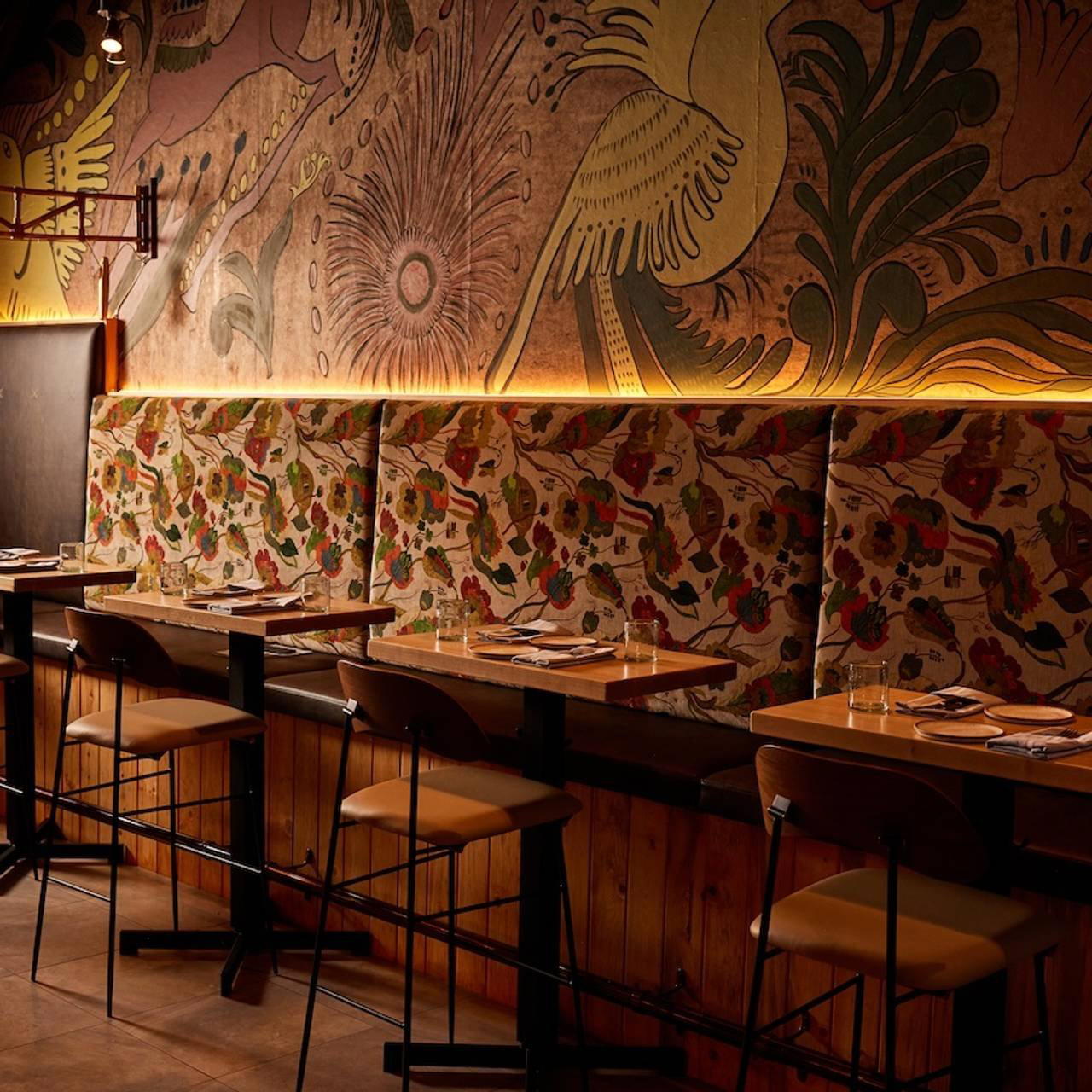

Bars in Denver
Browse all →
Hotels in Denver
Browse all →




At a Glance
- Cozy
- Trendy
- Intimate
- Lively
- Date Night
- Group Dining
- Special Occasion
- Open Kitchen
- Craft Cocktails
- Local Sourcing
Current opening hours
- Monday
- 11 AM–9 PM
- Tuesday
- 11 AM–9 PM
- Wednesday
- 11 AM–9 PM
- Thursday
- 11 AM–9 PM
- Friday
- 11 AM–10 PM
- Saturday
- 11 AM–10 PM
- Sunday
- 11 AM–9 PM
Hours can change for holidays and private events. Last verified .
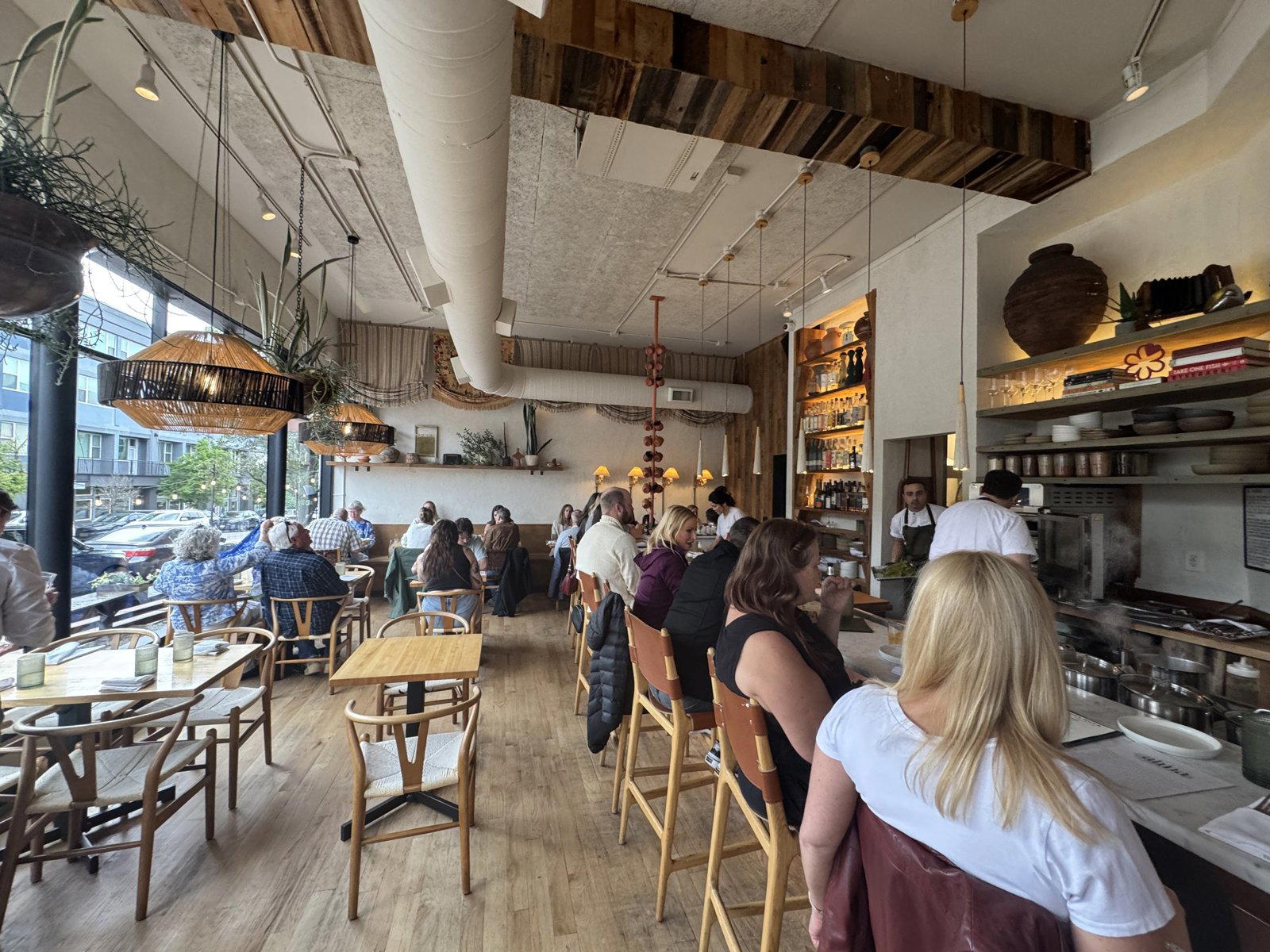
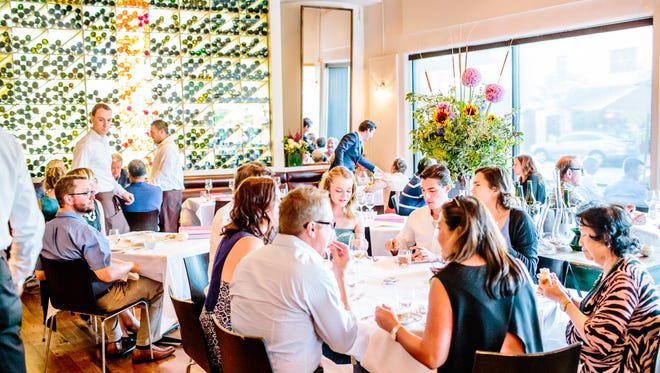
Warm and welcoming with a casual yet lively atmosphere, featuring fresh wood-fired bread and shareable small plates that encourage connection.