Sushi Amane


1 Michelin Star
Our verdict
A Michelin-starred omakase counter on East 44th Street, Sushi Amane operates in the disciplined tradition of Tokyo's tightest seatings: a worn wood counter, fish sourced directly from Japan, and rice seasoned with multiple vinegars. The progression runs from ankimo and amadai through sharply glazed nigiri to Okinawa brown sugar sorbet. Pearl-recommended and consistently reviewed at 4.6 on Google, it occupies a serious tier within New York's competitive omakase circuit.

Pearl is the En Primeur Club membership app, where members save venues, book tables and use the concierge.
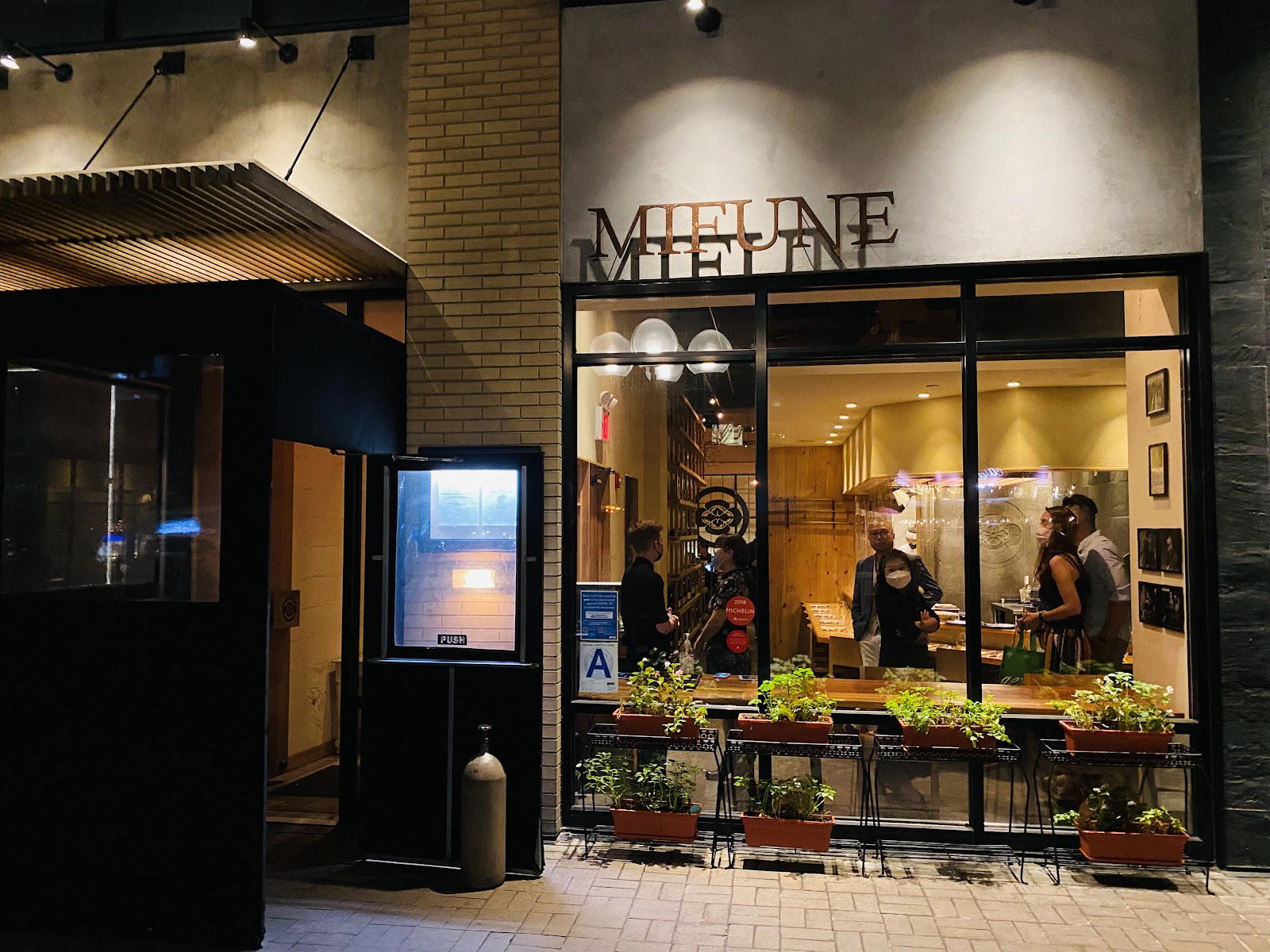
A Counter in Midtown, a Format Refined Over Decades
New York's omakase scene did not arrive fully formed. It built slowly through the 1990s and 2000s as a handful of Japanese-trained chefs established the counter format in Manhattan, first in the West Village and on the Upper West Side, then spreading into Midtown and the East Side. By the early 2020s, the city had stratified into distinct tiers: high-volume omakase concepts running multiple seatings a night, mid-tier counters offering abbreviated progressions, and a smaller group of seats where the format stays close to its Tokyo roots, limited capacity, a single evening seating, and sourcing that begins in Japan's fish markets rather than domestic distributors. Sushi Amane, operating out of a basement counter at 245 East 44th Street, belongs to that third group.
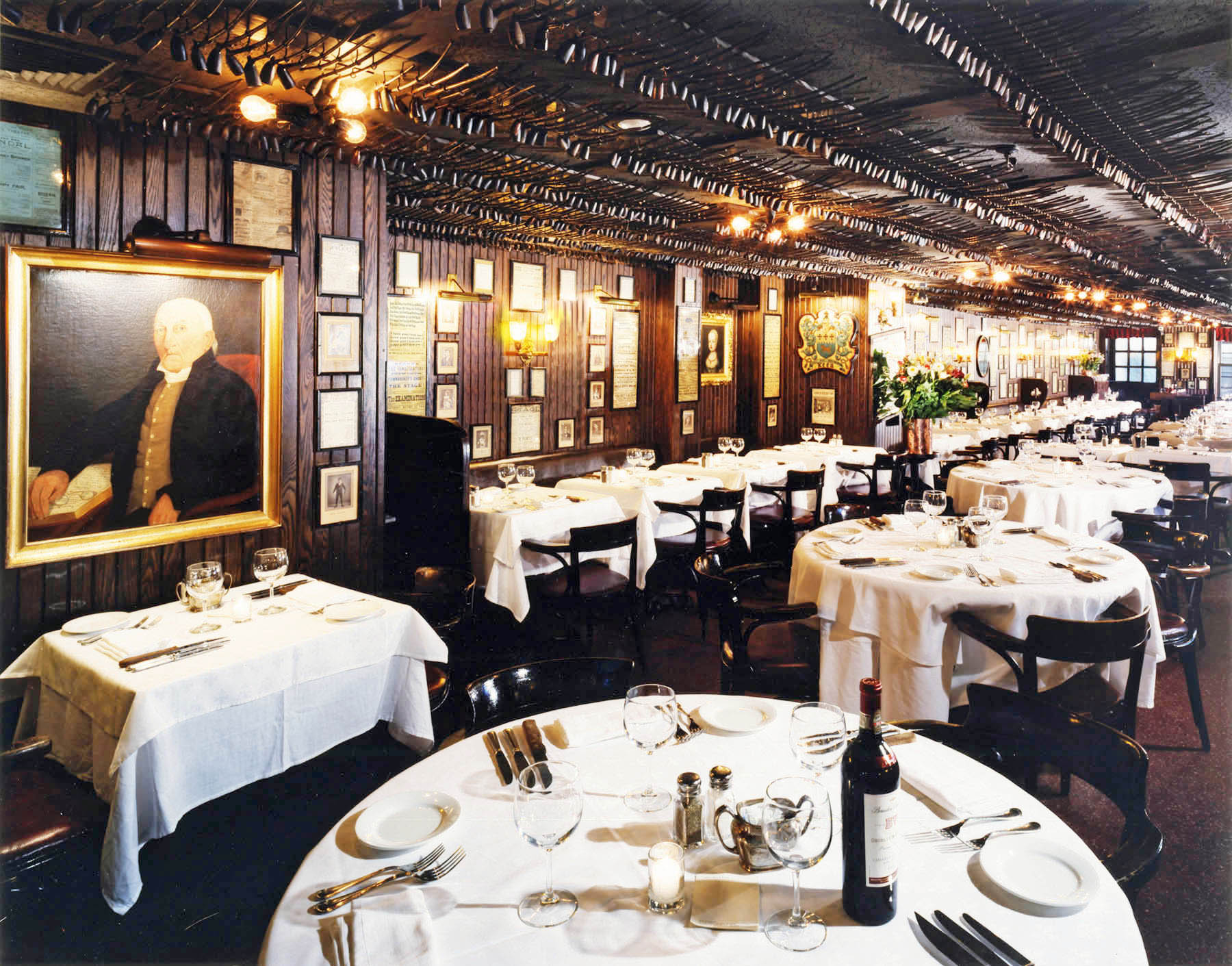
The room itself makes an argument before the first course arrives. A worn wood counter, seating slightly more than a handful of guests, does not signal theatre. There are no elaborate installations, no dramatic lighting rigs, no visible effort to announce itself as a destination. This kind of spatial restraint is a deliberate position in a city where many dining rooms compete on interior spectacle. The counter format, a straight line between the chef's hands and the diner, keeps attention on the sequence of food rather than the architecture surrounding it. Comparable counters in New York, including Sushi Noz and Kosaka, operate on a similar spatial logic: small rooms, unadorned materials, and a physical setup that frames the chef's movements as the primary event.
The Physical Container and What It Signals
In omakase dining, the relationship between seat count and experience quality is not incidental. A counter with seating for roughly a dozen guests or fewer means each piece of nigiri is handed directly across the bar rather than assembled and plated for relay. It means the chef controls temperature, timing, and service rhythm without the buffer of a floor team. The basement placement at East 44th Street adds one more layer: you descend from street level, the ambient noise of Midtown drops away, and the counter occupies the whole of your attention. This kind of vertical separation, ground-level entrance, subterranean dining room, is a recurring structural choice in the city's serious sushi houses, where the goal is controlled environment rather than street presence.
The worn quality of the wood is worth noting as a design choice rather than an oversight. In Tokyo's high-end sushi culture, a counter that shows age is a counter that has been used seriously. Replacement and renovation signal disruption; continuity signals dedication to a single craft. That reading may not transfer perfectly to a New York context, but the material choices at Sushi Amane place it within a lineage that values use over presentation. Compare this to the polished marble and custom millwork that defines some of the city's newer omakase openings, and the distinction becomes clear: the room is shaped by function, not by a designer's portfolio.
The Progression: Structure and Sourcing
The menu at Sushi Amane follows what the restaurant describes as a fairly traditional trajectory. It begins with cooked preparations, pounded ankimo served with pickles, fried amadai topped with hairy crab, before moving into the sushi sequence. These opening courses serve a structural purpose common to kaiseki-influenced omakase formats: they set the palate's baseline before raw fish takes over, and they demonstrate range beyond the nigiri counter. The ankimo and amadai preparations are not unusual choices within the tradition, but their execution places demands on sourcing and timing that distinguish this kind of opening from a simple appetizer plate.
Sushi itself is built around rice seasoned with multiple kinds of vinegar, a technical choice that affects texture, temperature retention, and the way fish flavour registers. Single-vinegar shari is more common; a multi-vinegar blend requires the chef to calibrate ratios for each variety of fish, since fatty cuts respond differently from leaner ones. Fish are sourced directly from Japan, which places Sushi Amane in a sourcing tier shared by a small number of New York counters including Masa, where Japan-sourced fish has been a defining feature of the program since opening, and a handful of others. A rich nikiri glaze over many of the pieces completes the flavour structure: the combination of seasoned rice, direct-sourced fish, and applied nikiri is a more complex system than the minimalist no-sauce approach associated with some Tokyo counters, and it reads as a deliberate stylistic position.
Evening closes with warm miso soup and Okinawa brown sugar sorbet, a pairing that follows the logic of Japanese meal structure: broth to settle the stomach, a mild sweet to close. The sorbet's Okinawan specificity is a small but legible signal, brown sugar from the Ryukyu Islands carries a different mineral weight than refined white sugar, and its use at this point in the progression suggests attention to detail that extends to the final course.
Where Sushi Amane Sits in New York's Omakase Circuit
City's omakase market at the $$$$ price point encompasses a range of ambitions and formats. Sushi Nakazawa operates with a larger room and a slightly wider audience reach. Sushi Yasuda built its reputation on restraint and rice temperature over two decades. Masa operates at a price point above all of them, with a level of sourcing exclusivity that separates it into its own category. Sushi Amane sits below Masa in cost but maintains Japan-direct sourcing and a small seat count that puts it in a genuine peer group with Sushi Noz and a handful of others.
For context on how North American omakase counters compare to their peer markets, Sushi Masaki Saito in Toronto and Endo at The Rotunda in London represent comparable commitments to the format outside Japan. Within the US, the discipline of the counter format also appears in very different culinary idioms at places like Lazy Bear in San Francisco, Alinea in Chicago, The French Laundry in Napa, Single Thread Farm in Healdsburg, Providence in Los Angeles, and Emeril's in New Orleans, though the omakase counter's particular spatial and temporal discipline remains distinct from tasting-menu formats in other cuisines.
Chef Shion Uino leads the counter, and his name anchors the kitchen's authority within the progression. Beyond that credential, the sourcing practices and format structure speak more clearly than any biographical detail about where this counter positions itself.
Planning Your Visit
Sushi Amane operates Tuesday through Saturday with evening seatings beginning at 6 PM, closing at 11 PM. The restaurant is closed Sunday and Monday. The address is 245 East 44th Street, in Midtown East, accessible from Grand Central Terminal. Reservations: Advanced booking is required; demand at this price point and seat count means planning ahead by several weeks is standard practice. Budget: $$$$, expect pricing consistent with Michelin-starred omakase in New York, where per-person costs before beverage typically run from $250 upward. Dress: No dress code is listed, but the counter format and price tier make smart casual the practical standard. Hours: Tuesday to Saturday, 6 PM to 11 PM.
For broader planning across the city, see our full New York City restaurants guide, our full New York City hotels guide, our full New York City bars guide, our full New York City wineries guide, and our full New York City experiences guide.
Frequently asked questions
Is Sushi Amane more mid-range or high-end?
Pricing at Sushi Amane is listed as $$$$.
What's Sushi Amane's location?
Sushi Amane is located at 245 E 44th St, New York, NY 10017, New York City.
Who is the chef or culinary lead at Sushi Amane?
The chef associated with Sushi Amane is Shion Uino.
Reputation Context
A quick peer reference to anchor this venue in its category.
| Venue | Cuisine | Price | Awards | Notes |
|---|---|---|---|---|
| Sushi AmaneThis venue (the venue you are viewing) | Edomae-Style Omakase | $200–300 | 1 Michelin Star | Not listed |
| Le Bernardin | French Seafood Fine Dining | $300–500 | 3 Michelin Stars · World's 50 Best #13 | French, Seafood |
| Atomix | Modern Korean Tasting Menu | $300–500 | 2 Michelin Stars · World's 50 Best #7 | Modern Korean, Korean |
| Masa | Seasonal Hokkaido Tempura Omakase | $150–200 | Tabelog 100 #34 | Sushi, Japanese |
| Per Se | French Fine Dining Tasting Menu | $300–500 | 3 Michelin Stars · World's 50 Best #40 | French, Contemporary |
| Eleven Madison Park | Contemporary Plant-Based Fine Dining | $300–500 | 3 Michelin Stars · World's 50 Best #4 | French, Vegan |
Recognition history
Dated appearances from independent guides and award organizations, with the underlying list record or original source where available.
Michelin 1 Star
Michelin
Opinionated About Dining Top Restaurants in North America Recommended
Opinionated About Dining
Full recognition history (3 entries)
Michelin 1 Star
Michelin
Continue exploring
More in New York City
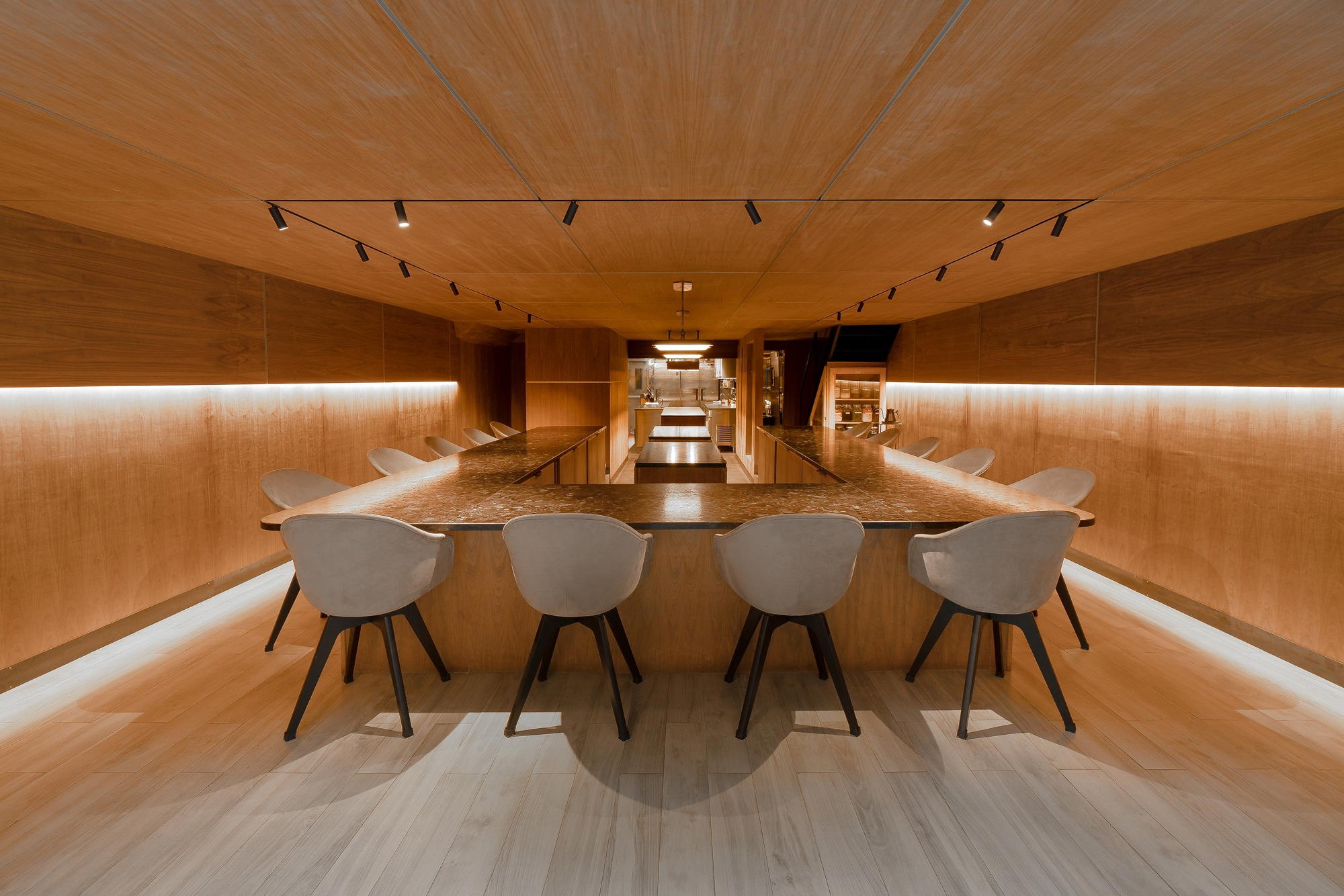
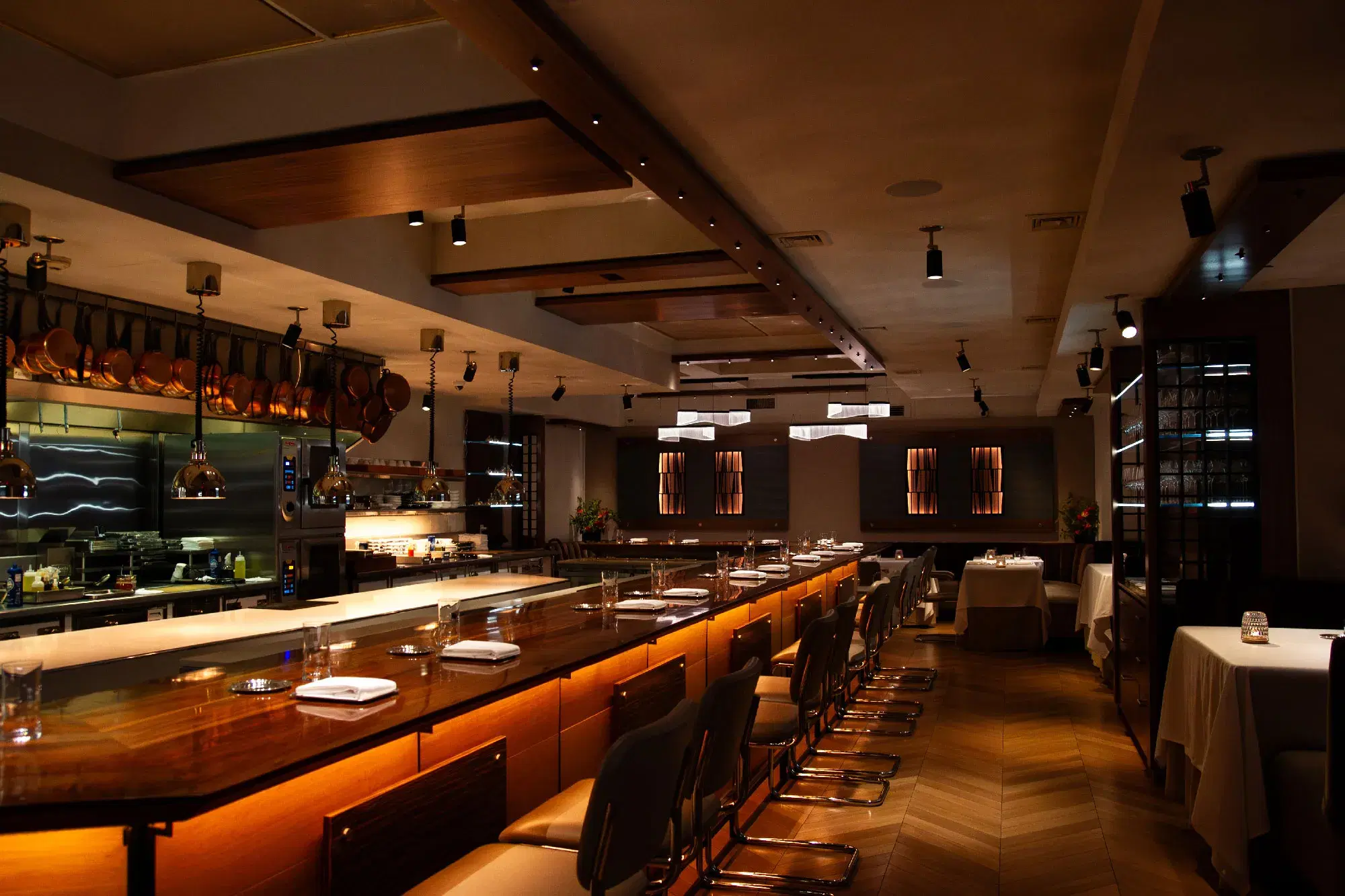
Restaurants in New York City
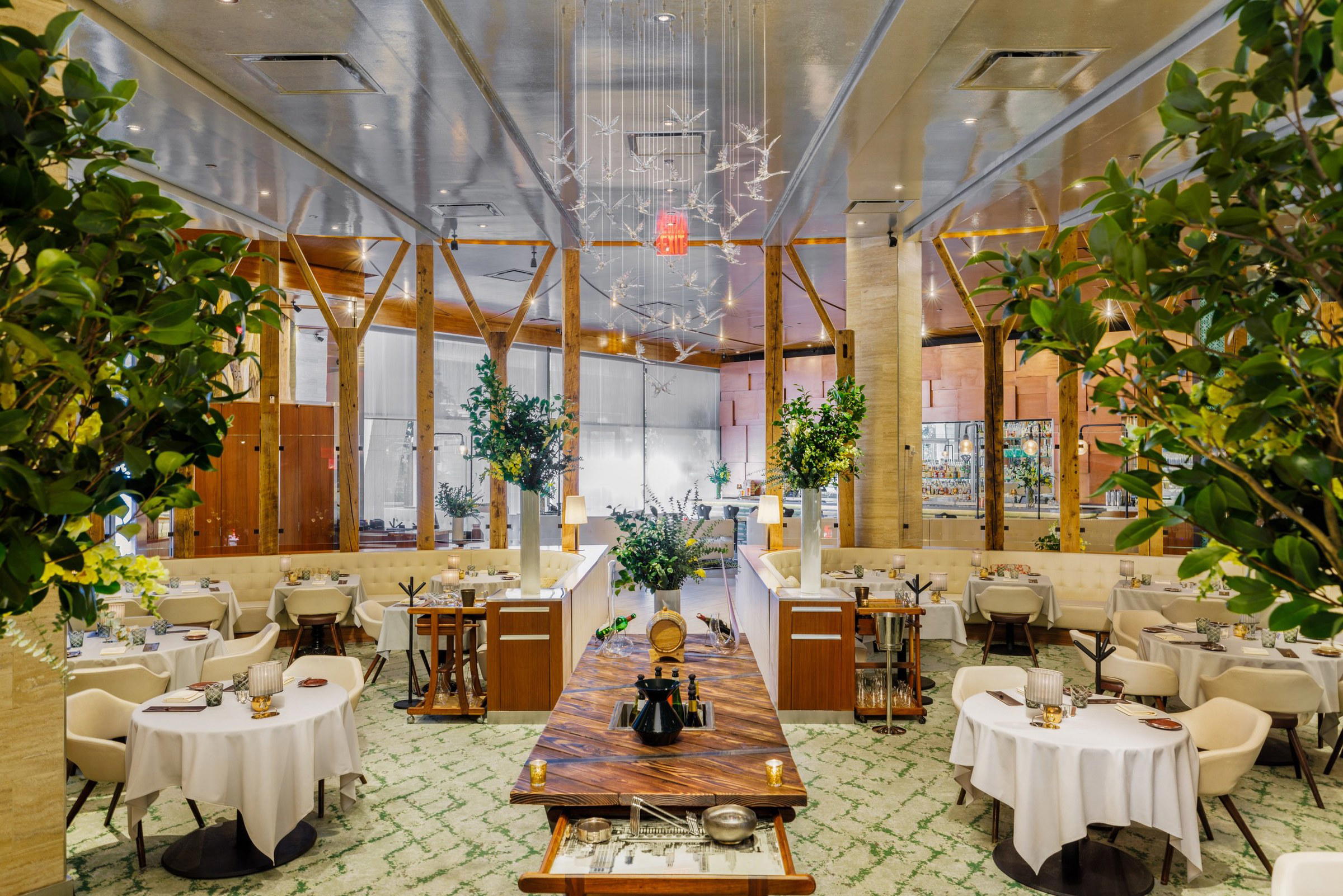
All restaurants in New York City →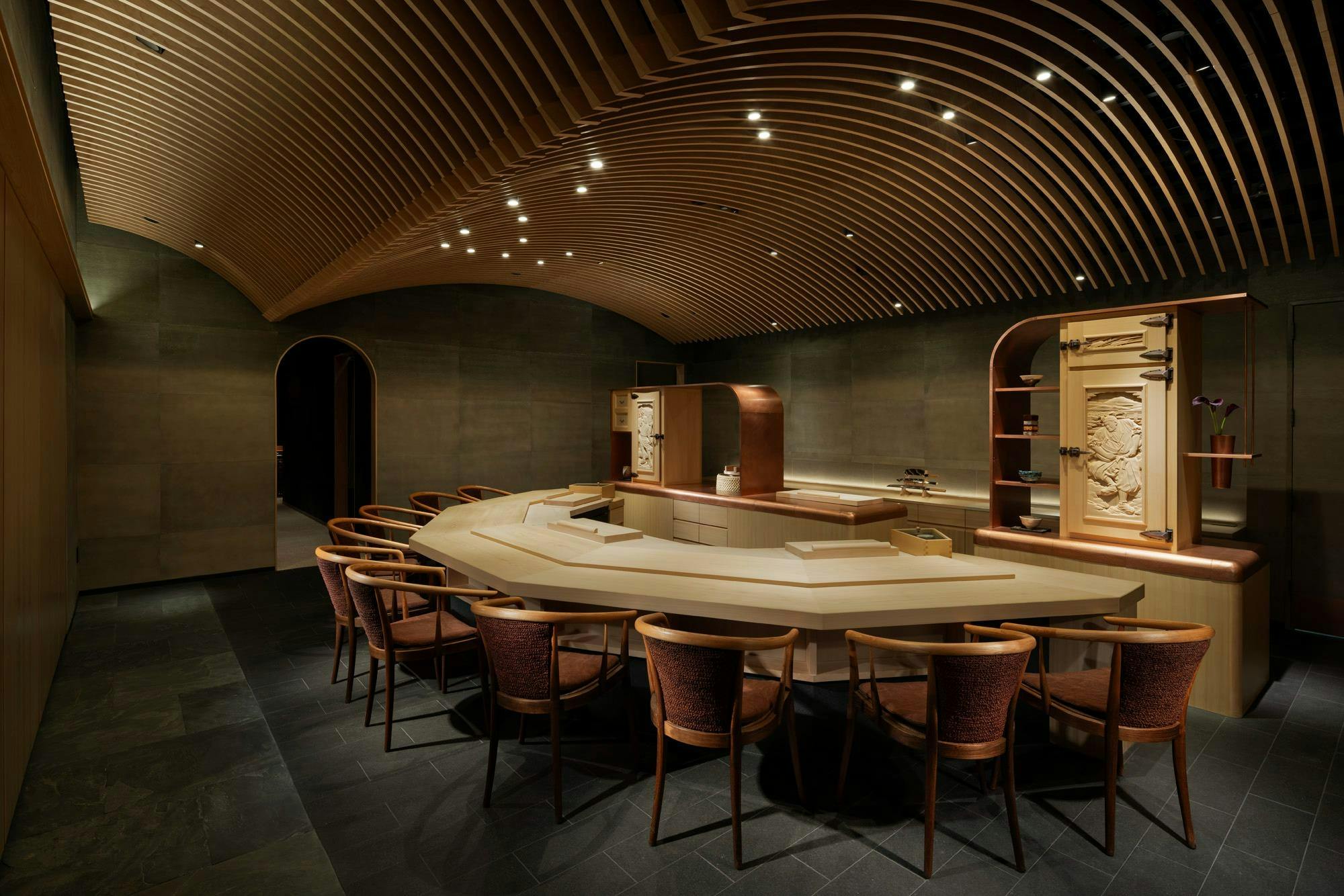
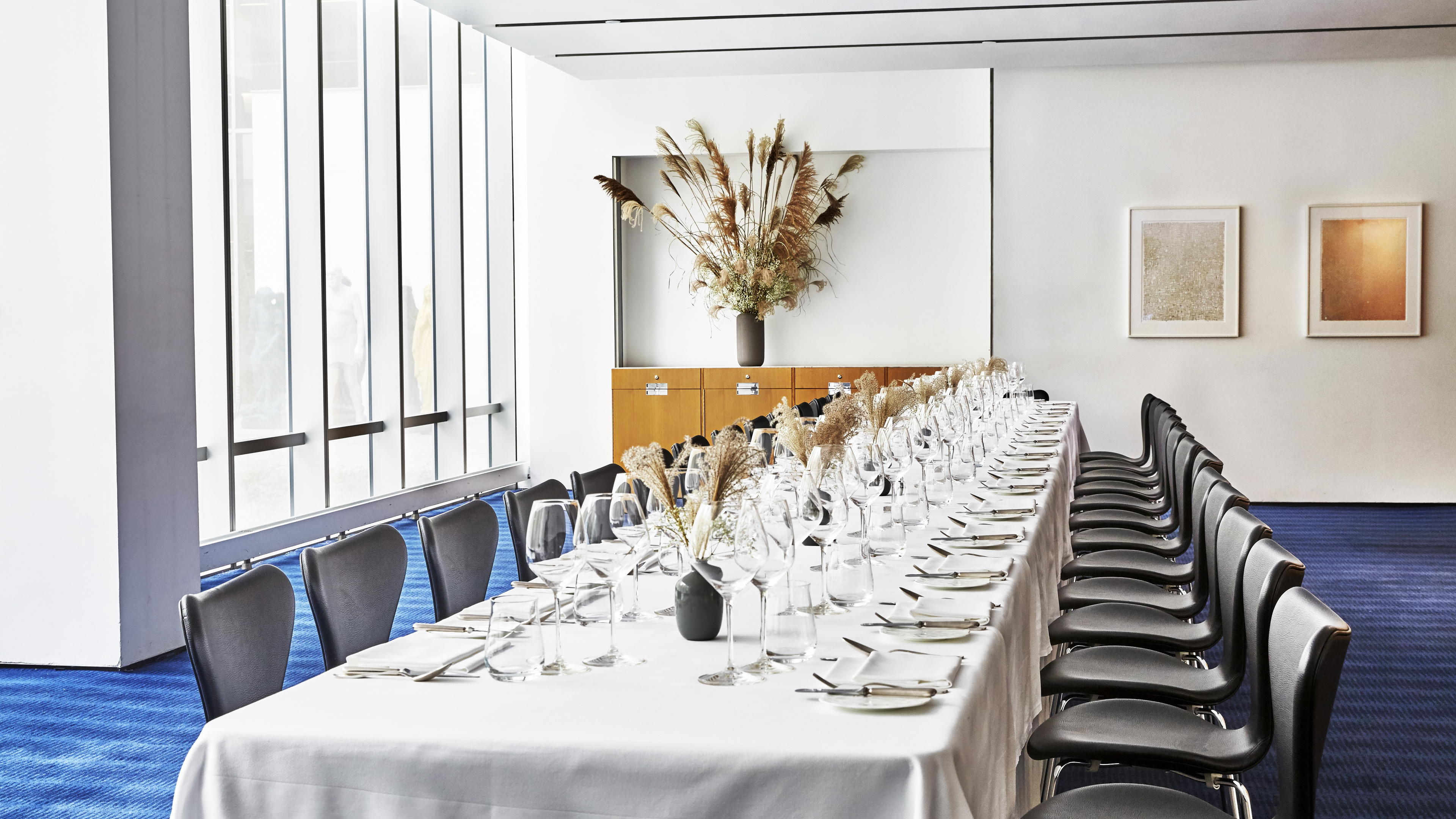
Bars in New York City
All bars in New York City →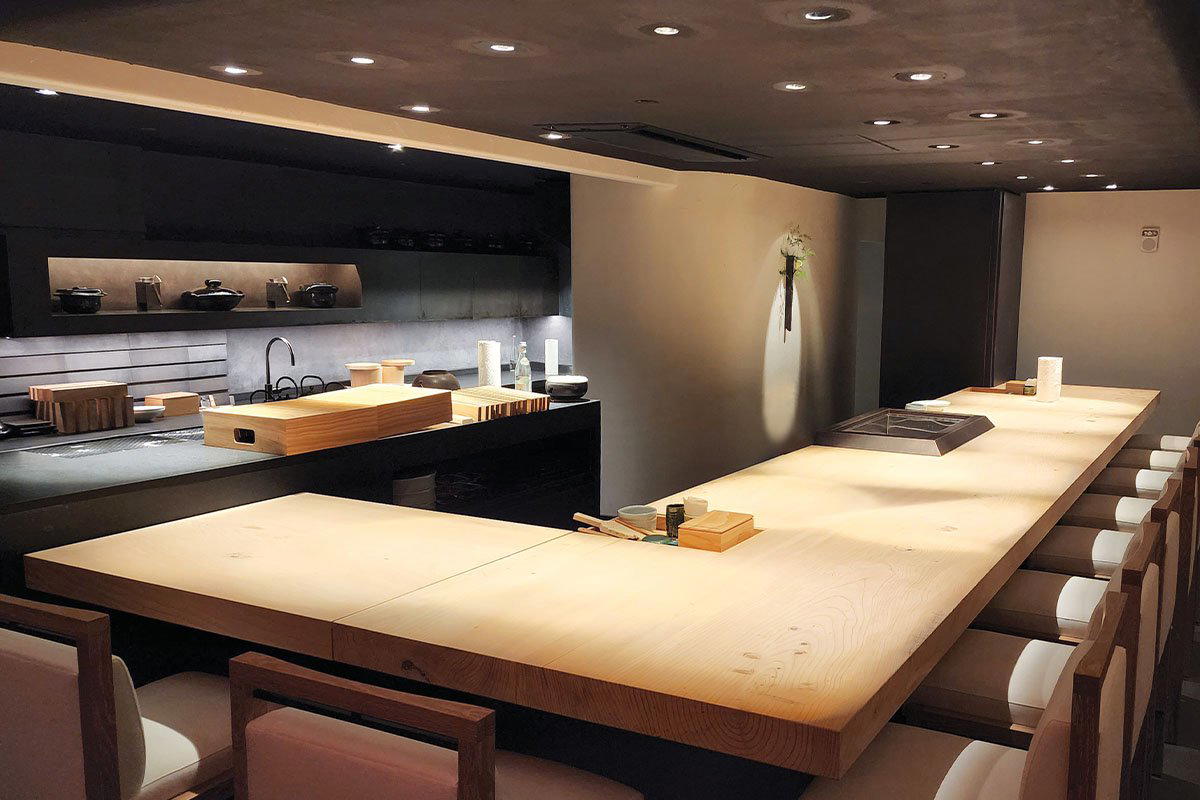







Details
- Intimate
- Elegant
- Quiet
- Minimalist
- Date Night
- Special Occasion
- Chefs Counter
- Sake Program
- Sustainable Seafood
- Omakase
- Counter Dining
- Sake Program
- Pescatarian Friendly
Current opening hours
- Monday
- Closed
- Tuesday
- 6–11 PM
- Wednesday
- 6–11 PM
- Thursday
- 6–11 PM
- Friday
- 6–11 PM
- Saturday
- 6–11 PM
- Sunday
- Closed
Hours can change for holidays and private events. Hours as of .
Silky wood counter in a quiet, tucked-away basement with humble, focused atmosphere emphasizing the sushi craftsmanship.