
Tabelog 100 #92
Our verdict
Shirokuma Shokudo belongs to Otaru’s small-counter dining tradition rather than the city’s more tour-led seafood circuit. Its Tabelog 100 Diner 2026 selection, nine counter seats, cash-only payment, and reservation-only dinner format make it a tightly run address for travelers who care about Hokkaido ingredients without needing ceremony.

Pearl is the En Primeur Club membership app — saves, bookings, and concierge access live there. Same editors, same standards.
- Address
- 3 Chome-6-3 Ironai, Otaru, Hokkaido 047-0031, Japan
- Phone
- +81 134-31-4690
- Hours
- Mon–Tue 11 AM–2 PM, 6–10 PMWed–Thu ClosedFri 11 AM–2 PM, 6–10 PMSat–Sun 11 AM–3 PM, 6–10 PM
- Website
- instagram.com
- Directions
- Get directions
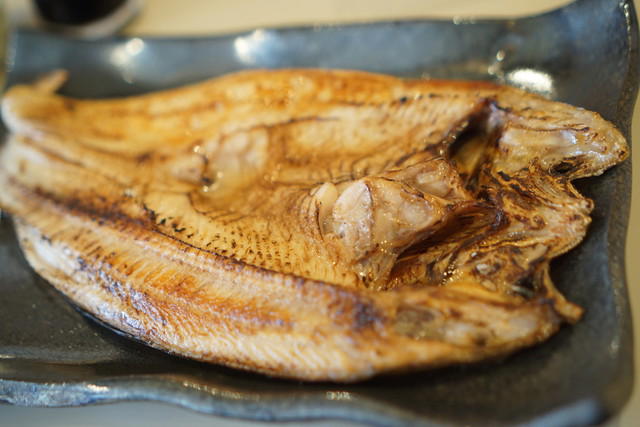
The menu
What to order
- Cream seafood doria
- Hokkaido seafood dishes
- Tempura
- Grilled eel
Otaru has a quieter rhythm beyond its most touristed dining streets: working-port edges, older commercial textures, and casual rooms where the city’s food identity becomes daily life rather than spectacle. Shirokuma Shokudo fits that register. Listed across cafeteria, izakaya, and cafe categories, it reads as a casual, flexible stop rather than a formal restaurant, which matters in a city many visitors reduce to a single seafood or dessert stop.
Otaru’s food culture is built on access. The port, the wider Hokkaido pantry, and a habit of feeding workers as well as tourists give the city a practical culinary base. A place classified across cafeteria, izakaya, and cafe categories can carry real weight. The category signals flexibility: modest lunch, dinner in a tavern-adjacent mode, and a room scaled for conversation rather than spectacle.
A casual Otaru address in the city’s everyday dining tier
Japan’s shokudo tradition is often misunderstood by travelers seeking grand tasting-menu signals. The point is not luxury theater; it is repetition, timing, and the daily meal as a local form. In Hokkaido, that can mean food shaped by the region’s seasonality and port-city habits. Shirokuma Shokudo’s recognition on the Tabelog Hyakumeiten 2026 list places it in a national conversation about everyday Japanese dining, not just Otaru tourism.
The casual format sets the tone. Everyday dining changes a meal’s economics: cooking pace, ordering rhythm, and turnover become more personal. That is not a flaw to smooth over; it is part of the format. This is the opposite of high-volume tourist dining, where the main question is how fast a meal can arrive before the next sightseeing stop.
Category is the useful lens. Otaru has many places where seafood or sweets are presented as the headline. At Shirokuma Shokudo, the interest is broader: cafeteria practicality, izakaya informality, and cafe ease meeting in a local room. The appeal is less about a single famous product than about how an everyday meal can still feel specific to Otaru.
The comparison inside Otaru is instructive. Otaru Seafood Donburi Restaurant "Shinkai" sits in the city’s seafood-bowl lane, while Ice cream Parlor Misono belongs to Otaru’s dessert tradition. Shirokuma Shokudo occupies a more domestic lane: less about one famous product, more about the everyday meal as a serious local form. That is the difference between eating Otaru as a postcard and as a working Hokkaido port.
Why the casual format carries more weight than it first suggests
The price structure also tells a story. Lunch is listed in the JPY 1,000 to JPY 1,999 range, while dinner is listed at JPY 5,000 to JPY 5,999. That spread suggests a venue that can change character across the day: simple daytime access, then a more deliberate evening pace. In Otaru, where visitors often plan one seafood-focused meal and move on, this better suits travelers who leave room for the city’s less obvious dining formats.
Recognition adds substance. Selection for the Tabelog Hyakumeiten list in 2026, with a listed score of 3.66, gives Shirokuma Shokudo a signal beyond casual local usefulness. That matters because shokudo-style and cafeteria-adjacent cooking rarely has the visual shorthand of sushi counters or kaiseki rooms. Recognition helps translate a practical, everyday format into something visitors can read.
Casual does not mean generic. The listed categories—cafeteria, izakaya, and cafe—place the restaurant between simple meal, drinking room, and relaxed daily stop. Those labels help travelers plan expectations without forcing the venue into a fine-dining frame. In winter or on tight sightseeing days, the key is to treat Otaru’s casual rooms with the same planning respect as its more obvious destinations.
The venue’s casual character is best understood as part of the appeal rather than a limitation. A place like this rewards patience and punishes over-scheduling. If the day includes canal walks, shopping, and a train back to Sapporo, lunch may be the cleaner fit. If Otaru is the overnight base, dinner gives the format more room to breathe.
How to place it within an Otaru eating plan
Otaru is not short on clear dining lanes. Sushi remains the prestige move, seafood bowls are the efficient daytime choice, warm casual meals offer a cold-weather fallback, and dessert parlors carry the city’s retro cafe memory. Shirokuma Shokudo is useful because it avoids the most obvious categories while still speaking in a local everyday register. Pair it with more single-purpose dining across a stay, whether that means seafood, sweets, sushi, or other unnamed casual rooms in Otaru.
The broader point is that Otaru rewards more than one meal. A traveler who only eats near the most familiar tourist routes gets a simplified version of the city. Otaru’s quieter streets and older commercial fabric better frame independent rooms where scale is part of the appeal. Shirokuma Shokudo belongs in that plan: not as a trophy booking, but as a serious casual meal where category, pace, and local dining habits do the work.
For a wider itinerary, use our full Otaru restaurants guide, then build around lodging, drinks, wine, and activities through our full Otaru hotels guide, our full Otaru bars guide, our full Otaru wineries guide, and our full Otaru experiences guide. For broader Japan and sake-adjacent reading, see other dining guides and city features across Japan and beyond.
Frequently asked questions
Is Shirokuma Shokudo good for families?
Shirokuma Shokudo is a casual venue in Otaru, listed across cafeteria, izakaya, and cafe categories. Its format is better suited to flexible planning than to travelers expecting a large formal dining room.
Is Shirokuma Shokudo formal or casual?
It reads as casual rather than formal, with a shokudo/cafeteria, izakaya, and cafe classification. The format is rooted in everyday Japanese dining rather than luxury dining. Prices are listed in the JPY 1,000–1,999 lunch and JPY 5,000–5,999 dinner bands.
Is Shirokuma Shokudo more mid-range or high-end?
Pricing at Shirokuma Shokudo is listed as JPY 5,000 - JPY 5,999 JPY 1,000 - JPY 1,999.
When can I go to Shirokuma Shokudo?
Check current opening details directly before visiting Shirokuma Shokudo, as the provided listing information does not establish specific hours.
What's Shirokuma Shokudo's location?
Otaru.
What is Shirokuma Shokudo known for?
Shirokuma Shokudo is known for its Tabelog Hyakumeiten recognition in 2026, a listed score of 3.66, and its cafeteria, izakaya, and cafe classification. The lunch-to-dinner pricing split helps define the experience in Otaru.
How It Stacks Up
Comparable venues by cuisine and price in the same metro.
| Venue | Cuisine | Price | Awards | Notes |
|---|---|---|---|---|
| Shirokuma ShokudoThis venue — the venue you are viewing | Cozy Hokkaido izakaya & cafeteria | $30–50 | Tabelog 100 #92 | Not listed |
| Wagyu Kurosawa Otaru Main Store (和牛黒澤 本店) | Japanese Wagyu Sukiyaki | $30–50 | Not listed | Ironai |
| オタル ダイニング ノーネーム | Otaru Yoshoku (Japanese Western Cuisine) | $20–30 | Not listed | Shinonomecho |
| Ramen Shodai Otaru honten | Japanese Ramen | $1–10 | Tabelog 100 #10 | Sumiyoshi-cho |
| 伊勢鮨 | Edomae Sushi | $100–150 | Tabelog 100 #64 | Sakaimachi |
| かまわぬ | Seafood Izakaya | $30–50 | Not listed | Hana no Sono |
Recognition history
Dated appearances from independent guides and award organizations, with the underlying list record or original source where available.
Tabelog 100 #92 · No. 92
Tabelog · Tabelog 100 - Diner - 2026
Continue exploring
More in Otaru
Restaurants in Otaru
Browse all →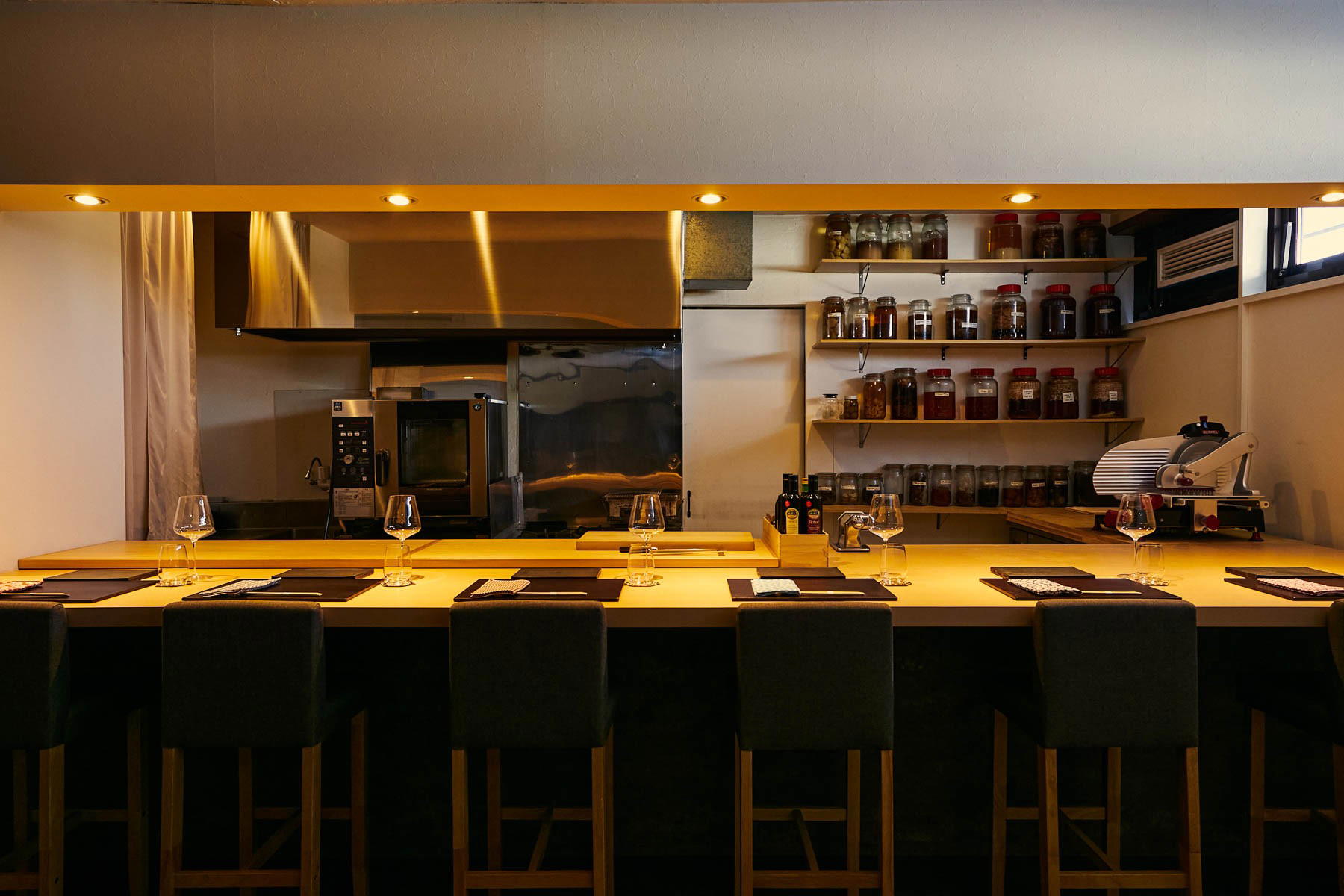
Bars in Otaru
Browse all →
Hotels in Otaru
Browse all →
Wineries in Otaru
Browse all →
Details
- Cozy
- Intimate
- Date Night
- Solo
- After Work
- Casual Hangout
- Chefs Counter
- Standalone
- Sake Program
- Beer Program
- A La Carte
- Counter Dining
- Sake
- Shochu
- Beer
- Wine
Current opening hours
- Monday
- 11 AM–2 PM, 6–10 PM
- Tuesday
- 11 AM–2 PM, 6–10 PM
- Wednesday
- Closed
- Thursday
- Closed
- Friday
- 11 AM–2 PM, 6–10 PM
- Saturday
- 11 AM–3 PM, 6–10 PM
- Sunday
- 11 AM–3 PM, 6–10 PM
Hours can change for holidays and private events. Last verified .
A small, counter-only room with a relaxed, homey feel where the chef cooks directly in front of guests; reviews describe a warm, local atmosphere ideal for quiet drinks and conversation rather than a loud party scene.