
Tabelog 100 #11
Our verdict
Shirogane Baru sits in Tokyo’s Spanish dining-bar lane rather than the formal tasting-menu bracket: fish-led cooking, wine and cocktails, counter seating, and private rooms for small groups. Its Tabelog 100 Spanish cuisine selections in 2024 and 2026 place it in a competitive Tokyo category where longevity, format discipline, and neighbourhood fit matter as much as ceremony.

Pearl is the En Primeur Club membership app, where members save venues, book tables and use the concierge.
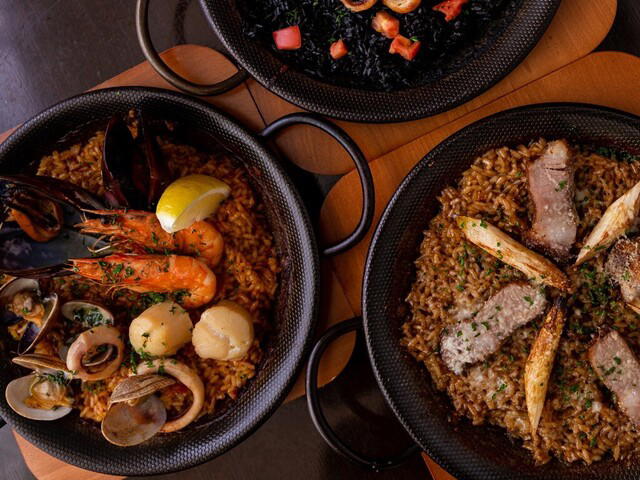
Tokyo’s dining map shifts quickly from station-front convenience to quieter rooms built for regular use. Shirogane Baru fits that in-between Tokyo grammar: part Spanish restaurant, part dining bar, part wine bar. Read it less as a formal Spanish dining room than as a Tokyo bar-counter adaptation: flexible, drink-aware, and built for repeat local use rather than destination spectacle.
That matters in Tokyo, where Spanish cooking has split into lanes: structured tasting-menu rooms using contemporary Iberian technique, and casual tapas counters built around wine and sharing plates. Shirogane Baru sits closer to the latter, with enough recognition to avoid neighbourhood-fallback status. Selection for Tabelog 100 Spanish cuisine in 2026 is the key trust signal, especially in a city where the category has moved beyond paella-and-sangria shorthand.
Tokyo Spanish cooking has moved from novelty to neighbourhood literacy
Spanish restaurants in Tokyo once leaned on familiar markers: jamón, tortilla, paella, cava. Stronger contemporary rooms now translate the format into Japanese dining habits: counter-style ease, compact groups, ingredient fluency, and wine-led service without fine-dining theatre. Shirogane Baru’s listed categories, Spanish, dining bar, and wine bar, place it squarely in that hybrid space.
The format is not incidental. Tokyo’s Spanish category benefits from strong local expectations around produce, pacing, and service. A Spanish bar here can use the cuisine not as imported identity alone but as local logic, framed through Iberian reference points and wine-led rhythm. That is more interesting than a checklist of Spanish staples. The wine-bar category confirms that the drink program is part of the meal’s structure rather than an afterthought.
Price also defines the lane. Shirogane Baru’s dinner range is JPY 6,000 to JPY 7,999. It is not budget; it is a polished Spanish bar at mid-premium Tokyo spend, suited to dates, friends, and small celebrations without special-occasion-only posture. Within Tokyo, that makes it easier to use than restaurants whose appeal depends on ceremony or trophy status.
A recognised Spanish bar gives the room a different kind of authority
Continuity carries weight in Tokyo restaurant culture. Shirogane Baru’s recognition in the 2026 Tabelog 100 Spanish cuisine list suggests a restaurant whose format remains legible as the category grows more competitive. That kind of listing is not a substitute for taste, but it is useful context for readers deciding whether a casual-sounding bar has enough editorial substance to merit a booking.
The current direction reads practical rather than nostalgic. A wine-bar identity, Spanish category, and dining-bar positioning match how Tokyo diners often use this kind of room: not for grand hotel dining, but for evenings needing intimacy, competence, and a room that can handle different social registers. In Tokyo, where group dining can become either too casual or too formal, that middle ground fills a useful gap.
The baru format lets the kitchen stay less rigid than a course-only restaurant. That flexibility is central to Spanish dining in Japan: shared plates, wine progression, and a table moving through the evening without dégustation choreography. The result is not Spain copied wholesale. It is Spanish structure serving a compact, social Tokyo evening alert to drink pairings.
For a broader Tokyo itinerary, this contrasts with other Tokyo dining rooms across Japanese, casual, and specialist formats. Some meals focus on counter ritual; others focus on comfort-food specificity, visual culture, or a narrow ingredient theme. Shirogane Baru shows another Tokyo pattern: imported cuisine made local through scale, drink, and repeatability.
Who this Spanish bar format suits in Tokyo
Shirogane Baru best suits diners wanting Tokyo polish without rigid ceremony. Its Spanish, dining-bar, and wine-bar identity puts it in a middle zone: intimate in feel, but not framed as a hushed destination temple. Its Tokyo setting suits travellers already eating across the city rather than chasing one landmark meal.
Use it when the evening calls for conversation, wine, and a flexible Spanish frame rather than a chef-driven tasting counter. The listed dinner budget of JPY 6,000 to JPY 7,999 makes expectations clear: this is neither a bargain stop nor a high-ceremony splurge. It is best approached as a mid-premium Tokyo dinner where the pleasure comes from rhythm, drink, and social ease.
Read the limits correctly. A dining bar is not the same thing as a late-night lounge, and a recognised Spanish restaurant is not automatically a formal tasting room. The useful way to frame Shirogane Baru is as a Tokyo restaurant with Spanish, wine-bar, and dining-bar functions layered together. That clarity helps avoid the wrong booking mood.
As an editorial choice, Shirogane Baru works when Spanish food is the frame, wine matters, and the party wants Tokyo ease over ceremony. It is less compelling for travellers seeking a chef-driven trophy reservation. That is the point. Tokyo’s dining strength is not only its highest temples; it is also rooms that absorb an imported cuisine, adjust it to local habits, and keep doing so with confidence.
For broader planning, use Our full Tokyo restaurants guide alongside the city’s wider hotel, bar, winery, and experience coverage. Nearby and cross-city contrasts can be drawn with other unnamed Tokyo dining rooms, while Japan-wide and overseas comparisons are best treated generically unless they serve the same planning purpose. Shirogane Baru belongs in that practical Tokyo layer: specific enough to anchor an evening, flexible enough to fit a larger itinerary.
What It’s Closest To
Comparable venues at the same tier.
| Venue | Cuisine | Price | Awards | Notes |
|---|---|---|---|---|
| Shirogane BaruThis venue (the venue you are viewing) | Spanish Tapas & Wine Bar | $50–100 | Tabelog 100 #11 | Not listed |
| EL Castellano | Traditional Spanish Restaurant & Wine Bar | $50–100 | Tabelog 100 #45 | Shibuya |
| sardexka | Basque-leaning Japanese-Spanish Fusion | $100–150 | Tabelog 100 #66 | Taitō |
| Spain Bar Girona | Spanish Bar / Tapas | $50–100 | Tabelog 100 #50 | Shinagawa |
| Spain Restaurant Ginza Espero | Traditional Spanish restaurant specializing in paella | $30–50 | Tabelog 100 #76 | Chūō |
| 立喰 鮨となり | Modern Edo-Style Standing Sushi | $50–100 | Michelin Bib Gourmand | Azabujuban |
Recognition history
Dated appearances from independent guides and award organizations, with the underlying list record or original source where available.
Tabelog 100 #11 · No. 11
Tabelog · Tabelog 100 - Spanish cuisine - 2026
Continue exploring
More in Tokyo
Restaurants in Tokyo
All restaurants in Tokyo →


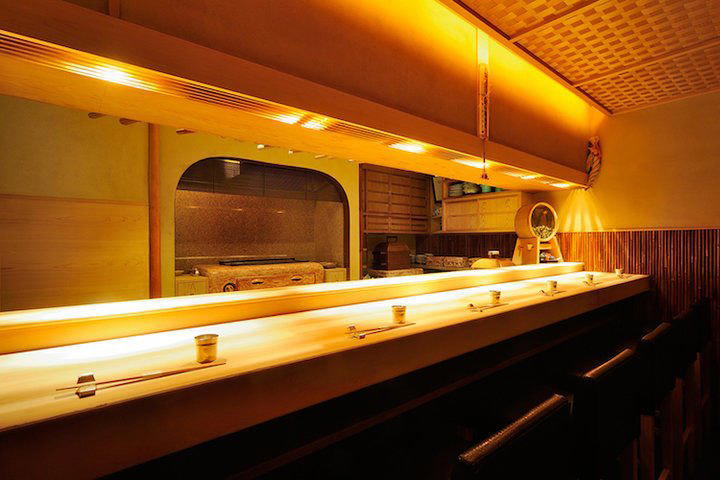
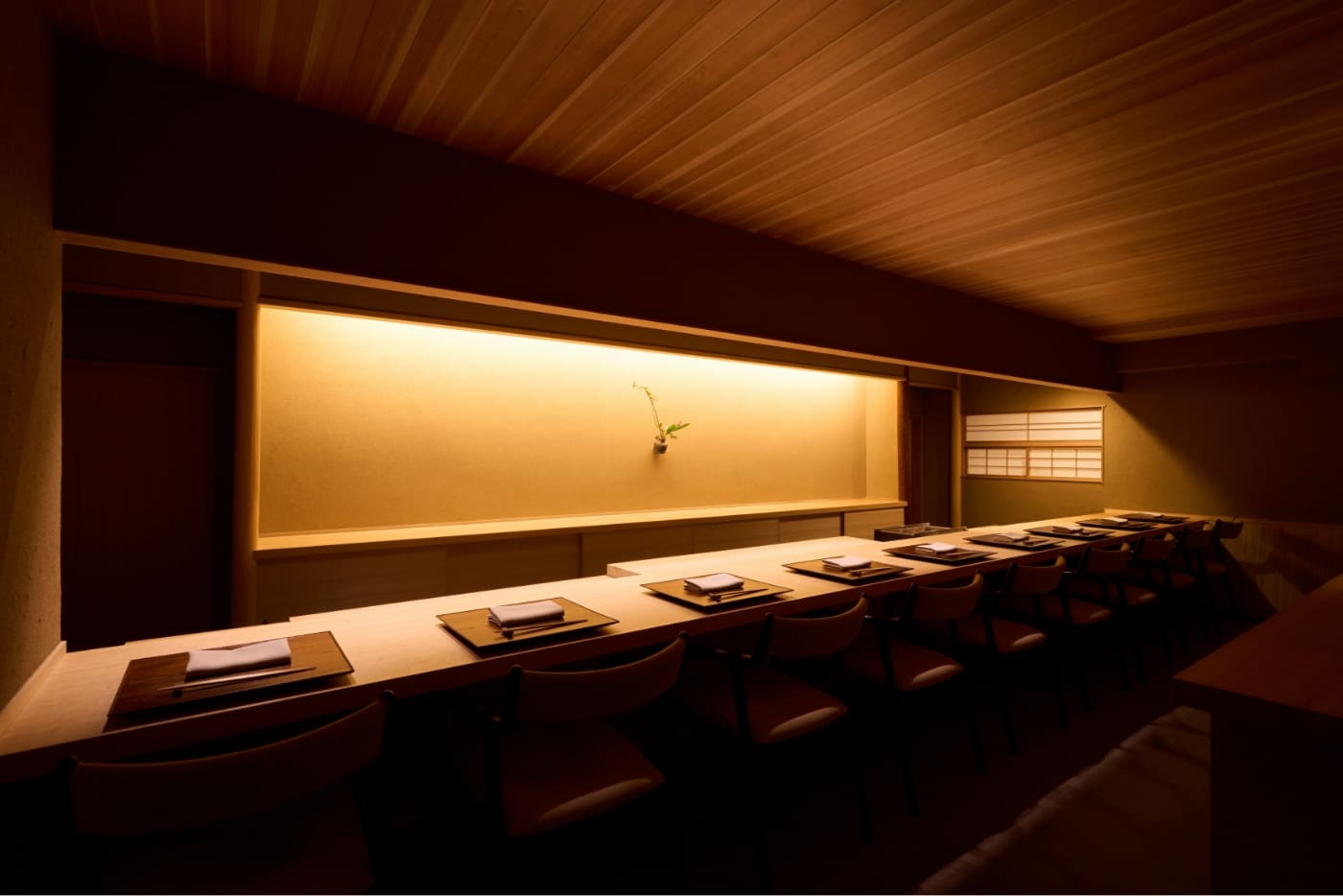


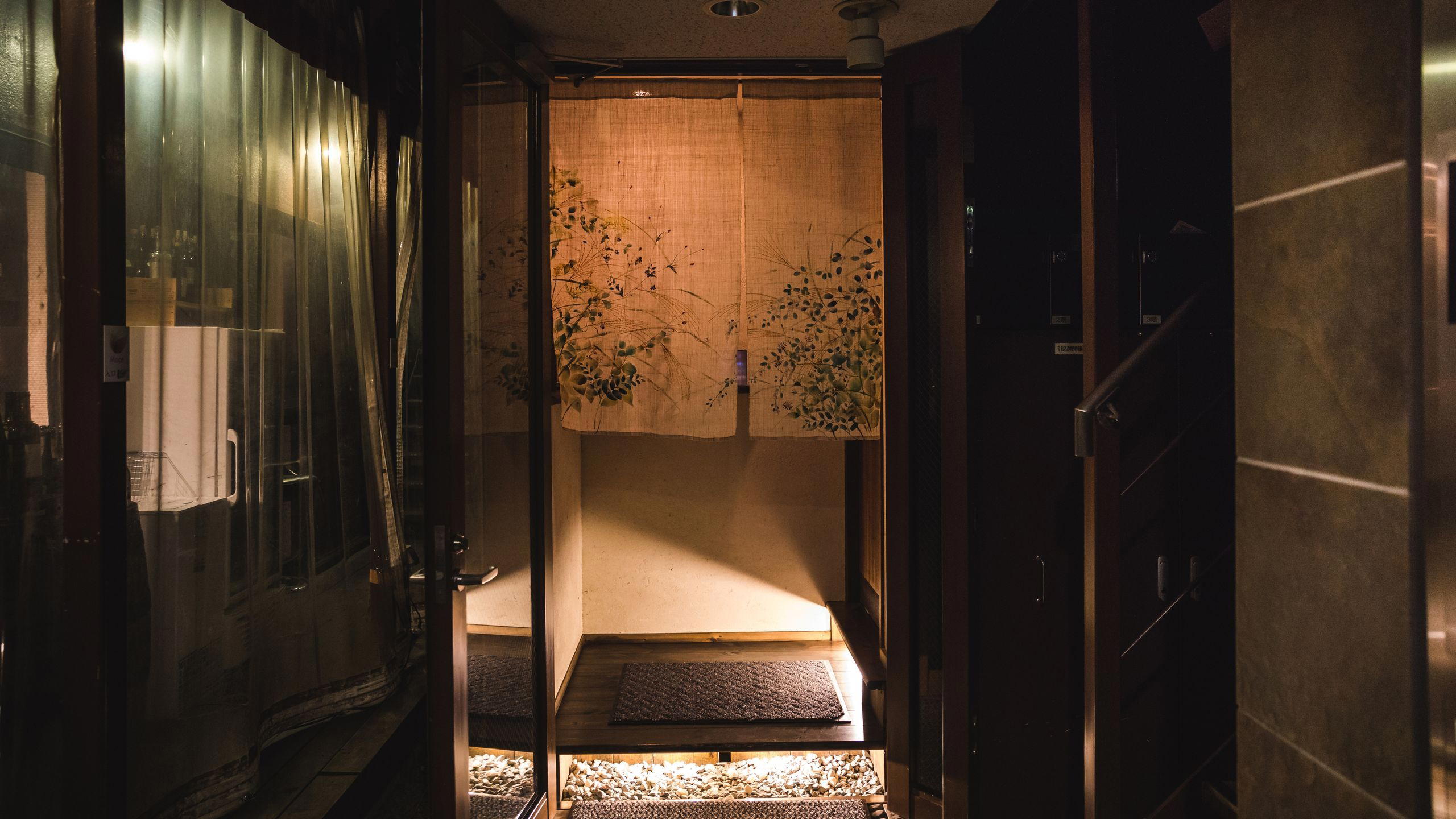



Shirogane Baru
The wine
- Wine program
- Deep wine list
- Extensive wine list
- Sommelier-led
Details
- Cozy
- Intimate
- Classic
- Lively
- Date Night
- After Work
- Casual Hangout
- Group Dining
- Solo
- Late Night
- Standalone
- Wine Cellar
- Private Dining
- Extensive Wine List
- Sommelier Led
- Small Plates
- A La Carte
- Wine
- Sherry
- Cava
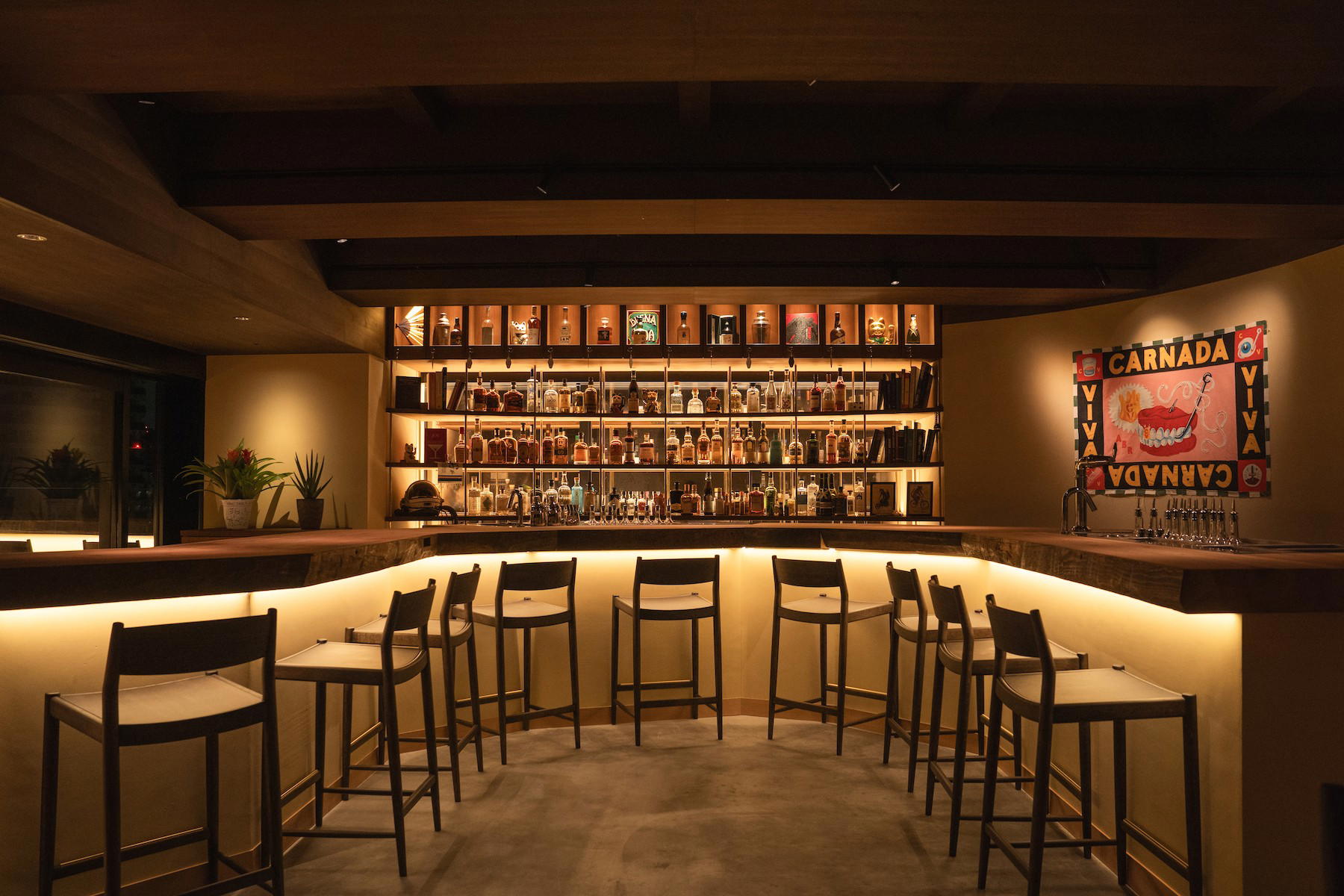
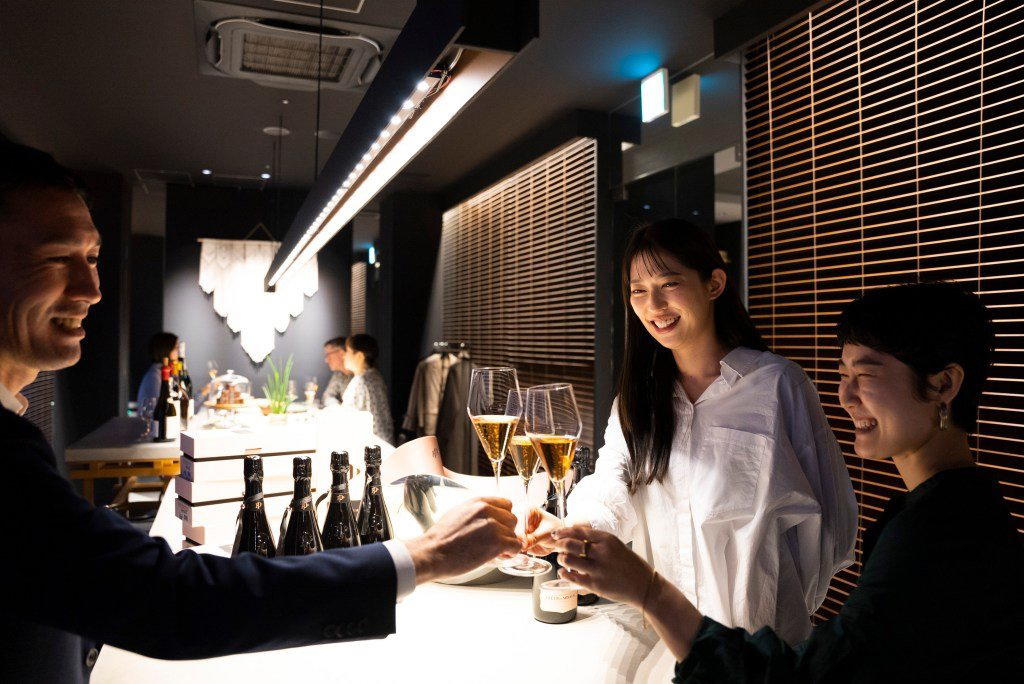
Relaxed, adult-oriented Spanish bar with warm, classic interiors and mostly counter seating, suited to quiet conversations over wine rather than a loud party atmosphere.