
Tabelog 100 #48
Our verdict
Koran places Nagoya’s Chinese dining scene in a small-room, reservation-only register rather than the banquet-hall tradition many travelers associate with the category. Its Tabelog Chinese EAST 100 selection for 2026, 11-seat counter format, and Sakae address make it a compact, reputation-led choice for diners tracking serious Chinese cooking in central Nagoya.

Pearl is the En Primeur Club membership app, where members save venues, book tables and use the concierge.
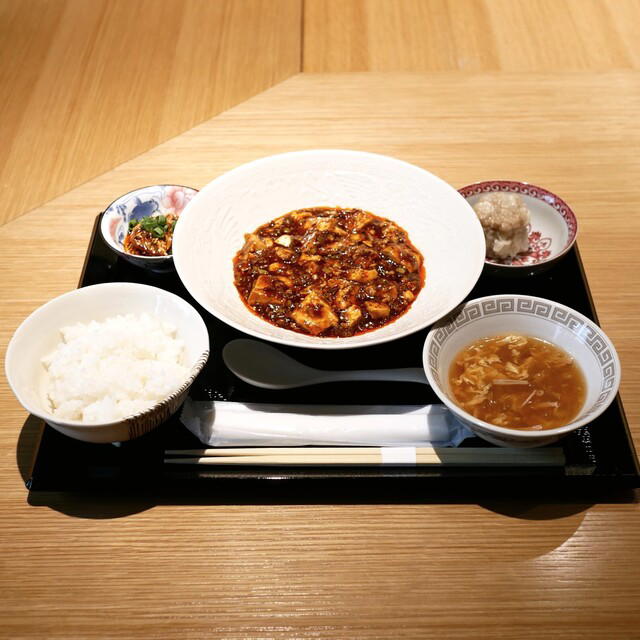
The approach is not theatrical: a Nagoya restaurant whose appeal is better read through reservation intent and local attention than through frontage or spectacle. That setting matters. Nagoya’s higher-end dining culture often rewards discreet, carefully run rooms, where the signal is less about grand presentation and more about whether diners treat the meal as a planned destination.
Koran belongs to the register of Chinese dining in Japan where the category has moved far beyond hotel banquets and large round tables. The modern premium version can be more intimate in feel and judged by a different set of expectations: pacing, heat control, seasoning balance, and drink compatibility. In Nagoya, where serious travelers tend to arrive with sushi, eel, miso katsu, and kaiseki already mapped, Chinese restaurants with national recognition require a sharper second look.
Chinese cooking in Nagoya's small-room tier
Japanese Chinese cuisine has never been a single genre. At one end sit everyday ramen, gyoza, and chuka staples; at another, banquet cooking shaped by regional Chinese traditions filtered through Japanese produce, portioning, and service codes. The premium end of the category compresses that range into a tighter dining rhythm. It asks less for grandeur and more for control: closer pacing, careful sequencing, and a drinks conversation that can support the table without forcing a Western fine-dining template onto the meal.
That is the useful context for Koran. Its listed dinner budget of JPY 15,000 - JPY 19,999 puts it in a serious but not stratospheric part of Nagoya dining, above casual Chinese addresses while still below the city’s most punishing luxury meals. Among Nagoya comparables, Hanamaru Kichijitsu, Sumiyaki Chicken Kababu, and kawaramachi hisaya ukiyo banare help show how the city’s ambitious restaurants sort themselves by intimacy, spend, and reservation intent. The comparison is not about cuisine similarity; it is about how Nagoya’s reputation-led dining rooms compete for attention.
The Tabelog Hyakumeiten recognition for Chinese in 2026 is the key public signal. Tabelog’s Hyakumeiten lists are not Michelin stars, and they should not be read as the same kind of inspection system. Their value is different: they reflect a restaurant’s position inside Japan’s highly active diner-review ecosystem, where specialist categories can carry serious weight among domestic travelers. For a Chinese restaurant in Nagoya to appear in that conversation, the recognition functions as a practical marker: this is not merely a convenient dinner, but part of a broader list watched by people who plan trips around specific tables.
Recognition changes the way to read the room
Awards and lists can flatten restaurants into badges, especially in Japan, where travelers often treat a score as a substitute for understanding the meal. Here, the more useful reading is structural. Koran’s 2026 Tabelog Hyakumeiten recognition and listed score of 4.00 suggest a restaurant that has earned visible attention within a competitive category, rather than a place relying only on local familiarity.
The format reinforces that reputation. A focused dining room changes the stakes. In a larger Chinese restaurant, the experience can absorb variability: different room sections, different party sizes, a wider range of ordering styles. In a more controlled setting, the kitchen and room have less room to hide. Diners who book here are buying into a deliberate evening, not an open-ended survey of regional Chinese dishes. That distinction is important for travelers deciding how to place one Chinese dinner in a Nagoya itinerary.
There is also a local-city point worth making. Nagoya is not short on confident dining, but its international reputation often trails Tokyo, Kyoto, and Osaka. That makes national-category recognition more useful here than it would be in a city already saturated with English-language attention. A Nagoya Chinese restaurant selected for a Hyakumeiten list gives visitors a way into the city beyond the familiar local-specialty checklist. It points toward a dining culture where independent rooms can compete for serious attention without packaging themselves for inbound tourism.
How to place it in a Nagoya itinerary
Koran makes the most sense for travelers who already understand that a Japanese dining room can feel formal even without theatrical dress codes or grand hotel architecture. Its Nagoya setting gives it a natural place in an evening plan, but the stronger signal is that it should be treated as a planned meal rather than a fallback. The category, recognition, and dinner budget all suggest a restaurant built for focused dining rather than a loose group celebration, despite its suitability for special occasions.
Lunch is listed at JPY 1,000 - JPY 1,999, while dinner is listed at JPY 15,000 - JPY 19,999, so dinner is the cleaner choice for most visitors building a premium Nagoya food schedule. The stronger editorial reason to book is the category itself: Chinese cooking in Japan has become one of the more interesting tests of how a city absorbs outside traditions and refines them through local service culture. In Nagoya, Koran sits in the reputation-led part of that story.
For broader planning, compare it with other Nagoya dining rooms and other city restaurants such as Hanamaru Kichijitsu, SHUHARI, Table For Tomorrow, Sumiyaki Chicken Kababu, and kawaramachi hisaya ukiyo banare. City-level planning sits in Our full Nagoya restaurants guide, with adjacent trip context in Our full Nagoya hotels guide, Our full Nagoya bars guide, Our full Nagoya wineries guide, and Our full Nagoya experiences guide. For wider Japan and overseas comparison browsing, look to other dining rooms in major cities and regional destinations rather than treating Koran as a one-to-one match with any single venue.
Frequently asked questions
Would Koran be comfortable with kids?
Koran is best read as a focused Nagoya Chinese restaurant rather than a loose family fallback. Older children who can handle a quiet, structured meal should fit in more easily than larger family groups looking for a casual setting.
Is Koran formal or casual?
It reads as more formal than casual. The clues are clear: a premium dinner budget, Chinese category focus, and a 2026 Tabelog Hyakumeiten recognition in Nagoya.
What does dinner at Koran typically cost?
Dinner at Koran is listed at JPY 15,000 - JPY 19,999. Lunch is listed at JPY 1,000 - JPY 1,999.
What is Koran known for?
Koran is known as a Chinese restaurant in Nagoya with 2026 Tabelog Hyakumeiten recognition and a listed score of 4.00.
Cost and Credentials
Comparable venues to anchor price and recognition.
| Venue | Cuisine | Price | Awards | Notes |
|---|---|---|---|---|
| KoranThis venue (the venue you are viewing) | Seasonal Chinese Counter Dining | $100–150 | Tabelog 100 #48 | Not listed |
| MASA'S KITCHEN Nagoya JR geeto tawaa | Modern Chinese & Sichuan | $30–50 | Tabelog 100 #45 | Nakamura, Modern Chinese & Sichuan |
| Chuka Kappo Warajin | Chinese kappo with Japanese sensibility | Not listed | Tabelog 100 #61 | Nakamura, Chinese kappo with Japanese sensibility |
| 451 | Stylish Sichuan Chinese with Natural Wines | Not listed | Tabelog 100 #56 | Nakamura, Stylish Sichuan Chinese with Natural Wines |
| Chinese Sai Tanaka | Chinese Tantan-men & noodle shop | $10–20 | Tabelog 100 #84 | Midori, Chinese Tantan-men & noodle shop |
| Chinese Meisai Rekishin | Chinese Fine Dining | $50–100 | Tabelog 100 #50 | Nishi, Chinese Fine Dining |
Recognition history
Dated appearances from independent guides and award organizations, with the underlying list record or original source where available.
Tabelog 100 #48 · No. 48
Tabelog · Tabelog 100 - Chinese cuisine - EAST - 2026
Continue exploring
More in Nagoya
Restaurants in Nagoya
All restaurants in Nagoya →


Details
- Cozy
- Modern
- Intimate
- Date Night
- Special Occasion
- Solo
- Business Dinner
- Celebration
- Chefs Counter
- Standalone
- Design Destination
- Sake Program
- Tasting Menu
- Counter Dining
- Set Menu
- Sake
- Wine
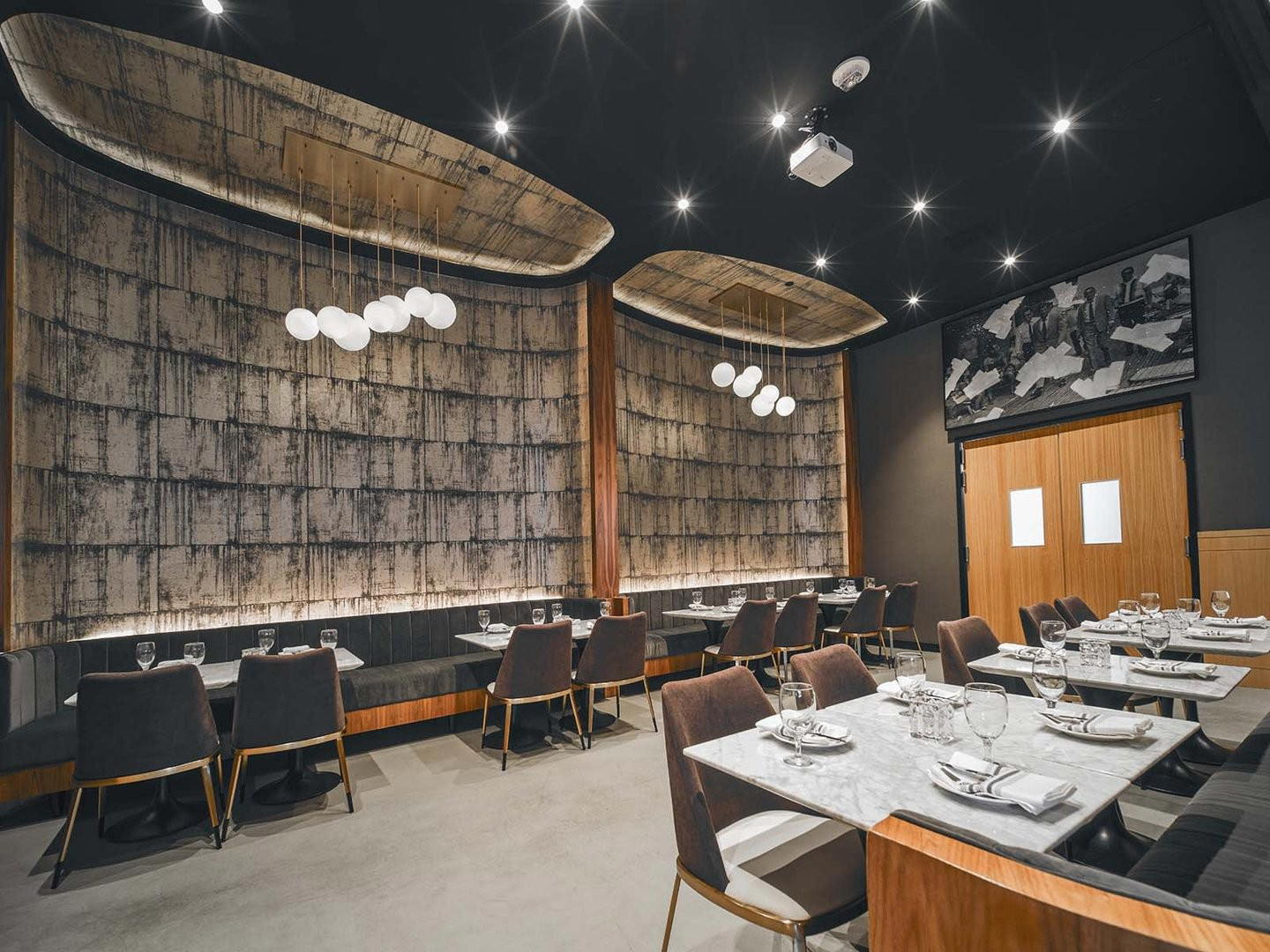
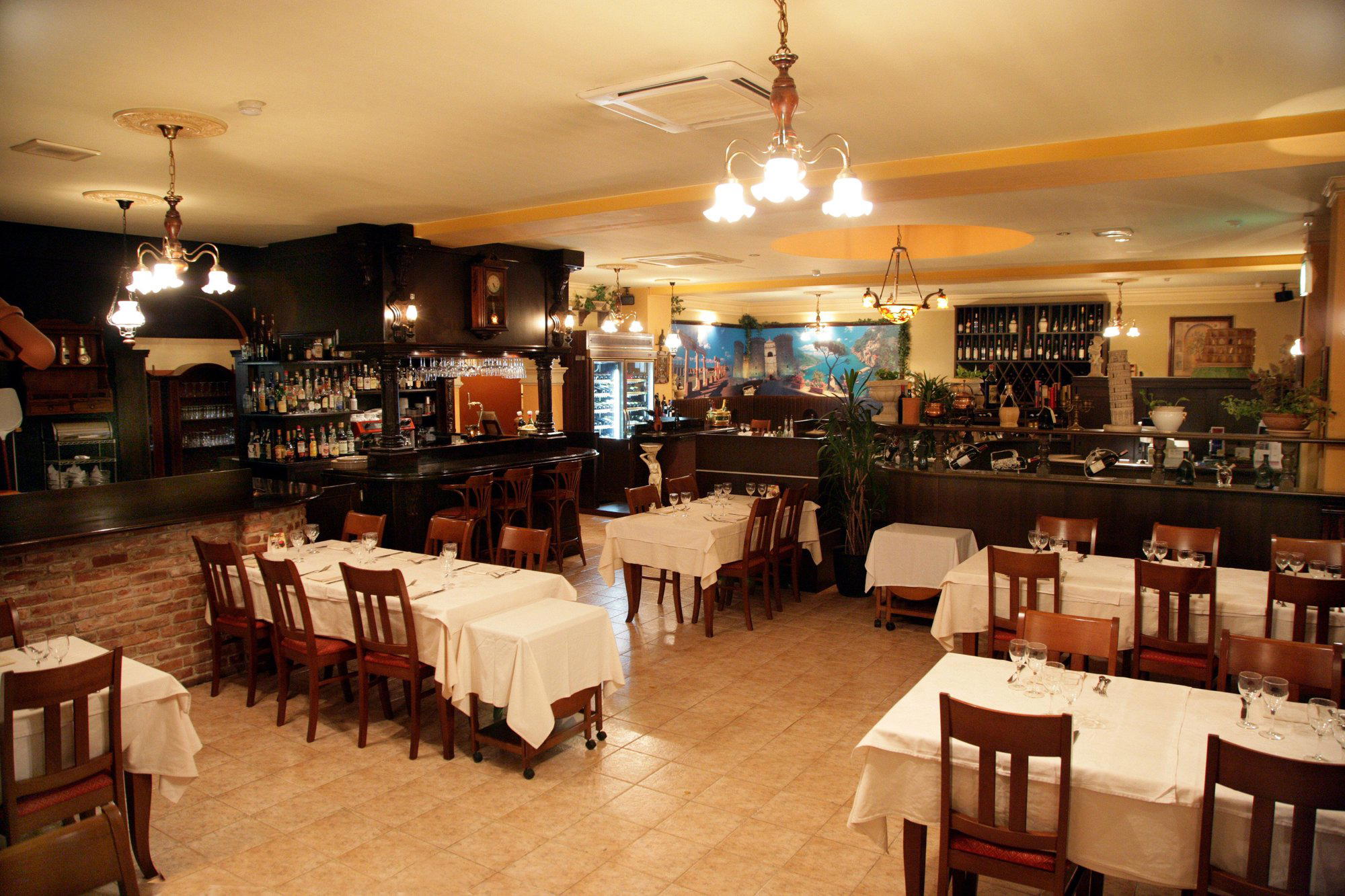
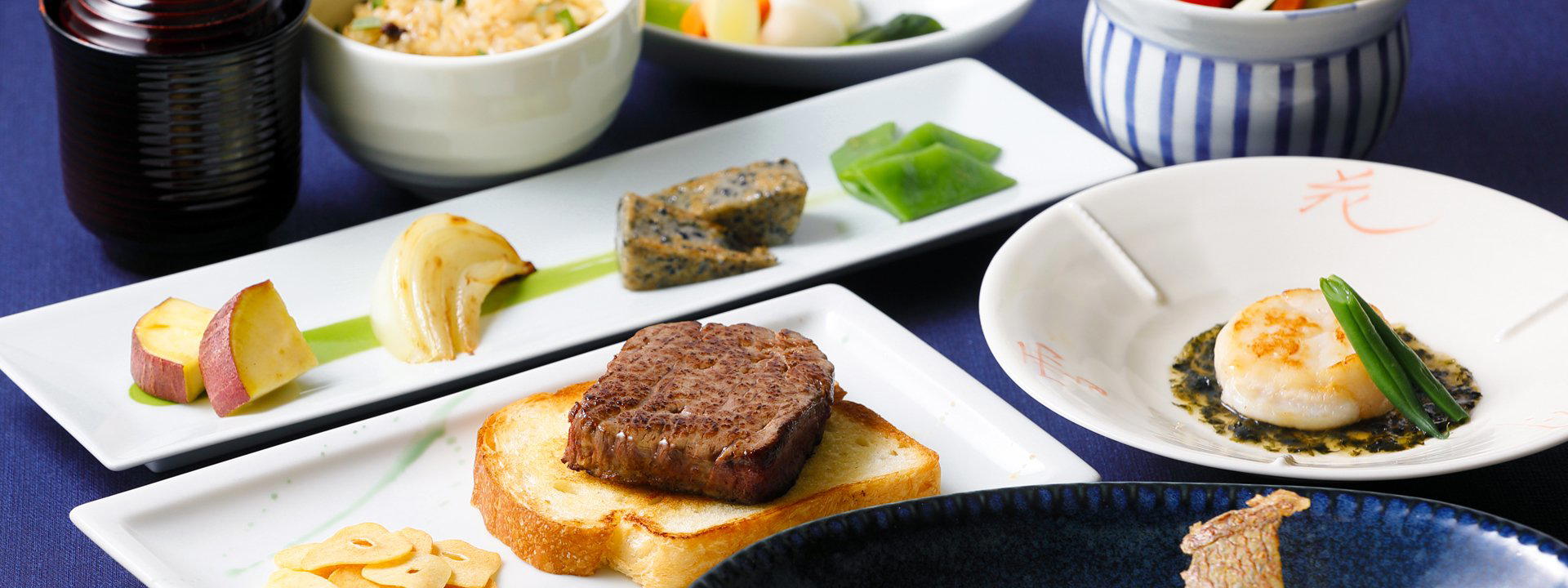
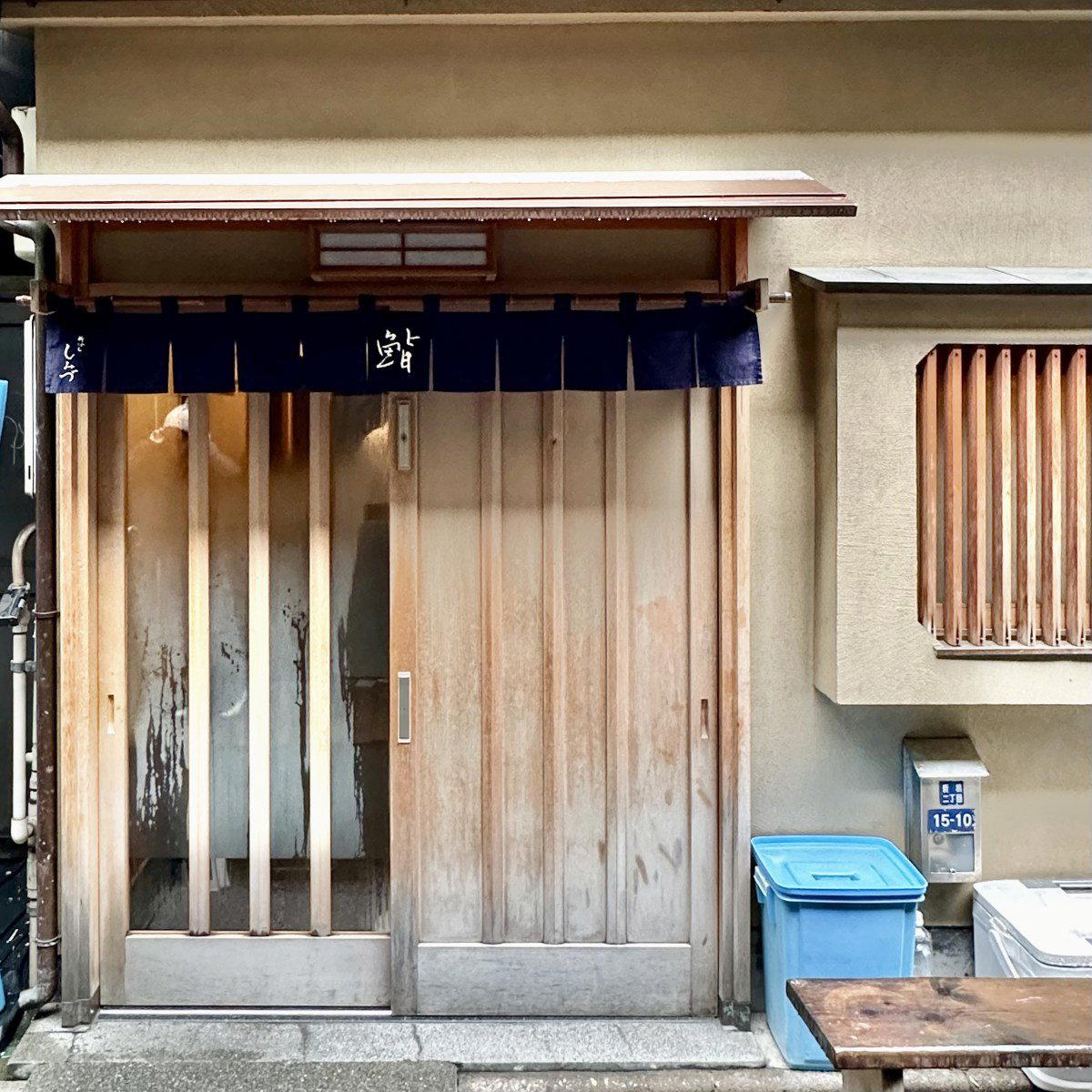
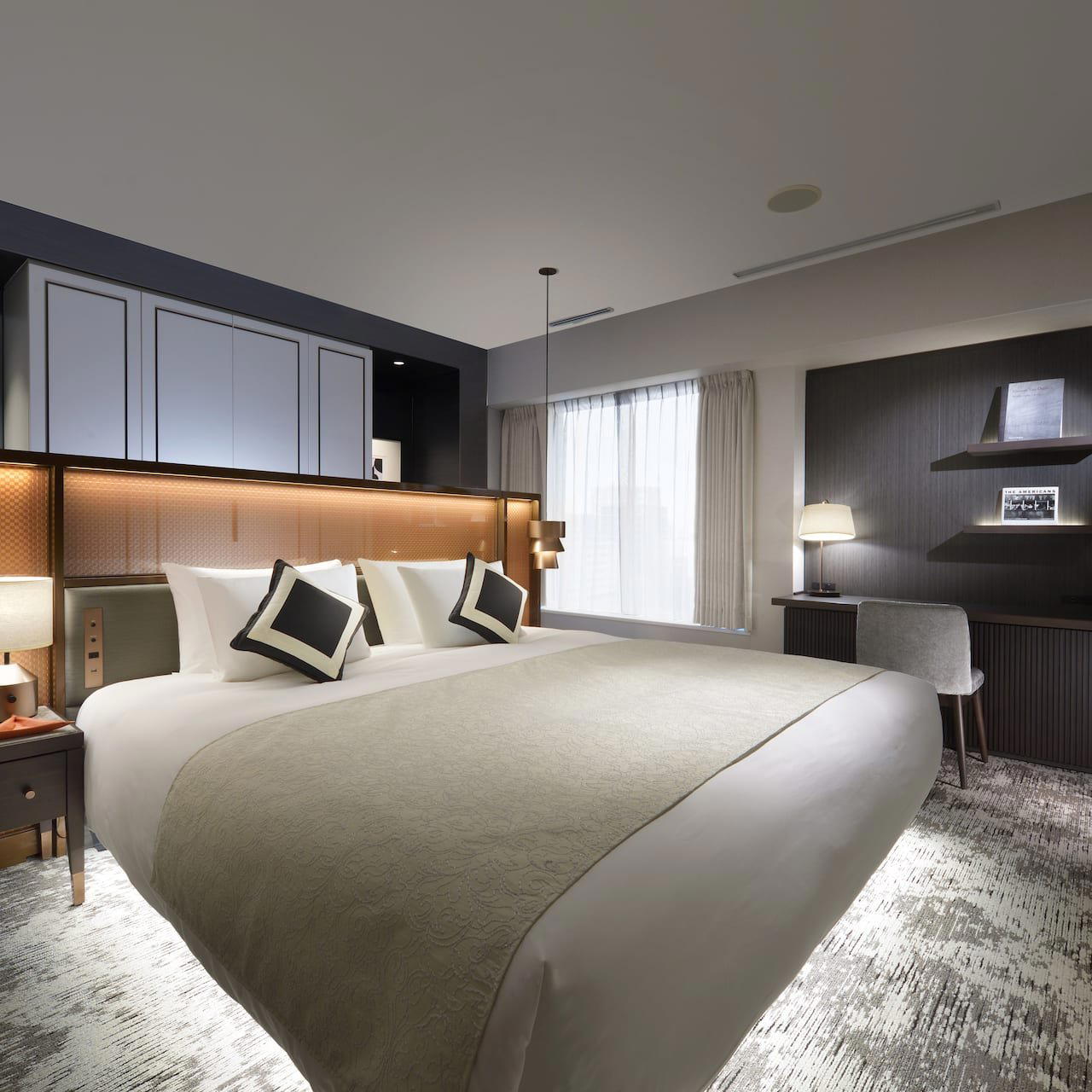
Small, stylish counter-only space with a relaxed, hideout feel; lighting and design are modern yet warm, creating an intimate atmosphere suited to focused, leisurely dining rather than bustle.