A neighbourhood Japanese restaurant on Rua Carlos Weber in Vila Leopoldina, Iroha Sushi sits within São Paulo's sprawling Japanese-Brazilian dining tradition — one of the most substantial outside Japan itself. The address places it away from the high-visibility corridors of Liberdade and Pinheiros, serving a residential quarter where sushi culture is woven into everyday eating rather than occasion dining.
Pearl is the En Primeur Club membership app — saves, bookings, and concierge access live there. Same editors, same standards.
- Address
- R. Carlos Weber, 1446 - Vila Leopoldina, São Paulo - SP, 05303-000, Brazil
- Phone
- +551123657647
- Website
- irohaleopoldina.com.br
- Directions
- Get directions
 Saves & bookings on Pearl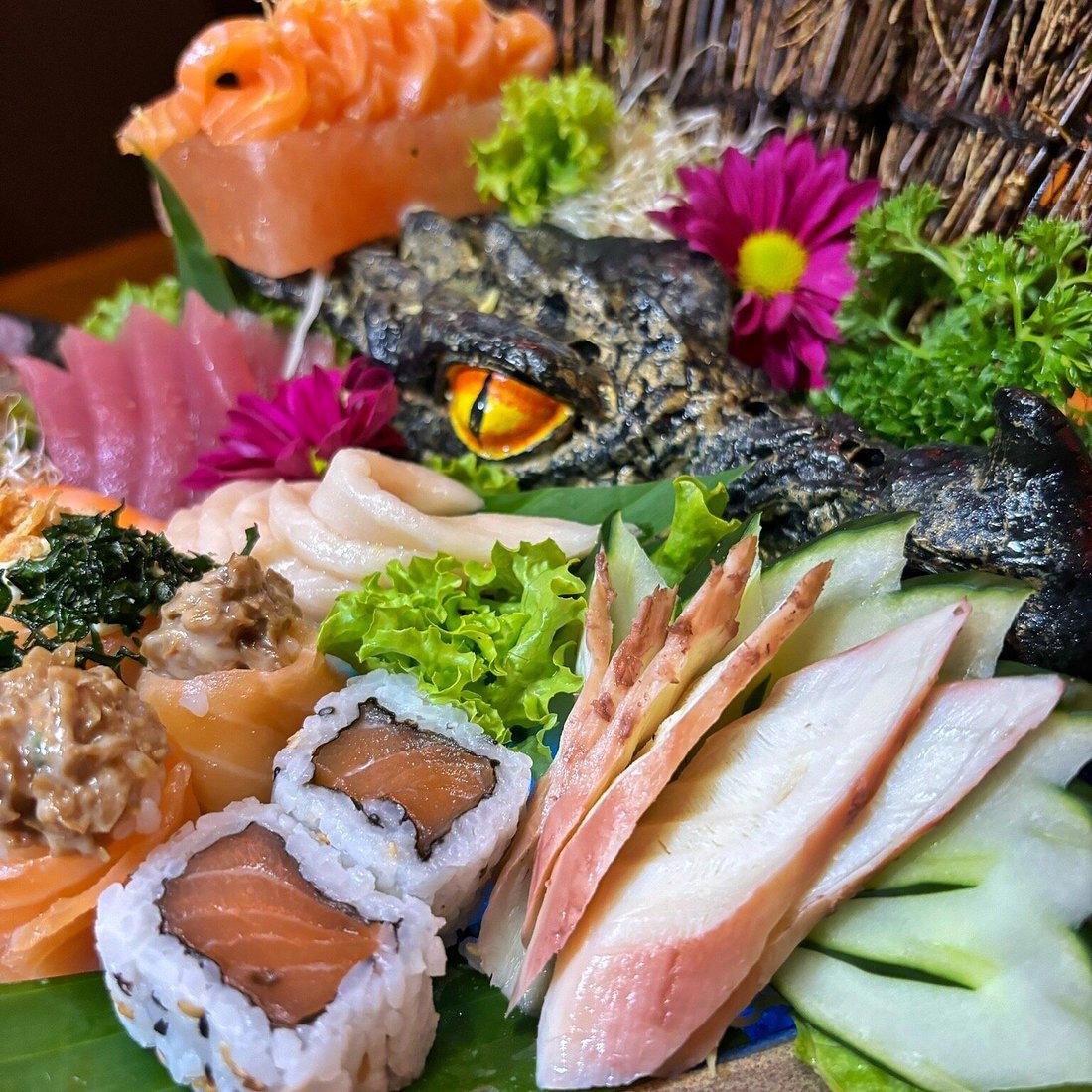
Vila Leopoldina and the Quiet Geography of São Paulo's Japanese Table
São Paulo holds the largest Japanese diaspora community outside Japan, a demographic reality that shapes the city's food culture in ways that go well beyond Liberdade's red lanterns and tourist-facing temaki bars. The Japanese culinary presence here is distributed across the city's residential fabric: in neighbourhood sushiya on side streets, in family-run counters that have served the same bairro for decades, and in a category of mid-register Japanese restaurants that operate more like local institutions than destination dining. Vila Leopoldina, a quiet residential and light-industrial district on the city's west side, belongs to this wider geography. Iroha Sushi on Rua Carlos Weber sits inside that tradition, a neighbourhood address rather than a high-profile name in the competitive tier occupied by Jun Sakamoto or the tasting-menu houses of Pinheiros.
Understanding where a Japanese restaurant sits in São Paulo's hierarchy matters more here than in most cities, because the range is genuinely wide. At one end, counters in Jardins and Itaim Bibi compete on imported fish, chef pedigree, and omakase formats that price against international peers. At the other, a dense network of neighbourhood restaurants feeds a community for whom Japanese food is not exotic — it is simply part of the week. Vila Leopoldina's Japanese restaurants belong to the second category, and Iroha Sushi's address on Rua Carlos Weber, 1446 places it squarely in that residential register.
The Cultural Weight of Everyday Japanese Cooking in Brazil
Brazil's relationship with Japanese cuisine is not a recent import. Japanese immigration to Brazil began in 1908, concentrated initially in São Paulo state's coffee plantations, and the culinary integration that followed over more than a century produced something genuinely distinct: a Brazilian-Japanese food culture that adapted ingredients, techniques, and formats to local availability and taste. The temaki, now ubiquitous in Brazilian beach kiosks, is a Brazilian evolution of Japanese hand-roll formats. Hot sushi rolls with cream cheese and grilled toppings became standard on menus across the country long before they appeared in Western fusion restaurants. What emerged is a tradition that sits alongside — rather than simply imitating, its Japanese source.
This context matters when assessing a venue like Iroha Sushi. Japanese restaurants in São Paulo are not all making the same argument. Some, like Atomix in New York City in its Korean-American register, work at the intersection of cultural heritage and fine-dining ambition. Others anchor a neighbourhood and serve the community around them. The latter category is where Vila Leopoldina's sushi culture lives, and it represents a distinct and legitimate strand of São Paulo's Japanese culinary identity, one that deserves assessment on its own terms rather than against the metrics of omakase destination dining.
What the Address Tells You Before You Arrive
Rua Carlos Weber in Vila Leopoldina is not a dining destination street in the way that Rua Amauri or Rua Haddock Lobo function in Jardins. The neighbourhood draws less food-press attention than Pinheiros or Vila Madalena, which means restaurants here compete on repeat local custom rather than first-visit destination traffic. That dynamic tends to produce a different kind of reliability: the menu breadth and price calibration of a place that needs to satisfy the same tables week after week, rather than the curated restraint of a tasting-menu house performing for first-time visitors.
For readers already familiar with São Paulo's higher-profile Japanese addresses, the contrast with Jun Sakamoto's omakase counter at $$$ or the creative-Brazilian productions at D.O.M. and Tuju is instructive. Those venues operate with chef-driven narratives and reservation windows that extend weeks ahead. A neighbourhood sushiya in Vila Leopoldina occupies different territory: accessible, locally embedded, and measured by consistency across a broad menu rather than precision across a short one. Comparable neighbourhood Japanese operations in São Paulo tend to offer a wide sushi-and-hot-dishes format, with pricing that reflects the local residential market rather than the premium hospitality tier.
São Paulo's Japanese Dining Tier, Mapped
Positioning Iroha Sushi within São Paulo's broader Japanese restaurant category requires acknowledging that the city operates at least three distinct tiers. The first is the destination counter: low seat counts, imported fish, omakase or near-omakase format, high price points, and booking requirements. The second is the mid-level sit-down restaurant in higher-visibility neighbourhoods, offering à la carte sushi alongside cooked Japanese dishes, sake lists, and a design-forward interior. The third is the neighbourhood sushiya: broad menus, everyday pricing, walk-in friendly, and embedded in residential life rather than restaurant-district culture.
Iroha Sushi's Vila Leopoldina address and the absence of Michelin recognition or national press profile places it in the third tier, a designation that carries no negative implication in São Paulo, where this category sustains the city's most consistent Japanese dining culture. For visitors who have covered the headline addresses, who have eaten at Jun Sakamoto or explored the creative end of the city's dining at Maní or Evvai, the neighbourhood register offers a different kind of reading of how Japanese food functions in this city. It is also worth noting that some of São Paulo's most compelling food experiences sit well outside the destination-dining tier, as anyone who has visited Fame Osteria in a quieter pocket of the city will recognise.
Planning Your Visit
Vila Leopoldina is accessible from central São Paulo by car or taxi in 20 to 30 minutes depending on traffic, and the neighbourhood's relatively low pedestrian-dining density means street parking is generally less fraught than in Pinheiros or Jardins. The address on Rua Carlos Weber is a residential side street rather than a main arterial, which is worth noting for navigation. Because no confirmed booking method, hours, or pricing data are available in the public record for Iroha Sushi, readers should verify current operating details before visiting. For broader context on planning a São Paulo dining itinerary that spans multiple tiers and neighbourhoods, the full São Paulo restaurants guide provides a mapped overview. Readers exploring Japanese dining in Brazil's other major cities may also find reference value in Lasai in Rio de Janeiro for how a different city handles high-end creative cooking.
How Iroha Sushi Leopoldina Restaurante Japonês compares with similar nearby venues.
| Venue | Cuisine | Price |
|---|---|---|
| Mocotó Vila Leopoldina | Brazilian | $$ |
| Kubo Zushi | Japanese | $$ |
| Animus | Modern Cuisine | $$ |
Continue exploring
More in São Paulo
Restaurants in São Paulo
Browse all →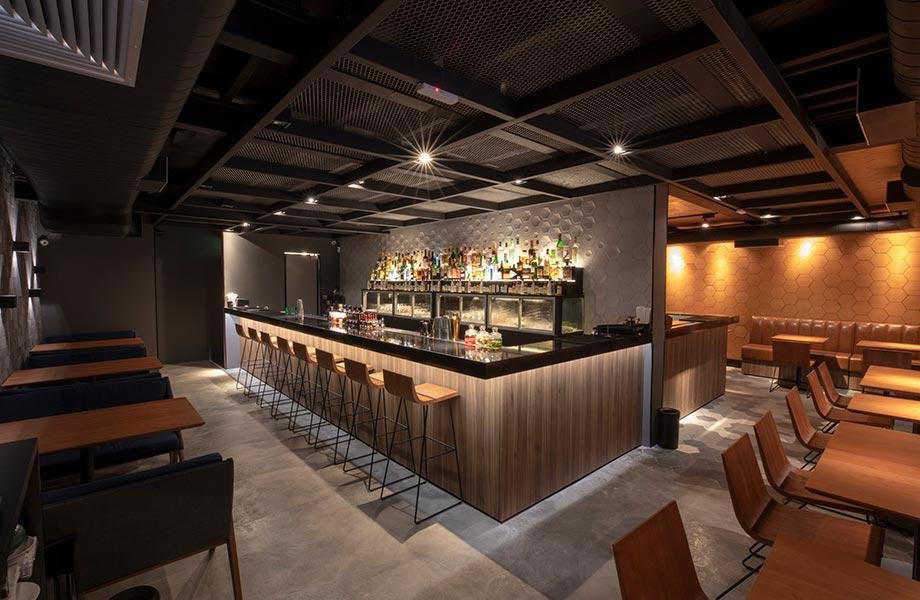
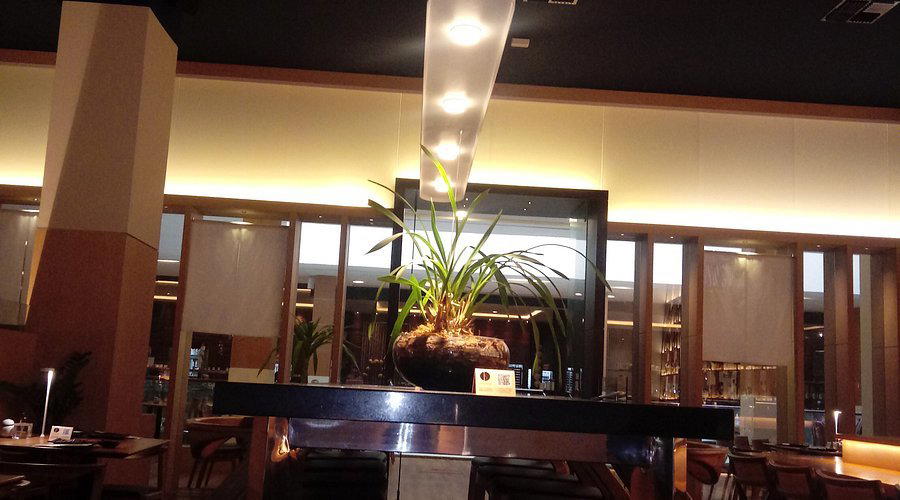
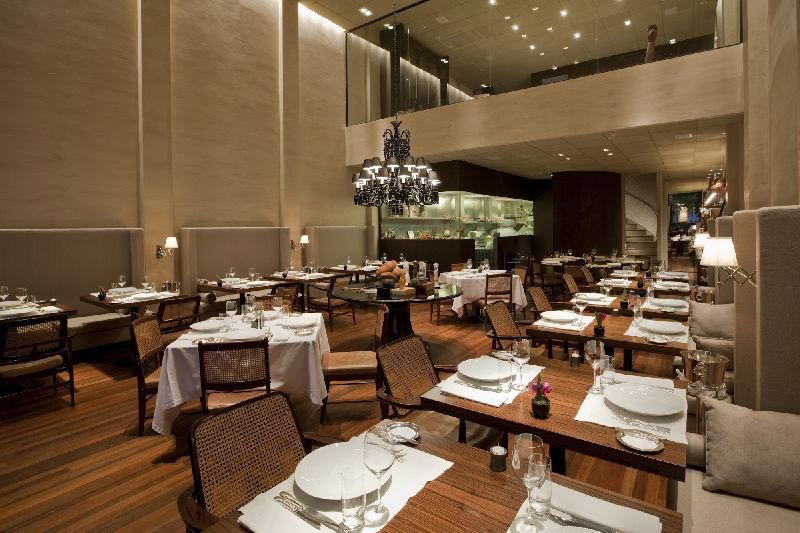
Bars in São Paulo
Browse all →
At a Glance
- Cozy
- Family
- Group Dining
- Casual Hangout
- Standalone
- Sake Program
Current opening hours
- Monday
- 12–3 PM, 7–11 PM
- Tuesday
- 12–3 PM, 7–11 PM
- Wednesday
- 12–3 PM, 7–11 PM
- Thursday
- 12–3 PM, 7–11 PM
- Friday
- 12–3 PM, 7–11:30 PM
- Saturday
- 12:30–11:30 PM
- Sunday
- 12:30–10 PM
Hours can change for holidays and private events. Last verified .
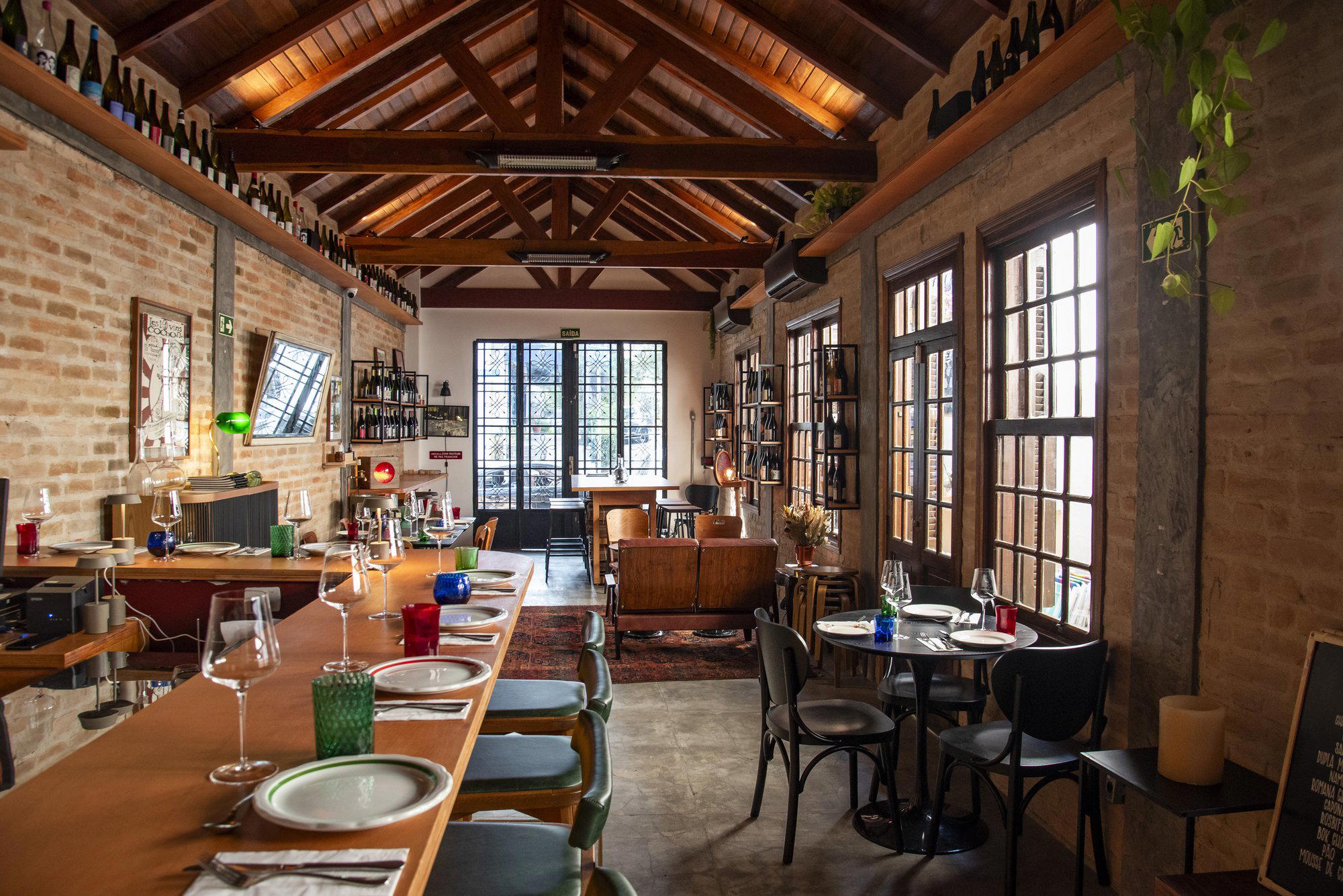
Aconchegante e acolhedor (cozy and welcoming) with air conditioning that can feel cold, suitable for family and friends gatherings.
Know Before You Go
- Getting there
- R. Carlos Weber, 1446 - Vila Leopoldina, São Paulo - SP, 05303-000, Brazil