Kobu Sushi
Sushi in Brazil's interior occupies a different register than the coastal omakase counters of São Paulo or Rio. Kobu Sushi operates on Avenida Brasil in Piracicaba's Cidade Jardim neighbourhood, bringing Japanese technique to a city better known for its sugarcane industry and Italian-inflected food culture. For a mid-sized São Paulo state city, that positioning carries weight.
Pearl is the En Primeur Club membership app — saves, bookings, and concierge access live there. Same editors, same standards.
- Address
- Av. Brasil, 1.215 - Cidade Jardim, Piracicaba - SP, 13416-530, Brazil
- Phone
- +551939272660
- Website
- kobusushi.com.br
- Directions
- Get directions
 Saves & bookings on Pearl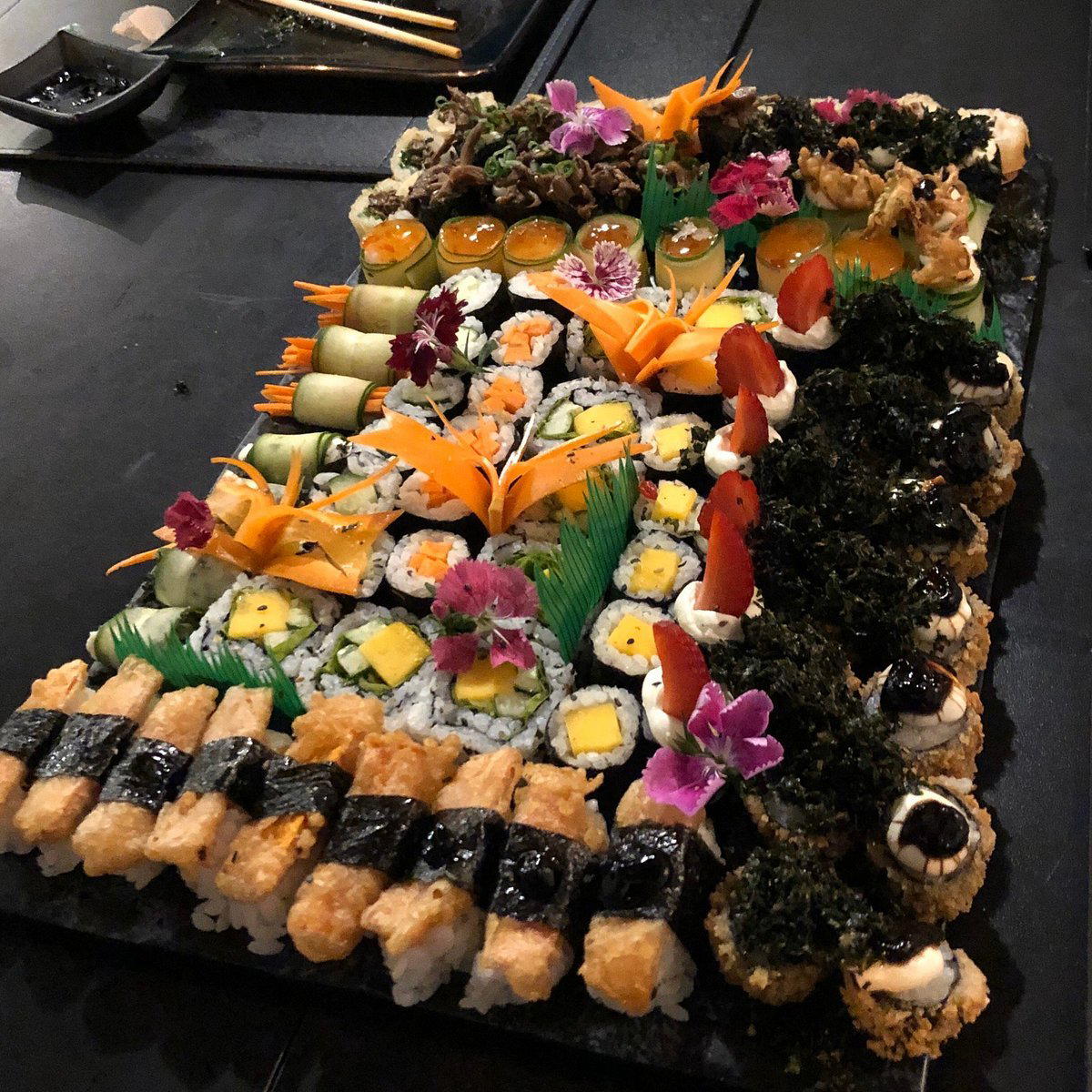
Japanese Technique in Brazil's Sugarcane Heartland
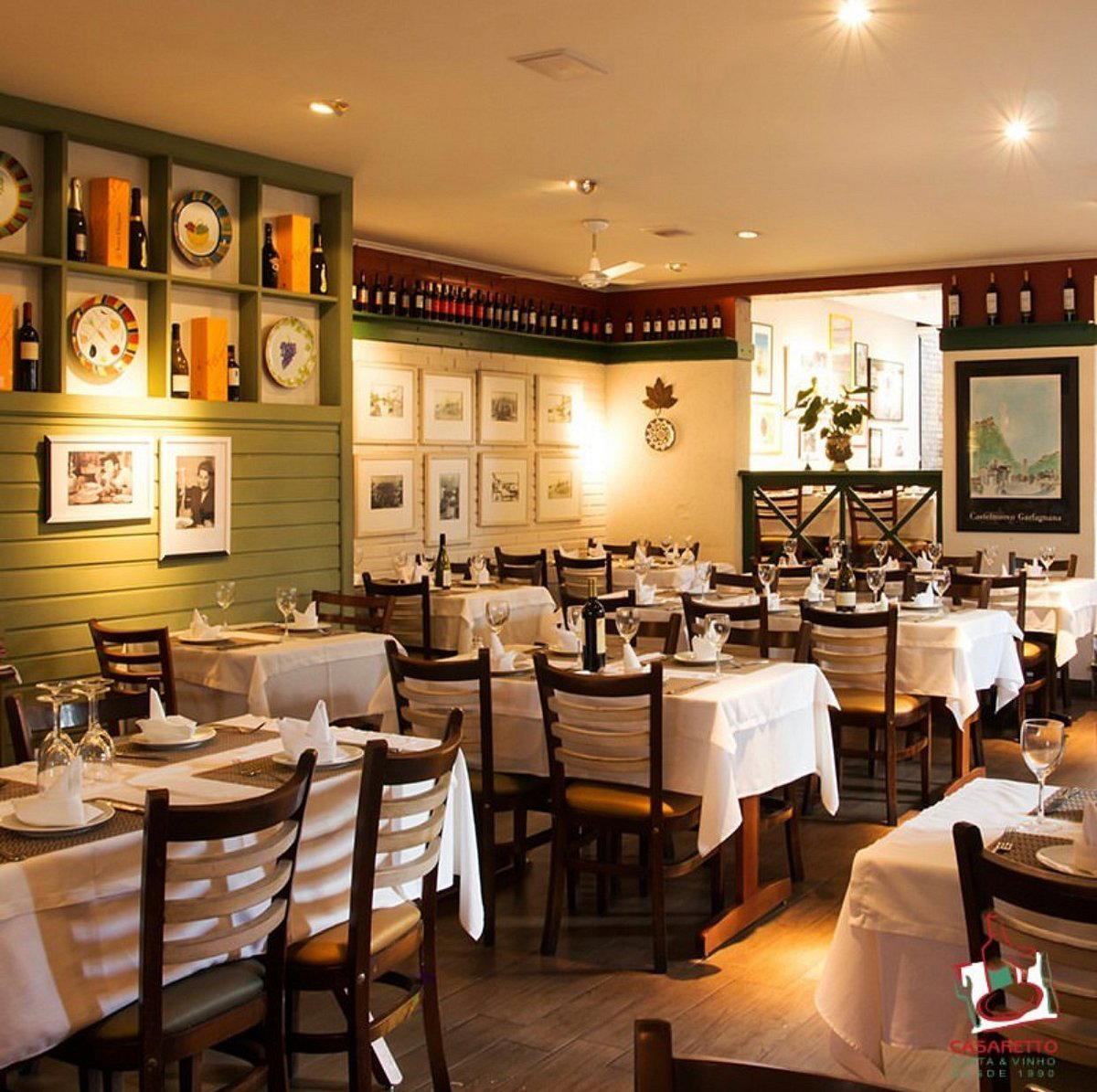
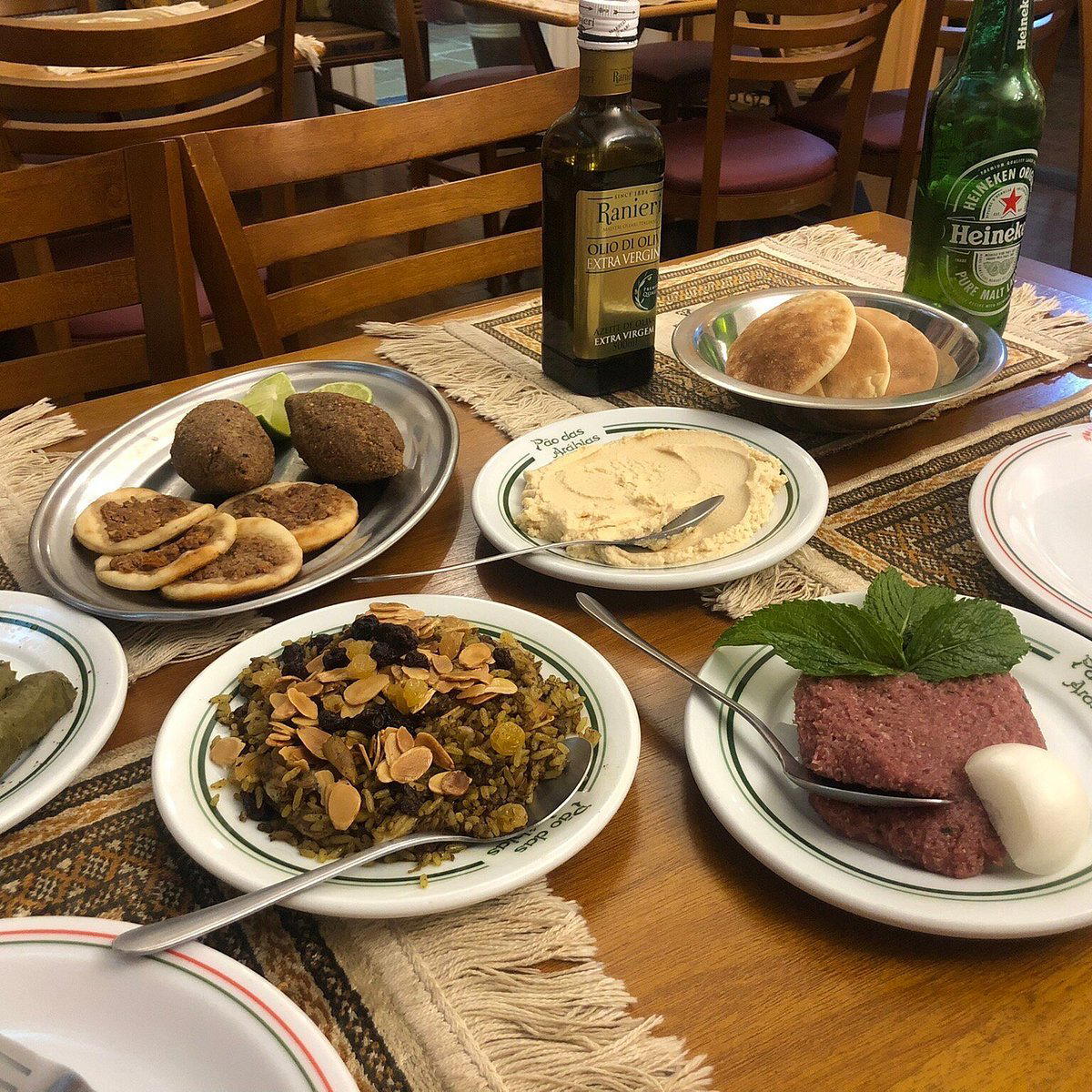
Piracicaba sits roughly 160 kilometres from São Paulo, far enough from the coastal metropolis that its food culture developed along its own lines. The city's culinary identity was shaped largely by Italian and Syrian-Lebanese immigration waves in the late nineteenth and early twentieth centuries, which is why places like Casaretto Pasta & Vinho and Mohamad Culinária Árabe feel like anchors of the local scene rather than outliers. Against that backdrop, a Japanese restaurant operating on the city's main commercial artery is a statement of how far Brazil's sushi culture has spread beyond the Japanese-Brazilian enclaves of Liberdade in São Paulo.
Kobu Sushi is on Avenida Brasil, in the Cidade Jardim neighbourhood, an address that places it along one of Piracicaba's primary commercial corridors rather than tucked into a residential quarter. That choice of location signals a restaurant positioning itself for accessibility, drawing from a broader catchment rather than a niche clientele who seek out a particular street. In a city of this scale, that kind of central positioning tends to shape the format: it suggests a kitchen balancing technical aspiration with the practical demands of a varied dining public.
Sushi in Brazil's Interior: Where the Fish Actually Comes From
Ingredient sourcing is the defining variable for any serious sushi operation in Brazil's interior. The country's coastal fish markets, particularly those serving São Paulo's wholesale suppliers, form the backbone of supply chains for restaurants far from any port. For a kitchen in Piracicaba, the fish arriving in service has typically travelled from the coast through state-level distributors, a logistics chain that makes temperature management and supplier relationships more consequential than they would be for a counter in Santos or Guarujá.
Brazil's Japanese-Brazilian community, concentrated in São Paulo state, built the country's domestic sushi supply infrastructure over decades. That means trusted domestic sourcing networks for fish like robalo (sea bass), salmão (salmon, predominantly Norwegian and Chilean imports), and atum (yellowfin tuna) are well-established and reach into the interior. The question for any inland operation is the quality of the specific relationships it maintains within that chain. At the level of a mid-sized city restaurant, the gap between a kitchen that negotiates directly with a quality São Paulo wholesale supplier and one relying on a general distributor is visible on the plate, even if it is rarely discussed in the dining room.
Brazil also produces freshwater fish of real quality, and the Tietê River basin, which includes Piracicaba, has its own fishing tradition. How much any given sushi kitchen in the region draws on local freshwater species versus the standard imported and coastal roster is a meaningful editorial question, though the answer varies considerably by house.
For broader context on how ingredient provenance drives premium positioning in Brazil's restaurant scene, the approach at D.O.M. in São Paulo and Lasai in Rio de Janeiro represents the high end of that conversation at a national level. Interior restaurants working in different categories operate with different supply realities, but the underlying logic, that sourcing decisions define quality ceilings, applies across formats.
Piracicaba's Dining Range and Where Sushi Sits
Piracicaba's restaurant scene is more varied than its size might suggest, partly because of the university population (ESALQ, one of Brazil's leading agricultural research institutions, is based here) and partly because the city's agribusiness economy generates a professional class with appetite for dining diversity. That combination produces a market where European-style options like Café Tirol coexist with Middle Eastern and Japanese kitchens in a way that would be unusual in cities of comparable size in other regions.
Sushi specifically occupies an interesting position in Brazilian interior cities. It is no longer a novelty, the country's Japanese-Brazilian community is one of the largest outside Japan, and sushi has been integrated into mainstream Brazilian food culture for decades. But the quality range is wide. At the lower end, the format has been absorbed into the rodízio (all-you-can-eat) model that Brazilians apply across cuisines, which prioritises volume over technique. At the other end, particularly in São Paulo, omakase counters now compete on a serious regional level. Inland cities like Piracicaba tend to occupy the middle of that spectrum, where the ambition is real but the comparable set is different from what you would find benchmarking against coastal operations.
Across Brazil's regional cities, sushi restaurants worth attention are those that hold a clear position: either executing a defined set of preparations with consistent sourcing discipline, or offering a format that responds to local taste in ways that go beyond the generic. You can find examples of the former in unexpected places, such as Kampeki Sushi in Canoas, which shows how the format travels across Brazil's diverse urban contexts. Cantina Pozzobon in Santa Maria and Bistro Fitz Carraldo in Manaus illustrate how regional restaurants build credibility in their categories outside the main metropolitan centres.
Le Bernardin in New York City and tasting formats like Atomix in New York City set a reference point for what precise sourcing and technique can achieve when applied at full commitment, a useful frame for understanding what separates tiers anywhere in the world.
Planning a Visit
Kobu Sushi is at Avenida Brasil, 1.215, Cidade Jardim, Piracicaba, SP 13416-530. The address is on one of the city's main thoroughfares, making it reachable by car from the central area without difficulty. Specific hours are Tue to Fri 6:30 to 11 PM, Sat and Sun 11:30 AM to 3:30 PM and 6:30 to 11 PM; Monday is closed. Reservations are recommended, and the price tier is mid-range. Famosa Pizza in Ribeirao Preto, Casa da Flor Restaurante in Dourados, Aero Burguer e Grill in Santa Cruz Do Sul, Arte e café Imperial in Angra Dos Reis, Casa da Dika in Bragança, Fornazzo Pizzaria in Passo Fundo, and Casa da Picanha Penedo in Itatiaia.
Comparable Spots, Quickly
Comparable venues nearby, for context on price, style, and recognition.
| Venue | Cuisine | Price | Notes |
|---|---|---|---|
| Kobu SushiThis venue — the venue you are viewing | Japanese Sushi | $$$ | Not listed |
| Casaretto Pasta & Vinho | Traditional Italian Pasta & Wine | $$$ | Alto |
| Café Tirol | Tyrolean Alpine Trattoria | $$ | Santa Olímpia |
| Mohamad Culinária Árabe | Authentic Lebanese | $$ | Centro |
| Jam Jardins Japanese Cusine | Japanese Fusion | $$$ | Jardim Paulista |
| Maki Sushi | Japanese Sushi Rodízio | $$ | City Center |
Continue exploring
More in Piracicaba
At a Glance
- Elegant
- Date Night
- Family
Current opening hours
- Monday
- Closed
- Tuesday
- 6:30–11 PM
- Wednesday
- 6:30–11 PM
- Thursday
- 6:30–11 PM
- Friday
- 6:30–11 PM
- Saturday
- 11:30 AM–3:30 PM, 6:30–11 PM
- Sunday
- 11:30 AM–3:30 PM, 6:30–11 PM
Hours can change for holidays and private events. Last verified .
Nice place with good service and tasty food, praised for complete and diverse rotation.