
Tabelog 100 #52
Our verdict
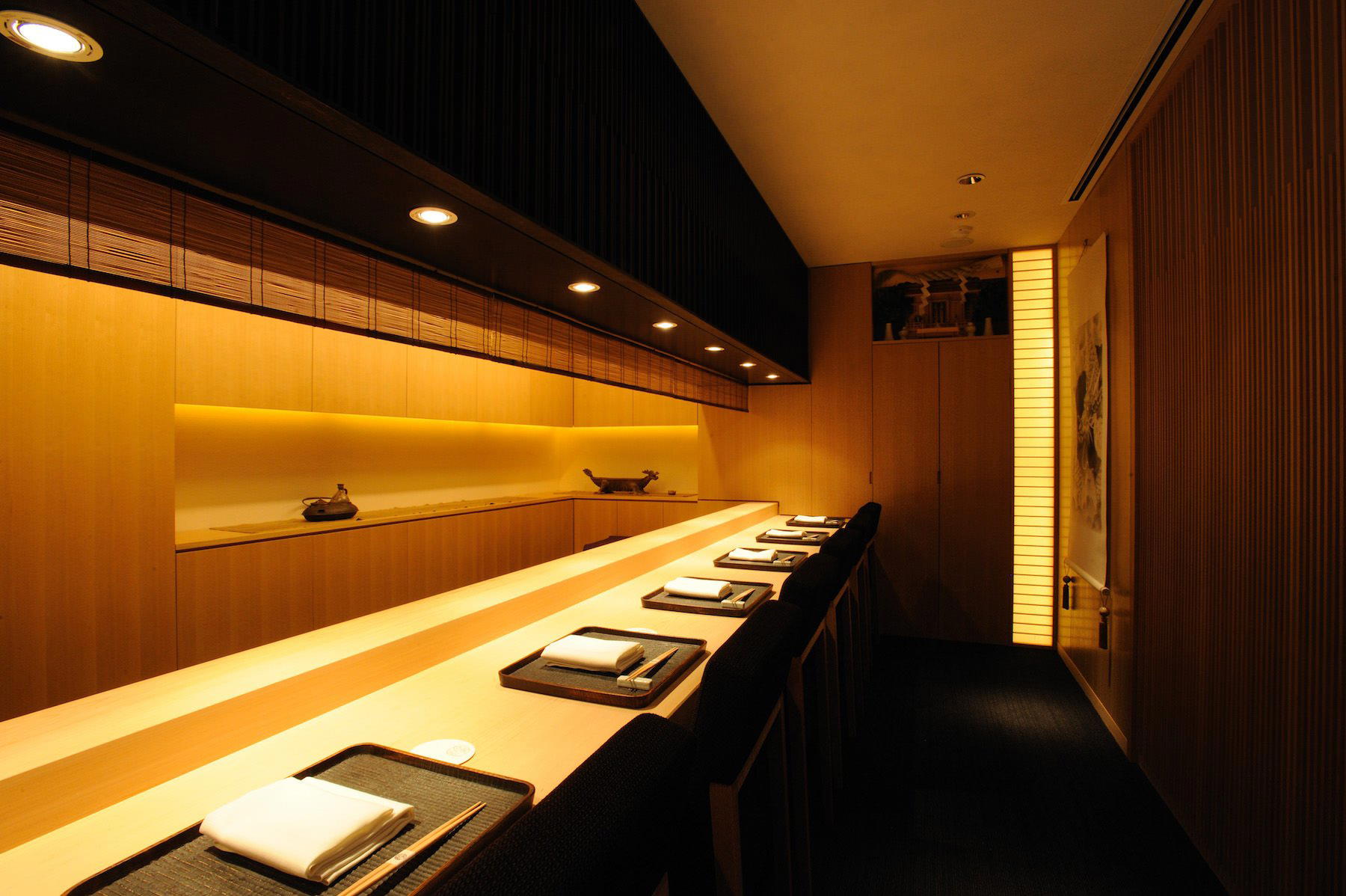
Shinga is a compact Edogawabashi counter in Tokyo’s low-priced Chinese-canteen tier, selected for Tabelog 100 Chinese cuisine TOKYO 2026. Its value lies in the city’s everyday Chinese tradition rather than luxury dining: counter seating, ramen-adjacent categories, cash-oriented practicality, and a scale that rewards solo diners who understand how small neighborhood rooms work.

Pearl is the En Primeur Club membership app — saves, bookings, and concierge access live there. Same editors, same standards.
- Address
- 2 Chome-11-2 Suido, Bunkyo City, Tokyo 112-0005, Japan
- Phone
- +81 3-3946-2077
- Hours
- Mon–Tue 11:30 AM–1:30 PM, 5–8:30 PMWed ClosedThu–Sat 11:30 AM–1:30 PM, 5–8:30 PMSun Closed
- Website
- mobile.twitter.com
- Directions
- Get directions
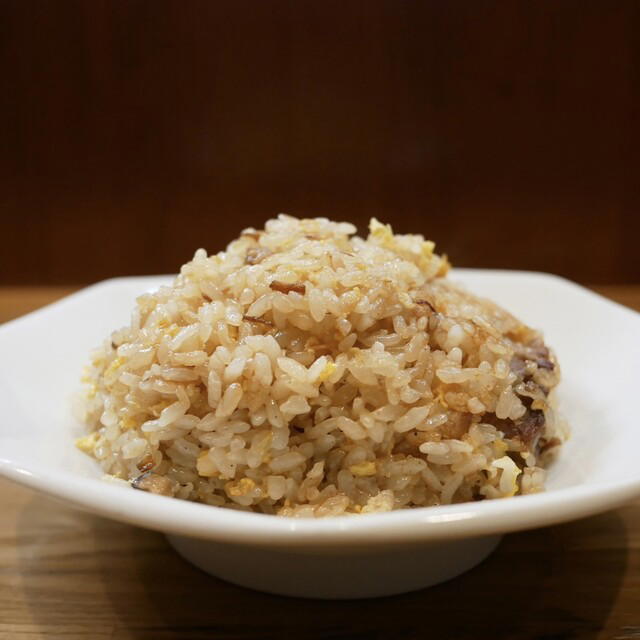
The menu
What to order
- Nira soba
- Pork liver stir‑fry set
- Gyoza
- Hiyashi chuka (summer only)
Tokyo has a different rhythm away from the parts of the city built for dining theatre. Restaurant signs can sit closer to daily errands than to hotel-lobby ceremony, and the better meals often come from modest rooms where the experience is shaped by directness rather than display. Shinga belongs to that Tokyo category: Chinese cooking, cafeteria practicality, and ramen-adjacent comfort folded into an everyday dining setting.
That matters because Tokyo’s Chinese dining is not a single market. At one end sit banquet rooms, hotel Cantonese, and tasting-menu interpretations; at the other are neighborhood kitchens built around speed, heat, and repeat local demand. The latter category is easy to underestimate from overseas because it rarely translates into grand dining language. Tabelog’s Hyakumeiten recognition for 2026 puts Shinga into a more serious local conversation, alongside places judged by regular use rather than imported luxury cues.
A compact place in Tokyo's everyday Chinese tradition
The key distinction here is format. A modest everyday restaurant asks for a different kind of reading from a multi-room destination: pace, practicality, and a direct relationship between cooking and demand. In Tokyo, that lane often rewards dishes rooted in wok work, noodles, rice plates, and the overlap between Chinese restaurant and cafeteria. Shinga’s listed categories, Chinese, cafeteria, and ramen, place it squarely in that hybrid lane rather than in the polished banquet tradition.
Ingredient sourcing, in this context, is less about named farms and more about what a neighborhood Chinese kitchen can do with daily-use staples. The scene values freshness through rhythm: vegetables, noodles, broth components, rice, and proteins moving quickly through service. A restaurant in this category does not need theatrical aging cabinets or decorative inventory to make its case. The sourcing signal is operational: kitchens in this tier succeed when purchasing is disciplined, waste is low, and the menu suits steady local demand.
The comparison set in Tokyo sharpens the point. Naniwaya Edogawabashi and Kamaage Udon Hatsutomi operate in similarly accessible everyday territory, while SAN TORA belongs to the city’s casual dining conversation. La Barrique Tokyo belongs to a different dining category, and Hashimoto Unagi reflects a single-specialty Japanese tradition. Shinga’s position is not to imitate those rooms; it occupies the everyday Chinese lane, where a modest bill and a straightforward meal can still carry enough local credibility to earn 2026 recognition.
That is why the Tabelog Hyakumeiten citation carries weight here. It does not turn the meal into fine dining, and it should not be read that way. It signals that a restaurant operating at a modest price point can be judged seriously within Tokyo’s Chinese category. For travelers, that is useful intelligence: the city’s value meals are not always casual compromises. Some are simply built for residents first.
Why the Tokyo setting changes the meal
Tokyo is not one dining mood, and that difference is part of the argument. Away from the city’s most polished destination circuits, the surrounding scene can favor practical restaurants, weekday lunches, and places that make sense before or after a normal errand rather than a planned occasion.
That geography suits Chinese-canteen cooking. Tokyo’s strongest everyday dining rooms often thrive away from the settings where every table has to justify a destination premium. A modest restaurant can trade on regularity: an accessible lunch bracket, a straightforward evening meal, and a format suited to frequent use. The appeal points to local utility rather than occasion-only positioning.
The room’s practicality is part of its editorial appeal. Ceremony is not the point; the everyday meal is the experience. In a city where high-end dining can become a choreography of reservations, deposits, and multilingual service scripts, a Chinese cafeteria-leaning restaurant asks a simpler question: is the cooking persuasive enough to hold regular demand, day after day, without luxury scaffolding?
Tokyo travelers often over-index on famous districts and miss how much of the city’s eating culture lives in these smaller categories. A useful itinerary might pair Shinga with other low-formality Tokyo stops rather than force it into a fine-dining day. For broader context, compare the city’s spread through Our full Tokyo restaurants guide, then map adjacent moods through Our full Tokyo bars guide, Our full Tokyo hotels guide, Our full Tokyo wineries guide, and Our full Tokyo experiences guide.
How to read it against Tokyo's cheaper serious food
Tokyo’s low-priced dining is not a consolation bracket. Curry specialists, yakitori counters, ramen-leaning Chinese rooms, udon shops, and compact seafood restaurants all compete on repetition and focus. The useful comparison is not luxury versus budget; it is whether the format has a reason to exist. In that sense, Shinga belongs in the same citywide conversation as focused casual addresses across Tokyo, each showing a different way the city compresses identity into a tight service model.
Seen nationally, the pattern extends beyond the capital. Japan’s casual specialist culture can be traced through many compact kitchens and everyday dining rooms. Even outside Japan, modest-format precision shows up in different forms, but Shinga’s relevance is best understood locally: as part of Tokyo’s ability to make accessible formats feel precise, repeatable, and worth seeking out.
The editorial case is clear: this is not a room for ceremony. It is a place for understanding how Tokyo treats everyday Chinese food when the cooking, sourcing discipline, and local demand are strong enough to register beyond the neighborhood. The 2026 Tabelog Hyakumeiten selection gives the address a credential, but the more useful lesson is broader: in Tokyo, serious eating often comes in modest rooms where the bill, the format, and the city all point in the same direction.
Frequently asked questions
When is Shinga open?
Opening hours for Shinga are not specified here; check directly with the restaurant before visiting.
What's the price range at Shinga?
Pricing at Shinga is listed as JPY 1,000 - JPY 1,999 - JPY 999.
Where is Shinga in Tokyo?
Tokyo.
What is Shinga known for?
Shinga is known for Chinese, cafeteria, and ramen cooking in Tokyo, with 2026 recognition from Tabelog’s Hyakumeiten selection.
Quick Comparison
Comparable venues by cuisine and category.
| Venue | Cuisine | Price | Awards | Notes |
|---|---|---|---|---|
| ShingaThis venue — the venue you are viewing | Classic neighborhood Chinese (Showa‑style) | $10–20 | Tabelog 100 #52 | Not listed |
| Tokyo Doujiang Seikatsu | Traditional Taiwanese Breakfast & Fresh Soy Milk | $10–20 | Tabelog 100 #81 | Shinagawa |
| Hao Hao | Vegan Hong Kong & Taiwanese Chinese | $10–20 | Tabelog 100 #70 | Shinagawa |
| Chuka Chotoku | Neighborhood Chinese dumpling & fried rice house | $10–20 | Tabelog 100 #6 | Bunkyō |
| Kouhi En | Chinese Noodles | Not listed | Tabelog 100 #41 | Minato |
| MUDAN JIANG | Chinese Izakaya | $30–50 | Tabelog 100 #49 | Chūō |
Recognition history
Dated appearances from independent guides and award organizations, with the underlying list record or original source where available.
Tabelog 100 #52 · No. 52
Tabelog · Tabelog 100 - Chinese cuisine - TOKYO - 2026
Details
- Classic
- Cozy
- Solo
- Casual Hangout
- Family
- After Work
- Standalone
- Historic Building
- A La Carte
- Counter Dining
Current opening hours
- Monday
- 11:30 AM–1:30 PM, 5–8:30 PM
- Tuesday
- 11:30 AM–1:30 PM, 5–8:30 PM
- Wednesday
- Closed
- Thursday
- 11:30 AM–1:30 PM, 5–8:30 PM
- Friday
- 11:30 AM–1:30 PM, 5–8:30 PM
- Saturday
- 11:30 AM–1:30 PM, 5–8:30 PM
- Sunday
- Closed
Hours can change for holidays and private events. Last verified .