Sheung Hei
Sheung Hei occupies a quiet stretch of North Street in Kennedy Town, one of Hong Kong Island's most resolutely local neighbourhoods. The address places it well outside the Central dining circuit, which is precisely the point: this is a kitchen rooted in the kind of Cantonese cooking that feeds the district rather than performs for tourists. Approach it as you would any serious neighbourhood table, with an open mind and low expectations of theatre.
Pearl is the En Primeur Club membership app — saves, bookings, and concierge access live there. Same editors, same standards.
- Address
- 25號 North St, Kennedy Town, Hong Kong
- Phone
- +85228196190
- Website
- facebook.com
- Directions
- Get directions
 Saves & bookings on Pearl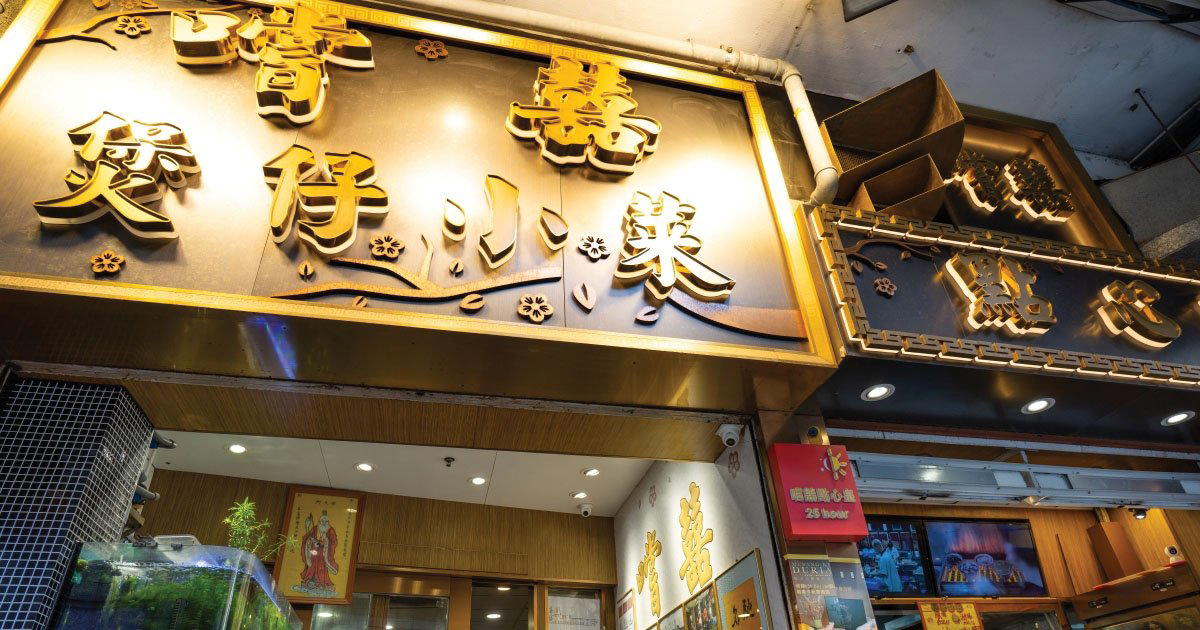
Kennedy Town and the Case for Eating Off the Map
Hong Kong's dining conversation tends to collapse around a handful of postcodes: the Michelin-starred rooms of Central, the hotel restaurants of Admiralty, the izakayas of Wan Chai. Kennedy Town, at the western terminus of the Island line, operates at a different register entirely. The neighbourhood spent decades as a working-class residential pocket, defined by wet markets, dai pai dong stalls, and the kind of Cantonese cooking that prizes efficiency and flavour over presentation. Recent years brought younger residents and a café or two, but the area's dining character remains closer to its roots than almost anywhere else on Hong Kong Island. Sheung Hei is a Cantonese claypot rice restaurant at 25號 North St, Kennedy Town, Hong Kong, priced at about US$15 per person.
This is the part of Hong Kong that a venue like AMMO in the arts district or Aaharn with its refined Thai format does not attempt to occupy. Sheung Hei sits in a different competitive set entirely, one where the measure of quality is regulars returning daily rather than reservation queues or critical awards.
The Cultural Weight of Cantonese Roast
Among the defining pillars of Cantonese food culture, siu mei, the category of roasted and barbecued meats that fills the glass-fronted counters of Hong Kong's char siu and roast goose shops, carries particular historical weight. The techniques trace back centuries, refined through the specific conditions of Guangdong province: particular breeds of pig and goose, marinades calibrated to humidity and temperature, wood-fire roasting methods that produce the lacquered, caramelised exteriors and yielding interiors that define the form at its leading. In Hong Kong, siu mei restaurants exist at every price point and level of ambition, from three-Michelin-starred operations like 8½ Otto e Mezzo BOMBANA's neighbourhood peers to the fluorescent-lit counters of the city's public housing estates. The quality range is vast. What distinguishes the better houses is precision of execution: the ratio of fat to lean in the char siu, the crispness of roast pork skin without toughness in the layer beneath, the balance of the marinade between sweet, salty, and savoury.
Kennedy Town has historically supported this kind of direct, technically serious cooking. The neighbourhood's demographics, families, working professionals, older residents with long institutional memories of what good roast pork should taste like, create a demanding local audience. A siu mei counter in this context earns its clientele not through marketing but through consistency, batch after batch, day after day.
North Street as Dining Address
North Street itself is a residential strip rather than a dining destination in the way that, say, Elgin Street in Soho or Staunton Street functions for the Central crowd. That positioning shapes everything about the experience of eating here. There is no foot traffic from hotel guests, no international reviewers circling the tables. The room, the pace, and the pricing are calibrated to a local audience that knows exactly what it expects and notices immediately when standards slip. For the visitor, this is among the more honest indicators of a kitchen's actual standing: a place that holds its regulars in a neighbourhood with no tourist infrastructure to cushion poor nights.
In that sense, Sheung Hei shares structural DNA with the kind of address that Hong Kong's long-term residents know by instinct but rarely explain to outsiders, less visible than the celebrated roast goose institutions of Sham Shui Po or the widely discussed Cantonese kitchens in Wan Chai, but embedded in a community that provides its own form of quality assurance.
How It Fits the Hong Kong Neighbourhood Dining Pattern
Hong Kong's neighbourhood dining culture is worth understanding on its own terms before visiting any local-facing kitchen. The city sustains a notable density of technically accomplished cooking at price points well below what comparable skill would command in London, Sydney, or New York. That dynamic exists partly because of competition, the sheer number of kitchens forces a constant performance standard, and partly because the local eating culture is genuinely exacting. Hong Kong diners at every income level carry detailed mental frameworks for what good versions of classic preparations should taste like, inherited from family meals and decades of eating the same dishes at different counters. A roast pork that does not meet that standard simply loses its regulars to the next block.
Visitors coming from the perspective of, say, Le Bernardin in New York or Atomix's tasting format will find Kennedy Town tables operating on entirely different terms, no courses, no sommelier, often no printed wine list, but the underlying seriousness about the quality of the primary ingredient and its preparation is recognisable across those registers. That kind of cross-city comparison also illuminates why restaurants like Bayi and cafe TOO serve distinctly different audiences within the same Central and Western district.
Further afield, the same neighbourhood-rooted logic applies to addresses like Hoi Tin Garden in Tuen Mun, King Of Soybeans in Wong Tai Sin, and Lei Garden in Sha Tin, kitchens whose reputations are sustained by locals long before critics arrive, if they arrive at all. The Former Jumbo Floating Restaurant in Aberdeen represents the other pole of that spectrum: a place that became entirely dependent on non-local attention. The restaurant's North Street address keeps it far from that particular risk.
Planning a Visit
Kennedy Town is direct to reach from Central via the MTR Island line, with Kennedy Town station placing visitors a short walk from North Street. The neighbourhood runs on lunch trade and early-evening dinner, reflecting its residential rather than late-night character; arriving outside those peak windows typically means shorter waits and unhurried service.
A Quick Peer Check
Comparable venues nearby, for context on price, style, and recognition.
| Venue | Cuisine | Price | Notes |
|---|---|---|---|
| Sheung HeiThis venue — the venue you are viewing | Cantonese Claypot Rice | $$ | Not listed |
| Cuisine Cuisine 國金軒 | Cuisine Cuisine National Gold Award | Not listed | Central And Western |
| Bayi | Authentic Xinjiang | $$ | Sai Wan |
| Café Hunan | Authentic Hunan Chinese | $$ | Central And Western |
| Dragon Academy HK | Modern Cantonese Noodles & Dim Sum | $$$ | Central |
| Ying Kee Noodle | Traditional Cantonese Noodle Soup | $ | Sai Ying Pun |
Continue exploring
More in Central And Western
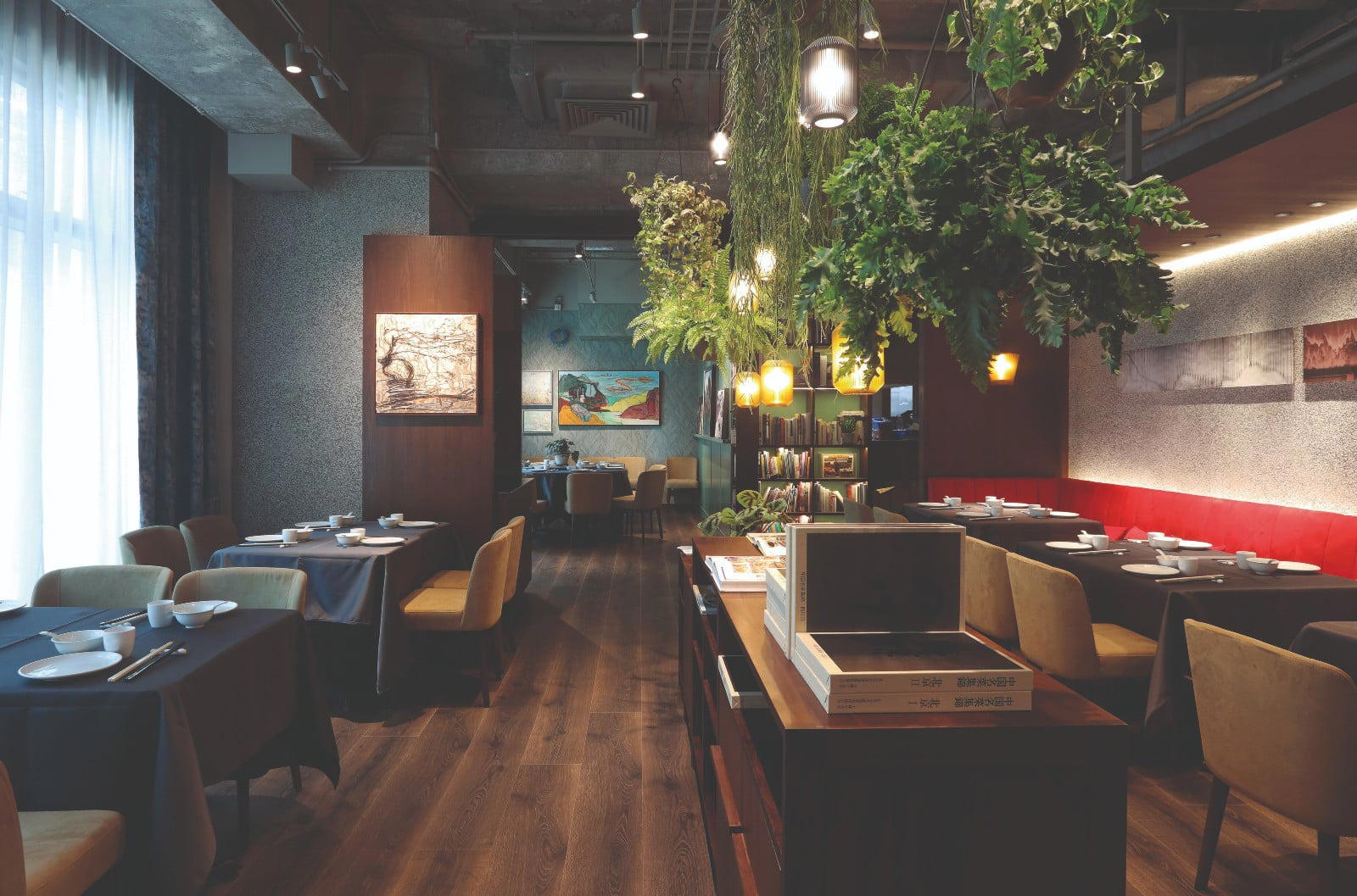
Restaurants in Central And Western
Browse all →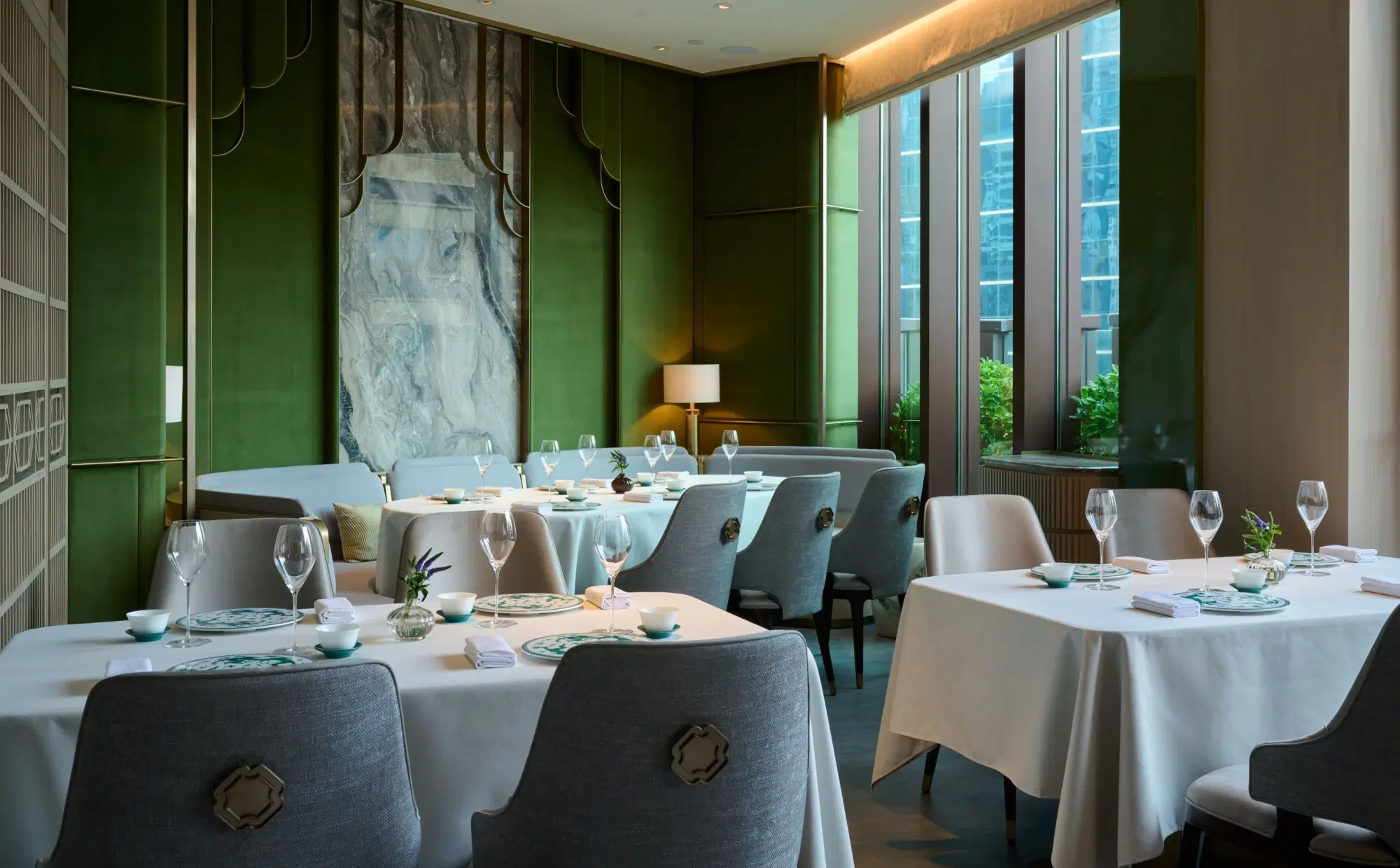
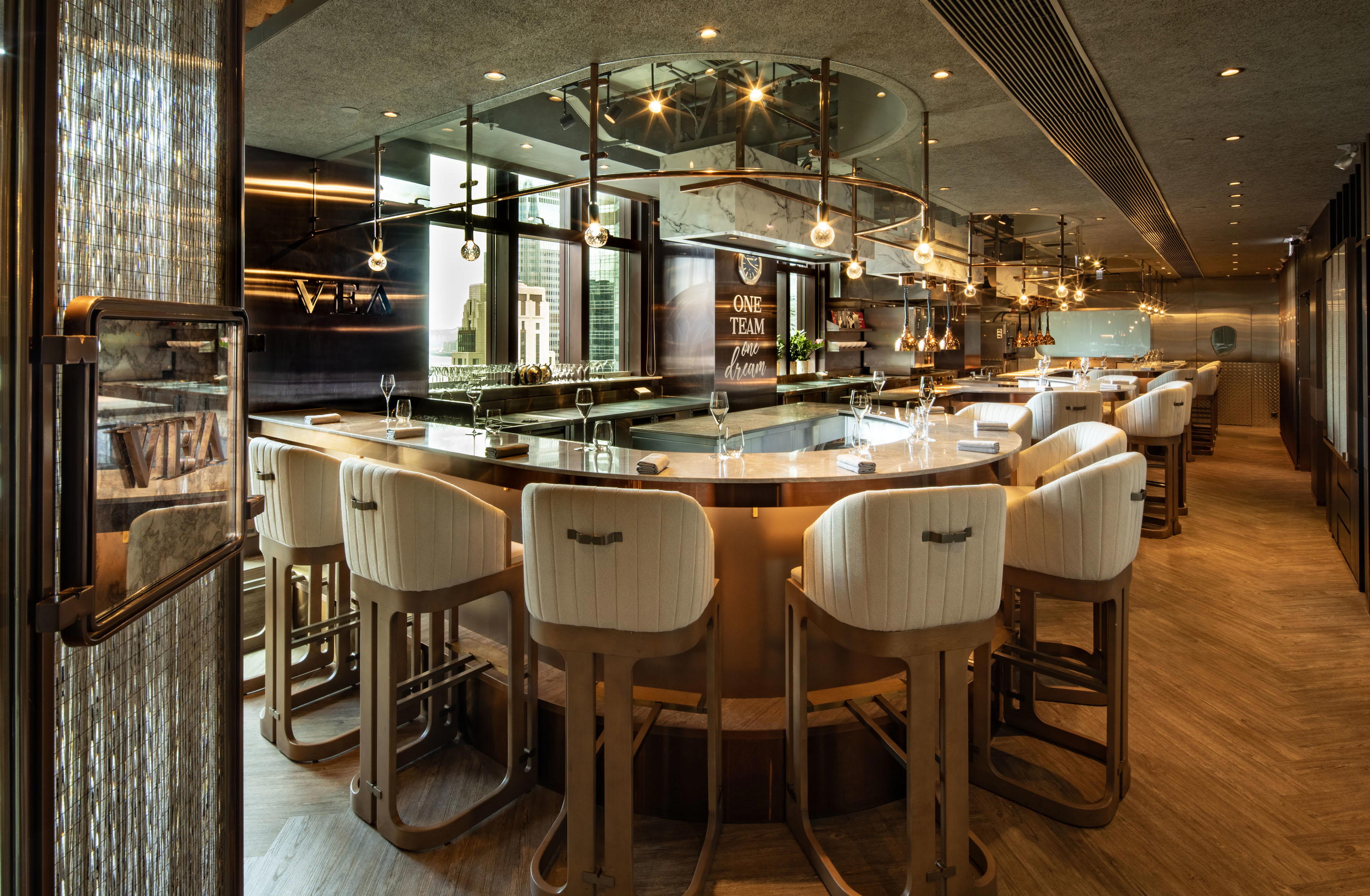
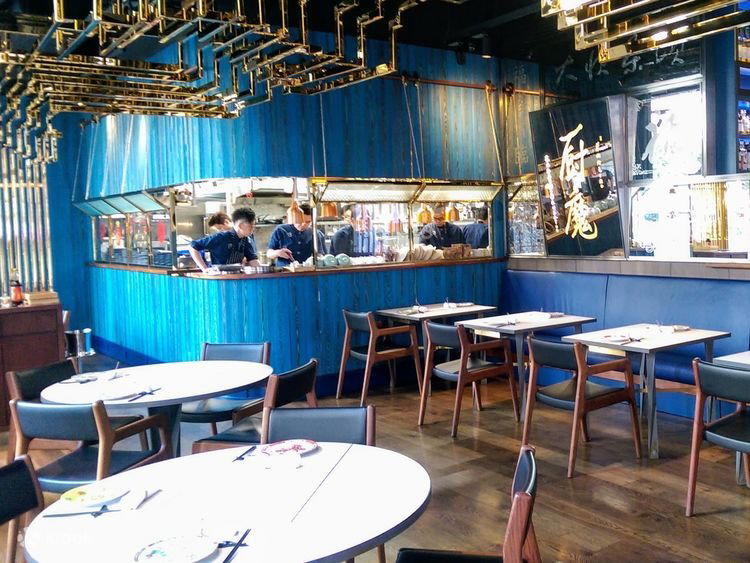
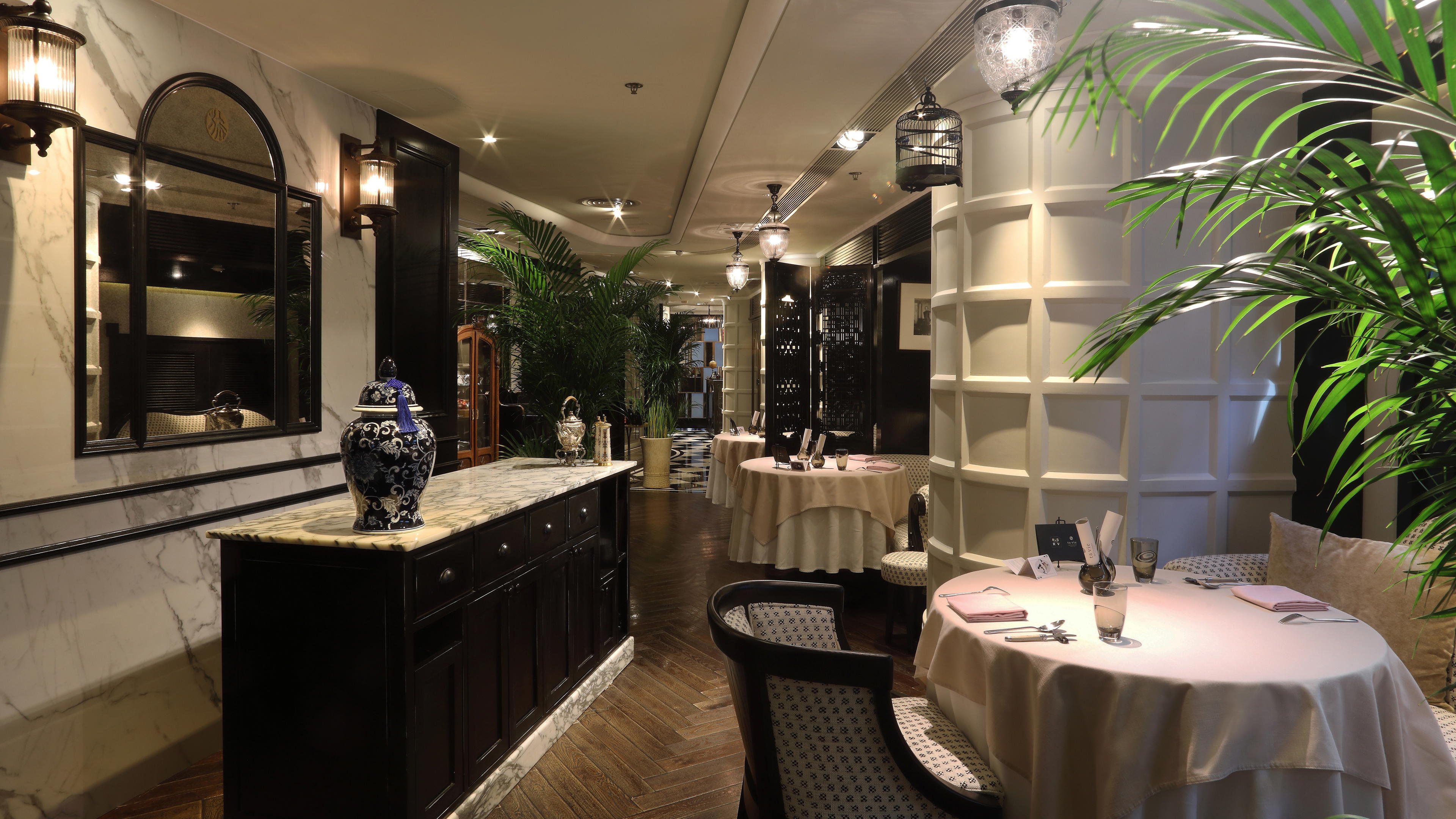
Bars in Central And Western
Browse all →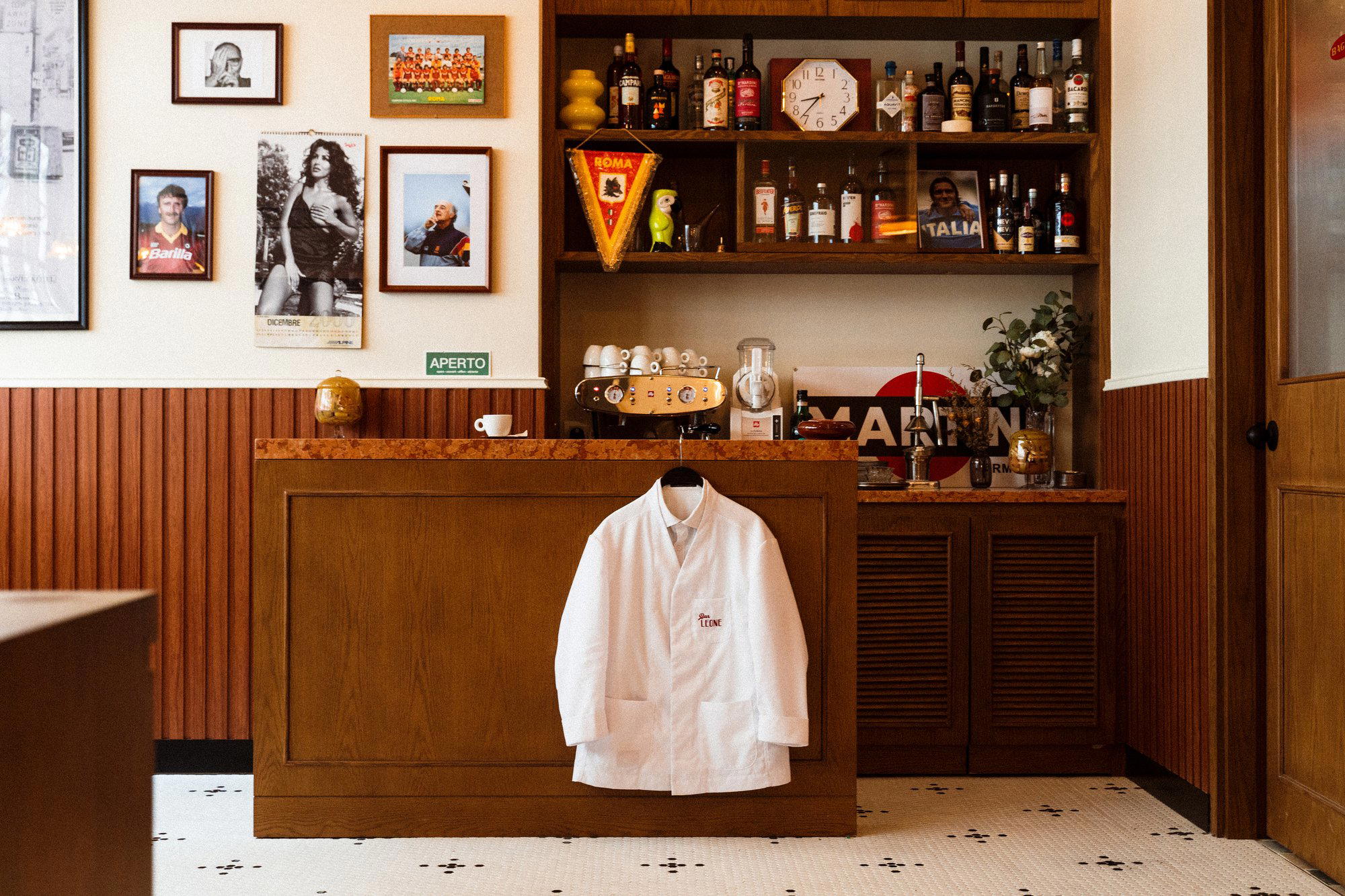
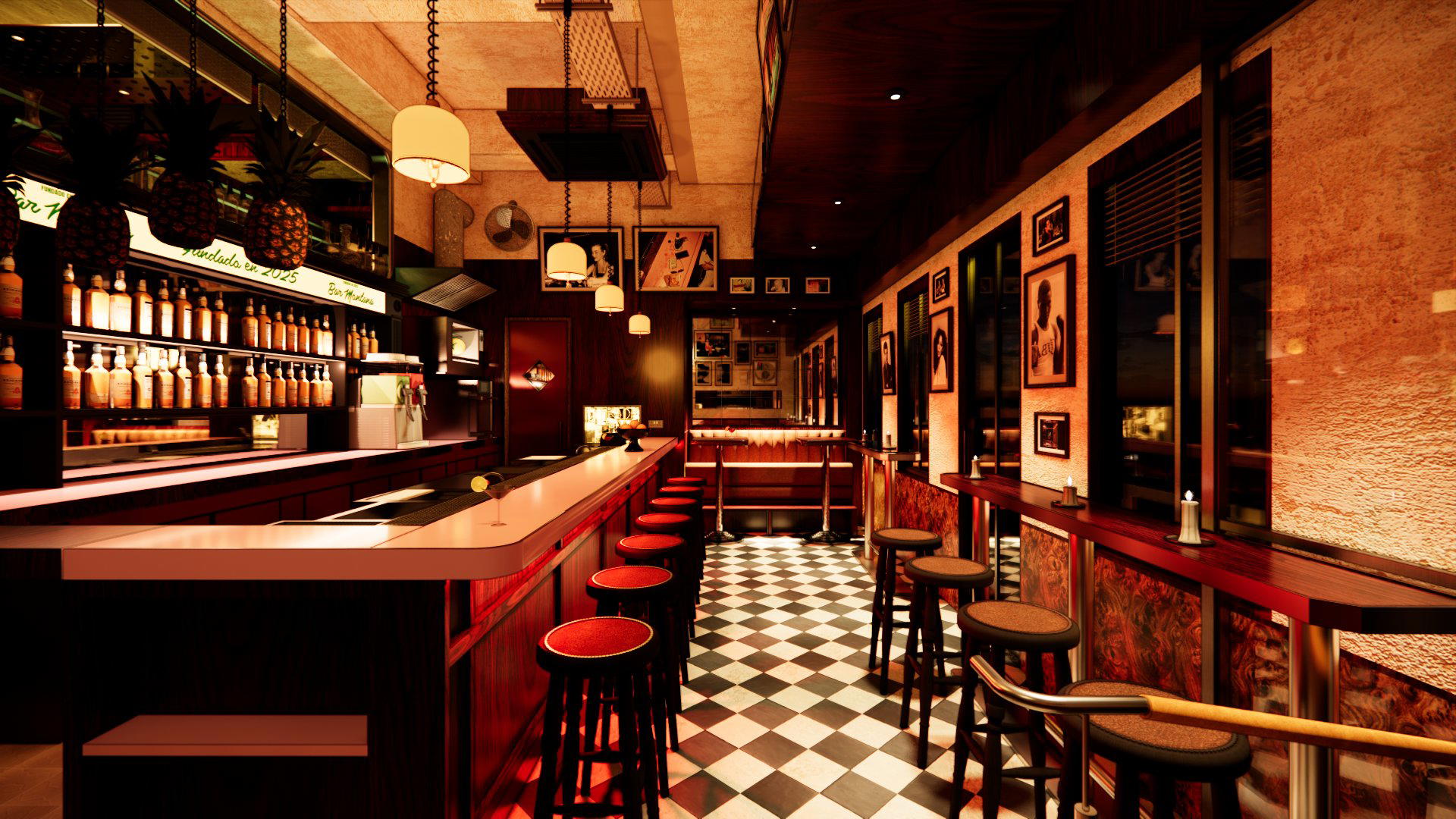
At a Glance
- Lively
- Cozy
- Group Dining
- Casual Hangout
- Open Kitchen
Current opening hours
- Monday
- Open 24 hours
- Tuesday
- Open 24 hours
- Wednesday
- Open 24 hours
- Thursday
- Open 24 hours
- Friday
- Open 24 hours
- Saturday
- Open 24 hours
- Sunday
- Open 24 hours
Hours can change for holidays and private events. Last verified .
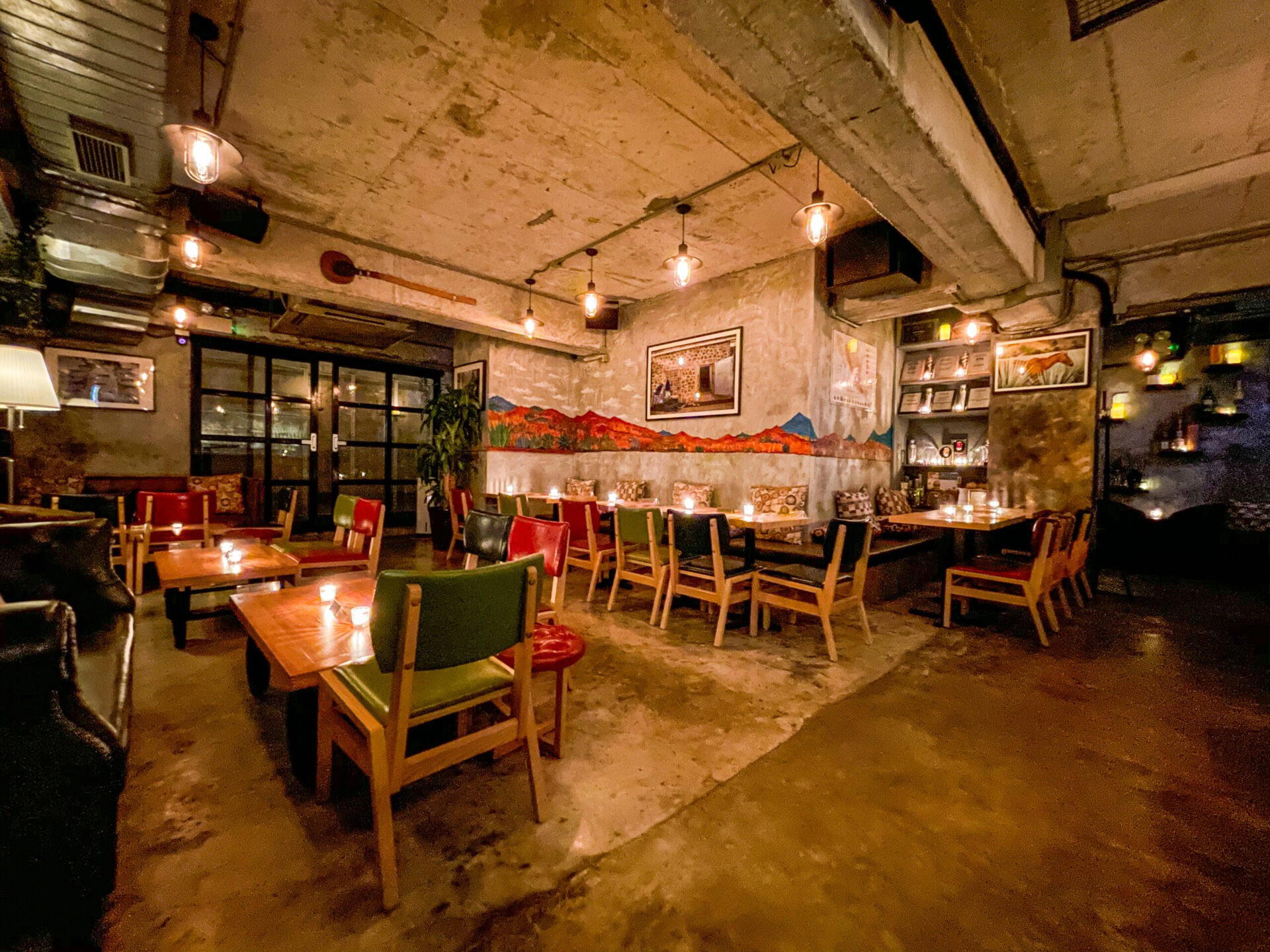
Lively and busy with a humble, minimally decorated interior blending into the neighborhood's old-world charm.