
Café Hunan in Shek Tong Tsui holds back-to-back Michelin Bib Gourmand recognition for 2024 and 2025, making it one of the few Hunanese kitchens in Hong Kong to earn that distinction. Priced at the $$ tier, it sits on Queen's Road West in the Western District, removed from the tourist circuits that cluster around Central. Chef David Coisman leads the kitchen.
Pearl is the En Primeur Club membership app — saves, bookings, and concierge access live there. Same editors, same standards.
- Address
- 420-424 Queen's Rd W, Shek Tong Tsui, Hong Kong
- Phone
- +852 2803 7177
- Directions
- Get directions
 Saves & bookings on Pearl
Hunan Cooking at the Western Edge of Hong Kong Island
Queen's Road West in Shek Tong Tsui runs through one of Hong Kong Island's older residential-commercial strips, where wet markets and hardware shops share frontage with low-key restaurants that rarely appear in hotel concierge recommendations. This part of the Western District has never chased the dining-destination energy of Central or Wan Chai, which makes it a useful indicator of where a kitchen's actual customer base lies. Regulars at Café Hunan (Western District) are repeat visitors who know what they came for and have been coming long enough that the 2024 and 2025 Michelin Bib Gourmand recognitions read less as a discovery and more as confirmation.
Hunanese cooking occupies a specific position in the wider Chinese culinary spectrum. It shares the heat-forward reputation of Sichuan but relies on a different toolkit: dry chillies and cured meats rather than the numbing tingle of Sichuan peppercorn, fermented black beans and preserved vegetables rather than the oilier mala broths that have become more familiar internationally. The cuisine comes from an inland, mountainous province where preservation techniques and strong seasoning developed around climate and agricultural rhythms that have little in common with the coastal Cantonese tradition that dominates Hong Kong's restaurant culture. That distinction matters when reading this address: Café Hunan is not a concession to local taste, and it is not running a softened version of the cuisine for an international crowd.
Where Café Hunan Sits in Hong Kong's Broader Restaurant Tier
Hong Kong's Michelin guide distributes recognition across a wide price spectrum, and the Bib Gourmand category functions as a meaningful signal within that system. It identifies value at a specific standard rather than prestige at any price. In a city where $$$$ counters like 8 1/2 Otto e Mezzo Bombana, Caprice, and Ta Vie anchor the three-star bracket, the Bib Gourmand tier covers a different set of decisions. Café Hunan's $$ price range places it well below the fine-dining floor, and back-to-back recognition suggests the kitchen is consistent rather than occasionally impressive. For a Hunanese kitchen operating at this price point outside the main tourist and expense-account corridors of Hong Kong Island, that consistency represents something worth tracking. Forum and Amber represent the ceiling of Hong Kong's formal dining range. Café Hunan is doing something structurally different and should not be measured against those benchmarks.
That volume of reviews at that score is typical of a neighbourhood restaurant with a loyal local following rather than a high-turnover tourist operation that accumulates large sample sizes quickly.
What Hunanese Cooking Means on the Plate
Understanding what to expect at a Hunanese kitchen requires some familiarity with the cuisine's structural logic, which operates quite differently from the dim sum tradition that most visitors to Hong Kong encounter first. There are no trolley rounds or bamboo steamers at a Hunanese table. The editorial angle toward dim sum craft is useful precisely because the contrast clarifies what Hunanese cooking is: it is a sit-down, shared-plate cuisine built around rice as the central starch, with dishes designed to cycle through heat levels, textures, and seasoning intensities across a meal. Smoked and cured pork, fermented tofu, whole chillies cooked until soft, and braised dishes with deep caramel and soy colour are recurring reference points. The cuisine's most famous export is the Chairman Mao red-braised pork belly, and the broader canon includes fish head preparations, stir-fried dishes that move quickly over high heat, and cold appetisers built on sesame and vinegar.
This is not a cuisine that translates easily into a quick solo lunch. It is structured for groups sharing across four to six dishes, with each plate contributing a different dimension to the overall table. That eating format is native to the Chinese mainland rather than imported from Hong Kong's Cantonese tradition, and it gives the meal a different rhythm from what most Hong Kong dining rooms produce.
The Western District as Context
Shek Tong Tsui sits west of Sheung Wan and east of Kennedy Town, a stretch of the MTR's Island Line that connects quickly to Central but retains the character of a residential neighbourhood that was built before Hong Kong's dining scene consolidated around a handful of prestige postcodes. The address at 420-424 Queen's Road West puts Café Hunan in a strip that functions more like a local high street than a dining destination, which means the experience of arriving is less choreographed than at venues in the IFC or Landmark malls. For travellers who have already worked through the higher-end options in Central, this part of the island is worth the short MTR ride. Those exploring Hunanese cooking across Greater China can compare notes against restaurants like Furong and Everlasting Happiness in Beijing, In Love (Gongti East Road) also in Beijing, and Guangzhou options including Cheers (Kaichuang Avenue), Cicada, Guo Fan Jia Yan, and Hunan Cuisine. Good Hunan Cuisine in Tainan offers another reference point for how the cuisine travels across Chinese-speaking markets.
Planning a Visit
Café Hunan sits at 420-424 Queen's Road West in Shek Tong Tsui. The $$ price positioning makes it accessible without pre-planning a budget, and the neighbourhood location means it is leading approached as a deliberate choice rather than a spontaneous detour from Central. Reservations are recommended. Chef David Coisman leads the kitchen. The venue has no listed dress code, and the Western District setting suggests the tone is informal.
Price and Positioning
Comparable venues nearby, for context on price, style, and recognition.
| Venue | Cuisine | Price | Awards | Notes |
|---|---|---|---|---|
| Café Hunan (Western District)This venue — the venue you are viewing | Western, Authentic Hunan | $$ | Bib Gourmand | Not listed |
| Lulu Baobao | Not listed | $$ | Bib Gourmand | Southern District Southeast, Shanghainese Handmade Noodles and Dim Sum |
| Wing Lai Yuen | Not listed | $$ | Bib Gourmand | Wong Tai Sin East, Traditional Sichuan & Shanghainese Noodles |
| Chiuchow Delicacies | Tai Pak, Authentic Chiu Chow | $$ | Bib Gourmand | Not listed |
| Yuan is Here (Western District) | Western, Authentic Taiwanese Street Food | $$ | Bib Gourmand | Not listed |
| Po Kee | Western, Cantonese Roast Meats | $ | Bib Gourmand | Not listed |
Recognition history
Dated appearances from independent guides and award organizations, with the underlying list record or original source where available.
Michelin Bib Gourmand
Michelin
Michelin Bib Gourmand
Michelin
Continue exploring
More in Hong Kong
Restaurants in Hong Kong
Browse all →
Bars in Hong Kong
Browse all →
At a Glance
- Cozy
- Classic
- Casual Hangout
- Open Kitchen
- Local Sourcing
Current opening hours
- Monday
- 11:30 AM–3 PM, 5:30–10 PM
- Tuesday
- 11:30 AM–3 PM, 5:30–10 PM
- Wednesday
- 11:30 AM–3 PM, 5:30–10 PM
- Thursday
- 11:30 AM–3 PM, 5:30–10 PM
- Friday
- 11:30 AM–3 PM, 5:30–10 PM
- Saturday
- 11:30 AM–3 PM, 5:30–10 PM
- Sunday
- 11:30 AM–3 PM, 5:30–10 PM
Hours can change for holidays and private events. Last verified .
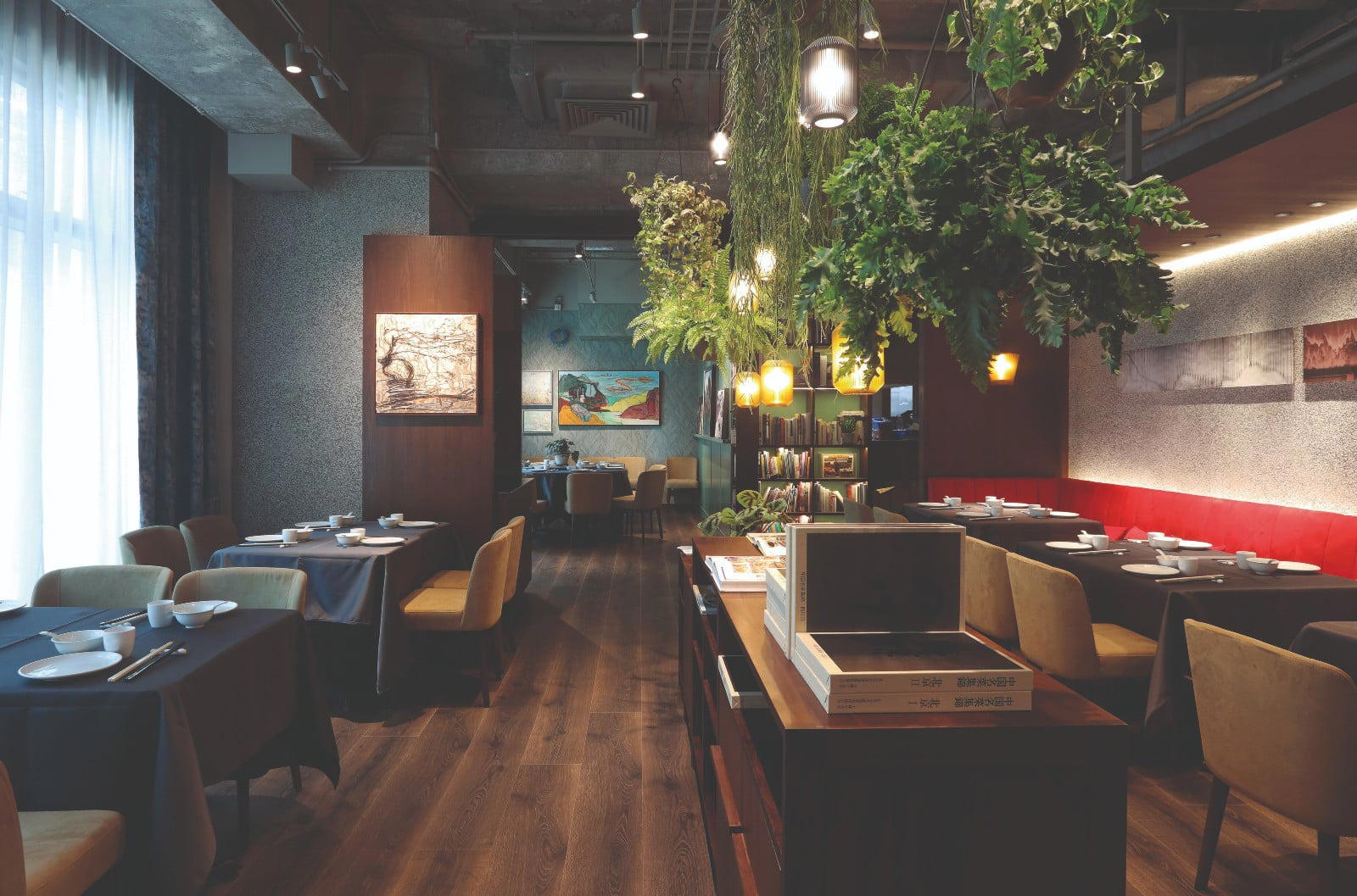
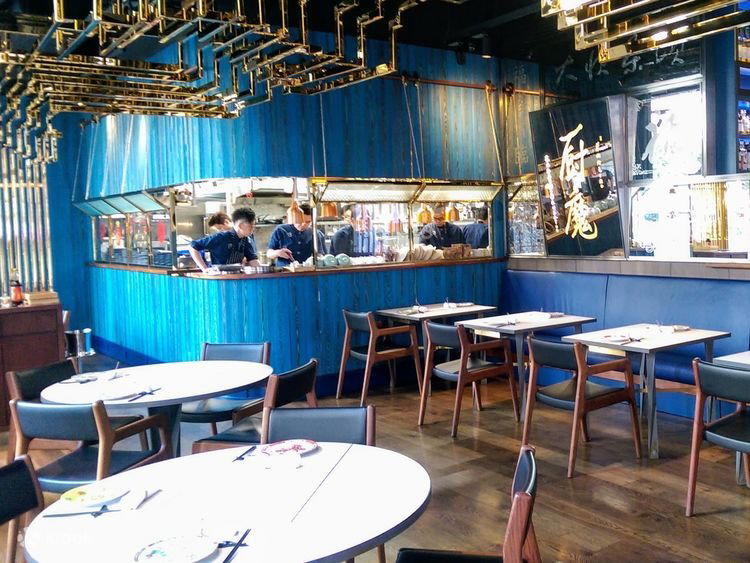
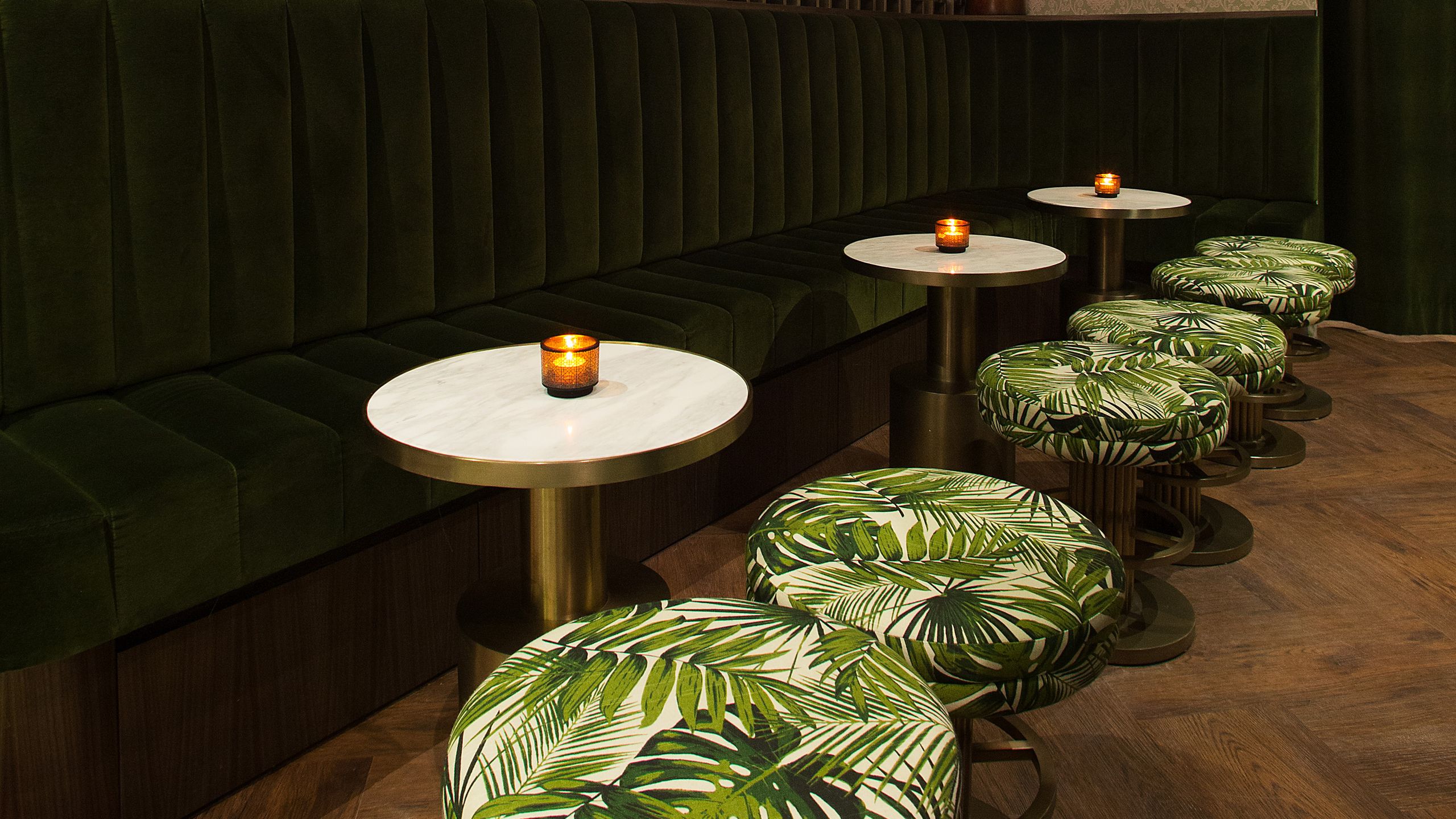
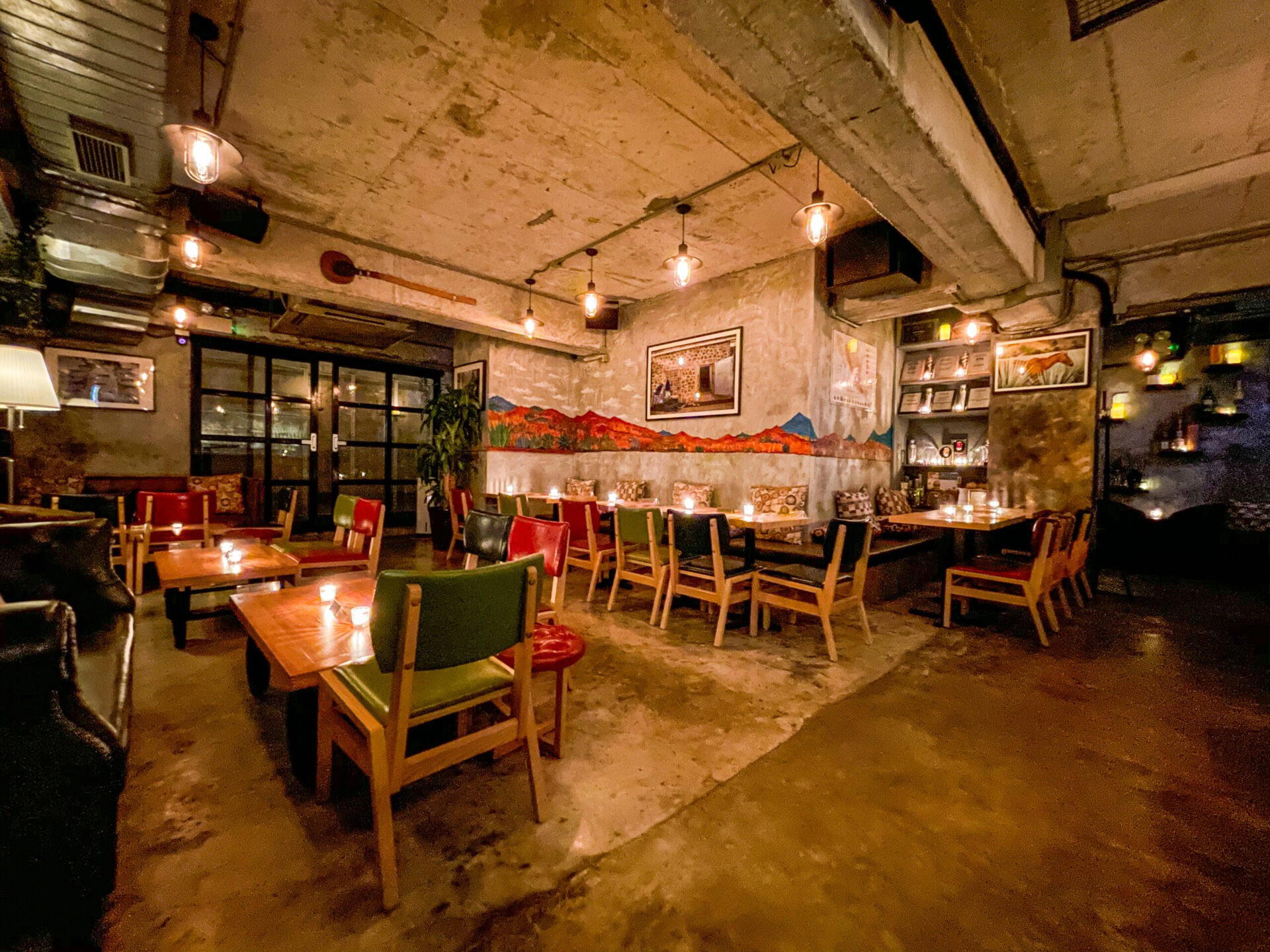
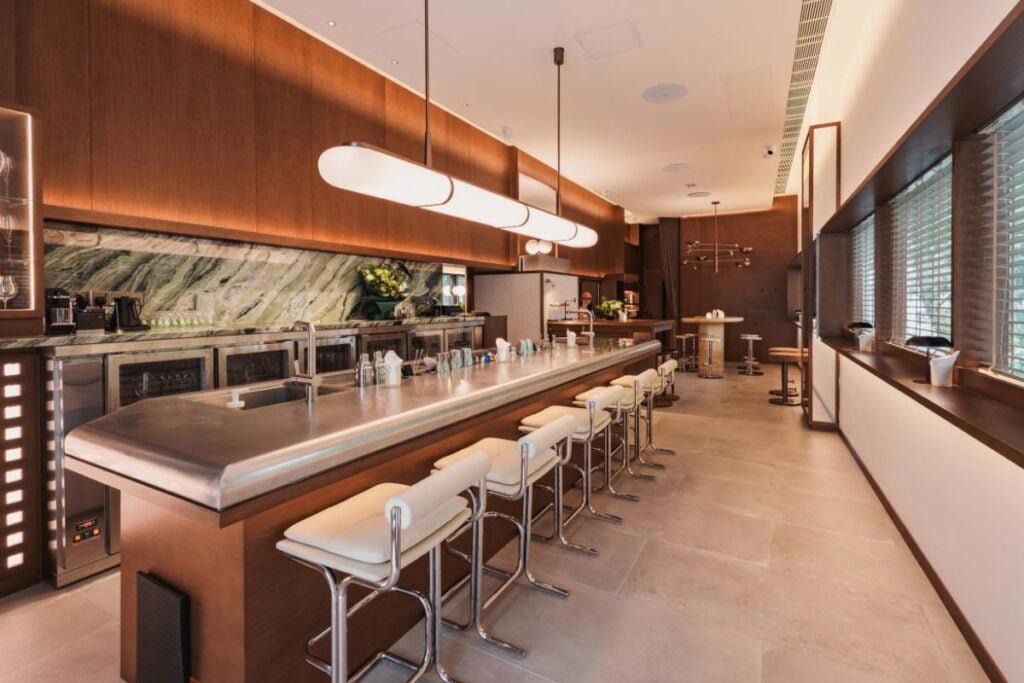
Retro Chinese manor decor with grey walls, wooden panels, opera masks, and bamboo-lined walls creating a cozy, village bistro atmosphere.