
A Beijing institution's first Shanghai outpost, Sheng Yong Xing brings its Michelin-starred Peking duck program to a Bund-adjacent address where jujube-wood-roasted birds arrive with QR-code provenance tracing. The ¥¥¥ pricing sits in line with Shanghai's mid-to-upper Chinese dining tier, and a wine cellar entrance signals a drinks program built to match the signature roast. Awarded one Michelin star in 2024.
Pearl is the En Primeur Club membership app — saves, bookings, and concierge access live there. Same editors, same standards.
- Address
- China, Shanghai, Pudong, 大同公路高桥镇大同路227号 邮政编码: 200137
- Phone
- +86 21 6330 2885
- Directions
- Get directions
 Saves & bookings on Pearl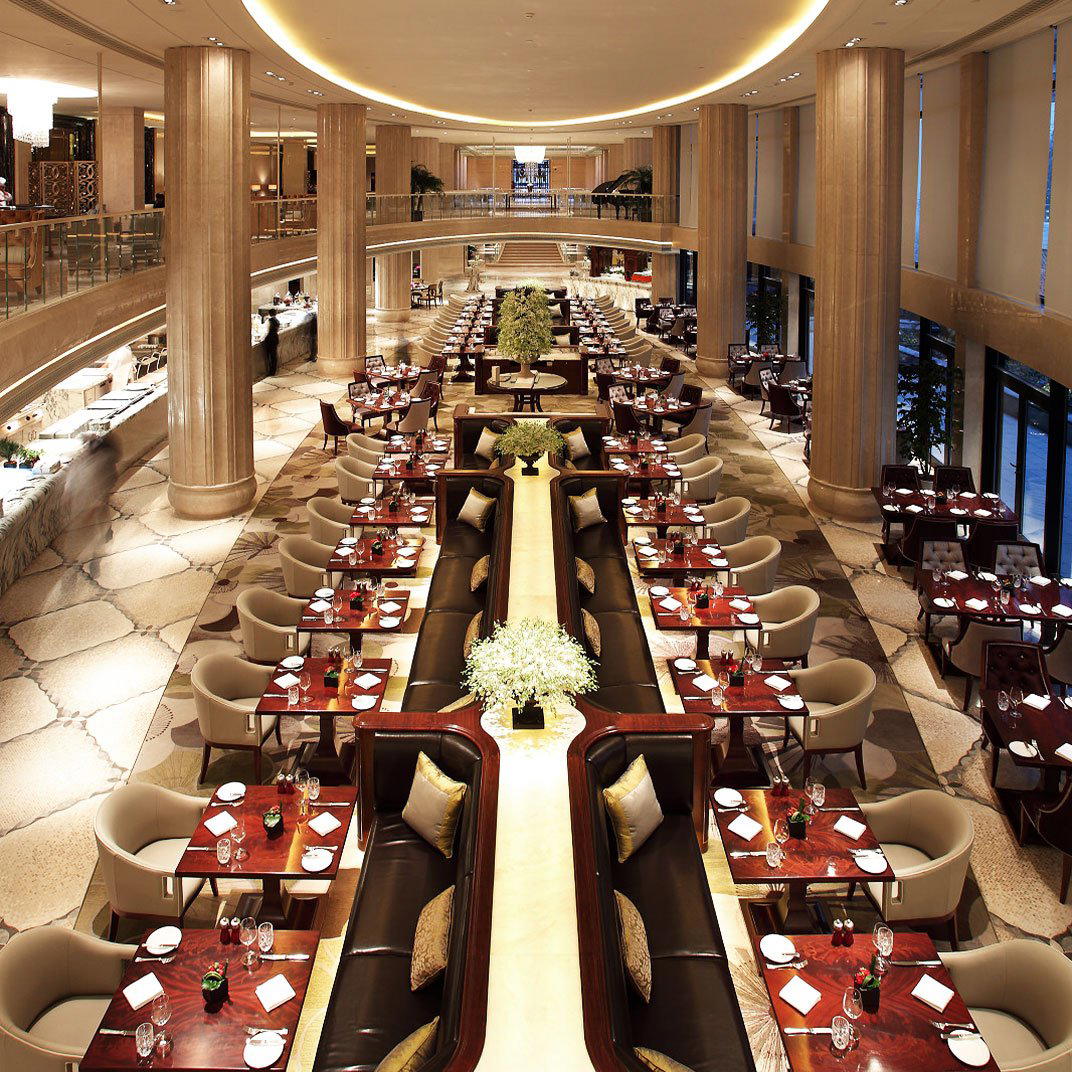
A Beijing Duck House Arrives in Shanghai's Most Competitive Dining Corridor
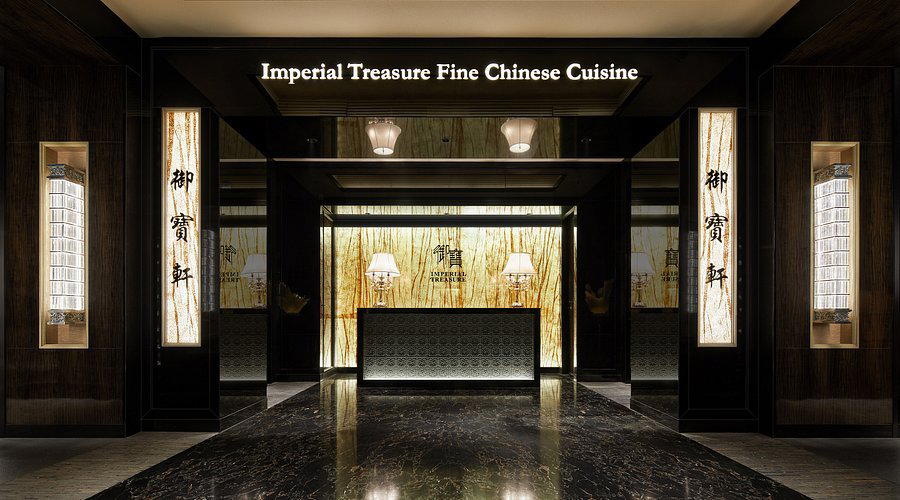
Sheng Yong Xing (Huangpu) is a Michelin-starred Beijing Peking duck restaurant in Shanghai, priced at about US$128 per person. Guests pass through a wine cellar tunnel on entry, a deliberate architectural statement about what kind of duck restaurant this intends to be. It is not a casual roast-and-pancake canteen. The cellar passage frames the meal ahead as something closer to a formal dining occasion, where the wine list carries real weight alongside the bird.
That positioning matters in context. When a Beijing-origin brand chooses to open its first Shanghai outpost, the address selection is rarely accidental. The Bund corridor and its surrounding Huangpu blocks are among Shanghai's most competitive dining areas, where mainland and international brands compete for diners who expect both execution and theatre. Sheng Yong Xing's choice of this address signals intent, not just ambition.
The Evolution of Peking Duck in Shanghai
Peking duck as a restaurant category has undergone a quiet but substantial recalibration over the past decade in cities outside Beijing. In Shanghai specifically, the format has moved from something treated as a reliable banquet staple into a subject of serious culinary scrutiny. Sourcing, wood type, roasting method, and provenance have become differentiating factors at the upper end of the market, in much the same way that single-origin concerns reshaped premium coffee and chocolate before filtering into fine dining.
Sheng Yong Xing sits at the sharper end of that shift. Each duck is 45 days old at the time of roasting, a specification that reflects a deliberate rearing protocol rather than commodity supply. The birds are roasted over jujube wood, a choice with both practical and historical logic: jujube imparts a particular fragrance to the skin and burns at temperatures that support the lacquered finish the dish requires. These are not novel innovations; they are a re-commitment to craft disciplines that mainstream duck restaurants had quietly abandoned in favour of throughput.
The QR code attached to each bird takes that commitment one step further. Diners can scan and trace the duck's provenance from source farm through to table, a transparency mechanism that has become standard in premium protein categories globally but remains relatively rare in Chinese restaurant dining. In practice, it reframes the moment the duck arrives: rather than simply carving and serving, the kitchen is inviting the diner to consider the supply chain as part of the experience itself.
From Beijing Brand to Bund Address: The Outpost Logic
The expansion of Beijing's premium restaurant brands into Shanghai has followed a recognisable pattern over the past several years. Where Cantonese dining long held the dominant position at the upper end of Shanghai's Chinese restaurant market, Beijing cuisine has been making a measured push, led by formats that emphasise roasting craft, ceremonial presentation, and a wine program capable of sitting alongside the food rather than being an afterthought.
Sheng Yong Xing's Huangpu location fits that trajectory. The wine cellar entrance is not decorative: it signals a beverage program constructed with the intention of pairing. Duck, particularly the lacquered Peking style, offers more interesting pairing territory than it is often given credit for, and restaurants operating at this price point in Shanghai increasingly need to demonstrate that the drinks side of the operation has received equivalent attention to the kitchen.
The Michelin Guide's decision to award one star in 2024 provides external validation within Shanghai's competitive Chinese dining comparable set. Sheng Yong Xing enters that conversation as the Beijing-cuisine representative, which remains a relatively uncrowded position in Shanghai's formal Chinese dining tier.
Other Michelin-recognised Chinese specialists in the broader region worth cross-referencing include Xin Rong Ji on West Nanjing Road for Taizhou cuisine, Ru Yuan in Hangzhou, and Imperial Treasure Fine Chinese Cuisine in Guangzhou. For a broader view of dining across Chinese cities, Xin Rong Ji in Beijing, Xin Rong Ji in Chengdu, Chef Tam's Seasons in Macau, and Dai Yuet Heen in Nanjing provide useful calibration points across formats and price tiers.
The Setting as Editorial Statement
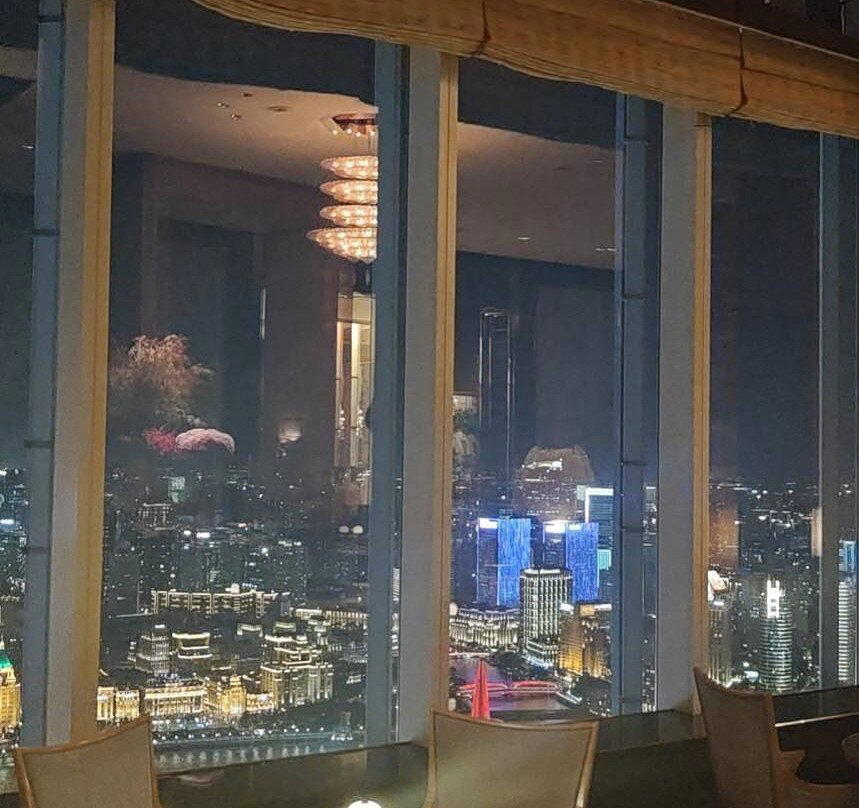
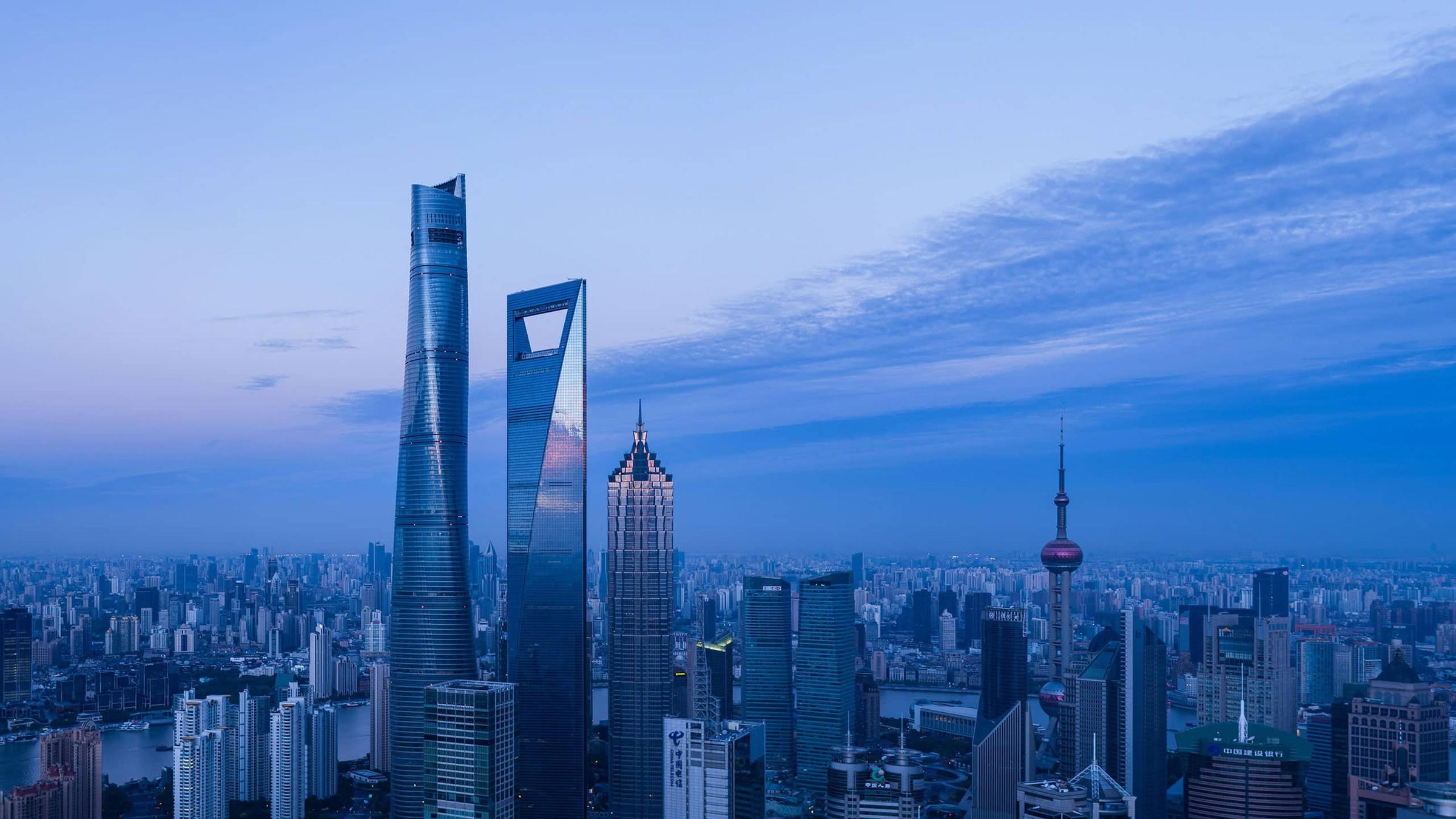
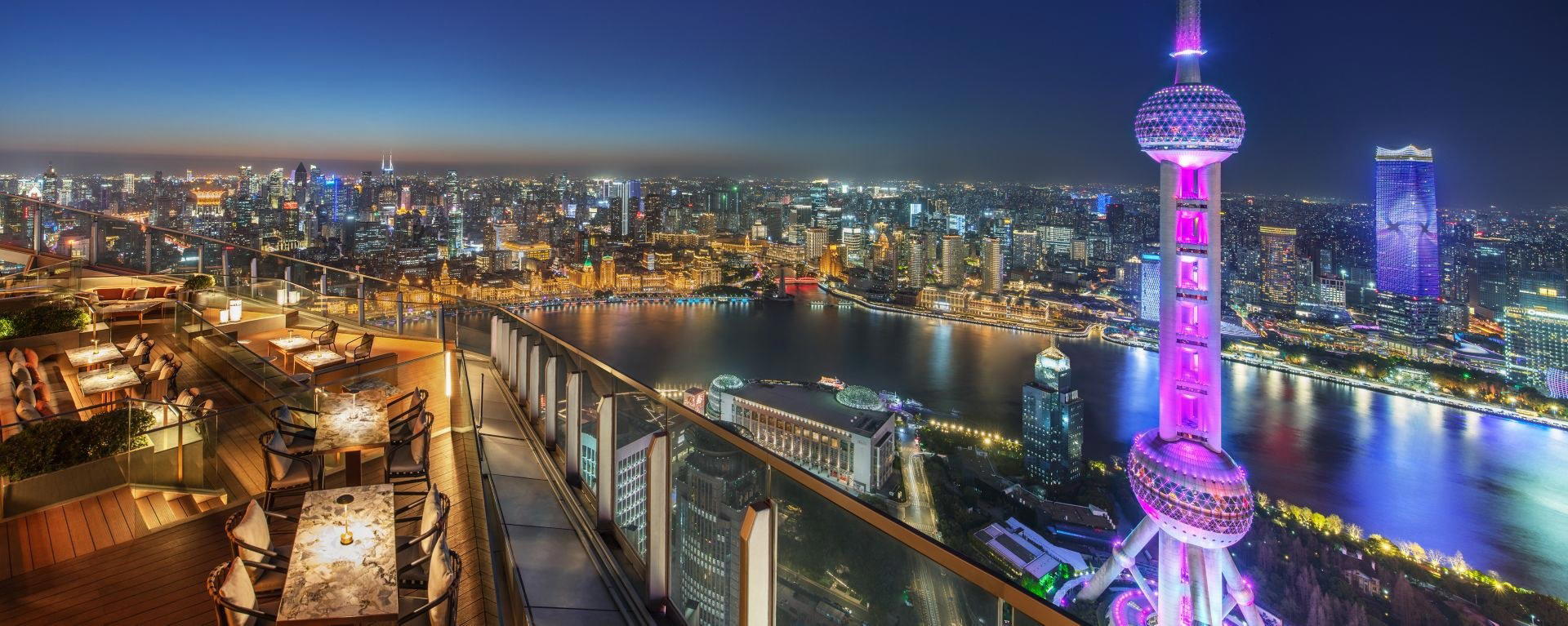
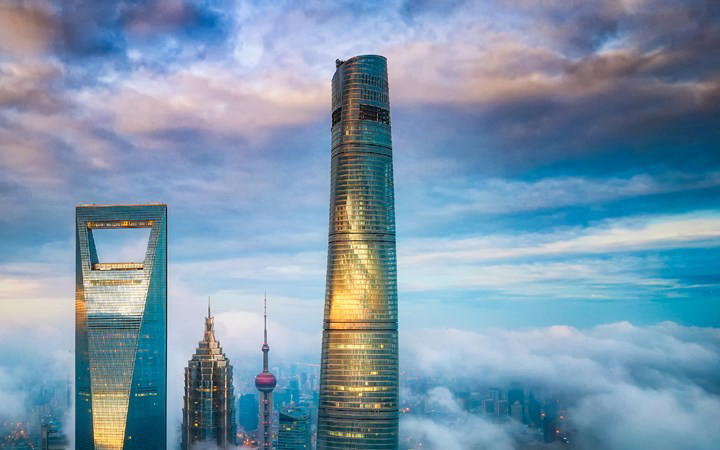
Views of the Bund from a dining room are so common in Shanghai that they risk becoming background noise. What distinguishes the rooms that use the view well from those that simply have it is whether the interior produces an experience that would hold up without the window. At Sheng Yong Xing, the wine cellar entry and the ceremony around the duck presentation do meaningful work independent of the skyline. The Bund view, in that context, operates as confirmation of address rather than as the primary attraction.
The ¥¥¥ pricing positions the restaurant as accessible relative to the upper tier of Shanghai's serious dining rooms. Taian Table, for instance, operates at a considerably higher price point; see Taian Table's full profile for that reference point.
Planning Your Visit
| Venue | Cuisine | Price Tier | Michelin | Key Format |
|---|---|---|---|---|
| Sheng Yong Xing (Huangpu) | Beijing / Peking Duck | ¥¥¥ | 1 Star (2024) | Roast duck, Bund views, provenance tracing |
| 102 House | Cantonese | ¥¥¥ | Recognised | Cantonese fine dining |
| Fu He Hui | Vegetarian | ¥¥¥¥ | Recognised | Vegetarian tasting menu |
| Taian Table | Modern European | ¥¥¥¥+ | Recognised | Chef's table, innovative format |
| 8 1/2 Otto e Mezzo Bombana | Italian | ¥¥¥ | Recognised | Italian fine dining, Huangpu |
The restaurant's address is in Pudong, Huangpu district, at 大同路227号, Gaogiao Town.
Comparable Spots, Quickly
Comparable venues nearby, for context on price, style, and recognition.
| Venue | Cuisine | Price | Awards | Notes |
|---|---|---|---|---|
| Sheng Yong Xing (Huangpu)This venue — the venue you are viewing | Michelin-Starred Beijing Peking Duck | $$$ | Michelin 1 Star | Not listed |
| Moose (Pudong) | Refined Huaiyang Cuisine | $$$ | Michelin 1 Star | Yang Jia Du |
| Moose (Changning) | Refined Huaiyang Cuisine | $$$ | Michelin 1 Star | Xujiahui |
| Lao Zheng Xing | Traditional Shanghainese | $$ | Michelin 1 Star | Huangpu |
| Canton Table | Modern Cantonese | $$$ | Michelin 1 Star | Lan Ni Du |
| Cheng Long Hang (Huangpu) | Shanghainese Hairy Crab Specialist | $$$ | Michelin 1 Star | Lan Ni Du |
Recognition history
Dated appearances from independent guides and award organizations, with the underlying list record or original source where available.
Michelin 1 Star
Michelin
Michelin 1 Star
Michelin
At a Glance
- Elegant
- Sophisticated
- Romantic
- Modern
- Intimate
- Business Dinner
- Special Occasion
- Date Night
- Open Kitchen
- Wine Cellar
- Historic Building
- Extensive Wine List
- Sommelier Led
- Skyline
- Street Scene
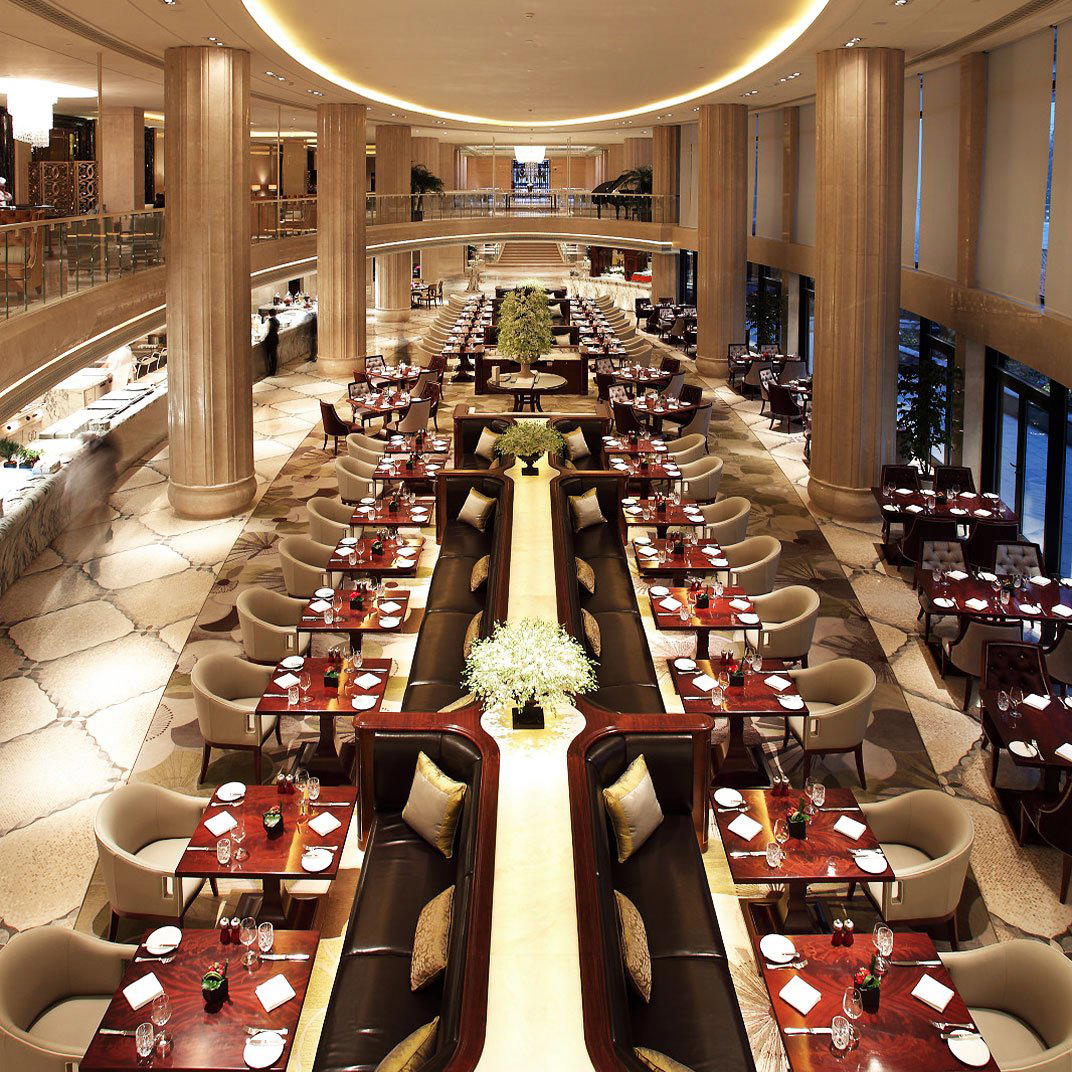
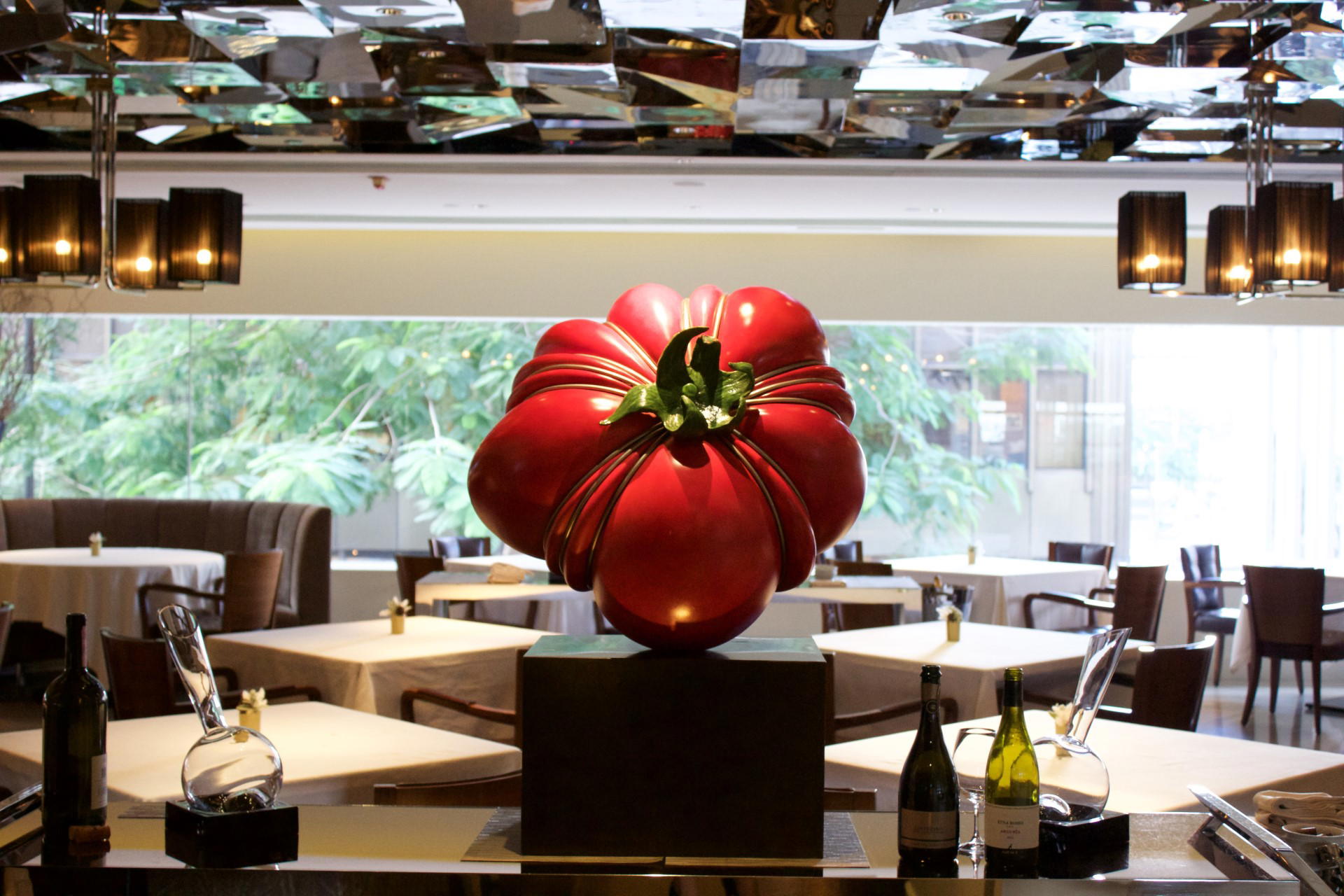
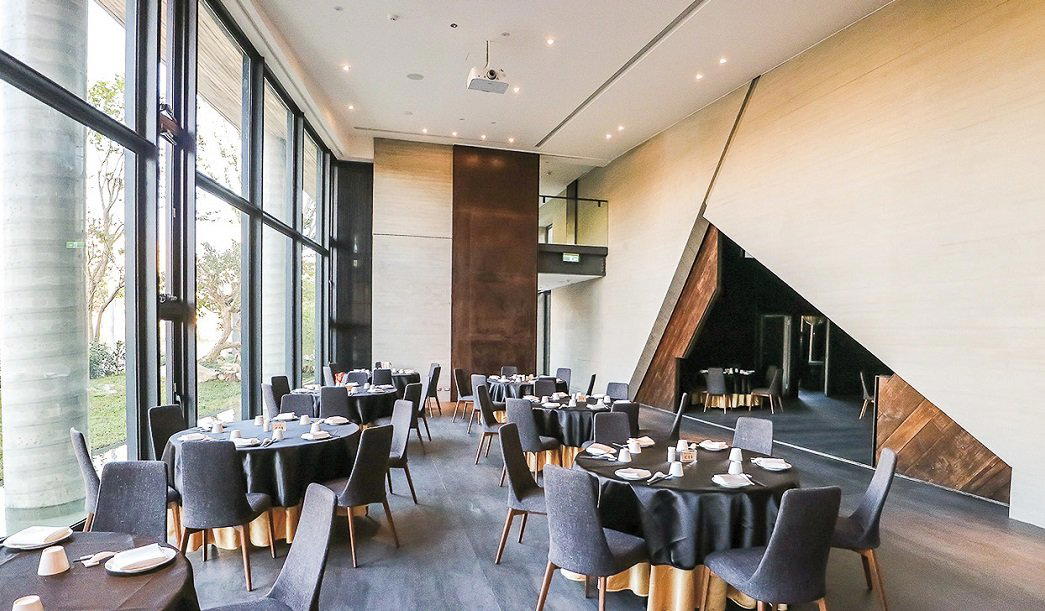
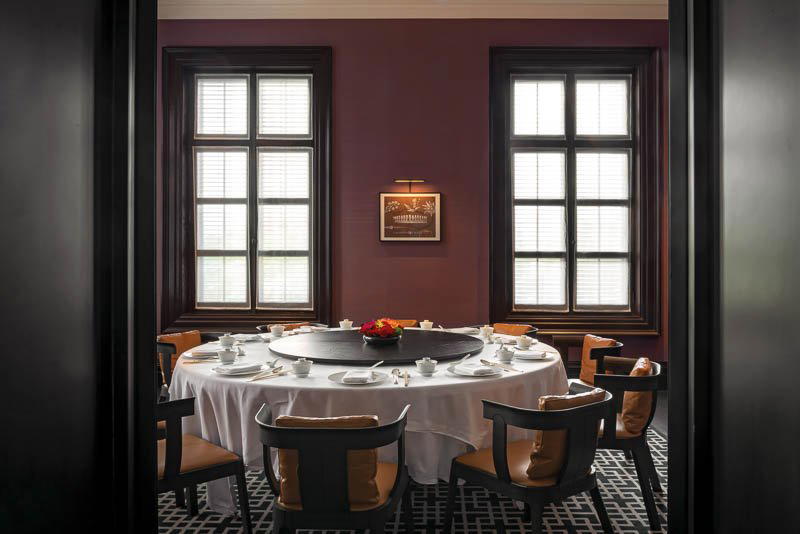
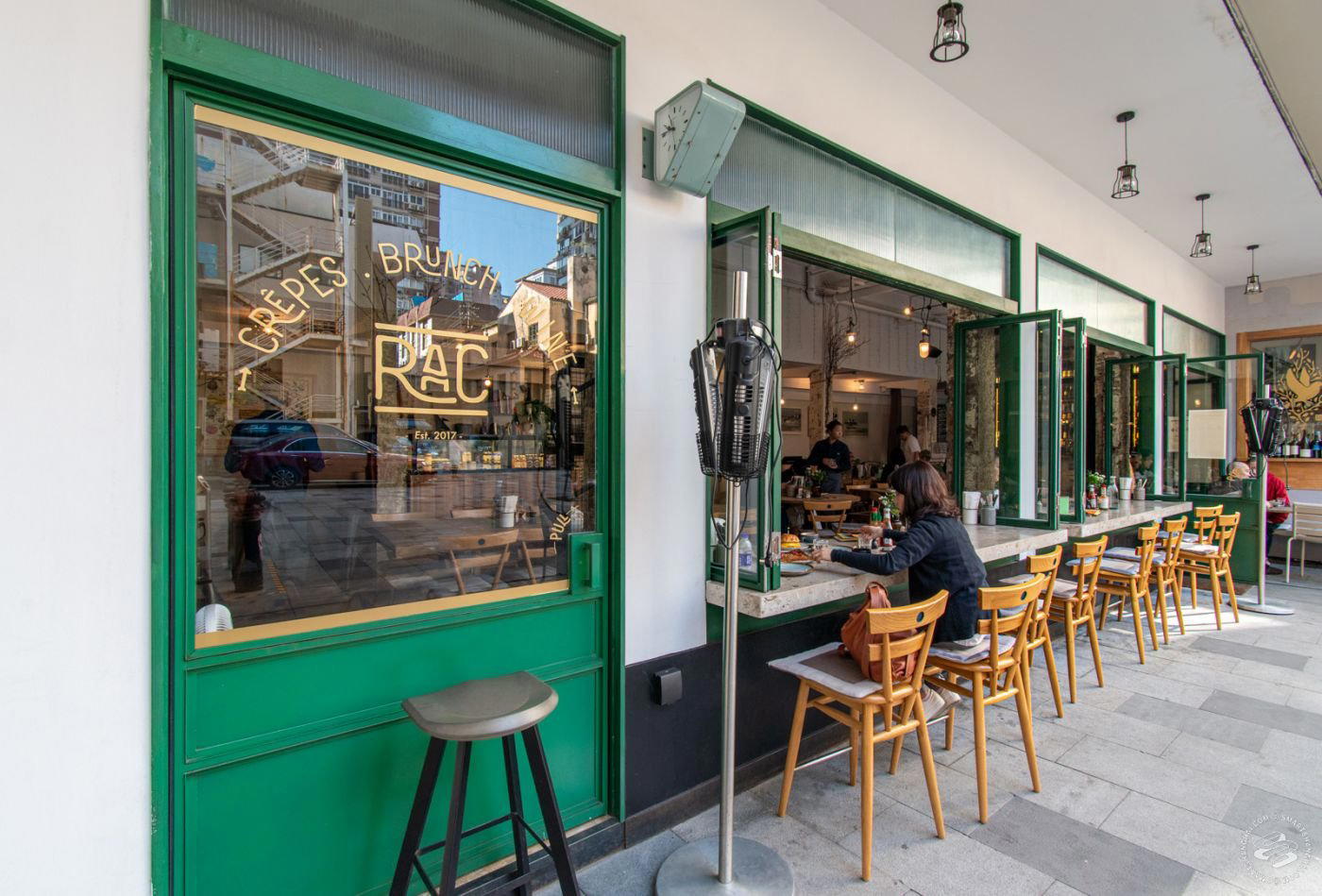
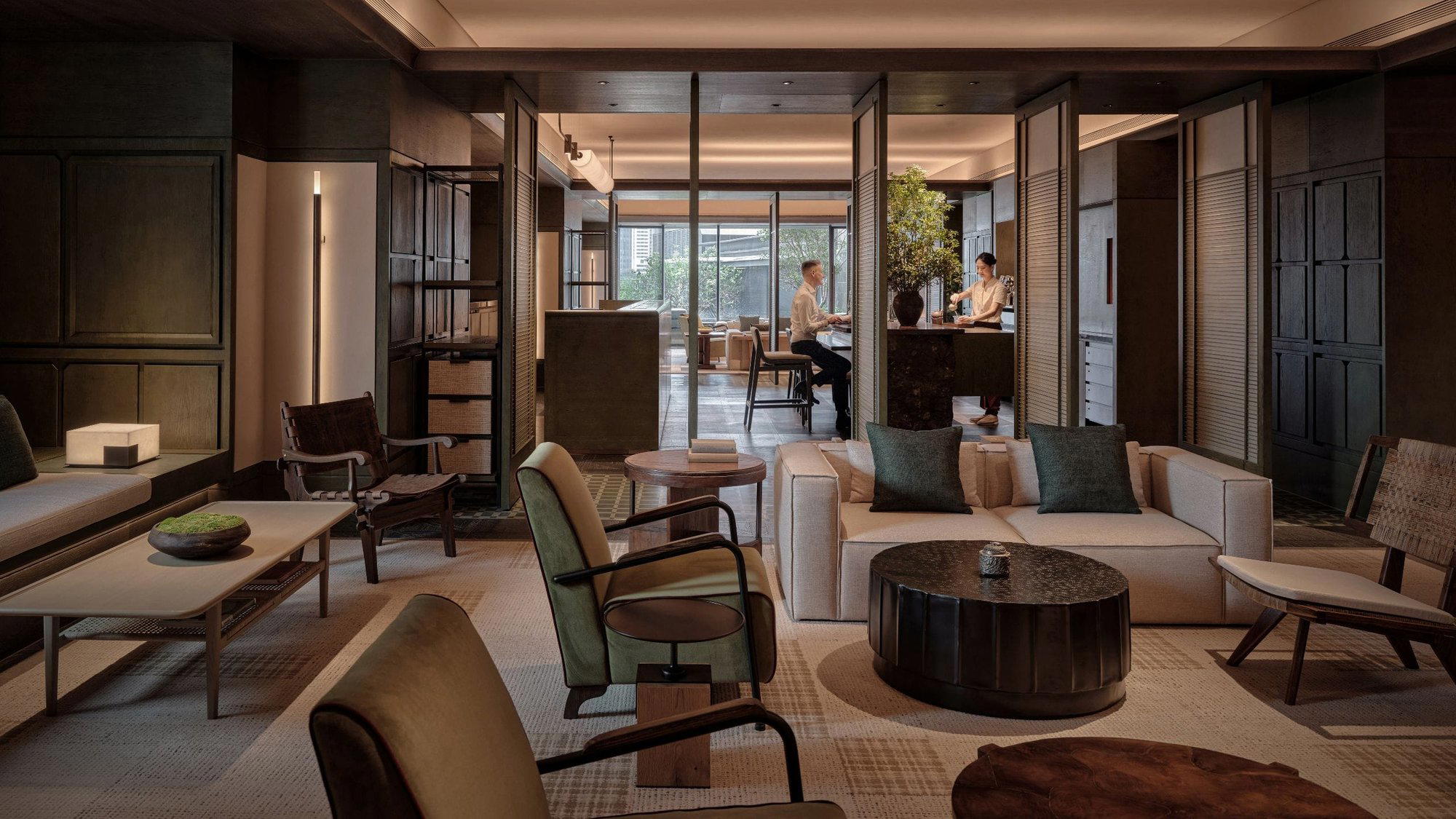
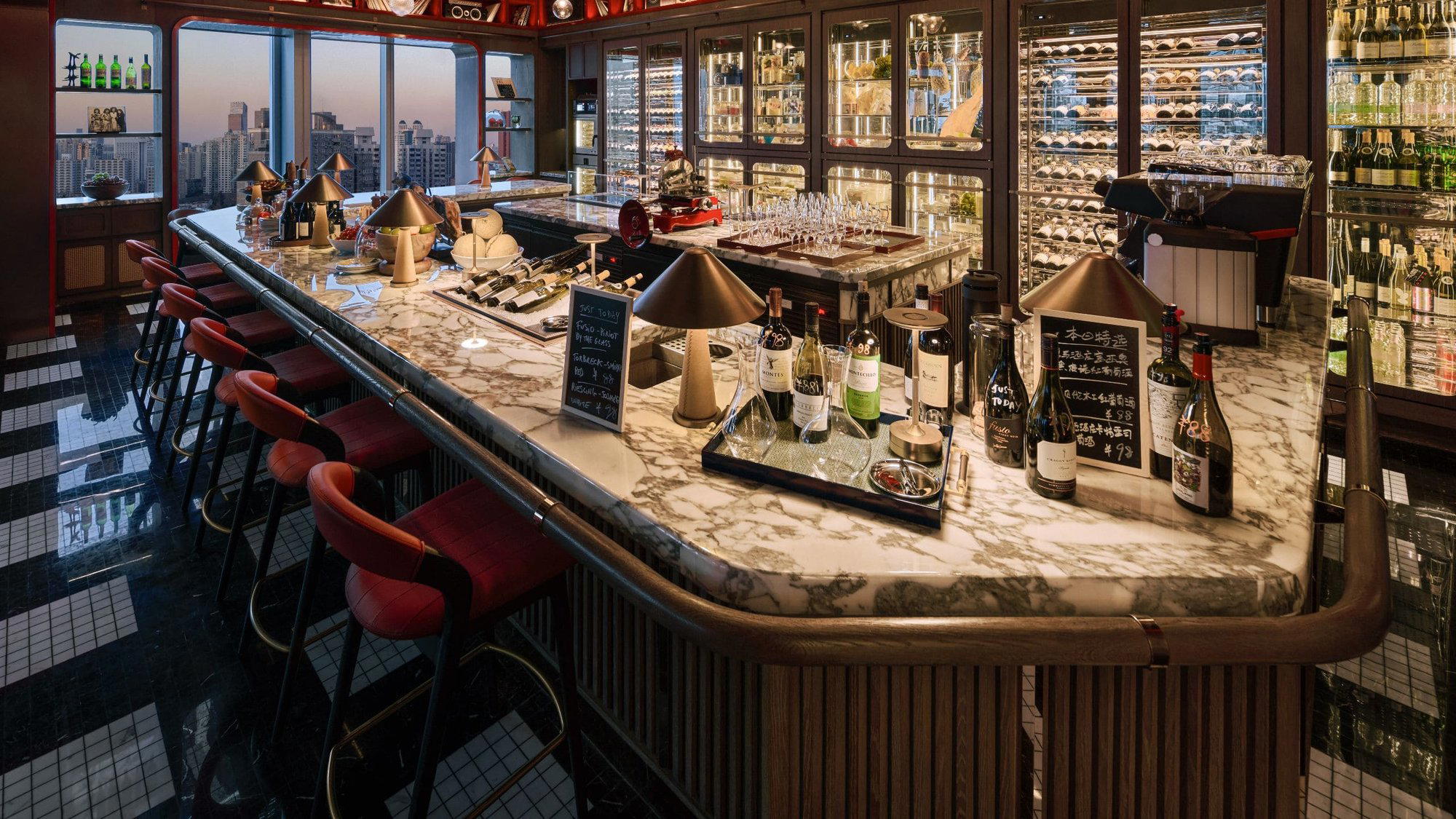
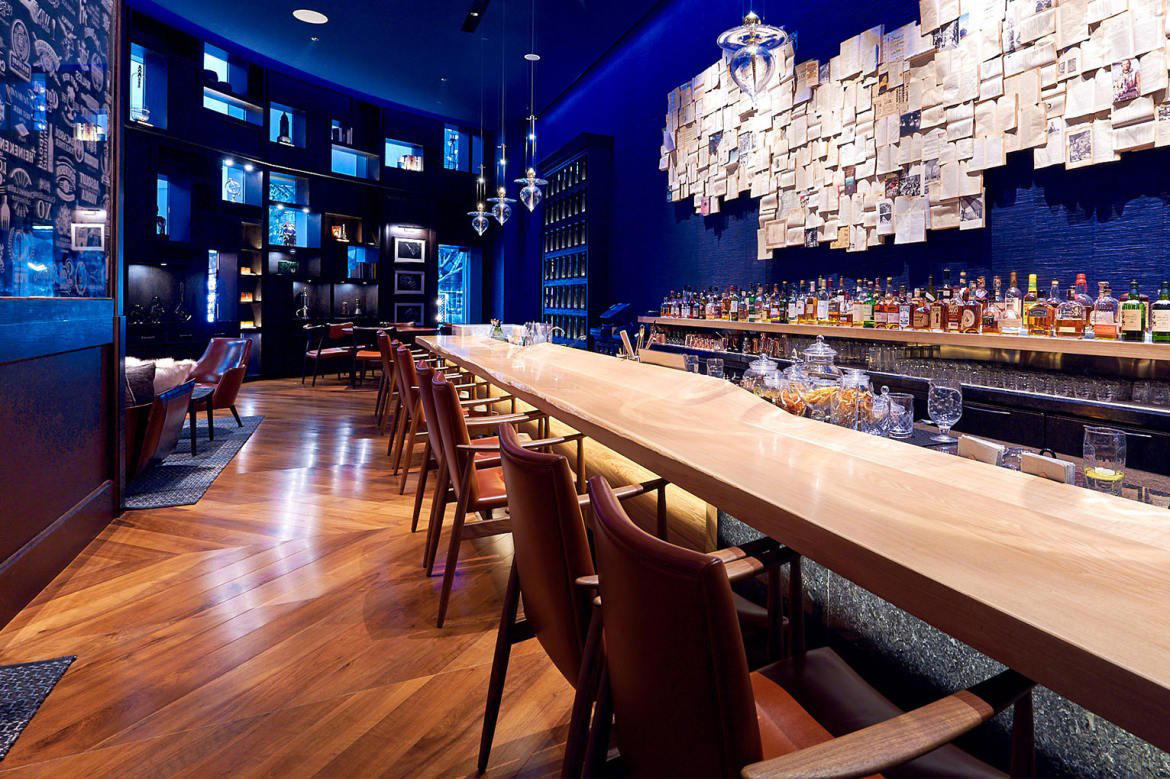
Sleek, modern minimalist design with low lighting, wine cellar entrance, and large windows offering dramatic Bund skyline views.