
Michelin Plate
Our verdict
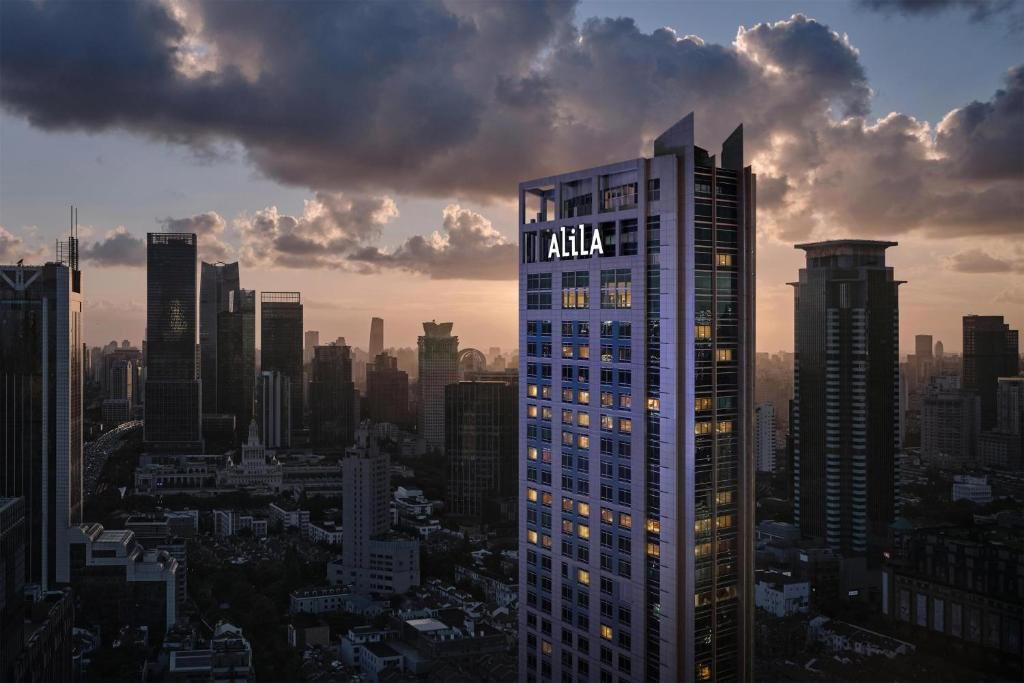
Shaughnessy occupies the 22nd floor of a Huangpu skyscraper near East Huaihai Road, offering high-altitude dining in Shanghai's central business corridor. The setting leans on verticality and views rather than street-level bustle, placing it in a distinct category from ground-floor neighbourhood haunts.

Pearl is the En Primeur Club membership app, where members save venues, book tables and use the concierge.
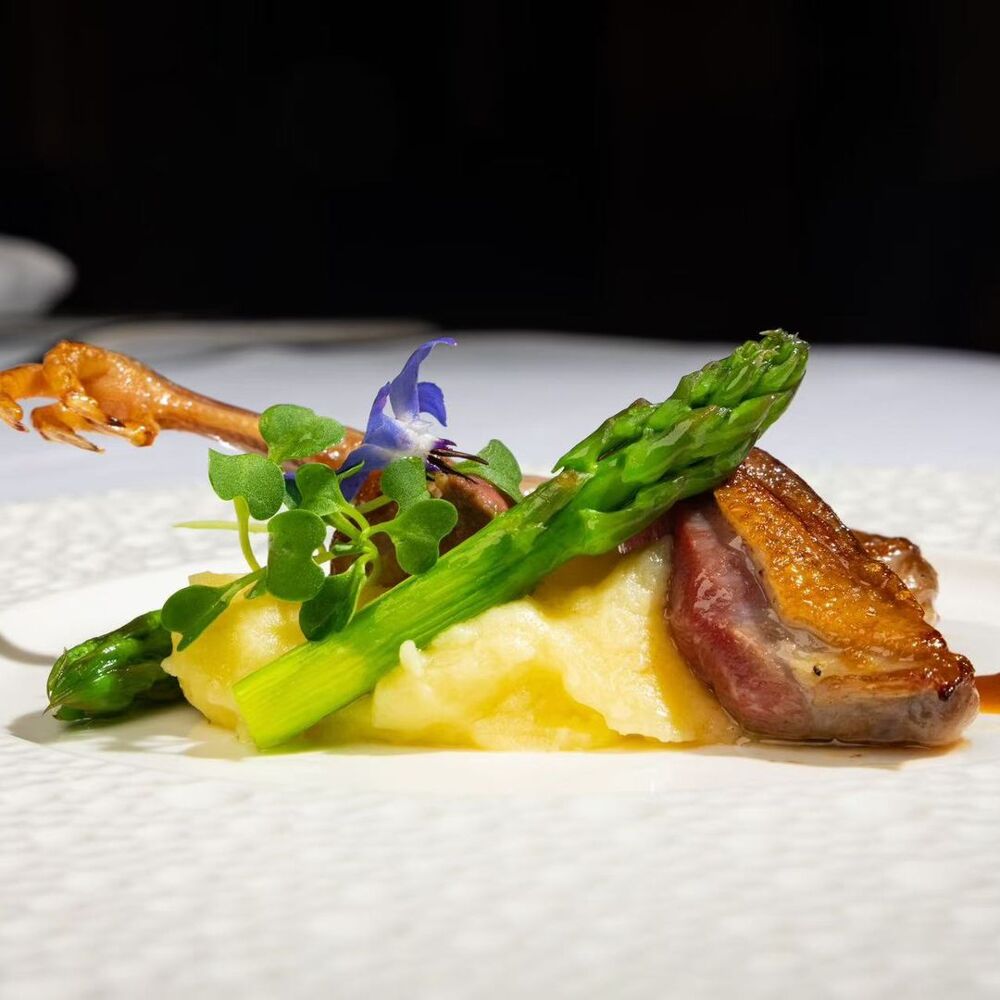
The menu
What to order
- Dry-aged Black Angus steak (28–180 days) carved tableside
- Tableside Caesar salad
- Texas BBQ ribs
- Ox tongue
- Mushroom soup with black truffle
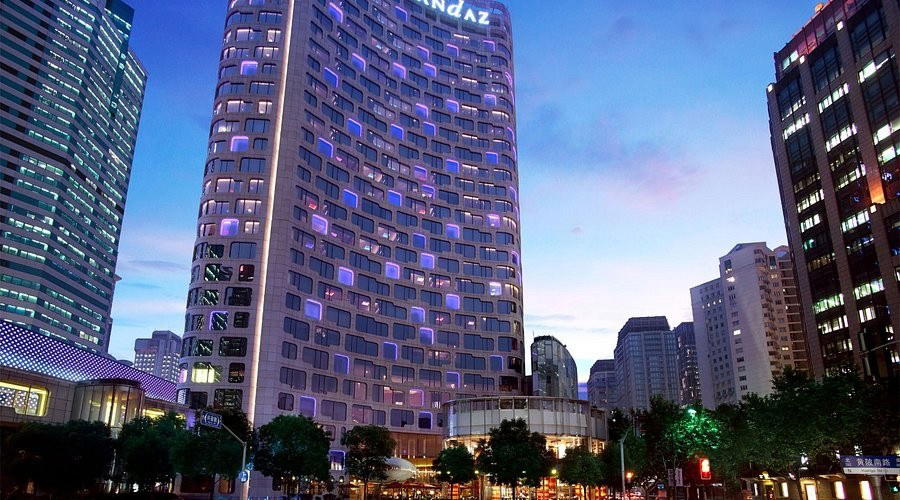
Shanghai's high-rise dining tier has expanded in the past decade, pulling restaurants out of heritage lanes and onto upper floors where elevation becomes part of the experience. Shaughnessy sits on the 22nd floor of East Huaihai International Mansion, a mixed-use tower on East Huaihai Road in Huangpu. The address places it between the French Concession's western edge and the Bund precinct, central enough for business travellers and visitors staying in Shanghai's core hotel zone, but removed from the sidewalk energy that defines ground-level spots like 102 House (Cantonese) or 102 House Shanghai.
The move upward reshapes the dining calculus. Where street-level restaurants compete on accessibility and walk-by appeal, tower venues lean on views, atmospheric control, and a sense of arrival. Shaughnessy fits that pattern: the elevator ride, the reception desk, the floor-to-ceiling glass separating diners from the city grid below. It's a format Shanghai shares with other Asian financial hubs, Hong Kong, Singapore, Tokyo, where scarcity of ground-level real estate pushes premium dining into vertical real estate. The trade-off is clear: you gain altitude and a controlled environment, but you lose the neighbourhood texture that makes places like 1515 West Chophouse (Steakhouse) or 100 Century Avenue Cantonese feel embedded in the city's social fabric.
What the Kitchen Sends Out and Why It Matters
Shanghai's contemporary dining scene has increasingly turned toward ingredient provenance as a competitive signal. Where the previous decade emphasized technique borrowed from Europe, sous-vide, spherification, molecular tweaks, the current cohort of restaurants competes on sourcing: which farm, which boat, which morning's catch. Shaughnessy participates in that broader shift, though without the public documentation of supply chains that some peer venues now publish on menus or websites. The awards data confirms its position in the market but stops short of detailing menu philosophy or ingredient partnerships, leaving the specifics of its sourcing approach undisclosed.
That opacity is common among Shanghai's mid-to-upper dining tier. 100 Century Avenue Steakhouse and similar high-rise venues often keep supplier lists internal, communicating sourcing through service staff rather than printed copy. For diners accustomed to the transparency of Japan's omakase counters, where fish origin and aging are recited as liturgy, or California farm-to-table formats that name every ranch and orchard, Shanghai's high-rise category can feel opaque. The expectation is that quality is vetted in-house, but the evidence is largely left to the plate.
Navigating Shanghai's High-Rise Dining Landscape
Shaughnessy's tower location on East Huaihai Road means access is by elevator, not by street-level entrance. The building sits within a five-minute walk of Huangpi South Road metro station (Line 1), which connects directly to Shanghai Railway Station, Pudong, and Hongqiao terminals. Taxi access is direct from the French Concession or the Bund, though peak-hour traffic on Huaihai Road can add ten to fifteen minutes to the approach. The neighbourhood is office-dense, so lunch service, if offered, would skew corporate; evening service would draw from the residential towers west of the building and the hotel corridor to the east.
Comparable high-rise venues in Shanghai tend to layer reservations by time slot, and many require advance booking during weekends and holidays. The tower format also implies a dress code somewhere between smart-casual and business-formal, looser than the suits required at certain Hong Kong fine-dining rooms, but tighter than the sneakers-and-jeans norm at neighbourhood bistros. Check directly if you're planning something outside that range.
For broader context on where Shaughnessy fits within Shanghai's dining spectrum, consult our full Shanghai restaurants guide, which maps the city's categories by price, format, and neighbourhood. If you're splitting your stay between dining and nightlife, our full Shanghai bars guide covers the cocktail tier; for accommodation near Huangpu, see our full Shanghai hotels guide.
Shanghai's dining landscape also extends beyond its borders. Comparable high-rise formats appear in other Chinese cities: #8 in Chengdu, 167 Shan Hai Li in Fuzhou, and 1913 in Hangzhou all occupy refined floors in central business districts. For ground-level contrast, look to 1927 Dong Yuan Si Chu in Xiamen or 1949 - Duck de Chine in Beijing, where heritage buildings anchor the experience. Outside China, ingredient-forward formats with similar sourcing rhetoric include Jōdo Saké Bar in Los Angeles and Onigiri Time in Pasadena, though both operate at a smaller scale and lower price point.
Shaughnessy's position on East Huaihai Road also places it within walking distance of several other high-rise dining options, including 500 Weihai Road and 3 Warehouse, both of which occupy similar real estate and compete for the same corporate-lunch and occasion-dinner audience. The cluster effect is real: if one venue is fully booked, the others are a short walk away. That density makes Huangpu a logical base for diners planning a multi-night Shanghai visit, though it also means the neighbourhood feels less distinct than the Jing'an or former French Concession lanes, where individual restaurants anchor entire blocks.
For those planning a broader exploration of Shanghai's food culture, our full Shanghai experiences guide covers market tours, cooking classes, and tea ceremonies. If wine is part of the trip, our full Shanghai wineries guide maps the city's emerging wine-bar and cellar scene, though Shanghai itself has no vineyard land, most wine programs source from Ningxia, Yunnan, or import.
Frequently asked questions
Would Shaughnessy be comfortable with kids?
The 22nd-floor location in East Huaihai International Mansion involves elevator access and a formal dining environment typical of Shanghai's high-rise venues. Families with older children who can manage the setting may find it workable, though the format skews toward adult occasions. Verify any age or behaviour policies directly with the restaurant before booking.
Is Shaughnessy better for a quiet night or a lively one?
Tower dining on East Huaihai Road generally leans toward a quieter, more controlled atmosphere than ground-level venues in Shanghai's busier districts. Those seeking high-energy dining may prefer street-level alternatives in adjacent neighbourhoods.
Does Shaughnessy have a Michelin star or similar recognition?
Shaughnessy has received recognition including: Sitting atop a skyscraper, this....
Where is Shaughnessy in Shanghai?
Shaughnessy is located at No.2201-2202, 22F, East Huaihai International Mansion, 45-49 East Huaihai Road, Huangpu, Shanghai, Shanghai Municipality, 200011, CHN, Shanghai.
Is Shaughnessy reservation-only?
Reservation policies for high-rise dining rooms in Shanghai often vary by day and season. Contact the venue at the address listed, 22F, East Huaihai International Mansion, 45-49 East Huaihai Road, Huangpu, to confirm walk-in availability and booking requirements for your intended date.
What do critics highlight about Shaughnessy?
Published recognition notes the skyscraper location as a defining feature of the venue's positioning within Shanghai's competitive dining market. Specific culinary or service accolades remain limited in circulation, placing Shaughnessy in the broader category of tower-based dining rooms rather than award-tracked destinations.
Comparable Spots, Quickly
Comparable venues by cuisine and price in the same metro.
| Venue | Cuisine | Price | Awards |
|---|---|---|---|
| Shaughnessy | American Steakhouse | $150–200 | Michelin Plate |
| 3 Warehouse | Creative Chinese Fusion | $20–30 | Not listed |
| 500 Weihai Road | Modern Shanghainese with Sustainable Seafood | $50–100 | Not listed |
| Chic 1699 | Authentic Fujian Cuisine | $30–50 | Michelin Bib Gourmand |
| Narisawa | Modern Japanese Satoyama Fine Dining | $300–500 | 2 Michelin Stars · World's 50 Best #37 |
| Imperial Treasure (Shanghai) | Upscale Cantonese Fine Chinese Cuisine | Not listed | Not listed |
Recognition history
Dated appearances from independent guides and award organizations, with the underlying list record or original source where available.
Michelin Plate
Michelin
Continue exploring
More in Shanghai
Restaurants in Shanghai
All restaurants in Shanghai →
Bars in Shanghai
All bars in Shanghai →
Details
- Elegant
- Classic
- Sophisticated
- Romantic
- Intimate
- Date Night
- Business Dinner
- Special Occasion
- Group Dining
- Standalone
- Design Destination
- Panoramic View
- Extensive Wine List
- Craft Cocktails
- Skyline
- A La Carte
- Tasting Menu
- Wine
- Cocktails
- Pescatarian Friendly
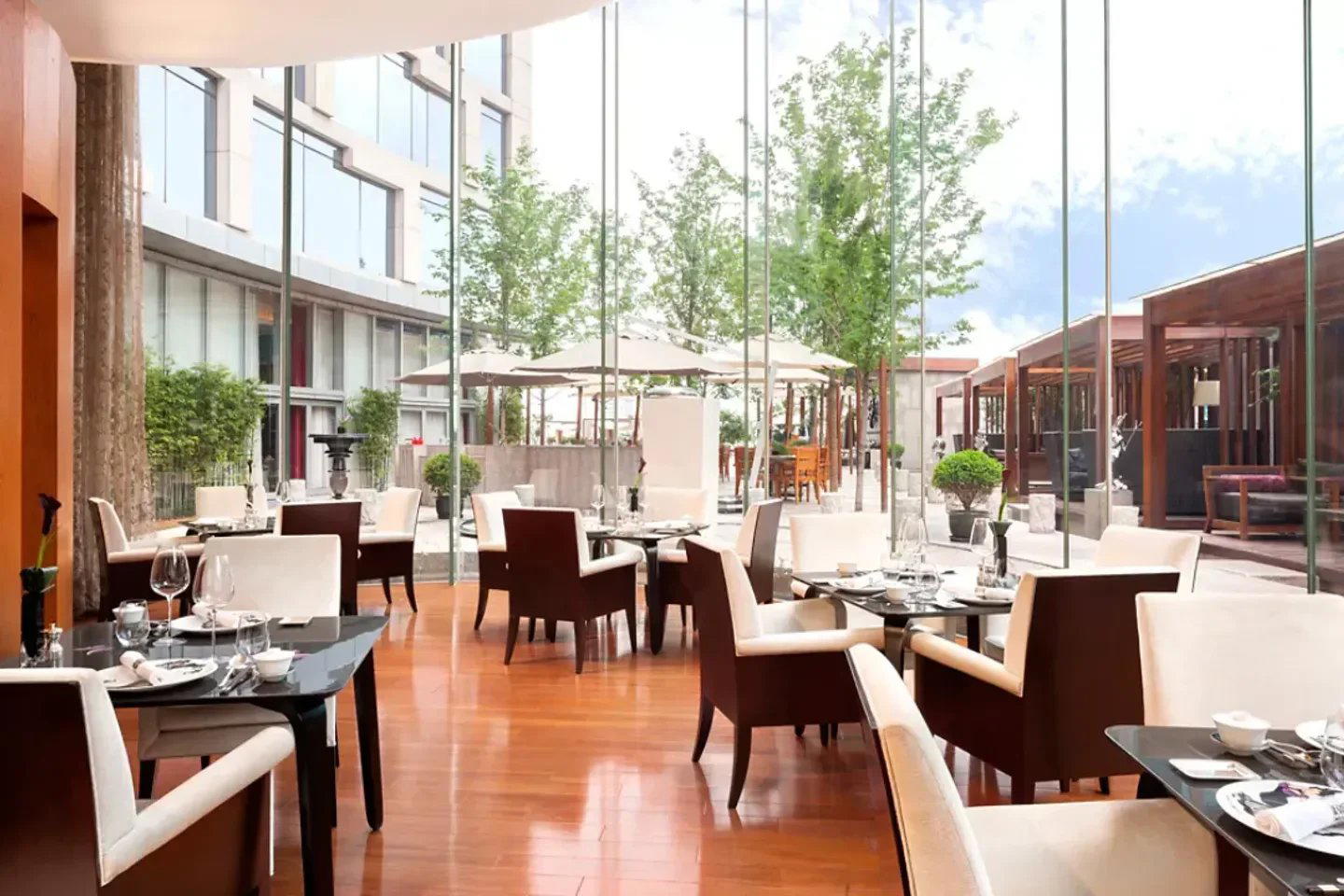
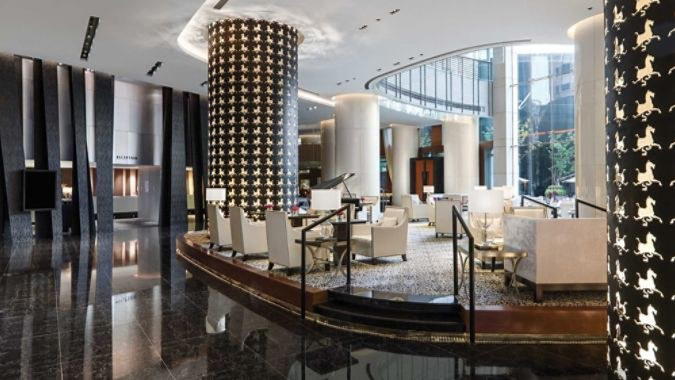
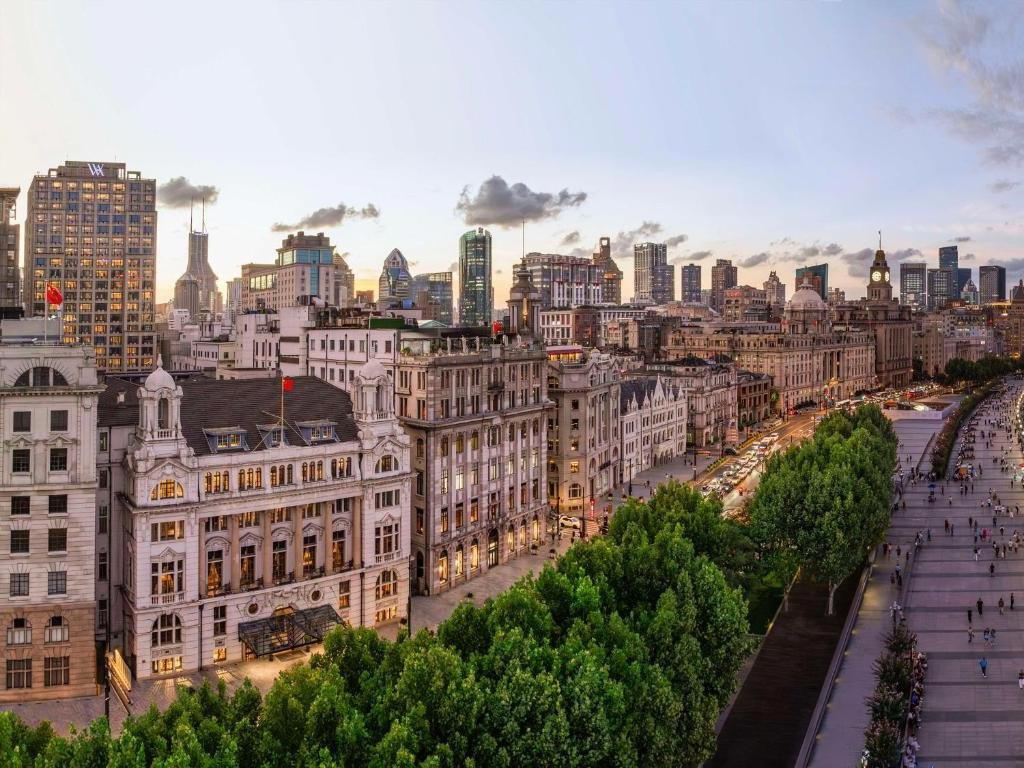
An elegant, traditional American steakhouse setting with posh decor and white tablecloths, polished by skyscraper views of the Bund and Huangpu skyline; lighting and atmosphere read as refined and romantic yet comfortable, suited to both dates and business dinners.