Shang Palace

Michelin Plate
Our verdict
Shang Palace at the Hotel Dubai brings Cantonese and broader Chinese cooking to Sheikh Zayed Road with the kind of formal service architecture rarely seen in the city's Chinese dining tier. A 2025 Michelin Plate holder It occupies a distinct position in Dubai's Chinese restaurant scene, where polish and consistency are harder to find than the cuisine itself.

Pearl is the En Primeur Club membership app, where members save venues, book tables and use the concierge.
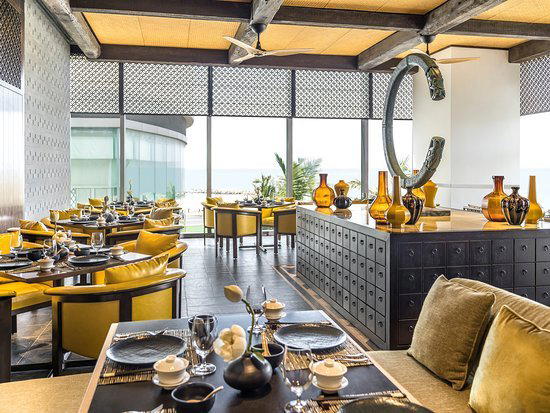
Where Chinese Fine Dining Sits on Sheikh Zayed Road
Dubai's Chinese restaurant tier has expanded sharply over the past decade, but it remains unevenly distributed. The city has no shortage of mid-range Cantonese and pan-Chinese operations, and a handful of high-concept entries like Hakkasan Dubai and Hutong occupy the louder, design-driven end of the category. What has been harder to sustain is the quieter, formally structured Chinese dining room, the kind where the front-of-house moves with a specific protocol, the menu carries classical Cantonese anchors, and the experience doesn't compete with the room's own spectacle. Shang Palace at the Hotel on Sheikh Zayed Road fills that position, and in 2025 the Michelin Guide confirmed it with a Plate recognition.
The Michelin Plate is the guide's signal that a restaurant delivers cooking worth the trip, not yet starred, but above the threshold of reliable competence. In Dubai's Chinese category, where that recognition is still relatively scarce, it places Shang Palace in a specific peer bracket alongside Mimi Mei Fair and Tang Town while sitting in a noticeably different register from the high-volume, lounge-adjacent formats that dominate the segment.
The Discipline Behind the Room
Across the Shang Palace network, which operates across multiple properties globally, the editorial angle that separates these rooms from standalone competitors is team structure. Cantonese fine dining at this level depends less on a single chef's identity and more on the synchronisation between kitchen, floor, and service cadence. The chef steers the menu's classical orientation; the front-of-house carries the institutional knowledge of how a dim sum service flows differently from an à la carte evening; and the coordination between those two determines whether the room reads as coherent or merely expensive.
High-variance restaurants collect dramatic five-star reviews alongside complaints; a steady 4.5 across a meaningful sample signals that the floor and kitchen are aligned on most nights, not just at their peak.
For comparison, consider how Chinese fine dining handles this structural challenge in other cities. Chugoku Hanten Fureika in Tokyo and Chugoku Hanten Kohakukyu (Amber Palace) operate within a Japanese service culture that naturally enforces that synchronisation. In Dubai, where the hospitality workforce is more transient and the dining culture more eclectic, sustaining the same level of team discipline requires active institutional investment. The infrastructure provides that scaffolding.
What the Menu Architecture Signals
Shang Palace's position as a Cantonese-anchored Chinese restaurant within a five-star hotel context tells you something about how the menu is likely constructed, even without a published dish list. Hotel-based Chinese restaurants at this price point (positioned at $$$, comparable to XU Dubai and Zuma in the same tier) typically maintain a dual-register menu: a dim sum service during lunch that functions as a technical showcase, and an evening menu that extends into whole-fish preparations, roasted proteins, and wok-fired vegetables where the kitchen's heat control becomes legible. The distinction matters because the two services demand different things from the team, dim sum is a rolling, high-SKU operation that tests the floor's organisational agility; dinner service rewards the kitchen's ability to sustain flavour precision across a longer arc.
The Cantonese tradition that underlies menus in restaurants of this type prioritises clarity of flavour over complexity of sauce, steamed preparations, clean broths, and proteins where freshness is the point rather than the technique applied to it. Within the broader Chinese dining field globally, that tradition places Shang Palace in a different conversation from the Sichuan-forward formats or the fusion-adjacent entries. For readers curious how that tradition translates in other markets, Mister Jiu's in San Francisco and Restaurant Tim Raue in Berlin each represent distinct departures from classical Cantonese, which helps clarify what restaurants like Shang Palace are choosing not to do. And in Japan, VELROSIER in Kyoto, Chi-Fu in Osaka, and Chugokusai Naramachi Kuko in Nara show how Chinese cooking adapts to entirely different hospitality environments while maintaining recognisable structural roots.
Dubai's Chinese Tier in Context
Sheikh Zayed Road is Dubai's highest-density corridor for hotel dining, which means Shang Palace competes not just against other Chinese restaurants but against the full range of hotel-based fine dining on that stretch. Al Mahara, Avatara Restaurant, and City Social all occupy the same geographic and price-tier space, drawing from a similar guest base of hotel residents and destination diners. Within that context, Shang Palace's Chinese specialisation is an asset: it offers something specific rather than competing on the same modern-cuisine or international-luxury positioning as its neighbours.
For regional comparison, Erth in Abu Dhabi demonstrates how a specialist culinary identity within a UAE hotel can command recognition on its own terms. Shang Palace operates on a similar logic, using the platform to maintain a quality floor while the menu's Chinese specificity provides the editorial differentiation that purely international hotel restaurants often lack.
Planning Your Visit
Know Before You Go
- Address: Hotel Dubai, Sheikh Zayed Road, Dubai, UAE
- Price Range: $$$ (comparable to Zuma and XU Dubai in the same tier)
- Recognition: Michelin Plate 2025
- Booking: Contact the Hotel directly; hotel concierge can assist residents
- Getting There: Sheikh Zayed Road is served by the Dubai Metro; the is accessible from the Financial Centre or Emirates Towers stations depending on direction
Explore more of what Dubai's dining, drinks, and hotel scene offers through our full guides: our full Dubai restaurants guide, our full Dubai hotels guide, our full Dubai bars guide, our full Dubai wineries guide, and our full Dubai experiences guide.
Frequently asked questions
What's Shang Palace's location?
Shang Palace is located at Shangri-La Hotel Dubai - Sheikh Zayed Rd - Dubai - United Arab Emirates, Dubai.
What should I budget for a meal at Shang Palace?
Pricing at Shang Palace is listed as $$$.
Is Shang Palace award-winning?
Shang Palace has received recognition including: Michelin Plate (2025).
What's the signature dish at Shang Palace?
Shang Palace Dubai operates within the wider Shang Palace network, which is rooted in Cantonese cooking traditions, dim sum, roasted meats, and wok-based preparations are the format's backbone across the brand. The restaurant holds a 2025 Michelin Plate, which signals consistent cooking quality rather than a single showpiece dish. For specifics on current menu anchors, contacting the restaurant directly via the Shangri-La Hotel Dubai on Sheikh Zayed Road is the most reliable route.
Where the Accolades Land
Comparable venues nearby, for context on price, style, and recognition.
| Venue | Cuisine | Price | Awards | Notes |
|---|---|---|---|---|
| Shang PalaceThis venue (the venue you are viewing) | Authentic Cantonese | Not listed | Michelin Plate | Not listed |
| Shanghai Me | Modern Pan-Asian Fusion | $100–150 | Gault & Millau UAE Selected Restaurant | Za'abeel 2 |
| Sucre | Modern Latin American | Not listed | Michelin Plate | Za'abeel 2 |
| Tang Town | Modern Chinese with Cantonese & Sichuan | $200–300 | Michelin Plate · Gault & Millau UAE Selected Restaurant | Downtown Dubai |
| 99 Sushi Bar | Modern Japanese Sushi and Robata | $100–150 | Michelin Plate · Gault & Millau UAE Selected Restaurant | Downtown Dubai |
| Tàn Chá | Modern Chinese Dim Sum & Peking Duck | $150–200 | Michelin Plate | Bussiness Bay |
Recognition history
Dated appearances from independent guides and award organizations, with the underlying list record or original source where available.
Michelin Plate
Michelin
Continue exploring
More in Dubai
Restaurants in Dubai
All restaurants in Dubai →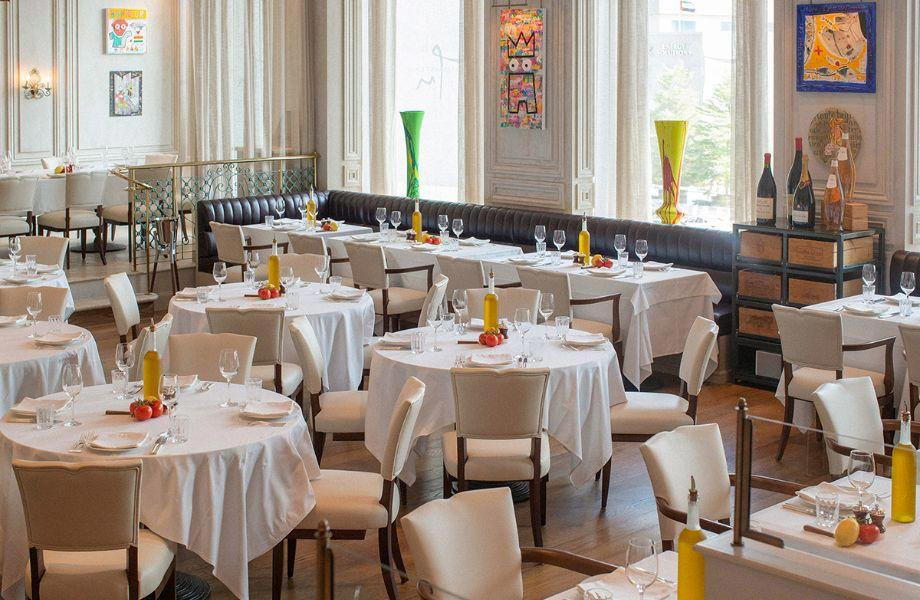
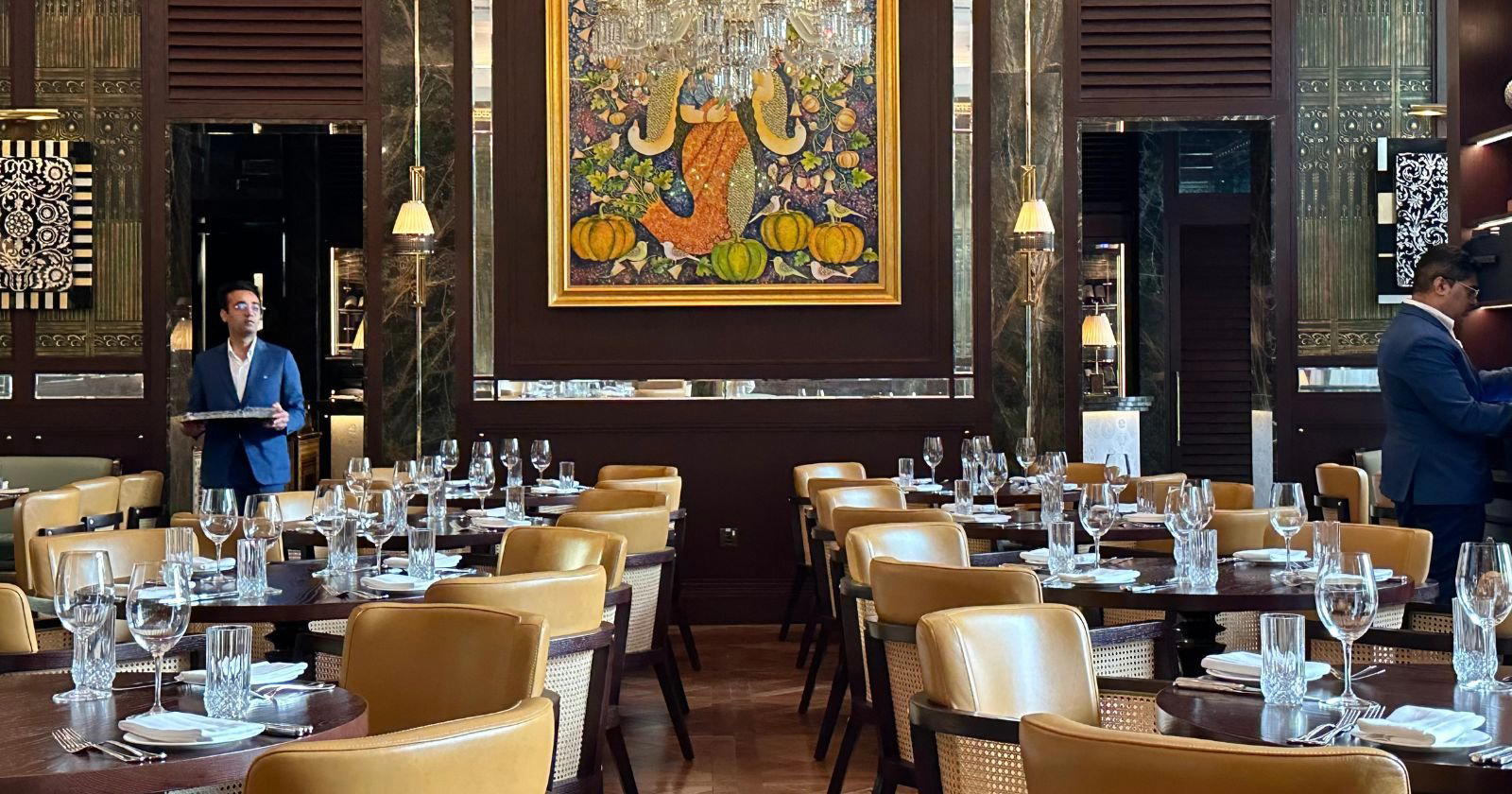
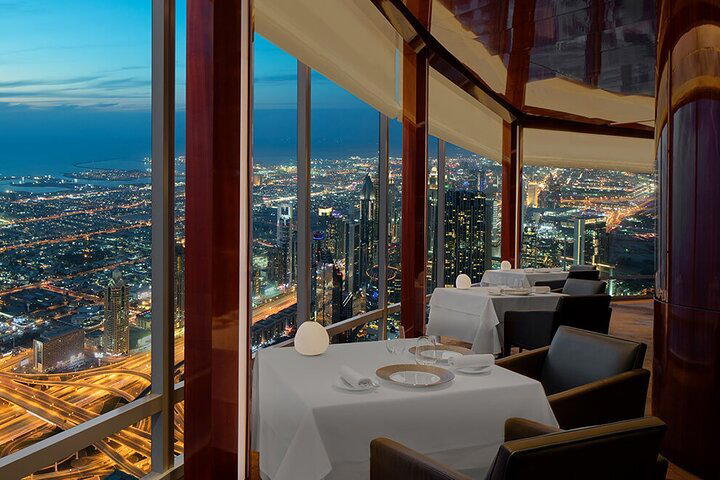
Bars in Dubai
All bars in Dubai →
Details
- Elegant
- Sophisticated
- Ornate
- Classic
- Family
- Celebration
- Special Occasion
- Business Dinner
- Hotel Restaurant
- A La Carte
- Vegetarian Friendly
- Allergy Accommodating
Current opening hours
- Monday
- 12–3 PM, 6–11 PM
- Tuesday
- 12–3 PM, 6–11 PM
- Wednesday
- 12–3 PM, 6–11 PM
- Thursday
- 12–3 PM, 6–11 PM
- Friday
- 12–3 PM, 6–11 PM
- Saturday
- 12–4 PM, 6–11 PM
- Sunday
- 12–4 PM, 6–11 PM
Hours can change for holidays and private events. Hours as of .
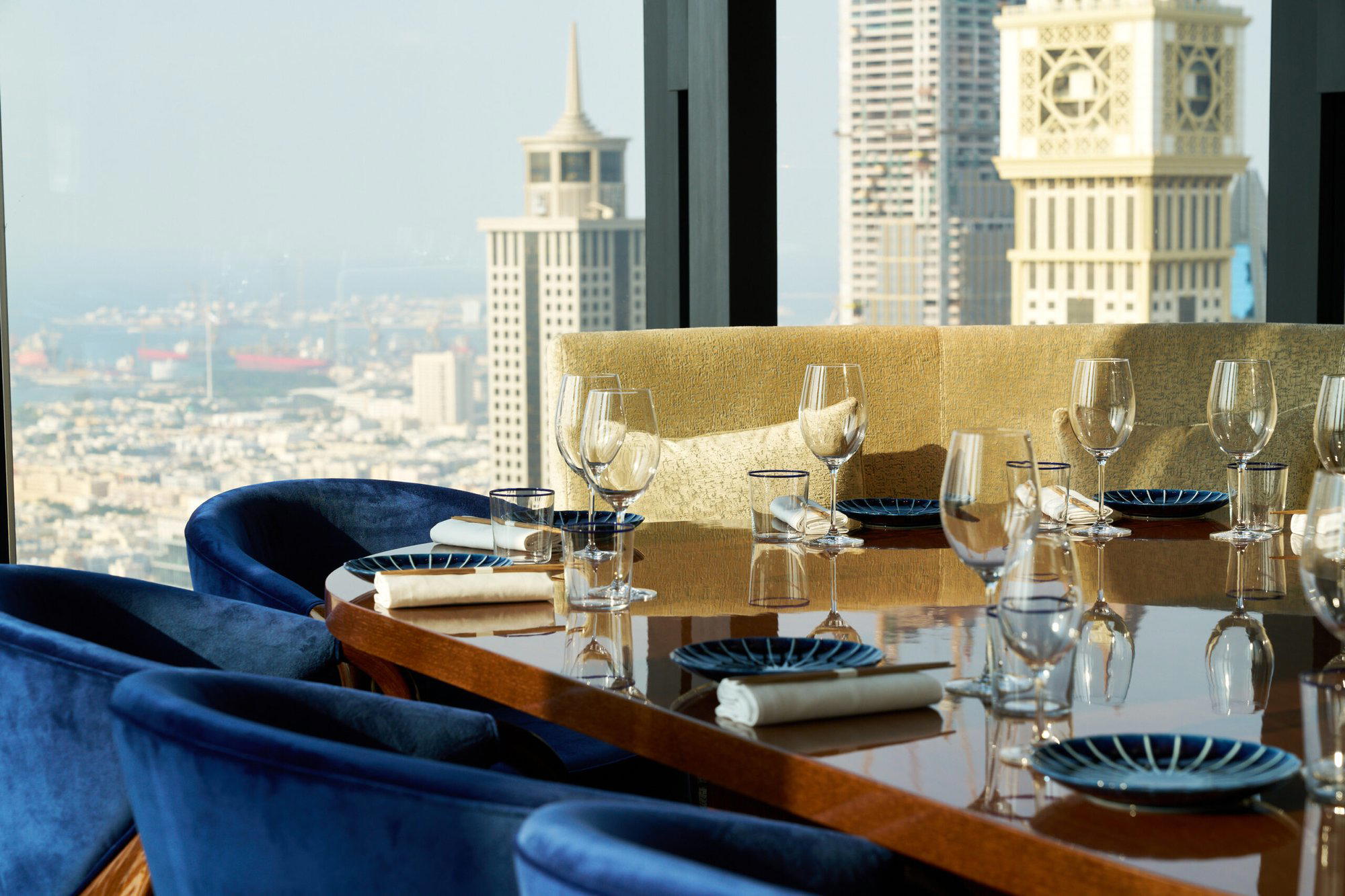
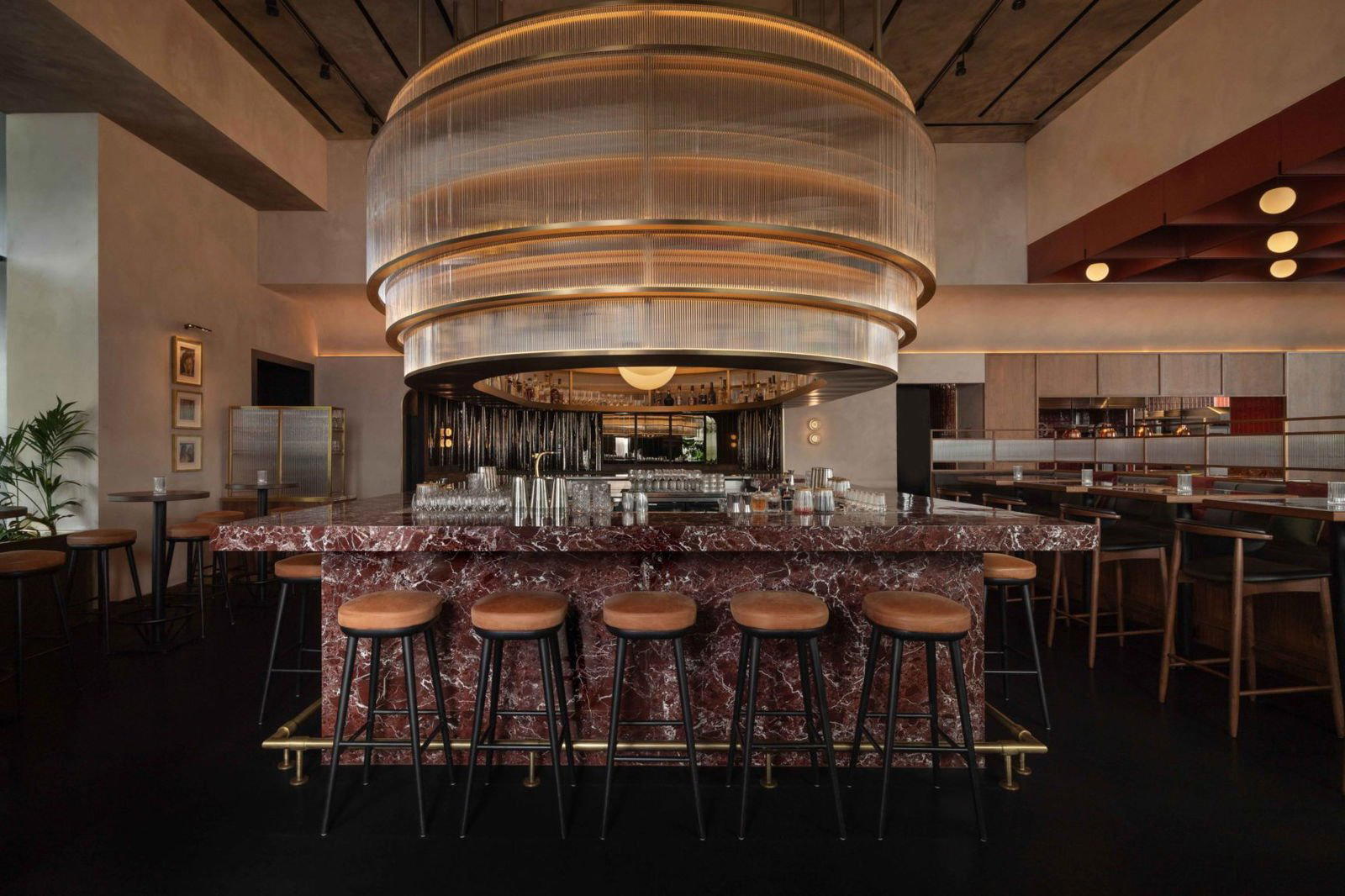
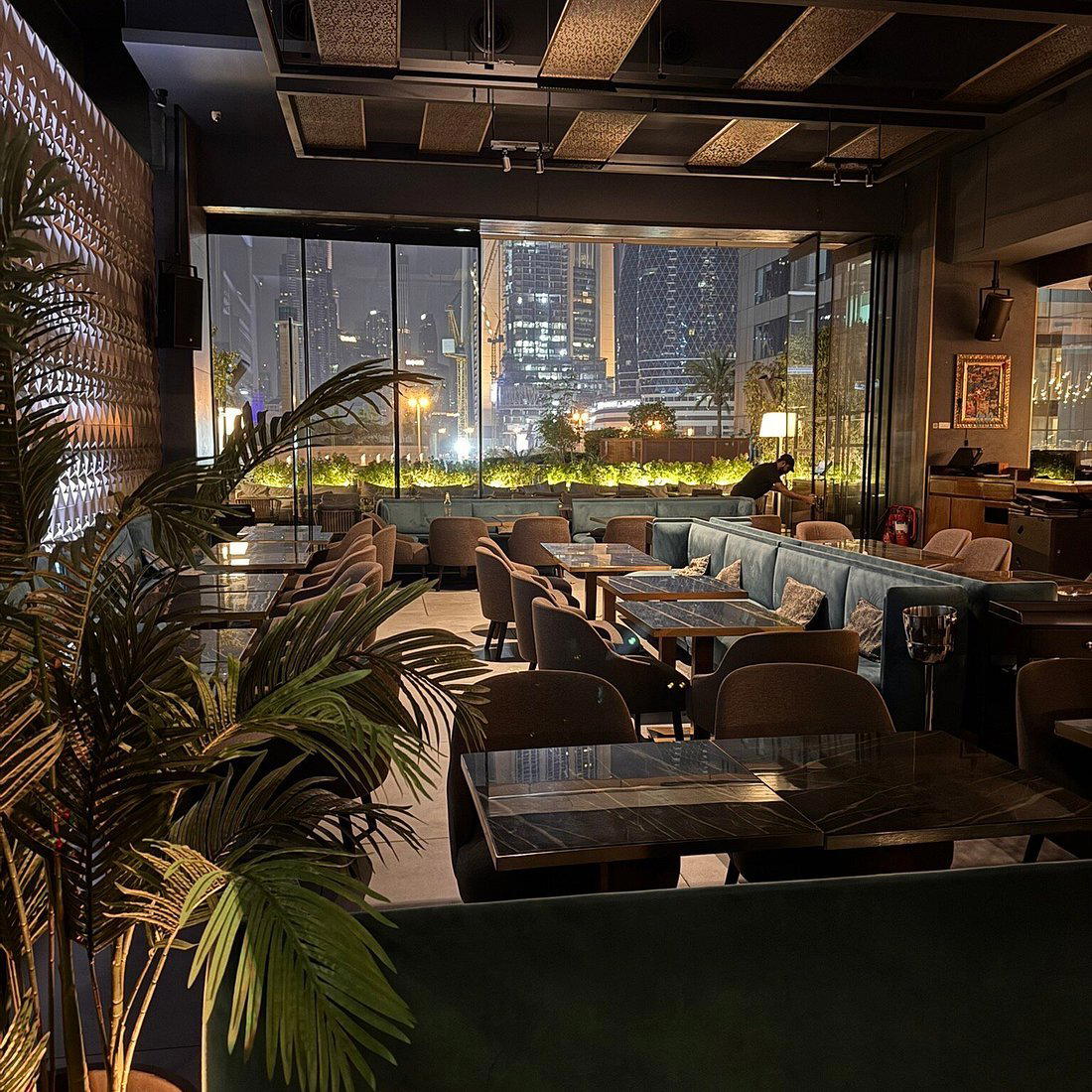
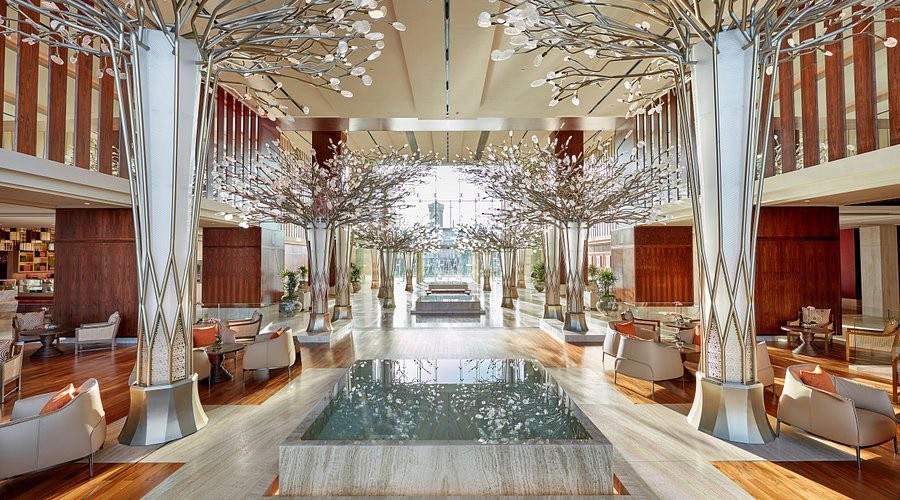
Sophisticated and luxurious with intricate décor blending traditional and contemporary elements, tranquil and relaxed atmosphere.