Shalom Japan

A Michelin Bib Gourmand-recognised spot in South Williamsburg where Japanese technique meets Ashkenazi Jewish tradition. The matzoh ball ramen and lox bowl have earned a loyal following among locals who return as much for the cooking's coherence as its novelty. At mid-range prices, Shalom Japan occupies a category almost entirely its own in New York's downtown dining scene.
Pearl is the En Primeur Club membership app — saves, bookings, and concierge access live there. Same editors, same standards.
- Address
- 310 S 4th St rear, Brooklyn, NY 11211
- Phone
- (718) 388-4012
- Website
- shalomjapannyc.com
 Saves & bookings on Pearl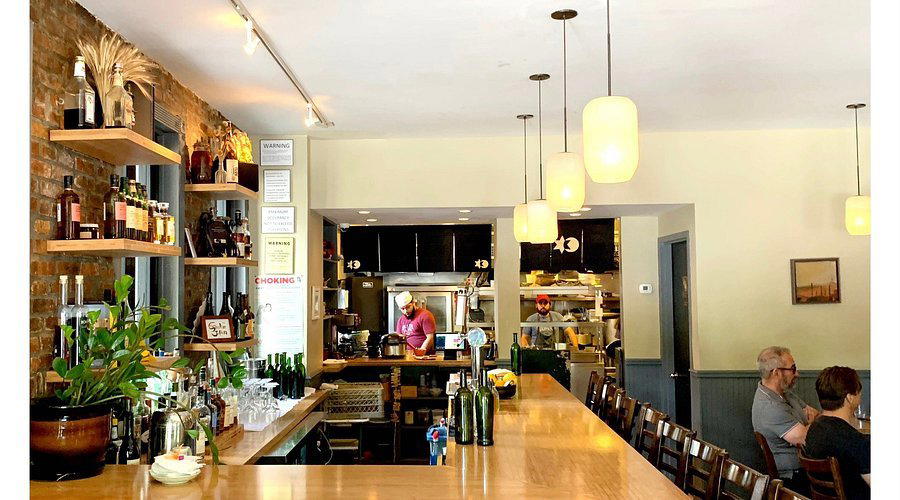
Where Ramen Meets the Seder Table
The lox bowl at Shalom Japan arrives as a kind of argument made edible: sushi rice beneath cured salmon, avocado, and Japanese pickles, the whole thing quietly insisting that two food traditions separated by geography and history were always going to end up here eventually. It is the dish that regulars recommend first, the one that makes the concept legible in a single bite, and the reason the table next to you has probably ordered it twice.
South Williamsburg has long housed a tight community of Hasidic Jewish residents alongside newer waves of Brooklyn's restaurant-going population. That proximity has produced a neighbourhood with an unusual cultural density, and Shalom Japan, at 310 S 4th St rear in Brooklyn, sits at that intersection with unusual specificity. The fusion here is not a design exercise. It reads as something more considered: two culinary vocabularies with genuine overlapping logic, cured fish, fermented flavours, enriched breads, the prestige of a good broth, allowed to talk to each other rather than perform for the room.
The Cooking, in Concrete Terms
The menu moves between dishes that are fully Japanese, dishes that are fully Ashkenazi, and a middle tier where the two traditions genuinely merge. The matzoh ball ramen belongs to that last category: a bowl in which the dashi-adjacent clarity of Japanese broth carries a matzoh ball as its centrepiece, an idea that sounds like a tabloid headline but eats with real coherence. The Wagyu pastrami sandwich is another of those crossover constructions, built on house-made caraway shokupan, the caraway doing the work of the deli rye, the milk bread providing Japanese softness, with mustard in the role it has always played.
The toro tartare served on house-baked sake kasu challah, spread with scallion cream cheese and finished with everything spice, sits at the sharper end of the fusion register. The sake kasu (the lees left from sake production) in the challah is the kind of small technical decision that separates a novelty concept from a kitchen with genuine intent: it adds fermented depth to bread that already has the structural richness of an enriched dough, and it does so without announcing itself.
Dessert follows the same logic. The chocolate-banana challah bread pudding with whipped crème fraîche and whiskey caramel uses challah's egg-heavy density the way a good bread pudding always does, as a structural substrate for fat and sugar rather than mere filler. It is a dessert rooted in both traditions, whiskey caramel reading distinctly through the Ashkenazi register, the precision of the crème fraîche suggesting something more refined.
The Regulars' Case
In 2024, the restaurant received Michelin Bib Gourmand recognition, confirming what the neighbourhood already knew: this is cooking that delivers at a price point where most restaurants compromise. At a mid-range price point, Shalom Japan occupies a tier far below the city's omakase counters or the tasting-menu rooms that define New York's leading end. For reference, Masa, Le Bernardin, Atomix, and Eleven Madison Park all sit at $$$$ and operate on entirely different economic assumptions. The Bib Gourmand designation exists precisely for restaurants where the value-to-quality ratio is the story, and the restaurant fits that category without qualification.
That volume of feedback, sustained at that level, reflects a regular clientele rather than a destination crowd. Locals return not because the concept is a talking point, though it is, but because the food holds up on the third and fourth visit, when the novelty has worn off and the cooking has to justify itself on its own terms.
Fusion restaurants that depend on concept rather than craft tend to fade quickly in New York. The dining culture here has a long memory for gimmicks. The fact that restaurant has sustained its following and earned institutional recognition suggests the kitchen is doing something more durable than concept execution.
Where This Sits in the City's Broader Map
New York's fusion category is wide and uneven. At the summit of the price range, restaurants like Atomix approach cross-cultural cooking through a fine-dining frame with long tasting menus and reservation systems to match. At the neighbourhood level, the conversation is different: the question is whether a concept holds together meal after meal, and whether the food is worth the trip from outside the immediate area.
Internationally, ambitious fusion formats, like Ajonegro in Logroño or Arkestra in Istanbul, demonstrate how cross-cultural cooking can anchor itself in a specific local identity rather than reaching for global abstraction. The restaurant operates on that same principle, using a specific geographic and cultural pairing rather than a generalised East-meets-West framework. It is, in that sense, a more disciplined project than the category label suggests.
For those moving between New York's broader dining options, C as in Charlie represents another strand of Brooklyn's serious neighbourhood cooking. The wider picture is covered in our full New York City restaurants guide, with hotels, bars, wineries, and experiences covered separately. For comparison across other American cities where ambitious cooking is redefining expectations, see Lazy Bear in San Francisco, Alinea in Chicago, The French Laundry in Napa, Single Thread Farm in Healdsburg, Providence in Los Angeles, and Emeril's in New Orleans.
What to Order First
The lox bowl is the entry point most regulars recommend to first-timers: sushi rice, cured salmon, avocado, and Japanese pickles in a format that makes the restaurant's thesis clear without requiring any explanation. The matzoh ball ramen is the more discussed dish in food media, but the lox bowl is the one that tends to convert sceptics. Both anchor the menu. The sake kasu challah with toro tartare and scallion cream cheese is the starter to order if you want to understand what the kitchen is technically capable of. And if you are eating dessert, the chocolate-banana challah bread pudding with whiskey caramel is not an afterthought.
Pricing, Compared
Comparable venues nearby, for context on price, style, and recognition.
| Venue | Cuisine | Price | Awards | Notes |
|---|---|---|---|---|
| Shalom JapanThis venue — the venue you are viewing | Williamsburg, Japanese-Jewish Fusion | $$$ | Bib Gourmand | Not listed |
| Falansai | Greenpoint, Vietnamese-Mexican Fusion | $$ | Bib Gourmand | Not listed |
| Cómodo | Gramercy, Pan-Latin American | $$$ | Michelin Plate | Not listed |
| Four Twenty Five | Not listed | $$$$ | Michelin Plate | East Midtown-Turtle Bay, Contemporary Global Fine Dining |
| Tredici Social | Bronxville, Modern Italian | $$$ | Bib Gourmand | Not listed |
| Jiang Nan | Not listed | $$$ | Bib Gourmand | Chinatown-Two Bridges, Modern Chinese with Sichuan Influences |
Recognition history
Dated appearances from independent guides and award organizations, with the underlying list record or original source where available.
Michelin Bib Gourmand
Michelin
Michelin Bib Gourmand
Michelin
Continue exploring
More in New York City
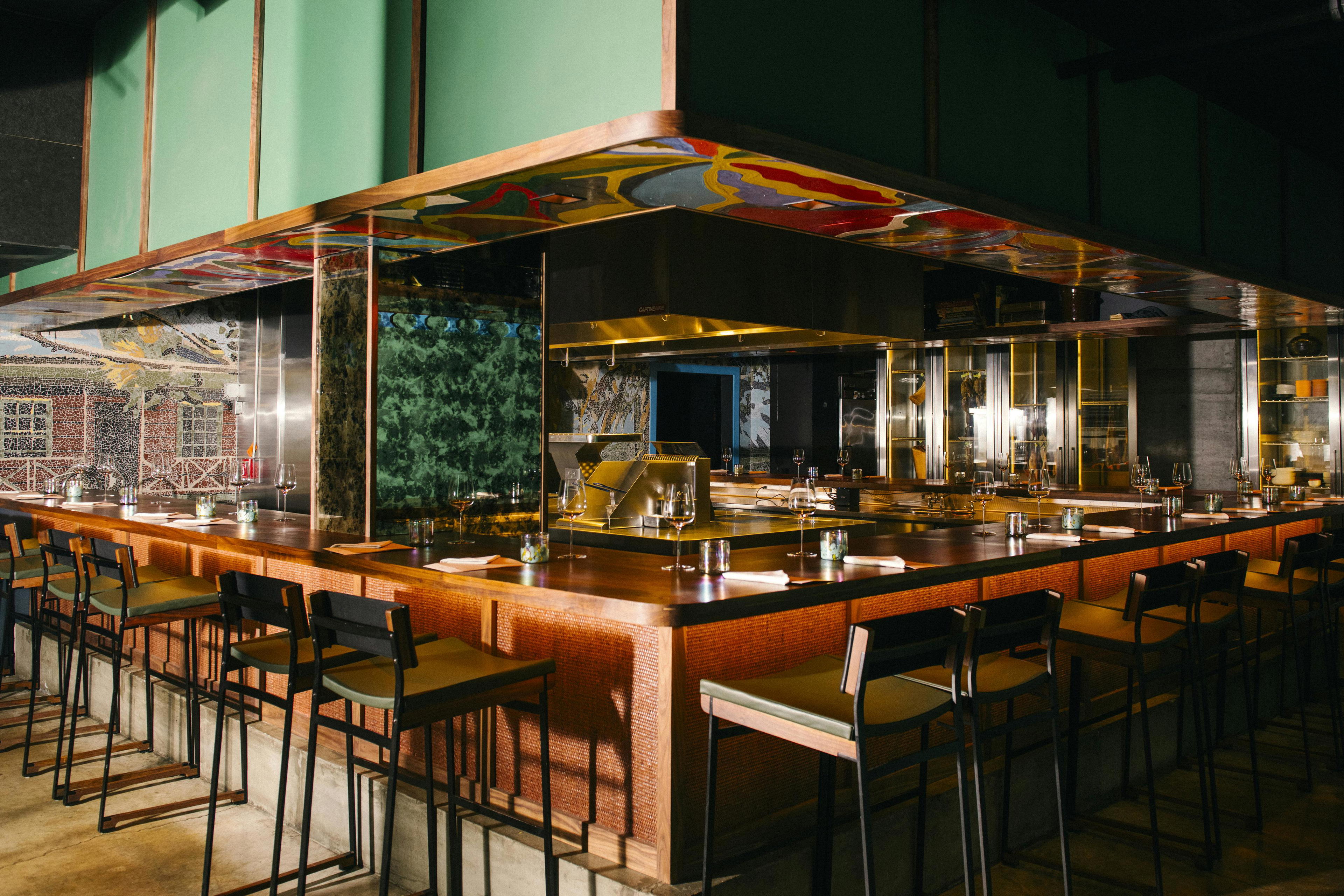
Restaurants in New York City
Browse all →
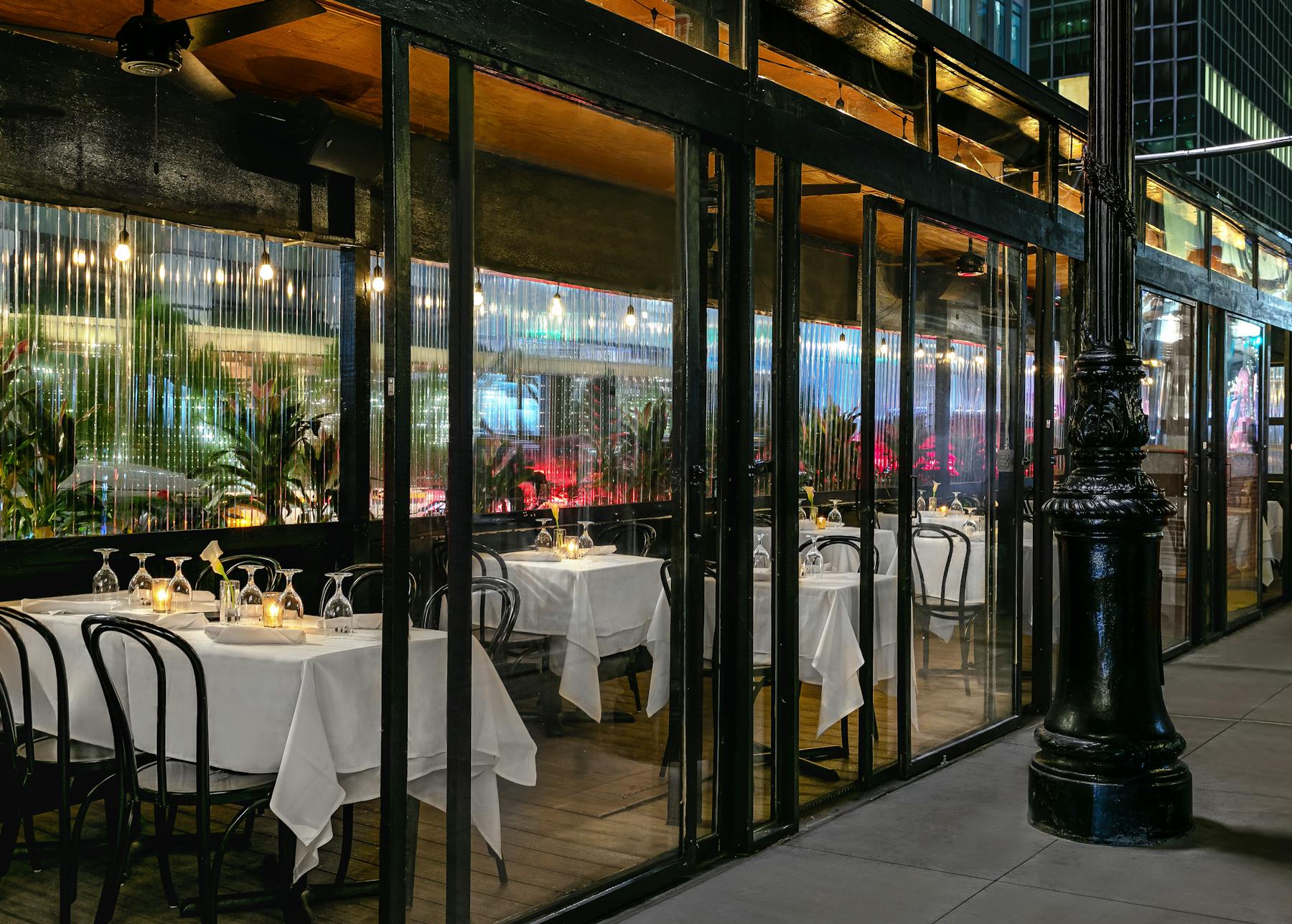
Bars in New York City
Browse all →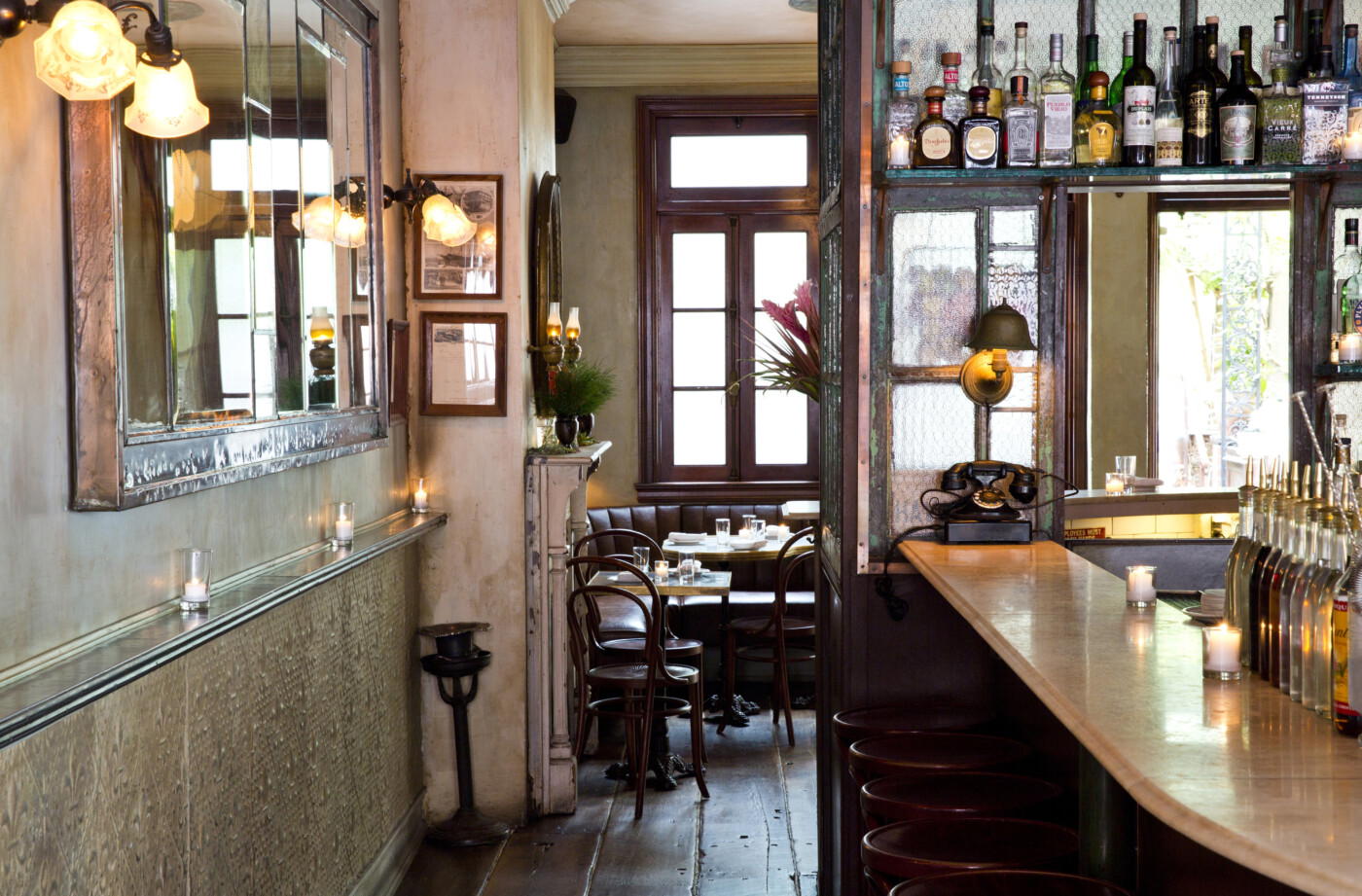
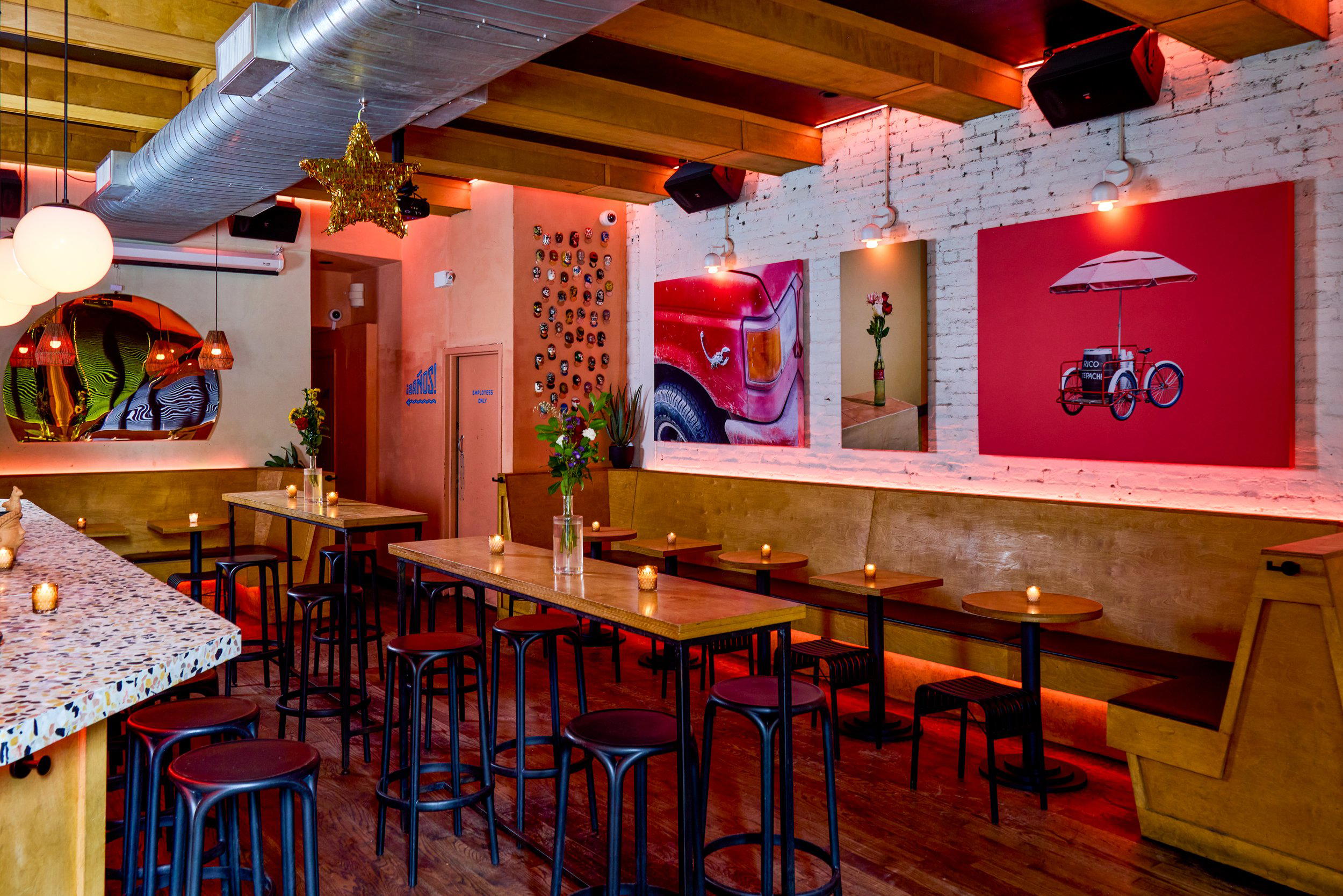
Hotels in New York City
Browse all →


Wineries in New York City
Browse all →


At a Glance
- Trendy
- Intimate
- Cozy
- Modern
- Date Night
- Special Occasion
- Group Dining
- Open Kitchen
- Sake Program
- Craft Cocktails
Current opening hours
- Monday
- Closed
- Tuesday
- 5–10 PM
- Wednesday
- 5–10 PM
- Thursday
- 5–10 PM
- Friday
- 5–10 PM
- Saturday
- 12–3 PM, 5–10 PM
- Sunday
- 12–3 PM, 5–9 PM
Hours can change for holidays and private events. Last verified .
Small, tight space with neighborhood vibe, simple yet beautiful decor, bright colors, comfortable and intimate atmosphere.