Shalel
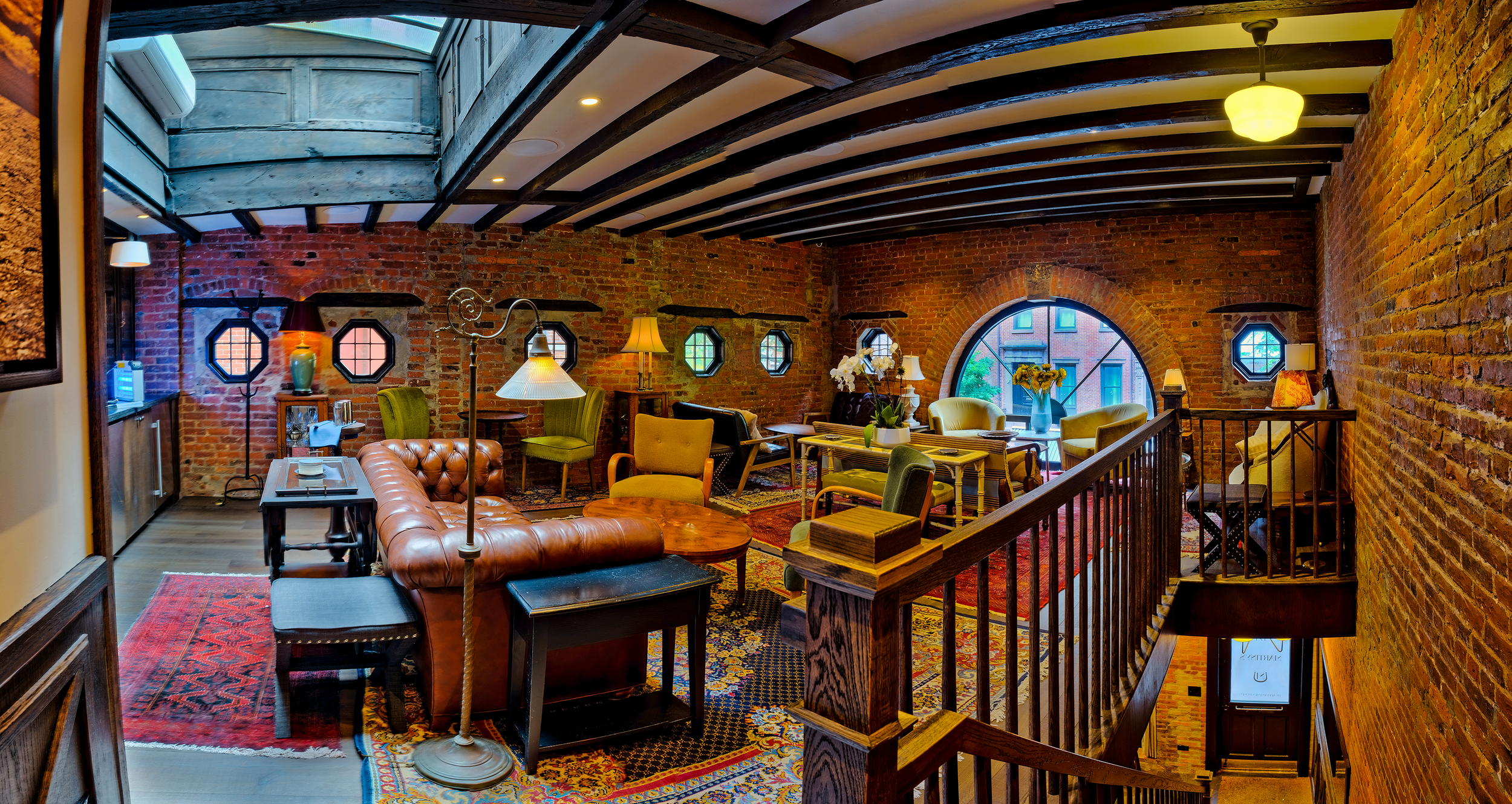
On a quiet residential block of the Upper West Side, Shalel occupies a townhouse basement that reads more like a candlelit antechamber than a conventional dining room. The address at 65 W 70th Street places it well north of Midtown's high-wattage restaurant corridor, attracting a neighbourhood crowd that returns for the atmosphere as much as the food. For visitors, it offers a counterpoint to Manhattan's more formal, award-driven dining circuit.
Pearl is the En Primeur Club membership app — saves, bookings, and concierge access live there. Same editors, same standards.
- Address
- 65 W 70th St, New York, NY 10023
- Phone
- +12128732300
- Website
- shalel.kitchen
- Directions
- Get directions
 Saves & bookings on Pearl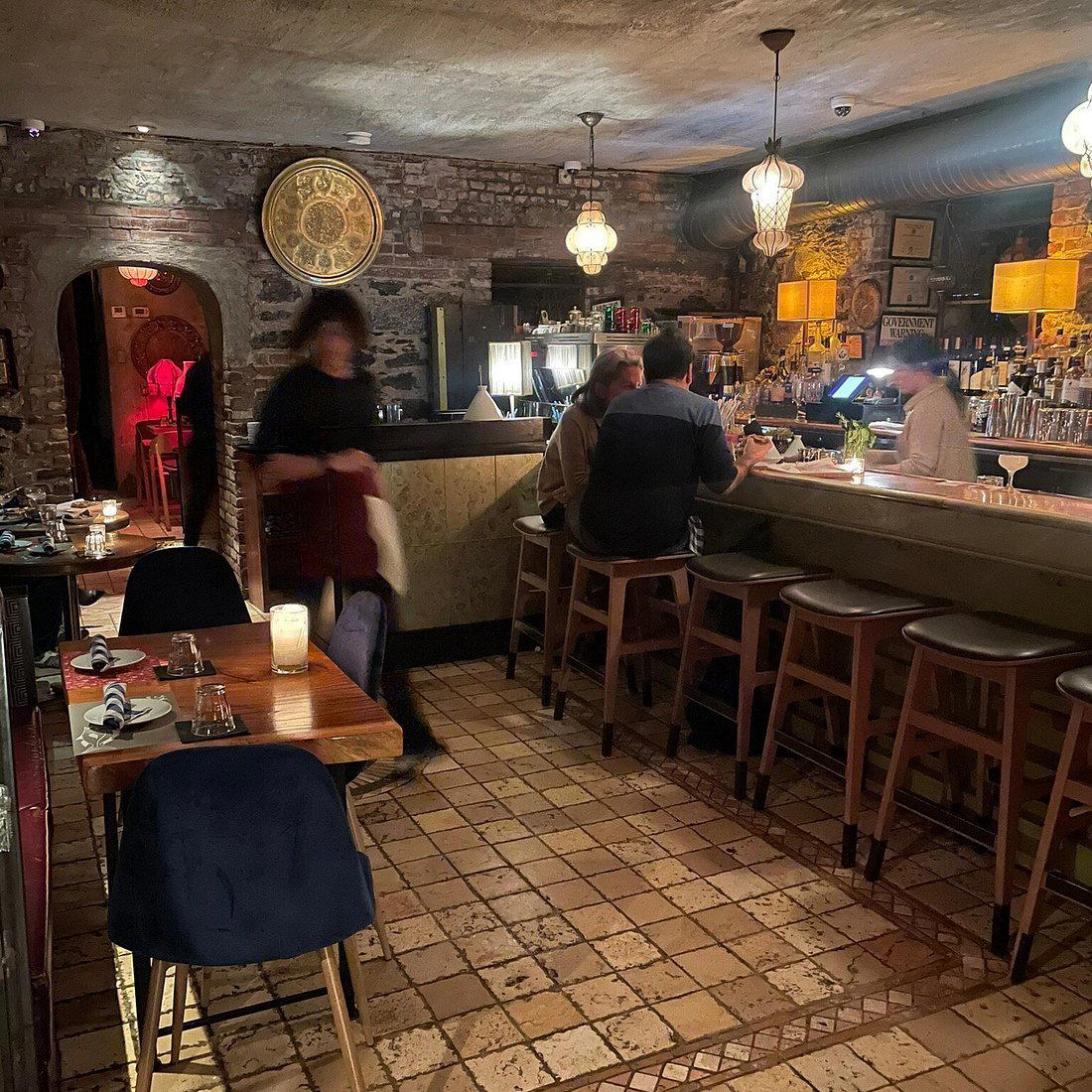
A Basement Room on the Upper West Side, and What It Says About New York's Quieter Dining Register
Manhattan's serious dining conversation tends to anchor itself below 59th Street, where the press cycles fastest. The Upper West Side operates on a different frequency. At 65 W 70th Street, Shalel occupies a townhouse basement that has more in common with a candlelit European wine cave than with the polished, high-ceiling dining rooms that define New York's prestige tier. That positioning is not accidental. The neighbourhood has long supported a category of restaurant that prizes atmosphere and ritual over tasting-menu ceremony, and Shalel sits squarely in that tradition.
To understand where Shalel fits, it helps to map the broader Upper West Side dining register. The area around Lincoln Center and the 70s blocks attracts a crowd that dines with regularity rather than occasion, residents and repeat visitors who want a room that rewards lingering rather than a kitchen that demands attention. That is a different brief from the one driving tables at Le Bernardin or Per Se, where the meal itself defines the evening. Here, the room does significant structural work.
The Architecture of an Evening at Shalel
The dining ritual at Shalel is shaped more by the physical environment than by a prescriptive kitchen sequence. Basement rooms in New York brownstones carry particular atmospheric properties: low ceilings that concentrate sound and candlelight, a sense of enclosure that separates the table from the city above, and a pacing that tends to slow naturally because the space itself resists urgency. These are not incidental design choices but the defining conditions of the experience.
In San Francisco, Lazy Bear structures the evening around a communal, sequential ritual where pacing is externally controlled. At Alinea in Chicago, the meal is a choreographed progression where atmosphere is engineered to the course. Shalel's approach belongs to a quieter category: rooms where the guest controls the tempo and the environment absorbs the evening rather than directing it.
That distinction matters for how you use the space. A table at Shalel rewards a long booking window in the evening, conversation that does not rush to a next destination, and an appetite for atmosphere over spectacle. It is a room suited to the kind of meal where the food is a vehicle for the occasion rather than the occasion itself.
Where Shalel Sits on the Manhattan Dining Map
New York's upper-bracket dining is densely documented. Atomix and Jungsik New York represent the precision-led, award-heavy end of the city's contemporary range. Masa occupies a bracket defined almost entirely by scarcity and per-head cost. Shalel does not compete on those terms. It operates in a category that prioritises intimacy and setting, a tier that exists in most serious dining cities but rarely receives the same critical attention as its Michelin-starred counterparts.
For context across the American fine-dining map, the atmosphere-first category appears in various forms: Blue Hill at Stone Barns in Tarrytown uses the physical setting of a working farm to do similar environmental work; Single Thread Farm in Healdsburg folds landscape into the ritual of the meal; and The Inn at Little Washington has built an evening-as-event format around a historic property. Each of these venues uses place as a primary ingredient. Shalel works the same instinct, compressed into a 70th Street basement.
The Upper West Side address also carries logistical implications. Proximity to Lincoln Center makes Shalel a natural pre- or post-performance destination, a role that shapes the rhythm of any given service. Pre-curtain tables tend to move faster; later bookings on performance nights tend to attract the post-show crowd and hold longer.
Planning a Visit: How Shalel Compares to Nearby Alternatives
| Venue | Tier | Booking Lead Time | Primary Draw | Nearest Reference |
|---|---|---|---|---|
| Shalel (65 W 70th St) | Neighbourhood / Atmosphere | Moderate | Room and setting | Upper West Side |
| Le Bernardin | Michelin Three-Star | Weeks in advance | Technical seafood precision | Midtown West |
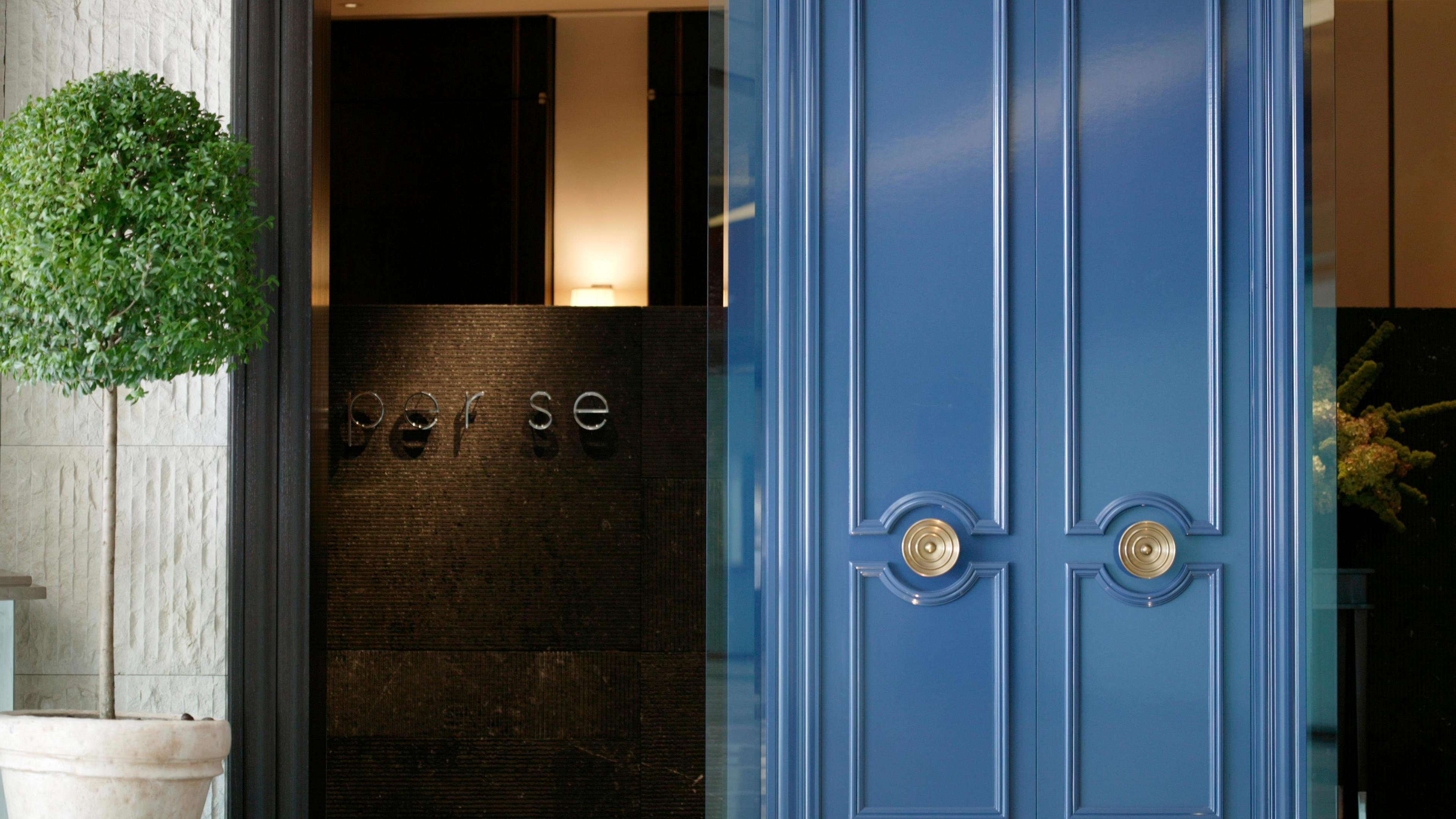
| Per Se | Michelin Three-Star | Weeks to months | Tasting menu ceremony | Columbus Circle |
| Masa | Michelin Three-Star | Months | Omakase counter, scarcity | Columbus Circle |
| Atomix | Michelin Two-Star | Weeks | Progressive Korean tasting | Midtown East |
Per Se and Masa sit within a short distance of the Upper West Side at Columbus Circle, meaning an evening that begins at Shalel could reasonably end at Lincoln Center, or vice versa, without significant travel.
Shalel in the Context of American Destination Dining
Across the country, the atmosphere-first dining category occupies a distinct position relative to award-documented restaurants. Providence in Los Angeles, Emeril's in New Orleans, Addison in San Diego, and Bacchanalia in Atlanta each sit in rooms where setting contributes substantially to the evening's value, even as their kitchen credentials differ in weight. Internationally, rooms like 8 1/2 Otto e Mezzo Bombana in Hong Kong and Alain Ducasse at Louis XV in Monte Carlo demonstrate that setting and culinary weight can coexist at the highest level, though they do so at a cost structure that occupies a different bracket entirely. The French Laundry in Napa operates in its own category, where the building, the garden, and the kitchen are so intertwined that separating atmosphere from food is largely theoretical.
Shalel does not claim that register. What it offers is a Manhattan version of a particular kind of evening: a room that holds you, a neighbourhood that doesn't perform for visitors, and a pacing that the guest controls. It is recommended for reservations and opens daily from 4:30 PM, with later hours on Thursday through Saturday. On the Upper West Side, that is a specific and serviceable proposition.
Cuisine and Credentials
Comparable venues nearby, for context on price, style, and recognition.
| Venue | Cuisine | Price | Notes |
|---|---|---|---|
| ShalelThis venue — the venue you are viewing | Coastal Mediterranean | $$$$ | Not listed |
| Gaia Restaurant | Modern Mediterranean | $$$$ | Midtown-Times Square |
| Shoo Shoo | Modern Israeli Mediterranean | $$$ | SoHo-Little Italy-Hudson Square |
| HaSalon | Modern Mediterranean | $$$$ | Hell's Kitchen |
| Or'esh | Modern Levantine Mediterranean | $$$$ | SoHo-Little Italy-Hudson Square |
| Temperance Wine Bar | Mediterranean Wine Bar with Small Plates | $$$ | West Village |
Continue exploring
More in New York City
Restaurants in New York City
Browse all →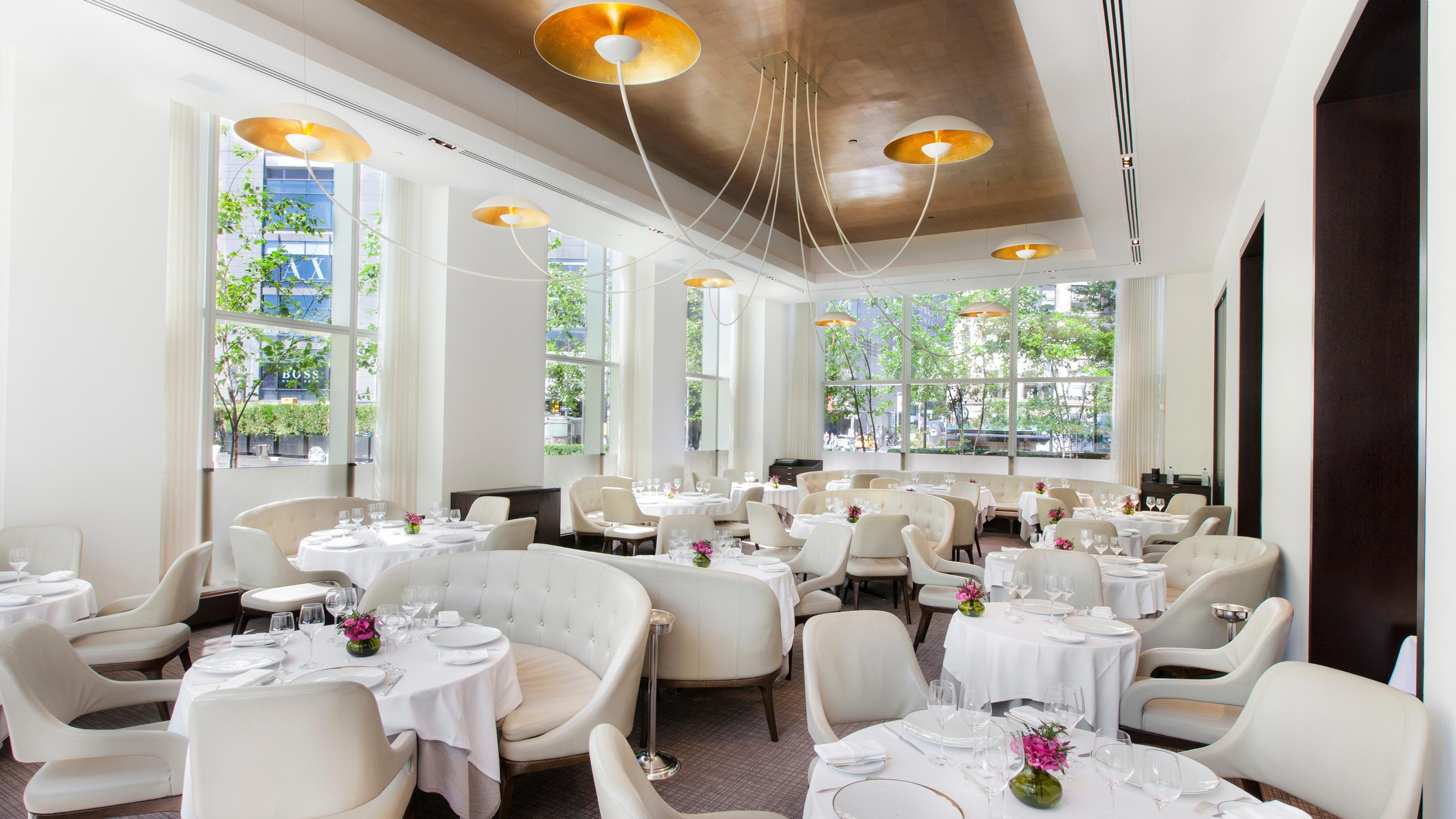
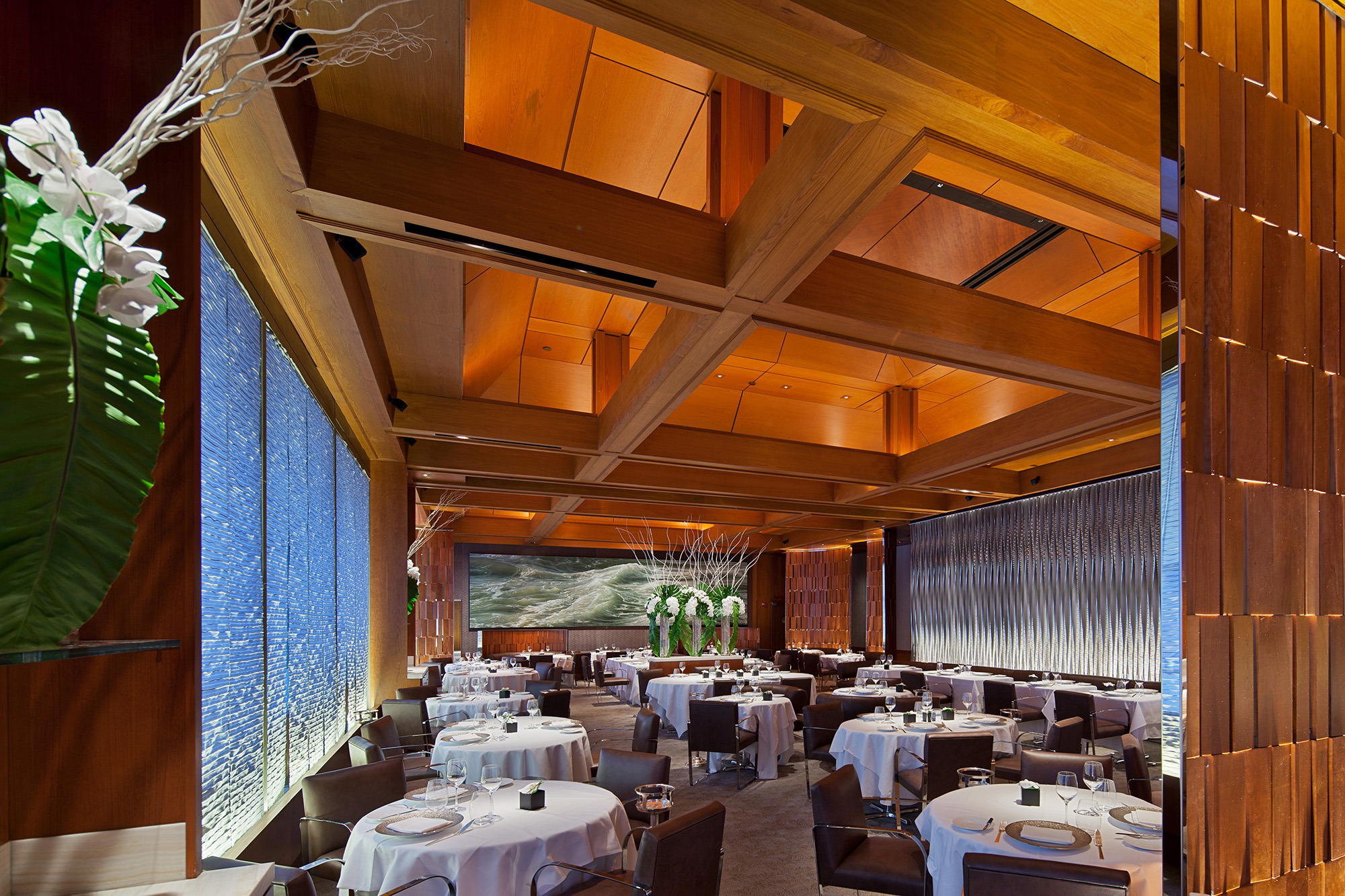
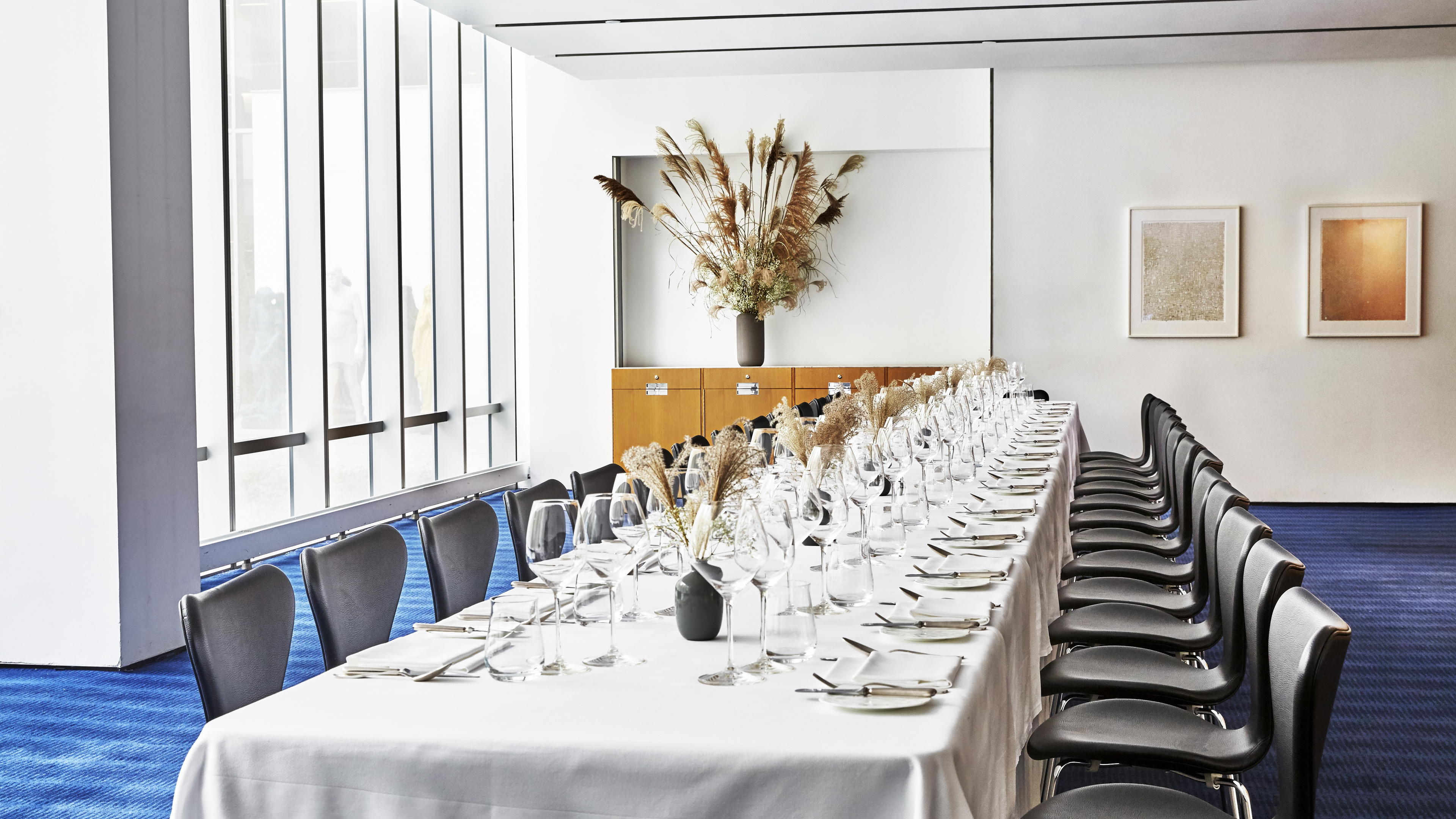
Bars in New York City
Browse all →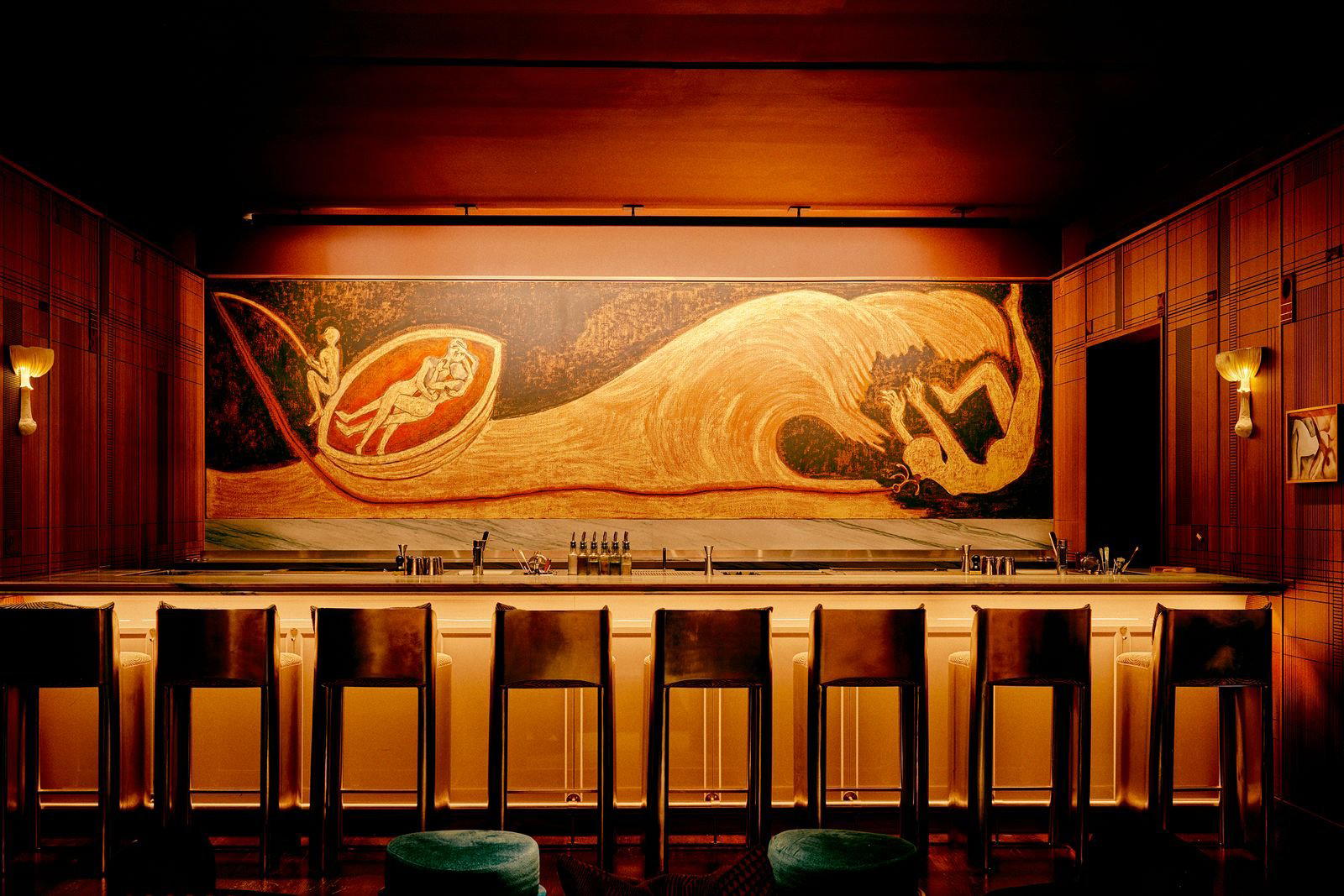
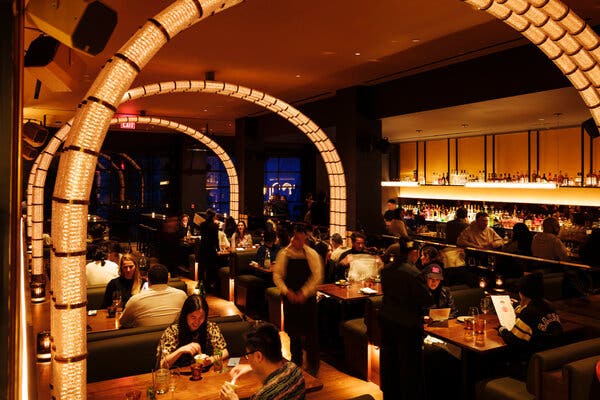

Hotels in New York City
Browse all →





At a Glance
- Romantic
- Cozy
- Intimate
- Elegant
- Date Night
- Special Occasion
- Private Dining
Current opening hours
- Monday
- 4:30–11 PM
- Tuesday
- 4:30–11 PM
- Wednesday
- 4:30–11 PM
- Thursday
- 4:30 PM–12 AM
- Friday
- 4:30 PM–12 AM
- Saturday
- 4:30 PM–12 AM
- Sunday
- 4:30–11 PM
Hours can change for holidays and private events. Last verified .
Dimly lit with candlelight, soft yellow lighting, brick arches, Moroccan-style benches, and a romantic, dungeon-like atmosphere.