Our verdict
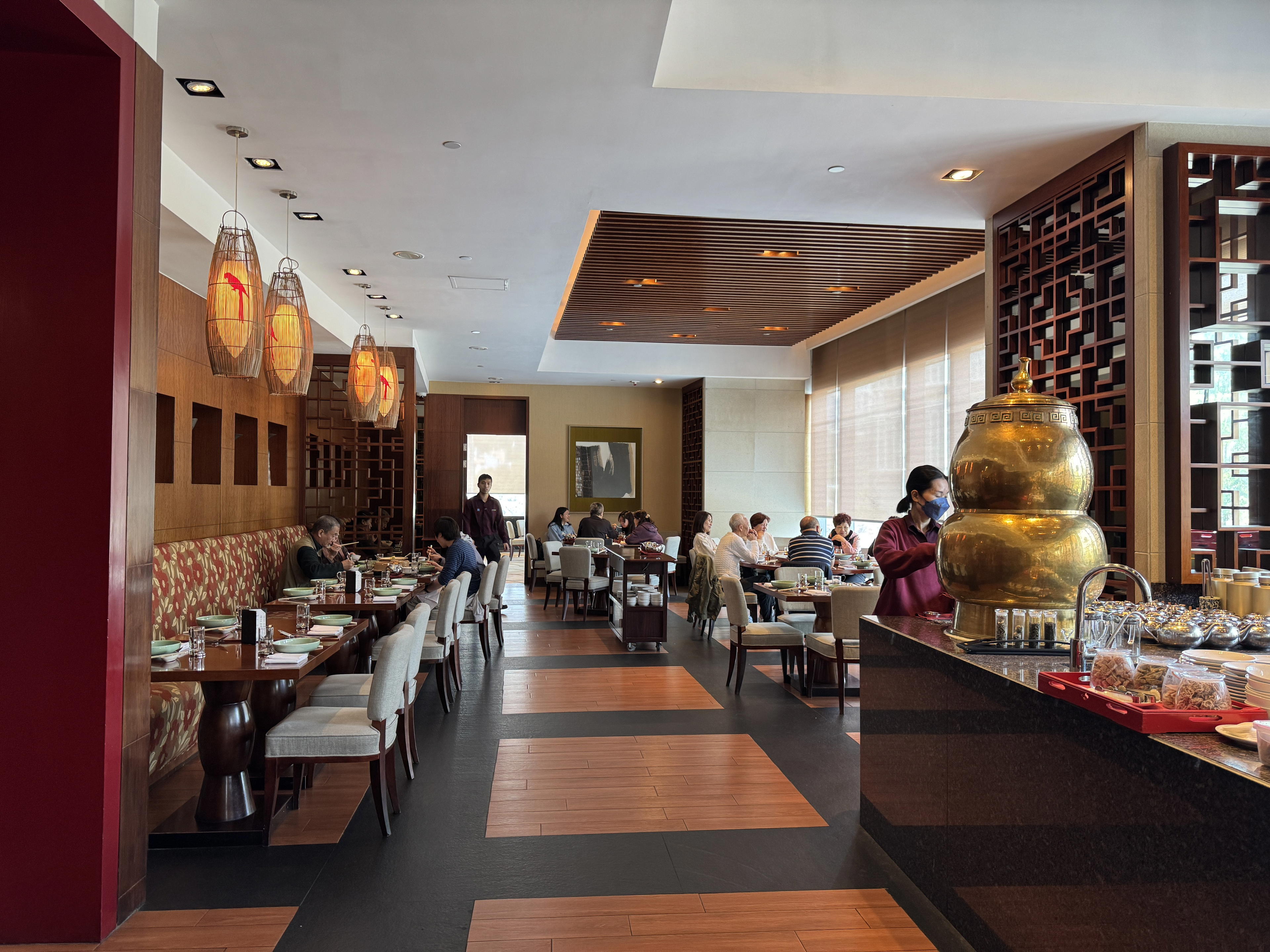
Sha Tin 18 brings serious Cantonese cooking to the New Territories, holding an Opinionated About Dining Top Restaurants in Asia ranking since 2023. Located on the fourth floor of a commercial building in Sha Tin, it operates outside Hong Kong's central fine-dining circuit while maintaining a standard that draws committed diners across the harbour. Chef Ho Chun Hung leads a kitchen rooted in classical technique and ingredient integrity.

Pearl is the En Primeur Club membership app, where members save venues, book tables and use the concierge.
The menu
What to order
- Peking Duck
- Flambé Rose Wine Barbecued Pork with Lard Rice
- Wok-Baked Cod Fish with Chinese Wampi Paste
- Steamed Australian Lobster
- Crispy Pigeon with Spiced Salt
Cantonese Dining Beyond the Harbour
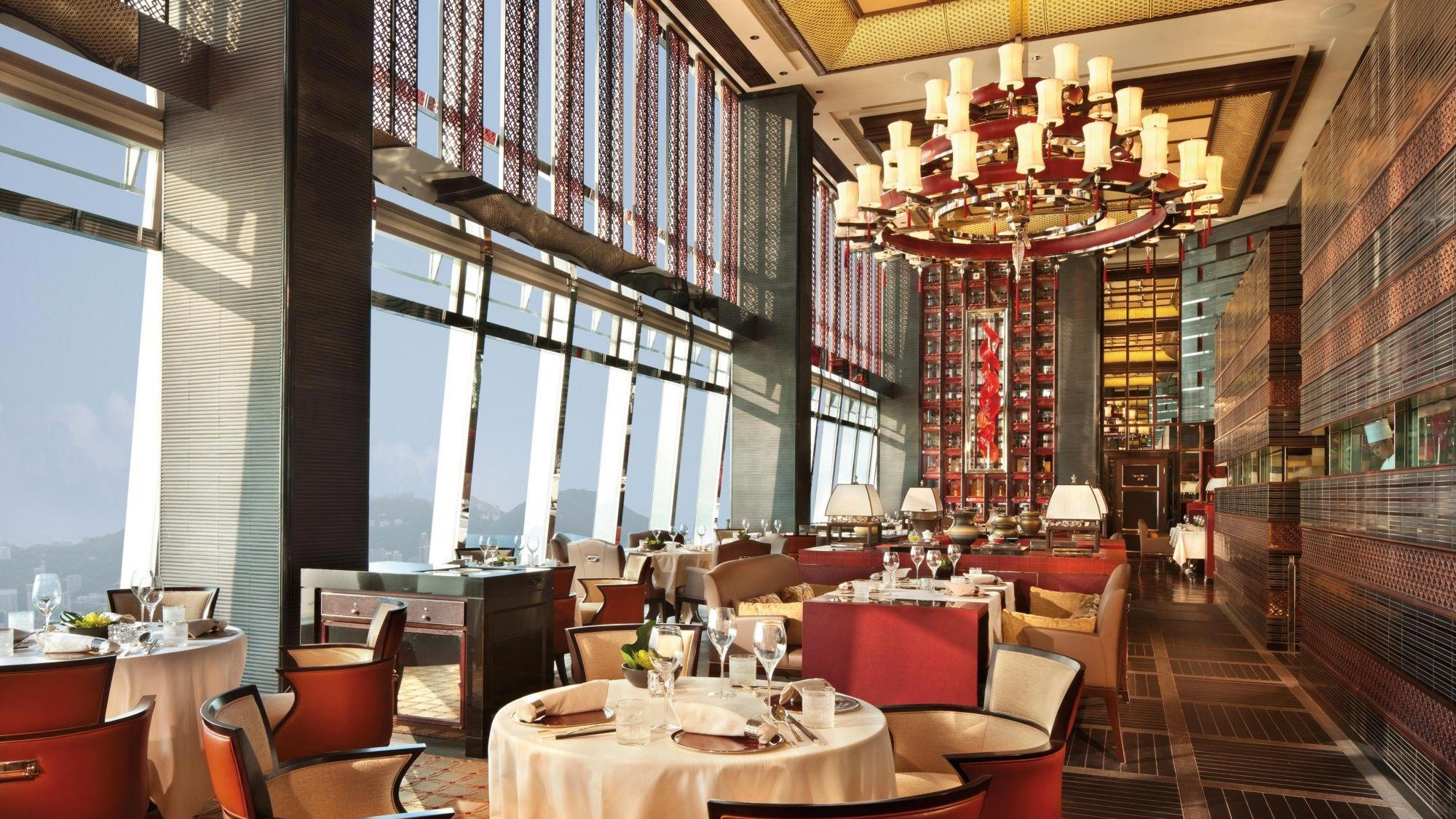
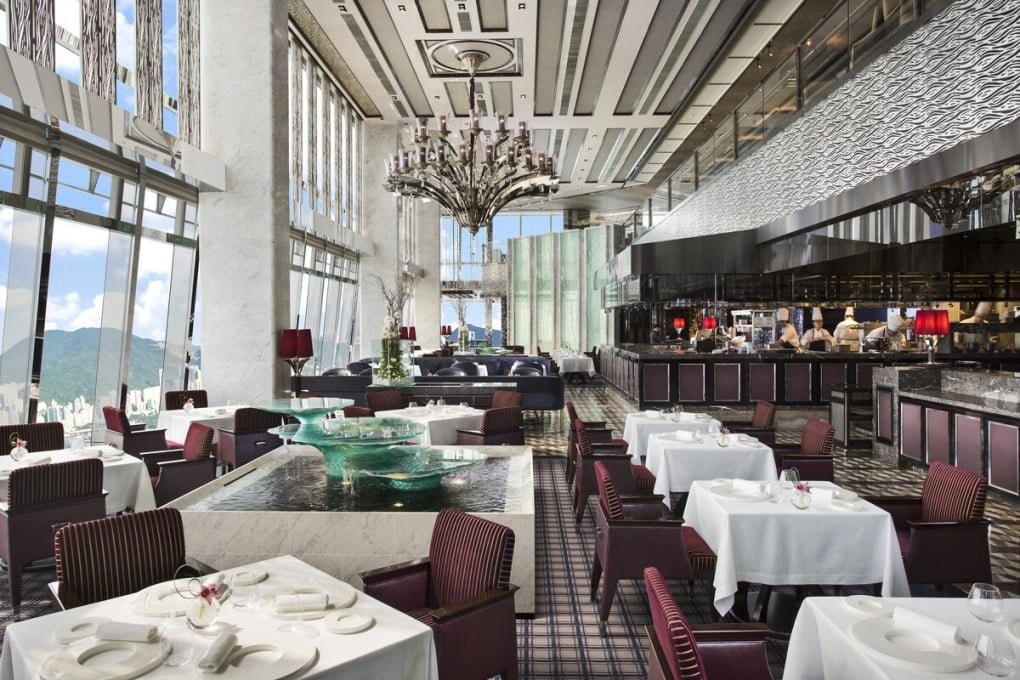
Most of Hong Kong's recognised Cantonese restaurants occupy a narrow corridor between Central, Wan Chai, and Tsim Sha Tsui, where hotel dining rooms and heritage addresses have long concentrated the city's fine-dining attention. Sha Tin 18 sits outside that circuit entirely, on the fourth floor of a commercial building at 18 Chak Cheung Street in the New Territories district of Sha Tin. The approach is deliberately unglamorous in the way that matters: no lobby theatre, no harbour view, no design-led room signalling luxury before the food arrives. What you find instead is a dining room where the cooking carries the full weight of the experience, and where the guest base is drawn by reputation rather than location convenience.
That separation from the central districts is not incidental. Sha Tin has its own civic density, a population of working families and older residents who have maintained demanding standards for Cantonese cooking across generations. Restaurants here compete on the quality of their wok technique, the freshness of their seafood, and the precision of their dim sum, without the buffer of a prestigious address or a hotel brand to smooth over inconsistency. Sha Tin 18 operates in that environment, which makes its sustained recognition by external critics more pointed than the equivalent accolade collected by a restaurant in a four-star hotel.
The OAD Signal and What It Means in Context
Opinionated About Dining's Asia list is compiled from dining logs submitted by a community of serious, frequent restaurant-goers across the region. It skews toward technical cooking and ingredient quality rather than service theatre or room design, which makes it a different instrument from Michelin's star system. Sha Tin 18 appeared as a Recommended entry in 2023 and moved to a ranked position at #268 in 2024. That trajectory across two consecutive years suggests a kitchen performing with consistency rather than a single strong season.
For comparison: the Hong Kong restaurants that regularly occupy the upper tiers of OAD's Asia rankings include addresses like Lung King Heen and Lai Ching Heen, both of which carry Michelin stars and operate inside major hotels. T'ang Court and Forum represent the heritage-address tier of recognised Cantonese cooking. Rùn occupies a more contemporary position within that same conversation. Sha Tin 18 belongs to a different sub-tier: neighbourhood-anchored, without hotel infrastructure, and recognised specifically because the cooking earns it rather than because the address or brand pre-sells it. That is a structurally different kind of credibility.
Classical Cantonese and the Question of Sourcing
Cantonese cuisine, at its most principled, is built around the idea that technique should clarify rather than transform: that a properly velveted protein, a stock reduced with patience, or a wok fired at the right temperature should amplify what an ingredient already is rather than substitute for it. This philosophy places enormous pressure on sourcing. A kitchen that cannot access live seafood of genuine quality, or that works with poultry and pork from undifferentiated commodity supply chains, has nowhere to hide behind its technique.
The broader shift across serious Cantonese kitchens in Hong Kong, Macau, and across the region has moved toward more deliberate sourcing relationships: direct arrangements with farms, preference for seasonal and locally available produce, and in some cases explicit commitments to reducing food waste in a cuisine tradition that historically generated considerable offal and trim. Jade Dragon in Macau and Chef Tam's Seasons represent that movement within the luxury tier. Cantonese kitchens in Shanghai, including 102 House and Bao Li Xuan, have engaged with similar questions about ingredient provenance in a city where regional sourcing carries its own logistical complexity. Le Palais in Taipei and Summer Pavilion in Singapore represent the form's reach across Chinese-speaking culinary cultures in Southeast and East Asia.
A neighbourhood restaurant operating without hotel procurement infrastructure must resolve these sourcing questions differently from its hotel-backed peers. The absence of a centralised purchasing function can be a constraint, or it can create the conditions for more direct, smaller-scale supplier relationships. At the level of quality that OAD's community has recognised at Sha Tin 18, those relationships are almost certainly present in some form, even if they are not publicised in the way a destination restaurant might present them.
Chef Ho Chun Hung and the Kitchen's Orientation
Chef Ho Chun Hung leads the kitchen at Sha Tin 18. In a city where Cantonese chefs have often trained through the structured hierarchies of large hotel kitchens before either remaining within that system or establishing independent operations, the choice to build a reputation in the New Territories rather than Central reflects a specific calculation about where genuine cooking authority is tested most directly. The OAD community's attention to this address over two consecutive years suggests the kitchen is performing at a level that warrants the cross-district trip, which is the only marketing that matters in that particular evaluation system.
How Sha Tin 18 Fits the Week
The restaurant opens for lunch and dinner across all seven days, with weekday lunch service beginning at 11:30 am and weekend dim sum service opening thirty minutes earlier at 10:30 am. Dinner runs from 5:30 pm to 10:00 pm daily. The Saturday and Sunday morning opening positions the restaurant as a destination for weekend yum cha, the Cantonese ritual of tea and dim sum that remains one of the most socially embedded meals in Hong Kong life. Weekend dim sum at a recognised neighbourhood address draws a different kind of crowd from the weekday business lunch, and the kitchen's ability to perform across both contexts is part of what sustains a reputation in a district with demanding regulars.
Sha Tin is accessible via the MTR East Rail Line, which connects directly from Hung Hom and runs through to the border. The journey from central Kowloon is direct by Hong Kong standards, and the Sha Tin station places visitors within walking distance of the Chak Cheung Street address.
Planning Comparison
| Factor | Sha Tin 18 | Central / Wan Chai Cantonese Peers | Hotel-Anchored Cantonese |
|---|---|---|---|
| Location | New Territories, Sha Tin | Central / Wan Chai / TST | Major hotel districts |
| Recognition basis | OAD Asia Leading Restaurants (2023–24) | Mixed OAD / Michelin | Michelin-primary |
| Weekend opening | 10:30 am (dim sum) | Varies | Varies |
| Hotel infrastructure | None | Occasional | Yes |
| Varies widely | Varies widely |
Further Reading
For the full picture of dining, drinking, and staying in Hong Kong, see our full Hong Kong restaurants guide, our full Hong Kong hotels guide, our full Hong Kong bars guide, our full Hong Kong wineries guide, and our full Hong Kong experiences guide. For Cantonese cooking in other cities, the guides to Canton 8 in Shanghai and Imperial Treasure Fine Chinese Cuisine in Shanghai offer useful regional comparisons.
Frequently asked questions
Is Sha Tin 18 open every day?
Hours at Sha Tin 18: Hours: Monday 11:30 am–3 pm, 5:30–10 pm Tuesday 11:30 am–3 pm, 5:30–10 pm Wednesday 11:30 am–3 pm, 5:30–10 pm Thursday 11:30 am–3 pm, 5:30–10 pm Friday 11:30 am–3 pm, 5:30–10 pm Saturday 10:30 am–3 pm, 5:30–10 pm Sunday 10:30 am–3 pm, 5:30–10 pm.
What kind of cuisine does Sha Tin 18 serve?
What awards or recognition does Sha Tin 18 have?
Sha Tin 18 has received recognition including: Opinionated About Dining Top Restaurants in Asia Ranked #268 (2024); Opinionated About Dining Top Restaurants in Asia Recommended (2023).
What should I eat at Sha Tin 18?
Sha Tin 18 operates within the classical Cantonese tradition, covering both dim sum service, available from 10:30 am on weekends, and a full dinner menu under chef Ho Chun Hung. The kitchen's orientation is technique-led rather than trend-driven, so the more productive question is what the kitchen does well within that tradition: proteins handled with precision, dishes where sourcing and seasoning do the work. OAD's 2024 ranking at #268 in Asia reflects a community of frequent diners returning specifically for that consistency.
Category Peers
A small set of peers for context, based on recorded venue fields.
| Venue | Cuisine | Price | Awards | Notes |
|---|---|---|---|---|
| Sha Tin 18This venue (the venue you are viewing) | Authentic Dongguan & Northern Chinese with Cantonese Dim Sum | $50–100 | Not listed | Not listed |
| 8 1/2 Otto e Mezzo Bombana (Hong Kong) | 3 Michelin-Star Italian Fine Dining | $200–300 | 3 Michelin Stars · World's 50 Best #94 | Italian |
| Ta Vie | Modern French-Japanese Fine Dining | $300–500 | 3 Michelin Stars · World's 50 Best #68 | Japanese - French, Innovative |
| Caprice | Contemporary French Fine Dining | $200–300 | 3 Michelin Stars · World's 50 Best #35 | French, French Contemporary |
| Feuille | Modern Vegetable-Forward French | $200–300 | 1 Michelin Star · World's 50 Best #93 | French Contemporary |
| Neighborhood | Modern French with Asian Influences | $50–100 | 1 Michelin Star · World's 50 Best #24 | International, European Contemporary |
Recognition history
Dated appearances from independent guides and award organizations, with the underlying list record or original source where available.
Opinionated About Dining Top Restaurants in Asia Recommended
Opinionated About Dining
Full recognition history (3 entries)
Opinionated About Dining Top Restaurants in Asia Ranked #268
Opinionated About Dining
Opinionated About Dining Top Restaurants in Asia Recommended
Opinionated About Dining