Sexy Cow serves Street Food Wraps at Ul. Zrinsko Frankopanska 6, with casual service, local sourcing, and a quick-bite format that suits lunch or late-night plans.
Pearl is the En Primeur Club membership app — saves, bookings, and concierge access live there. Same editors, same standards.
- Address
- Ul. Zrinsko Frankopanska 6, 21000, Split, Croatia
- Phone
- +385912555522
- Website
- sexycowsplit.com
- Directions
- Get directions
 Saves & bookings on Pearl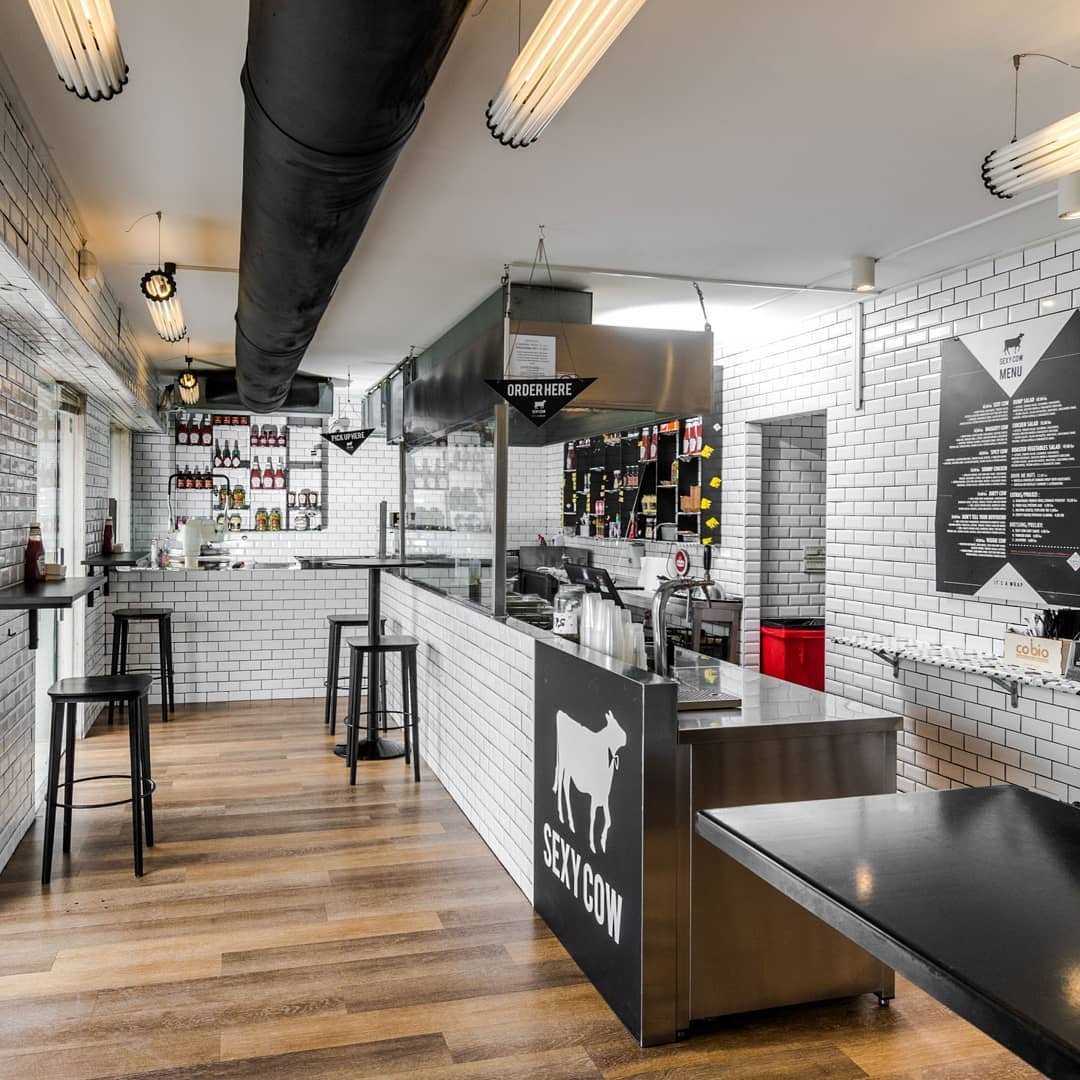
Beef, Bold Branding, and the Dalmatian Coast's Shifting Appetite
Ul. Zrinsko Frankopanska cuts through one of Split's busier pedestrian corridors, a street that sits just far enough from the Diocletian's Palace walls to attract a local crowd rather than a purely tourist one. It is on this strip that Sexy Cow occupies its address, a name that announces its intentions before the menu does. In a city whose dining identity has long been built around Adriatic seafood, grilled fish, and peka-roasted lamb, a beef-forward concept carries a minor act of defiance. That positioning is itself an editorial signal about where Split's restaurant scene has moved in the past decade.
Where Beef Fits on the Dalmatian Table
Croatian coastal cooking has historically been a maritime affair. The Dalmatian kitchen draws its authority from the sea: prstaci clams pulled from rocks below the waterline, škampi finished in white wine and garlic, whole branzino roasted over vine cuttings. Meat, when it appears, tends to arrive through the inland tradition: slow-cooked under a peka dome, or as lamb from the Dalmatian hinterland. Beef, and particularly premium beef presented in a format that signals craft and sourcing, represents a more recent urban addition to the coast's food culture.
Across Croatia's major dining cities, this shift is visible. In Zagreb, restaurants such as Dubravkin Put in Zagreb have built reputations on contemporary interpretations of continental Croatian cooking. On the Adriatic itself, address like Agli Amici Rovinj in Rovinj and Boskinac in Novalja demonstrate that the coast can sustain premium concepts beyond the standard seafood framework. Split, as the largest city on the Dalmatian coast, has followed that trajectory with a restaurant scene that now runs from traditional konoba formats through to concepts built around specific protein categories and imported culinary references.
Split's Competitive Dining Tier in 2024
To place Sexy Cow accurately, it helps to understand the tier structure of Split's current restaurant offering. The upper bracket includes Mediterranean-focused rooms such as Krug (Mediterranean Cuisine), which operates at the €€€ price point and draws the kind of attention from food-interested visitors that once went almost exclusively to Dubrovnik. Further along the coast, Pelegrini in Sibenik and LD Restaurant in Korčula anchor the regional fine dining argument, while Restaurant 360 in Dubrovnik continues to set the benchmark for destination dining on the southern coast.
Within Split itself, the mid-range and neighbourhood-casual tier is where most of the interesting movement is happening. Venues like Bokamorra, Bistro Noir, and Bajamonti POP sit in a bracket that values concept clarity and execution over ceremony. The Adriatic pulls in a different register. Sexy Cow, with its name functioning as a kind of anti-pretension signal, seems positioned to operate in the same space: direct, concept-led, without the formality of the white-tablecloth addresses but with enough identity to hold its own in a city that now has genuine dining depth. For a broader survey of where Split's scene currently sits, our full Split restaurants guide covers the range in detail.
The Cultural Argument for a Beef Concept on the Dalmatian Coast
The broader cultural shift here is worth examining. As coastal Croatian cities have grown their year-round visitor economies and their professional middle classes have expanded, the appetite for dining formats built around land proteins and imported references has grown accordingly. This mirrors patterns visible elsewhere on the Mediterranean: in cities where fish has long been the default, beef-centred concepts often position themselves as a corrective to the perceived monotony of the coastline's protein repertoire.
The Dalmatian interior has always produced beef, particularly from the Lika region, and Croatian cattle breeds have a history that predates the current premium-beef conversation. What has changed is the framing: the willingness of urban Dalmatian restaurants to put beef at the conceptual centre of the offer, name the place accordingly, and build a room identity around that single animating idea. That is the tradition Sexy Cow sits within, whether deliberately or not. Similar moves have played out at addresses like Alfred Keller in Mali Losinj and Nebo by Deni Srdoč in Rijeka, where the concept rather than the coast's default seafood logic does the work of differentiation.
Internationally, the premium beef restaurant as a category has matured considerably. At the summit of the format, addresses like Le Bernardin in New York City show what single-category mastery looks like at full development, though the reference point for a Dalmatian coast beef concept is obviously closer to home. What those global references establish is a vocabulary: sourcing transparency, breed specificity, cooking precision. The degree to which the restaurant applies that vocabulary is something a visit will answer more reliably than any database field.
What the Name Signals
Restaurant names in Croatia's coastal cities have historically been conservative: the family name, the geographic reference, the Italian borrowing. A name like Sexy Cow announces an internationalist, post-irony positioning that is more common in Zagreb's bar and casual dining scene than on the Dalmatian coast. That choice alone tells you something about who the room is aimed at and what emotional register it intends to operate in. It is not a name that invites ceremony. It is a name that invites a burger, a glass of something cold, and an absence of formality.
For visitors coming to Split primarily for Diocletian's Palace, the beaches of Bačvice, or the ferry connections to the islands, Ul. Zrinsko Frankopanska 6 is accessible on foot from the historic centre. For context on comparable concepts in the region, BioMania Bistro Bol in Bol offers a point of comparison for what concept-driven casual dining looks like in smaller Dalmatian settings. For the full picture of where contemporary Croatian dining sits internationally, Atomix in New York City provides a useful external benchmark for what happens when a single culinary point of view is pursued with discipline.
Split's restaurant scene in 2024 is more layered than its seafood-and-sunset reputation suggests. The restaurant, whatever its current form, is part of a category of city addresses that are building the interior, meat-forward, concept-led register that balances the coast's dominant fish and shellfish tradition. That balance is what makes the city worth eating through systematically rather than defaulting to the nearest terrace with a view of the Adriatic.
A Quick Peer Check
Comparable venues nearby, for context on price, style, and recognition.
| Venue | Cuisine | Price | Notes |
|---|---|---|---|
| Sexy CowThis venue — the venue you are viewing | Street Food Wraps | $$ | Not listed |
| OliveTree by boiler™ | Mediterranean Pizza & Croatian | $$ | Riva |
| Pandora Greenbox | Plant-Based Mediterranean | $$ | Old Town |
| Marulićeva ul. 1 | Modern Dalmatian Bistro | $$ | Old Town |
| Pimpinella | Croatian Mediterranean Seafood | $$ | Firule |
| Bistro Noir | Modern Italian | $$ | city center |
Continue exploring
More in Split
Restaurants in Split
Browse all →
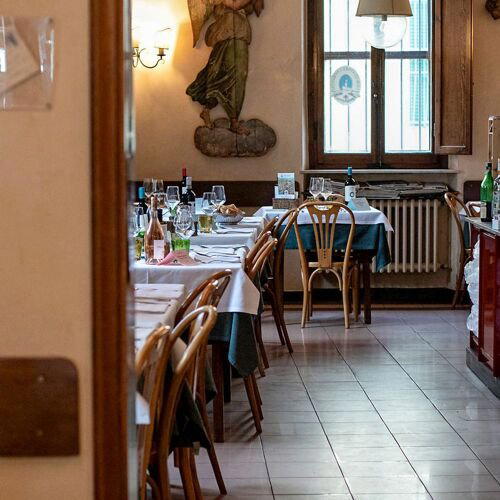
Bars in Split
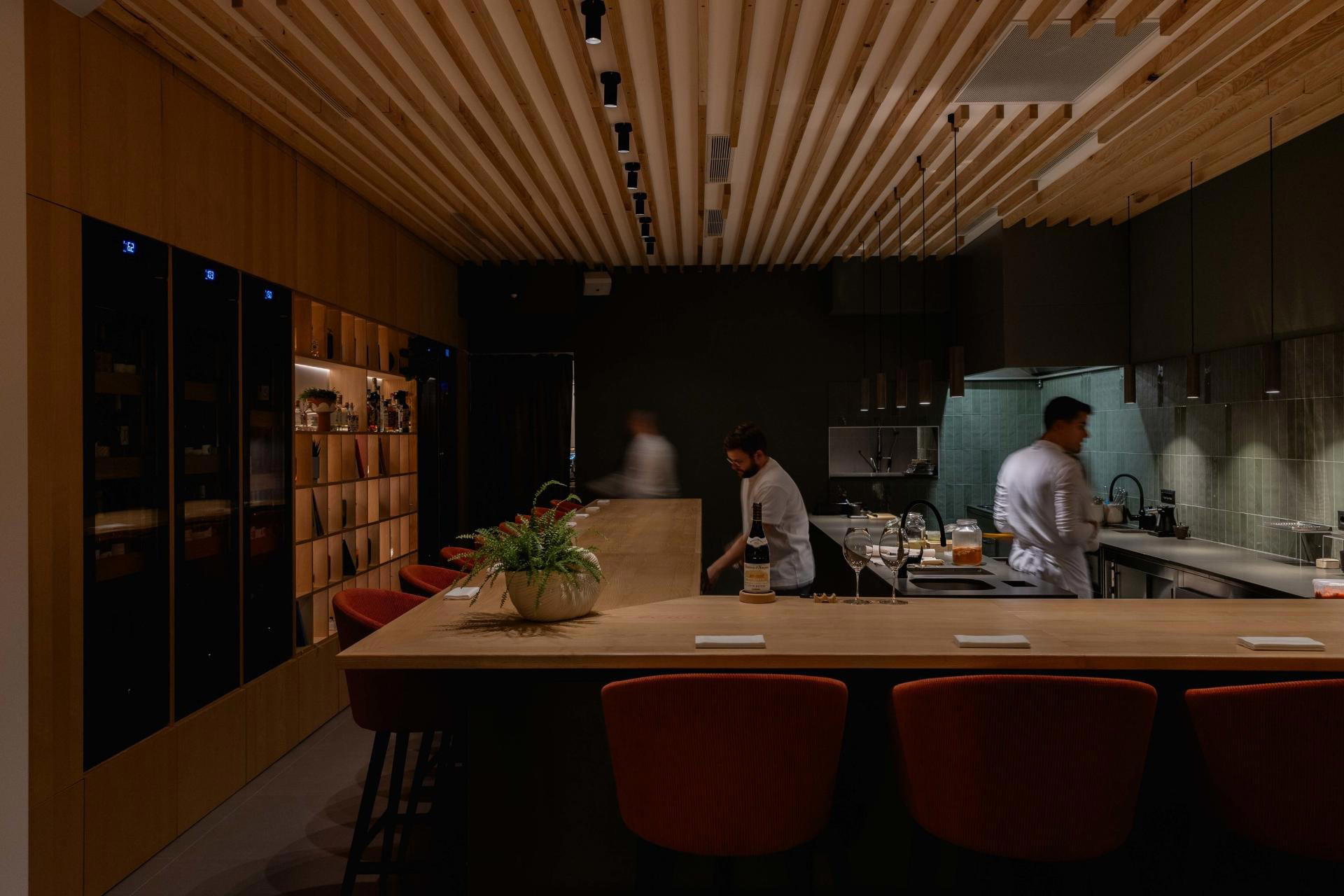
Browse all →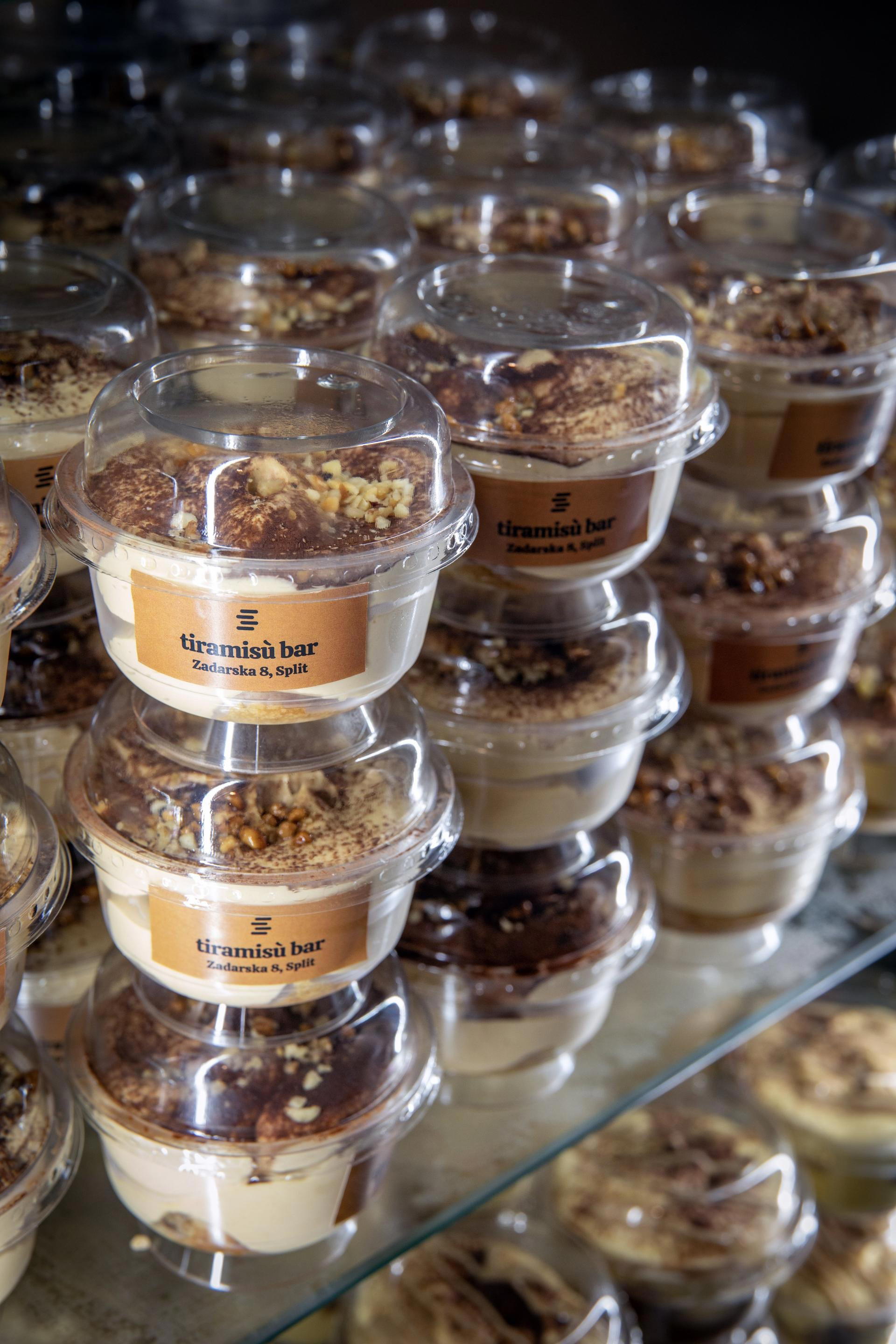
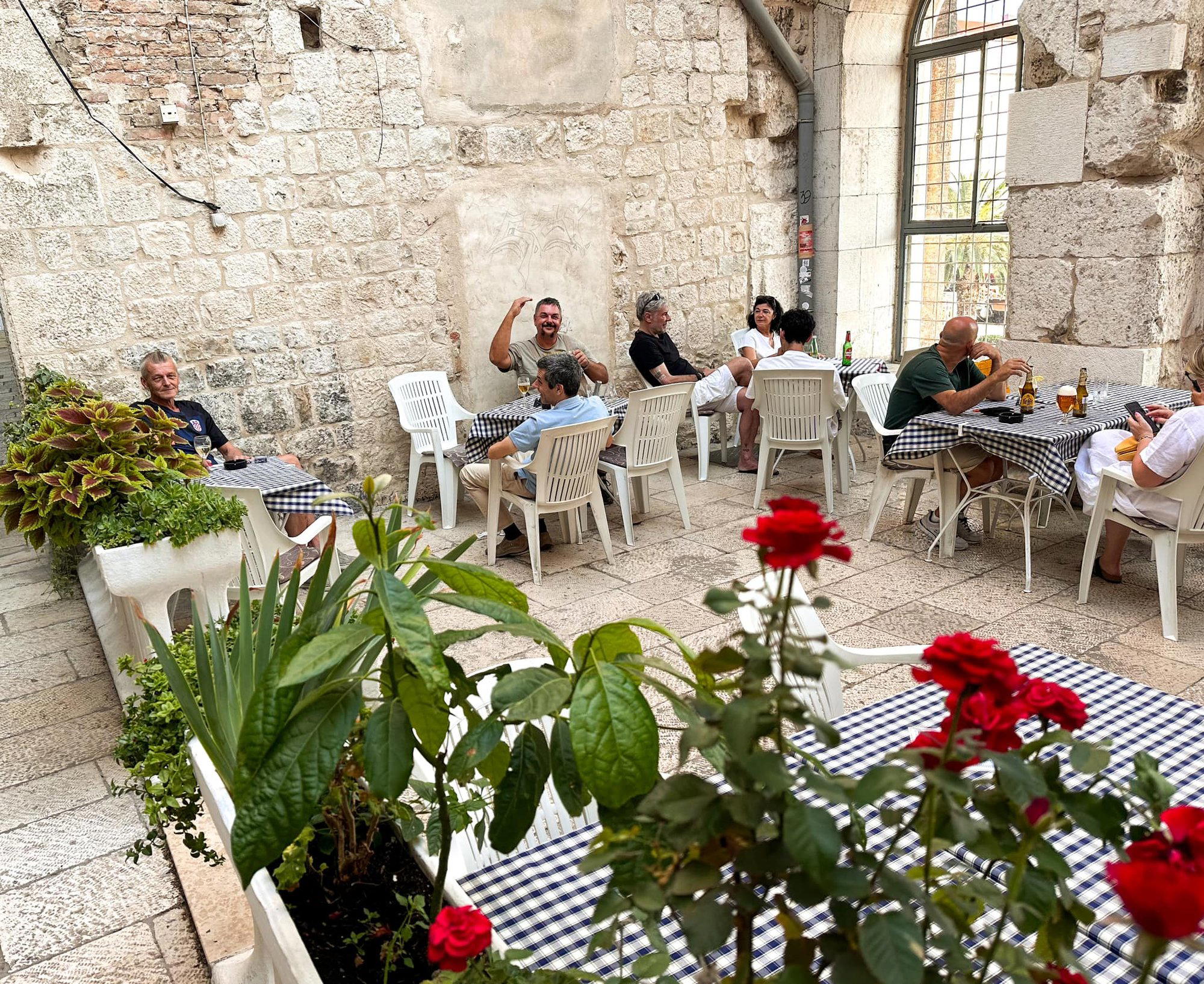
Hotels in Split
Browse all →

At a Glance
- Trendy
- Lively
- Casual Hangout
- Family
- Brunch
- Open Kitchen
- Local Sourcing
Current opening hours
- Monday
- 11 AM–10 PM
- Tuesday
- 11 AM–10 PM
- Wednesday
- Closed
- Thursday
- 11 AM–10 PM
- Friday
- 11 AM–10 PM
- Saturday
- 11 AM–10 PM
- Sunday
- 11 AM–10 PM
Hours can change for holidays and private events. Last verified .
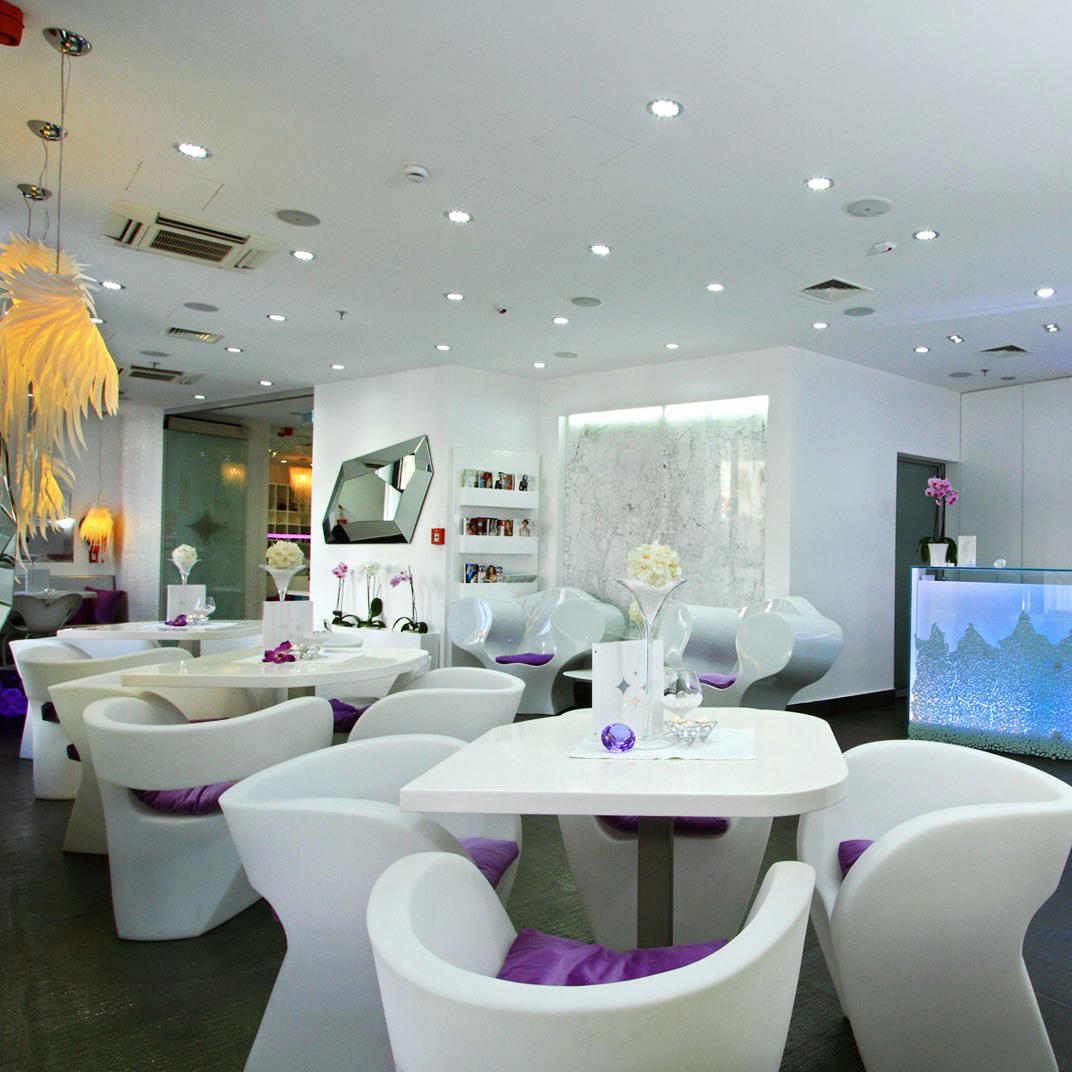
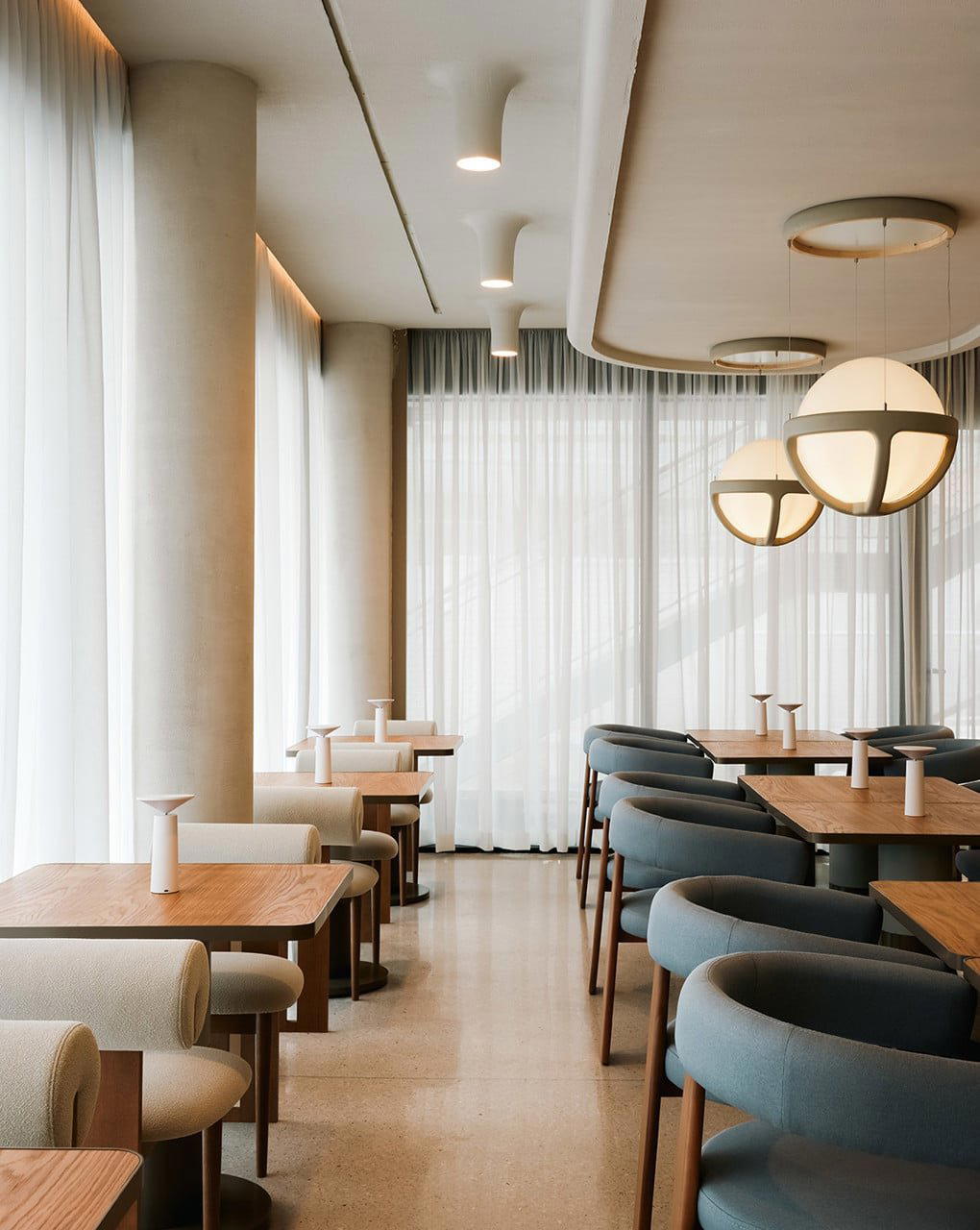
Laid-back and lively atmosphere with upbeat music, efficient service, and an open kitchen view.