
We're Smart World 3 Radishes
Our verdict
Serra's Garden Kitchen places vegetables at the centre of the plate in a format that reflects how Brussels dining has shifted toward produce-led, seasonal cooking. Under chef Pierre Balthazar, the kitchen works with local supply and responds to the season rather than a fixed menu logic. Located at Place Charles Rogier, it sits in a tier distinct from the city's classic French-Belgian houses.

Pearl is the En Primeur Club membership app, where members save venues, book tables and use the concierge.
The menu
What to order
- Glazed vegan meat
- Vegetarian gyoza
- Mini burgers
Place Charles Rogier and the Produce-Led Turn in Brussels Dining
Brussels has spent the better part of a decade recalibrating its restaurant identity. The city's classical anchor, built on French-Belgian technique and rich sauce work at houses like Comme chez Soi and La Villa Lorraine by Yves Mattagne, remains intact at the leading end. Below that tier, a different cohort has emerged: kitchens that organise their identity around the vegetable, the local grower, and the season rather than around prestige protein or classical brigade hierarchy. Serra, operating as The Garden Kitchen, belongs to this second group. Its address at Place Charles Rogier situates it in the north of the pentagon, a neighbourhood more accustomed to transit and hotel trade than to destination dining, which makes the kitchen's produce-forward commitment the more deliberate signal.
Across Belgium, the shift toward vegetable-centred cooking has gathered credibility at the higher end of the market. Hof van Cleve in Kruishoutem and Boury in Roeselare both engage seriously with seasonal produce within multi-course formats. Serra's approach is less ceremonial, more accessible in register, but shares the same structural logic: the ingredient, not the technique, leads. That positioning puts it in conversation with Brussels neighbours like Barge and Eliane, both of which operate in the creative-organic space the city has been quietly building out.
The Garden Kitchen Format: How Serra Differs by Time of Day
One of the more useful distinctions in produce-led dining is how the same kitchen performs differently at lunch versus dinner. During the day, vegetable-centred restaurants tend to function as lighter, more spontaneous propositions: shorter formats, lower spend, and a clientele that includes working professionals alongside the dedicated diner. In the evening, the same kitchen can shift register entirely, with longer service rhythms, more composed plates, and a guest profile that has specifically chosen a plant-forward experience over the proteins-and-sauce alternatives elsewhere in the city.
Serra's Garden Kitchen fits this pattern. The daytime offer is likely to attract the Place Rogier office and hotel crowd looking for something that sits well above the brasserie default without demanding a two-hour commitment. The dinner service is where chef Pierre Balthazar's seasonal logic becomes the primary event rather than a useful midday option. The awards recognition the kitchen has received specifically calls out vegetables in the leading role, the product at the centre, and a response to what today's customers are looking for, language that suggests the evening format is where those values are most fully expressed. It also frames the experience dimension explicitly, positioning Serra not purely as a food destination but as a deliberate pause in the Brussels day, which has more traction at dinner than at lunch.
For practical planning: Place Charles Rogier is well-served by metro, and the address at number 20 is direct to reach from the city centre or from Brussels-Nord station. Neither hours nor current booking method are confirmed in available data, so contacting the venue directly before planning a visit is the reliable approach.
What the Seasonal, Local Frame Actually Means at This Level
The phrase “local and seasonal” has been diluted by overuse across European restaurant marketing, but it carries more operational weight than it might appear when applied to a kitchen that explicitly structures its menu around vegetable primacy. A produce-led restaurant that genuinely rotates with the season cannot maintain a static menu the way a brasserie serving moules-frites year-round can. The kitchen has to renegotiate its offer with each supplier cycle, which demands both supplier relationships and a level of creative flexibility that classical kitchens do not require in the same way.
Chef Pierre Balthazar is named in Serra's recognition for executing this framework, and the commendation draws attention to both taste and product as the coordinating principles rather than theatrics or technique for its own sake. This places Serra in a clearly defined tier: more considered than the neighbourhood bistro, less ceremonial than the city's Bozar Restaurant-level formal dining, and aligned with a value system that European urban diners in 2024 have been moving toward consistently. For context, Belgium has produced kitchens that pursue the local-seasonal logic at very high intensity, from Willem Hiele in Oudenburg to Zilte in Antwerp, and the framework is well-understood in the market. Serra's contribution is applying it at an accessible register in a Brussels neighbourhood that does not otherwise have much of this kind of cooking.
Serra in the Wider Brussels and Belgian Context
Brussels has a tendency to reward the persistent over the flashy. The restaurants that have built lasting reputations here, whether at the Comme chez Soi level or further down the price spectrum, have done so through consistency of product and clarity of identity rather than through novelty cycling. Serra's positioning within the vegetable-forward, seasonally driven tier offers that kind of clarity. It is not attempting to replicate the white-tablecloth formality of the city's French-Belgian establishment, nor is it operating as a casual all-day canteen. The Garden Kitchen framing suggests a middle register with a specific editorial point of view about what belongs on the plate.
Internationally, the trajectory of vegetable-centred fine-casual dining has followed a similar arc in cities from London to Copenhagen to New York, where kitchens like Le Bernardin have long demonstrated that a single-category focus executed with discipline builds more durable identity than range for its own sake. The same logic applies at Serra's price level in Brussels. Closer to home, coastal Belgian kitchens such as Bartholomeus in Heist and Castor in Beveren have built audiences through similar product focus, demonstrating that Belgian diners do respond to ingredient-led propositions when they are executed with conviction.
For EP Club members travelling to Brussels who want to map the city's full range, our full Brussels restaurants guide covers the spectrum from the classical tier downward. Broader travel planning across hotels, bars, wineries, and experiences is covered in the respective Brussels guides.
Frequently asked questions
What's Serra's location?
Serra is located at Pl. Charles Rogier 20, 1210 Bruxelles, Belgium, Brussels.
What kind of recognition has Serra received?
Serra has received recognition including: The Garden Kitchen by Serra wants to respond to what today's customers are looking for! Vegetables in the leading role, the seasons here, local, with taste and the product at the centre. Well done chef Pierre Balthazar. This restaurant is a….
What's the signature dish at Serra?
Serra's kitchen, overseen by chef Pierre Balthazar, is built around vegetables as the lead ingredient rather than a single signature plate. The menu rotates with the season, so what defines a visit is the current produce rather than a fixed dish. Award commentary specifically credits Balthazar for keeping taste and the product central, which points toward preparations where the vegetable's own character does the work.
Should I book Serra in advance?
Serra sits on Place Charles Rogier in central Brussels, which makes it accessible but also well-positioned to draw steady covers from both the neighbourhood and passing trade. Given the recognised produce-led format and the EP Club editorial attention it has received, reserving ahead, particularly for dinner or weekend lunch, is the sensible approach. Walk-in availability at peak times is not guaranteed.
A Lean Comparison
Comparable venues nearby, for context on price, style, and recognition.
| Venue | Cuisine | Price | Awards | Notes |
|---|---|---|---|---|
| SerraThis venue (the venue you are viewing) | Sustainable Plant-Based | $50–100 | We're Smart World 3 Radishes | Not listed |
| Herman van Dender | Belgian Chocolatier & Patisserie | Not listed | Not listed | Pl. de Brouckere, Belgian Chocolatier & Patisserie |
| Terborght | Contemporary Belgian | Not listed | Not listed | Huizingen, Contemporary Belgian |
| le Petit bon bon | Belgian Brasserie | $50–100 | Michelin Plate | Royale, Belgian Brasserie |
| Brut Food | Modern Organic Belgian Bistro | $50–100 | We're Smart World 3 Radishes | Ixelles, Modern Organic Belgian Bistro |
| Laurent Gerbaud | Artisanal Belgian Chocolatier | $10–20 | Not listed | Pl. de Brouckere, Artisanal Belgian Chocolatier |
Recognition history
Dated appearances from independent guides and award organizations, with the underlying list record or original source where available.
We're Smart World 3 Radishes
We're Smart World
Serra
Featured Guides

Continue exploring
More in Brussels
Restaurants in Brussels
All restaurants in Brussels →
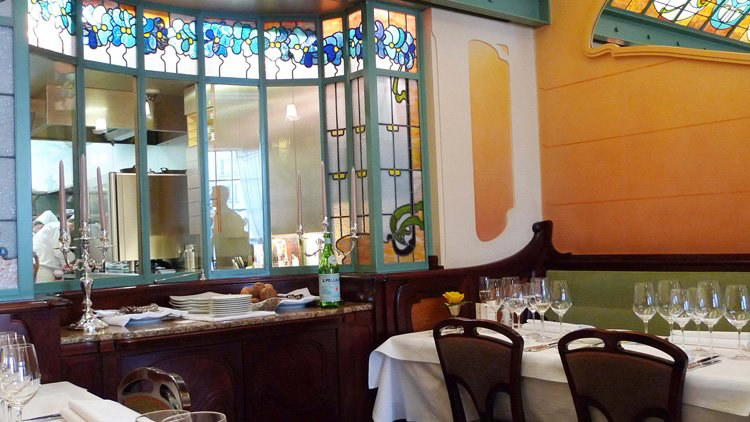
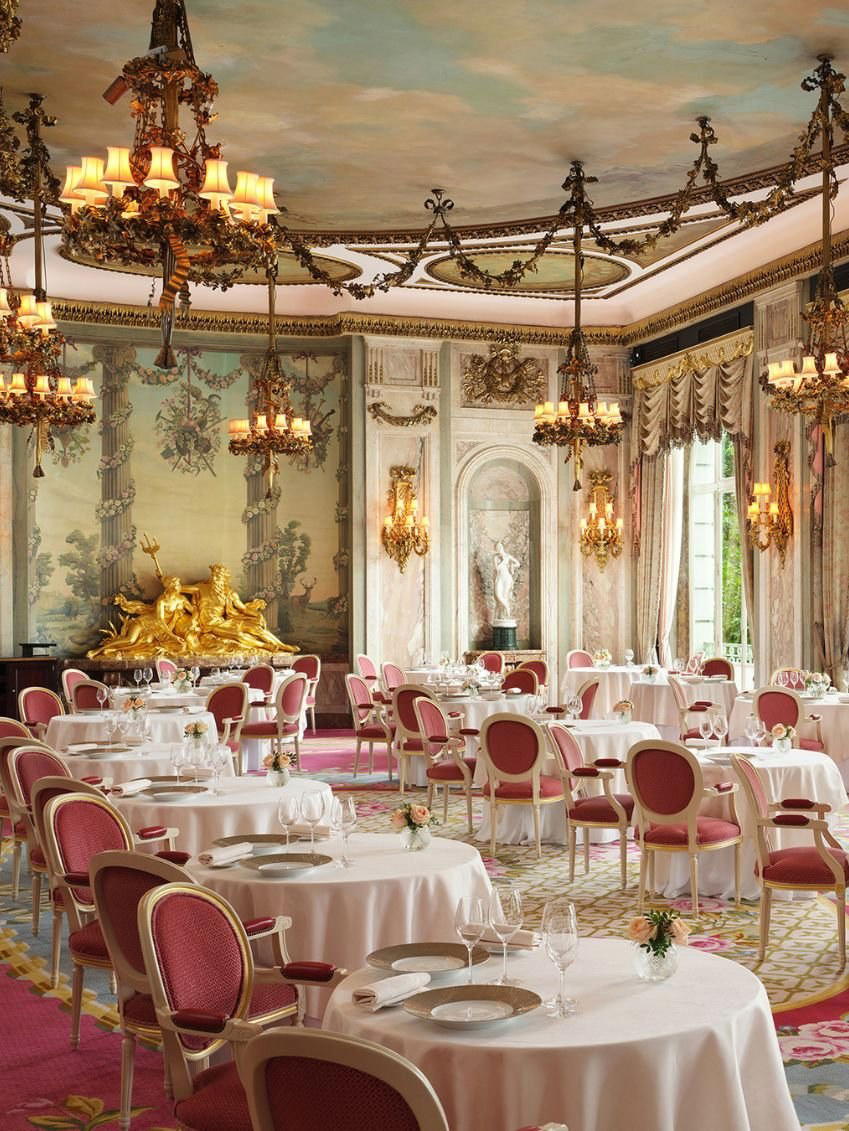
Bars in Brussels
All bars in Brussels →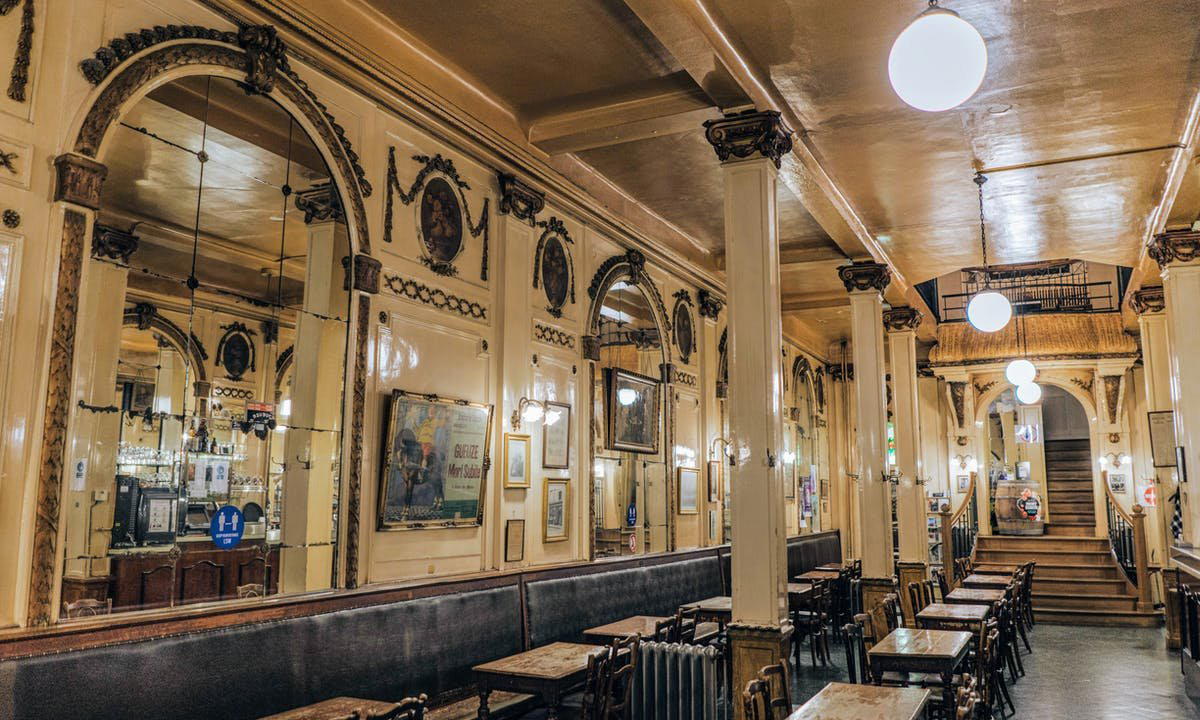
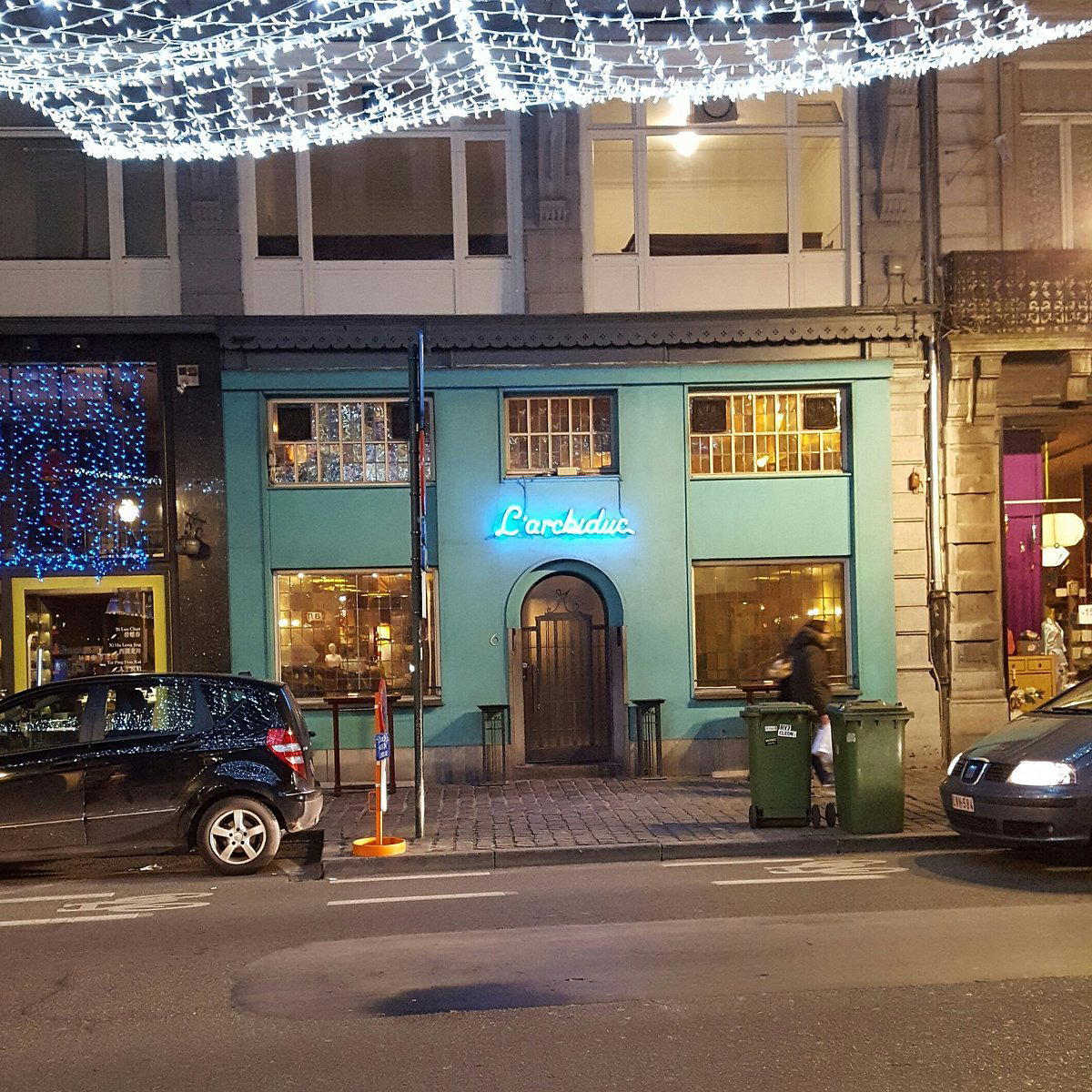
Hotels in Brussels
All hotels in Brussels →
Wineries in Brussels
Browse all →
Details
- Lively
- Modern
- Cozy
- Trendy
- Business Dinner
- Group Dining
- Brunch
- Casual Hangout
- Open Kitchen
- Terrace
- Craft Cocktails
- Local Sourcing
- Farm To Table
- A La Carte
- Small Plates
- Vegetarian Friendly
- Vegan Options
Current opening hours
- Monday
- 12–11 PM
- Tuesday
- 12–11 PM
- Wednesday
- 12–11 PM
- Thursday
- 12–11 PM
- Friday
- 12 PM–12 AM
- Saturday
- Closed
- Sunday
- Closed
Hours can change for holidays and private events. Hours as of .
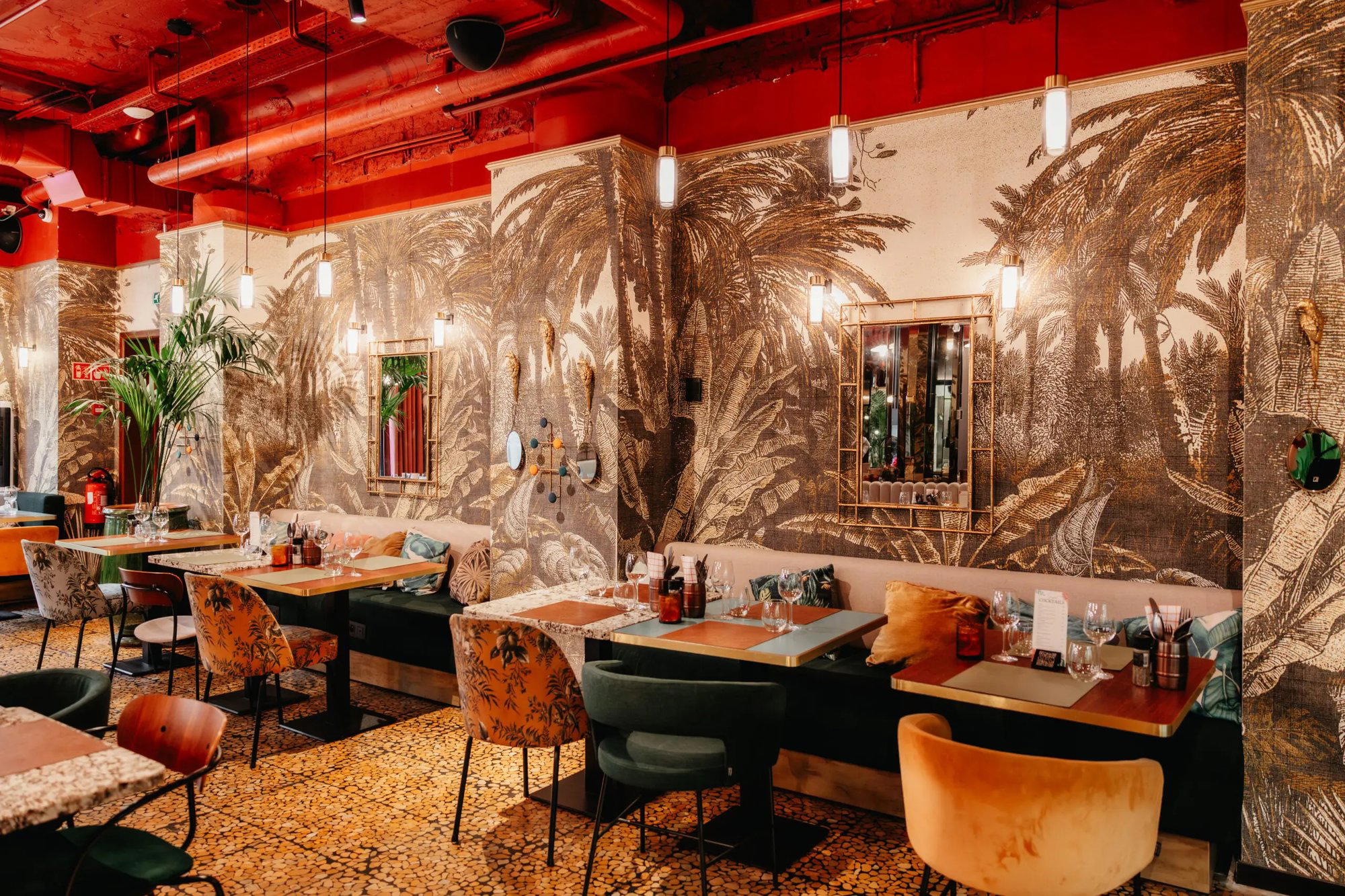
Tropical softly lit oasis filled with lively plants and greenery creating a welcoming relaxed atmosphere.