Our verdict
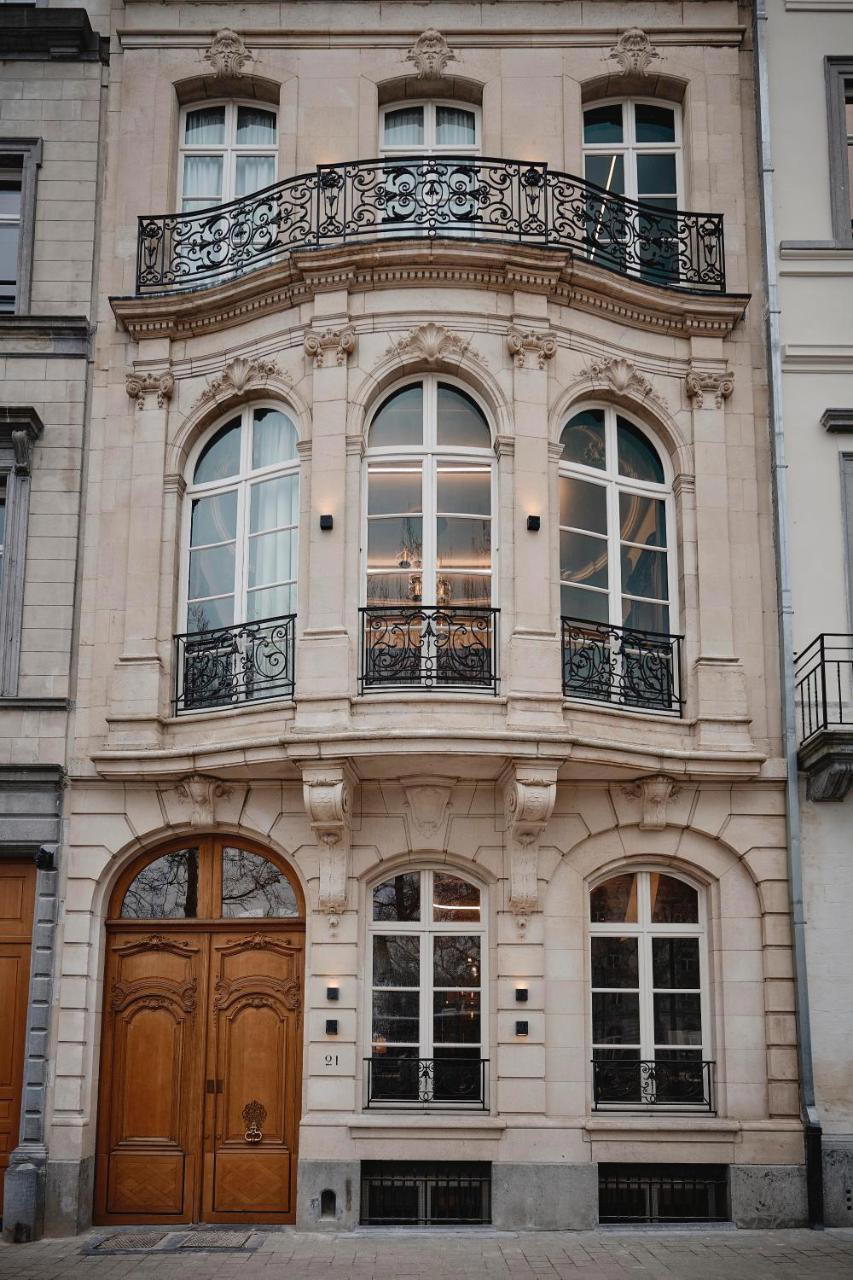
Herman van Dender occupies a quiet address at Rue des Minimes 8 in the Sablon district, one of Brussels' most composed neighbourhoods for serious dining. The address places it among a cluster of spaces where the gap between lunch and dinner shifts in mood as much as menu. For visitors cross-referencing Brussels' mid-to-upper tier, it warrants attention alongside the neighbourhood's longer-established names.

Pearl is the En Primeur Club membership app — saves, bookings, and concierge access live there. Same editors, same standards.
- Address
- Rue des Minimes 8, 1000 Bruxelles, Belgium
- Phone
- +3224788702
- Website
- hermanvandender.be
- Directions
- Get directions
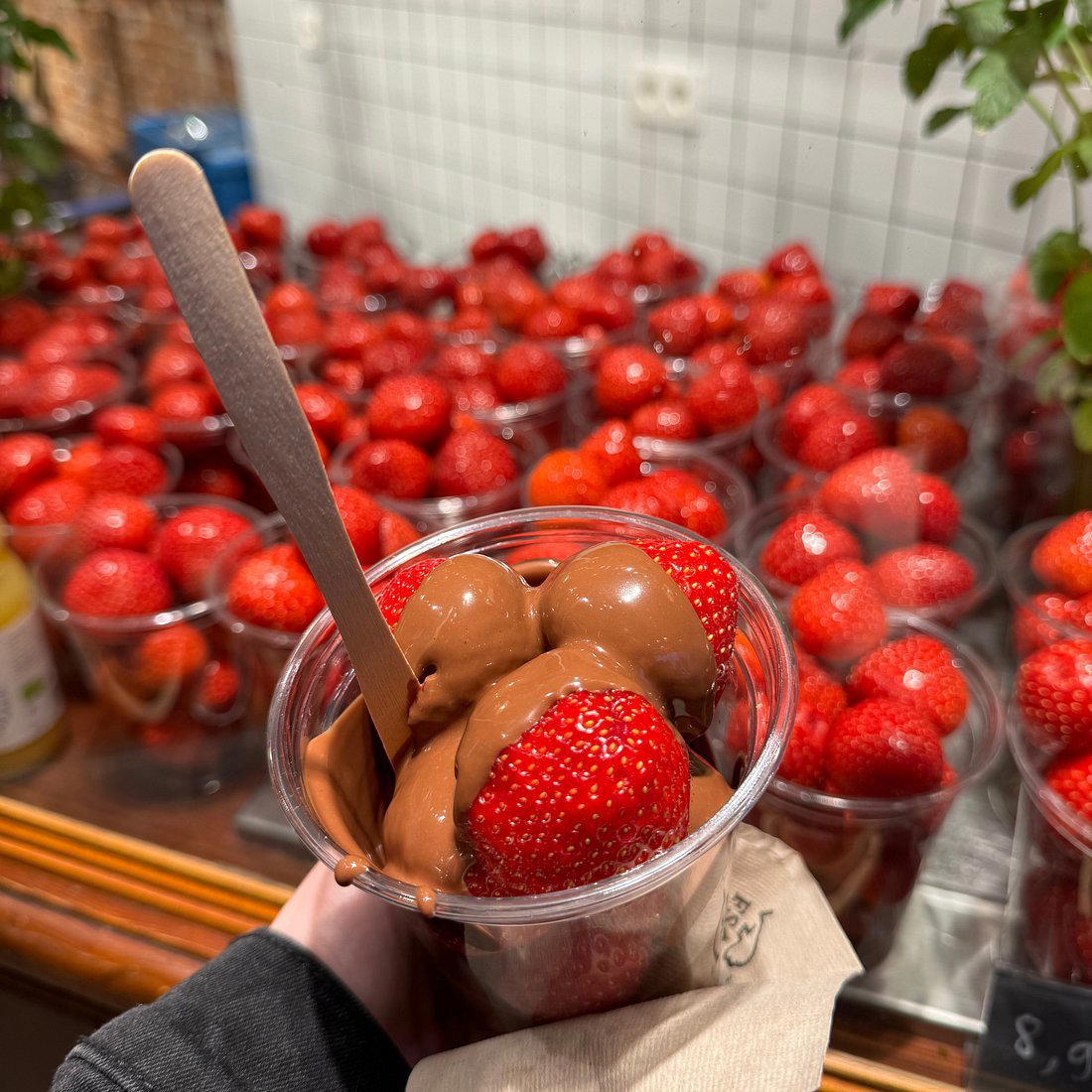
The Sablon Table: Daytime Restraint and Evening Register
Brussels rewards the visitor who distinguishes between its lunch culture and its dinner economy. In the Sablon quarter, where antique dealers, chocolatiers, and serious restaurants occupy the same few streets, the rhythm of service changes markedly between noon and evening. Herman van Dender, at Rue des Minimes 8, sits inside that rhythm. The address alone positions it within one of the capital's more considered dining corridors, a neighbourhood where Comme chez Soi and La Villa Lorraine by Yves Mattagne define the upper ceiling for French-Belgian classical cooking, and where the guest arriving for lunch expects something different from the one who books for dinner.
That distinction — between the lighter, more accessible daytime format and the more deliberate evening service — shapes how serious Brussels restaurants present themselves. Lunch in this part of the city tends to favour edited menus, quicker pacing, and a price point that opens the room to professionals and visitors who might not commit to a full evening tasting. Dinner shifts toward longer sequences, more considered wine pairings, and a clientele that has made the reservation its primary event. Where Herman van Dender falls across those two registers is part of what defines its position in the local hierarchy.
A Street Address That Does Work
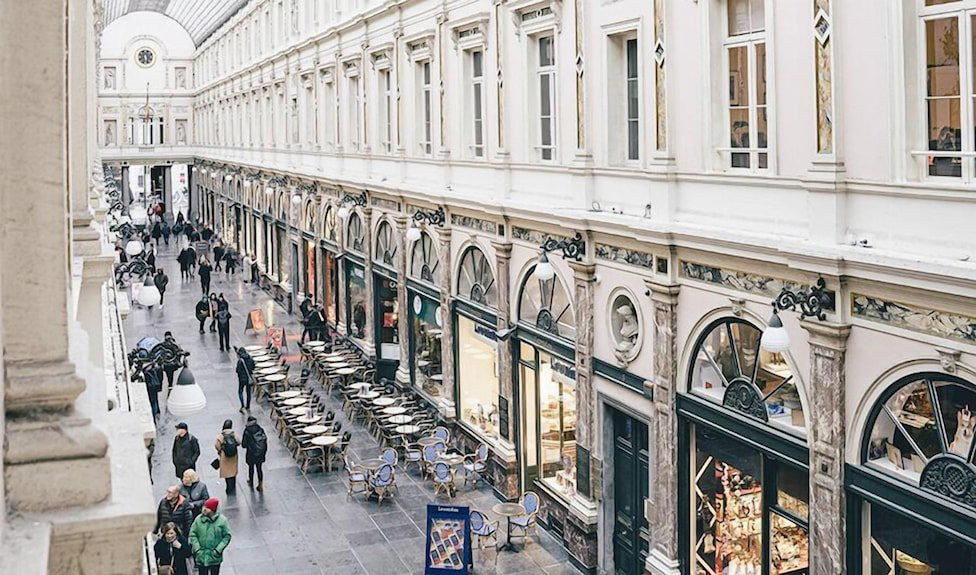
Rue des Minimes runs through the lower Sablon, connecting the Place du Grand Sablon, with its weekend antique market and weekend crowds, to the quieter residential streets descending toward the Marolles. The location is neither hidden nor heavily trafficked. It is a street for those who know the neighbourhood, which means the guest arriving at number 8 has usually done some research. That self-selection produces a particular room dynamic: a dining room where the average guest is engaged rather than passing through.
Brussels' upper-mid dining tier operates in a competitive space. Below it sit the grand brasseries of the centre, places like the long-running Aux Armes de Bruxelles model, where Belgian classics and high volume coexist. Above it sits the fully committed fine dining circuit anchored by multi-Michelin addresses. Herman van Dender occupies the band where the cooking is taken seriously without requiring the full theatre of a tasting-menu-only format. That positioning is increasingly where the most interesting work in Belgian restaurants happens, compare the approach at Barge or Eliane, both of which operate with a similar combination of editorial restraint and culinary intent in Brussels.
Belgian Fine Dining in a Wider National Frame
Understanding Herman van Dender requires some sense of where Brussels sits within Belgian fine dining overall. The country's most decorated kitchens are often found outside the capital: Hof van Cleve in Kruishoutem, Boury in Roeselare, and Zilte in Antwerp represent a tier of Belgian cooking that draws international attention. Coastal addresses like Willem Hiele in Oudenburg and Bartholomeus in Heist occupy a niche where terroir and seafood proximity drive the identity. Wallonian kitchens such as d'Eugénie à Emilie in Baudour and L'air du temps in Liernu work a French-inflected classicism with strong local product sourcing.
Brussels itself has historically been a city of institutions, Bozar Restaurant operates within the cultural infrastructure of the Palais des Beaux-Arts, anchoring fine dining to civic life in a way that few European capitals manage. Against that backdrop, smaller neighbourhood addresses in the Sablon must define their identity through consistency and positioning rather than scale or spectacle. Belgian kitchens in general tend toward product-led cooking with French technical grounding, a tradition that places equal weight on classical training and seasonal ingredient sourcing. That inheritance is visible across the country's serious restaurants, from the precision of addresses like De Jonkman in Sint-Kruis to the quieter ambition of La Durée in Izegem and Castor in Beveren.
Planning Your Visit
Rue des Minimes 8 is walkable from the Grand Sablon square in under two minutes, and the neighbourhood is well served by public transport from the centre. For visitors arriving from outside Brussels, the Sablon is typically a twenty-minute walk or short metro ride from the Gare Centrale. The area is most animated on weekend mornings during the antique market, but the dining room at Herman van Dender draws a weekday professional crowd as much as a weekend leisure one. For a broader map of where this address sits within the capital's dining scene, the EP Club Brussels restaurants guide provides a structured overview of the city's tiers and neighbourhoods.
For context on how Belgian fine dining compares internationally, the precision cooking seen at addresses like Le Bernardin in New York City or the tasting-menu discipline of Atomix illustrates the range of approaches that define serious contemporary dining. Belgian kitchens occupy a distinct position in that conversation: classically grounded, product-focused, and less given to the kind of conceptual showmanship that characterises some other European fine dining markets.
Frequently asked questions
Is Herman van Dender good for families?
The Sablon quarter draws a mixed daytime crowd, including families visiting the Grand Sablon antique market a two-minute walk from Rue des Minimes 8. Whether the kitchen's register suits younger diners depends on the meal format — fine dining rooms in this neighbourhood tend toward a slower, more deliberate pace than a family-casual lunch spot would offer. It is worth confirming the current format directly with the venue before booking with children.
What's the vibe at Herman van Dender?
Herman van Dender sits on Rue des Minimes in the lower Sablon, a street that connects the Grand Sablon square's weekend antique market energy to the quieter residential streets behind it. The neighbourhood sets a tone of restrained European formality rather than open, convivial dining-room noise. Expect a considered, composed atmosphere in keeping with Sablon's position as Brussels' most concentrated fine-dining corridor.
Where does Herman van Dender fit within the Brussels Sablon dining scene?
Rue des Minimes 8 places Herman van Dender squarely in the lower Sablon, Brussels' most concentrated cluster of fine dining addresses. Belgium's most decorated kitchens have historically been spread across the country — Bruges, Ghent, and the Flemish countryside hold many Michelin-starred rooms — but the Sablon quarter has long functioned as the capital's benchmark for formal restaurant culture.
What dish is Herman van Dender famous for?
check the venue's official channels or check their current menu for up-to-date detail.
What part of town is Herman van Dender in?
Herman van Dender is located at Rue des Minimes 8, 1000 Bruxelles, Belgium, Brussels.
What's the best way to book Herman van Dender?
Herman van Dender is located at Rue des Minimes 8, 1000 Bruxelles, Belgium. No booking platform or phone number is currently listed in public records so the most reliable approach is to search for their current contact details directly or visit in person given the address is walkable from the Grand Sablon square in under two minutes.
What do critics highlight about Herman van Dender?
Within the Brussels fine dining scene, the Sablon quarter is where the city's most closely watched rooms operate, which places this address in a neighbourhood that critics covering Belgian cuisine do monitor. Verified critical coverage, if it exists, is best sourced through Belgian food press and national guides.
Cuisine and Awards Snapshot
| Venue | Cuisine | Price | Awards | Notes |
|---|---|---|---|---|
| Herman van DenderThis venue — the venue you are viewing | Belgian Chocolatier & Patisserie | Not listed | Not listed | Not listed |
| Comme chez Soi | Classic French Fine Dining | $200–300 | 1 Michelin Star · World's 50 Best #49 | French - Belgian, Classic Cuisine |
| La Villa Lorraine by Yves Mattagne | Modern French Fine Dining | $200–300 | Michelin Plate · La Liste Top Restaurants | Modern Cuisine |
| senzanome | Modern Italian Fine Dining | $150–200 | Michelin Plate | Modern Italian, Italian |
| Aux Armes de Bruxelles | Traditional Belgian Brasserie | $50–100 | Michelin Plate | Not listed |
| Hispania | Authentic Spanish Brasserie | $50–100 | Michelin Plate | Not listed |
Continue exploring
More in Brussels
Restaurants in Brussels
Browse all →
Bars in Brussels
Browse all →
Hotels in Brussels
Browse all →
Wineries in Brussels
Browse all →
Details
- Elegant
- Sophisticated
- Cozy
- Casual Hangout
- Design Destination
- A La Carte
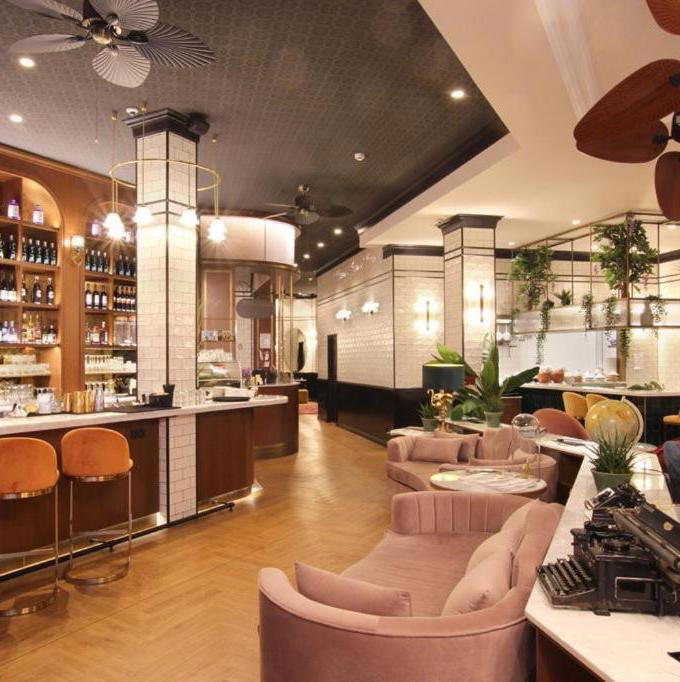
Charming shop blending classic elegance with modern twist, featuring precise pastries and chocolates in a delightful boutique atmosphere.