
A plant-forward address in Ixelles where organic sourcing and zero-waste discipline shape the kitchen's daily decisions. Recognition from We're Smart confirms the approach: every ingredient is seasonal, regional, and handled with a respect for the supply chain that most Brussels restaurants still treat as optional. The vibe is distinctly Bruxellois — relaxed, neighbourhood-rooted, and serious without being ceremonious.
Pearl is the En Primeur Club membership app — saves, bookings, and concierge access live there. Same editors, same standards.
- Address
- Rue Antoine Labarre 49, 1050 Ixelles, Belgium
- Phone
- +32 2 342 09 75
- Website
- brutfood.be
- Directions
- Get directions
 Saves & bookings on Pearl
Ixelles and the Turn Toward Ingredient Honesty
Brussels has long organised its restaurant culture around two poles: the grand brasserie tradition of moules-frites and carbonnade, and the haute cuisine lineage represented by rooms like Comme chez Soi and La Villa Lorraine by Yves Mattagne. Between those two poles, a quieter shift has been underway in neighbourhoods like Ixelles, where a cohort of smaller, principled kitchens has built reputations on procurement decisions rather than on technique theatre. Brut Food, on Rue Antoine Labarre, sits squarely in that cohort.
The address is residential Ixelles rather than the tourist-facing centre. The neighbourhood has the kind of density Brussels does well: independent wine bars, produce traders, and restaurants that serve the same customers most weeks. That repeat-local dynamic tends to enforce honesty at the sourcing level in a way that tourist footfall does not.
What Organic and Seasonal Actually Mean Here
The word organic has lost some of its signal value through overuse, but the We're Smart designation attached to Brut Food applies a more specific frame. We're Smart is a Belgian-founded recognition programme focused on vegetable-forward cooking and sustainable sourcing, and its assessment of Brut Food notes that all ingredients are certified organic, that plant-based cooking is the kitchen's primary orientation, and that a zero-waste discipline runs through the operation. These are structural commitments, not menu marketing points.
Seasonal and regional sourcing model means the menu at Brut Food changes with the agricultural calendar rather than with trend cycles. This approach shares a logic with what kitchens like Barge and Eliane are doing in Brussels, where ingredient provenance is the editorial position the kitchen takes. It is a different conversation from the one happening at Bozar Restaurant, where the frame is fine dining and cultural institution rather than supply-chain transparency.
Wider-region sourcing model is also worth noting in the Belgian context specifically. Belgium sits at the junction of French, Dutch, and German agricultural traditions, and its ingredient geography is denser than its small footprint suggests. Sourcing from the wider region rather than importing for prestige is a choice that connects the kitchen to a local food economy that larger, more internationally oriented restaurants routinely bypass.
Global Influences, Regional Roots
One of the more interesting tensions in Brut Food's positioning, as noted in the We're Smart assessment, is that the dishes carry influences from across the world while the ingredients come from close by. That pairing is not a contradiction. It describes a specific kind of cooking intelligence: using global technique and flavour logic to interpret what the local harvest produces, rather than importing ingredients to fit a predetermined cuisine category.
This approach has parallels in restaurants far outside Belgium. Technique-led kitchens at the calibre of Le Bernardin in New York City have long argued that rigorous sourcing and rigorous technique are complementary rather than competing. At the other end of the formality spectrum, Emeril's in New Orleans built its identity partly on regional ingredient specificity. Brut Food operates in a smaller register, but the underlying logic is the same: know where the ingredient comes from, then decide what to do with it.
Under Alice Pollet's direction, that philosophy has remained consistent even as the kitchen has evolved. We're Smart's assessment specifically notes that the concept and its strengths are unchanged through the recent transition, which is meaningful evidence of institutional continuity rather than a change in direction prompted by a change in personnel.
Where Brut Food Sits in the Brussels Plant-Forward Scene
Belgium's broader restaurant scene has an unusually strong vegetable-cooking tradition by Northern European standards. Kitchens across the country have earned serious recognition for plant-forward approaches: Hof van Cleve in Kruishoutem and Boury in Roeselare represent the haute end of Belgian cooking more broadly, while coastal kitchens like Bartholomeus in Heist and Willem Hiele in Oudenburg have built reputations on hyper-local marine sourcing. Further inland, Zilte in Antwerp and Castor in Beveren represent different expressions of regional ingredient intelligence.
Brut Food occupies a different position from all of those: it is a neighbourhood restaurant rather than a destination, and its price point is calibrated to the Ixelles residential market rather than to the special-occasion bracket. That makes it a more practical daily reference for plant-forward eating in Brussels than any of the destination rooms above.
Planning a Visit
Brut Food is located at Rue Antoine Labarre 49 in Ixelles, a 10 to 15-minute walk from the European Quarter and easily reached from the Porte de Namur or Flagey areas. The We're Smart description of the space as having good vibes and a distinctly Bruxellois character suggests an informal setting rather than a fine dining environment, which means dress code expectations are relaxed. Given that the menu is driven by seasonal availability and zero-waste discipline, dishes on any given visit will reflect what the market delivered that week rather than a fixed repertoire. For current hours, specific dietary accommodations, or reservation details, contacting the restaurant directly or checking current listings is the practical approach, as those details shift with operational changes.
For a fuller picture of eating and drinking across the city, our full Brussels restaurants guide covers the range from neighbourhood kitchens to destination rooms. The Brussels bars guide, hotels guide, wineries guide, and experiences guide round out the city's premium offer for visitors planning beyond a single meal.
How Brut Food Brussels compares with similar nearby venues.
| Venue | Cuisine | Price | Awards |
|---|---|---|---|
| Brut Food | Not listed | Not listed | We're Smart World 2025, 3 Radishes |
| Le Variétés | Belgian | €€ | Not listed |
Recognition history
Dated appearances from independent guides and award organizations, with the underlying list record or original source where available.
We're Smart World 3 Radishes
We're Smart World
Continue exploring
More in Brussels
Restaurants in Brussels
Browse all →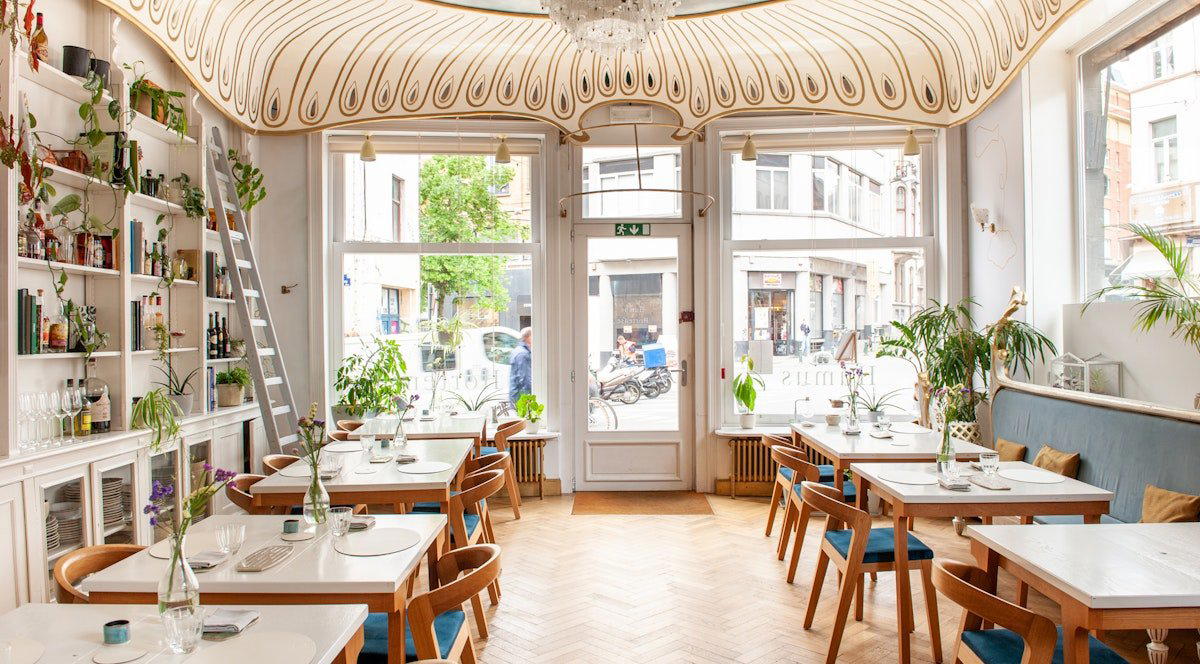
Bars in Brussels
Browse all →
Hotels in Brussels
Browse all →
Wineries in Brussels
Browse all →
At a Glance
- Cozy
- Modern
- Intimate
- Special Occasion
- Date Night
- Open Kitchen
- Natural Wine
- Local Sourcing
- Organic
- Farm To Table
Current opening hours
- Monday
- Closed
- Tuesday
- Closed
- Wednesday
- Closed
- Thursday
- 7–11 PM
- Friday
- 7–11 PM
- Saturday
- 7–11 PM
- Sunday
- Closed
Hours can change for holidays and private events. Last verified .
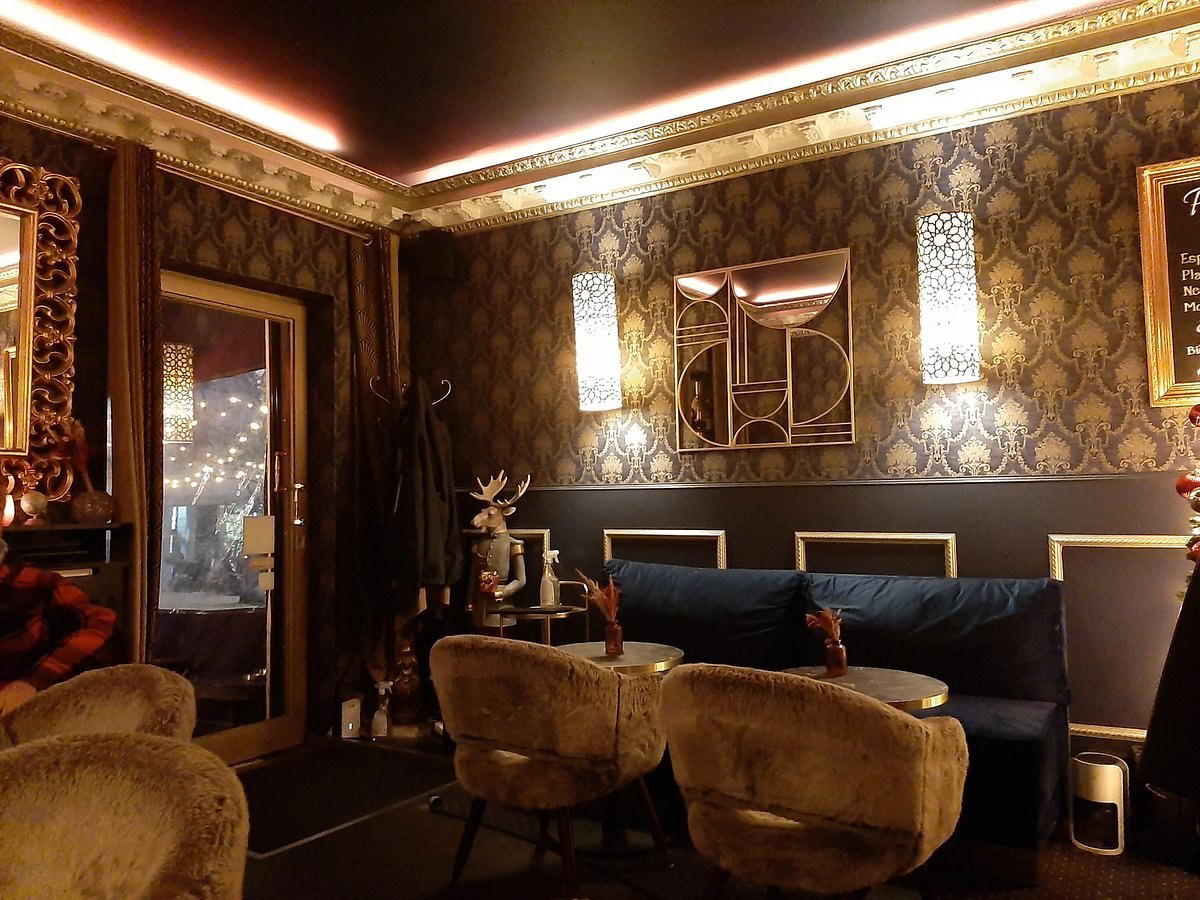
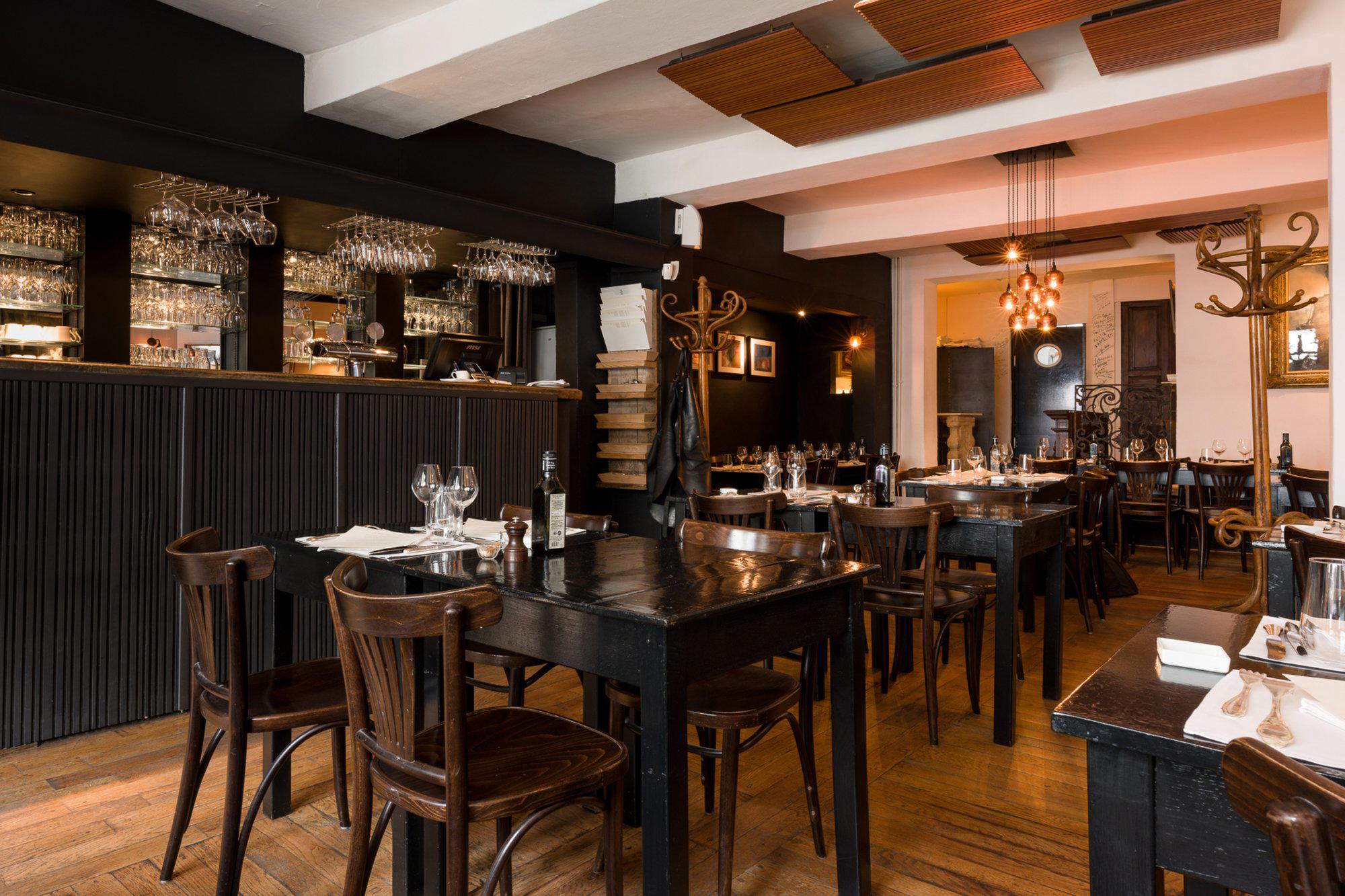
Cozy and inviting interior with warm, modern decor and a welcoming atmosphere praised in guest reviews.
Know Before You Go
- Getting there
- Rue Antoine Labarre 49, 1050 Ixelles, Belgium