Serpentine
Serpentine occupies a specific place in San Francisco's upper tier of ambitious dining, where the city's commitment to California produce and technical precision meets neighbourhood character. The restaurant sits within a scene that includes Michelin-recognised peers across the city, and its reputation has been shaped by the same forces driving the broader evolution of contemporary San Francisco cooking.
Pearl is the En Primeur Club membership app — saves, bookings, and concierge access live there. Same editors, same standards.
- Address
- San Francisco, United States
- Directions
- Get directions
 Saves & bookings on Pearl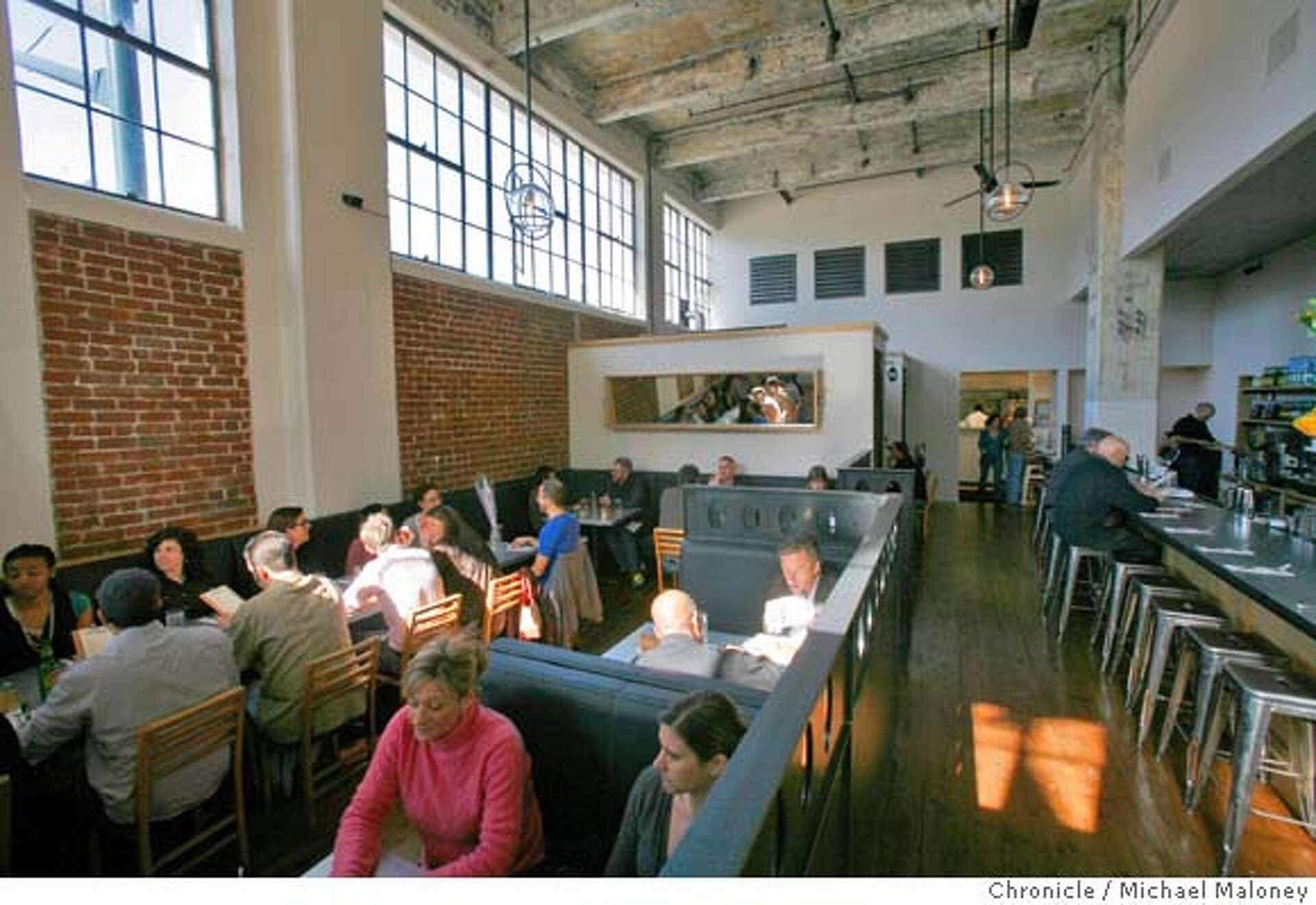
Where the Neighbourhood Shapes the Plate
San Francisco's dining geography is unusually meaningful. Unlike cities where a restaurant's address is administrative detail, here the neighbourhood actively determines what a kitchen can source, who walks through the door, and what kind of ambition is rewarded. The city's upper-tier contemporary restaurants have clustered across distinct pockets: the Financial District and Jackson Square corridor for formal tasting-menu formats, the Mission for chef-driven rooms that push against convention, and scattered addresses in between that resist easy categorisation. Serpentine is a restaurant in San Francisco serving Seasonal American Gastropub cooking at the $ tier.
The broader San Francisco dining scene against which any serious restaurant is measured has grown more demanding in the last decade. The tier that includes Benu, Atelier Crenn, Quince, Lazy Bear, and Saison sets a high bar for technical ambition and sourcing rigour. These are rooms where the $$$$ price point is assumed and the competition is essentially national, pricing against peers like The French Laundry in Napa and Single Thread Farm in Healdsburg as much as against each other. Serpentine enters that conversation from its own angle, with a positioning that reflects the particular logic of its address.
The Scene San Francisco Has Built
California's influence on American fine dining over the past four decades has been well-documented, but the specific character of San Francisco's contribution is worth isolating. The city operates differently from Los Angeles, where Providence anchors a scene built partly on celebrity adjacency and scale. San Francisco's prestige dining runs cooler and more methodical. The seasonal sourcing argument here is not marketing language but operational infrastructure: the proximity to the Sonoma and Marin coasts, the Central Valley, and a network of small-scale producers who have grown alongside the restaurants that buy from them gives kitchens a supply chain that coastal counterparts in New York, where Le Bernardin and Atomix operate, cannot replicate at the same cost or relationship depth.
That infrastructure shapes what ambitious restaurants in this city are expected to do. The produce-led approach that might read as a stylistic choice elsewhere is closer to a baseline expectation in San Francisco. Where a room like Smyth in Chicago or Blue Hill at Stone Barns in Tarrytown makes the farm-to-table argument as a central editorial statement, San Francisco kitchens tend to treat it as the starting point, not the thesis. The question shifts from whether to source locally to how precisely and at what cost.
Positioning Within the comparable set
Serpentine's place within San Francisco's serious dining tier is shaped by the same forces bearing on every room in that bracket. The $ pricing tier in this city reflects not just kitchen ambition but real estate and labour costs. The restaurants that have held ground, including the Michelin-starred rooms in the city's upper bracket, have generally done so by building a distinct identity rather than competing purely on technical parity.
Across comparable North American markets, the pattern holds. Addison in San Diego and Frasca Food and Wine in Boulder illustrate how regional context shapes a restaurant's competitive positioning even within a shared price tier. In San Francisco, the expectation is that the room's identity connects meaningfully to the city's specific culinary character, not just to a generalised fine-dining grammar. Internationally, farm-driven tasting menus at addresses like Atelier Moessmer Norbert Niederkofler in Brunico demonstrate that this is a global conversation, but the San Francisco version is rooted in the California-specific supply chain that defines its comparable set.
For the reader making a specific decision, the relevant comparison set includes rooms with different editorial orientations: Benu's French-Chinese synthesis, Atelier Crenn's poetic Modern French framework, Quince's Italian-Californian register, and Lazy Bear's progressive American format. Each occupies the same price tier and operates within the same city, but with meaningfully different entry points. Where Serpentine sits within that spectrum, and what it offers the diner making a deliberate choice, reflects the specific approach the kitchen has taken to the same set of raw materials and expectations.
What Serious Dining in This City Asks of the Reader
Booking recommended at Serpentine requires some planning. The concentration of internationally recognised restaurants in a relatively small geographic area means that a single trip can be planned around multiple significant meals, but only if the logistics are handled in advance. The relevant comparison is less with destinations that have one anchor restaurant and more with cities like New York and Chicago, where density and ambition coexist at scale. San Francisco has fewer seats at the summit tier but the same intensity of competition for them.
Nationally, the peer conversation for a room at Serpentine's level also includes Emeril's in New Orleans and The Inn at Little Washington in Washington as regional anchors that demonstrate the range of approaches American fine dining has taken at the summit of the market. Understanding where Serpentine sits in that national map requires seeing the San Francisco scene not as an isolated cluster but as one node in a connected argument about what ambitious American cooking can mean in the 2020s.
Know Before You Go
- Location: San Francisco, California
- Price tier: $
- Booking: Reservations recommended
- Dietary requirements: Communicate allergies and dietary restrictions at the time of booking, not on arrival
- Timing: Weeknight reservations are generally easier to secure than Friday and Saturday; the city's upper-tier rooms fill quickly at peak hours
Where the Accolades Land
Comparable venues nearby, for context on price, style, and recognition.
| Venue | Cuisine | Price | Notes |
|---|---|---|---|
| SerpentineThis venue — the venue you are viewing | Seasonal American Gastropub | $$ | Not listed |
| MoMo's | New American Bistro | $$ | Financial District/South Beach |
| The Post Room | American Brasserie with Californian Farm-to-Table | $$ | Financial District/South Beach |
| Mel's Drive-In | Classic American Diner | $$ | Van Ness |
| Hamburguesa Bar | Smashburgers | $$ | Financial District/South Beach |
| Max's Opera Cafe | Classic American Diner | $$ | Western Addition |
Continue exploring
More in San Francisco
Restaurants in San Francisco
Browse all →
Bars in San Francisco
Browse all →
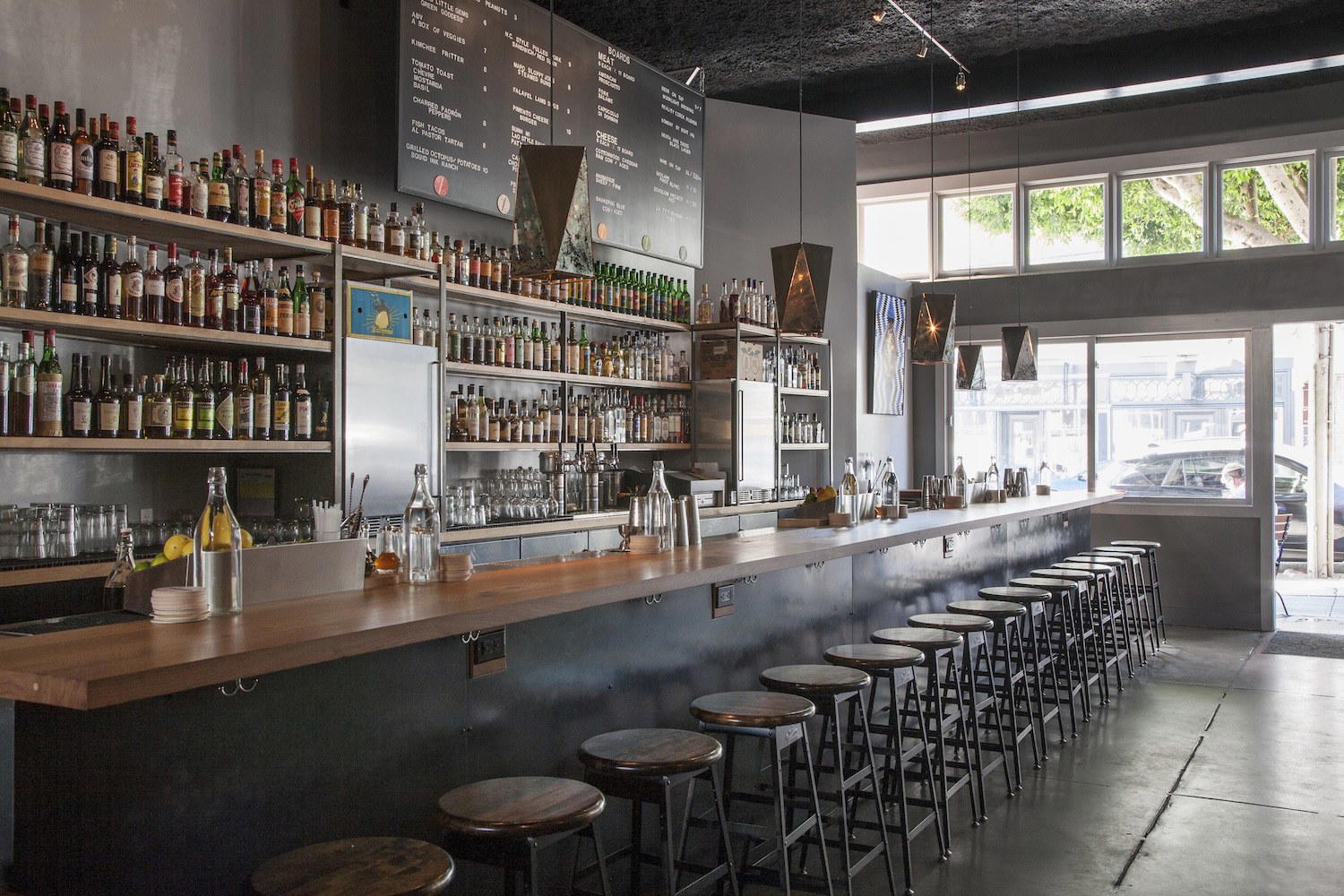
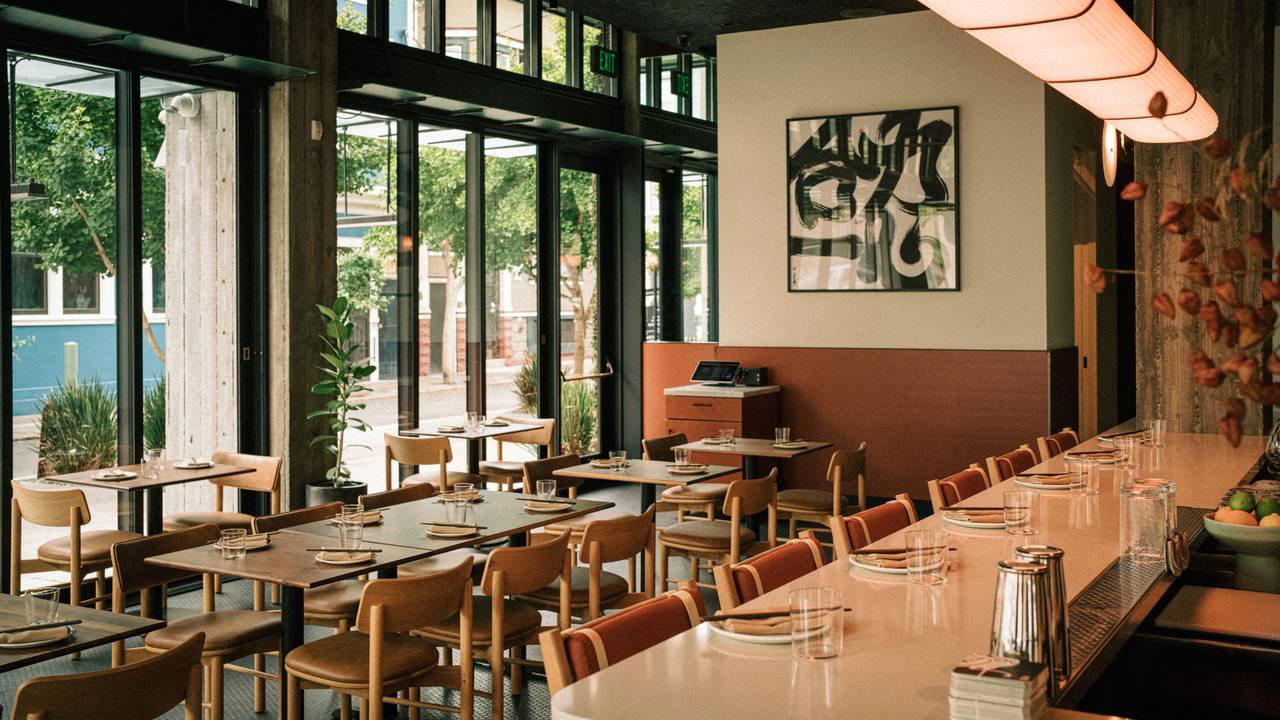
Hotels in San Francisco
Browse all →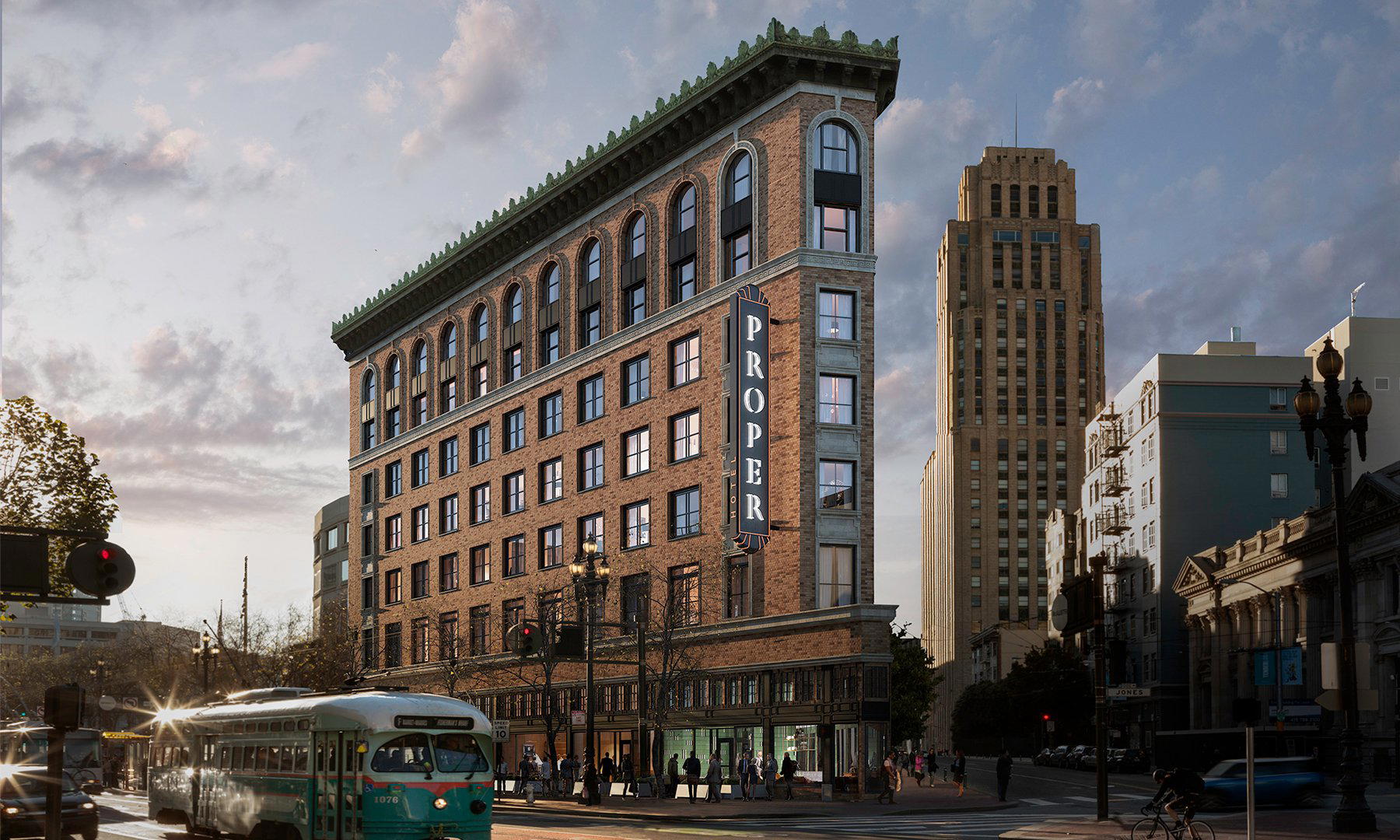
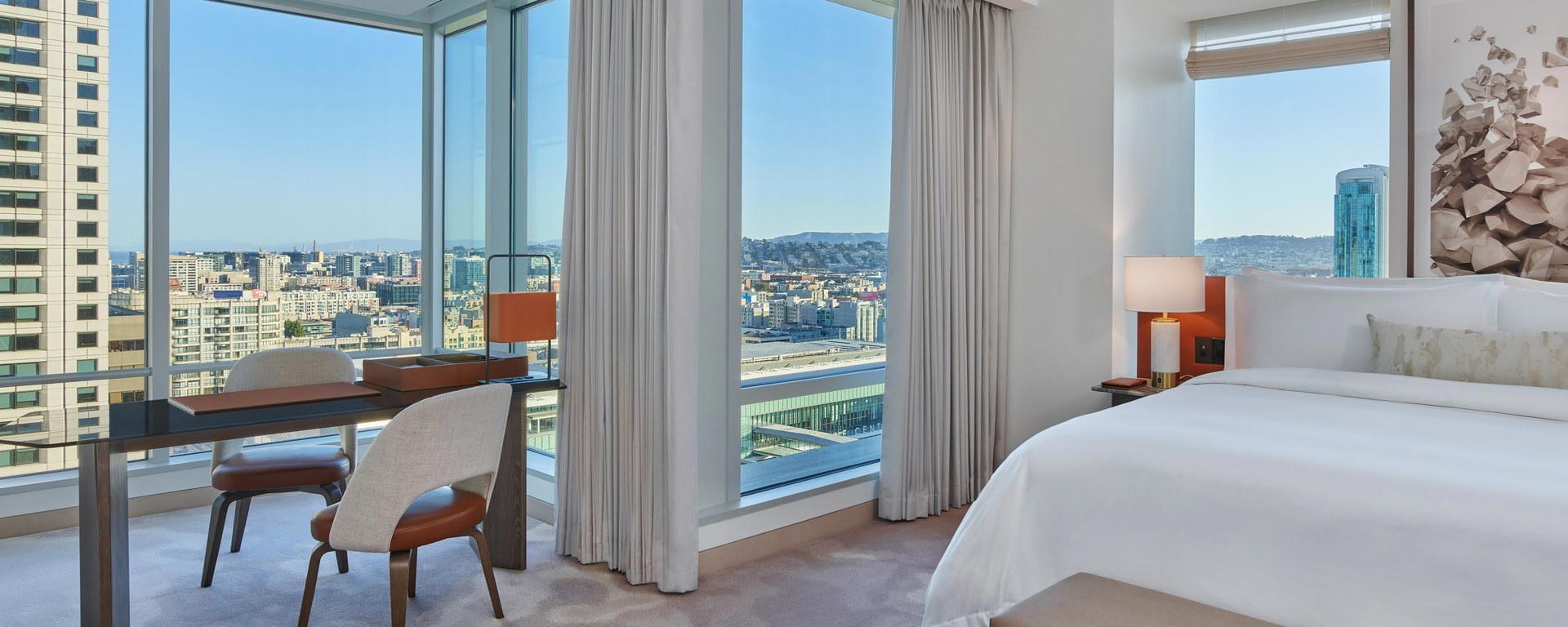
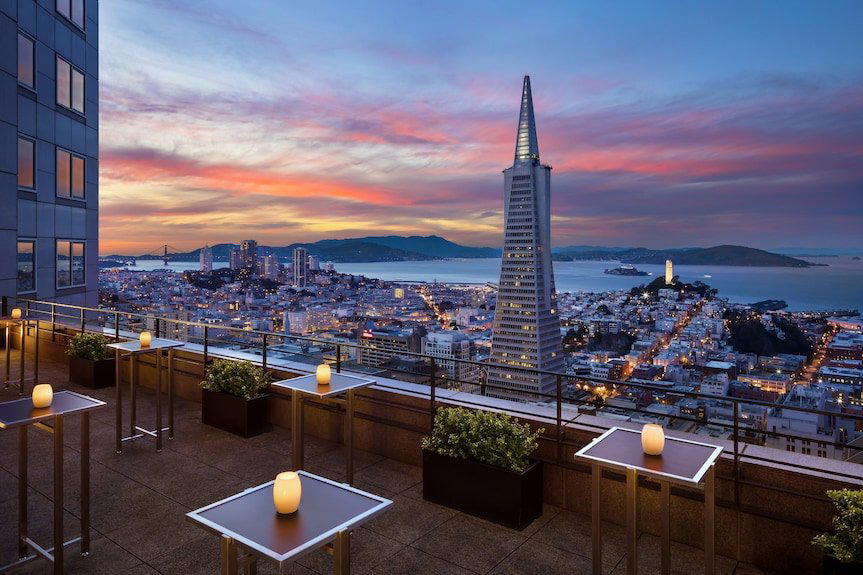
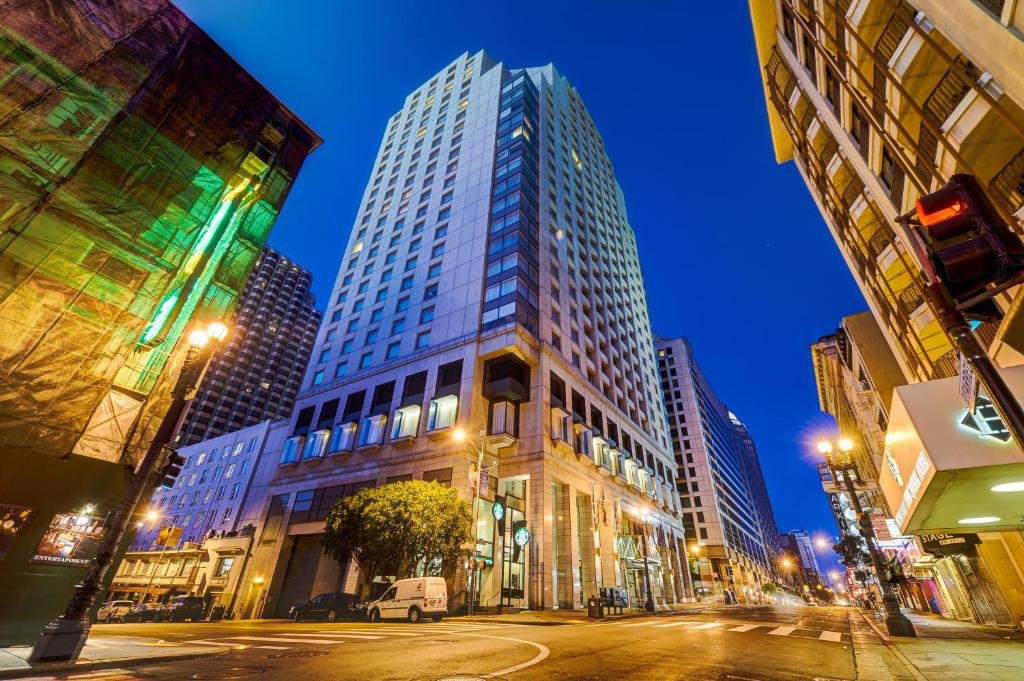
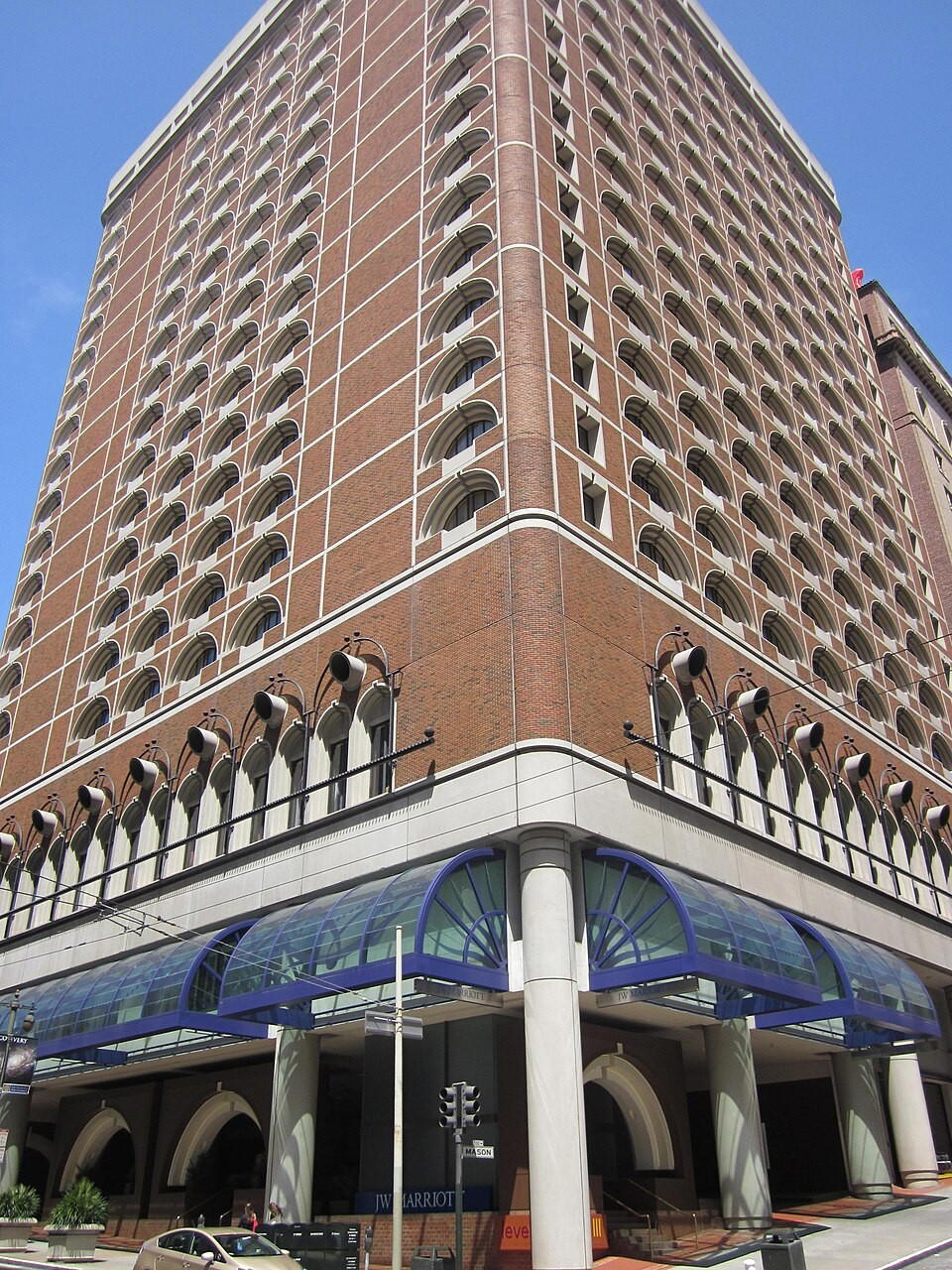
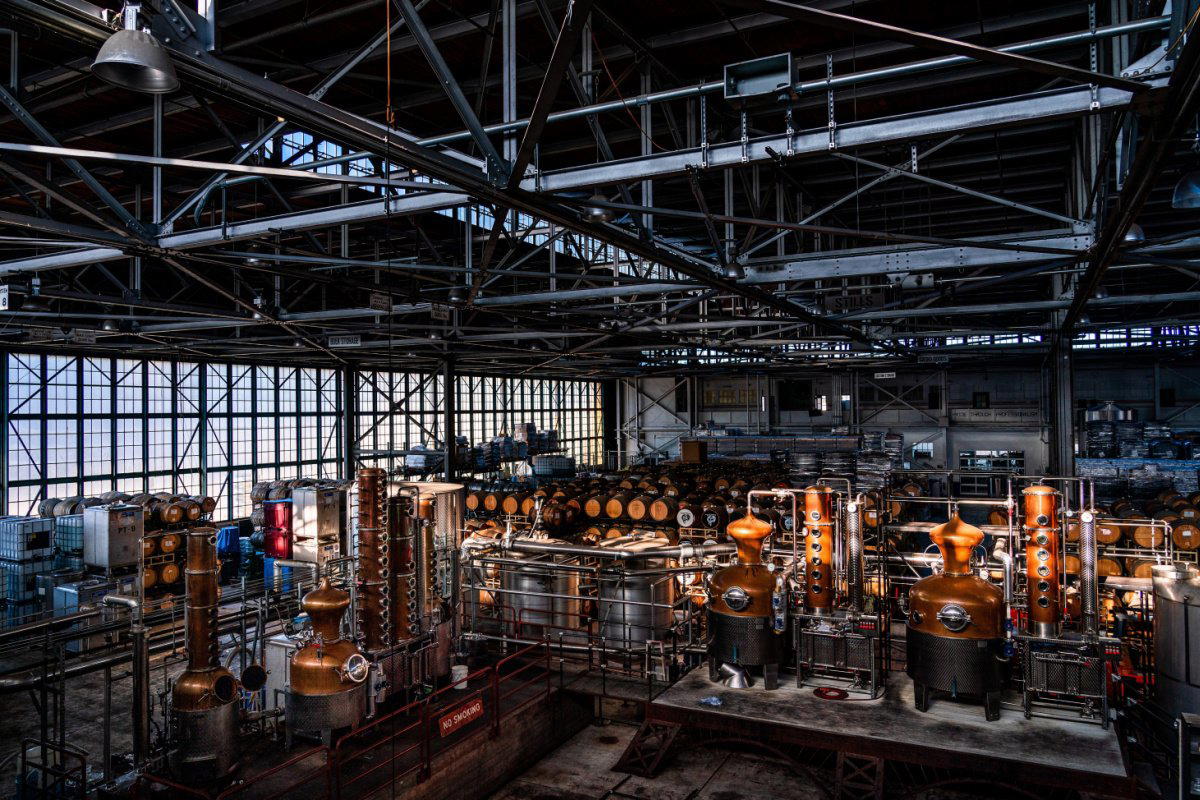
At a Glance
- Modern
- Industrial
- Lively
- Brunch
- Casual Hangout
- After Work
- Date Night
- Standalone
- Historic Building
- Craft Cocktails
- Local Sourcing
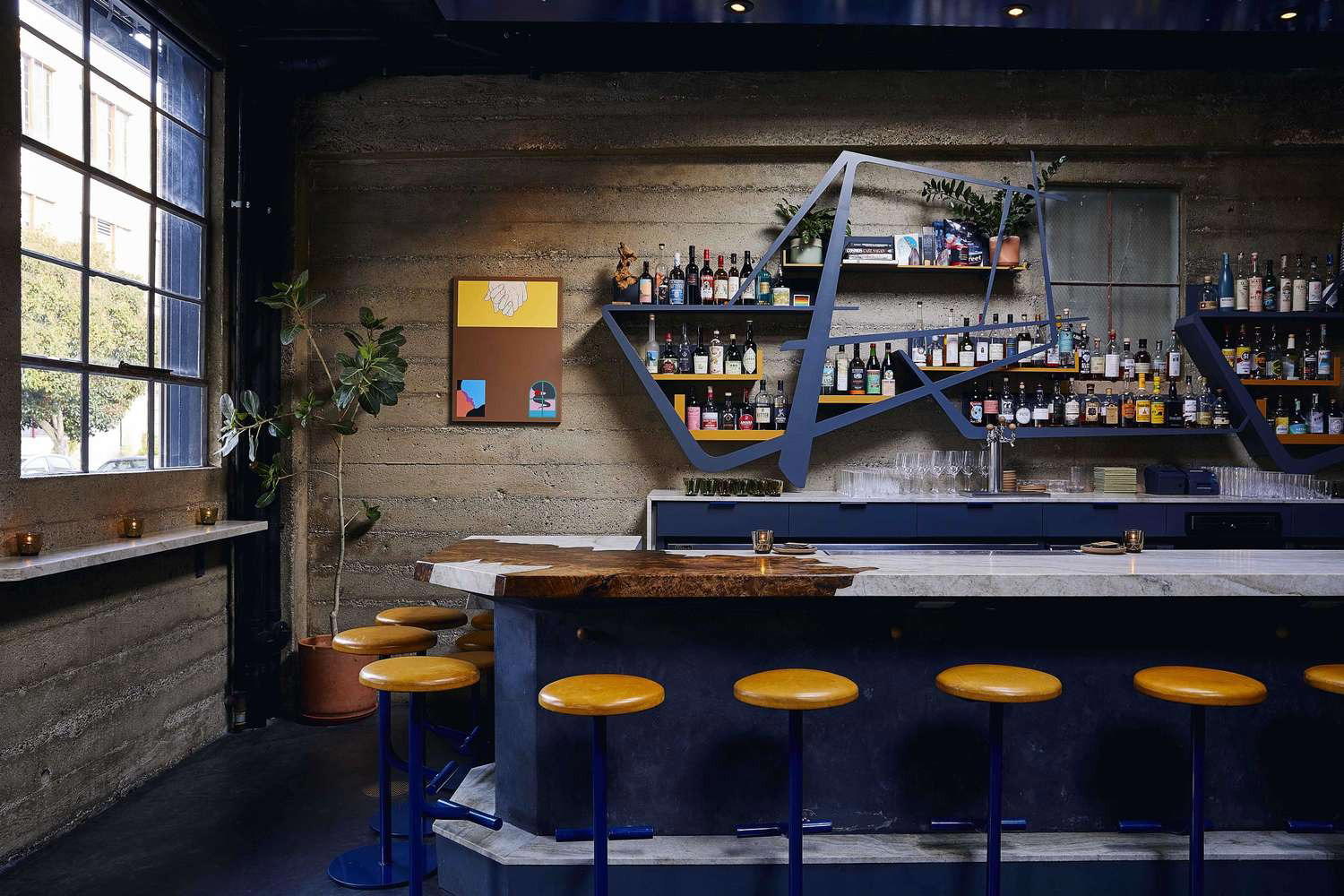
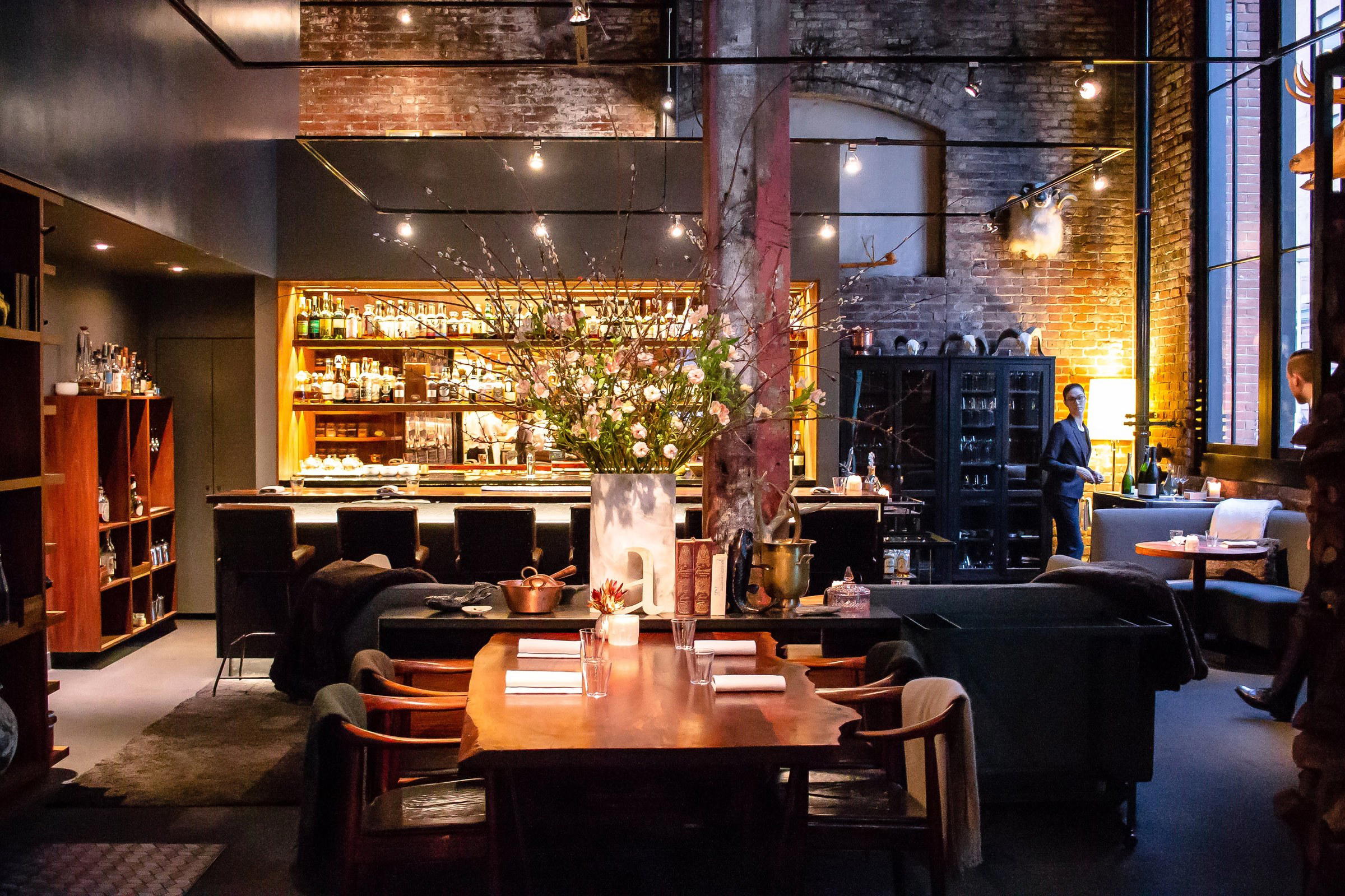
Modern industrial atmosphere in a brick warehouse with a high-ceilinged dining room and lively brunch-and-dinner energy.