San Ho Won





1 Michelin Star · New York Times Best Restaurants in San Francisco · Esquire Best New Restaurants #10
Our verdict
San Ho Won brings Michelin-starred Korean BBQ to San Francisco's Mission District, where Corey Lee applies the same precision that defines his three-star Benu to charcoal-grilled meats and fermented banchan. Ranked #38 in Opinionated About Dining's North America list for 2025, this is Korean BBQ operating at a tier well above the genre's casual default, serious cooking in an accessible price bracket.

Pearl is the En Primeur Club membership app, where members save venues, book tables and use the concierge.
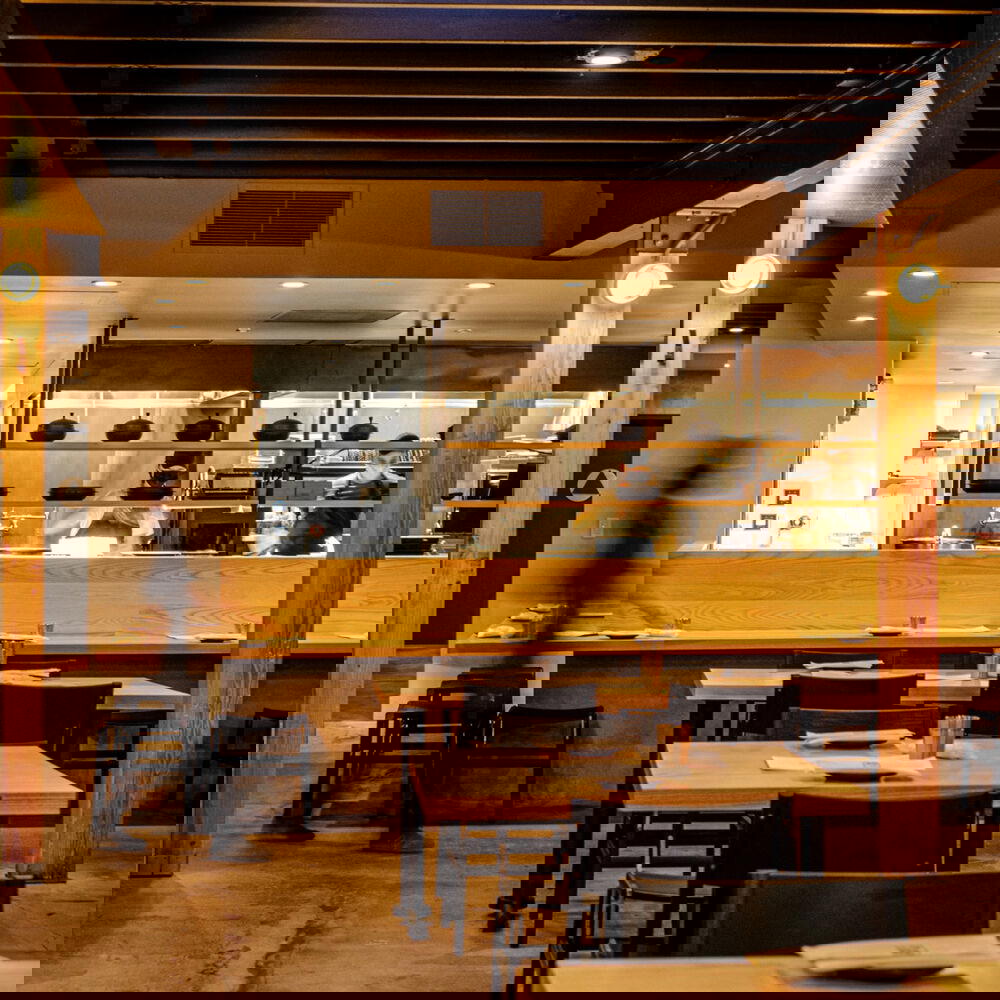
The menu
What to order
- Double-Cut Galbi
- Mandu
- Egg Soufflé
- Kimchi Jjigae
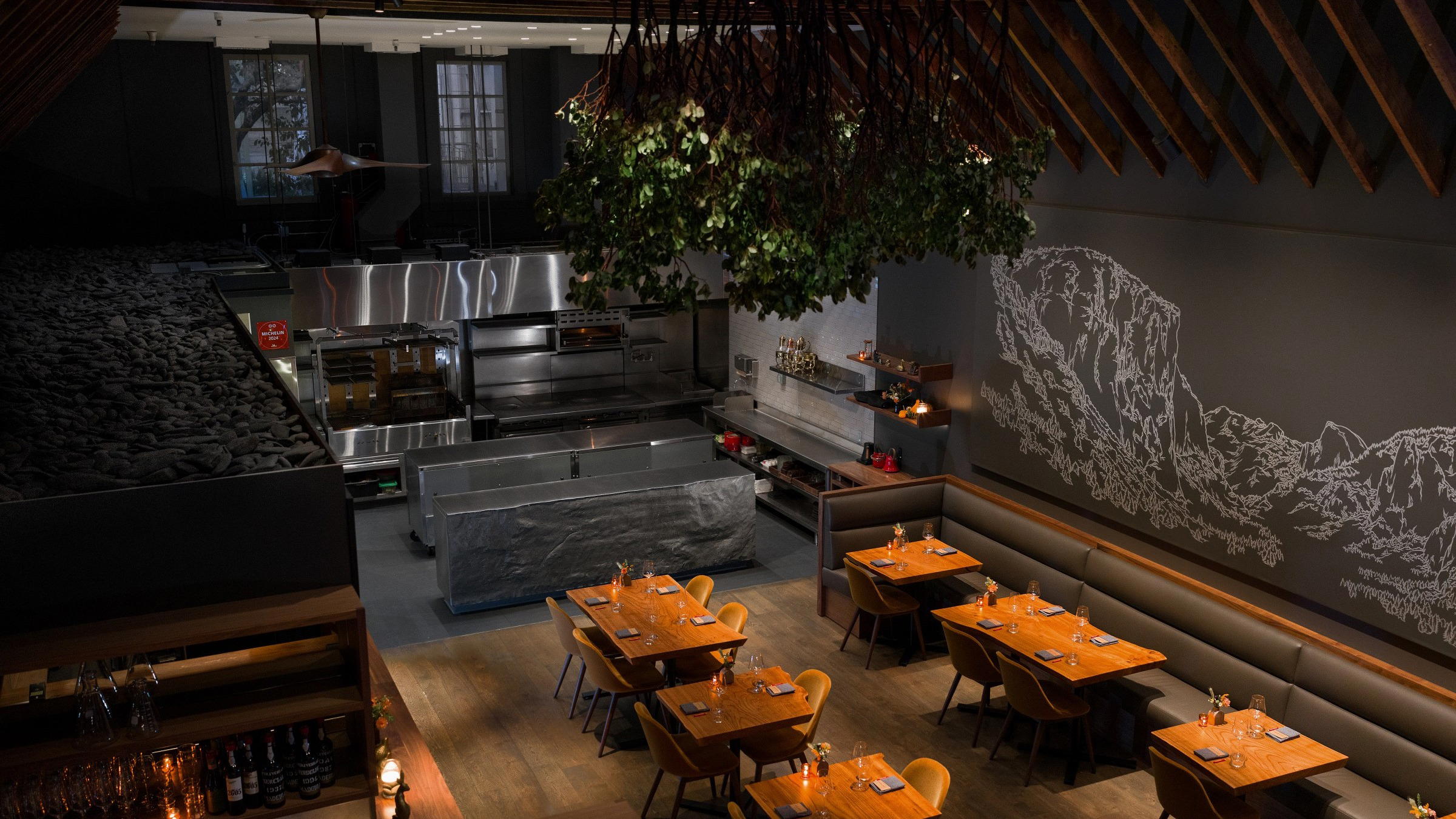
Bryant Street at Night
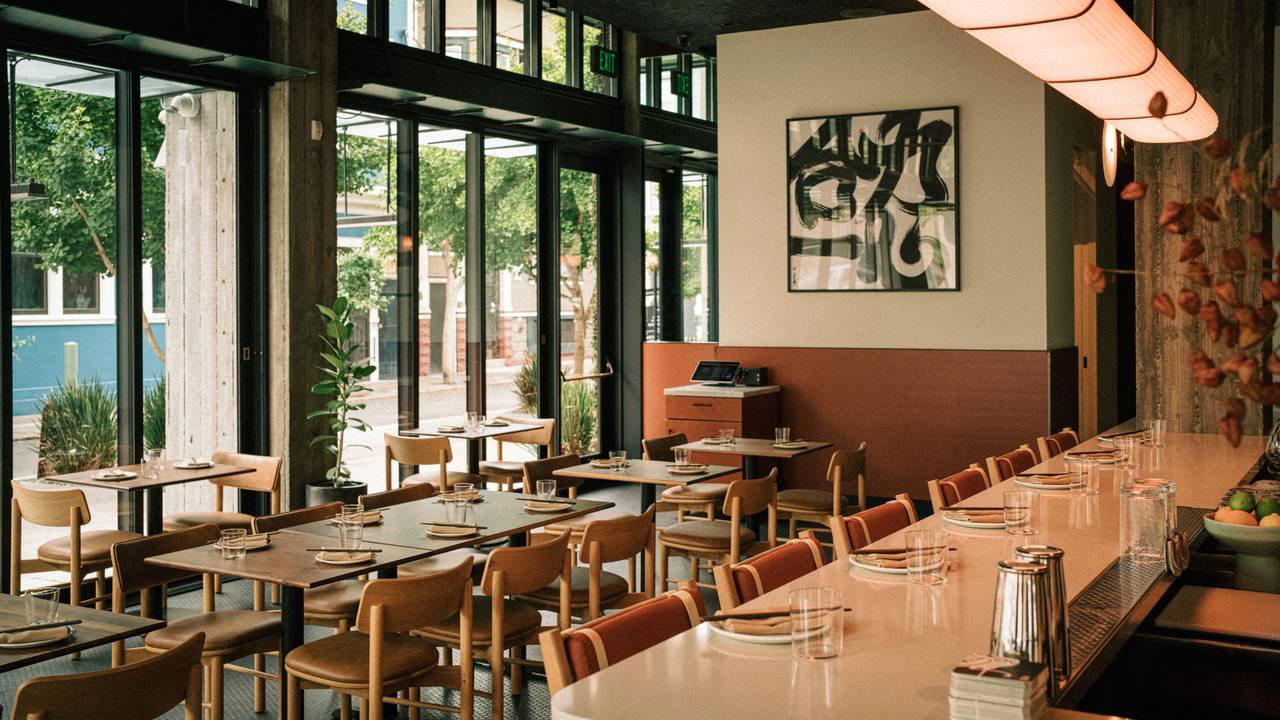
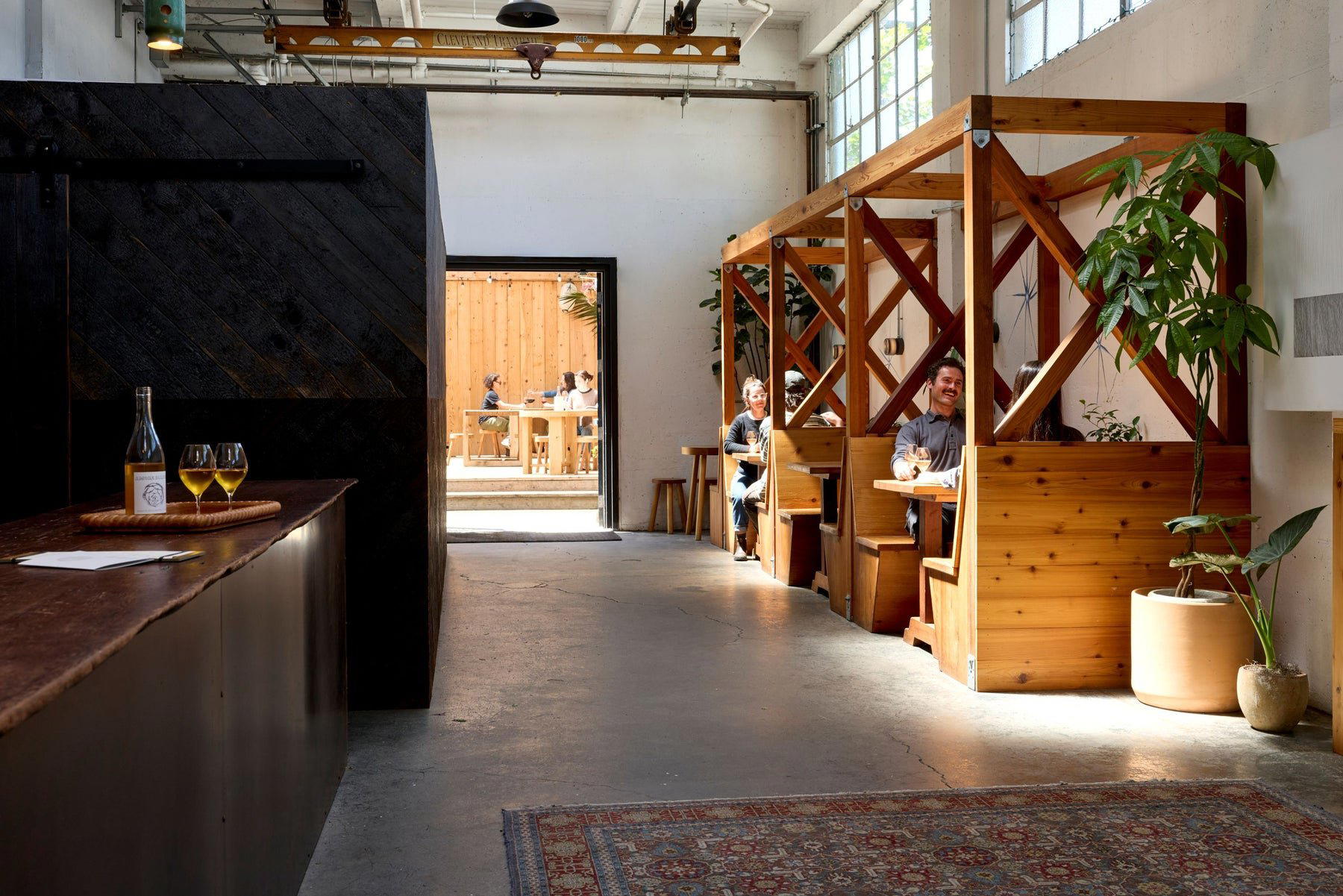
The Mission District has long operated as San Francisco's most democratic dining corridor, a stretch where taquerias, natural wine bars, and ambitious chef-driven projects coexist without the financial district formality that governs dining further north. On Bryant Street, San Ho Won occupies that zone where neighbourhood ease meets serious culinary intent. The room does not announce itself with ceremony. The approach is deliberate: Korean BBQ as a format that rewards lingering, smoke, and repetition rather than tasting-menu progression.
That atmospheric register matters because it sets up the central tension in what San Ho Won is doing. The techniques and sourcing standards operating in the kitchen belong to a Michelin-starred context. The format, grilled meats, shared plates, charcoal at the table, is one of the most communal and tactile dining experiences in the Korean tradition. The evening service leans into both simultaneously, and that combination is what has driven consistent recognition since the restaurant opened in 2021.
A Format With Its Own Logic
Korean BBQ in the United States occupies a peculiar position in the fine dining conversation. The format is inherently social, designed around the table rather than the kitchen pass, and has historically sat outside the tier where Michelin inspectors concentrate attention. What has shifted over the past decade, in cities from Los Angeles to New York, is a growing category of Korean-led restaurants where the BBQ format is treated as a serious culinary vehicle rather than a casual default. Atomix in New York City represents one end of that evolution, an omakase format drawing on Korean culinary tradition. San Ho Won represents a different approach: keeping the BBQ ritual intact while applying the ingredient standards and technical discipline of fine dining.
That positioning is not incidental. San Ho Won holds a Michelin star as of both 2024 and 2025, a sustained recognition that places it in a different competitive conversation than Korean BBQ broadly. Among San Francisco's starred restaurants, it also occupies a distinct price tier. The $$$ bracket sits meaningfully below the $$$$ pricing of peers like Lazy Bear, Benu, Atelier Crenn, Quince, and Saison. A Michelin star at this price point is relatively rare in San Francisco's fine dining tier, and it shapes the kind of audience the restaurant attracts: guests who want serious cooking without the full financial and logistical commitment of a tasting menu evening.
The Dinner Service: Where the Format Performs
San Ho Won does not offer lunch. The restaurant opens daily at 5pm, 5 to 9:30pm Sunday through Thursday, extending to 10pm on Friday and Saturday. That dinner-only structure is a deliberate alignment with the nature of Korean BBQ as a format. The meal is built for the evening: charcoal heat, shared ordering, banchan arriving in sequence, time measured in rounds of grilling rather than courses. The evening service at San Ho Won is not a quick turnaround operation. The format encourages the table to slow down.
This is a significant distinction from many of San Ho Won's Michelin-starred peers in the city. At Benu or Atelier Crenn, the tasting menu imposes its own pacing, the kitchen controls the rhythm. At San Ho Won, the table controls it. That shift in agency changes the social dynamic of the meal entirely, and it is one reason the restaurant attracts a broader range of dining occasions: celebrations that want informality, groups that want to eat at their own pace, guests who find tasting menu structure constraining.
The Opinionated About Dining ranking trajectory tells its own story about how the restaurant has performed over time. Ranked #80 in North America in 2023, it moved to #44 in 2024 and #38 in 2025, a consistent upward movement that reflects sustained quality rather than an opening-year surge. For context, OAD rankings weight heavily toward repeat guest experiences and critical consensus, so a three-year upward trajectory carries more signal than a single award.
Corey Lee and the Peer Context
San Francisco's fine dining scene has historically been shaped by chefs with strong institutional lineage, kitchens trained in French technique, Napa sourcing philosophy, or the Bay Area's own farm-to-table tradition. Corey Lee belongs to that generation of American chefs with French Laundry pedigree, and Benu, his three-Michelin-star flagship on Hawthorne Street, has held its position among the city's most recognised restaurants for over a decade. San Ho Won represents a different mode: a project operating closer to Korean culinary tradition, in a more accessible format, at a lower price point.
That kind of bifurcation in a chef's portfolio is not unusual at this level. The French Laundry in Napa and Single Thread Farm in Healdsburg represent similar patterns in Northern California, chefs operating at multiple tiers and formats simultaneously. What distinguishes San Ho Won is that it does not function as a casual spinoff in the traditional sense. The Michelin recognition confirms that the kitchen is not coasting on name recognition; the cooking is independently earning its tier.
For broader context on how this level of Korean-focused cooking is developing nationally, Atomix in New York provides a useful reference point at the higher end of the price and format spectrum. Outside the Korean category, the pattern of chefs applying fine dining standards to a traditionally casual national cuisine also has parallels in other cities: Le Bernardin in New York City codified French seafood technique for an American fine dining context, and Providence in Los Angeles applied similar discipline to West Coast ingredients. San Ho Won is working through an analogous question with Korean BBQ as its vehicle.
Where San Ho Won Sits Among Its Peers
| Venue | Cuisine / Format | Price Tier | Michelin Stars | Lunch Service |
|---|---|---|---|---|
| San Ho Won | Korean BBQ | $$$ | 1 Star | No (dinner only) |
| Lazy Bear | Progressive American | $$$$ | 2 Stars | No |
| Benu | French-Chinese | $$$$ | 3 Stars | No |
| Atelier Crenn | Modern French | $$$$ | 3 Stars | No |
| Quince | Italian Contemporary | $$$$ | 3 Stars | No |
| Saison | Progressive American | $$$$ | 2 Stars | No |
The table makes the value argument concrete. It is also the only one where the format is inherently shareable rather than fixed-progression, which changes the calculus for groups and guests who want flexibility in how much they order.
Planning the Visit
San Ho Won is at 2170 Bryant Street in the Mission District. Service runs from 5pm daily, closing at 9:30pm Sunday through Thursday and 10pm on Friday and Saturday. There is no lunch service. The Pearl Guide included it as a recommended restaurant in 2025, and its Esquire recognition as a leading new restaurant in 2022 established early critical consensus that the OAD rankings have since reinforced.
For guests building a broader San Francisco itinerary, the EP Club guides cover the full range: see our full San Francisco restaurants guide, our full San Francisco hotels guide, our full San Francisco bars guide, our full San Francisco wineries guide, and our full San Francisco experiences guide. For reference points outside the Bay Area, the same standard of Korean-informed fine dining can be tracked through Atomix in New York, while the broader American fine dining tier finds its clearest comparators at Alinea in Chicago and Emeril's in New Orleans. International context for cooking at this level extends to 8½ Otto e Mezzo Bombana in Hong Kong, where a comparable model of European fine dining technique applied to Asian-influenced cooking has sustained long-term recognition.
Frequently asked questions
What dish is San Ho Won famous for?
San Ho Won is primarily associated with its Korean BBQ program, which applies the ingredient sourcing and technical standards of its Michelin-starred kitchen to charcoal-grilled meats and traditional fermented banchan. The restaurant's Benu-lineage kitchen brings a level of preparation discipline to the BBQ format that distinguishes it from the broader Korean BBQ category in San Francisco. Chef Corey Lee's involvement and the restaurant's sustained Michelin recognition across 2024 and 2025 provide the clearest signal of what the kitchen is producing at any given time.
The Quick Read
| Venue | Cuisine | Price | Awards | Notes |
|---|---|---|---|---|
| San Ho WonThis venue (the venue you are viewing) | Modern Korean BBQ | $100–150 | 1 Michelin Star · New York Times Best Restaurants in San Francisco | Not listed |
| Lazy Bear | Modern American Tasting Menu | Not listed | 2 Michelin Stars · World's 50 Best #25 | Progressive American, Contemporary |
| Benu | Modern Asian Fusion Fine Dining | $150–200 | 3 Michelin Stars · World's 50 Best #33 | French - Chinese, Asian |
| Atelier Crenn | Contemporary French Fine Dining | $300–500 | 3 Michelin Stars · World's 50 Best #44 | Modern French, Contemporary |
| Quince | Modern French Fine Dining | $300–500 | 3 Michelin Stars · World's 50 Best #48 | Italian, Contemporary |
| Saison | Modern French-Italian | Not listed | Michelin Plate | Progressive American, Californian |
Recognition history
Dated appearances from independent guides and award organizations, with the underlying list record or original source where available.
Michelin 1 Star
Michelin
New York Times Best Restaurants in San Francisco
New York Times
Opinionated About Dining Top Restaurants in North America Ranked #69
Opinionated About Dining
San Francisco Chronicle Top 100 Bay Area Restaurants #20
San Francisco Chronicle
Esquire Best New Restaurants #10
Esquire
Full recognition history (10 entries)
Michelin 1 Star
Michelin
Opinionated About Dining Top Restaurants in North America Ranked #38
Opinionated About Dining
Michelin 1 Star
Michelin
Opinionated About Dining Top Restaurants in North America Ranked #44
Opinionated About Dining
Opinionated About Dining Top Restaurants in North America Ranked #80
Opinionated About Dining
Continue exploring
More in San Francisco
More from Chef Corey Lee
Browse all →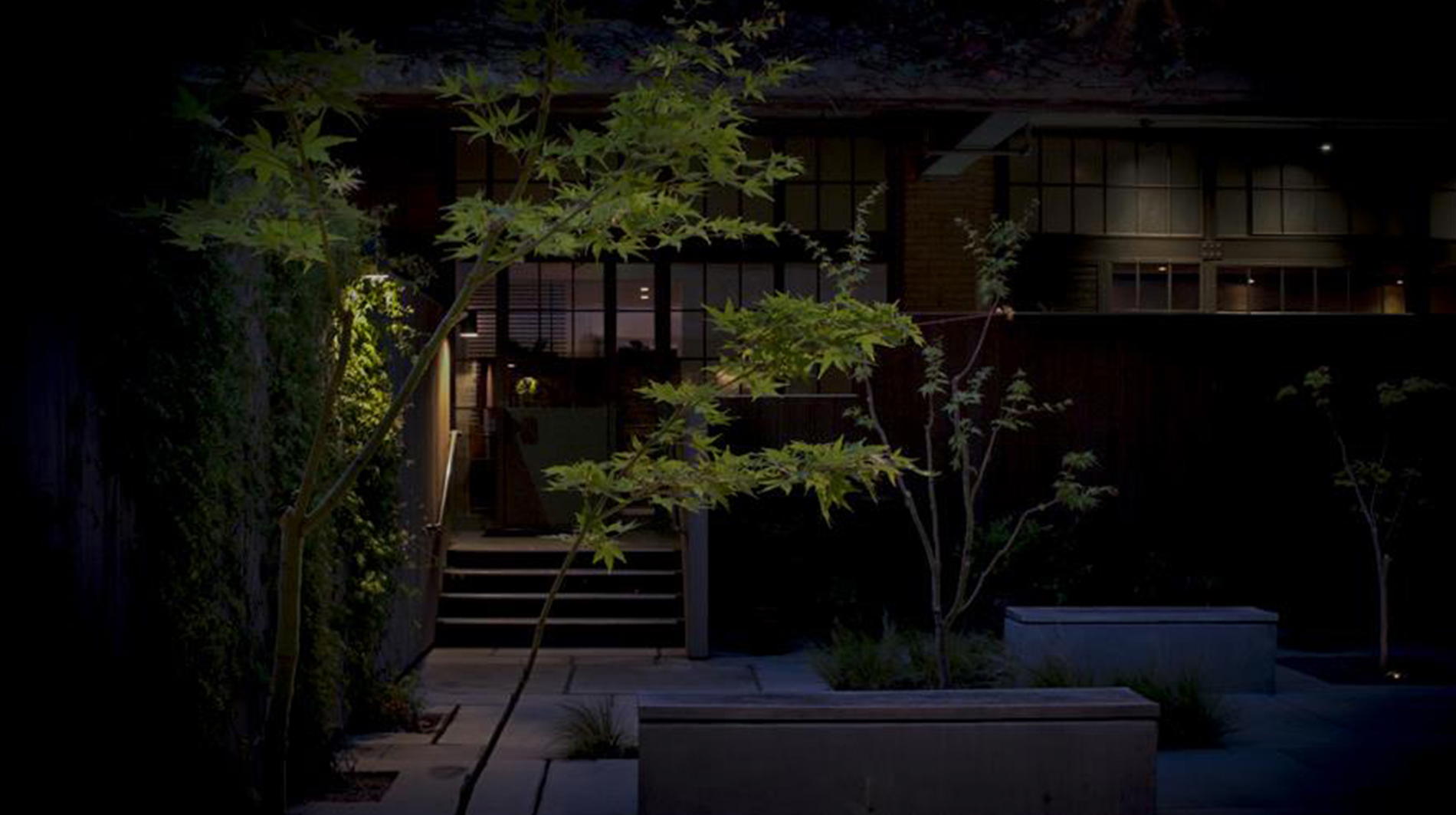
Restaurants in San Francisco
All restaurants in San Francisco →
Bars in San Francisco
All bars in San Francisco →
Details
- Modern
- Trendy
- Sophisticated
- Minimalist
- Date Night
- Special Occasion
- Open Kitchen
- Local Sourcing
- A La Carte
- Tasting Menu
- Small Plates
Current opening hours
- Monday
- 5–9:30 PM
- Tuesday
- 5–9:30 PM
- Wednesday
- 5–9:30 PM
- Thursday
- 5–9:30 PM
- Friday
- 5–10 PM
- Saturday
- 5–10 PM
- Sunday
- 5–9:30 PM
Hours can change for holidays and private events. Last verified .