

1 Michelin Star · Tabelog 100 #64
Our verdict
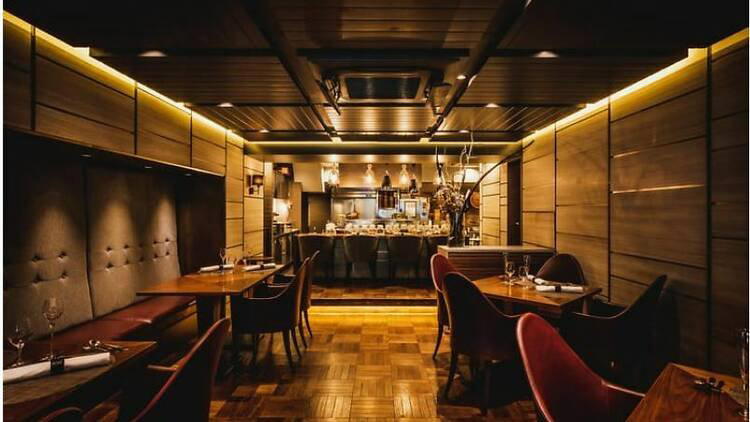
A Michelin one-star Chinese restaurant in Azabudai, Minato, Series builds multi-course menus from small, ingredient-led dishes that draw on techniques and produce from across the globe. Chicken wings stuffed with foie gras, spiced beef with steamed preparation, and Peking duck in kadaif pastry signal a kitchen that treats Chinese cuisine as a starting point rather than a boundary. Pairings run across wine, sake, and cocktails.

Pearl is the En Primeur Club membership app, where members save venues, book tables and use the concierge.
The menu
What to order
- Chicken Wings Stuffed with Foie Gras
- Peking Duck
- Claypot Stew with Shark Fin
Azabudai and the New Shape of Chinese Dining in Tokyo
Tokyo's Chinese restaurant scene has spent the past decade fragmenting into distinct tiers. At one end sit the long-established Cantonese and Sichuan houses that built their reputations on regional faithfulness, venues like Chugoku Hanten Fureika and Chugoku Hanten Kohakukyu (Amber Palace), both operating at the top of that tradition. At the other end, a smaller cohort has pushed Chinese cooking toward a more experimental register, treating the cuisine's core vocabulary of braising, steaming, and roasting as raw material for wider culinary arguments. Series, a Michelin one-star in Azabudai's Minato district, belongs firmly to that second category.
Azabudai itself has become a territory of interest for serious dining. The neighbourhood sits between Roppongi and Toranomon, drawing an international professional crowd and a local contingent willing to spend at the ¥¥¥ tier for cooking that makes a clear point of view. That context matters: Series is not positioned as a destination for anyone seeking the comfort of familiar Chinese formats. The address places it in a part of the city where international reference points are normal currency, and the restaurant's kitchen reflects that environment directly.
The Format: Small Dishes, Wide Reference Points
The name Series refers to the menu structure itself: a sequence of many small dishes rather than a conventional multi-course progression. In a city where kaiseki logic has permeated even non-Japanese fine dining, the format carries recognisable DNA, but the contents depart sharply from anything the kaiseki tradition would recognise. The kitchen draws on ingredients and preparation methods from numerous countries, which means the menu operates more like an edited conversation between Chinese technique and global produce than a survey of any single regional tradition.
The dishes confirmed in the Michelin documentation give a clear signal of the kitchen's approach. Steamed spicy beef replaces the more common chicken in preparations where chicken would be the default, a small substitution that sharpens flavour and signals the kitchen's willingness to rethink received formats. Chicken wings stuffed with foie gras pair a Chinese banquet staple with one of French cuisine's most labour-intensive preparations. Peking duck arrives wrapped in kadaif pastry, the shredded wheat dough associated with Turkish and Levantine pastry-making, which replaces the conventional pancake and adds a different textural argument. Taken together, these dishes describe a kitchen that treats Chinese cuisine as a starting point rather than a constraint.
That approach places Series in an interesting peer conversation internationally. Restaurant Tim Raue in Berlin and Mister Jiu's in San Francisco operate in similar territory: Chinese culinary roots reinterpreted through local market conditions and international training. Tokyo's version of that conversation comes with the added pressure of one of the world's most demanding fine dining markets, where Michelin recognition is harder to earn and easier to compare against a deep field.
Drinks: A Pairing Programme That Refuses to Specialise
The pairing programme at Series is structured to match the menu's refusal of easy categorisation. Wine, sake, and cocktails are all offered as pairing options, which is an unusual approach at the ¥¥¥ tier. Most restaurants at this price point either commit to a wine list or lean on sake as the natural companion for food with Japanese market exposure. Offering all three as genuine alternatives is a deliberate statement that no single beverage tradition owns the table. It also gives the kitchen more room to manoeuvre: a dish that reads as French in its fat structure can be paired with Burgundy, while a preparation with cleaner, more aromatic Japanese produce can move to sake without the logic breaking down. The cocktail option adds a further register for dishes where the spice and citrus profile makes mixed drinks the more precise match.
Positioning and Price in Context
At the ¥¥¥ price tier, Series sits below the ¥¥¥¥ bracket occupied by venues like Ippei Hanten and the wider field of Tokyo's top-tier creative restaurants, including kaiseki rooms such as RyuGin and innovation-led addresses. That pricing, combined with a Michelin star awarded in 2024, positions it as the kind of restaurant that rewards early attention: the recognition is recent, the price has not yet moved to reflect the full weight of the award, and the format is still being discovered by the international audience that tends to follow Michelin lists with a lag.
For context on where Series sits within Tokyo's broader creative dining conversation, the city's scene includes addresses across multiple cuisines operating at a comparable level of ambition. itsuka and Koshikiryori Koki represent different points on the spectrum of Japanese-rooted cooking, while the starred Chinese tier that Series now occupies is smaller and, as a result, easier to read as a complete picture. Beyond Tokyo, the same appetite for creative cooking with a clear regional root runs through venues like HAJIME in Osaka, Gion Sasaki in Kyoto, akordu in Nara, Goh in Fukuoka, 1000 in Yokohama, and 6 in Okinawa, each making a distinct argument about what Japanese market conditions do to a kitchen's ambitions.
Planning Your Visit
Series is located at 3 Chome-4-11 1F, Azabudai, Minato City, Tokyo 106-0041. Price tier: ¥¥¥ (mid-to-upper range for Tokyo's starred tier). Recognition: Michelin one star, 2024. Reservations: Booking details are not published; the most reliable route is through a hotel concierge or a specialist reservation service familiar with Tokyo's smaller starred rooms. Dress: Not formally specified, but the neighbourhood and price point suggest smart casual as a minimum. Getting there: Azabudai is accessible from Roppongi-itchome station (Namboku Line) and Kamiyacho station (Hibiya Line). Drinks: Wine, sake, and cocktail pairings are offered. Timing: As a 2024 Michelin entrant, lead times for booking may increase as the listing gains wider international attention, earlier is safer. For more on planning a visit to Tokyo, see our full Tokyo restaurants guide, our full Tokyo hotels guide, our full Tokyo bars guide, our full Tokyo wineries guide, and our full Tokyo experiences guide.
Frequently asked questions
Is Series better for a quiet night or a lively one?
The format, many small dishes, a considered pairing programme, an address in the low-rise residential-commercial streets of Azabudai rather than a high-traffic entertainment district, points toward a composed, focused evening rather than a convivial one. The Michelin one-star recognition and the ¥¥¥ price tier attract a clientele that comes to eat attentively. If you want energy, Roppongi is walking distance. If you want to eat well and think about what you're eating, Series is the more appropriate choice.
What is the signature dish at Series?
The Michelin documentation names three preparations that define the kitchen's approach: steamed spicy beef (which substitutes beef for the conventional chicken in that preparation), chicken wings stuffed with foie gras, and Peking duck wrapped in kadaif pastry in place of the standard pancake. The kadaif duck is the most discussed, because it places a Chinese roast tradition inside a Middle Eastern and Mediterranean pastry context in a way that reshapes the textural experience of the dish entirely. That combination of Chinese culinary identity and global technique, delivered in the small-plate Series format, describes the restaurant's creative stance more accurately than any single item.
Cost and Credentials
A small set of peers for context, based on recorded venue fields.
| Venue | Cuisine | Price | Awards | Notes |
|---|---|---|---|---|
| SeriesThis venue (the venue you are viewing) | Modern Chinese Fine Dining | $200–300 | 1 Michelin Star · Tabelog 100 #64 | Not listed |
| Harutaka | Edo-Style Omakase Sushi | $200–300 | 3 Michelin Stars · World's 50 Best #76 | Sushi |
| RyuGin | Modern Kaiseki | $500+ | 3 Michelin Stars · World's 50 Best #41 | Kaiseki, Japanese |
| L'Effervescence | Modern French with Japanese Influences | $200–300 | 3 Michelin Stars · World's 50 Best #69 | French |
| HOMMAGE | Modern French with Japanese Influences | $150–200 | 2 Michelin Stars · World's 50 Best #78 | Innovtive French, French |
| MAZ | Innovative Peruvian-Japanese Fusion | $150–200 | 2 Michelin Stars · World's 50 Best #28 | Innovative |
Recognition history
Dated appearances from independent guides and award organizations, with the underlying list record or original source where available.
Michelin 1 Star
Michelin
Tabelog 100 #64 · No. 64
Tabelog · Tabelog 100 - Chinese cuisine - TOKYO - 2026
Full recognition history (3 entries)
Michelin 1 Star
Michelin
Series
Featured Guides
Continue exploring
More in Tokyo
Restaurants in Tokyo
All restaurants in Tokyo →
Bars in Tokyo
All bars in Tokyo →




Details
- Modern
- Sophisticated
- Elegant
- Special Occasion
- Business Dinner
- Open Kitchen
- Sake Program
- Small Plates
- Set Menu
- Sake Program
Current opening hours
- Monday
- 6–11 PM
- Tuesday
- 6–11 PM
- Wednesday
- 6–11 PM
- Thursday
- 6–11 PM
- Friday
- 6–11 PM
- Saturday
- 12–2 PM, 6–11 PM
- Sunday
- 12–2 PM, 6–11 PM
Hours can change for holidays and private events. Hours as of .
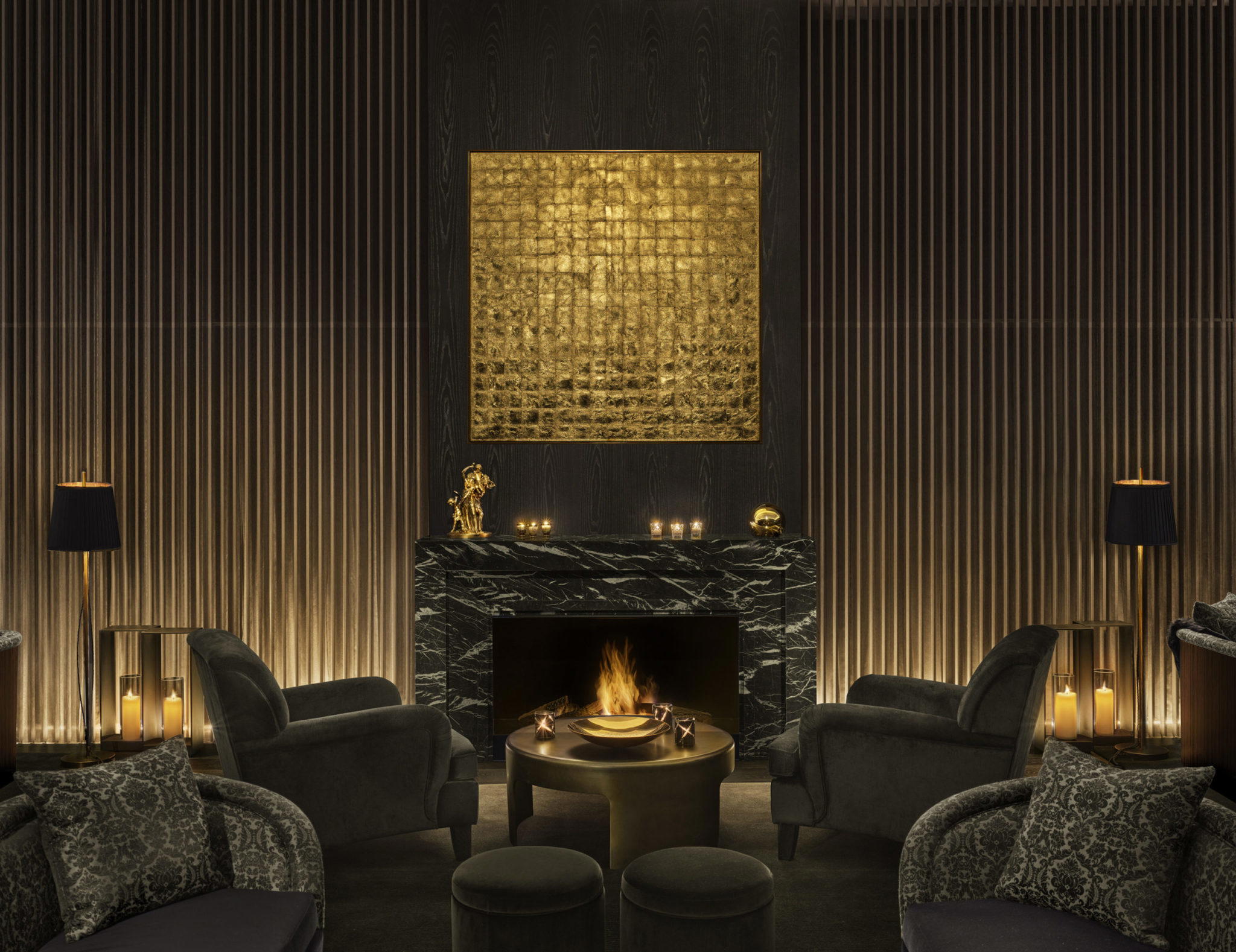
Sophisticated atmosphere with focus on culinary creativity and multi-course dining.