

1 Michelin Star · Tabelog 100 #26
Our verdict
A Michelin-starred French restaurant on the second floor of a Kasumigaseki building, L'ARGENT channels Scandinavian technique and French classical structure through a Japanese ingredient lens. The kitchen draws from Shizuoka producers and the chef's hometown heritage in Kakegawa, producing a tasting menu where fermented mushroom soups and foie gras torchon with local tea signal a precise, cross-cultural approach. Rated 4.6 on Google across 137 reviews.

Pearl is the En Primeur Club membership app, where members save venues, book tables and use the concierge.
The menu
What to order
- Foie gras terrine with green tea
- Fermented mushroom soup
- Wagyu beef
A Second Floor in Kasumigaseki Where Three Culinary Traditions Converge
Kasumigaseki sits at the administrative core of Tokyo, a district of government ministries and corporate towers that clears out after business hours and rarely features in conversations about where to eat. That relative quiet makes the second floor of a building on Kasumigaseki 3-chome something of a counterintuitive address for serious French dining. L'ARGENT holds a Michelin star earned in the 2024 guide, and it operates in a part of the city where the competition for that kind of recognition is thin on the ground. In the broader Tokyo French restaurant tier, where L'Effervescence operates at three stars and Sézanne has carved out a distinct identity in Nihonbashi, L'ARGENT occupies a one-star bracket defined less by competitive density and more by a genuinely unusual culinary framework.
The framework itself is worth pausing on. Most contemporary French restaurants in Tokyo work along one of two axes: strict classical technique applied to Japanese ingredients, or Japanese kaiseki sensibility reframed in French plating language. L'ARGENT does neither cleanly. The kitchen adds a third vector, Scandinavian innovation, drawn from Copenhagen training, that changes the logic of how the menu is constructed. The result is less a fusion exercise and more a structured argument about what happens when fermentation, foraging discipline, and restraint meet the French classical canon inside a Japanese ingredient context. For Tokyo's broader restaurant landscape, that tripartite approach is uncommon even within the already sophisticated French dining tier.
The Menu as a Map of Influences
Two dishes function as the clearest evidence for how the kitchen thinks. The first is a foie gras torchon prepared with Kakegawa tea, a green tea sourced from the chef's hometown in Shizuoka Prefecture. Foie gras torchon is a French classical preparation with narrow room for structural deviation, the interest here comes from the pairing, where the tannin and vegetal character of a specific regional tea interacts with the fat of the liver in a way that is less ornamental than recalibrating. The second is a mushroom soup built from produce delivered by Shizuoka Prefecture producers, fermented before being made into the broth. Fermentation as a flavour-deepening technique rather than a preservation necessity is the Copenhagen influence arriving directly on the plate.
What these two dishes share is a commitment to specificity of provenance over generality of concept. The tea is not simply Japanese green tea, it is from Kakegawa. The mushrooms are not simply local, they come from identified producers in a named prefecture. That level of sourcing granularity is consistent with how the better French restaurants in Japan have distinguished themselves from their European counterparts: the ingredient supply chain in Japan, built on direct producer relationships, allows for a precision that broad European sourcing rarely matches. Comparable approaches appear at ESqUISSE and Florilège, both of which have built their identities around deep producer networks, though each within a different stylistic register than L'ARGENT.
Wine at L'ARGENT: Reading Between the Lines of a Cross-Cultural Kitchen
The editorial angle on the wine program at L'ARGENT requires some inference, since the restaurant does not publish a detailed list in accessible sources. What the kitchen's structure implies is worth considering. A menu that moves between Scandinavian fermentation logic, Japanese ingredient precision, and French classical architecture creates pairing challenges that a conventionally Francophile list would not fully address. Classic Burgundy and Champagne remain the gravitational centre of wine service at Michelin-starred French restaurants in Tokyo, Château Restaurant Joël Robuchon sets a benchmark for cellar depth at the luxury end of that tradition, but the more interesting question for a kitchen like L'ARGENT's is whether the sommelier has built outward from that core.
Restaurants working at the intersection of Nordic and French technique elsewhere in Asia have tended to bring in natural wines and lower-intervention producers as a complement to classical pours, on the logic that fermentation-forward cooking reads differently with wines that carry similar oxidative or lactic qualities. Whether L'ARGENT follows that pattern is unconfirmed, but the pairing question itself, how to serve a Kakegawa-tea foie gras and a fermented Shizuoka mushroom broth in sequence, is one that a thoughtful list would need to answer deliberately.
Across Asia, the French restaurants most often cited for serious cellar work, Les Amis in Singapore with its Burgundy-anchored depth, or Hotel de Ville Crissier at the European end of the tradition, tend to pair cellar ambition with kitchen ambition at a similar level. The Michelin recognition at L'ARGENT puts it in the conversation for comparable seriousness of program, even if the documentation remains sparse.
Kasumigaseki as Context
The location matters more than it might initially appear. Tokyo's Michelin-starred French restaurants cluster in Ginza, Minami-Aoyama, Marunouchi, and Nihonbashi, commercial or retail zones with the density and evening foot traffic to sustain reservation-led dining. Kasumigaseki is adjacent to the Ginza cluster geographically but culturally distinct: a government and office district where dinner-hour traffic is primarily from within the professional community rather than from destination-seekers. This means L'ARGENT's audience is partly local professional, partly deliberate pilgrimage. The ¥¥¥ price tier, below the ¥¥¥¥ bracket occupied by L'Effervescence, HAJIME in Osaka, and others at the top of Japan's French dining hierarchy, places it as a one-star address accessible to a wider range of guests than the ultra-premium tier, while still operating within a framework of serious creative intent.
For visitors to Tokyo building a dining itinerary, the Kasumigaseki address is reachable from central areas by metro with minimal friction. The surrounding neighbourhood offers no particular pre- or post-dinner draw, which reinforces the sense that a meal here is a self-contained commitment rather than part of a broader evening circuit. Those building across Japan should also note the wider context: Gion Sasaki in Kyoto, akordu in Nara, Goh in Fukuoka, 1000 in Yokohama, and 6 in Okinawa each represent the same broader pattern of creative, regionally sourced tasting menus that L'ARGENT exemplifies in Tokyo.
What the Michelin Recognition Signals
A first star in the 2024 guide represents external confirmation that the kitchen's cross-cultural method is executing at a level that survives scrutiny, not merely that it is conceptually interesting. The Guide Michelin Tokyo is among the most competitive national editions globally, Tokyo holds more Michelin stars than any other city, and a first star here carries a different weight than in markets with thinner competition.
For reference, comparable creative French addresses in the one-to-two-star range in Tokyo include the innovative two-star tier represented by Crony and Florilège. L'ARGENT's single star and ¥¥¥ pricing position it a step below in both recognition and cost, but the ingredient sourcing detail and the coherence of the Scandinavian-French-Japanese thesis suggest ambition pointing upward.
Explore our full Tokyo hotels guide, our full Tokyo bars guide, our full Tokyo wineries guide, and our full Tokyo experiences guide for broader itinerary context.
Planning Your Visit
L'ARGENT is located on the second floor at 3-2-6 Kasumigaseki, Chiyoda City, Tokyo, accessible via Kasumigaseki Station. The price tier is ¥¥¥. Booking in advance is advisable given the combination of star recognition and limited neighbourhood foot traffic; specific reservation availability and operating hours should be confirmed directly with the restaurant.
Frequently asked questions
What do people recommend at L'ARGENT?
Based on what the kitchen's Michelin citation documents, two preparations draw consistent attention: the foie gras torchon paired with Kakegawa green tea from Shizuoka Prefecture, and a fermented mushroom soup made from produce sourced directly from Shizuoka producers. Both dishes reflect the restaurant's structural premise, classical French technique filtered through a Nordic fermentation sensibility and grounded in named Japanese ingredients. The tasting menu format means most guests encounter the full range of the kitchen's cross-cultural argument rather than selecting individual dishes.
Do they take walk-ins at L'ARGENT?
Walk-in availability at Michelin-starred tasting menu restaurants in Tokyo is generally limited, and L'ARGENT's location in Kasumigaseki, away from the spontaneous foot traffic of Ginza or Aoyama, makes an unplanned visit a reasonable gamble only on quieter weekday evenings. If the restaurant is operating a tasting-menu-only format, as the menu structure implies, walk-in seats depend entirely on same-day cancellations. At the ¥¥¥ price point, the per-guest commitment is high enough that the kitchen is unlikely to hold seats speculatively.
Recognition, Side-by-Side
| Venue | Cuisine | Price | Awards | Notes |
|---|---|---|---|---|
| L'ARGENTThis venue (the venue you are viewing) | Modern French with Japanese Influences | $300–500 | 1 Michelin Star · Tabelog 100 #26 | Not listed |
| Harutaka | Edo-Style Omakase Sushi | $200–300 | 3 Michelin Stars · World's 50 Best #76 | Sushi |
| RyuGin | Modern Kaiseki | $500+ | 3 Michelin Stars · World's 50 Best #41 | Kaiseki, Japanese |
| L'Effervescence | Modern French with Japanese Influences | $200–300 | 3 Michelin Stars · World's 50 Best #69 | French |
| HOMMAGE | Modern French with Japanese Influences | $150–200 | 2 Michelin Stars · World's 50 Best #78 | Innovtive French, French |
| MAZ | Innovative Peruvian-Japanese Fusion | $150–200 | 2 Michelin Stars · World's 50 Best #28 | Innovative |
Recognition history
Dated appearances from independent guides and award organizations, with the underlying list record or original source where available.
Michelin 1 Star
Michelin
Tabelog 100 #26 · No. 26
Tabelog · Tabelog 100 - French - TOKYO - 2025
Full recognition history (3 entries)
Michelin 1 Star
Michelin
Continue exploring
More in Tokyo
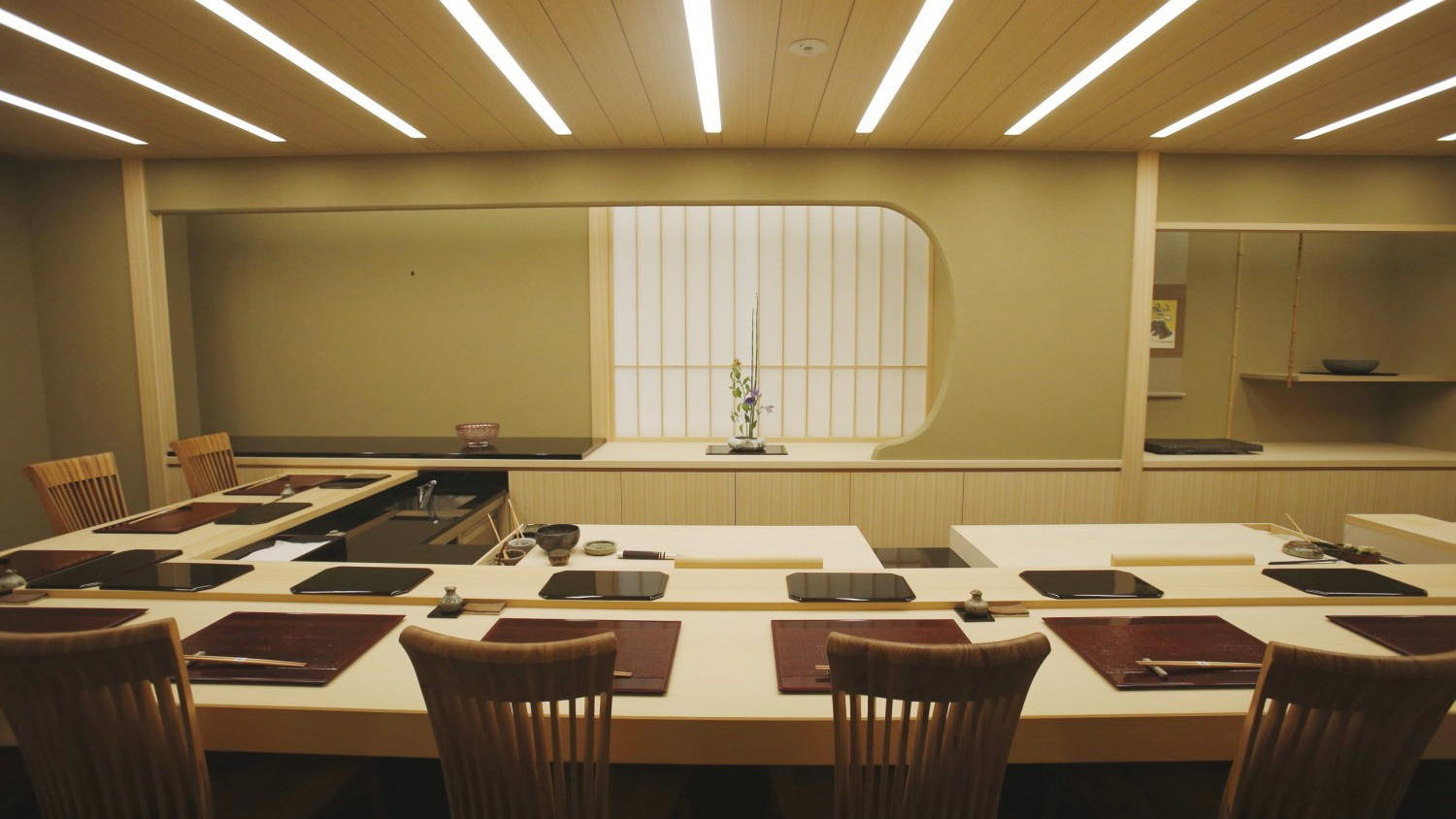
Restaurants in Tokyo
All restaurants in Tokyo →
Bars in Tokyo
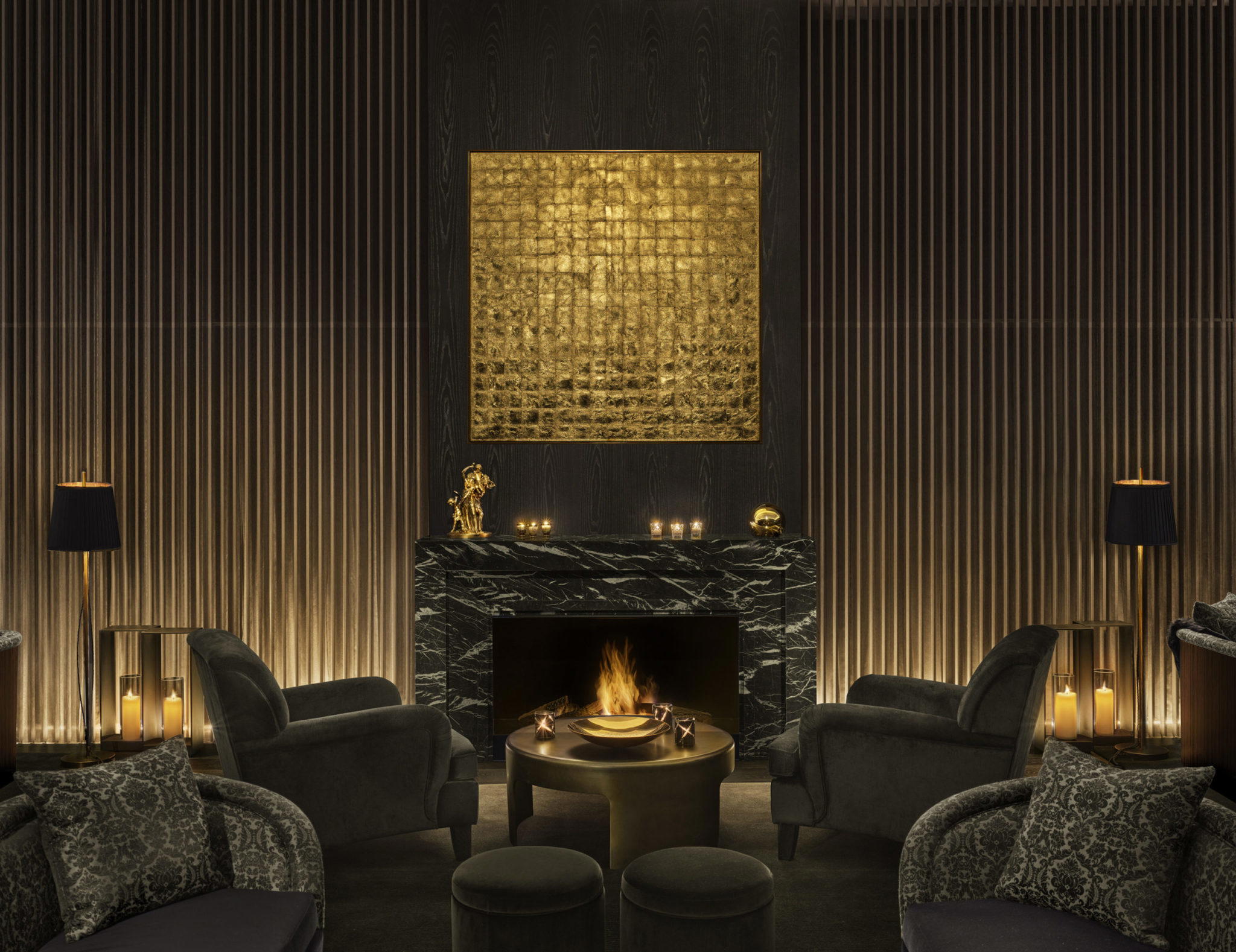
All bars in Tokyo →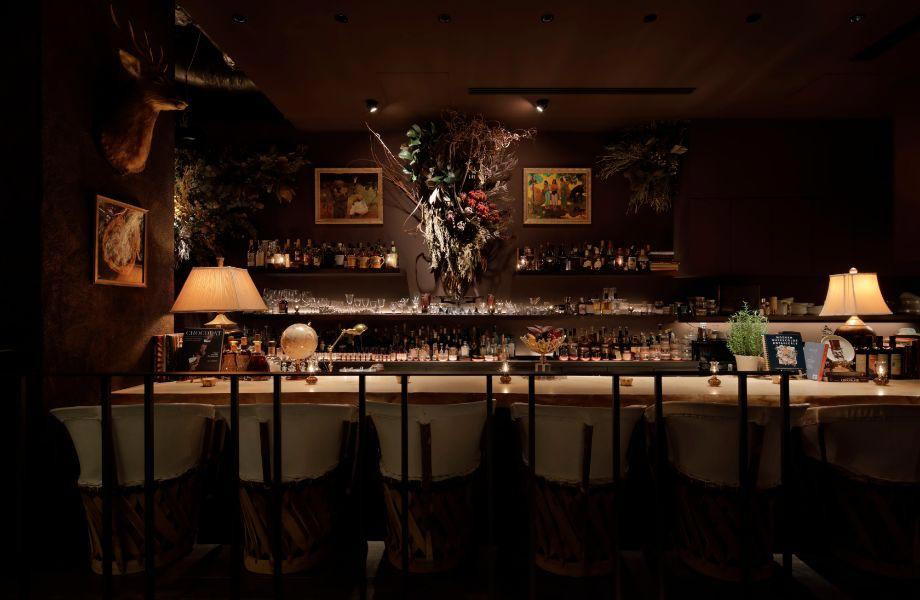

Details
- Elegant
- Sophisticated
- Modern
- Intimate
- Date Night
- Special Occasion
- Business Dinner
- Chefs Counter
- Open Kitchen
- Private Dining
- Extensive Wine List
- Sake Program
- Craft Cocktails
- Local Sourcing
- Omakase
- Tasting Menu
- Allergy Accommodating
Current opening hours
- Monday
- 12–2:30 PM, 6–10:30 PM
- Tuesday
- 6–10:30 PM
- Wednesday
- 6–10:30 PM
- Thursday
- Closed
- Friday
- 12–2:30 PM, 6–10:30 PM
- Saturday
- 12–2:30 PM, 6–10:30 PM
- Sunday
- 12–2:30 PM, 6–10:30 PM
Hours can change for holidays and private events. Last verified .
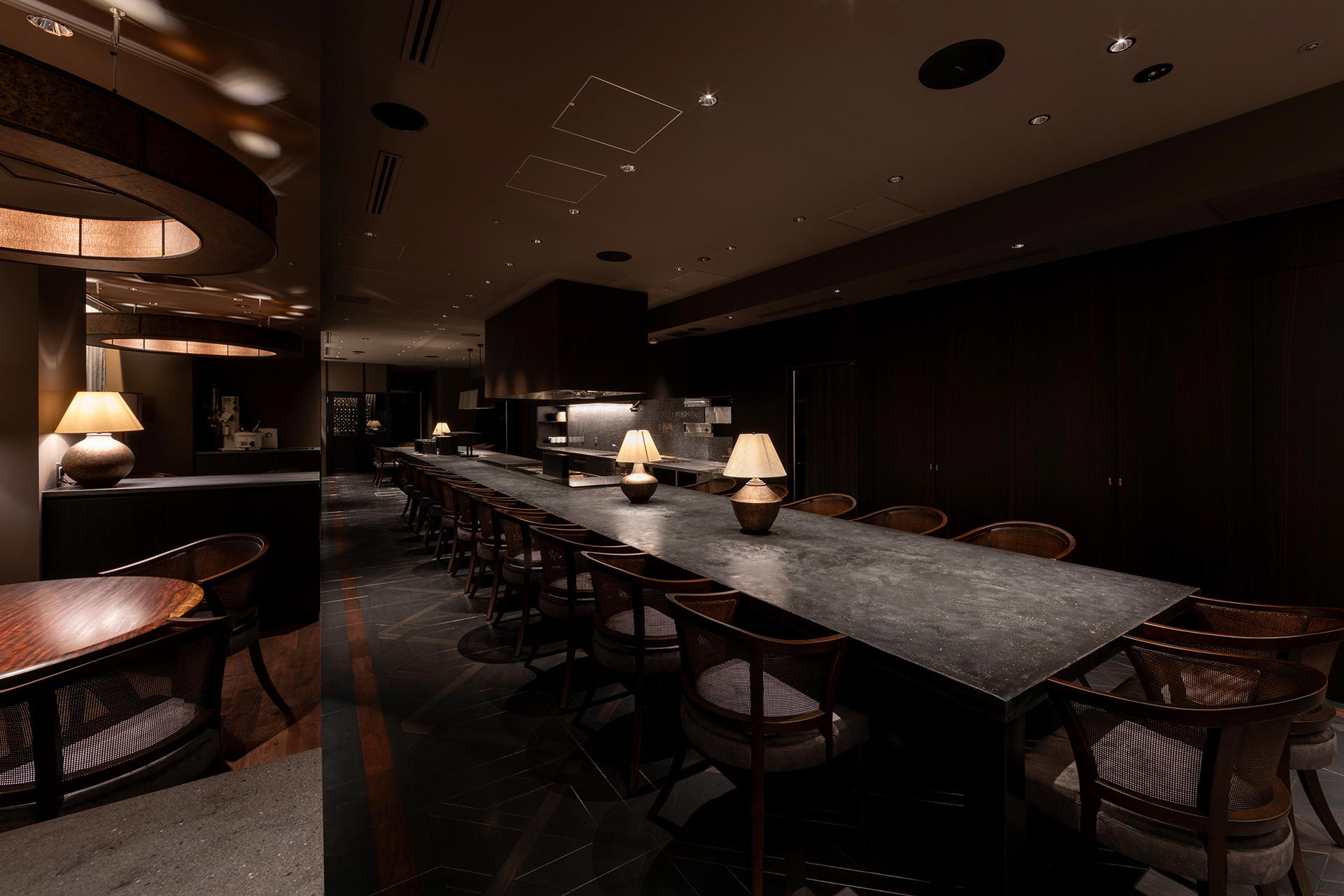
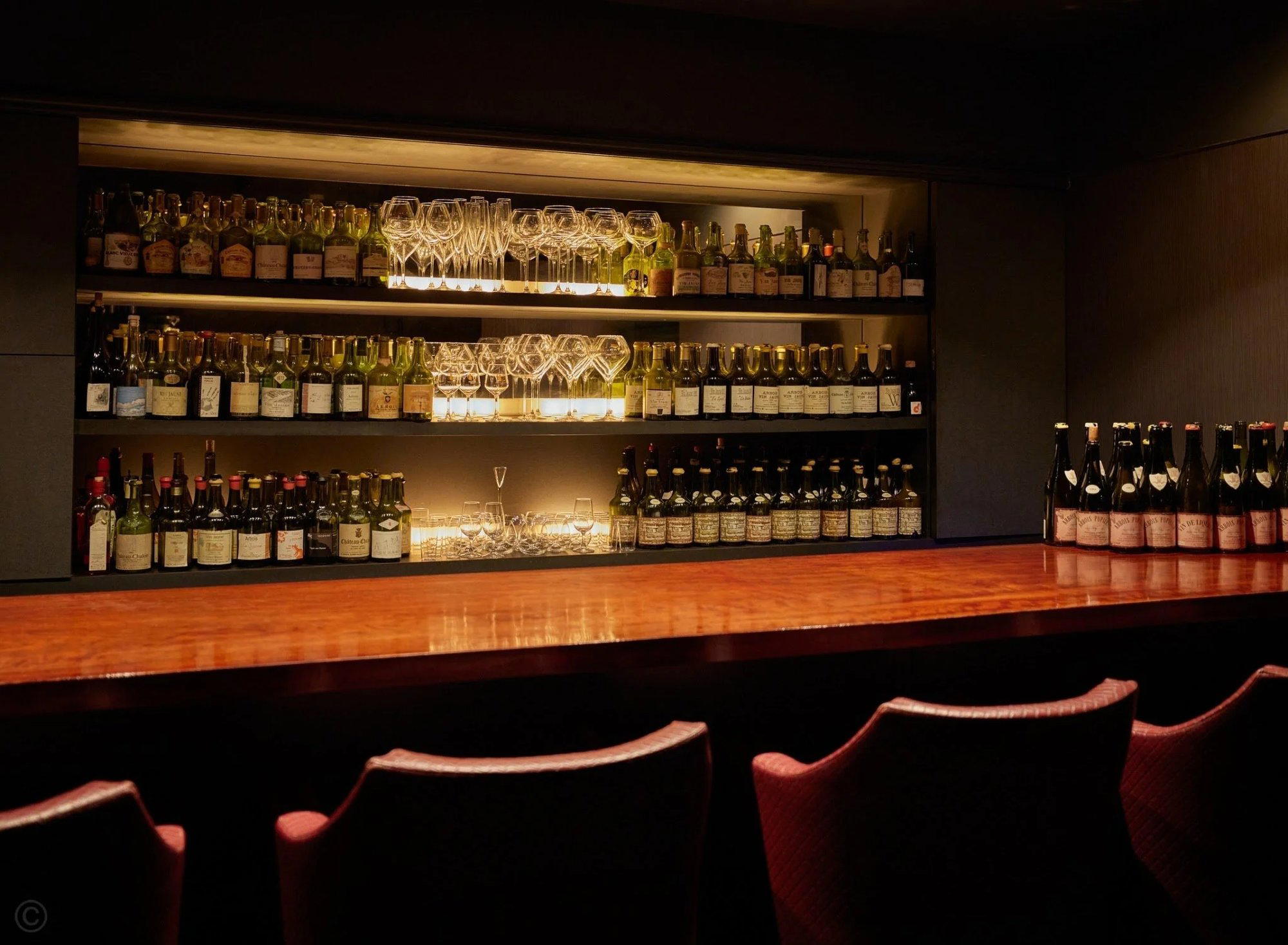
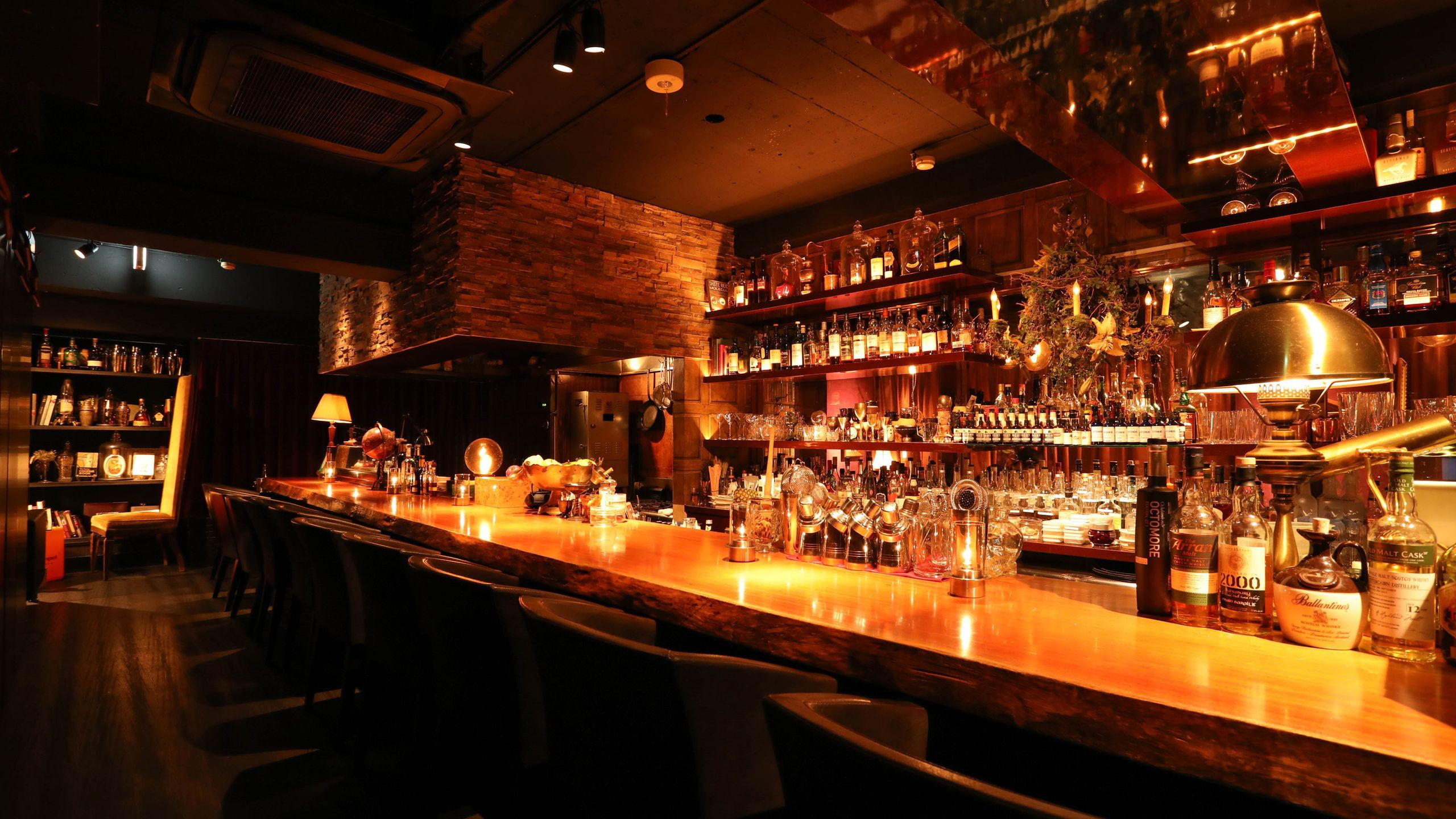
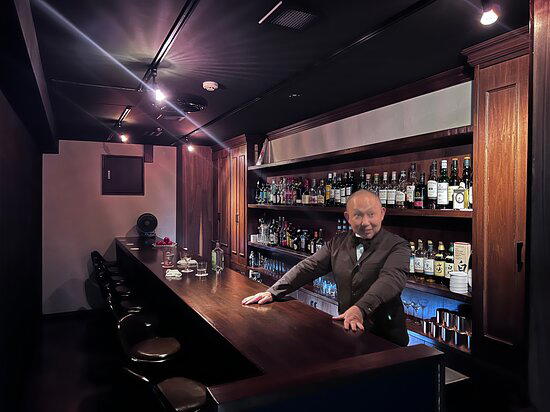
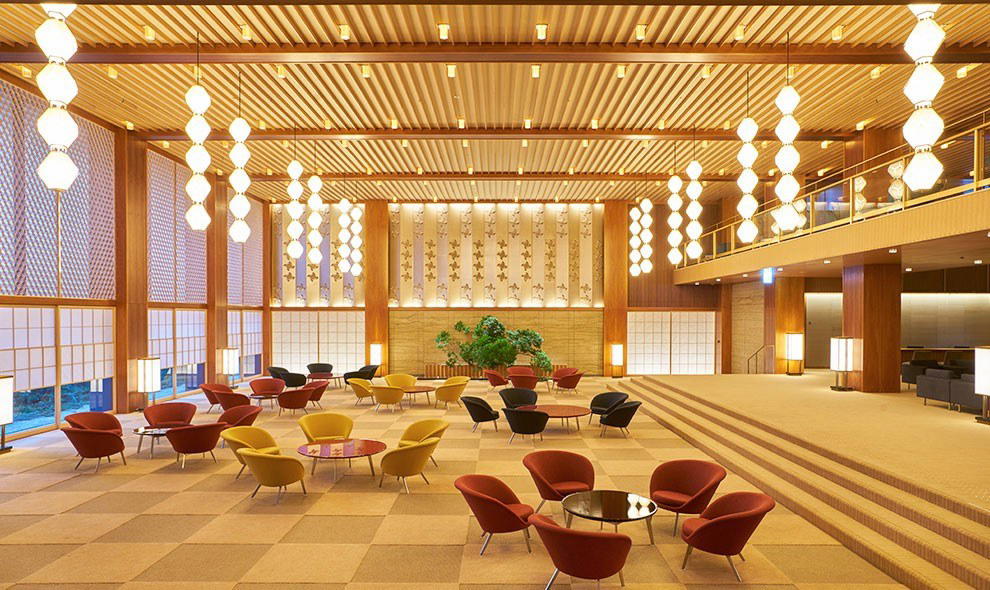
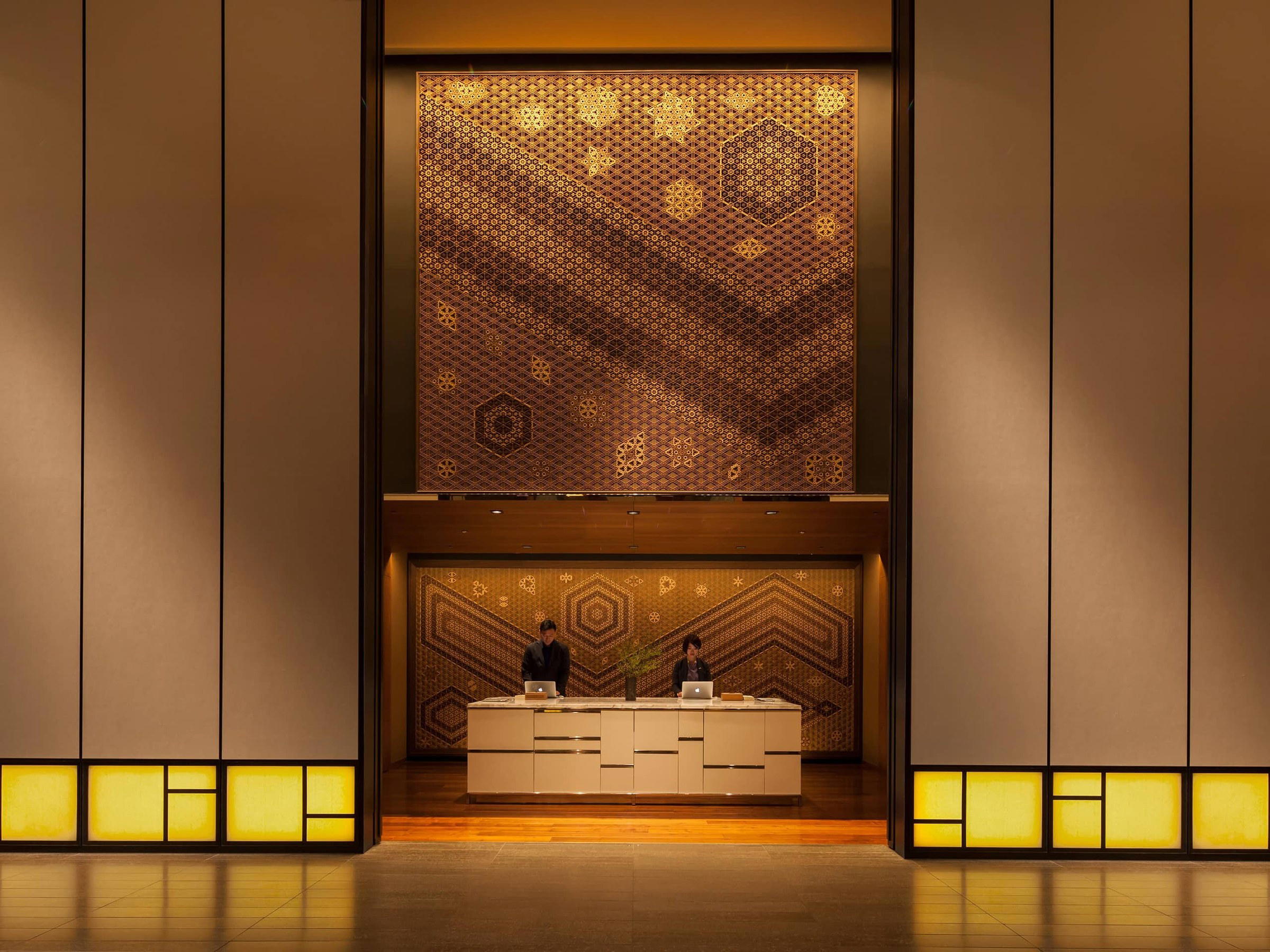
Cool silver-toned urban interior with lively counter seating for watching chefs and moody elegant table areas.