

1 Michelin Star · Tabelog 100 #44
Our verdict
Dominique Bouchet Tokyo in Ginza channels “tradition with progress,” blending grand French classics with Japanese finesse in an elegant, apartment-like setting, guided by a serious cellar and exacting, warm service.

Pearl is the En Primeur Club membership app, where members save venues, book tables and use the concierge.
The menu
What to order
- Blue Lobster Parmentier
- Menu Héritage
A French Apartment in Ginza
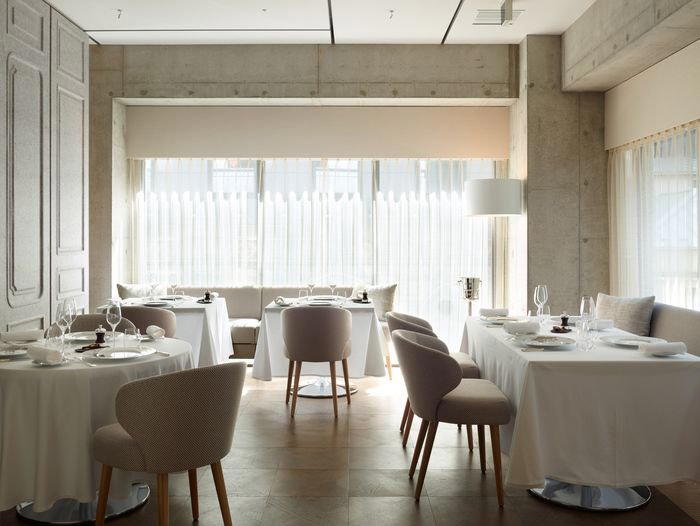
The second floor of a narrow brick building on Ginza's Rengadori speaks a deliberate design language: warm interiors arranged to evoke a Parisian apartment rather than the clinical precision that defines many of the neighbourhood's high-end dining rooms. Ornamental plates hung on the walls carry illustrations referencing Edgar Degas's depictions of dancing girls, a detail that signals the kitchen's orientation toward classical French culture as much as toward the plate. This is not a room that performs modernity for its own sake. It is, instead, a room that argues for continuity.
Ginza remains Tokyo's most concentrated address for European fine dining, a neighbourhood where French kitchens occupy a distinct tier between the capital's kaiseki tradition and its increasingly prominent Nordic and contemporary Japanese formats. Within that French cohort, the restaurant sits at a point where classical training meets measured contemporary technique, holding a Michelin one-star rating in the 2024 guide and positioning itself in the ¥¥¥ price tier, below the ¥¥¥¥ bracket occupied by L'Effervescence and Sézanne.
Tradition With Progress: The Kitchen's Governing Logic
The phrase that leading describes the culinary approach here is one the restaurant itself has articulated: "tradition with progress." In the French fine-dining context, that framing locates the kitchen in a specific intellectual tradition, one that values classical technique as a foundation rather than a constraint. Time-honoured French gastronomy is the starting grammar; modern sensibility provides the edit. The result, according to the restaurant's documentation, is dishes prepared with a light touch, and platters that combine French and Japanese ingredients in ways that reward the eye before the palate.
That Franco-Japanese integration is not cosmetic. Ginza's position at the intersection of French culinary ambition and Japanese ingredient culture has produced a coherent local grammar over decades. The leading French kitchens in Tokyo do not simply transplant Paris; they work with the market infrastructure around them, incorporating Japanese produce in ways that would be impossible to replicate in Europe. At this address, that integration is presented as a deliberate programme rather than an incidental gesture.
The broader Tokyo French dining scene provides useful comparative context. ESqUISSE in Ginza and Florilège in Minami-Aoyama both hold Michelin recognition and represent different positions on the classical-to-contemporary axis. Château Restaurant Joël Robuchon in Ebisu operates at a higher price tier with a different institutional weight. Dominique Bouchet Tokyo occupies its own register: career-informed classicism with enough contemporary inflection to hold relevance in a city that scrutinises technique closely and rewards restaurants that know exactly what they are.
The Art of French Service in a Japanese Context
The choreography of French service in Tokyo produces a particular kind of dining experience. In Paris, the formal service tradition carries a weight of institutional memory; in Tokyo, that same choreography is filtered through a local hospitality culture that prizes precision, attentiveness, and the studied suppression of intrusion. The result, at rooms like this one, is French service at a higher baseline of execution than many European equivalents. Timing is tighter. Communication between floor and kitchen is more calibrated. The distance between courses is measured rather than improvised.
At Dominique Bouchet Tokyo, the interior design reinforces this register. A space conceived to resemble a French apartment functions as a counterpoint to the rigour of the service: the room is warm where the service is precise, domestic where the technique is formal. This tension between comfort and craft is one the better French establishments in Asia have learned to manage, and it shapes the dining experience in ways that distinguish it from both the high-ceremony rooms at the top of Tokyo's price tier and the more casual contemporary French formats emerging in neighbourhoods like Nakameguro and Shibuya.
For context, the service tradition in Tokyo's French dining rooms has been shaped over decades by chefs and maîtres d' who trained in France and returned with a detailed understanding of how the system works. That institutional knowledge produces floor teams who understand not just the mechanics of French service but its purpose: to subordinate the process to the guest's experience of the food.
The Bouchet Lineage and What It Signals
The restaurant carries the name and culinary lineage of Dominique Bouchet, a figure whose career in the Paris restaurant scene represents a specific strand of French culinary history. That career credential matters in the way that a named lineage always matters in French gastronomy: it establishes a genealogy, a set of technical references, and a claim to classical authority. The restaurant's documentation references a "stellar career" informing an approach built on tradition with progress. This is the language of a kitchen that knows its place in a lineage and is making a deliberate argument about continuity versus rupture.
In the broader context of named-chef restaurants operating outside their country of origin, the Tokyo address represents a specific commercial and cultural model: the outpost that extends a reputation rather than a chef who has relocated. Tokyo has proved a durable market for this model, partly because of the city's appetite for French culinary culture and partly because the operational standards required to hold Michelin recognition here are stringent enough to keep quality consistent.
Ginza and the French Fine-Dining Address
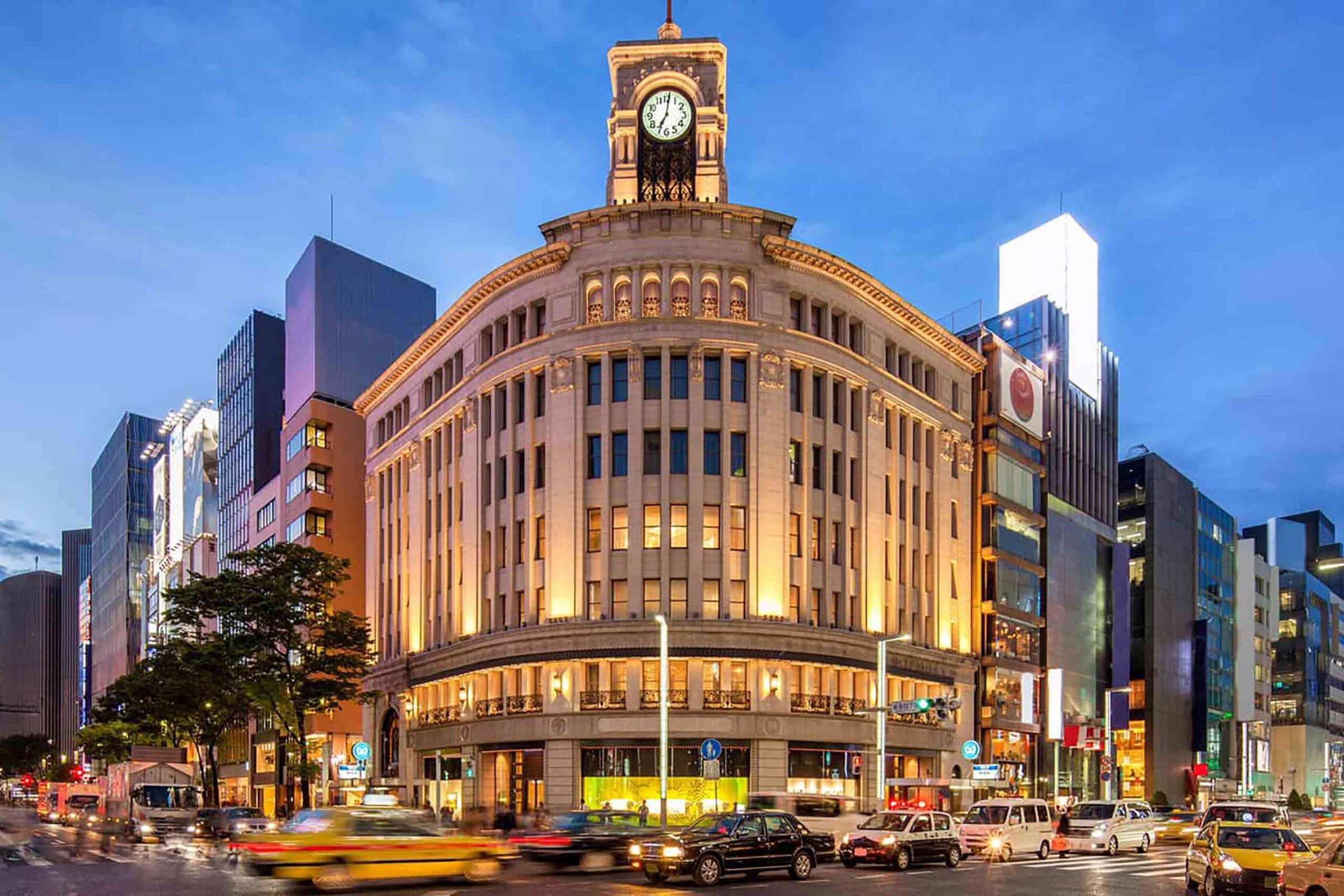
Ginza is not an accidental location. The neighbourhood's commercial density, its concentration of international visitors, and its long history as Tokyo's premier European dining address make it the default setting for French kitchens with classical ambitions. The building on Rengadori places the restaurant in walking distance of the area's department stores and gallery streets, in a district where dinner reservations frequently connect to other forms of cultural consumption. Ginza's French dining room is, in this sense, a predictable but coherent address: the neighbourhood frames the ambition before the room does.
For those exploring Tokyo's broader fine-dining geography, the capital offers significant range across cuisines and formats. Our full Tokyo restaurants guide covers the full span, from kaiseki at addresses like RyuGin to contemporary Japanese formats at Den. Beyond Tokyo, the pattern of French and European fine dining extends across Japan's major cities: HAJIME in Osaka and Gion Sasaki in Kyoto represent different regional approaches to European-influenced fine dining, while akordu in Nara, Goh in Fukuoka, 1000 in Yokohama, and 6 in Okinawa map the diversity of the country's fine-dining offer outside the capital. Internationally, the French tradition as practised in Asia finds a useful comparison point at Les Amis in Singapore, while the European source material is perhaps most concentrated at Hotel de Ville Crissier in Switzerland.
For planning beyond dinner, our full Tokyo hotels guide, bars guide, wineries guide, and experiences guide cover the city's broader offer at the same editorial standard.
Know Before You Go
- Address: 2F, Fukujin Building, 1-5-6 Ginza, Chuo City, Tokyo (Rengadori)
- Cuisine: French, with Franco-Japanese ingredient integration
- Price tier: ¥¥¥ (mid-to-upper tier; below the ¥¥¥¥ bracket of peers such as L'Effervescence and Sézanne)
- Recognition: Michelin One Star (2024 guide)
- Reservations: Advance booking is advisable; Michelin-starred rooms in Ginza fill quickly, particularly for weekend dinner seatings
- Getting there: Ginza Station (Tokyo Metro Ginza, Hibiya, and Marunouchi lines) is the closest interchange, a short walk from Rengadori
Frequently asked questions
What dish is Dominique Bouchet Tokyo famous for?
The kitchen does not publicise a fixed signature dish in its available documentation, which is consistent with a classical French tasting menu format where the offer evolves seasonally. The restaurant's publicly stated approach emphasises platters combining French and Japanese ingredients, described as visually considered as well as technically grounded. The Michelin one-star designation in 2024 confirms consistent technical standard across the menu rather than a single celebrated plate.
Do I need a reservation for Dominique Bouchet Tokyo?
Yes. A Michelin-starred French dining room in Ginza at the ¥¥¥ price tier operates with limited capacity and attracts both Tokyo residents and international visitors. Advance reservation is strongly advisable, particularly for dinner and weekend seatings. Booking well ahead, especially for Friday and Saturday evenings, is the appropriate approach at this level.
What is Dominique Bouchet Tokyo leading at?
The restaurant's strongest claim is its position within the classical French tradition practised through a Tokyo lens. The combination of French culinary lineage, the integration of Japanese ingredients, and a room designed to evoke Parisian domesticity produces a specific dining register: formal without being severe, classical without being static. Among Ginza's French options, it sits at a point where the classical argument is made clearly and the Franco-Japanese integration is treated as a substantive programme rather than decoration.
Reputation Context
| Venue | Cuisine | Price | Awards | Notes |
|---|---|---|---|---|
| Dominique Bouchet TokyoThis venue (the venue you are viewing) | Modern French Fine Dining | $200–300 | 1 Michelin Star · Tabelog 100 #44 | Not listed |
| Harutaka | Edo-Style Omakase Sushi | $200–300 | 3 Michelin Stars · World's 50 Best #76 | Sushi |
| RyuGin | Modern Kaiseki | $500+ | 3 Michelin Stars · World's 50 Best #41 | Kaiseki, Japanese |
| L'Effervescence | Modern French with Japanese Influences | $200–300 | 3 Michelin Stars · World's 50 Best #69 | French |
| HOMMAGE | Modern French with Japanese Influences | $150–200 | 2 Michelin Stars · World's 50 Best #78 | Innovtive French, French |
| MAZ | Innovative Peruvian-Japanese Fusion | $150–200 | 2 Michelin Stars · World's 50 Best #28 | Innovative |
Recognition history
Dated appearances from independent guides and award organizations, with the underlying list record or original source where available.
Michelin 1 Star
Michelin
Tabelog 100 #44 · No. 44
Tabelog · Tabelog 100 - French - TOKYO - 2025
Full recognition history (3 entries)
Michelin 1 Star
Michelin
Continue exploring
More in Tokyo
Restaurants in Tokyo
All restaurants in Tokyo →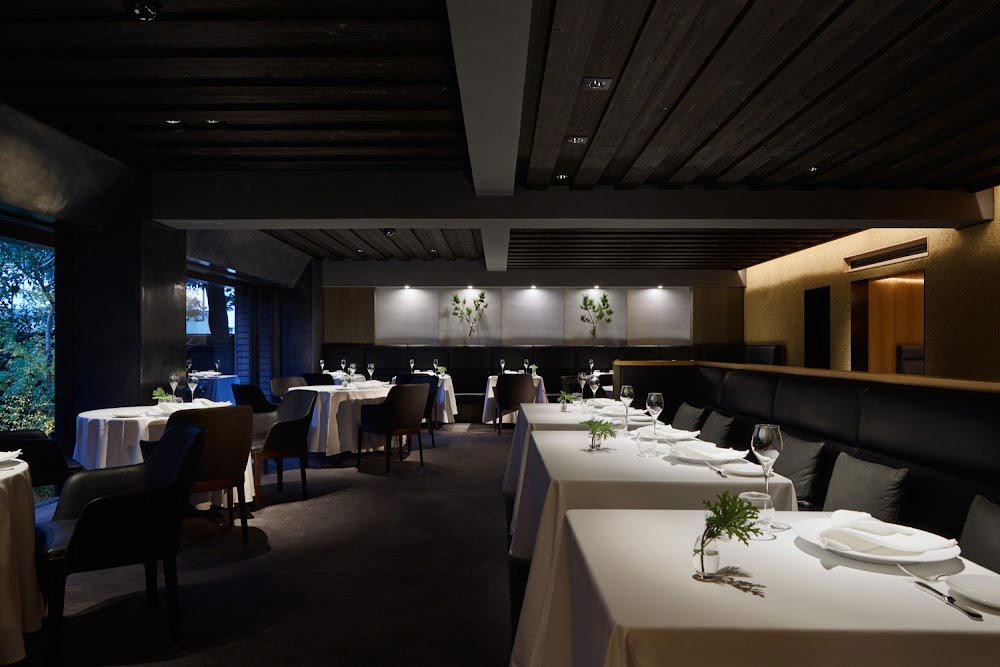




Dominique Bouchet Tokyo
The wine
- Wine program
- Deep wine list
- Extensive wine list
- Sommelier-led
Details
- Elegant
- Sophisticated
- Intimate
- Classic
- Date Night
- Business Dinner
- Special Occasion
- Private Dining
- Extensive Wine List
- Sommelier Led
- Tasting Menu
- Wine Pairing
Current opening hours
- Monday
- 12–1:30 PM, 6–10:30 PM
- Tuesday
- 12–1:30 PM, 6–10:30 PM
- Wednesday
- 12–1:30 PM, 6–10:30 PM
- Thursday
- 12–1:30 PM, 6–10:30 PM
- Friday
- 12–1:30 PM, 6–10:30 PM
- Saturday
- 12–1:30 PM, 6–10:30 PM
- Sunday
- 12–1:30 PM, 6–10:30 PM
Hours can change for holidays and private events. Last verified .
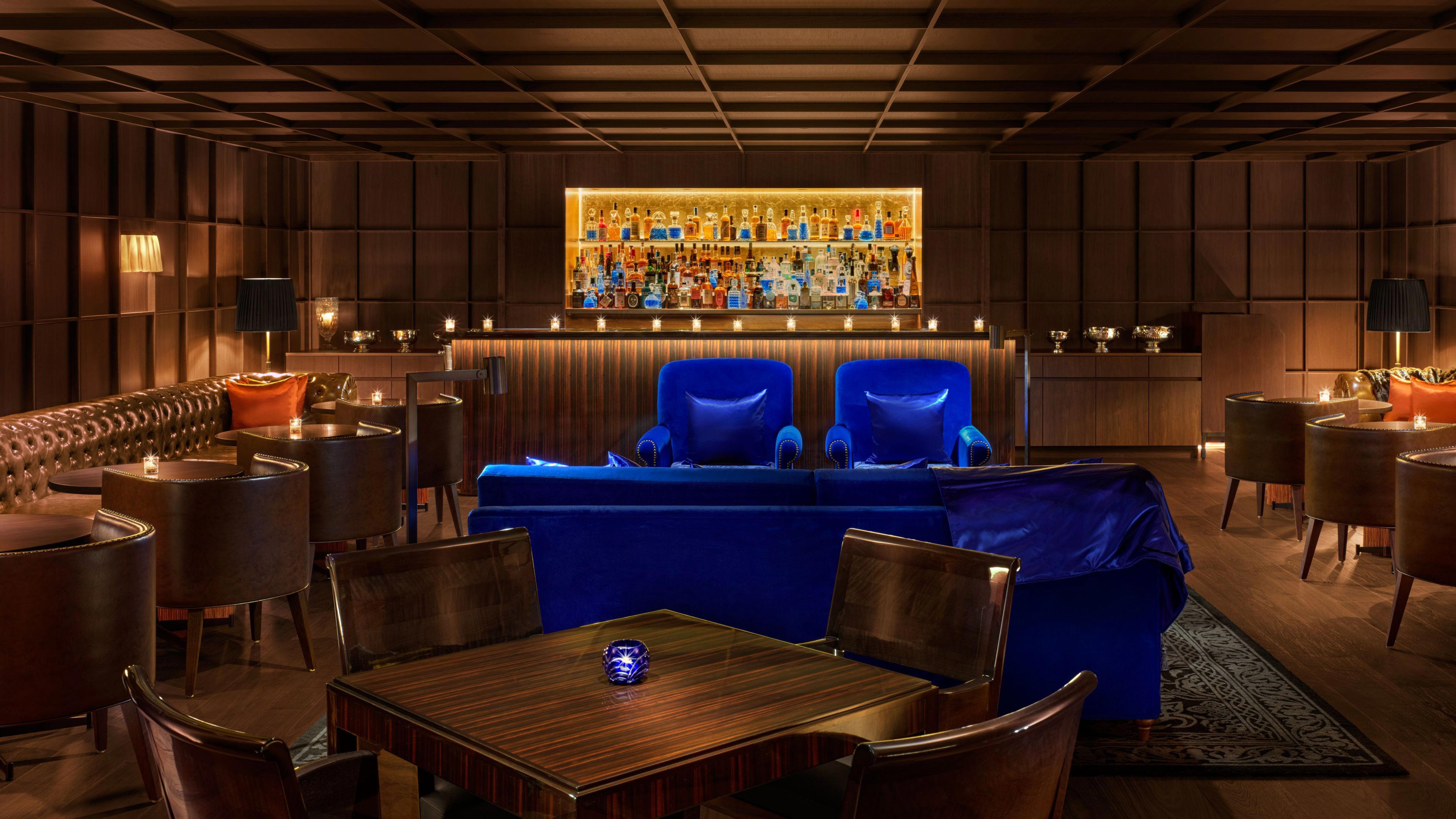
Cozy and elegantly decorated like a French apartment with soft lighting, well-spaced tables conducive to conversation, and ornamental plates featuring artistic illustrations.