
Our verdict
Serata is a yakitori counter in Azabu-Juban, Minato City, led by chef Kentaro Sera. Ranked #377 on Opinionated About Dining's Japan list in 2024 and climbing to #451 in 2025, it occupies a credible mid-tier position among Tokyo's serious yakitori addresses. Open six evenings a week on the fifth floor of a Azabu-Juban building, it draws a loyal, repeat-booking crowd.

Pearl is the En Primeur Club membership app, where members save venues, book tables and use the concierge.
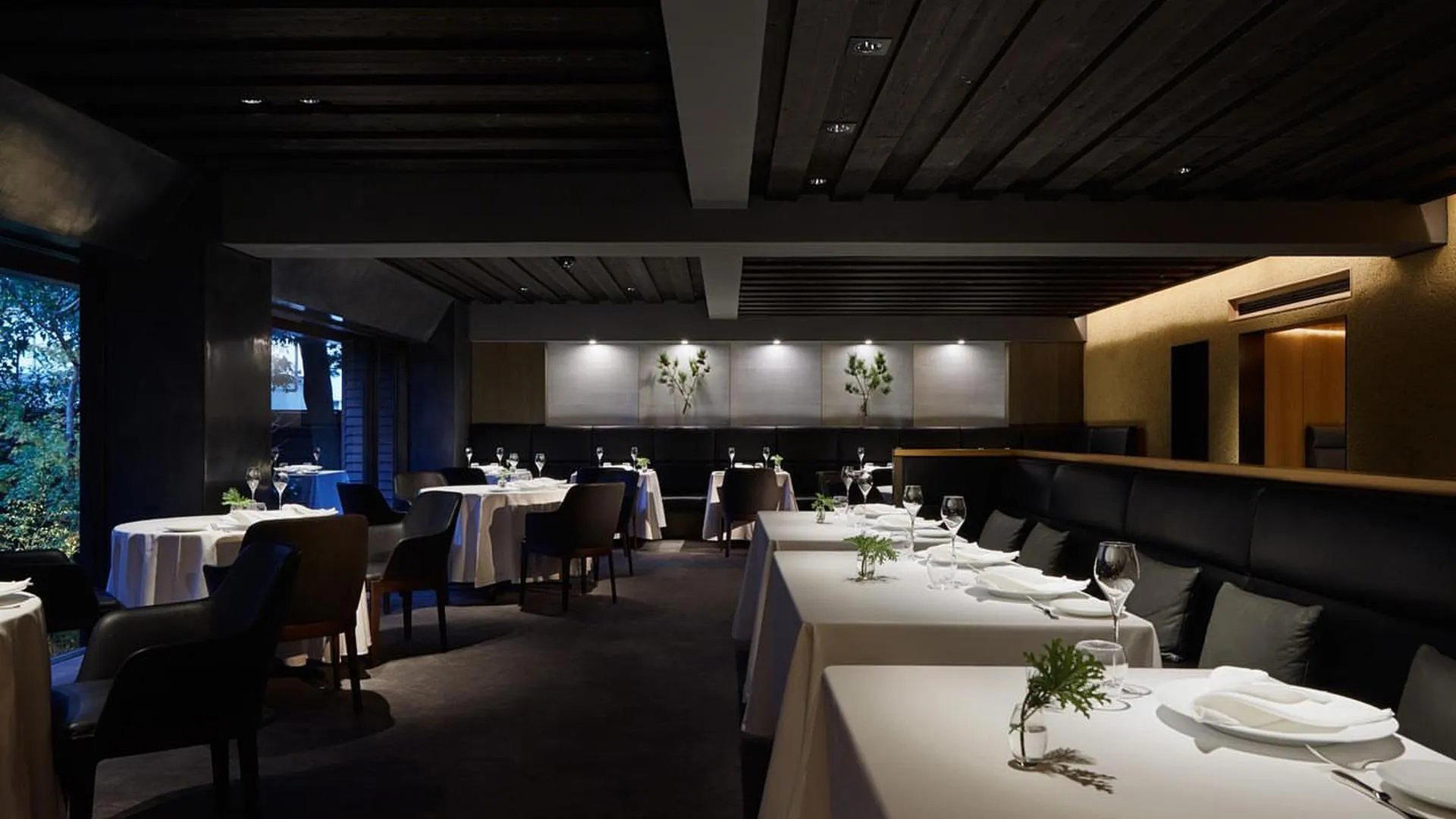
Yakitori's Place in the Tokyo Dining Order
Tokyo's serious restaurant culture is often framed around sushi, kaiseki, and the French-Japanese hybrids that populate the upper tiers of international award lists. Venues like Aramaki or the kaiseki tradition represented by RyuGin occupy a prestige register that commands international attention. But yakitori, the discipline of grilling chicken over binchōtan charcoal, has its own parallel hierarchy, one that is arguably more deeply embedded in everyday Tokyo life while simultaneously producing practitioners of genuine technical seriousness. The leading yakitori-ya operate as quiet specialists: small rooms, no printed menus, and a level of sourcing obsession that would not look out of place at a three-Michelin-star table.
That discipline has deep roots. Yakitori culture formalised in postwar Tokyo, when street-side stalls offering skewered chicken became a fixture around train stations and working neighbourhoods. Over the following decades, a tier of specialist restaurants emerged that applied the same sourcing rigour and preparation care to chicken that sushi chefs apply to fish. Azabu-Juban, the residential-but-polished neighbourhood in Minato City where Serata is located, sits at some remove from the yakitori heartlands of Yurakucho or Kanda, which itself signals something about the kind of customer the restaurant is working with: local professionals and residents rather than after-work office crowds.
The Azabu-Juban Address
Azabu-Juban occupies an interesting position in Tokyo's dining map. It is residential in character without being peripheral, home to embassies and long-established small restaurants operating at a remove from the noise of Roppongi, which sits immediately to the north. Dining here tends to be more neighbourhood-loyal than destination-driven, which means the restaurants that do well tend to earn repeat custom rather than tourist traffic. Serata operates from the fifth floor of the Hasebiya Building at 1 Chome-7-7, a format, building-leading, unmarked from the street, common to Tokyo's more deliberately low-profile dining addresses. The neighbourhood context matters: this is not a restaurant positioned to catch passing foot traffic. It functions within a local dining culture that values consistency and specialist focus over novelty.
For those exploring Minato City's broader dining options, Aria di Takubo offers a useful point of comparison in a different register entirely, while 124. KAGURAZAKA across in the neighbouring ward illustrates how Tokyo's serious small-room dining plays out across multiple cuisines simultaneously.
Serata's Trajectory and Where It Sits in the Yakitori Field
Serata, under chef Kentaro Sera, has followed a traceable upward arc within the Opinionated About Dining rankings for Japan, one of the more granular and data-dense tracking systems for the country's restaurant scene. The venue entered the OAD database at a recommended level in 2023, moved to #377 in the 2024 rankings, and was placed at #451 in 2025. That 2025 figure deserves context: OAD's Japan list runs to several hundred entries and #451 within that national field still represents a competitive placement, but the shift from 377 to 451 in a single year indicates that the overall field has deepened and grown rather than that the restaurant has slipped in any meaningful absolute sense. Peer venues at comparable positions on that list tend to be small-format specialist restaurants with strong local followings and no particular interest in international visibility.
Yakitori Omino and Asagaya BIRD LAND represent different points on the spectrum from accessible to deeply specialist. Serata's positioning, fifth floor, residential neighbourhood, consistent OAD recognition, places it in the cohort of restaurants that have moved beyond casual yakitori-ya status without entering the heavily publicised, international-booking-heavy tier.
What Yakitori at This Level Actually Involves
The cultural significance of yakitori as a serious dining format is often undersold outside Japan. At its foundational level, the discipline requires sourcing from specific regional chicken breeds, breaking the bird into individual cuts, skewering and seasoning with precision, and managing the heat of binchōtan charcoal through continuous adjustment rather than mechanical control. The leading yakitori chefs work through a sequence of cuts, from lean breast and thigh to richer skin, cartilage, and organ cuts, that builds and releases intensity in a way that mirrors the structure of a kaiseki meal without borrowing any of kaiseki's vocabulary. Seasoning at serious yakitori counters is typically binary: tare (a soy-based reduction applied during grilling) or shio (salt applied at the end), and the choice for each cut reflects the chef's reading of what each part of the bird needs.
Serata's focus on this tradition, operating six evenings a week in a tight residential context, reflects the way yakitori has evolved in Tokyo's premium tier: away from the station-adjacent, volume-focused model and toward the small-counter format that prizes technique and sourcing specificity over throughput. The Sunday hours (6–8 pm only, against the 5–10:30 pm window on weekdays) suggest a format that values controlled service rather than extended seatings.
The Broader Yakitori Geography
Tokyo's yakitori specialisation is not unique to the capital. Ichimatsu in Osaka and Torisaki in Kyoto represent regional interpretations of the same discipline, and comparing the three cities reveals real differences in style: Osaka tends toward bolder seasoning, Kyoto toward a more restrained, dashi-influenced approach, and Tokyo toward the kind of technical formalism that OAD rankings tend to reward. For readers exploring Japan's wider serious dining circuit, HAJIME in Osaka, Gion Sasaki in Kyoto, akordu in Nara, Goh in Fukuoka, 1000 in Yokohama, and 6 in Okinawa each offer a different lens on how Japan's serious dining culture spreads well beyond Tokyo's concentration of press and awards attention.
Planning Your Visit
Hours: Monday through Saturday 5–10:30 pm; Sunday 6–8 pm. Address: 1 Chome-7-7 Hasebiya Building 5F, Azabu-Juban, Minato City, Tokyo 106-0045. Booking: Dress: No formal code is published, but the neighbourhood and format suggest smart-casual. Budget: Arrive with an open approach to the menu order, as the chef's sequence is the intended experience.
For a broader view of where Serata fits in Tokyo's dining picture, see our full Tokyo restaurants guide. For accommodation in the area, our full Tokyo hotels guide covers the field. And for drinks before or after, our full Tokyo bars guide, our full Tokyo wineries guide, and our full Tokyo experiences guide round out the planning picture.
Frequently asked questions
What are the operating hours at Serata?
Hours at Serata: Hours: Monday 5–10:30 pm Tuesday 5–10:30 pm Wednesday 5–10:30 pm Thursday 5–10:30 pm Friday 5–10:30 pm Saturday 5–10:30 pm Sunday 6–8 pm.
What's Serata known for in terms of accolades?
Serata has received recognition including: Opinionated About Dining Top Restaurants in Japan Ranked #451 (2025); Opinionated About Dining Top Restaurants in Japan Ranked #377 (2024); Opinionated About Dining Top Restaurants in Japan Recommended (2023).
What's the signature dish at Serata?
At yakitori counters ranked within the Opinionated About Dining Top Restaurants in Japan list, the format replaces any single dish as the focal point. Chef Kentaro Sera directs a sequence of cuts grilled over binchōtan charcoal, seasoned per piece with either tare or shio. The progression itself is the structure.
Where is Serata in Tokyo?
Serata is located at Japan, 〒106-0045 Tokyo, Minato City, Azabujuban, 1 Chome−7−7 はせべやビル 5F, Tokyo.
Who's behind the kitchen at Serata?
The chef associated with Serata is Kentaro Sera.
What's the signature at Serata?
The chef-directed sequence. Yakitori at this recognition level, Serata holds an OAD ranking of #451 for 2025 after reaching #377 in 2024, is built around read-the-bird precision: sourcing, butchery, fire control, and seasoning decisions made cut by cut. No single dish defines the counter; the sequence does.
Quick Comparison
| Venue | Cuisine | Price | Awards | Notes |
|---|---|---|---|---|
| SerataThis venue (the venue you are viewing) | Yakitori | $500+ | Not listed | Not listed |
| Harutaka | Edo-Style Omakase Sushi | $200–300 | 3 Michelin Stars · World's 50 Best #76 | Sushi |
| RyuGin | Modern Kaiseki | $500+ | 3 Michelin Stars · World's 50 Best #41 | Kaiseki, Japanese |
| L'Effervescence | Modern French with Japanese Influences | $200–300 | 3 Michelin Stars · World's 50 Best #69 | French |
| HOMMAGE | Modern French with Japanese Influences | $150–200 | 2 Michelin Stars · World's 50 Best #78 | Innovtive French, French |
| MAZ | Innovative Peruvian-Japanese Fusion | $150–200 | 2 Michelin Stars · World's 50 Best #28 | Innovative |
Recognition history
Dated appearances from independent guides and award organizations, with the underlying list record or original source where available.
Opinionated About Dining Top Restaurants in Japan Recommended
Opinionated About Dining
Full recognition history (4 entries)
Opinionated About Dining Top Restaurants in Japan Ranked #451
Opinionated About Dining
Opinionated About Dining Top Restaurants in Japan Ranked #377
Opinionated About Dining
Opinionated About Dining Top Restaurants in Japan Recommended
Opinionated About Dining
Continue exploring
More in Tokyo
Restaurants in Tokyo
All restaurants in Tokyo →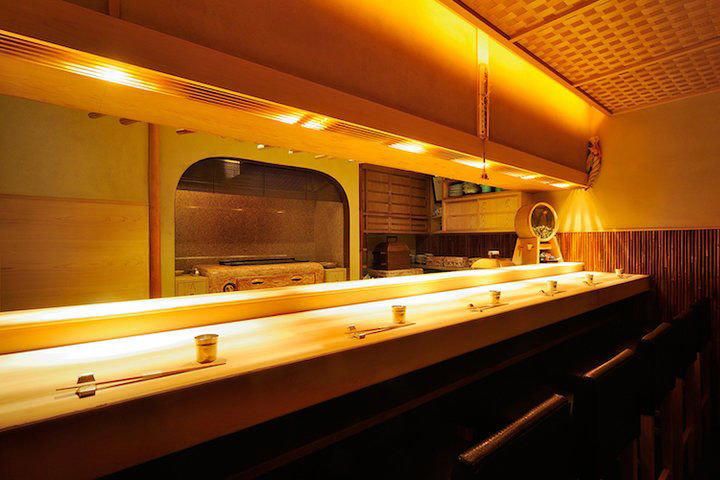


Bars in Tokyo
All bars in Tokyo →




Details
- Intimate
- Elegant
- Cozy
- Special Occasion
- Sake Program
- Counter Dining
- Sake
Current opening hours
- Monday
- 6–9:30 PM
- Tuesday
- 6–9:30 PM
- Wednesday
- 6–9:30 PM
- Thursday
- 6–9:30 PM
- Friday
- 6–9:30 PM
- Saturday
- 6–9:30 PM
- Sunday
- Closed
Hours can change for holidays and private events. Hours as of .
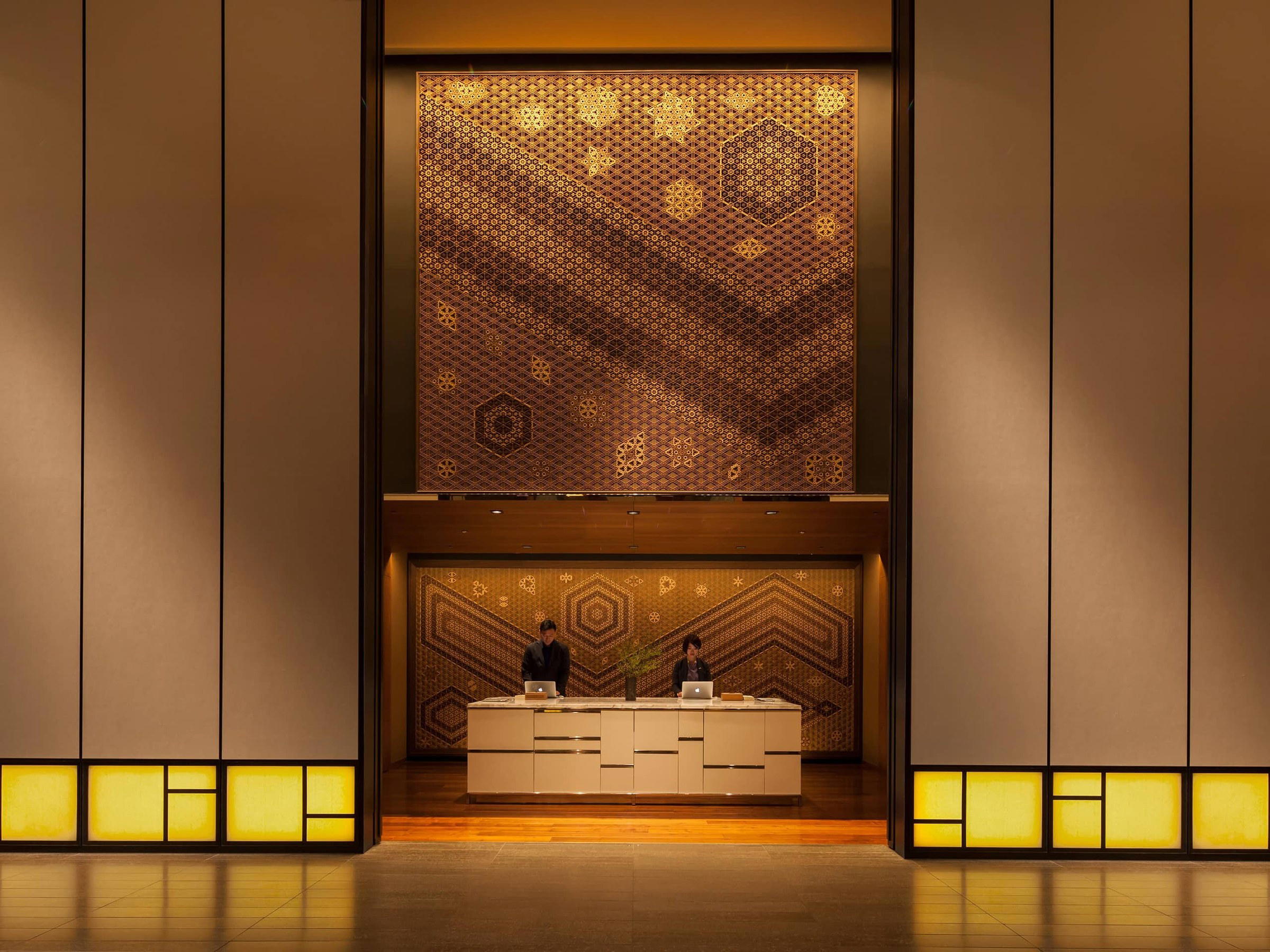
Intimate fifth-floor counter seating in a relaxing space.