Seoul Tofu House
Our verdict
Seoul Tofu House on Mowry Avenue is a fixture in Newark's Korean dining circuit, built around the soondubu jjigae tradition that defines the genre across the Bay Area. The format is direct: soft tofu stew arrives at the table still boiling in a stone pot, the ritual of cracking a raw egg into the broth as much a part of the meal as the food itself. Among Newark's dining options, it occupies a specific and well-understood niche.

Pearl is the En Primeur Club membership app, where members save venues, book tables and use the concierge.
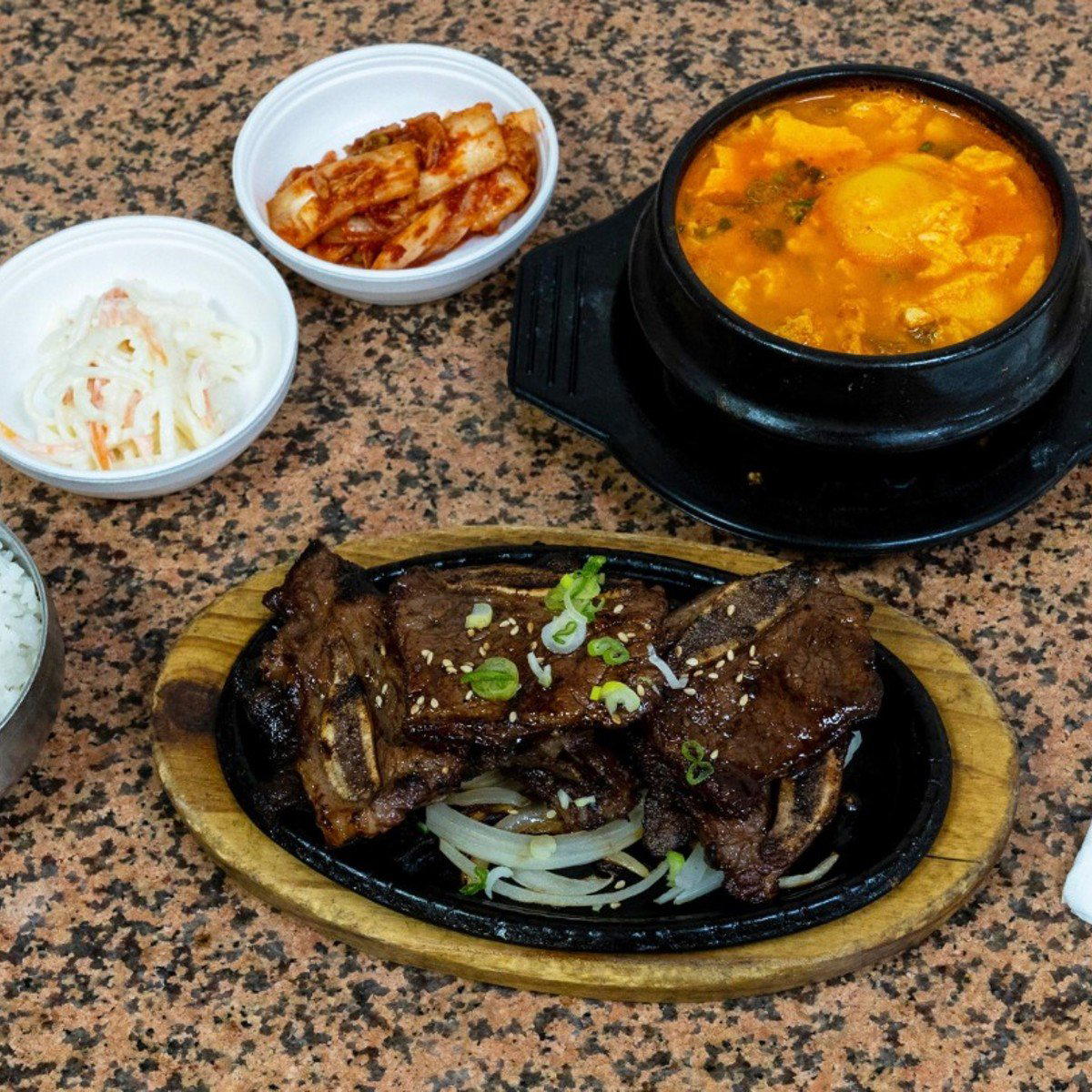
The menu
What to order
- Beef Tofu Soup
- Seafood Tofu Soup
- Marinated Beef Short Rib
The Stone Pot Ritual: How Soondubu Jjigae Sets the Terms
There is a particular rhythm to eating soft tofu stew that separates it from most other Korean dishes. The stone pot arrives at full boil, the broth still moving, the tofu barely set. A raw egg sits on the side. You crack it in yourself, stir once or twice, and wait fifteen seconds before the first spoonful. The ritual is not incidental, it is the meal. Seoul Tofu House at 6050 Mowry Ave in Newark, California, is built around exactly this format, and the format itself carries the weight of decades of Korean-American dining history across the Bay Area.
Soondubu jjigae arrived in California with the Korean immigrant communities that established Koreatown in Los Angeles in the 1980s and spread through the Bay Area and South Bay through the 1990s and 2000s. The dish is deceptively simple: silken tofu, fermented chili paste, a protein of choice, and a broth that takes its depth from dried anchovy and kelp stock. What differentiates one version from another is the level of spice control, the quality of the tofu itself, and whether the kitchen uses house-made gochujang or a commercial base. Across the Bay Area, the genre has settled into a recognizable format, counter-service or fast-casual, stone pots heated on gas, banchan arriving in small ceramic dishes before the main event.
Newark's Place in the South Bay Korean Dining Circuit
Newark sits in a part of the East Bay that does not always appear in dining conversations dominated by Oakland, Berkeley, or San Jose's Koreatown on Story Road. That relative quiet should not be read as a lack of depth. The city's dining scene, covered in detail in our full Newark restaurants guide, reflects a working-class, multiethnic character that tends to produce reliable, unfussy food at accessible price points. The Korean spots that have taken hold here, including Seoul Tofu House, serve a local population that knows the difference between a well-made soondubu and a mediocre one.
The broader Newark dining circuit covers several traditions. Portuguese and Spanish cooking have deep roots here, Campino Restaurant, Don Pepe Restaurant, and Fornos of Spain all represent that lineage. Jack's Restaurant and Bar and Konoz Restaurant fill different corners of the local dining map. Seoul Tofu House occupies its own specific position: the go-to address for Korean soft tofu stew in a neighborhood that does not have the density of Korean businesses found in Fremont or Milpitas to the south.
The Pacing of the Meal: What to Expect
The dining ritual at a soondubu-focused restaurant follows a structure that regulars internalize quickly. Banchan, the small, fermented, pickled, and seasoned side dishes that arrive before and alongside the main, set the pace. Kimchi, spinach seasoned with sesame oil, and pickled radish are the baseline; what a kitchen offers beyond that signals how seriously it takes the supporting cast. The stone pot arrives last and takes precedence. You do not rush it. The broth continues cooking at the table, and the tofu softens further as you eat. By the time the bowl is halfway down, the temperature has moderated enough to take full mouthfuls without caution.
Spice level is the primary customization variable in the genre. Most soondubu restaurants in California offer a range from mild to extra spicy, and the gap between those poles can be significant. The mild version reveals the broth's base flavors more clearly; the spicier versions build heat progressively through the meal. Neither is more authentic than the other, the dish has always been adapted to individual tolerance.
This is a format that rewards paying attention. The egg timing matters. The order in which you eat the banchan between spoonfuls of stew matters. A fermented kimchi bite between mouthfuls of broth does something that eating each in isolation cannot replicate. These are the details that separate a competent soondubu experience from a memorable one, and they depend as much on the diner's engagement as on the kitchen's output.
Placing the Genre: Bay Area Korean Against a Wider Field
The Bay Area sits at a different coordinate on the Korean food spectrum than Los Angeles, which has the country's largest Korean-American population and a corresponding depth of regional Korean cooking. What the South Bay and East Bay offer instead is a more concentrated set of reliable genre restaurants, soondubu houses, Korean barbecue spots, and Korean-Chinese fusion places, that serve communities with specific, well-formed expectations. The leading comparison is not with destination Korean restaurants in New York, where Atomix has redefined what Korean fine dining looks like in an American context, but with the neighborhood stalwarts of Koreatown LA or Annandale, Virginia: places that exist to feed regulars well, repeatedly, at a reasonable cost.
That positioning is not a limitation. It is a different set of priorities, and Seoul Tofu House addresses those priorities on Mowry Avenue. For reference, the refined end of American dining operates in a very different register, The French Laundry in Napa, Le Bernardin in New York City, Alinea in Chicago, Lazy Bear in San Francisco, Single Thread Farm in Healdsburg, Providence in Los Angeles, Blue Hill at Stone Barns in Tarrytown, Addison in San Diego, The Inn at Little Washington, Emeril's in New Orleans, and 8½ Otto e Mezzo Bombana in Hong Kong, but a soondubu restaurant in Newark is not competing in that category and should not be evaluated by those standards. The question is whether it does what it does with consistency and integrity.
Planning Your Visit
Seoul Tofu House is located at 6050 Mowry Ave, Newark, CA 94560, in a commercial stretch accessible from the Mowry Avenue corridor that links Newark to Fremont. The restaurant's format is not designed around advance reservations; soondubu houses in this category typically operate on a walk-in basis, though weekend lunch and dinner peaks can produce a short wait. Arriving in the early lunch window or after the dinner rush is the practical approach for those who want to seat quickly.
Frequently asked questions
Where exactly is Seoul Tofu House?
Seoul Tofu House is located at 6050 Mowry Ave, Newark, CA 94560, Newark.
Is Seoul Tofu House in Newark a good option for a Korean meal in the East Bay if you live outside Koreatown areas like San Jose?
For diners based in the northern East Bay or along the I-880 corridor, Seoul Tofu House at 6050 Mowry Ave, Newark, CA 94560 sits in a more accessible position than San Jose's Koreatown on Story Road. Newark's Mowry Ave stretch functions as a secondary node in the South Bay Korean dining circuit, offering soondubu jjigae without the drive into denser restaurant clusters. It represents a practical alternative for the genre rather than a detour destination.
What dish is Seoul Tofu House famous for?
The house centers on soondubu jjigae, soft tofu stew served in a stone pot at a rolling boil. The format is the defining structure of the meal: diners crack a raw egg into the pot tableside and pace the eating around the stew's gradual cool. Located on Mowry Ave in Newark, CA, the restaurant builds its menu around this single discipline.
Do they take walk-ins at Seoul Tofu House?
Walk-in availability at soondubu-focused restaurants in the South Bay Korean dining corridor tends to vary by day and time, so arriving off-peak on weekdays is generally the more reliable approach. Contacting the restaurant directly before visiting is advisable.
What has Seoul Tofu House built its reputation on?
Seoul Tofu House has built its standing on soondubu jjigae served in the traditional stone pot format, a dish that rewards repeat visits as regulars learn to read the broth's spice gradations and timing. Newark sits within the South Bay Korean dining circuit, a geography that extends across Fremont and Union City, and the restaurant draws from that established local base.
How does Seoul Tofu House handle allergies?
No allergen policy or menu data is publicly documented for Seoul Tofu House at 6050 Mowry Ave, Newark, CA 94560. Soondubu jjigae commonly contains shellfish, egg, and fermented pastes with wheat or soy, so guests with dietary restrictions should speak directly with staff before ordering. Calling ahead is the most reliable step given the absence of a published menu or website.
Cuisine-First Comparison
Comparable venues nearby, for context on price, style, and recognition.
| Venue | Cuisine | Price | Notes |
|---|---|---|---|
| Seoul Tofu HouseThis venue (the venue you are viewing) | Korean Tofu House & BBQ | $10–20 | Not listed |
| Carlito’s Barbecue Taqueria | Barbecue taco taqueria at Newark Airport | $10–20 | Newark Airport |
| Simply Thai | Classic Thai | $20–30 | Newark |
| Jack's Restaurant & Bar | American Grill | $20–30 | Newpark Mall |
| Yama Fuji Seafood & Sushi Boat Buffet | Japanese Sushi & Seafood Buffet | $20–30 | Newark |
Continue exploring
More in Newark
Restaurants in Newark
All restaurants in Newark →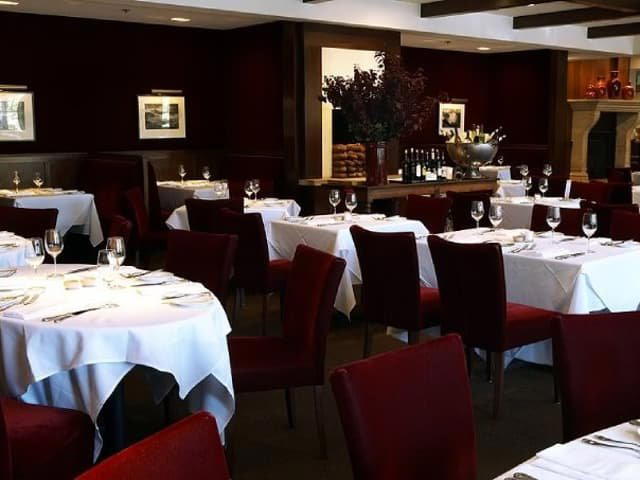
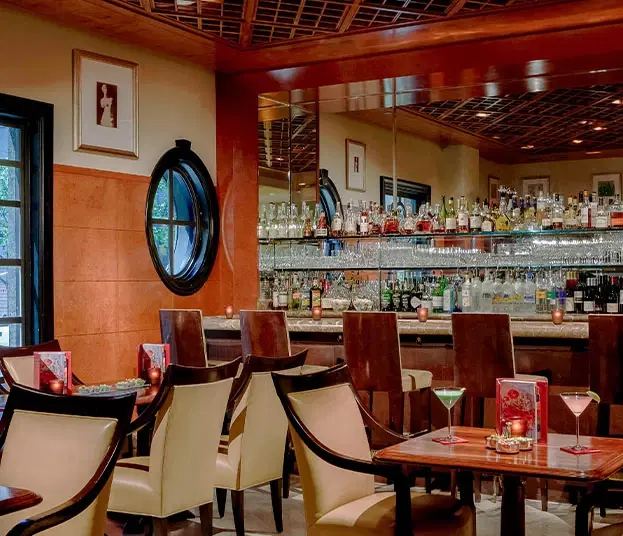
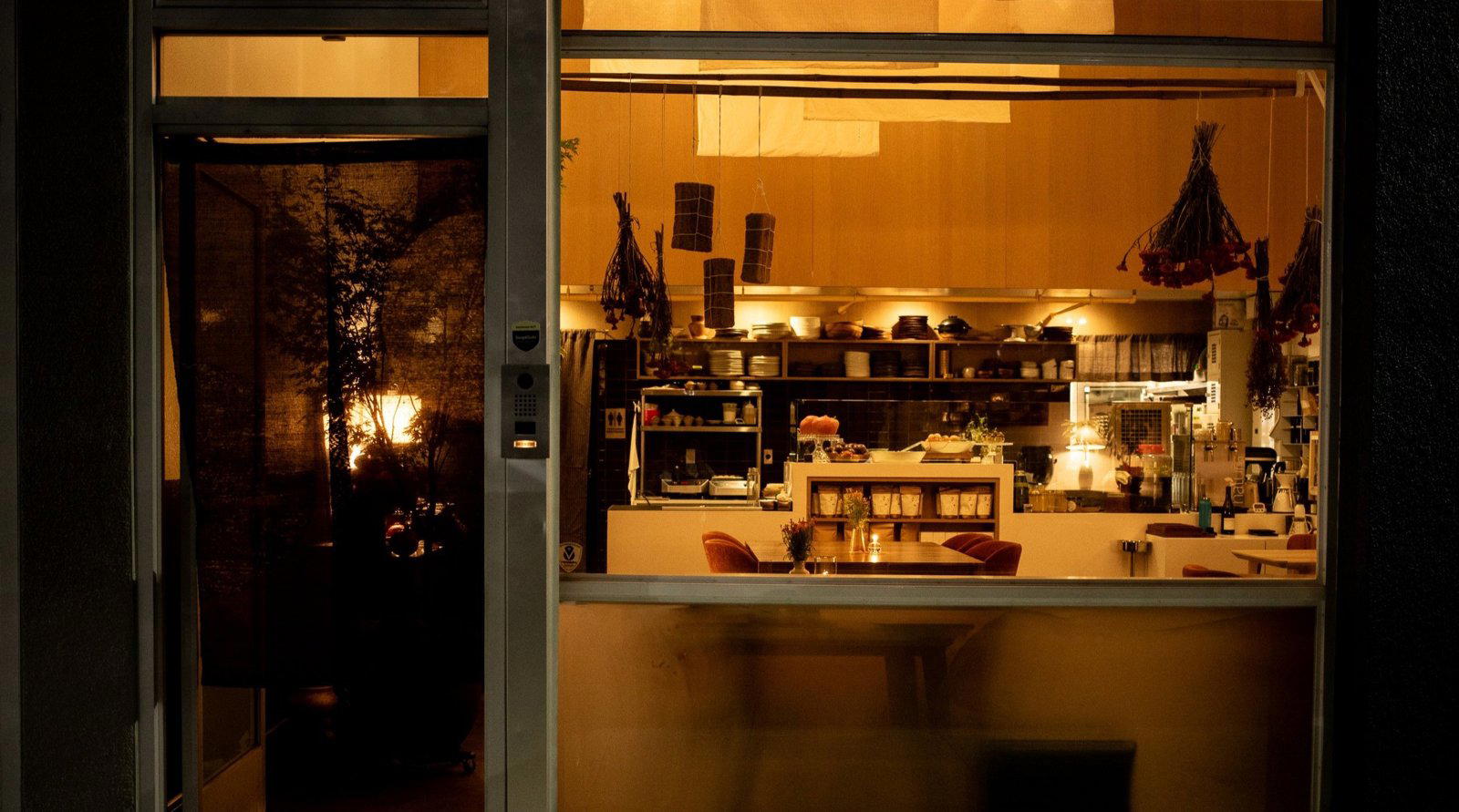
Bars in Newark
All bars in Newark →


Details
- Casual Hangout
- Group Dining
- A La Carte
- Vegetarian Friendly
Current opening hours
- Monday
- 11 AM–2:30 PM, 5–9:30 PM
- Tuesday
- 11 AM–2:30 PM, 5–9:30 PM
- Wednesday
- 11 AM–2:30 PM, 5–9:30 PM
- Thursday
- 11 AM–2:30 PM, 5–9:30 PM
- Friday
- 11 AM–2:30 PM, 5–9:30 PM
- Saturday
- 11 AM–9:30 PM
- Sunday
- 11 AM–9:30 PM
Hours can change for holidays and private events. Hours as of .