Bar Left
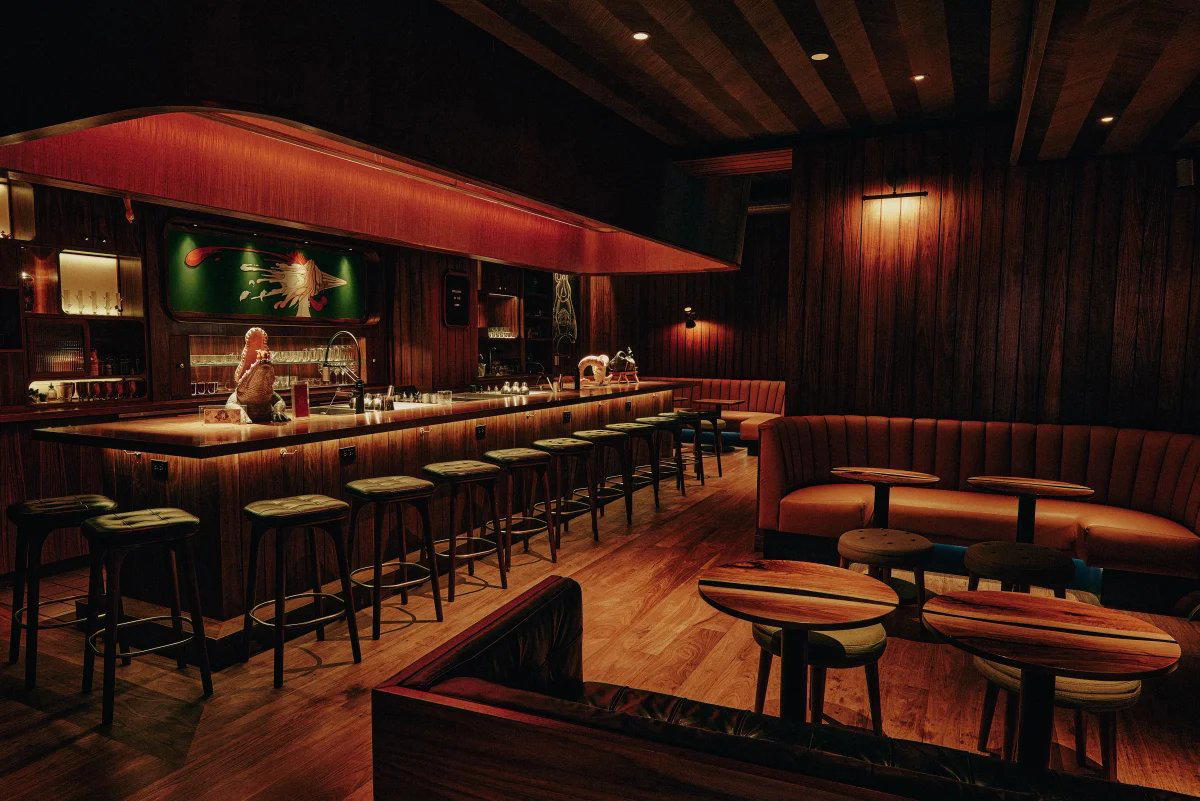
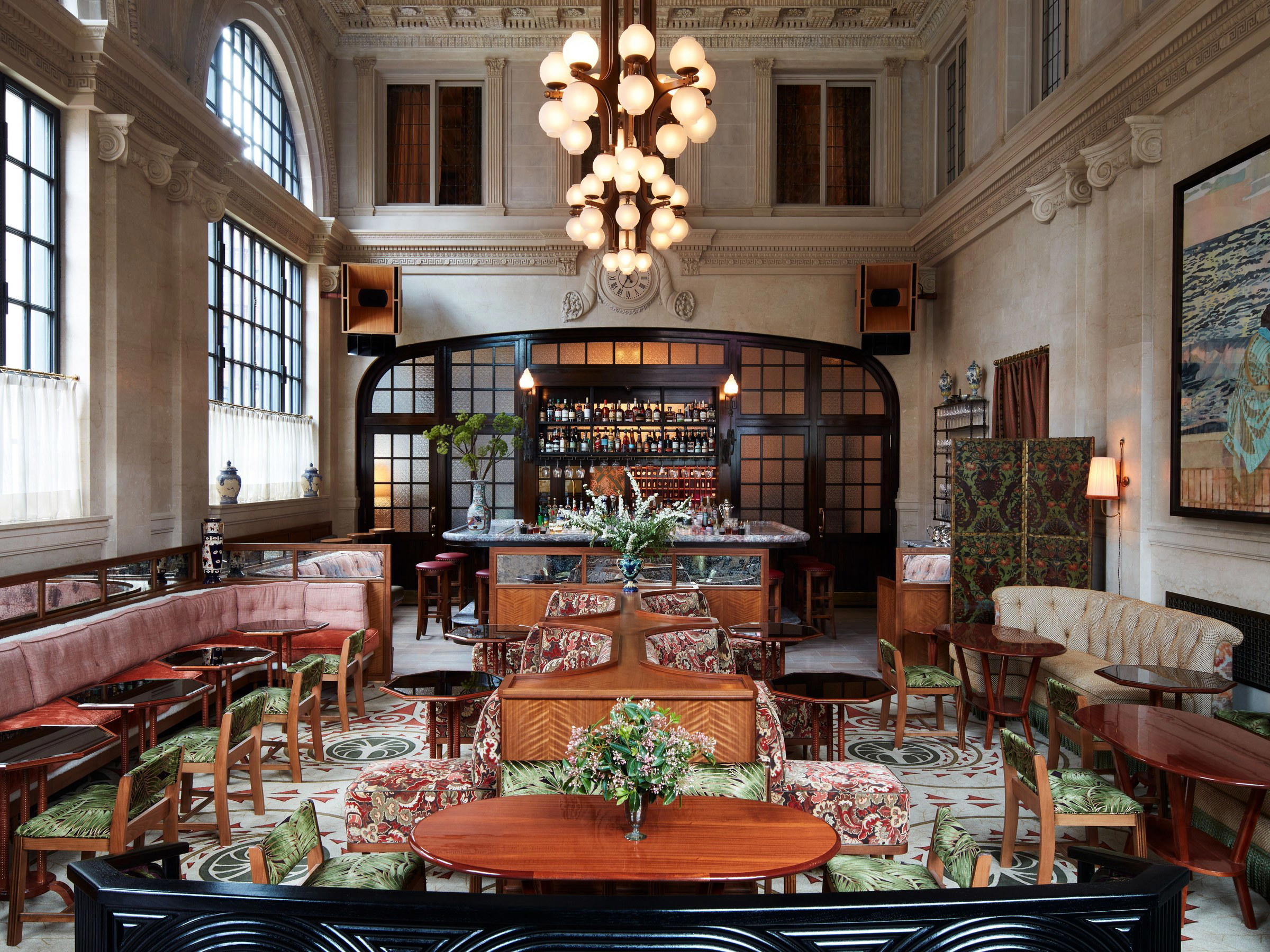
Bar Left gives Newark’s cocktail-and-small-plates category a focused address rather than a dinner-first room with drinks attached. With public details limited, the useful read is comparative: place it beside the city’s Iberian restaurants, delis, and hotel bars as part of a tighter drinking circuit where the draw is the bar program and the food is there to pace the evening.
- Address
- Newark, United States
- Directions
- Get directions
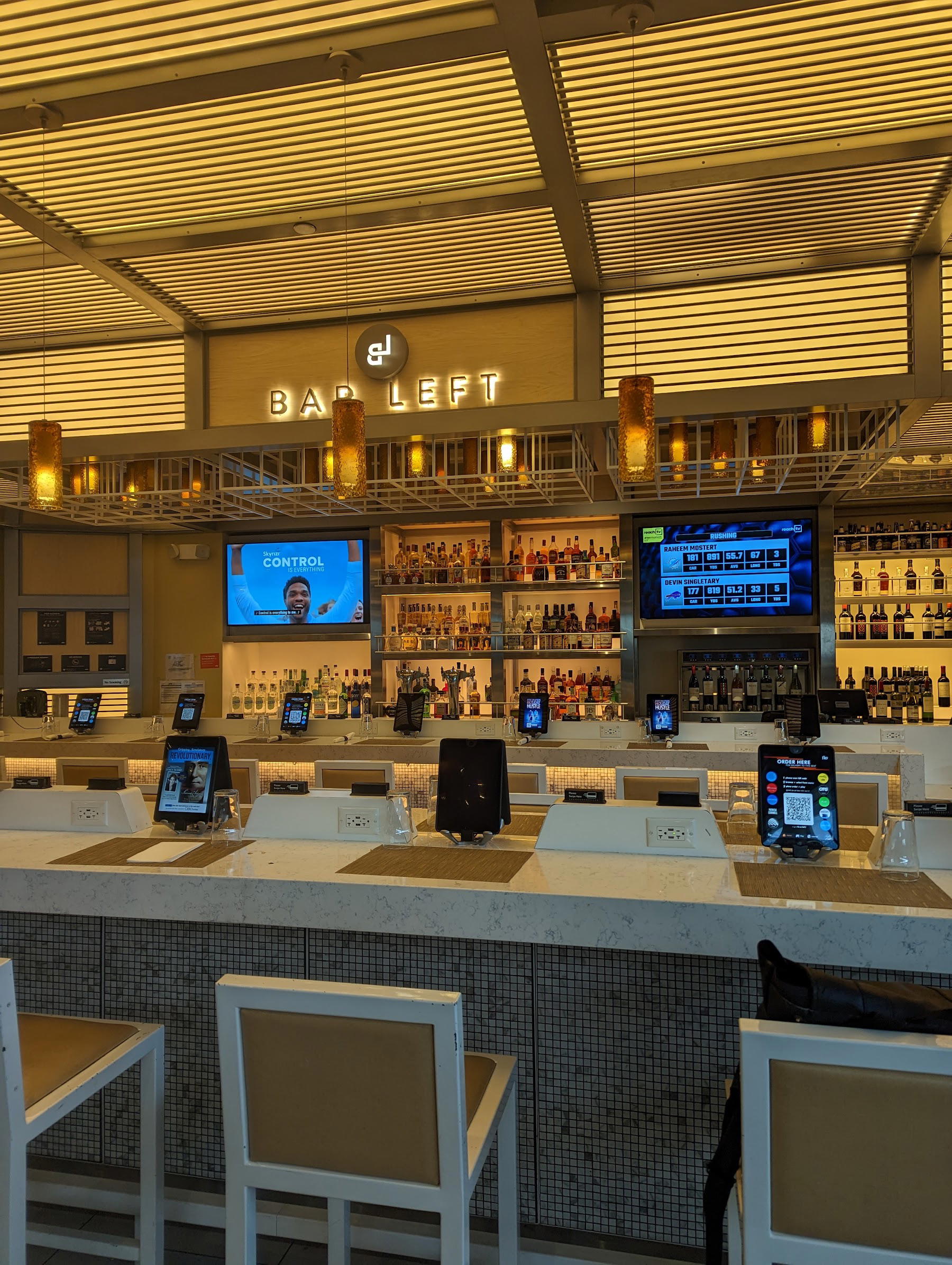
The Newark bar scene, read from the glass first
Approaching a serious cocktail room in Newark is a different proposition from walking into a restaurant bar in Manhattan or a hotel lounge near an airport. The city has its own sound: commuter movement around Penn Station, Portuguese and Spanish dining rooms running at dinner tempo, late tables after Prudential Center events, and neighborhood regulars who treat a bar less as theater than as a practical social room. In that setting, Bar Left belongs to the cocktail-and-small-plates lane, a format that asks for closer attention than the familiar drink-before-dinner stop. The point is not scale. The point is whether the drinks have enough structure to lead the evening, and whether the food supports that rhythm without dragging the room into full restaurant mode.
Newark’s drinking culture has often been shaped by restaurants first. Ironbound dining, in particular, has long set expectations around wine, sangria, seafood, grilled meats, and tables built for groups. A cocktail-focused address changes the decision tree. Instead of asking where to eat, the better question becomes how much of the night should sit at the bar. That shift matters because small plates alter the pacing: one round can become two, a snack can become a light dinner, and the guest is not locked into the full arc of appetizer, main course, and dessert. In a city where many strong rooms are built around cuisine identity, a cocktails-and-small-plates venue creates a more flexible category.
That absence should shape expectations. This is not a page that can responsibly invent a signature martini, claim a particular ice program, or describe a dish that has not been verified. The editorial value lies in placing the venue inside Newark’s bar ecosystem and explaining how to approach a room where the drink program is the stated center of gravity.
Why cocktails and small plates work differently in Newark
In larger American cocktail cities, the category has split into several subtypes: reservation-only tasting formats, high-volume party bars, hotel lobby programs, neighborhood aperitivo rooms, and food-serious bars that can carry an entire evening. Newark’s version is more compressed. The city does not need another concept that behaves like a destination lounge without local utility. It needs bars that can absorb multiple use cases: after-work drinks, pre-event pacing, late conversation, and a table that does not force a heavy dinner. A cocktail-and-small-plates format is well suited to that local pattern because it can flex without becoming vague.
Technique matters in this category, but technique is not the story on its own. A clarified drink, house infusion, stirred brown-spirit build, low-ABV highball, or bitter aperitif only earns attention when it changes how the room functions. In Newark, a strong cocktail program has to compete not only with other bars but with established restaurant rituals. The guest may be comparing it with a full meal at Adega Grill, a tapas-led evening at Casa d'Paco, or an Italian-leaning bar-and-table format at Consigliere. The drink has to carry enough intent to justify choosing the bar as the main event, while the plates need enough discipline to keep the night grounded.
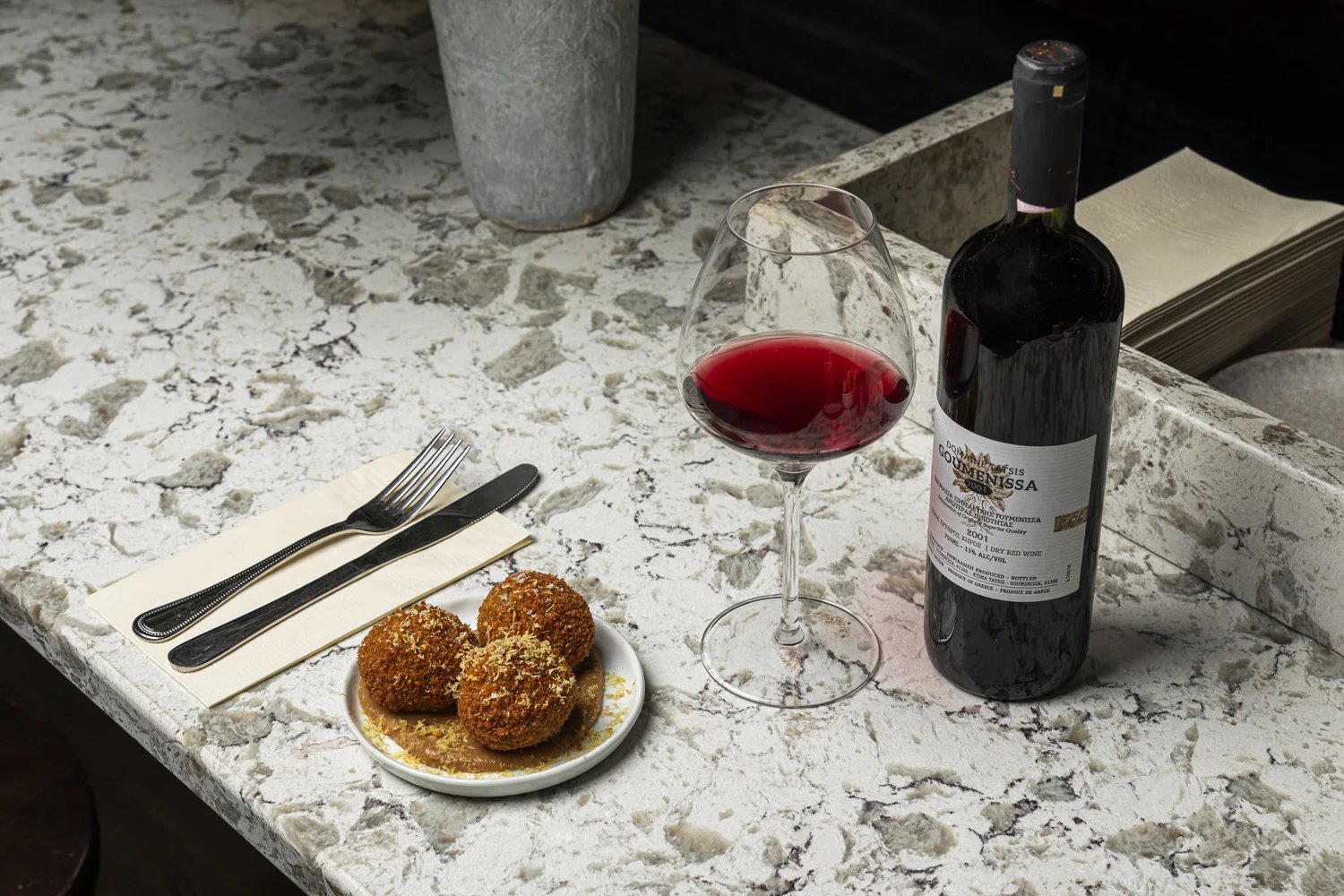
That is the more useful way to read Bar Left: not as a floating address, but as part of a city where the line between restaurant and bar is often porous. Small plates are not decorative here. They are the hinge between a quick drink and a proper evening. If the menu is concise, that can be an advantage; the format rewards editing. Long menus often signal a kitchen trying to satisfy too many occasions. Shorter lists, when executed with care, can make the bar feel sharper because the guest is not studying a document for twenty minutes before the first round arrives.
The cocktail programme as the reason to choose the room
A cocktail-led bar should reveal its priorities quickly. The opening page of the menu, the balance between classics and house drinks, the way nonalcoholic options are treated, the glassware, the speed of service during the first round, and the relationship between drink strength and food pacing all tell the same story. Still, the listing as cocktails and small plates is meaningful. It identifies the bar program as the axis, rather than a supporting role attached to a dining room.
For readers choosing between Newark venues, that distinction is practical. A restaurant with a bar can be excellent when the table is the priority. A bar with small plates is better when conversation and timing matter more than courses. Before an event, the category allows a controlled stop: a drink, a plate or two, and a clean exit. After dinner, it can stretch without demanding another full order. On a weeknight, it can suit the guest who wants something more considered than a beer-and-burger stop but does not want the ceremony of a tasting menu. The format succeeds when the drinks do not feel ornamental and the food does not feel like an afterthought.
Newark also benefits from proximity to New York without having to imitate it. The New York cocktail arc has moved from hidden-door spectacle toward transparent technical programs and menu architecture. Newark’s advantage is different: less need to perform scarcity, more room for utility. A place such as Bar Left can be judged by whether it gives the city a credible cocktail option that fits local patterns rather than importing a script from another market. That is a harder test than it sounds. Many bars chase visual signatures. Better ones build repeatable decisions into the list: something bright to begin, something stirred and spirit-led, something bitter, something low-proof, something that can sit with food.
Small plates, and the discipline of not becoming dinner by default
The small-plates side of the equation carries its own pressure. In Newark, guests are surrounded by restaurants with strong food identities, from Iberian kitchens to old-school delis and neighborhood Italian rooms. If a cocktail bar tries to compete dish for dish with those rooms, it risks losing focus. The smarter model is narrower: plates that manage salt, fat, acid, and texture well enough to support the second round. That is not a lesser ambition. It is a different one.
The comparison set clarifies the point. Hobby's Delicatessen & Restaurant belongs to a different Newark tradition, where continuity, portions, and daytime-to-dinner familiarity matter. The Ironbound addresses nearby often operate with the confidence of established culinary neighborhoods. A cocktail-and-small-plates room works by resisting the urge to be everything those places are. Its value is concentration. If the kitchen keeps the menu compact and the bar list carries the weight, the experience can feel more urban, less formal, and easier to bend around the rest of the night.
For visitors, this is where Newark can be misread. The city is not merely a pre-flight or pre-train convenience, and its better dining and drinking decisions are often neighborhood-specific. A bar-first room should be used as part of a Newark evening rather than treated as a holding area before leaving the city. Pair it with a restaurant dinner, use it after a concert or game, or let it replace dinner when the plan calls for drinks, conversation, and a lighter table. The difference is intentionality. Bar Left makes the clearest sense when chosen for its category rather than as a fallback.
How it compares with other cocktail cities
American cocktail culture has become more regional, with serious programs appearing far beyond New York, San Francisco, Chicago, and New Orleans. Miami’s modern Cuban bar energy, for example, has been shaped by live music, cantinero technique, and food that anchors the night; see Café La Trova in Miami for a different expression of how drinks, music, and cuisine can form a single social language. In Albuquerque, Happy Accidents in Albuquerque shows how a smaller market can turn a cocktail bar into a serious creative platform without needing coastal cues. Atlanta’s Celestia — cocktails, small plates in Atlanta sits in another competitive city where the bar has to work alongside ambitious dining rooms and late-night demand.
Those comparisons matter because they prevent a lazy reading of Newark. A cocktail bar in this city does not need to replicate the reservation drama of a Lower East Side counter or the resort polish of Miami Beach. Its more interesting challenge is local: make drinks central in a place where food traditions are already strong. If Bar Left succeeds on that axis, it adds a missing rung to the city’s night-out structure. The bar becomes neither an accessory to dinner nor a loud room built only for volume, but a middle format that rewards adults who care about pacing.
That lack of awards data is not a criticism; it simply removes one type of trust signal. The safer signal is categorical and geographic. Newark’s established restaurant culture gives a cocktail-focused venue a meaningful field to work against, and the listed cuisine type places Bar Left in a narrower set than general bars or restaurant lounges. For a reader making decisions, that is enough to frame the visit with clear expectations.
Planning the evening without overengineering it
Confirm current operating details through current public channels before setting an exact plan, especially on event nights, holidays, or evenings when Newark’s transit corridors and arena traffic change the feel of the city. Treat it as a cocktail-and-small-plates stop whose final cost depends on rounds, food pacing, and group size rather than on a fixed tasting format.
Timing is the practical lever. Early evening suits a first round and a few plates before dinner elsewhere. Later evening suits a bar-led plan after a restaurant meal, particularly if the group wants a quieter endpoint than another full dining room. For a mixed group, the small-plates format gives useful flexibility: one person can eat lightly, another can treat the plates as a meal, and the table can remain anchored by the drinks. That is the advantage over a restaurant reservation when appetites differ.
Newark also rewards planning by neighborhood rather than by isolated venue. Readers building a fuller itinerary should cross-reference Our full Newark restaurants guide for dinner pairings, Our full Newark bars guide for nearby alternatives, and Our full Newark hotels guide if the night involves an early train, late flight, or arena event. Broader category browsing can be useful too: Our full Newark wineries guide captures wine-led options where available, while Our full Newark experiences guide helps connect the bar decision to the rest of the city rather than treating drinks as a standalone errand.
Editorial verdict
Bar Left is interesting because Newark has room for a bar where cocktails are the headline and small plates are the pacing mechanism. The stronger point is structural: this is the kind of venue category that gives Newark a more flexible drinking culture, especially for guests who want a bar-led evening without surrendering to either full dinner formality or generic lounge behavior.
The right reader is not chasing a famous menu item or a trophy reservation. The right reader wants a cocktail room that can organize the night around rounds, conversation, and food in smaller increments. In Newark, that is a valuable format. It sits between the city’s restaurant traditions and its event-driven traffic, and it gives the evening a cleaner shape than bouncing between unrelated stops.
Continue exploring
More in Newark
Bars in Newark
Browse all →
Restaurants in Newark
Browse all →
Hotels in Newark
Browse all →





Details
- Modern
- Cozy
- Trendy
- After Work
- Late Night
- Solo
- Casual Hangout
- Standalone
- Seated Bar
- Classic Cocktails
Modern airport bar with clean design, bar seating and a relaxed, low-key atmosphere geared to travelers passing through the terminal.