On Maria-Theresien-Straße, Innsbruck's principal promenade, Sensei occupies a position that places it inside the city's evolving dining conversation. The address alone signals ambition: this stretch connects the old town to the modern retail and hospitality core, where the competition for serious diners is sharpest. Whether the kitchen matches that address is the question worth asking.
Pearl is the En Primeur Club membership app — saves, bookings, and concierge access live there. Same editors, same standards.
- Address
- Maria-Theresien-Straße 11, 6020 Innsbruck, Austria
- Phone
- +43512562730
- Website
- senseisushibar.at
- Directions
- Get directions
 Saves & bookings on Pearl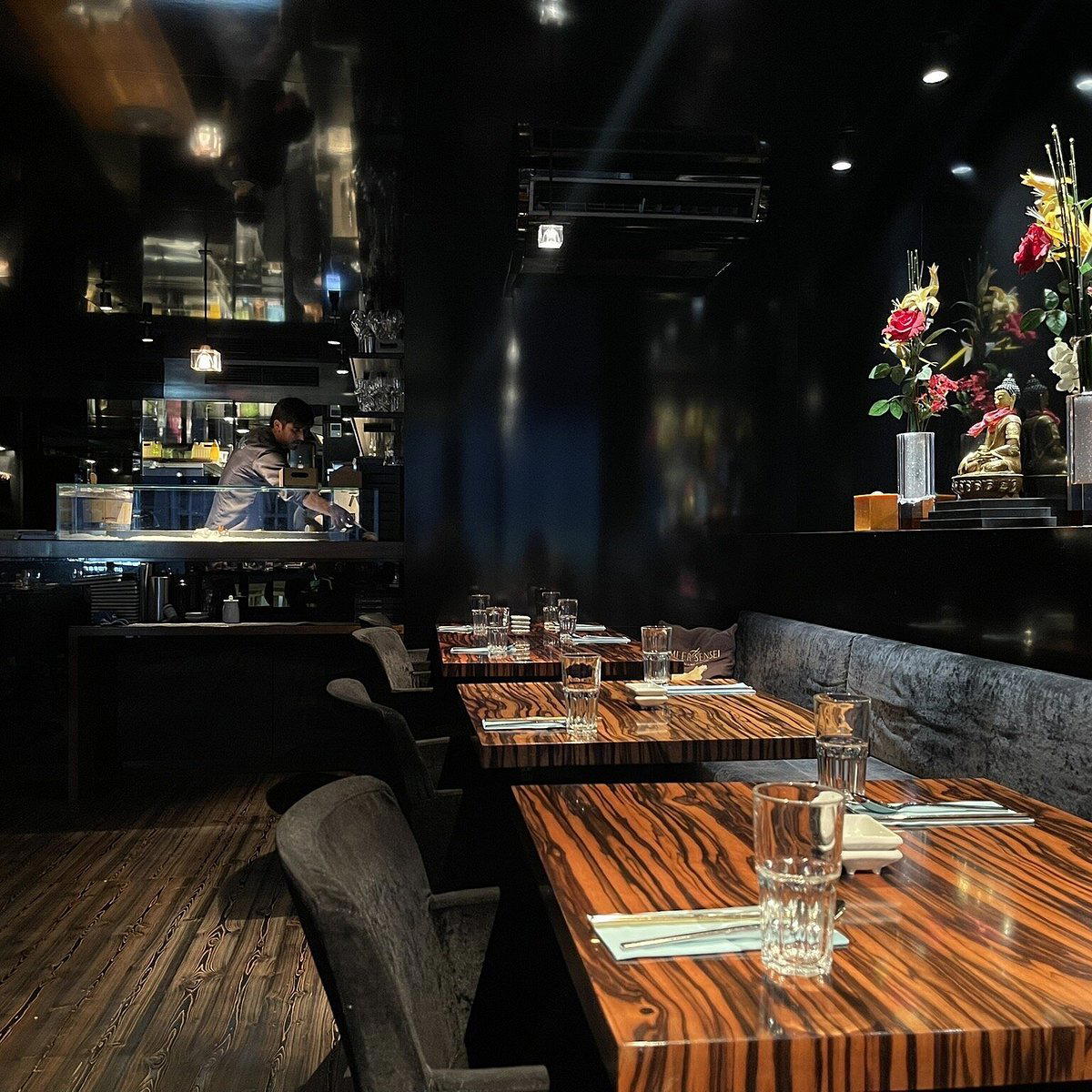
Maria-Theresien-Straße and the Dining Tier It Creates
Innsbruck's Maria-Theresien-Straße functions as the city's public spine. The Annasäule column anchors the northern end, the Nordkette range frames the skyline above, and the street connects the old town to the commercial and hospitality district that has absorbed most of the city's dining investment over the past decade. Real estate on this corridor is expensive and conspicuous. A restaurant choosing this address is not hiding from competition, it is positioning itself inside visible dining tier the city offers. Sensei, at number 11, makes that choice deliberate.
The street context matters because it shapes expectation before a guest reaches the door. Neighbours on and around Maria-Theresien-Straße include operators across a wide price range, from B-West to more refined rooms. The city's fine dining is not concentrated in one quarter the way Vienna's is around the first district or around the kitchen at Steirereck im Stadtpark, but Maria-Theresien-Straße comes closest to that kind of focal address in Innsbruck. A venue here competes on visibility as much as on cooking.
The Innsbruck Fine Dining Field in 2024
Innsbruck's premium dining scene is smaller than its tourism footprint would suggest. The city draws visitors for the Alps, the ski corridors to the west, and the conference trade, but its Michelin-recognised restaurant count remains modest compared to Salzburg or Vienna. The nearby Tyrolean mountains host some of Austria's more serious alpine kitchens, including Gourmetrestaurant Tannenhof in Sankt Anton am Arlberg and Griggeler Stuba in Lech, which set a regional standard for tasting-menu ambition. Within the city itself, creative kitchens like Oniriq operate at the €€€€ price tier, while classic cuisine rooms such as Das Schindler and Sitzwohl hold the €€€ bracket. Bonsai represents a different register entirely.
It is into this relatively compact field that Sensei arrives with an address that implies serious intent. How a restaurant at this location prices and programmes itself determines which comparable set it actually competes in. The city does not have the depth of scene where a venue can afford anonymity. Every opening on a street this prominent becomes part of the conversation immediately.
Japanese Reference in an Austrian Alpine City
The name Sensei belongs to a register of Japanese dining vocabulary that carries weight in European cities. Over the past decade, Japanese culinary reference has split into two broad categories in continental Europe: venues that import specific technical traditions (omakase counters, ramen specialists, izakaya formats) and venues that apply Japanese aesthetic principles to local product. The former category tends toward premium pricing and limited capacity; the latter sits across a wider range. In Innsbruck, Al Fred and Bistro Gourmand illustrate how the city's mid-range has embraced international reference points, while Arzler Alm anchors the Tyrolean tradition at the other end of the register.
Japanese-influenced dining at the serious end of the European market now benchmarks against rooms like Atomix in New York City, where Korean technique meets European fine dining structure, and kitchens drawing on East Asian culinary logic have come to occupy a distinct niche in how high-end urban dining is judged. Whether Sensei operates within that tradition or uses Japanese reference more loosely is the kind of detail that determines where it sits in the comparable set, and that distinction matters most for guests arriving with specific expectations around precision and product sourcing.
Austrian Fine Dining Beyond the City
Guests who treat Innsbruck as a base for wider Tyrolean and Austrian exploration are already operating in a region with genuine culinary density. Westward, the alpine corridor toward Arlberg connects to some of Austria's most technically serious kitchens. Eastward, the broader Austrian fine dining network includes Döllerer in Golling an der Salzach, Ikarus in Salzburg, Obauer in Werfen, Landhaus Bacher in Mautern an der Donau, Kräuterreich by Vitus Winkler in Sankt Veit im Pongau, Ois in Neufelden, and Restaurant 141 by Joachim Jaud in Mieming, the latter close enough to Innsbruck to function as a day trip for guests with a car. That regional depth means Innsbruck-based diners are not limited to what the city itself offers, but it also raises the bar for any in-city operator aiming at the premium tier. Sensei's Maria-Theresien-Straße address places it among the first venues that serious visiting diners will consider, a position that carries both opportunity and scrutiny.
For guests planning from outside Austria, the proximity to international-standard kitchens elsewhere in Europe is also worth noting. Le Bernardin in New York City sets a reference point for precision seafood at the summit of the market; European counterparts at equivalent ambition levels tend to require advance planning and often multi-month booking windows. Innsbruck's scene does not yet operate at that level of booking pressure, which means access to serious cooking in the city remains relatively direct compared to major capitals.
Planning a Visit: What the Address Tells You
Maria-Theresien-Straße 11 is on the main pedestrian promenade, reachable on foot from Innsbruck Hauptbahnhof in under ten minutes and directly accessible from the old town without a car. The address places the venue on among the more trafficked streets in the city, which typically means walk-in traffic is possible but advance contact is advisable for weekend sittings or larger parties. Guests should confirm availability directly before travel. The city's dining scene is compact enough that booking ahead is usually sufficient outside peak ski season, when tourist concentration on the main corridor increases demand noticeably. January through March and the Christmas market period in late November and December represent the highest-competition windows for tables at any Maria-Theresien-Straße address.
Style and Standing
Comparable venues nearby, for context on price, style, and recognition.
| Venue | Cuisine | Price | Notes |
|---|---|---|---|
| SenseiThis venue — the venue you are viewing | Modern Japanese Sushi | $$$ | Not listed |
| Bonsai | Japanese Sushi Bar | $$ | Innenstadt |
| Fischiff | Fresh Seafood & Shellfish | $$$ | Wilten |
| my Indigo Rathaus | Asian Fusion Energy Kitchen | $$ | Altstadt (historic center) |
| Restaurant 1809 | Modern Tyrolean Austrian | $$$ | Wilten |
| Arzler Alm | Traditional Tyrolean Alpine Hut | $$ | Arzl |
Continue exploring
More in Innsbruck
Restaurants in Innsbruck
Browse all →
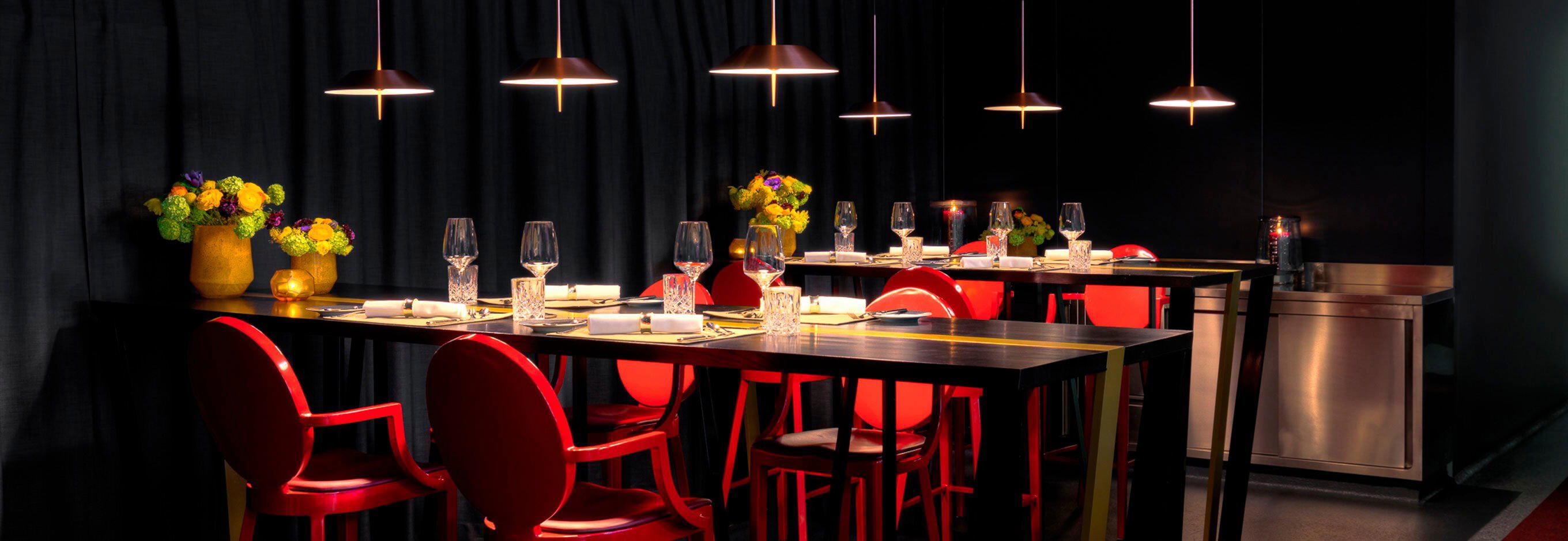
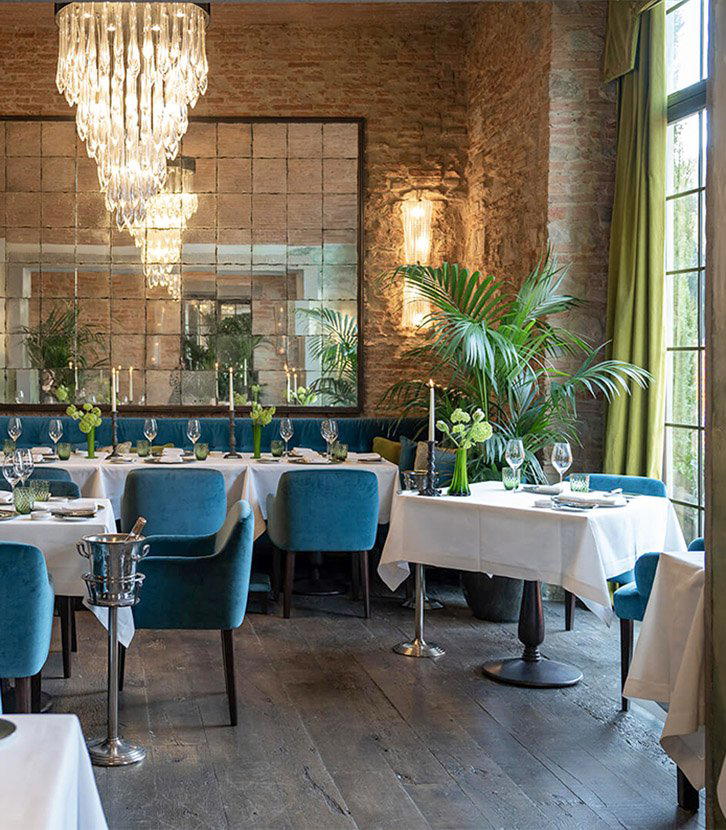
Bars in Innsbruck
Browse all →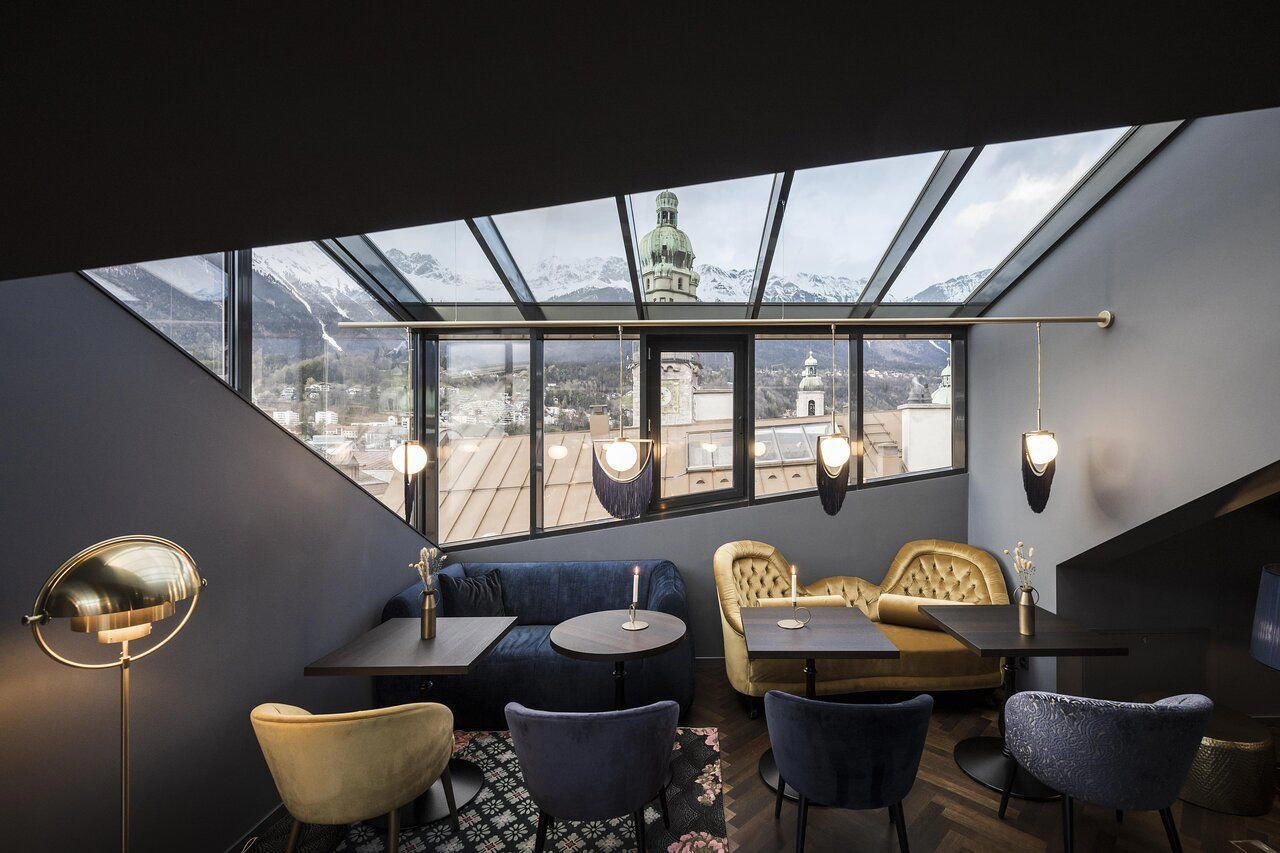
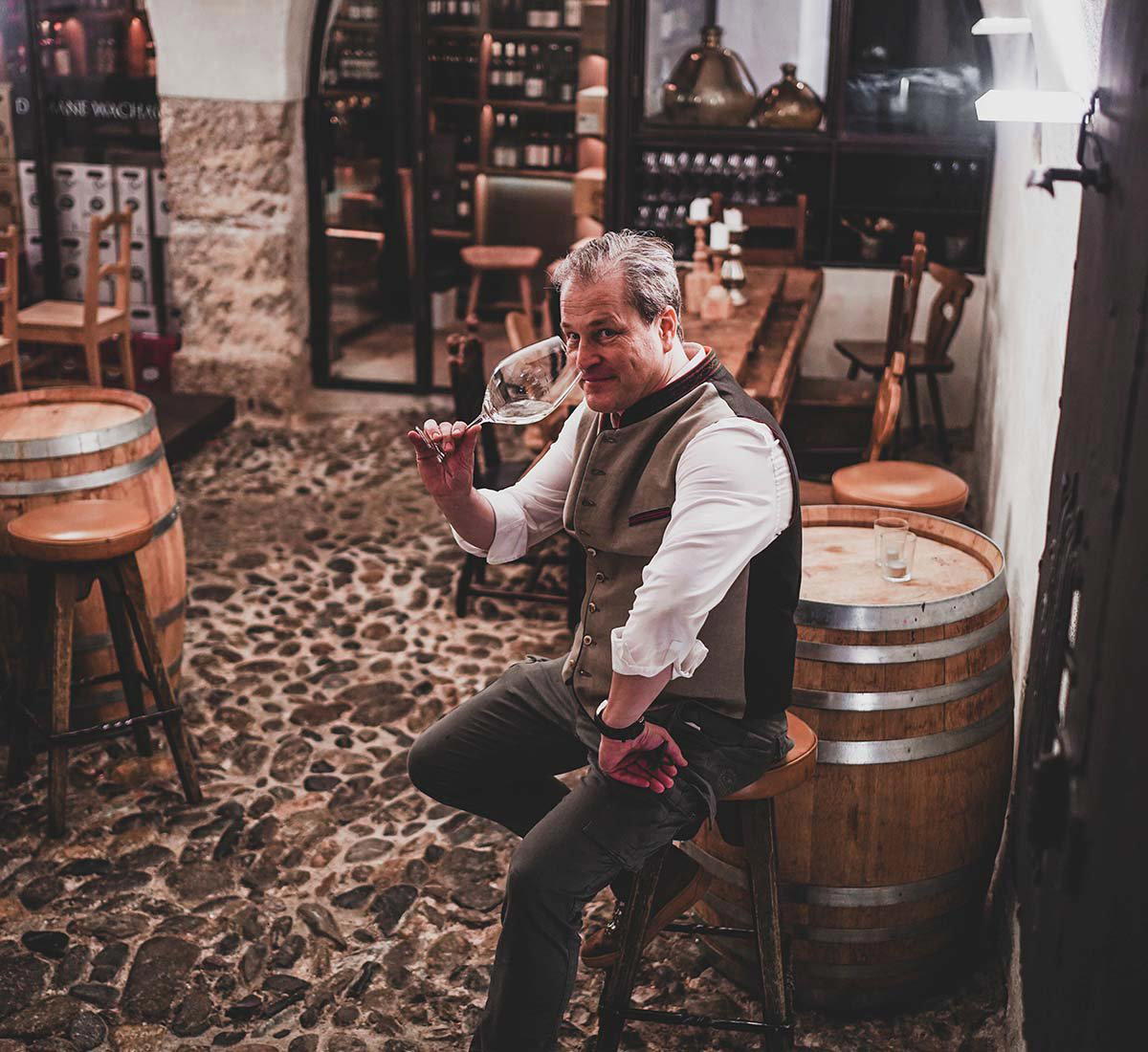
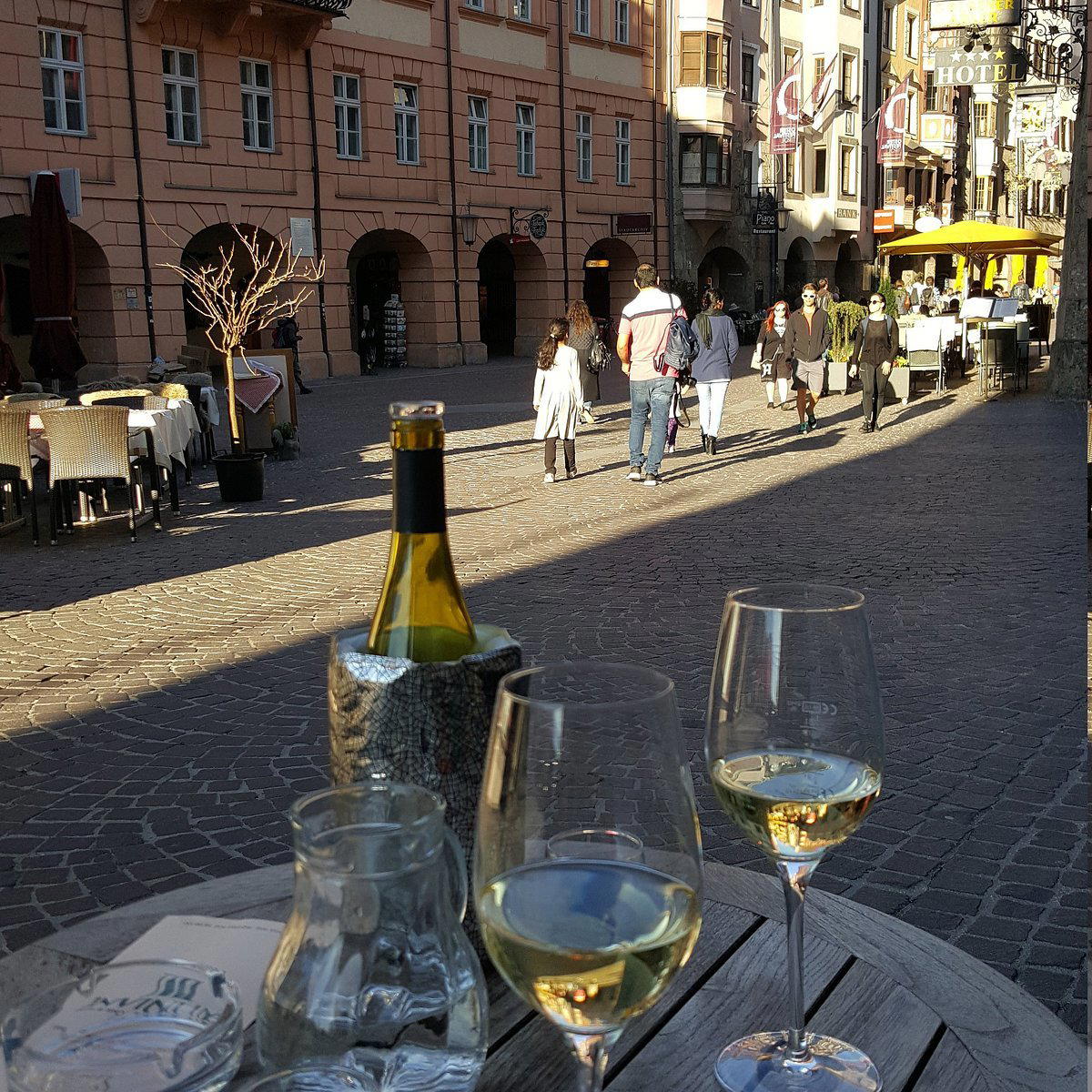
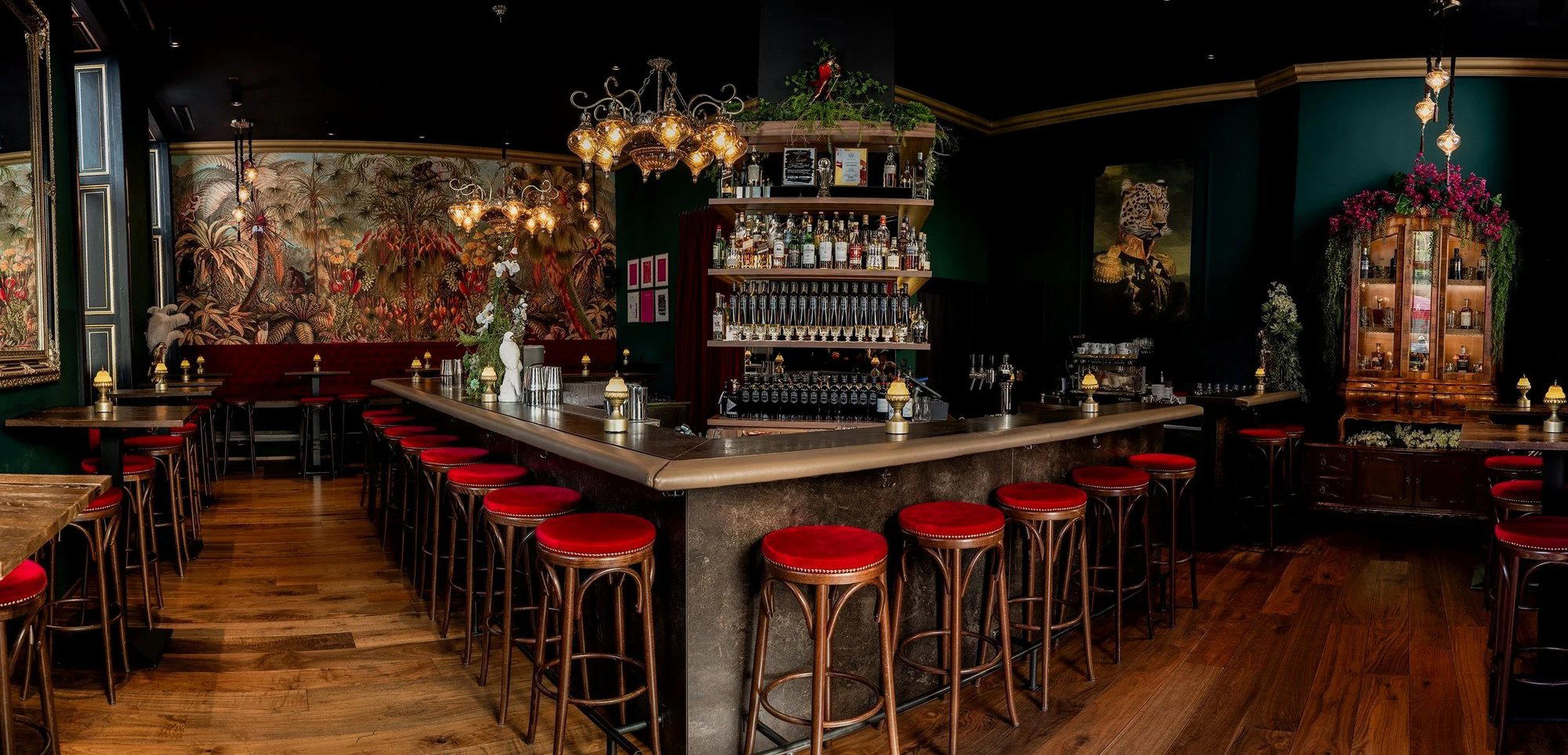
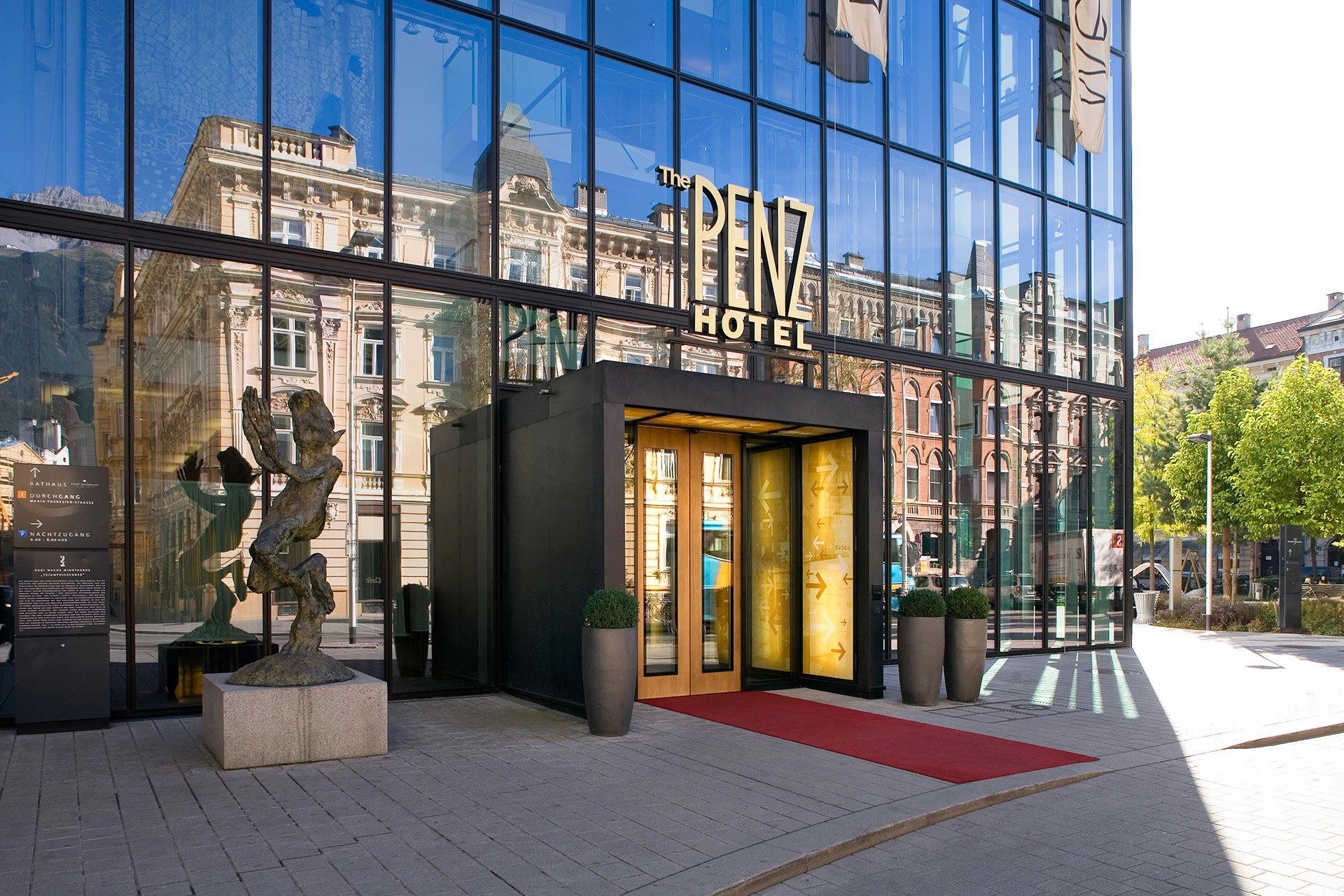
Hotels in Innsbruck
Browse all →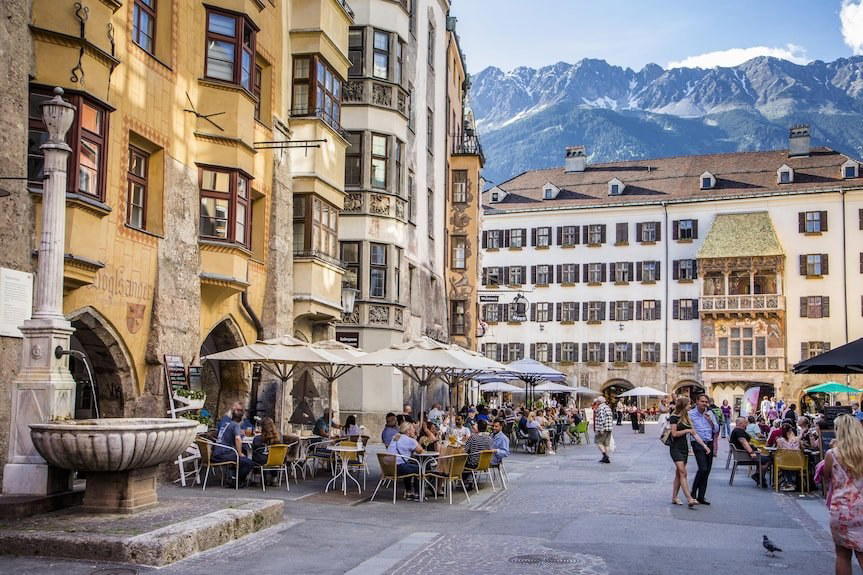

At a Glance
- Modern
- Elegant
- Sophisticated
- Date Night
- Casual Hangout
- Open Kitchen
- Sake Program
- Street Scene
Current opening hours
- Monday
- 12–3 PM, 6–10 PM
- Tuesday
- 12–3 PM, 6–10 PM
- Wednesday
- 12–3 PM, 6–10 PM
- Thursday
- 12–3 PM, 6–10 PM
- Friday
- 12–3 PM, 6–10 PM
- Saturday
- 12–3 PM, 6–10 PM
- Sunday
- Closed
Hours can change for holidays and private events. Last verified .
Dimmed lighting with discreet piano music in an atmospheric, noble setting of black and stoneware.