
Tabelog 100 #22
Our verdict
Senpachi puts Fukuoka sushi in a tighter, source-led frame: small counter, synchronized seatings, and a fish-first identity backed by Tabelog Award 2025 Bronze recognition and selection for Tabelog Sushi WEST 100 in 2025. The appeal is not theatrical luxury; it is disciplined pacing, a serious drinks program across sake, shochu and wine, and a price tier that places it among the city’s more committed sushi reservations.

Pearl is the En Primeur Club membership app, where members save venues, book tables and use the concierge.
The menu
What to order
- Squid nigiri
- Abalone liver sauce nigiri
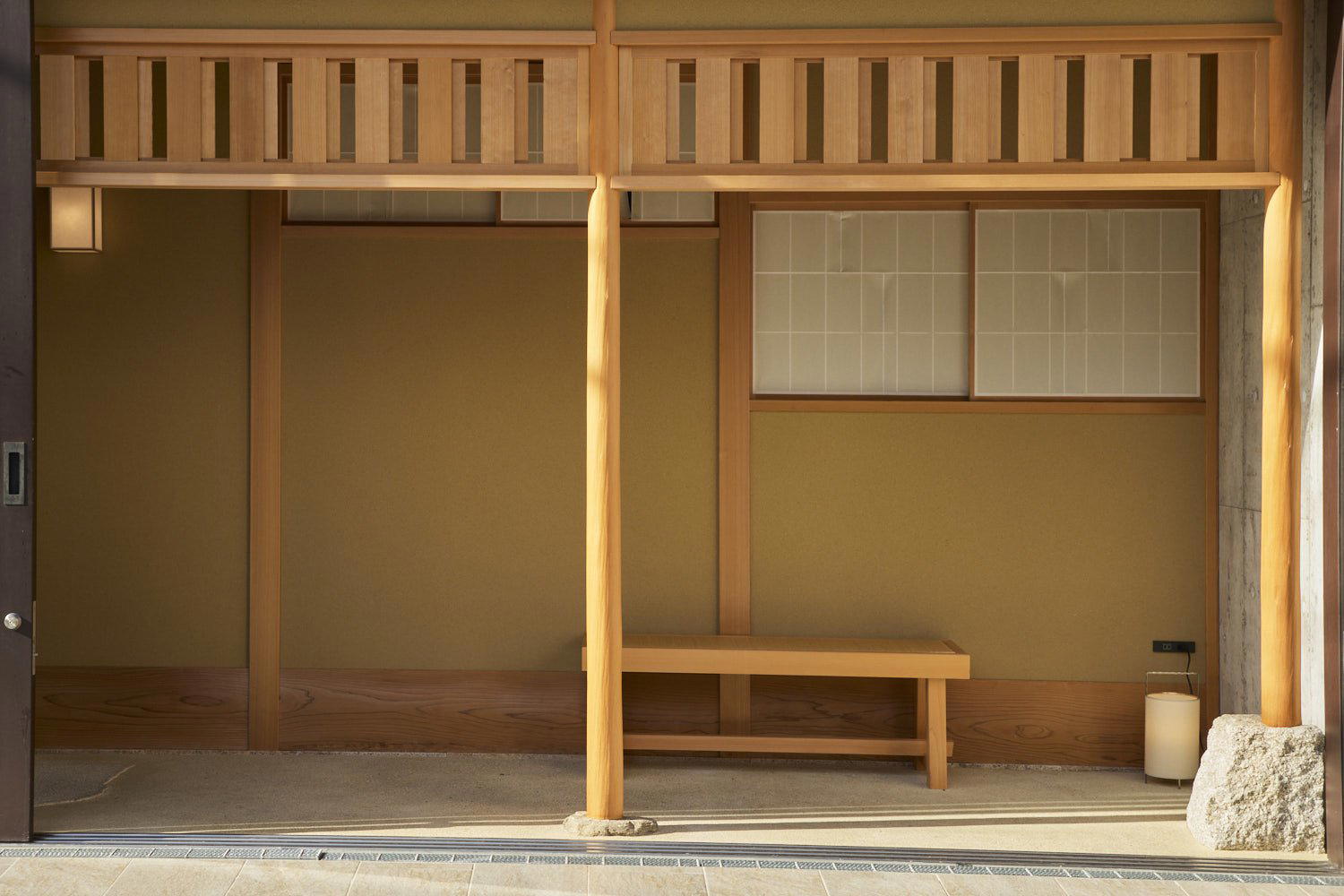
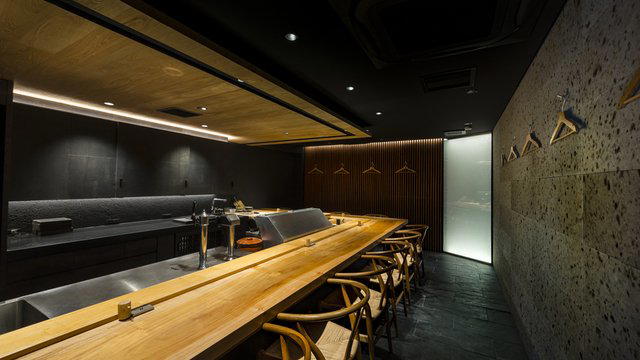
The approach to Takasago is quieter than Fukuoka’s more obvious dining corridors, which suits the sushi culture taking shape here. The room is counter-led rather than theatrical, and everyone begins together. In sushi, pacing, rice temperature, fish preparation and the rhythm between courses lose meaning when a counter runs like a casual drop-in. Senpachi belongs to Fukuoka’s more disciplined dining: structured, compact and ingredient-led.
Fukuoka’s advantage is geography as much as appetite. Kyushu’s coastlines, nearby fishing ports and long drinking traditions give the city a sushi vocabulary distinct from Tokyo prestige counters or Osaka kappo culture. Fish sourcing is not decorative here. It is the organizing principle, and the restaurant’s public positioning is explicit about being particular about fish. Plain in translation, that signals a counter where procurement carries as much weight as technique.
Fukuoka sushi with Kyushu produce at the center
The stronger Fukuoka counters argue for the region rather than imitate Ginza. Kyushu seafood gives chefs wide textures and fat profiles, while local drinking culture broadens pairings beyond the standard sake-only script. Senpachi’s drinks emphasis covers sake, shochu and wine, a useful marker in a city where shochu is not an afterthought but part of the regional table. For travelers used to sushi restaurants treating wine as an imported flourish, that wider frame says much about Fukuoka’s confidence.
Recognition sharpens the format’s context. Senpachi was named a Tabelog Award 2025 Bronze winner and selected for Tabelog Sushi WEST 100 in 2025, with a Tabelog score listed at 4.07 in the award data. In Japan’s reservation culture, those are not ornamental badges; they push a small counter into a more competitive bracket, especially with 12 seats and reservation-only service. In practice, this is less browsing for sushi than choosing a fixed-format evening.
Price defines the comparison set. Dinner is listed at JPY 20,000 to JPY 29,999, with lunch at JPY 10,000 to JPY 14,999. That places Senpachi above casual sushi, in a tier where diners should expect a course-driven sequence, tighter timing and fewer compromises around allergies or dislikes. Among the Fukuoka venues provided for comparison, Tatsu Sho sits in the same listed price band, while Yakitori Taka occupies a lower JPY 8,000 to JPY 9,999 range in another genre. The point is not that sushi must cost more, but that fish-led counters price around procurement, seat count and loss control in ways yakitori rooms often do not.
The counter format rewards punctual diners
Japanese counter dining often looks minimal, but its operating system is exacting. Senpachi runs set seatings rather than open-ended service, and asks guests to arrive before the reservation time because food begins for everyone at once. This is not hospitality rigidity. A small sushi counter depends on synchronized timing; late arrival can mean entering halfway through the meal, not restarting the sequence.
The 12-seat scale explains policies that may surprise first-time visitors to premium sushi in Japan. Reservations are required. Bills are consolidated. A one-drink policy applies. Perfume is not allowed, a common rule in serious sushi rooms because scent interferes with rice vinegar, fish fat and warmed rice. There are no private rooms, reinforcing the point: this is a counter experience, not a private dining salon.
Children are handled with more nuance than at many high-end counters. Saturday lunch accepts children, but the menu is the same as for adults, so it suits children who can sit through and eat the full course. That distinction matters in Fukuoka, where family dining is broad but premium sushi remains format-sensitive. The general notes also state that children are not allowed outside that arrangement, so families should treat Saturday lunch as the relevant window rather than assume flexibility across services.
For overseas diners, booking route matters. English online reservations are accepted through the English Tabelog page, while the Japanese reservation system is not used for overseas bookings. Cancellation terms are strict: from three days before through the meal day, the fee is 100 percent of the course; from one week to four days before, it is 50 percent. Allergy requests should be declared at booking, but extensive dislikes can lead to a declined reservation. This is the practical side of a fish-focused counter with limited seats: customization has a cost when the whole room moves together.
Where it sits in Fukuoka's wider dining map
Fukuoka’s dining strength is breadth. Sushi is one lane in a city that can move from South Indian cooking at 106 South Indian Fukuoka tenjin ten to spice-driven cooking at Afterglow, local izakaya rhythms at Aji Dokoro Taro Gen Sougyou ten, and focused everyday seafood at Aji Furai Shokudo Kaba. Its appeal is that a serious counter can sit near lower-key addresses such as Aji no Katsueda without feeling culturally separate. For broader planning, see Our full Fukuoka restaurants guide, alongside Our full Fukuoka hotels guide, Our full Fukuoka bars guide, Our full Fukuoka wineries guide and Our full Fukuoka experiences guide.
Against Japan’s wider dining map, the address shows regional cities asserting themselves without copying the capital. Travelers building a multi-city itinerary might contrast a Fukuoka sushi counter with beef-focused dining at -Grilled beef Sukiyaki- KAMAKURA TANUKIAN 鎌倉 たぬき庵 in Kamakura, Tokyo charcoal cooking at. 鮪と炭火焼き うお炭 秋葉原店 in Tokyo, café culture at.cafe in Osaka, or contemporary dining at.know in Kumamoto. Beyond Japan, the comparison still helps: (Shoku) Vietnam in Kawasaki, [Curry Senmon Ten] Maruyama Kyoju. in Sapporo, Jōdo Saké Bar in Los Angeles and Onigiri Time in Pasadena show how Japanese formats travel, adapt or narrow focus. Senpachi is more specific: a Fukuoka sushi counter where fish sourcing, synchronized service and regional drinking habits carry the argument.
Frequently asked questions
Is Senpachi suitable for children?
Yes, but only on Saturdays, and the menu is the same as for adults. The venue notes that children are welcome only if they can eat the full course, which matches its reservation-only format in Fukuoka.
What is the atmosphere like at Senpachi?
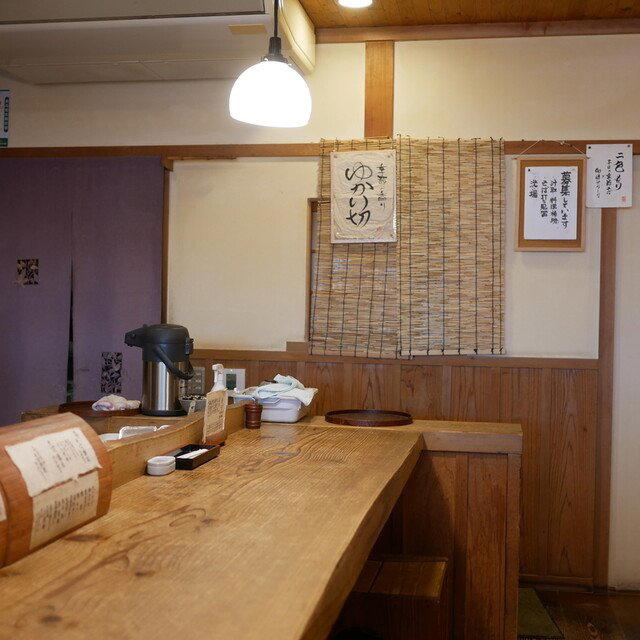
Senpachi is a 12-seat counter with a quiet, controlled pace, and service starts at the reservation time for everyone together. It is non-smoking, takes reservations only, and sits in Fukuoka’s Chuo Ward on Takasago.
Is Senpachi open every day?
Hours at Senpachi: Tue, Wed 18:00 - 20:00 20:10 - 22:10.
What's Senpachi's location?
Senpachi is located in Fukuoka.
What's Senpachi best at?
Its strongest point is focused sushi service, backed by Tabelog Sushi WEST 100 selection for 2025 and a Tabelog Bronze award the same year. The listing also notes attention to fish, plus sake, shochu, and wine.
Comparison Snapshot
Comparable venues by cuisine and price in the same metro.
| Venue | Cuisine | Price | Awards | Notes |
|---|---|---|---|---|
| SenpachiThis venue (the venue you are viewing) | Edomae Sushi Omakase | Not listed | Tabelog 100 #22 | Not listed |
| Onokoro Hanjou | Seafood-focused Japanese izakaya | $30–50 | Tabelog 100 #67 | Chūō |
| meek | Stylish Thai & Asian Ethnic Cuisine | $20–30 | Tabelog 100 #4 | Chūō |
| Rojiura Sakaba Gompoji | Japanese Izakaya | $30–50 | Tabelog 100 #83 | Sawara |
| Kiharu no Gomasaba ya | Mackerel-focused Japanese Izakaya | $30–50 | Tabelog 100 #16 | Chūō |
| 安春計 | Japanese Izakaya | Not listed | Tabelog 100 #90 | Chūō |
Recognition history
Dated appearances from independent guides and award organizations, with the underlying list record or original source where available.
Tabelog 100 #22 · No. 22
Tabelog · Tabelog 100 - Sushi - WEST - 2025
Full recognition history (2 entries)
Tabelog Bronze
Tabelog
Continue exploring
More in Fukuoka
Restaurants in Fukuoka
All restaurants in Fukuoka →
Details
- Classic
- Cozy
- Intimate
- Sophisticated
- Date Night
- Special Occasion
- Business Dinner
- Chefs Counter
- Standalone
- Sake Program
- Local Sourcing
- Omakase
- Counter Dining
- Set Menu
Current opening hours
- Monday
- Closed
- Tuesday
- 6–10:10 p.m.
- Wednesday
- 6–10:10 p.m.
- Thursday
- 11:30 a.m.–1 p.m., 6–10:10 p.m.
- Friday
- 11:30 a.m.–1 p.m., 6–10:10 p.m.
- Saturday
- 11:30 a.m.–1 p.m., 5–9:10 p.m.
- Sunday
- Closed
Hours can change for holidays and private events. Hours as of .
Focused and intimate with a classic sushi-counter feel and a deliberate, reservation-only rhythm.