Senla occupies a ground-floor address on Richmond Street West, placing it inside Toronto's densest cluster of ambitious dining rooms. The kitchen's framing around ingredient provenance puts it in conversation with a growing tier of Canadian restaurants that treat sourcing as editorial, not simply ethical. For a Financial District-adjacent room, the cooking signals intentions well above the neighbourhood's default register.
Pearl is the En Primeur Club membership app — saves, bookings, and concierge access live there. Same editors, same standards.
- Address
- 133 Richmond St W unit 101, Toronto, ON M5H 2L3, Canada
- Phone
- +18668372731
- Website
- senlarestaurant.com
- Directions
- Get directions
 Saves & bookings on Pearl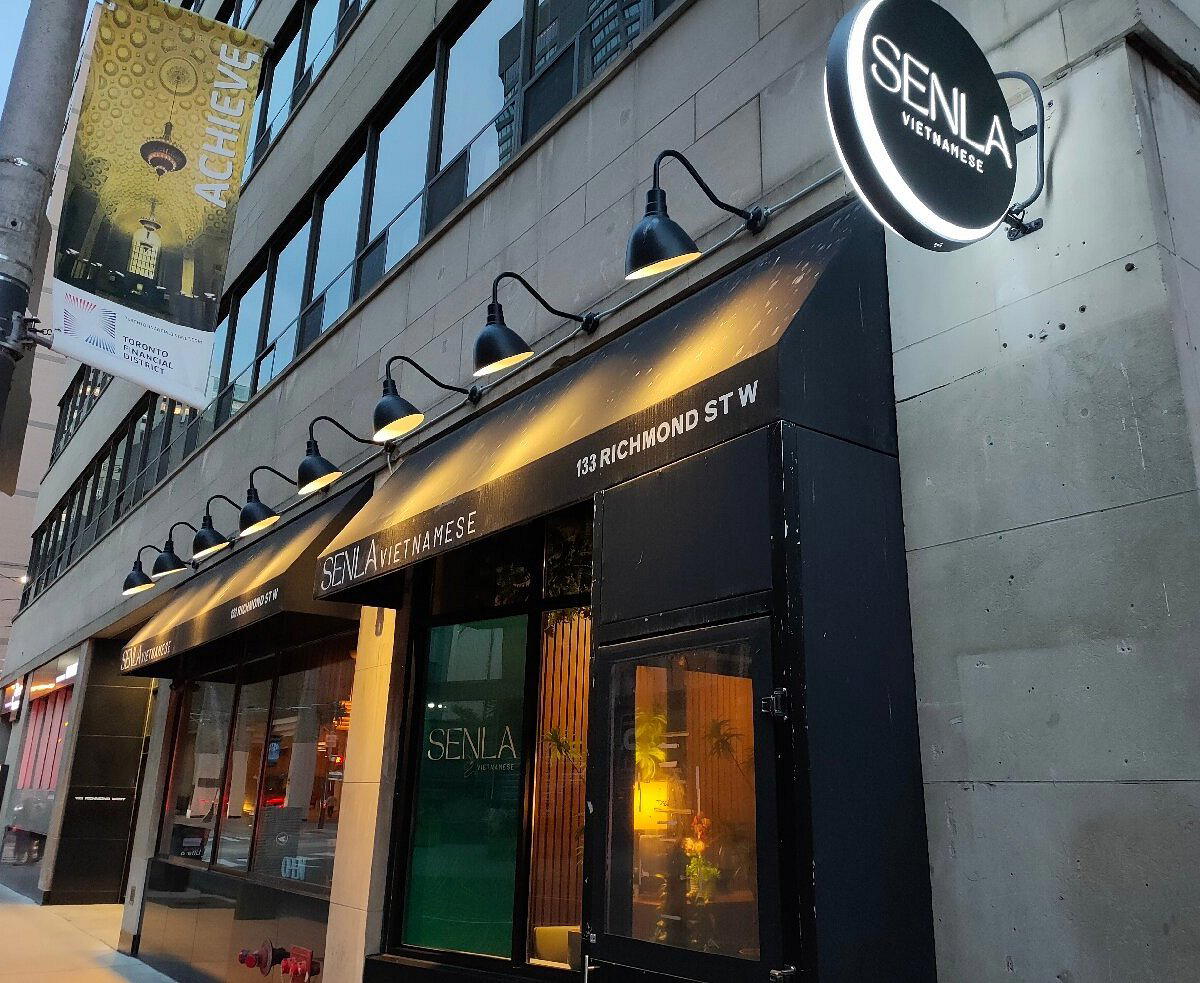
Richmond Street West and the Sourcing-Led Room
Toronto's Financial District has never been the city's most fertile ground for serious cooking. The neighbourhood's lunch-rush economics and after-work crowd historically pushed restaurants toward volume and efficiency over precision. That context makes 133 Richmond Street West an address worth noting: Senla sits at ground level in a corridor where the ambient pressure runs against the kind of deliberate, ingredient-forward cooking that defines the city's most discussed rooms. The fact that a kitchen in this postcode is drawing comparisons to sourcing-led Canadian restaurants elsewhere in the country says something about how Toronto's dining ambitions have spread beyond their traditional Queen West and Yorkville anchors.
Across Canada, a recognisable tier of restaurants has emerged that treats the supply chain as a core part of what they're selling. Tanière³ in Quebec City built its reputation almost entirely on hyper-regional Quebec product. Eigensinn Farm in Singhampton collapsed the distance between farm and plate to a literal property boundary. Restaurant Pearl Morissette in Lincoln structured its identity around Niagara terroir. Senla operates within that broader pattern, where the sourcing logic is not a marketing footnote but a structural decision that shapes the menu from the ground up.
What Ingredient Provenance Actually Means in a Toronto Kitchen
The sourcing-led model carries specific implications for how a kitchen operates day to day. Menus shift with supply rather than imposing a fixed programme on seasonal availability. Relationships with producers become as operationally significant as relationships with distributors. The kitchen's skill is tested not just in technique but in the ability to read and respond to what arrives, to find the preparation that honours the ingredient rather than overwriting it.
In Toronto specifically, this approach sits in productive tension with the city's multicultural pantry. The region's farming communities supply notable product across a wide range of traditions: Korean, South Asian, Caribbean, and Eastern European producers operate farms within reasonable distance of the city that grow ingredients unavailable through conventional distribution channels. A kitchen that genuinely works with local and regional supply has access to a more complex ingredient story than almost anywhere else in Canada. AnnaLena in Vancouver has shown how a Pacific Northwest sourcing logic can generate a coherent culinary identity; Toronto's equivalent offers a wider, more culturally plural raw material.
This is the context in which Senla's kitchen operates. The restaurant's framing within this sourcing-conscious tier is consistent with how comparable Toronto rooms position themselves. Rooms like Alo, which occupies stronger examples from the city's contemporary bracket at the $$$$ price tier, have demonstrated that Toronto diners will support kitchens that make procurement decisions central to their identity.
Where Senla Sits in Toronto's Competitive Tier
Toronto's upper dining tier has consolidated around a small number of formats. The omakase counter, exemplified by Sushi Masaki Saito and Aburi Hana, operates at the $$$$ level with strict capacity and advance booking requirements. The Italian-rooted contemporary room, represented by DaNico and Don Alfonso 1890, draws on European technique with varying degrees of local adaptation. Senla occupies a different axis: the sourcing-forward contemporary room that treats Canadian product as its primary editorial argument.
That positioning puts Senla in closer conversation with rooms outside Toronto than within it. The Pine in Creemore and Narval in Rimouski operate on similar premises in different geographic contexts, where proximity to the source is a given rather than a logistical achievement. For an urban room with a Financial District address, making the same sourcing argument requires more deliberate infrastructure. The comparison to Le Bernardin in New York City is instructive in a structural sense: Le Bernardin built a complete culinary identity around a single product category and sourcing logic; the discipline of that commitment is what separated it from rooms with broader but shallower programmes.
At the international level, Atomix in New York City offers a useful parallel for how a kitchen can frame cultural and agricultural specificity as a formal dining proposition, earning recognition that crosses both critical and awards categories. The model works when the sourcing story is legible in the cooking, not just stated in the menu copy.
The Richmond Street West Address: Practical Context
The immediate neighbourhood is Financial District by designation but transitions quickly toward the Entertainment District to the west and King Street's restaurant corridor to the south. St Andrew station on Line 1 is the closest subway stop, making the location accessible from across the city without requiring a car. The ground-floor unit position at 133 Richmond Street West means street-level visibility, a different dynamic from the elevator-accessed dining rooms that define several of Toronto's leading tables, where the room itself is a destination that diners seek out rather than encounter.
Comparable sourcing-led experiences within the broader Canadian context can be found at Jérôme Ferrer - Europea in Montreal, Aux Anciens Canadiens in Quebec, and Barra Fion in Burlington, each of which approaches Canadian product from a distinct regional starting point.
A Tight Comparison
Comparable venues nearby, for context on price, style, and recognition.
| Venue | Cuisine | Price | Notes |
|---|---|---|---|
| SenlaThis venue — the venue you are viewing | Bay Street Corridor, Modern Vietnamese | $$ | Not listed |
| The Lunch Lady of Saigon | Trinity Bellwoods, Modern Vietnamese | $$ | Not listed |
| Phở Hưng Restaurant | Chinatown, Authentic Vietnamese Pho | $ | Not listed |
| 3 Mariachis | Saint Lawrence, Authentic Mexican | $$ | Not listed |
| Yamato Japanese Restaurant | Not listed | $$ | Yorkville, Authentic Japanese Teppanyaki and Sushi |
| Utsav | Yorkville, Authentic Indian | $$ | Not listed |
Continue exploring
More in Toronto
Restaurants in Toronto
Browse all →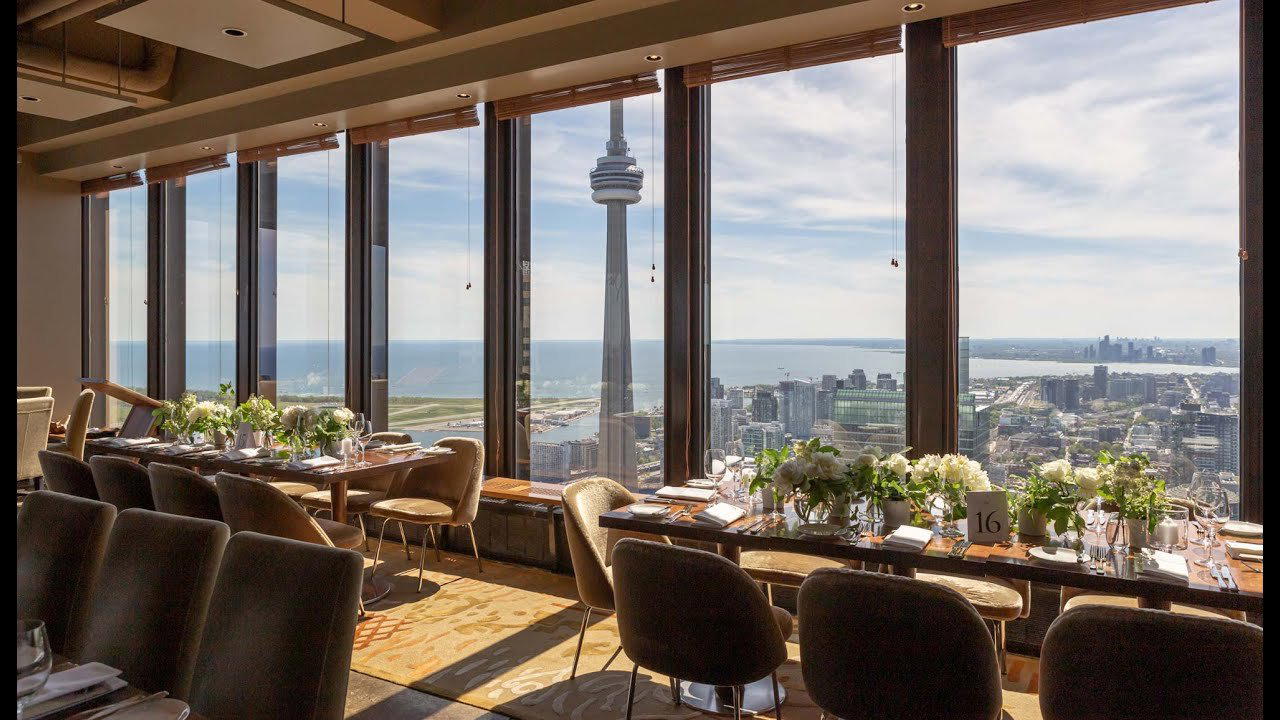

Bars in Toronto
Browse all →
Hotels in Toronto
Browse all →



At a Glance
- Modern
- Trendy
- Casual Hangout
- Open Kitchen
Current opening hours
- Monday
- 11:30 AM–9:30 PM
- Tuesday
- 11:30 AM–9:30 PM
- Wednesday
- 11:30 AM–9:30 PM
- Thursday
- 11:30 AM–9:30 PM
- Friday
- 11:30 AM–10 PM
- Saturday
- 11:30 AM–10 PM
- Sunday
- 11:30 AM–9:30 PM
Hours can change for holidays and private events. Last verified .
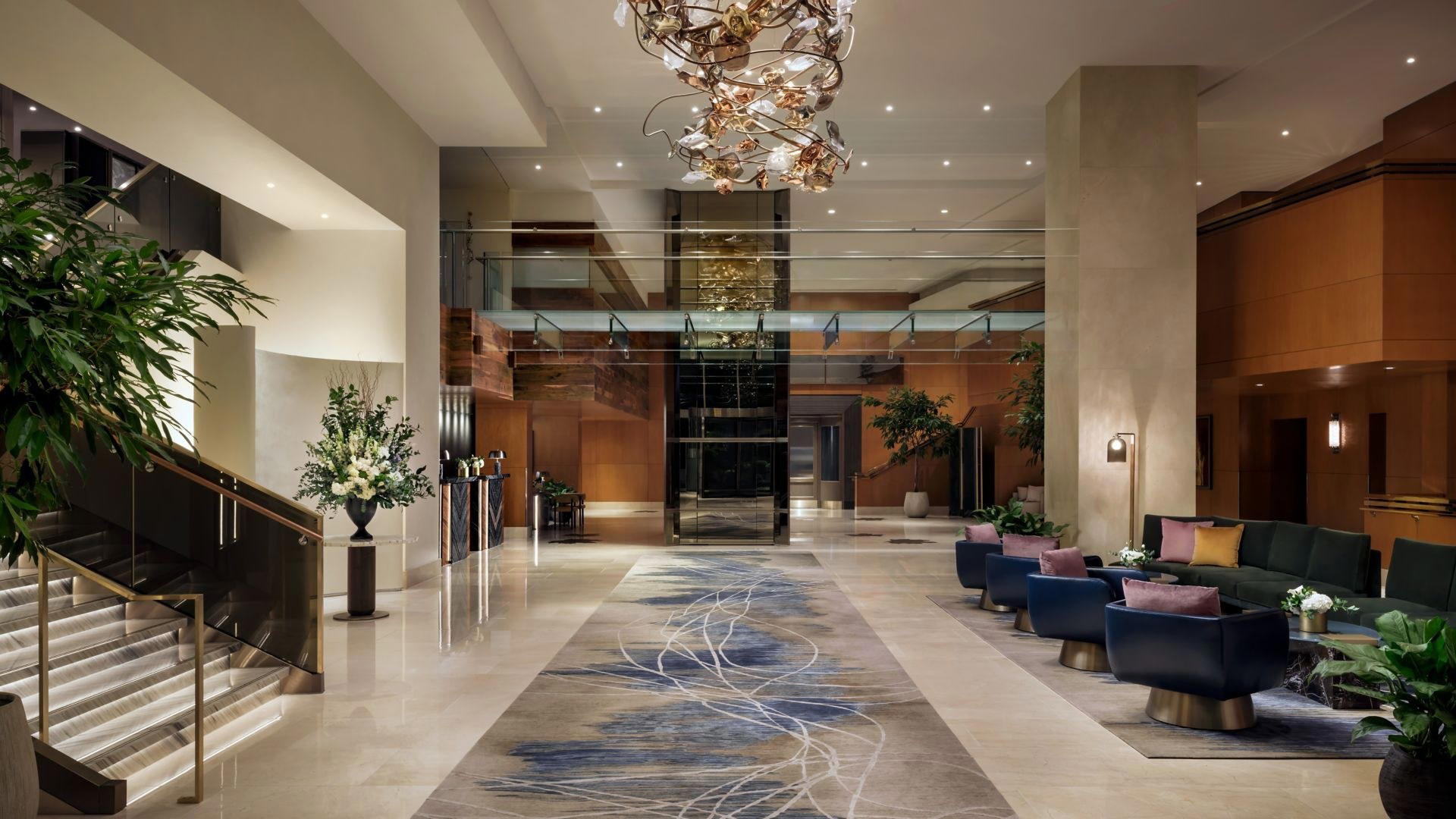
Lively and welcoming atmosphere enhanced by lush greenery with moderate noise levels.