
Seichan belongs to Hiroshima’s compact, counter-led dumpling culture rather than the city’s higher-spend tasting-menu circuit. Its Tabelog 100 Dumplings selections in 2019, 2021, and 2024 place it in a national conversation about gyoza, while the small-room format keeps the experience closer to a neighborhood stop than a destination dining production.
Pearl is the En Primeur Club membership app — saves, bookings, and concierge access live there. Same editors, same standards.
- Address
- 13-13-11 Kanayamacho, Naka Ward, Hiroshima, 730-0022, Japan
- Phone
- +81 82-249-0836
- Website
- japoncompany.business
 Saves & bookings on Pearl
Kanayamacho is the kind of Hiroshima district where dinner can begin at street level, a short walk from the tram stop, in a room that puts the counter before ceremony. Here, gyoza is not a default side order or drinking snack. It becomes the evening’s point: a compact format built around sourcing, repetition, heat control, and the rhythm of a small kitchen.
Seichan sits in that tradition. Read it not as a grand restaurant but as a specialist counter in a city better known abroad for oysters, okonomiyaki, and postwar food culture. Dumpling houses rarely get the international attention of sushi counters or kaiseki rooms, yet Japan’s gyoza culture has its own hierarchy: regional preferences, filling ratios, wrapper texture, pan technique, and whether the room suits a quick solo meal or a longer session with friends.
Hiroshima's gyoza counter, read through sourcing and scale
Gyoza is ingredient-led even in modest rooms. The wrapper must carry steam and contact heat; the filling depends on the balance of meat, cabbage or other vegetables, aromatics, and seasoning; the pan must deliver contrast without turning the dumpling into a fried object. None of this requires luxury ingredients, but it does require tight purchasing and consistency. Small counters can compete seriously here because the supply chain is short, the menu logic is narrow, and mistakes have nowhere to hide.
Seichan’s recognition on Tabelog’s Dumplings “Tabelog 100” list in 2019, 2021, and 2024 matters because the category is crowded and intensely local. Tabelog’s Hyakumeiten selections tend to reward strong category identity over broad hospitality polish. For a Hiroshima diner, the signal is clear: this is a dumpling specialist in a lane distinct from higher-budget local restaurants such as Hiroshima Marukajiri Naka-chan, Yakitori Takase, or Shinya Teki Chuka Shokudo, and from lower-spend everyday rooms such as Horumon Ryori Senmonjo Toneya and Yagenbori Hassho.
That comparison helps with a Hiroshima food itinerary. A city meal built only around premium counters can miss the everyday engineering that defines Japanese dining. Gyoza houses, bakeries, cake shops, and izakaya counters often explain local taste more directly than formal menus. In that map, Seichan pairs naturally with other focused addresses: Akai (Creative Cuisine) for a composed contemporary meal, ANDERSEN for Hiroshima’s bakery culture, Bishu Bikou Hamai for a different local drinking-and-dining register, and Butter Cake no Nagasaki Do for the city’s sweet, take-home side.
Why the counter format changes the meal
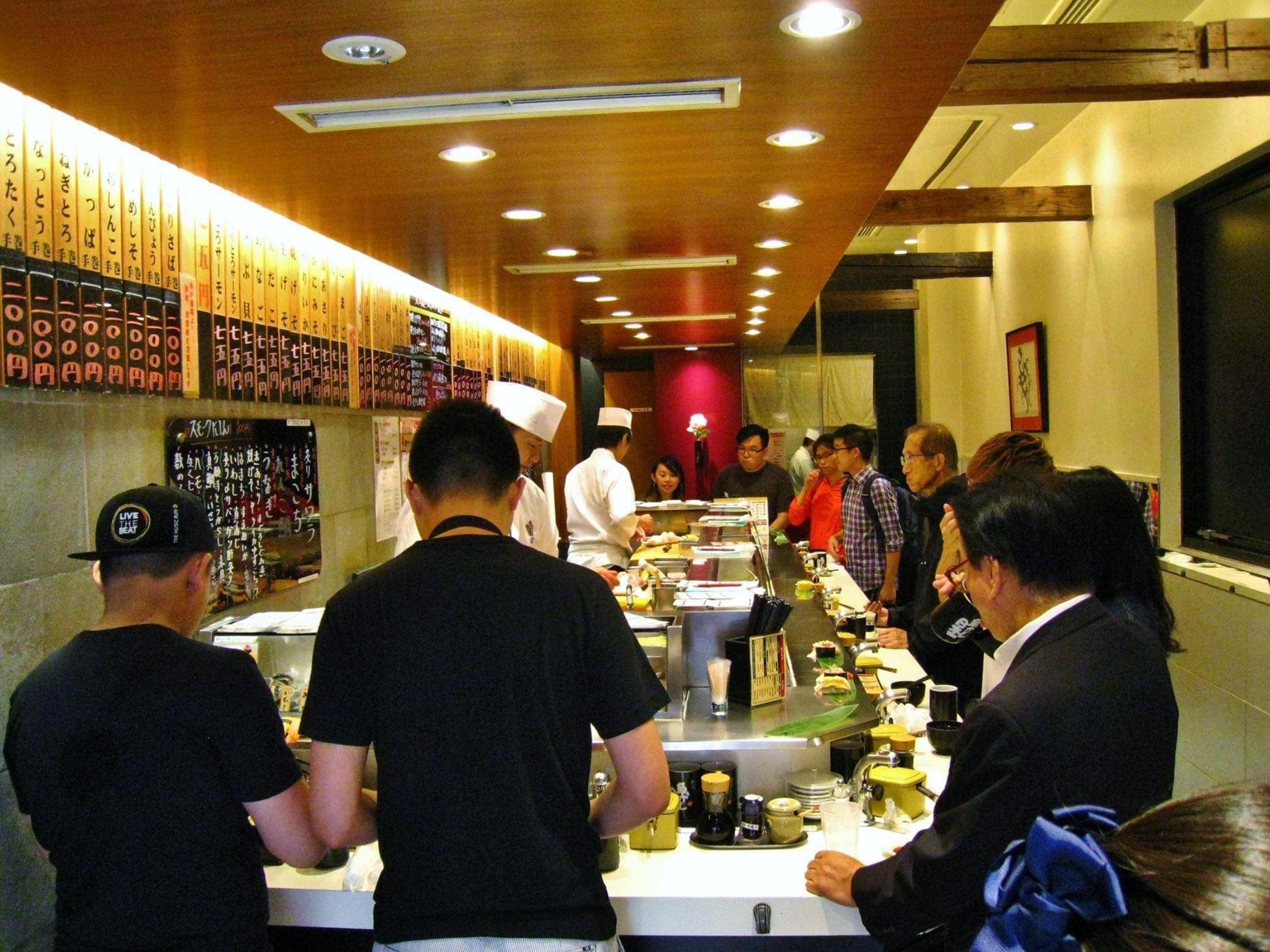
Counter-only dining changes how gyoza is judged. The distance between preparation, pan, and plate is short, so timing becomes part of the format rather than a back-of-house abstraction. In a larger restaurant, dumplings can become one item in a sequence; at a specialist counter, they set the pace. The room narrows the decision: do not expect a sprawling menu or ceremony-driven service. The pleasure is a limited premise, executed repeatedly.
That scale also explains the reservation logic. With few seats and priority given to reservations, the room behaves less like a casual drop-in than the price category suggests. This is common in Japan’s specialist dining culture: affordability does not always mean easy access. The gap between cost and capacity is often where value sits. A diner can spend modestly and still need planning because seats, not tariff, control scarcity.
The smoking policy is part of the old-school texture and should be understood before choosing the meal. Japan’s smaller counter restaurants can preserve habits that larger, newer rooms have left behind. For some travelers, that atmosphere reads as local dining grammar; for others, it changes the decision. Either way, it is practical, not incidental.
For visitors building a wider Hiroshima plan, Seichan is strongest as a focused stop rather than the single anchor of a night. It can sit before or after a bar, or alongside other specialist venues across the city. For broader planning, use Our full Hiroshima restaurants guide, Our full Hiroshima hotels guide, Our full Hiroshima bars guide, Our full Hiroshima wineries guide, and Our full Hiroshima experiences guide. The stronger itinerary is not a chase for prestige; it is a sequence moving between formal cooking, street-level staples, drinking rooms, and regional products.
How to place it within a Japan-wide dumpling itinerary
Japan’s regional dining rewards category specialists. A traveler moving through the country will find modest rooms often carry more information about local habits than expensive restaurants do. That can mean sukiyaki in Kanagawa at -Grilled beef Sukiyaki- KAMAKURA TANUKIAN 鎌倉 たぬき庵 in Kamakura, tuna and charcoal cooking at. 鮪と炭火焼き うお炭 秋葉原店 in Tokyo, café culture at.cafe in Osaka, contemporary local dining at.know in Kumamoto, Vietnamese cooking in Kawasaki at (Shoku) Vietnam in Kawasaki, or curry in Hokkaido at [Curry Senmon Ten] Maruyama Kyoju. in Sapporo.
Seen that way, Seichan is a useful Hiroshima entry because it resists the tourist shorthand of the city. The international script often reduces Hiroshima dining to okonomiyaki and oysters, both valid but incomplete. A recognized gyoza counter points to another layer: compact urban rooms where ingredient procurement, pan work, and repeat customers shape reputation more than décor or tasting-menu choreography.
For travelers coming from outside Japan, the same logic applies across the Pacific. Jōdo Saké Bar in Los Angeles may frame Japanese drinking culture through selection and service, while Onigiri Time in Pasadena shows how a narrow Japanese format can travel when tightly defined. In Hiroshima, the lesson is more local and less translated: gyoza is not background food when a room is built around it. Seichan belongs on an itinerary for diners who care about that distinction, especially those willing to trade breadth for a specialist counter with national category recognition.
Fast Comparison
Comparable venues by cuisine and price in the same metro.
| Venue | Cuisine | Price | Notes |
|---|---|---|---|
| SeichanThis venue — the venue you are viewing | Chinese Dumpling House | $$ | Not listed |
| Bishu Bikou Hamai | Traditional Japanese Izakaya | $$ | Naka |
| Chinese Sai Kichijitsu | Seasonal Chinese Chef’s Counter | $$$ | Higashi |
| 野趣 拓 | High Quality French | Not listed | Naka |
| Shintenchi Micchan | Hiroshima-style okonomiyaki | $ | Naka |
| Soraya | Japanese Standing Bar | $$ | Naka |
Recognition history
Dated appearances from independent guides and award organizations, with the underlying list record or original source where available.
Tabelog 100 #77 · No. 77
Tabelog · Tabelog 100 - Dumplings - 2024
Continue exploring
More in Hiroshima
Restaurants in Hiroshima
Browse all →
Bars in Hiroshima
Browse all →
At a Glance
- Classic
- Cozy
- Casual Hangout
- Solo
- Group Dining
- Standalone
- Beer Program
Current opening hours
- Monday
- Closed
- Tuesday
- 5–7:30 PM
- Wednesday
- 5–7:30 PM
- Thursday
- 5–7:30 PM
- Friday
- 5–7:30 PM
- Saturday
- 5–7:30 PM
- Sunday
- Closed
Hours can change for holidays and private events. Last verified .
A compact, counter-only neighborhood spot with a simple, old-school feel and a busy, intimate dining atmosphere.