Pescheria Backi on Franz-Josef-Straße brings a seafood-focused counter to a city more often associated with landlocked Austrian tradition. The format sits closer to a specialist fishmonger-restaurant hybrid than a conventional dining room, making it an outlier in Salzburg's dining scene. For a city where the freshest catch typically arrives by truck rather than boat, the sourcing discipline here is the central argument.
Pearl is the En Primeur Club membership app — saves, bookings, and concierge access live there. Same editors, same standards.
- Address
- Franz-Josef-Straße 16b, 5020 Salzburg, Austria
- Phone
- +43662879778
- Directions
- Get directions
 Saves & bookings on Pearl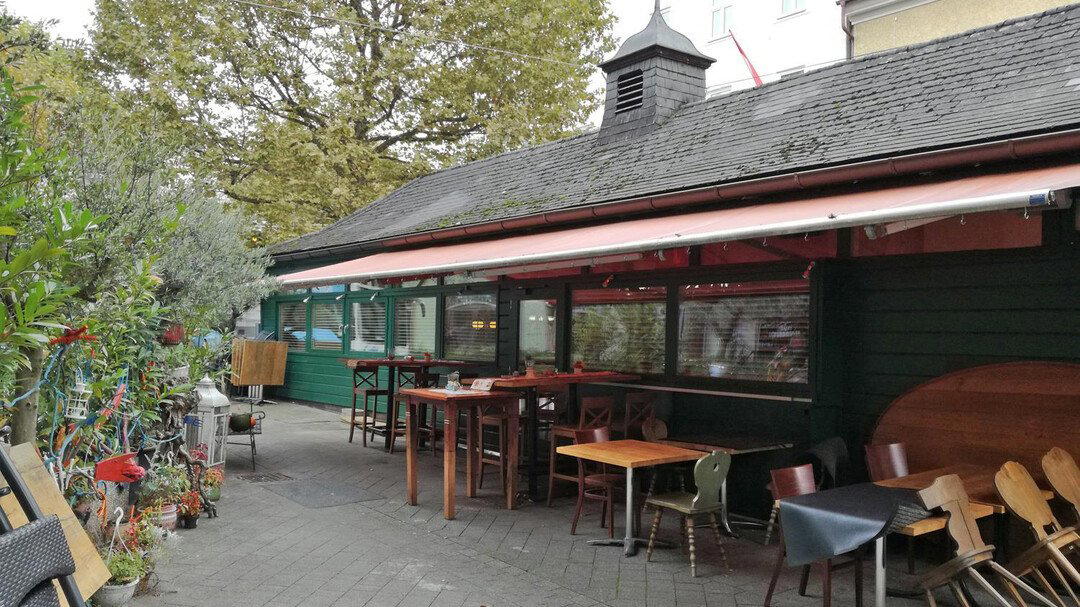
Pescheria Backi in Salzburg serves Mediterranean seafood at a casual price point.
Salzburg sits roughly 400 kilometres from the nearest coastline, which makes the premise of a serious fish restaurant here more pointed than it would be in coastal cities. Across Austria, the credibility of a seafood-led kitchen rests almost entirely on supply chain discipline: how quickly product moves from water to prep, how honestly it is handled, and whether the kitchen resists the temptation to dress mediocre fish in elaborate sauces. In a city where the broader dining conversation tends to revolve around Michelin-decorated kitchens like Ikarus, Esszimmer, and Pfefferschiff, Pescheria Backi addresses a different question: can a focused, ingredient-first fish operation make a coherent case in a market that doesn't organically demand it?
The name itself signals Italian coastal heritage, and that framing matters. Italian fish culture, particularly from the Adriatic, is built on the principle that sourcing is the cooking. The less you do to a well-sourced piece of fish, the more directly you communicate its quality. That philosophy, when applied in an Alpine city, either exposes weak supply chains immediately or rewards operators who have built genuine relationships with suppliers. Pescheria Backi's positioning on Franz-Josef-Straße 16b, in a district that mixes residential Salzburg with everyday commercial traffic, is deliberately removed from the tourist-heavy Altstadt circuit, which tends to suggest a kitchen cooking for a local clientele rather than a passing one.
What the Format Tells You
The pescheria model, borrowed directly from Italian tradition, collapses the distance between fishmonger and kitchen. In its original form along the Adriatic or Tyrrhenian coasts, a pescheria displays the morning's catch, sells directly to households, and often operates a small restaurant or counter alongside. That format creates an accountability loop: the fish on display and the fish on the plate come from the same source, and the turnover pressure of selling both keeps quality high. When that model travels inland, to cities like Vienna, Munich, or Salzburg, it either maintains the supply chain discipline or drifts toward convention. The format is worth paying attention to because it promises transparency about provenance in a way that a standard restaurant menu does not.
For Austrian dining more broadly, fish sourcing has historically meant either freshwater species from Alpine lakes and rivers or imported saltwater product of variable freshness. The inland seafood counter that commits seriously to saltwater fish is a relatively recent urban phenomenon in cities like Salzburg. It belongs to a wider pattern visible across European landlocked cities, where specialist operators have built cold-chain infrastructure to bring coastal product to interior markets at a quality level that was previously impractical. The gap between a fish restaurant in an Alpine city and one on the Adriatic has narrowed substantially over the past decade, though it has not closed entirely.
Salzburg's Dining Context
The city's restaurant hierarchy is well-defined at the leading end. Senns and The Glass Garden represent the modern Austrian registers, while Ikarus at the Hangar-7 operates at a price point and format scale that places it in a separate tier entirely. Pescheria Backi doesn't compete in that bracket. It occupies a more specific, ingredient-driven niche, one closer in spirit to the kind of daily-catch counters that define good fish eating in Italian port towns than to the tasting-menu architecture that dominates Salzburg's award-circuit restaurants.
That positioning has regional precedent. Döllerer in Golling an der Salzach, roughly 30 kilometres south of Salzburg, has built a serious wine and food operation around Alpine ingredients, demonstrating that ingredient specificity and regional sourcing can sustain a destination-level kitchen outside the city. Further afield, Obauer in Werfen represents another version of the same argument: that the Salzburg region rewards kitchens with a clear sourcing philosophy. The fish counter format is a different expression of that same discipline, applied to a product category that requires rigorous supply chain management of any food category.
For context, Le Bernardin in New York City has long represented a benchmark for fish-focused fine dining, built on the argument that sourcing and minimal intervention produce better results than technique-heavy elaboration. The gap between that register and a neighbourhood pescheria in Salzburg is considerable, but the underlying principle is identical.
Seasonal Timing and Practical Considerations
Fish restaurants operating on a daily-catch model are inherently seasonal in a way that meat-driven kitchens are not. The species available in winter differ substantially from those of summer, and an operation that takes sourcing seriously will reflect those shifts on the plate rather than maintaining a static menu year-round. Visitors arriving in the festival season (July and August) will find a different supply picture than those arriving in the quieter months of October through March.
Franz-Josef-Straße runs north of the Altstadt, away from the main tourist corridors, which means the restaurant functions primarily as a neighbourhood address rather than a destination stop on a guided itinerary. That is useful information for planning: arriving here requires a deliberate decision rather than a casual walk-past discovery. For visitors building a broader Salzburg dining itinerary, pairing a meal here with dinner at one of the city's more formal tables, such as Esszimmer or Pfefferschiff, creates a useful contrast between the ingredient-forward counter format and the more structured tasting menu approach that defines Salzburg's upper tier.
Those interested in how Austrian fine dining plays out across the wider region should also consider Steirereck im Stadtpark in Vienna, Kräuterreich by Vitus Winkler in Sankt Veit im Pongau, Landhaus Bacher in Mautern an der Donau, and the Tyrolean tables at Gourmetrestaurant Tannenhof in Sankt Anton am Arlberg, Griggeler Stuba in Lech, Schwarzer Adler in Hall in Tirol, Restaurant 141 by Joachim Jaud in Mieming, and Ois in Neufelden, all of which demonstrate how seriously the Alpine region has developed ingredient-driven cooking across multiple formats and price tiers. For a point of comparison at the technique-forward end of the creative spectrum, Atomix in New York City shows how a kitchen can build a coherent identity around a single sourcing philosophy executed at high precision.
Comparable Venues
Comparable venues nearby, for context on price, style, and recognition.
| Venue | Cuisine | Price | Notes |
|---|---|---|---|
| Pescheria BackiThis venue — the venue you are viewing | Mediterranean Seafood | $$ | Not listed |
| Ping Pong Poke | Asian Fusion Poke Bowls | $$ | Neustadt |
| Rialto | Austrian Café with Ice Cream Specialties | $$ | Linke Altstadt |
| Ichi go ichi e | Authentic Japanese Ramen | $$ | Schallmoos Ost |
| Alvera Monte Mio | Authentic Italian Bistro | $$ | Altstadt |
| Triangel | Traditional Austrian | $$ | Linke Altstadt |
At a Glance
- Cozy
- Rustic
- Date Night
- Casual Hangout
- Open Kitchen
- Local Sourcing
Current opening hours
- Monday
- 11:30 AM–3 PM, 6 PM–12 AM
- Tuesday
- 11:30 AM–3 PM, 6 PM–12 AM
- Wednesday
- 11:30 AM–3 PM, 6 PM–12 AM
- Thursday
- 11:30 AM–3 PM, 6 PM–12 AM
- Friday
- 11:30 AM–3 PM, 6 PM–12 AM
- Saturday
- 6–10 PM
- Sunday
- Closed
Hours can change for holidays and private events. Last verified .
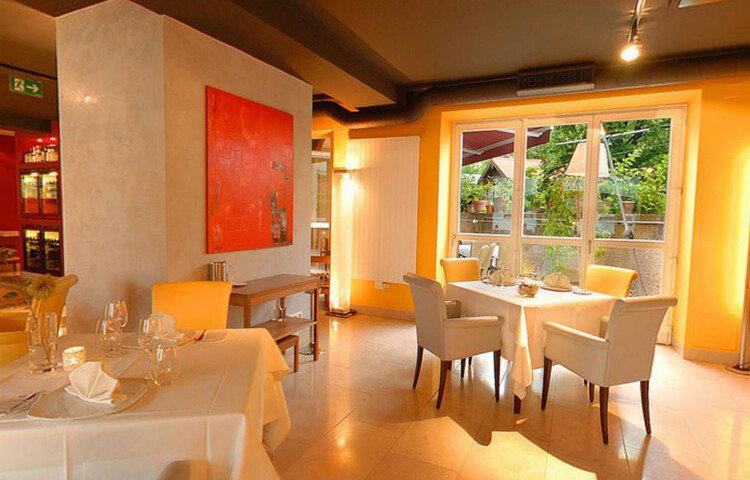
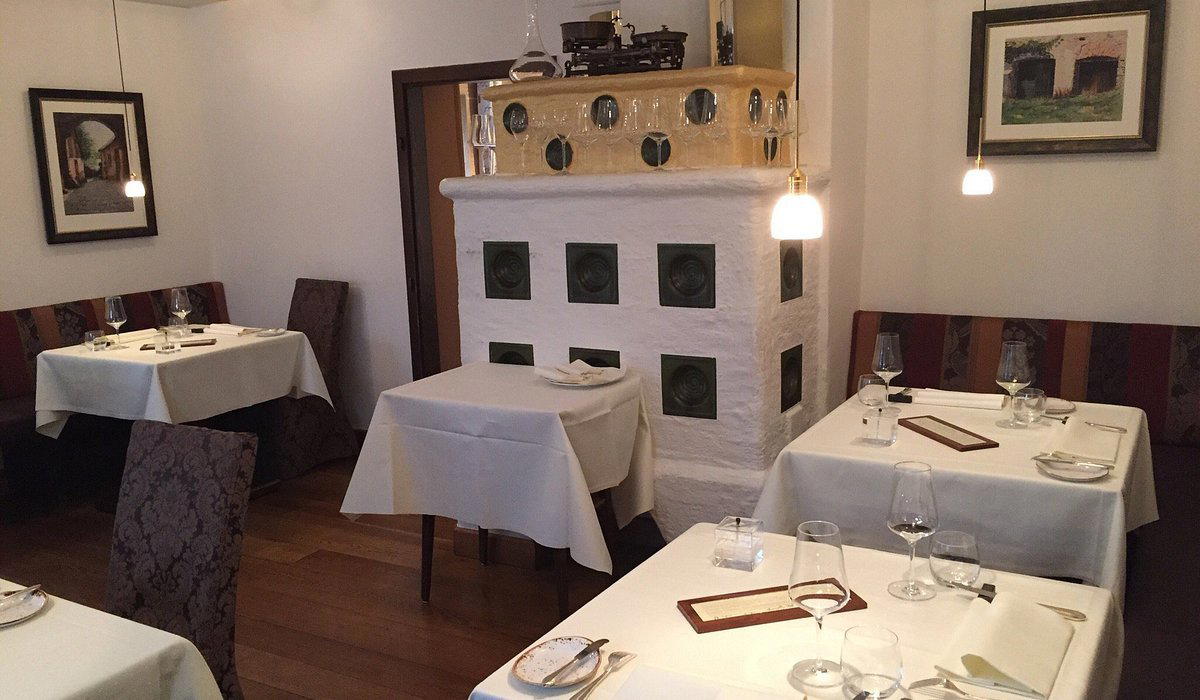
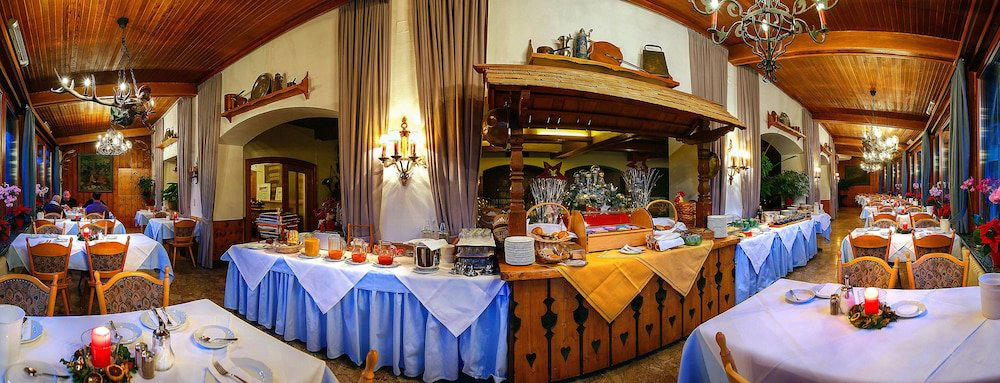
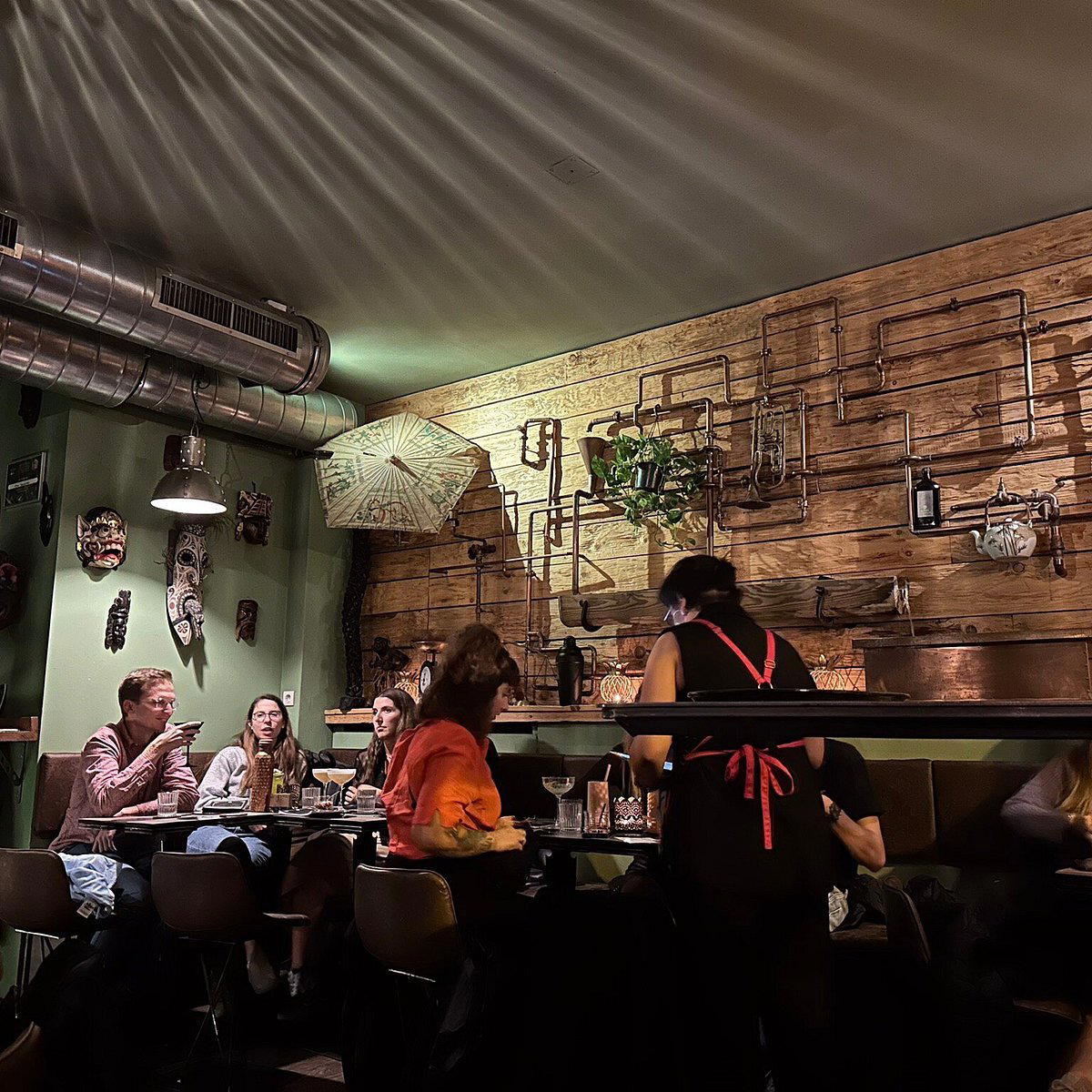
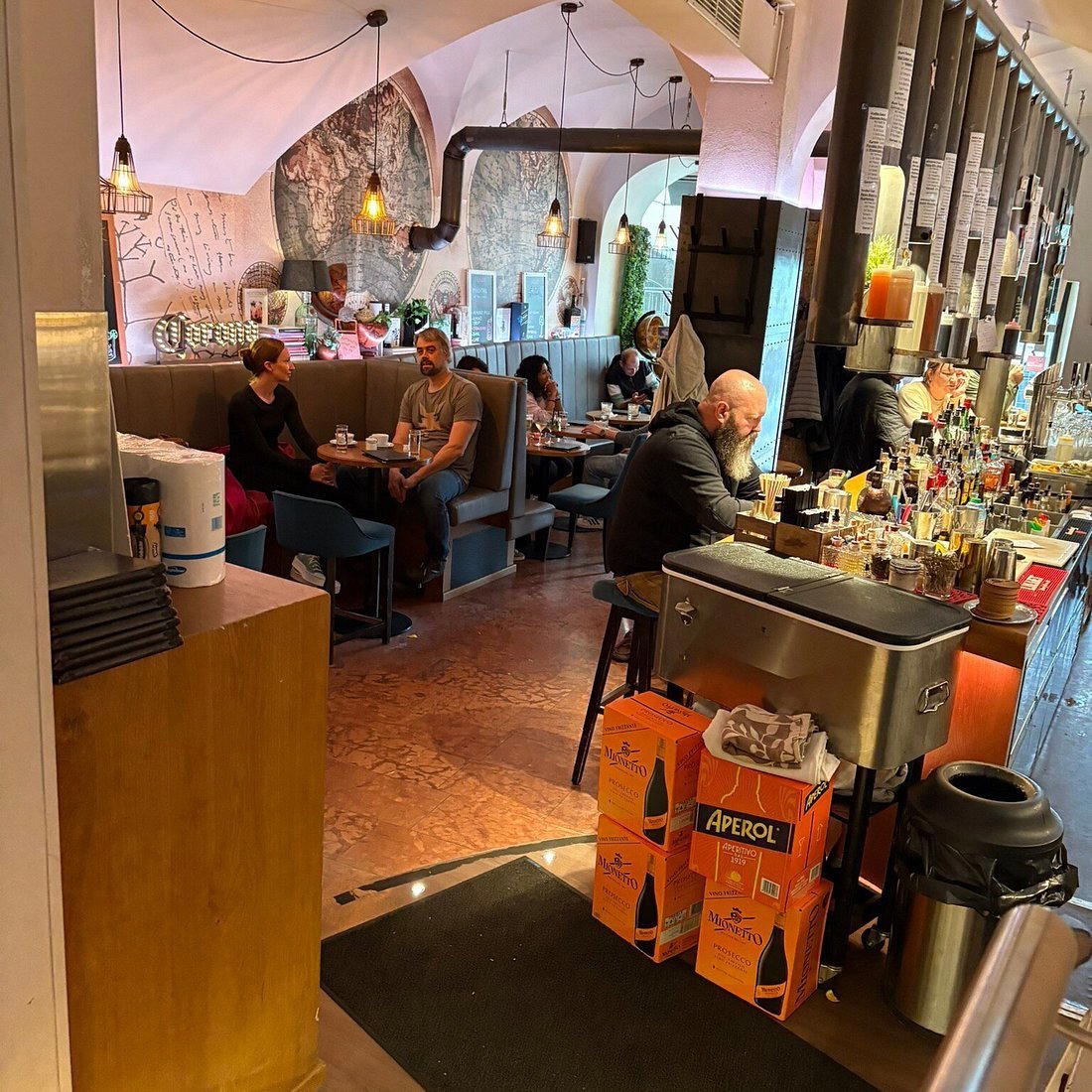
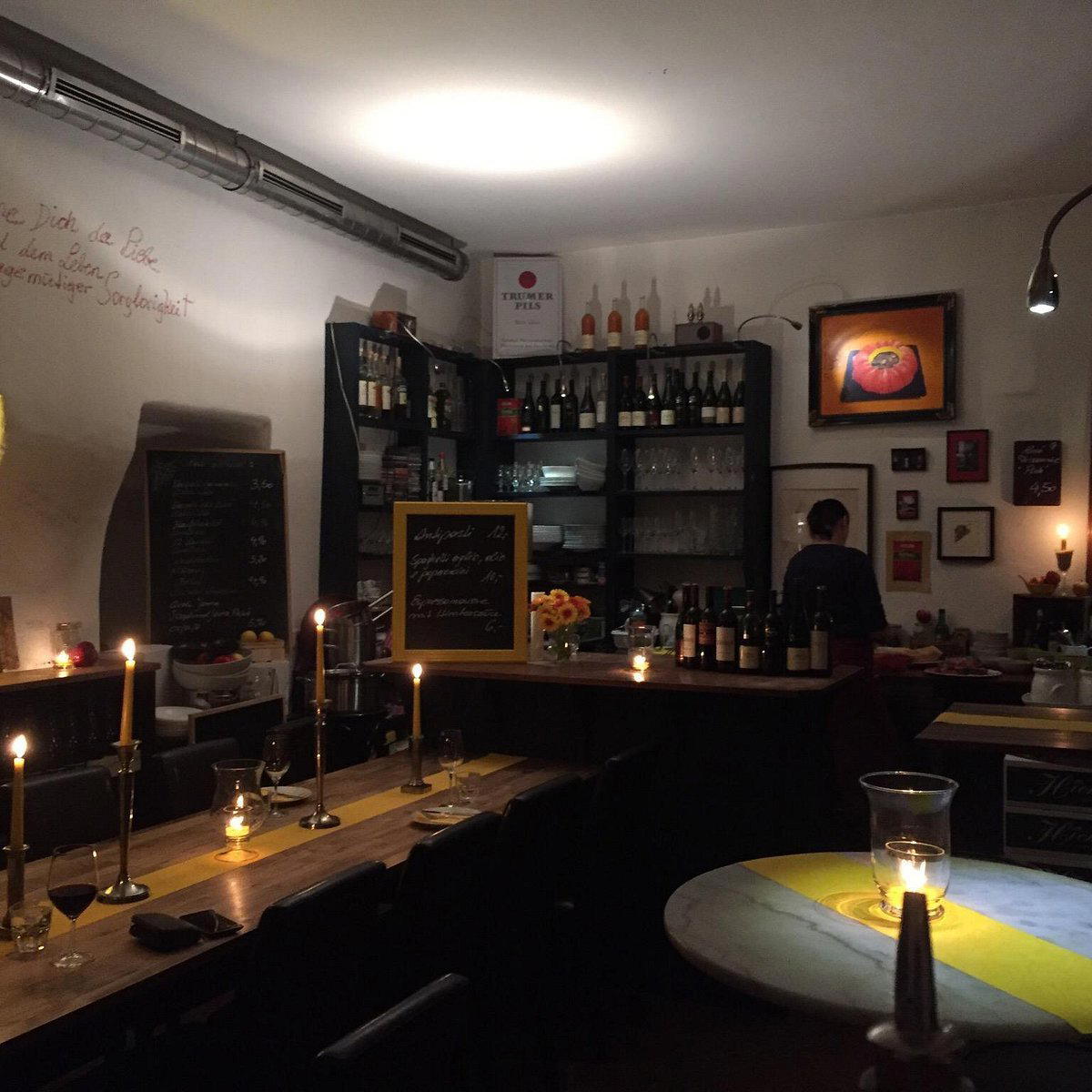
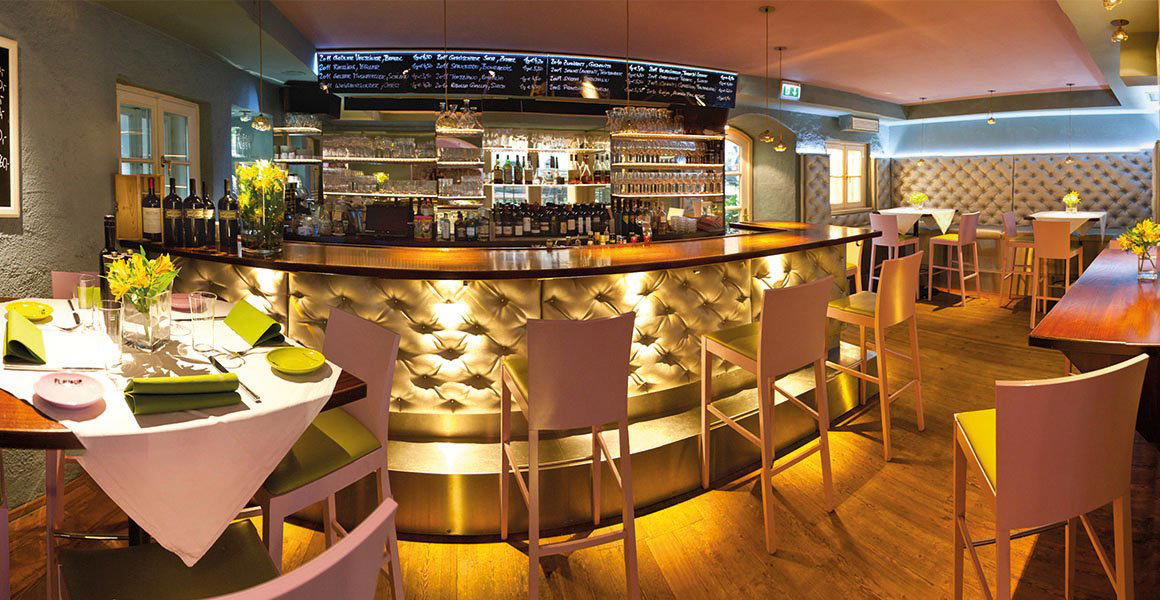
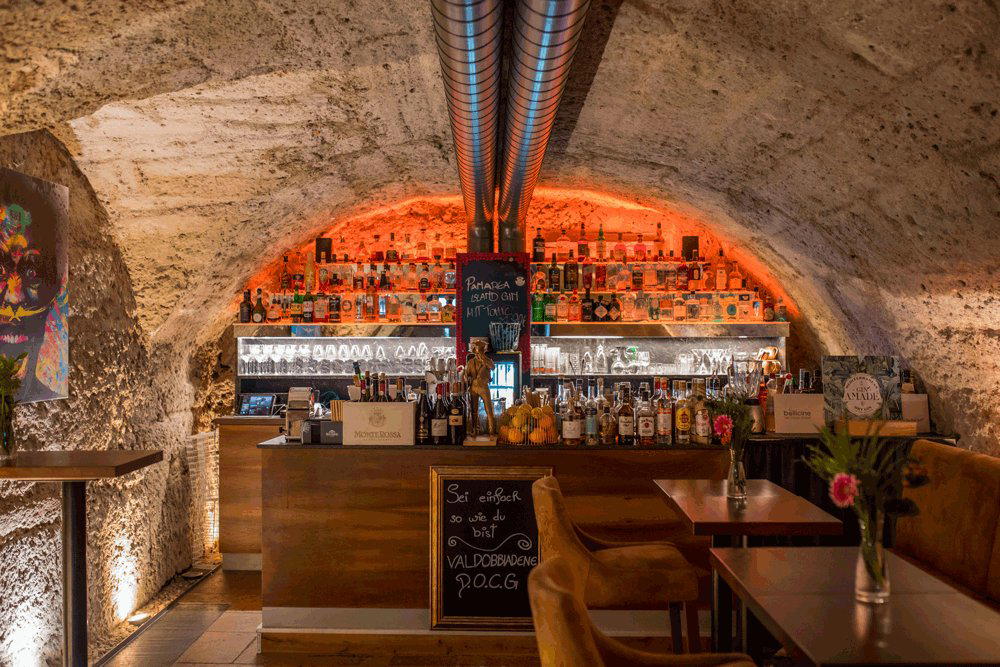
Cozy and rustic with a homely, Key West fisherman's shack atmosphere.