SeeSushi sits on Weißenbachtalstraße in Strobl, a small lakeside town on the Wolfgangsee where the dining scene skews toward regional Austrian rather than international. A sushi offer in this context is a deliberate contrast, placing Japanese technique against an Alpine backdrop. Whether the kitchen executes that contrast with precision is the question worth asking before you make the drive.
Pearl is the En Primeur Club membership app — saves, bookings, and concierge access live there. Same editors, same standards.
- Address
- Weißenbachtalstraße 15, 5350 Strobl, Austria
- Phone
- +4367764600573
- Website
- seesushi.net
- Directions
- Get directions
 Saves & bookings on Pearl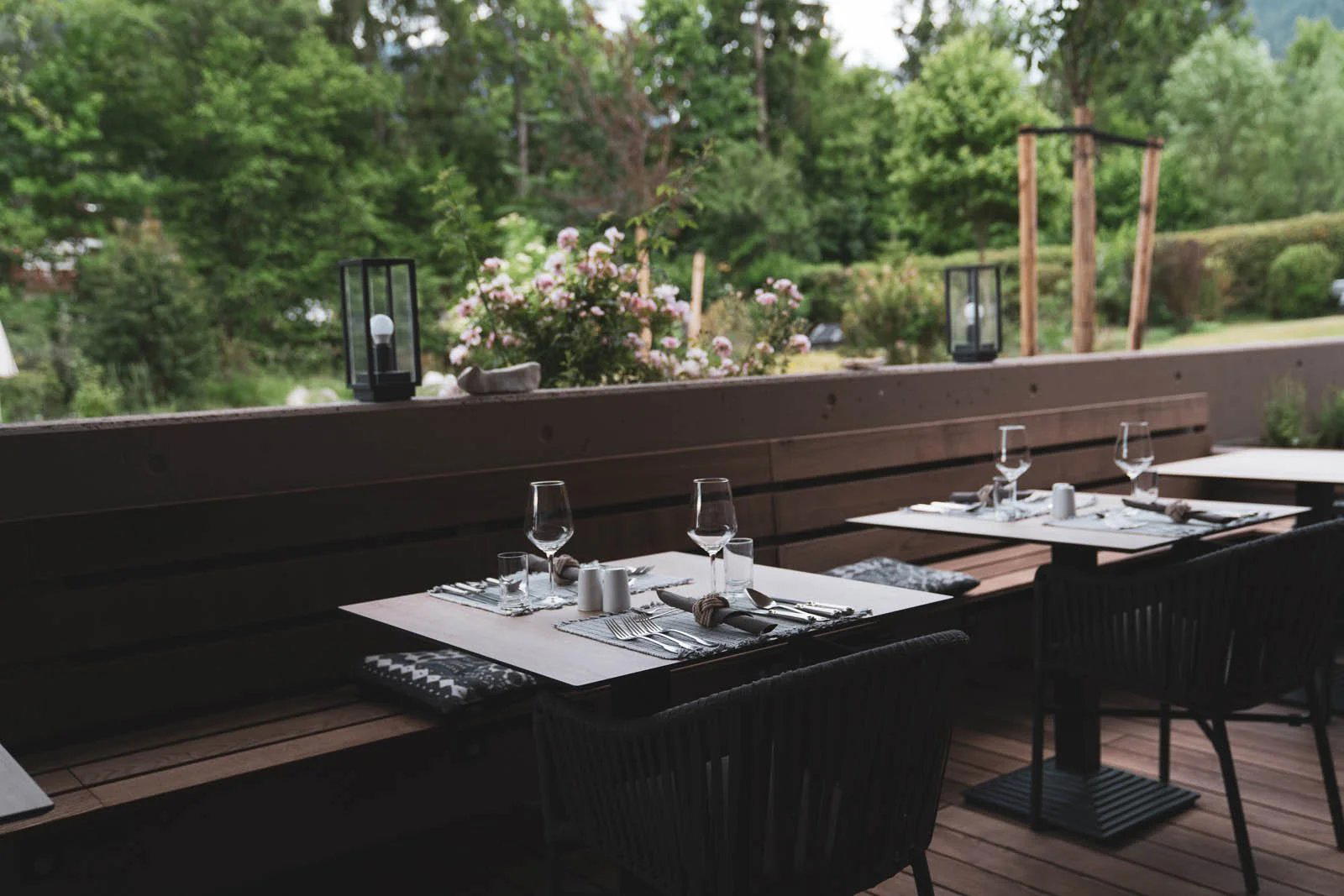
Where Wolfgangsee Meets Japanese Technique
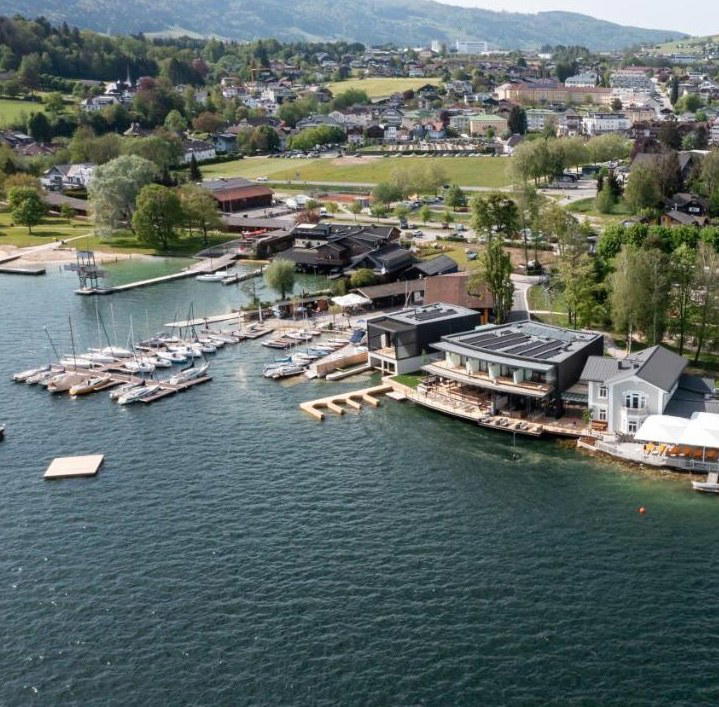
SeeSushi is a restaurant in Strobl, Austria, serving Contemporary Japanese Alpine Fusion and priced around $50 per person. Strobl sits at the eastern end of the Wolfgangsee, a town whose culinary identity is shaped by the lake itself: trout, char, Reinanke, the cold, clean freshwater species that Austrian kitchens have worked with for centuries. Against that context, SeeSushi on Weißenbachtalstraße 15 reads as a deliberate edit, a decision to bring Japanese precision into a setting defined by Alpine freshwater tradition.
This kind of crossover is increasingly common in European resort destinations, where international visitor flows create demand for cuisine formats that don't exist in the local culinary vocabulary. The Salzkammergut has seen that shift gradually, with regional towns absorbing influences that would have been implausible a generation ago. SeeSushi is part of that pattern, and the address, a short walk from the lakefront in a town that draws summer visitors from across Austria and Germany, reflects the demographic logic behind it.
The Sourcing Question in Alpine Sushi
Any sushi kitchen operating at distance from a major fish market faces a sourcing problem that is worth examining directly. Japan's upper-tier omakase counters, and for reference the kind of precision you find at a place like Atomix in New York City, depend on supply chains refined over decades. In an Alpine town, those chains are longer, and the cold-storage and freight logistics required to deliver quality tuna, yellowtail, or sea urchin at the standard the format demands add complexity that kitchens handle with varying degrees of success.
There is, however, a counter-argument specific to this geography. The Wolfgangsee and surrounding Salzkammergut lakes produce freshwater fish of a quality that most urban sushi kitchens cannot access. A kitchen in Strobl that chooses to work with local lake fish alongside imported marine species occupies an interesting middle ground: it can offer something that a Vienna counter cannot, provided it makes that choice deliberately. Whether SeeSushi does so, and with what results, is a question the kitchen's menu answers.
For comparison, the approach taken by destination restaurants elsewhere in Austria's lake and mountain regions illustrates what high-end sourcing can look like at this scale. Döllerer in Golling an der Salzach has built its reputation partly on integrating Alpine produce into technically sophisticated cooking, and Kräuterreich by Vitus Winkler in Sankt Veit im Pongau takes a hyper-local ingredient approach as its primary identity. Sushi in the Salzkammergut doesn't need to follow either model exactly, but the sourcing discipline those kitchens demonstrate sets a useful benchmark for what serious regional cooking looks like.
Strobl's Dining Context
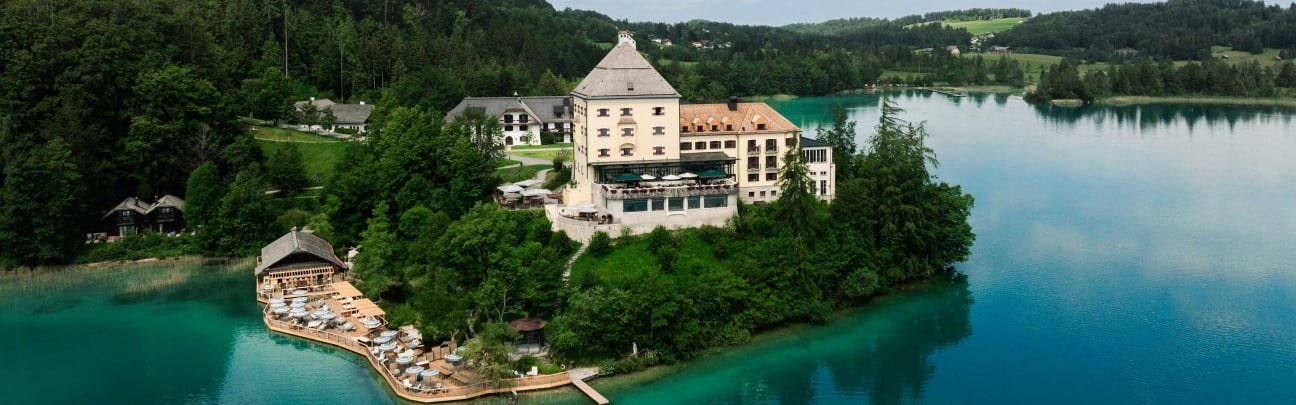
Strobl is a small municipality, and its restaurant options reflect that scale. The town's dining scene runs toward traditional Austrian Gasthof cooking and seasonal lakeside terrace restaurants rather than ambitious international formats. Brandauers Villen is the local reference for higher-end dining in the area, operating within the hotel context that the Wolfgangsee resort strip tends to produce. SeeSushi sits outside that hotel-restaurant model, which gives it a different operational dynamic and a more specific target audience.
Ikarus in Salzburg and Obauer in Werfen anchor the regional reputation for serious cooking, and day-trip distance from Salzburg puts Strobl within reach of visitors using the city as a base. That access pattern may explain part of the appetite for a format like SeeSushi in a town this size. Visitors arriving from Salzburg or Vienna, who have baseline expectations shaped by urban dining, create a viable customer base for something beyond the Gasthof menu.
Across Austria more broadly, the conversation about where serious dining happens has shifted. Steirereck im Stadtpark in Vienna and Landhaus Bacher in Mautern an der Donau demonstrate that the country's leading tables are not confined to the capital, and smaller towns increasingly carry formats that would once have required a city visit. SeeSushi fits that decentralization pattern, even if its tier and ambition remain unclear from available data alone.
Planning Your Visit
Strobl is accessible by road from Salzburg in under an hour, making it a realistic lunch or dinner detour from the city rather than a standalone destination for most visitors. The Wolfgangsee summer season, running broadly from May through September, concentrates visitor numbers and likely affects reservation availability at the smaller restaurants in town. Outside that window, the Salzkammergut quiets considerably, and the practical question of whether SeeSushi operates year-round is worth confirming directly before planning around it. The address at Weißenbachtalstraße 15 places the restaurant in Strobl, a short walk from the lakefront.
Those extending the trip into the Alpine resort corridor should note comparisons with Gourmetrestaurant Tannenhof in Sankt Anton am Arlberg, Griggeler Stuba in Lech, and Stüva in Ischgl for a sense of how the mountain dining tier operates in western Austria. For those whose itinerary runs through other Austrian regions, Schwarzer Adler in Hall in Tirol, Taubenkobel in Schützen am Gebirge, Artis in Graz, Ois in Neufelden, and Restaurant 141 by Joachim Jaud in Mieming each represent distinct facets of what Austrian dining looks like beyond the Michelin-dense urban centers. For a global reference point on what serious fish-focused cooking demands at the technical level, Le Bernardin in New York City remains the reference standard the format is implicitly measured against.
Fast Comparison
Comparable venues nearby, for context on price, style, and recognition.
| Venue | Cuisine | Price | Notes |
|---|---|---|---|
| SeeSushiThis venue — the venue you are viewing | Contemporary Japanese Alpine Fusion | $$$ | Not listed |
| Brandauers Villen | Regional Austrian with International Influences | $$$ | Strobl |
| Kirchenwirt | Regional Austrian Seasonal Cuisine | $$$ | Straßwalchen |
| Ginko | Japanese-Korean-Thai Fusion | $$ | Wörgl |
| Panorama | Austrian Gourmet | $$$ | Tweng |
| Landhaus Koller | Traditional Salzkammergut Cuisine | $$$ | Gosau Valley |

At a Glance
- Modern
- Cozy
- Elegant
- Date Night
- Special Occasion
- Open Kitchen
- Sake Program
- Local Sourcing
- Sustainable Seafood
Current opening hours
- Monday
- Closed
- Tuesday
- Closed
- Wednesday
- 5:30–9 PM
- Thursday
- 5:30–9 PM
- Friday
- 5:30–9 PM
- Saturday
- 5:30–9 PM
- Sunday
- 5:30–9 PM
Hours can change for holidays and private events. Last verified .
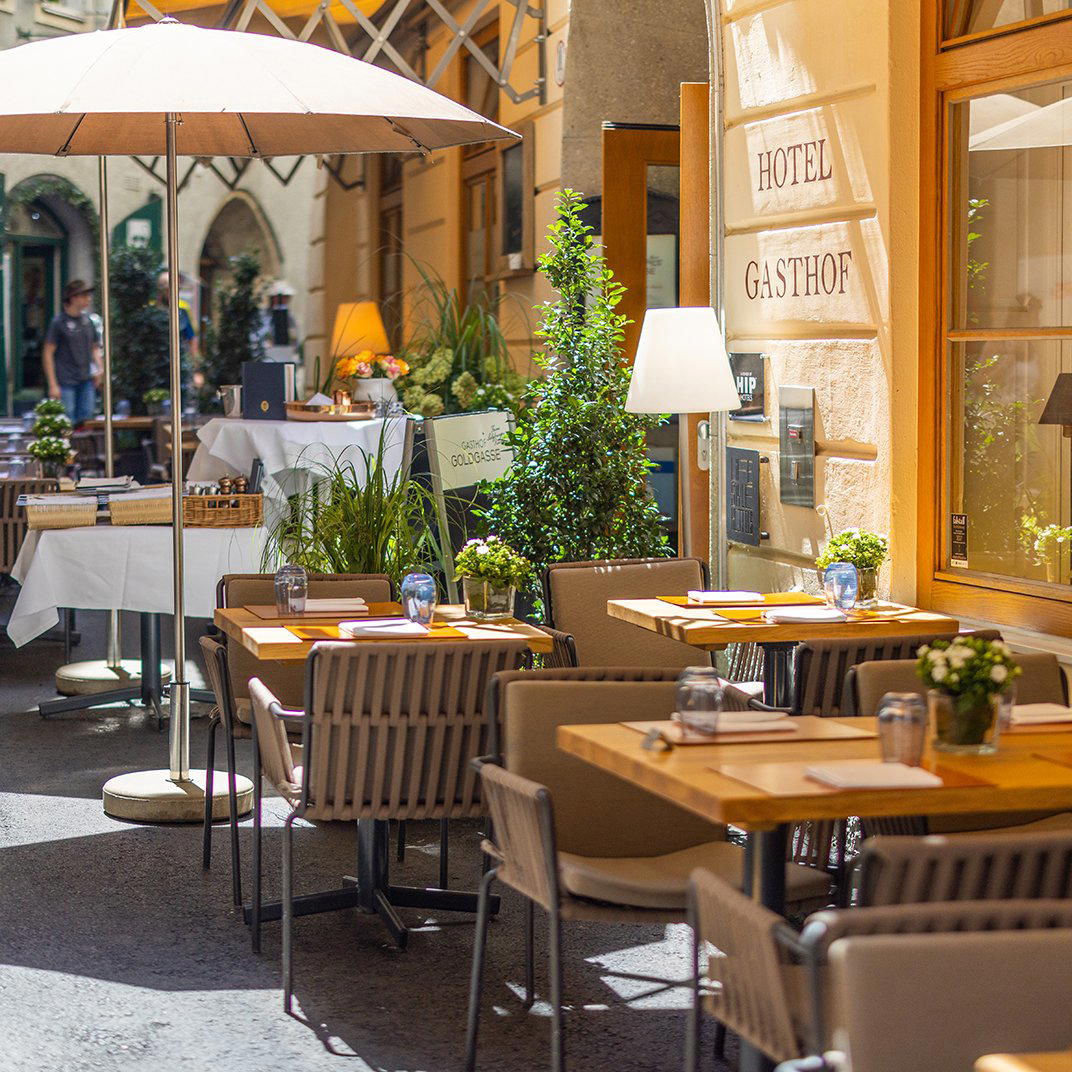
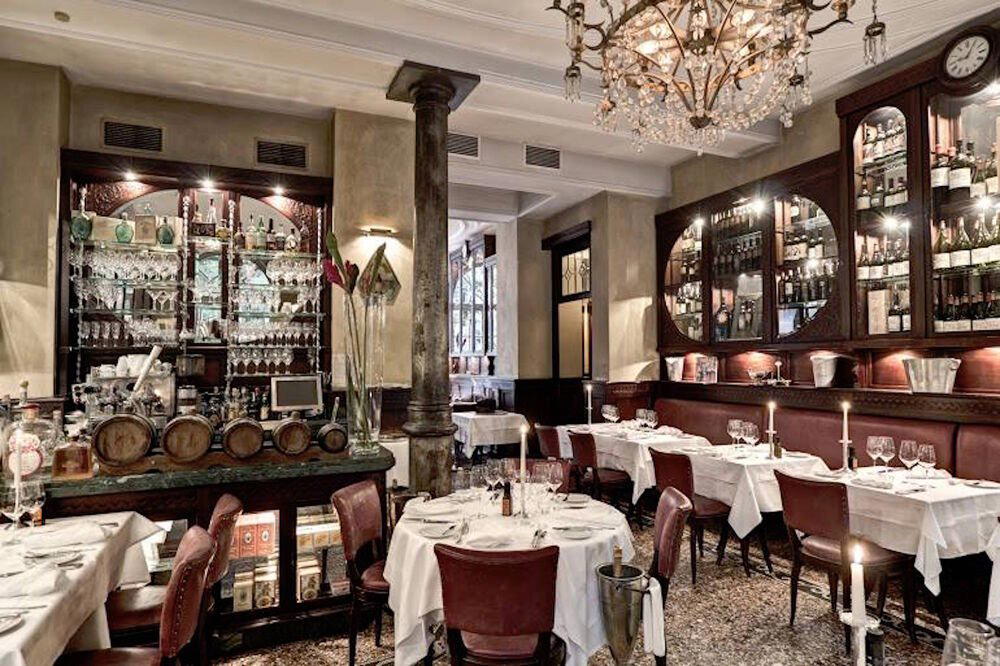
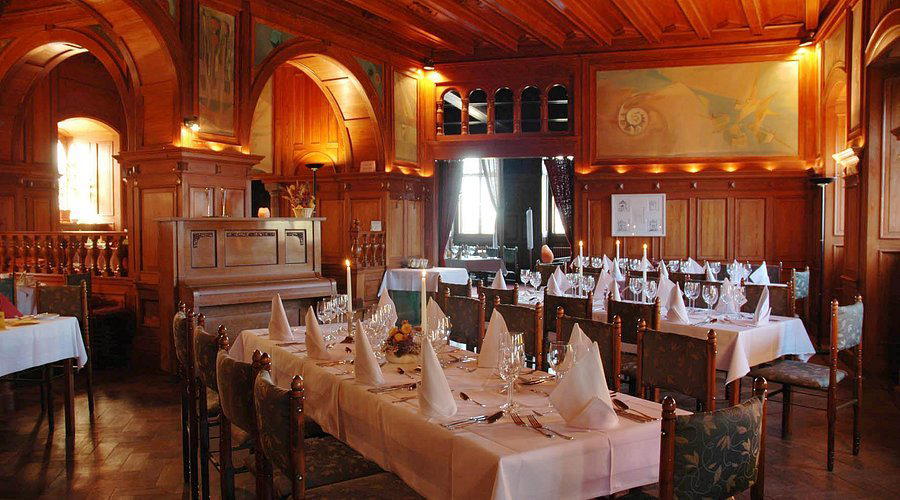
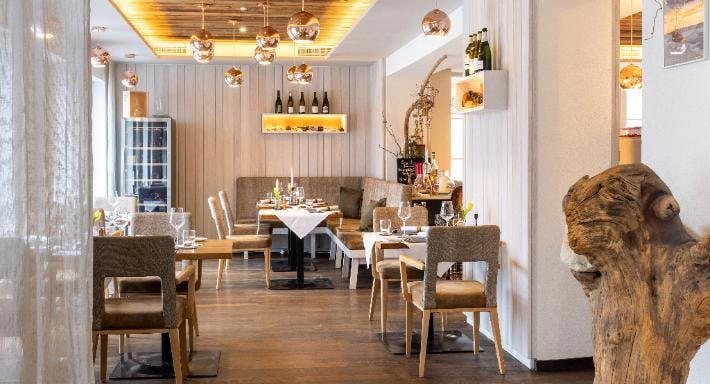
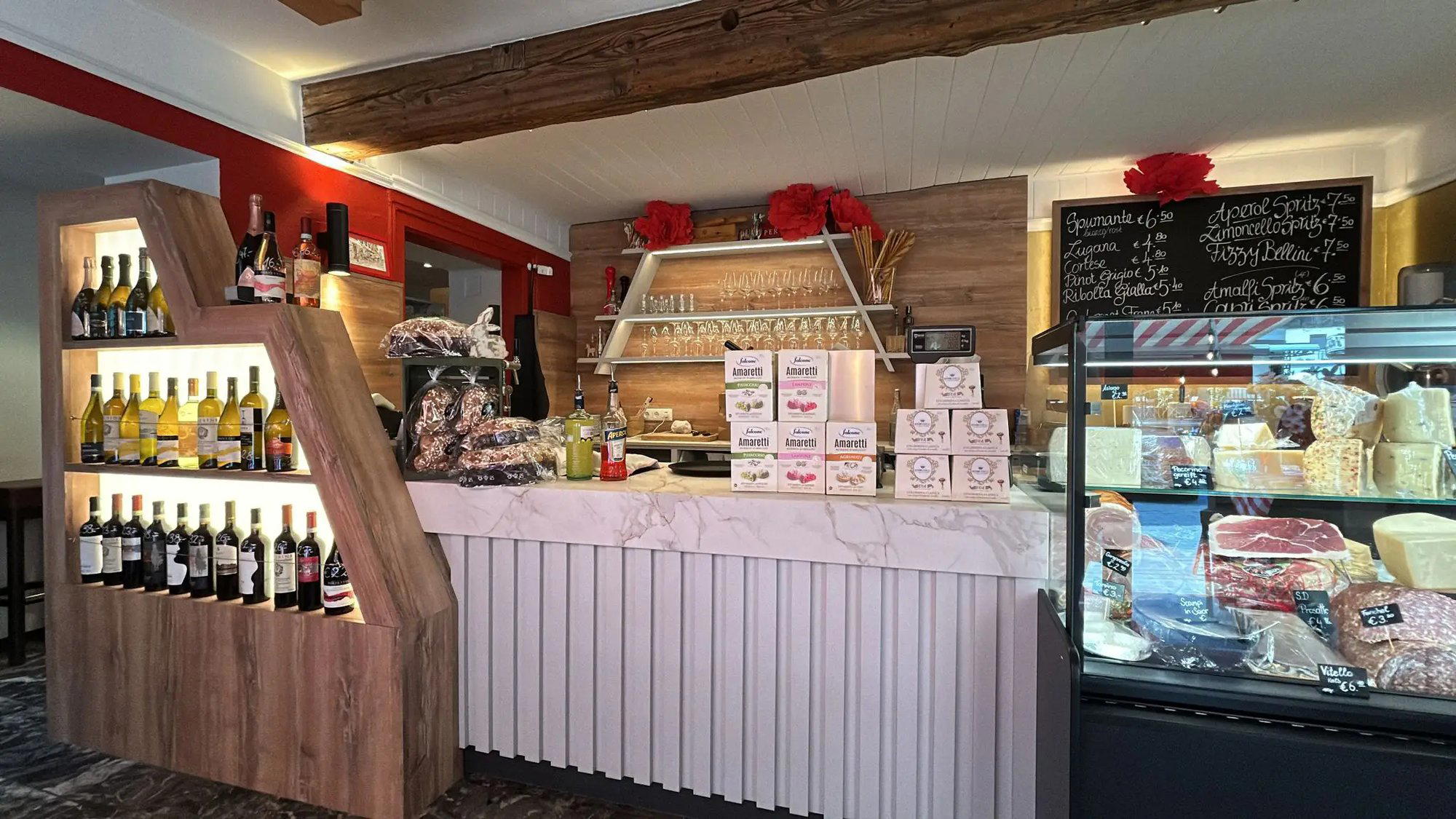
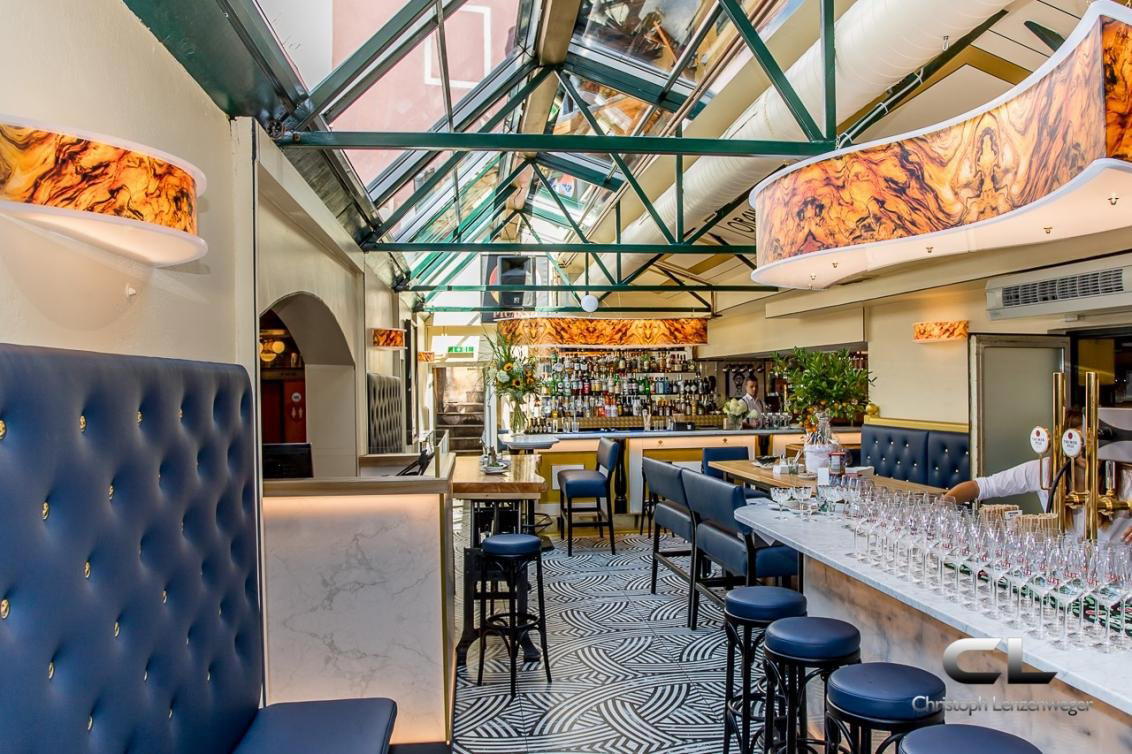
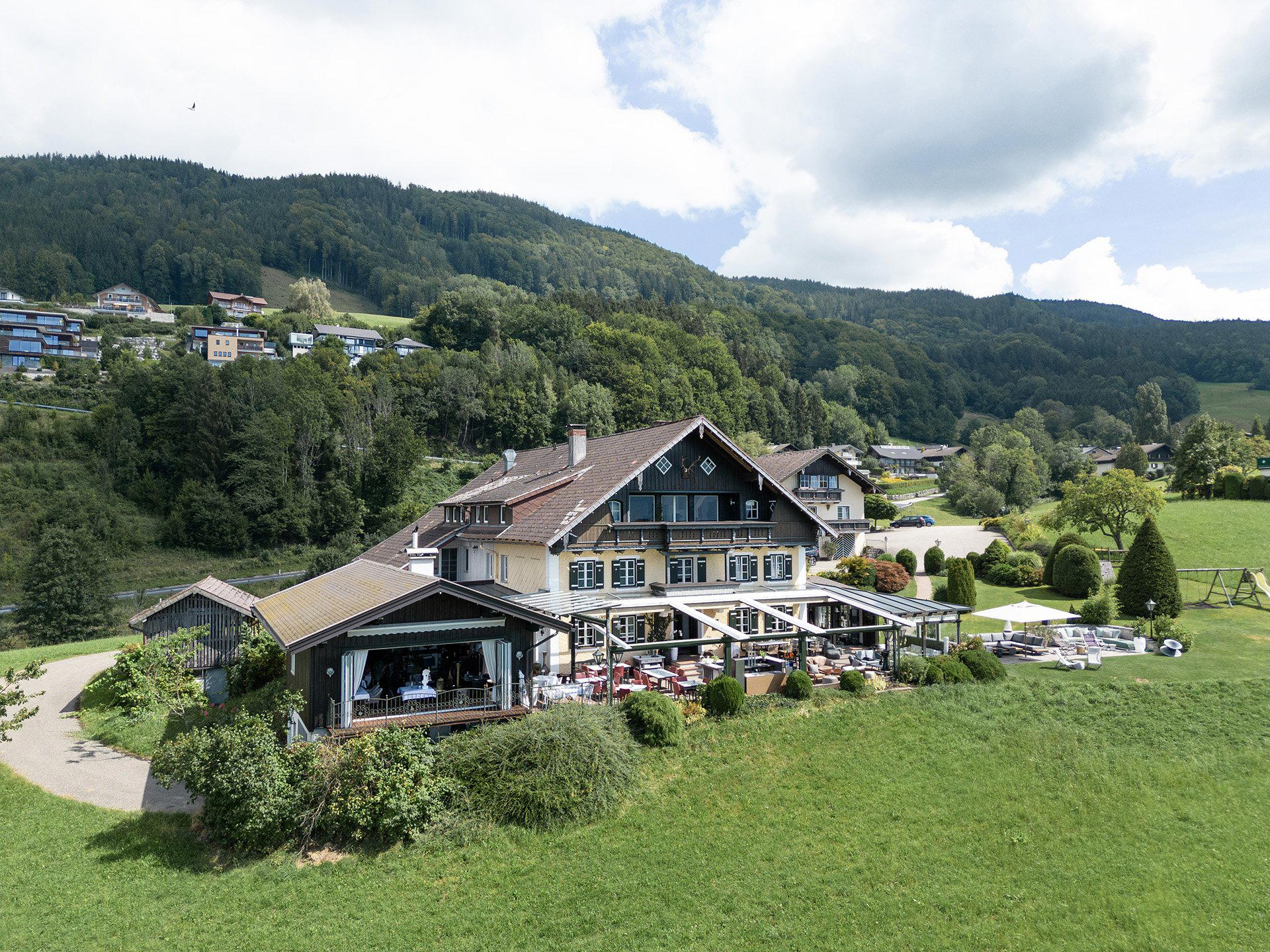
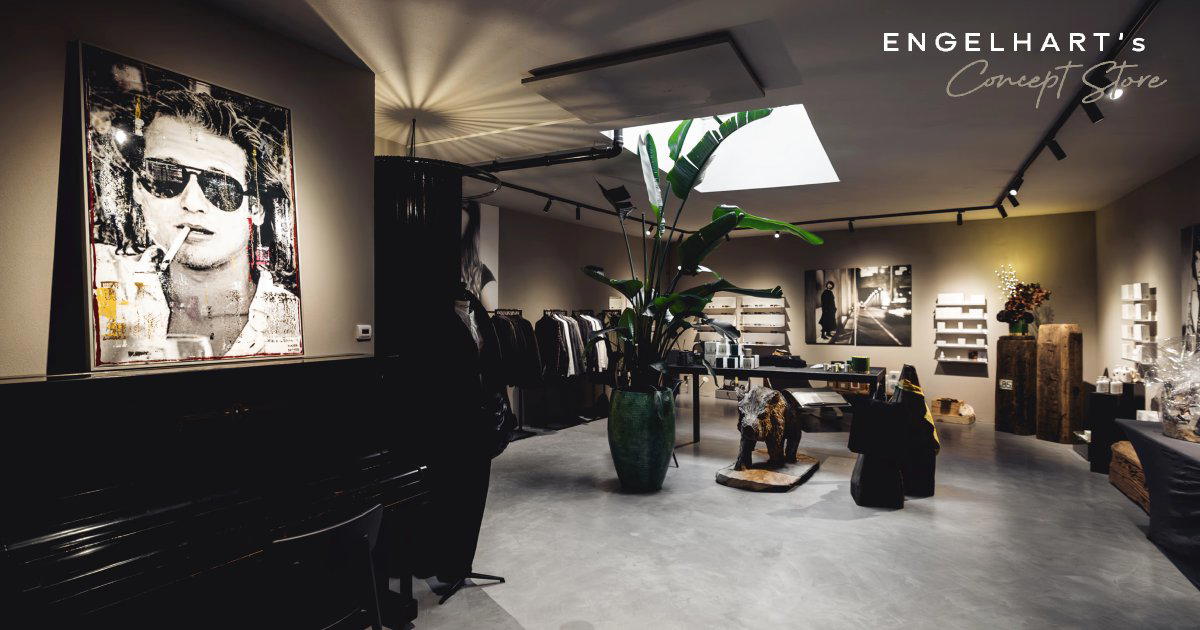
Cozy modern atmosphere in a small indoor space with garden patio seating, emphasizing relaxed vibes and open kitchen views.