Ginko sits on Josef-Steinbacher-Straße in Wörgl, a Tyrolean market town that punches above its size when it comes to serious dining. Set against the wider context of Austria's ingredient-driven restaurant movement, Ginko represents the kind of address that rewards those willing to look beyond the ski-resort circuit for substantive cooking in the Inn Valley region.
Pearl is the En Primeur Club membership app — saves, bookings, and concierge access live there. Same editors, same standards.
- Address
- Josef-Steinbacher-Straße 2, 6300 Wörgl, Austria
- Phone
- +43533277377
- Directions
- Get directions
 Saves & bookings on Pearl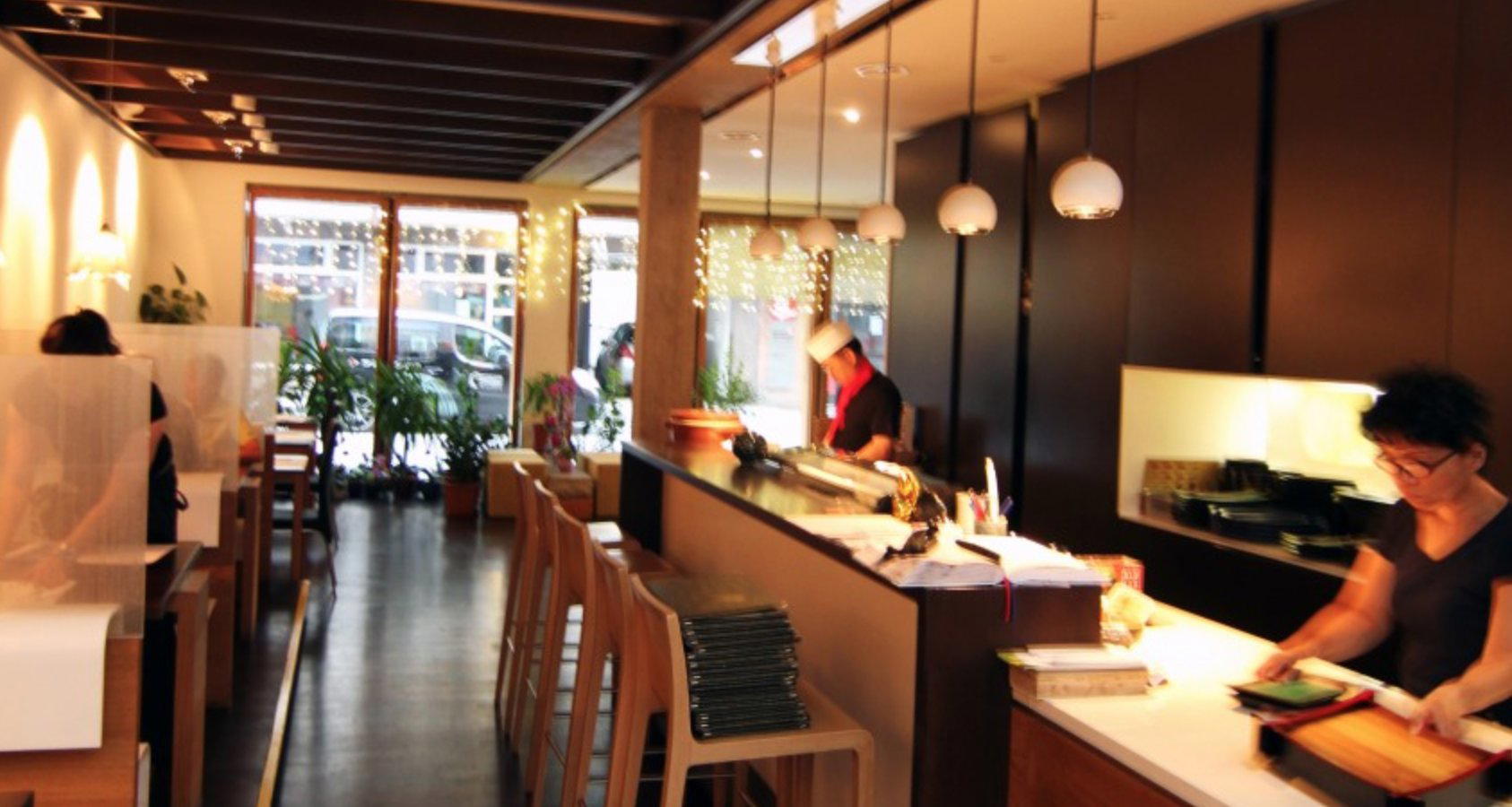
Wörgl and the Inn Valley's Quiet Argument for Serious Cooking
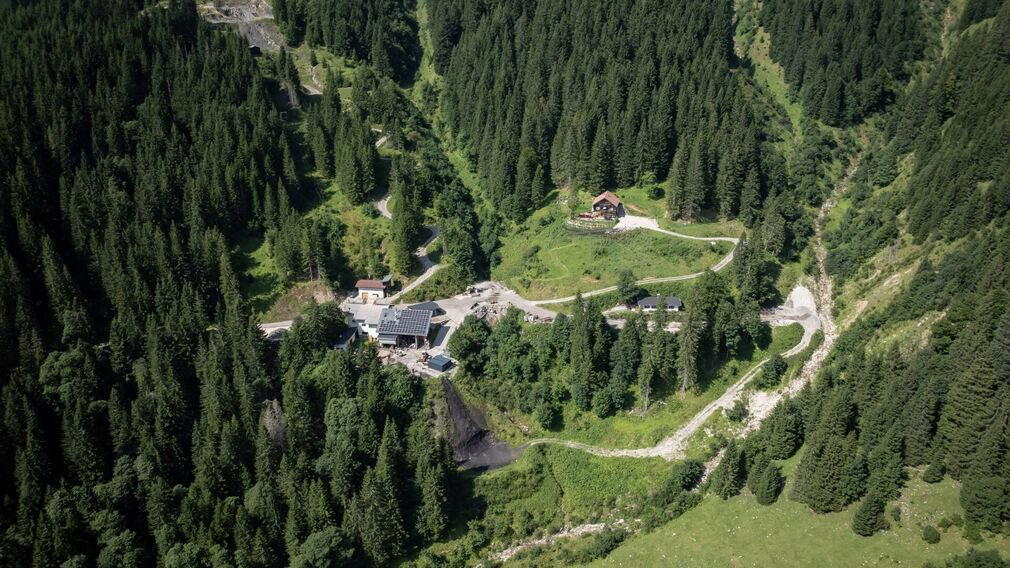
Austria's premium restaurant circuit tends to cluster in predictable places: Vienna's first district, the Salzburg old town, the Arlberg ski villages. Wörgl sits outside all of those gravitational pulls. It is a working market town on the Inn River in Tyrol, positioned between Innsbruck and Kufstein, where the valley narrows and freight trains pass more often than tour buses. That geography has kept it off most international itineraries, which is precisely why the dining scene here operates on different terms. Restaurants in towns like Wörgl don't survive on tourist footfall alone. They build local loyalty, and local loyalty in rural Tyrol tends to demand food that is anchored to the region rather than performing a version of it.
The Address on Josef-Steinbacher-Straße
Ginko occupies a spot at Josef-Steinbacher-Straße 2, on a street that gives little away from the outside. Approaching it, you get the sense of a room that has made deliberate choices about scale and atmosphere rather than defaulting to the rustic-alpine shorthand that decorates so many Tyrolean dining rooms. The Inn Valley has a particular kind of light in the evenings, cold and clean off the surrounding peaks, and restaurants that understand this tend to let the interior do less work, trusting the setting to carry the atmospheric weight. Whether Ginko leans into that or pushes against it is part of what makes the address worth investigating in person.
Ingredient Sourcing and the Tyrolean Supply Chain
The argument for cooking in a region like this has always been logistical as much as philosophical. Tyrol sits within reach of some of Austria's most productive agricultural zones: the Inn Valley's market gardens, the Alpine pastures that produce grass-fed dairy and beef at altitudes that affect both flavour and texture, and the surrounding forests and rivers that supply game, trout, and foraged produce through much of the year. The proximity matters. In cities, the same ingredients travel, get handled, and lose resolution. In a town like Wörgl, a kitchen sourcing locally is working with material at a different stage of its life.
This is the structural advantage that Tyrolean restaurants of any ambition hold over their urban counterparts, and it is an advantage that Austria's most decorated kitchens have understood for decades. Döllerer in Golling an der Salzach built its reputation partly on treating the Salzach Valley as a larder. Kräuterreich by Vitus Winkler in Sankt Veit im Pongau has made herb cultivation a central part of its identity. Obauer in Werfen has spent decades threading classic Austrian technique through hyper-local sourcing. The pattern is consistent: the further you get from the capital, the more the sourcing story becomes the cooking story.
For Ginko, operating in the heart of the Inn Valley, that context is structural. The region's supply chain is not a marketing angle; it is the default condition for any kitchen paying attention to what grows, grazes, and swims within a reasonable radius.
Where Ginko Sits in the Tyrolean Dining Tier
Tyrol's serious restaurant tier is smaller than its reputation suggests. The Arlberg resorts command most of the coverage: Gourmetrestaurant Tannenhof in Sankt Anton am Arlberg and Griggeler Stuba in Lech operate within the high-altitude luxury circuit where the room rate subsidises the restaurant ambition. Stüva in Ischgl sits in a similar bracket. Away from the ski villages, the picture is sparser but often more interesting. Schwarzer Adler in Hall in Tirol represents the kind of long-established address that has earned its place through consistency rather than seasonal resort economics. Restaurant 141 by Joachim Jaud in Mieming operates in a similar register, serving a largely local and regional clientele.
Wörgl sits in that off-resort tier, and the expectations that come with it are different. Without the resort premium, a restaurant here is pricing against local habits and regional competitors rather than against what a skier is willing to spend after a long day on the mountain. That constraint tends to produce tighter, more honest menus, where the cooking has to justify itself on its own terms.
For comparison, Austria's most ambitious ingredient-forward cooking at the national level can be found at places like Steirereck im Stadtpark in Vienna, or in the classic Austrian format represented by Landhaus Bacher in Mautern an der Donau. Both operate at the summit of the national price tier. Wörgl is a different register, not lesser, but calibrated to different conditions. Internationally, kitchens that have built their identity around sourcing discipline at high levels, Le Bernardin in New York City for seafood provenance, Lazy Bear in San Francisco for hyper-local Californian produce, demonstrate that the sourcing argument is not a regional affectation but a coherent philosophy that travels across contexts.
The Broader Austrian Ingredient Movement
Austria's serious dining scene has been moving toward sourcing specificity for at least two decades. The template set by places like Taubenkobel in Schützen am Gebirge and Ois in Neufelden, cooking that treats the immediate region as both pantry and identity, has gradually spread beyond the headline restaurants. Atelier Fischer in Sankt Gilgen and Thaller - Gasthaus in Sankt Veit am Vogau represent different regional expressions of the same underlying shift. Even at the level of spectacle cooking, Ikarus in Salzburg maintains a sourcing dialogue between its guest chefs and the local larder. The direction of travel is consistent across the country's restaurant tiers.
Wörgl is not a destination that positions itself against that national conversation, but any kitchen operating here with seriousness is doing so within it. The Inn Valley's produce calendar, the regional dairy and livestock traditions, and the proximity to Alpine foraging grounds are not passive backdrops. They are active ingredients in what gets cooked and when.
Planning a Visit
Wörgl is accessible by rail on the main Innsbruck to Salzburg line, with regular connections that make it reachable as a day trip or an overnight from either city. The town itself is compact, and Josef-Steinbacher-Straße 2 is easy to reach from the center. Ginko is open Wednesday through Sunday from 6 to 10 PM, and reservations are recommended. The town's size means that a serious restaurant here is not competing for foot traffic in the way a city address would, so confirming availability ahead of time is a practical step regardless of the day or season.
Comparison Snapshot
Comparable venues nearby, for context on price, style, and recognition.
| Venue | Cuisine | Price | Notes |
|---|---|---|---|
| GinkoThis venue — the venue you are viewing | Japanese-Korean-Thai Fusion | $$ | Not listed |
| Ichi go ichi e | Authentic Japanese Ramen | $$ | Schallmoos Ost |
| Lukas Izakaya | Japanese Izakaya | $$$ | Unterer Stadtplatz |
| Gasthof Auwirt | Traditional Austrian & Tyrolean | $$ | Aurach bei Kitzbuhel |
| Schloss Mitterhart | Traditional Tirolean Cuisine | $$ | Vomp |
| Götzner Alm | Traditional Austrian Alpine | $$ | Gotzens |
Continue exploring
More in Worgl
Restaurants in Worgl
Browse all →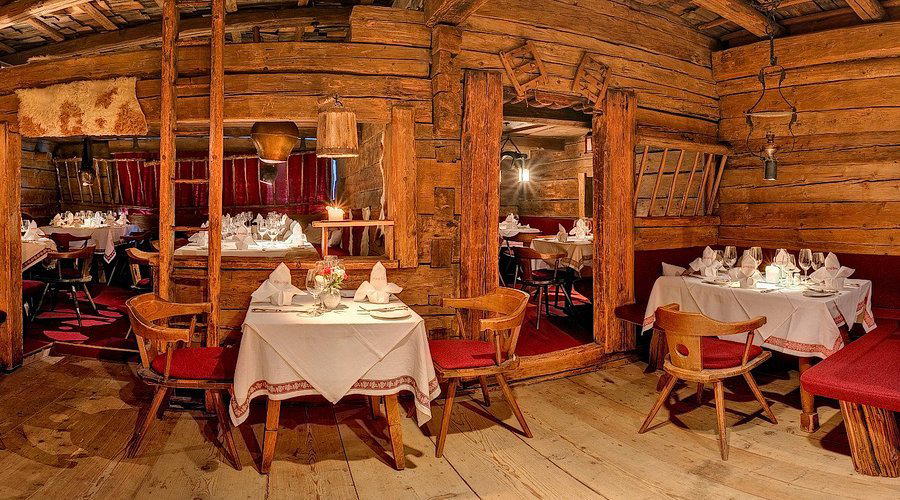
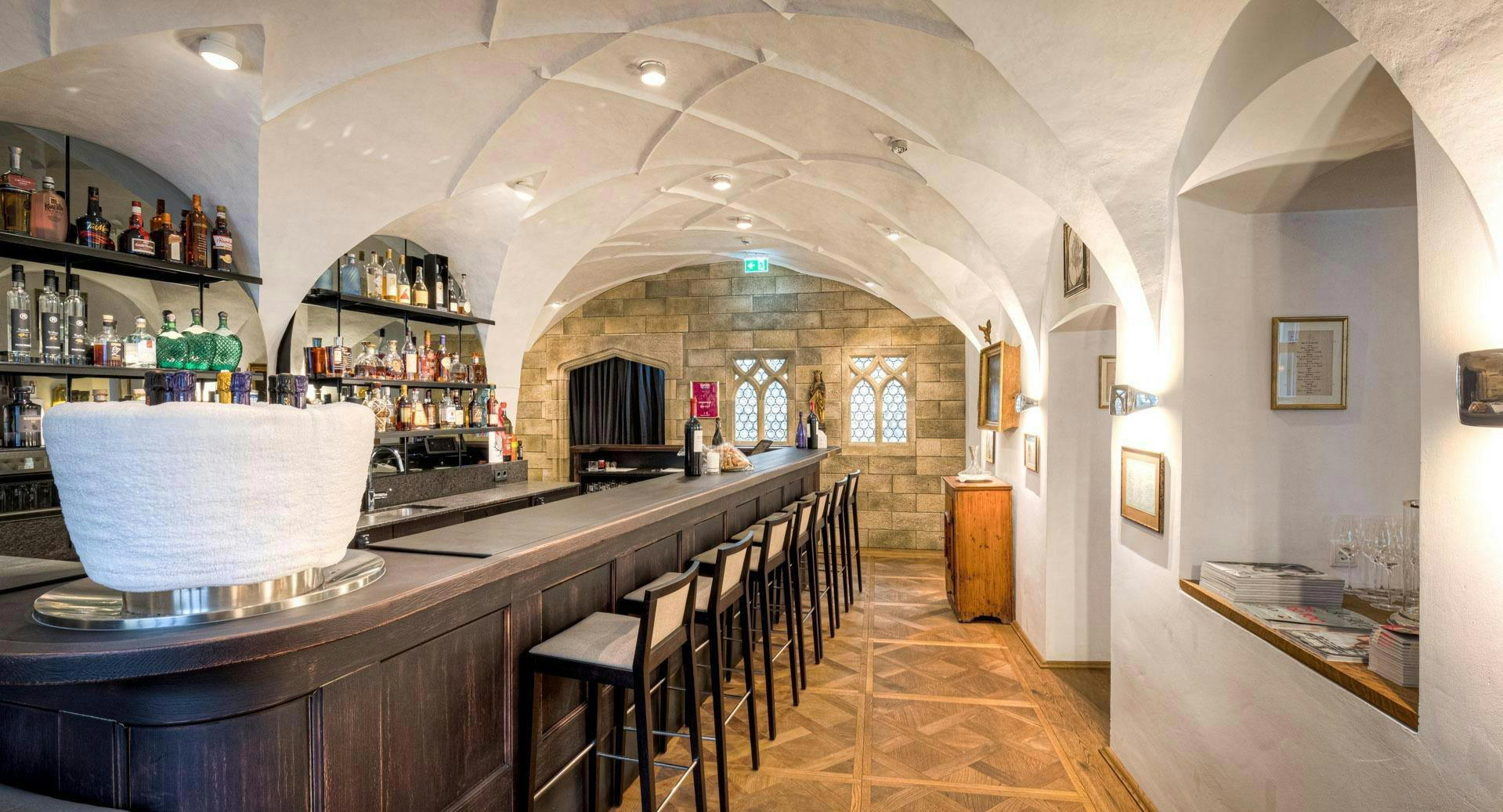
Bars in Worgl
Browse all →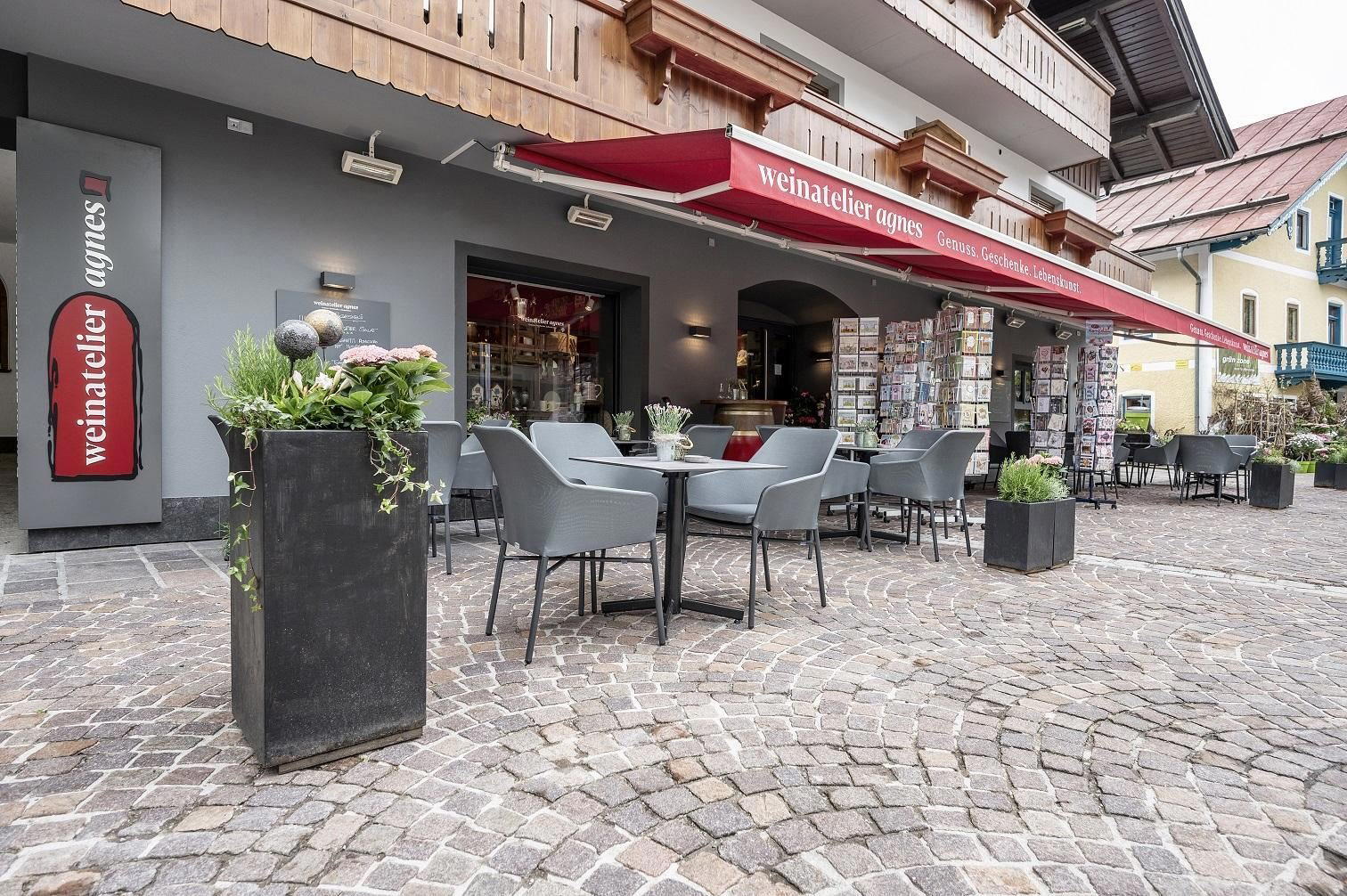
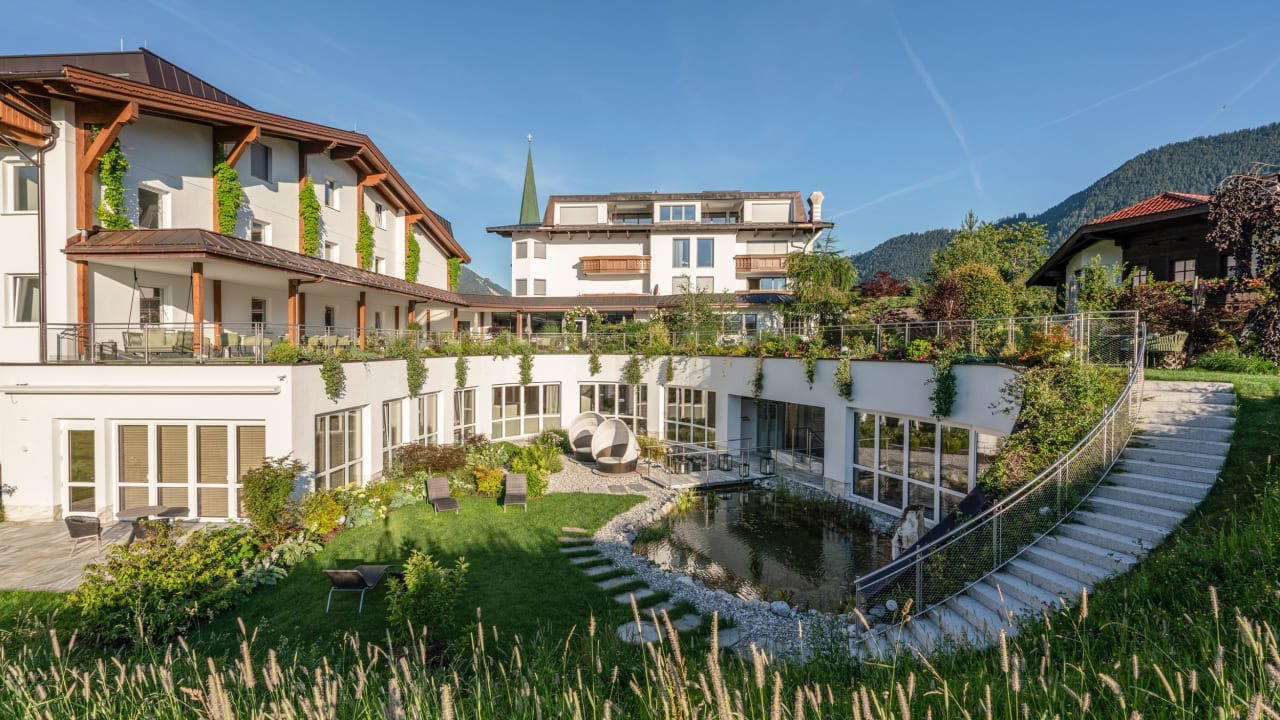
Hotels in Worgl
Browse all →

At a Glance
- Cozy
- Modern
- Date Night
- Casual Hangout
- Open Kitchen
- Beer Program
Current opening hours
- Monday
- Closed
- Tuesday
- Closed
- Wednesday
- 6–10 PM
- Thursday
- 6–10 PM
- Friday
- 6–10 PM
- Saturday
- 6–10 PM
- Sunday
- 6–10 PM
Hours can change for holidays and private events. Last verified .
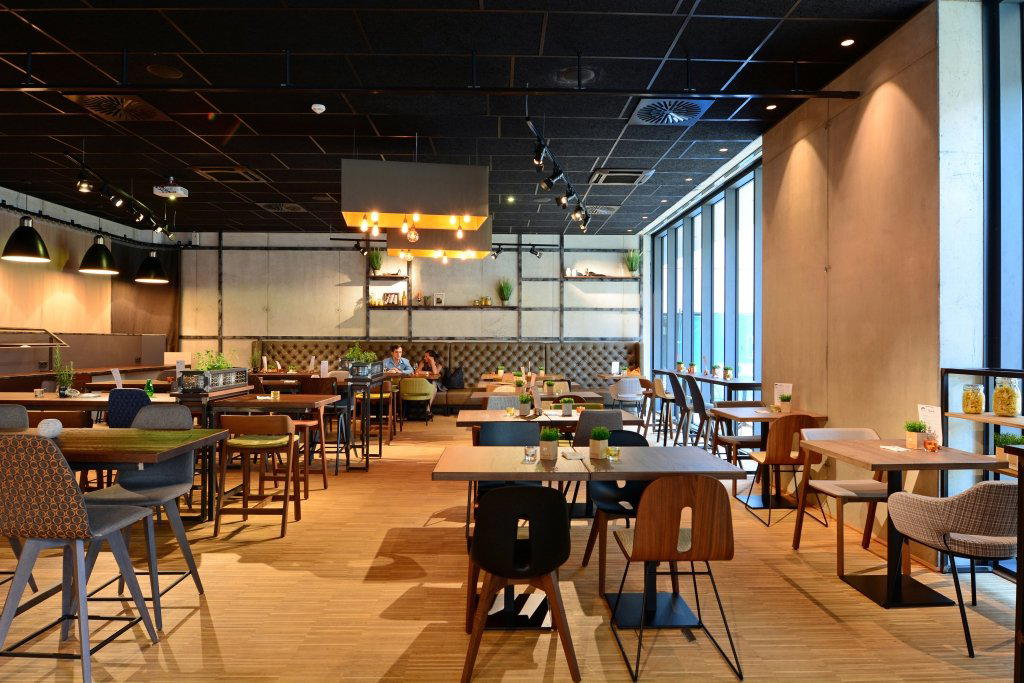
Warm earthy color tones with plants creating a cozy and inviting atmosphere.