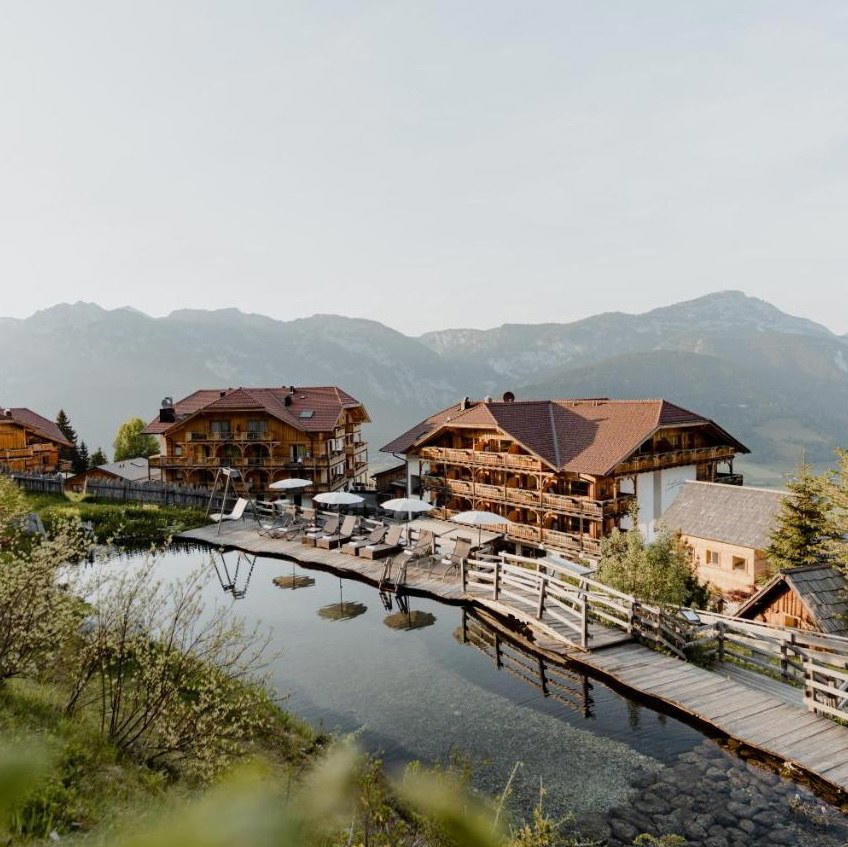
Panorama sits on Brettsteinstraße in Obertauern, Austria's high-altitude ski resort above Tweng, where the surrounding Salzburg Alps define both the setting and the sourcing logic that runs through Austrian alpine dining at this elevation. For visitors working through the region's dining options, Panorama represents the resort-based end of that tradition, with the Radstädter Tauern pass country as its immediate context.
Pearl is the En Primeur Club membership app — saves, bookings, and concierge access live there. Same editors, same standards.
- Address
- Brettsteinstraße 1, 5562 Obertauern, Austria
- Phone
- +434364567432
- Website
- panorama-obertauern.at
- Directions
- Get directions
 Saves & bookings on Pearl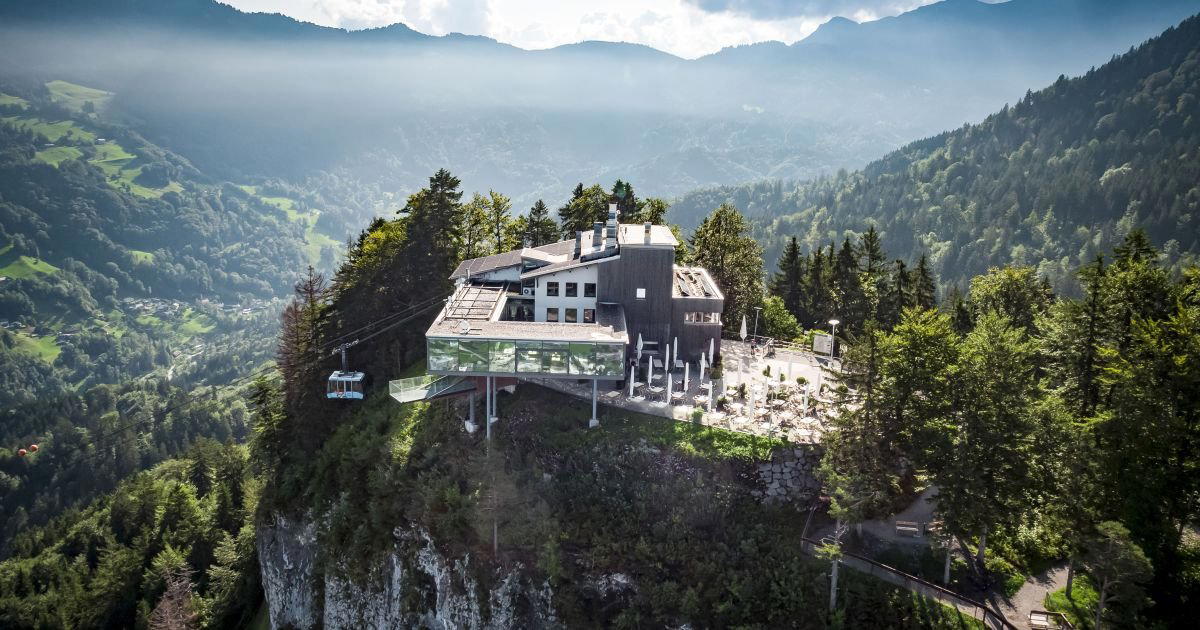
At 1,740 Metres, the Plate Follows the Terrain
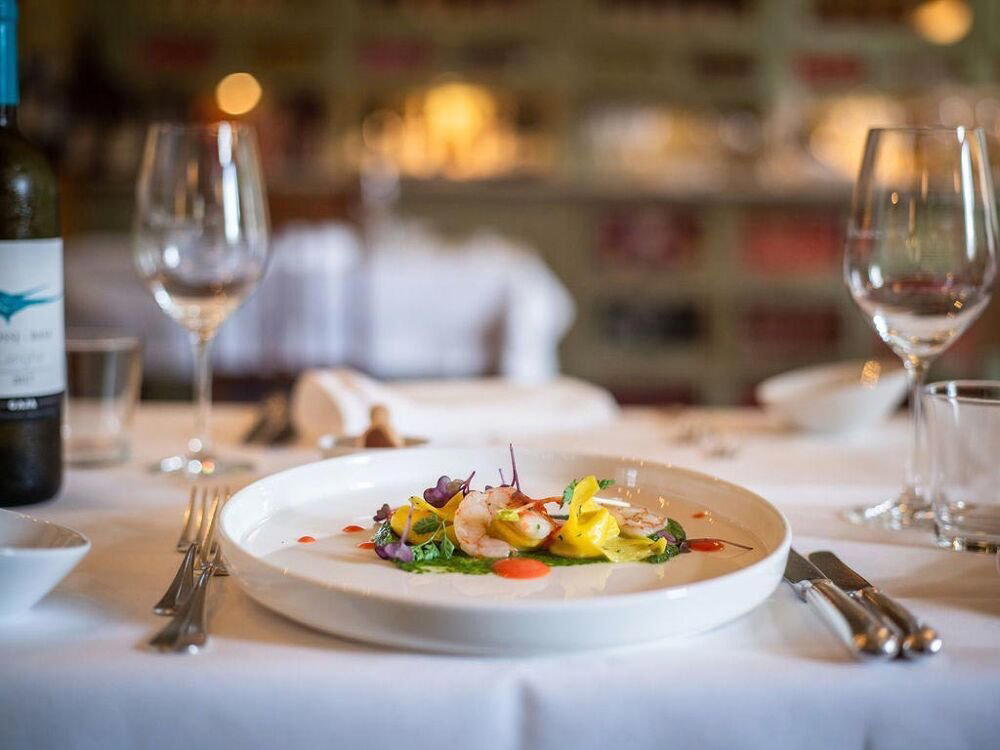
Obertauern sits higher than almost any other working ski resort in the Austrian Alps, and that altitude is not incidental to how restaurants here operate. The Radstädter Tauern pass has historically been a supply corridor as much as a scenic route, and the villages along it developed a provisioning culture that still shapes what gets cooked in the kitchens above the snowline. Restaurant Panorama, addressed at Brettsteinstraße 1 in Obertauern, serves Austrian Gourmet at a smart casual level in a resort dining room shaped by the mountain setting.
Alpine restaurant dining in this part of Salzburg state occupies a distinct tier from the Michelin-weighted urban rooms in Vienna or the destination kitchens of the Salzach valley. Here, the constraint of altitude and seasonality is the creative condition. What the kitchen can source locally, cure in house, or receive from farms within the Pongau region defines the plausible range of the menu.
What the Alps Actually Supply
The ingredient logic of high-altitude Austrian restaurants is worth understanding before you sit down. The Pongau and surrounding Lungau districts produce some of Austria's most consistent mountain dairy: raw-milk cheeses, cultured butters, and cream from cattle that graze at elevation during the short summer window. These are not niche boutique products, they are the regional baseline, and any kitchen in this corridor that takes its sourcing seriously will orient around them. Cured meats follow a similar pattern. Speck and cold-smoked products from the Salzburg alpine region carry a character shaped by altitude, cold-smoking tradition, and the particular grasses and herbs available at this elevation.
This is the sourcing framework that defines the stronger end of Obertauern's dining scene, and it matters because it distinguishes mountain kitchens from the imported luxury model that some ski resort restaurants pursue elsewhere. Where a certain tier of Alpine dining imports protein and prestige ingredients from outside the region to signal ambition, the more grounded approach in this part of Austria leans into what the local terrain genuinely produces well. Restaurants at the more considered end of the Pongau spectrum tend to reflect that distinction clearly.
For a broader register of what serious ingredient sourcing looks like in Austrian alpine cooking, the work at Kräuterreich by Vitus Winkler in Sankt Veit im Pongau is instructive: Winkler has built a kitchen identity around foraged and cultivated herbs from the Pongau specifically, demonstrating how local the sourcing can become within this relatively small geographic zone.
Obertauern in the Austrian Alpine Dining Map
Austria's mountain restaurant scene has consolidated around a handful of formats. At one end sit resort-facing rooms that prioritise atmosphere, accessibility, and a menu broad enough to absorb large tables of skiers with varying preferences. At the other end, a smaller group of kitchens in ski towns have built programs that compete with non-resort destination restaurants on ingredient quality and kitchen technique. Gourmetrestaurant Tannenhof in Sankt Anton am Arlberg and Griggeler Stuba in Lech represent the Vorarlberg and Tirol versions of that latter category, where the ski resort context is present but the kitchen's ambitions exceed it.
Obertauern's dining scene occupies a middle position in this map. The resort's snowfall average sustains a longer, more reliable winter season than most comparable destinations. That extended operating window supports a more developed restaurant culture than the village's size alone would suggest. FRITZ & FRIEDRICH represents the more contemporary end of that local range. Panorama, at Brettsteinstraße 1, holds a position within the same resort context.
The Salzburg state restaurant scene that provides the wider frame includes significant reference points: Ikarus in Salzburg, with its rotating guest-chef format, sits at one end of the creative spectrum, while Obauer in Werfen represents an entrenched family-run kitchen with a long track record. These are the rooms against which serious Salzburg-region dining gets calibrated, even if mountain resort restaurants operate under different conditions and serve a different primary audience.
Reading the Austrian Kitchen Tradition
Austrian mountain cooking draws on a larder that is genuinely different from lowland Central European kitchens. The emphasis on preservation reflects a historical reality: high-altitude communities needed to extend seasonal produce through long winters, and the techniques developed for that purpose became defining features of the cuisine rather than mere necessity. Pickling, smoking, curing, and fermenting are not nostalgic affectations in this context; they are the technical vocabulary through which alpine kitchens speak.
This tradition finds expression across the country's most recognised rooms. Landhaus Bacher in Mautern an der Donau works from the Wachau's specific larder; Taubenkobel in Schützen am Gebirge draws from the Burgenland's wine-country agriculture. The mountain version of this same logic, what is local, what is seasonal, what preserves well, runs through kitchens from Schwarzer Adler in Hall in Tirol to Stüva in Ischgl. The thread connecting them is not a shared menu but a shared sourcing discipline shaped by geography.
For readers coming from restaurant cultures where menu creativity is primarily expressed through global ingredient assemblage, the comparison is clarifying. Le Bernardin in New York City or Atomix in New York City are rooms where technique is applied to an ingredient universe with almost no geographic constraint. The Austrian alpine kitchen operates from the opposite premise: technique in service of what a specific region produces, with the constraint itself as the creative engine. Restaurant 141 by Joachim Jaud in Mieming and Ois in Neufelden each demonstrate how far that constrained ambition can reach within the Austrian context.
Planning a Visit to Panorama
Panorama is located at Brettsteinstraße 1, Obertauern, a resort accessible from Radstadt or Untertauern on the B99 pass road. Obertauern's ski season typically runs from November through April, and the resort's high snowfall average means that window is more reliable than at lower elevations. Visitors combining a Panorama dinner with wider Salzburg-region dining should note that Obertauern is approximately 90 kilometres south of Salzburg city.
Side-by-Side Snapshot
Comparable venues nearby, for context on price, style, and recognition.
| Venue | Cuisine | Price | Notes |
|---|---|---|---|
| PanoramaThis venue — the venue you are viewing | Austrian Gourmet | $$$ | Not listed |
| FRITZ & FRIEDRICH | Asian-Alpine Fusion | $$$ | Obertauern |
| Restaurant Panorama | Modern Regional Austrian Fine Dining | $$$ | Obertauern |
| Benediktus | Austrian with Mediterranean and Italian Influences | $$$ | Mondsee am Mondsee |
| IMLAUER Sky | Modern Austrian with International Influences | $$$ | Neustadt |
| Pehab | Regional Austrian Seasonal | $$$ | Ramsau am Dachstein |
Continue exploring
More in Tweng
Restaurants in Tweng
Browse all →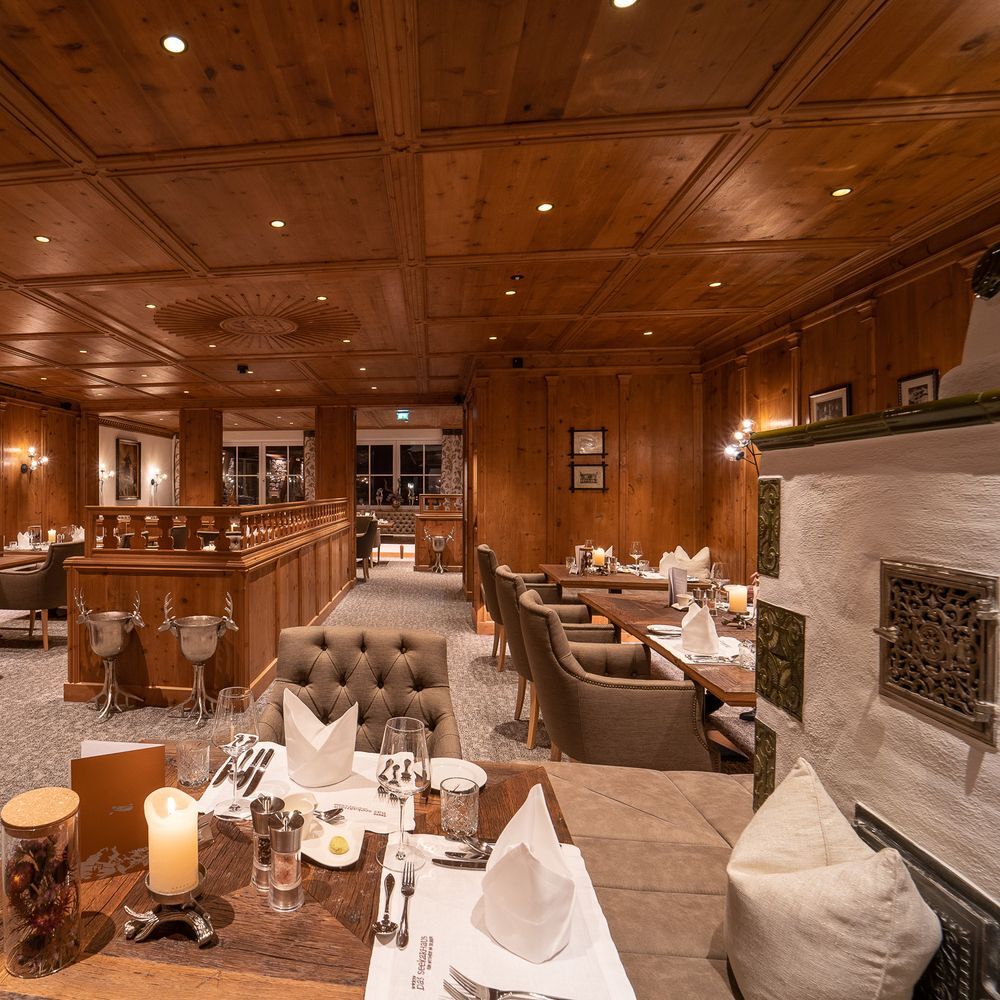
Bars in Tweng
Browse all →


Hotels in Tweng
Browse all →
Wineries in Tweng
Browse all →
At a Glance
- Scenic
- Cozy
- Rustic
- Family
- Celebration
- Panoramic View
- Hotel Restaurant
- Local Sourcing
- Mountain
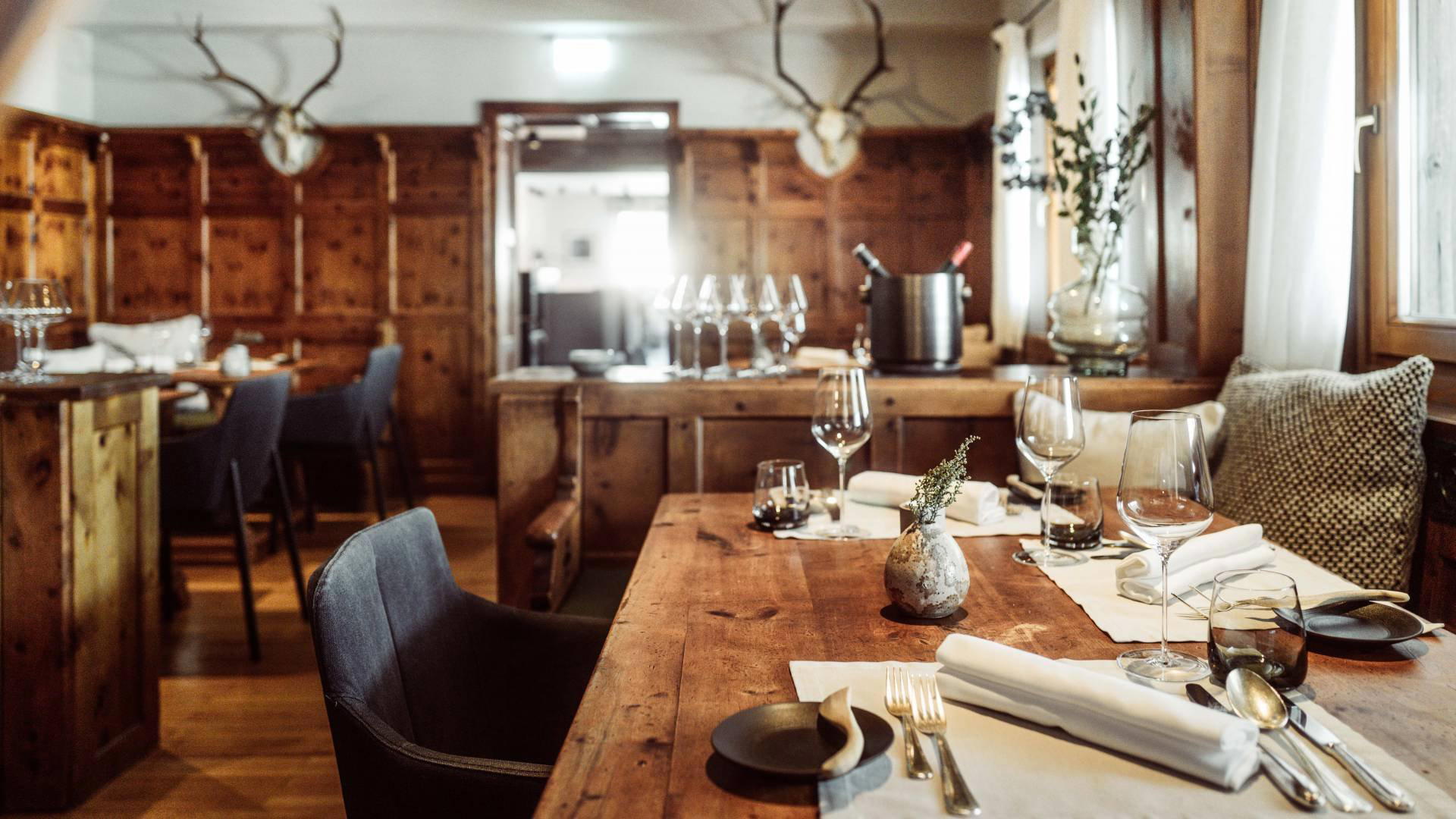
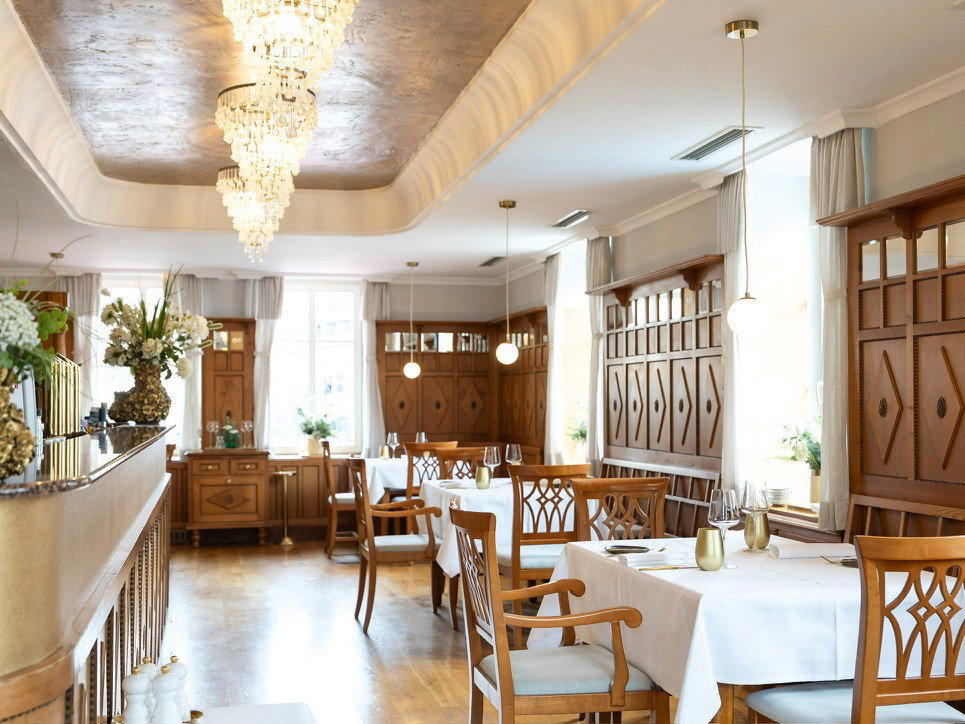
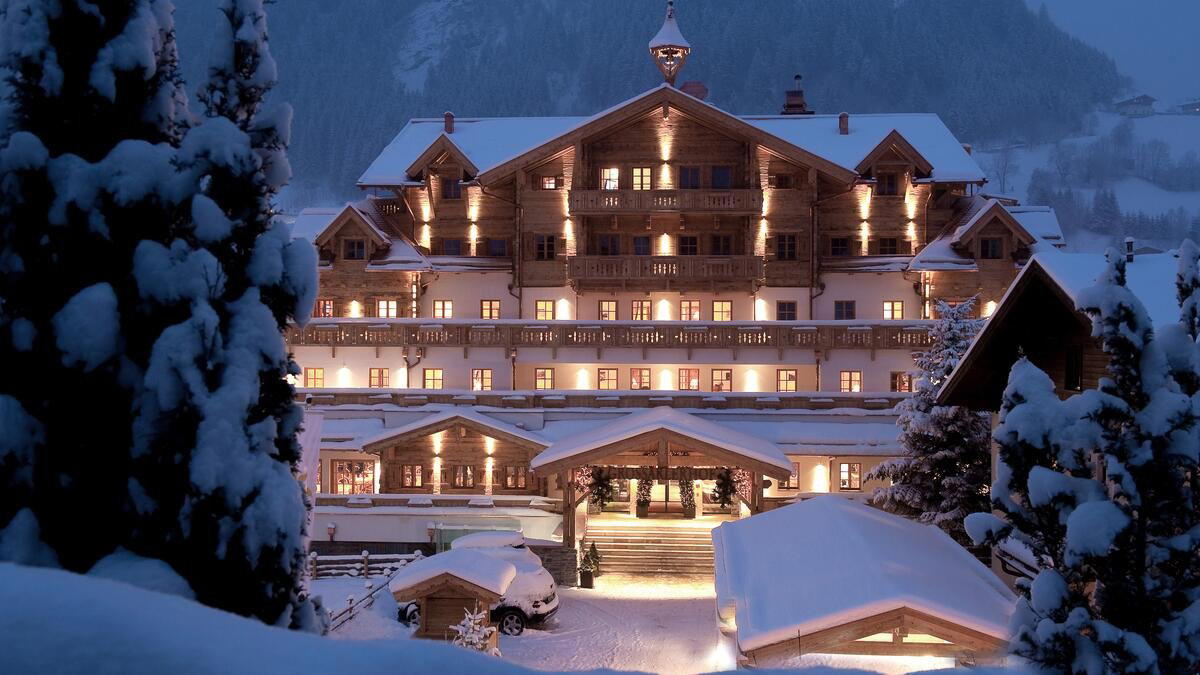
Charming restaurant atmosphere combining modern alpine chic with cozy wood elements and dramatic mountain vistas from the terrace.