Kirchenwirt
Our verdict
Kirchenwirt serves regional Austrian seasonal cuisine with local sourcing and an extensive wine list; quiet, leisurely pacing suits lunch or dinner.

Pearl is the En Primeur Club membership app, where members save venues, book tables and use the concierge.

Where Salzburg's Agricultural Hinterland Meets the Gasthof Tradition
Straßwalchen sits in the Flachgau district of Salzburg province, a stretch of gently rolling farmland between the Salzburg city boundary and the Attersee lake region. This is working agricultural country: dairy herds on green hillsides, market gardens, and a regional food culture built around proximity to raw materials rather than distance from them. In this context, the village Kirchenwirt format, a church-adjacent inn that has served the community across generations, is not a nostalgic affectation. It is an operating model that predates modern restaurant categories entirely, and it continues to anchor the social and culinary life of smaller Salzburg-province settlements in a way that urban dining cannot replicate.
Kirchenwirt on Kirchengasse 11 sits within that tradition. The address itself carries meaning: Kirchengasse, the lane running alongside the parish church, is the geographic and social centre of the old village. Arriving on foot, the relationship between the inn, the churchyard, and the surrounding agricultural plain is immediately legible. This is a building that exists in relationship with its community, not as a destination constructed for visitors arriving from elsewhere.
The Sourcing Logic of the Salzburg Flachgau
Austrian gastronomy, at almost every price point, has leaned into regional sourcing as a defining credential over the past two decades. At the high end of the province, venues like Ikarus in Salzburg and Döllerer in Golling an der Salzach have made the provenance of Salzburg-region ingredients central to their editorial identity. The argument at village Kirchenwirt level is different: sourcing is not a marketing position but a function of geography. When your suppliers are within walking distance or a short drive, the supply chain is simply shorter, and the kitchen's relationship to seasonal availability is more direct.
The Flachgau's agricultural output includes dairy products, freshwater fish from nearby lakes, and the full seasonal rhythm of a Central European growing region. Late spring brings asparagus and early greens; autumn shifts toward cured meats, root vegetables, and game from the surrounding forests. A village inn in this district, operating in the Kirchenwirt format, draws on that seasonal pulse in ways that more formal dining rooms must engineer deliberately. The proximity is structural, not curated.
This places Kirchenwirt in a different peer conversation from Salzburg's destination restaurants. It is not competing with Obauer in Werfen or Kräuterreich by Vitus Winkler in Sankt Veit im Pongau for destination diners making a journey. It occupies the community-inn tier that those venues graduated out of, and that tier has its own logic and its own kind of integrity.
The Gasthof as a Category
Austria's Gasthof and Kirchenwirt formats are among the most durable dining categories in the German-speaking world. They predate restaurant culture as it emerged in France and later spread through urban Europe, and their continued operation in rural Salzburg province reflects a hospitality tradition that has not been fully absorbed into the modern restaurant market. The format typically involves a broad menu spanning regional classics, Wiener Schnitzel, Tafelspitz, Brettljause, freshwater fish preparations, served in a room that doubles as a local gathering space. Lunch trade from working locals, Sunday meals for extended families, and occasional evening bookings from nearby towns form the typical demand pattern.
What distinguishes a functioning village Kirchenwirt from a merely preserved one is whether the kitchen tracks seasonal availability honestly. In a region with the agricultural density of the Flachgau, a kitchen that pays attention to what is actually ready in the surrounding countryside will produce food that changes meaningfully across the year, even without a tasting menu format or a formal sourcing narrative. The absence of that narrative is itself part of the category's character.
For context on how Austrian regional dining plays out across different price tiers and formats, Landhaus Bacher in Mautern an der Donau and Taubenkobel in Schützen am Gebirge represent the refined country-inn format at award level, while Atelier Fischer in Sankt Gilgen anchors the Salzkammergut lake-district end of the regional spectrum. Kirchenwirt in Straßwalchen operates well below that tier in formality and price ambition, which is precisely the point.
Planning a Visit
Straßwalchen is accessible from Salzburg by regional train on the line toward Vöcklabruck and Attnang-Puchheim, with journey times of roughly 25 to 30 minutes from Salzburg Hauptbahnhof. By road, the A1 motorway connects the village to Salzburg in under 30 minutes. The Kirchenwirt's address on Kirchengasse 11 places it at the village centre, within a few minutes on foot from the train station. The Gasthof category rarely requires advance reservation for weekday lunch but may need one for larger groups or weekend evenings.
Straßwalchen is a logical intermediate stop for travellers moving between Salzburg and the Attersee or Mondsee lake districts, and the village-inn meal fits naturally into that kind of day. It is not a destination that warrants a dedicated journey from Vienna or Innsbruck, but for those already in the Flachgau, it represents the kind of grounded, place-specific dining that the region's more celebrated venues have spent considerable effort trying to evoke. See our full Straßwalchen restaurants guide for additional options in the area.
For broader Austrian regional context, the full spectrum runs from Steirereck im Stadtpark in Vienna at the creative apex to village-format Gasthöfe like this one. Other high-altitude Alpine formats worth understanding in contrast include Gourmetrestaurant Tannenhof in Sankt Anton am Arlberg, Griggeler Stuba in Lech, and Stüva in Ischgl, all of which operate the Gasthof-adjacent format at ski-resort price points. For non-Austrian comparison, Le Bernardin in New York City and Atomix in New York City illustrate how differently the sourcing-and-tradition argument plays out in a metropolitan fine-dining context. Domestically, Schwarzer Adler in Hall in Tirol, Ois in Neufelden, Artis in Graz, and Restaurant 141 by Joachim Jaud in Mieming cover the regional range from Tyrol to Styria.
Frequently asked questions
Is Kirchenwirt okay with children?
As a Gasthof format, Austria's most family-oriented dining category, Kirchenwirt at Kirchengasse 11, Straßwalchen is structurally suited to families. The Gasthof tradition predates modern restaurant culture and has always accommodated multigenerational tables.
What's the overall feel of Kirchenwirt?
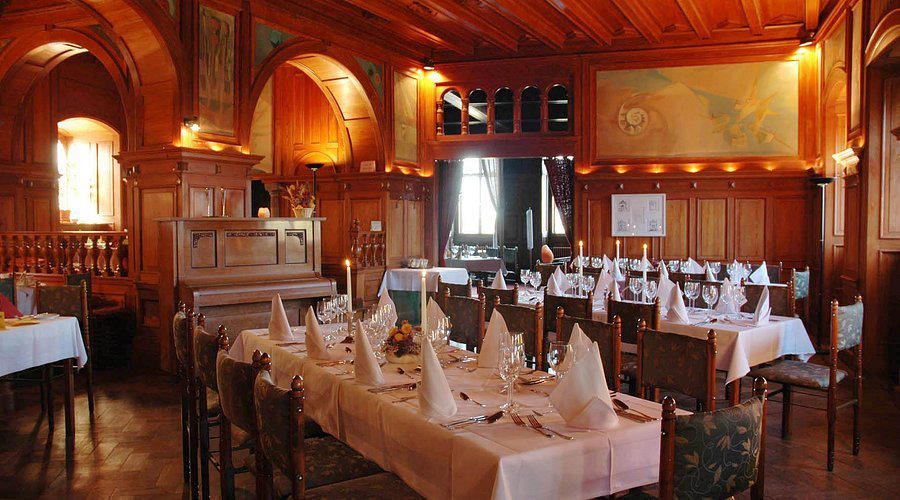
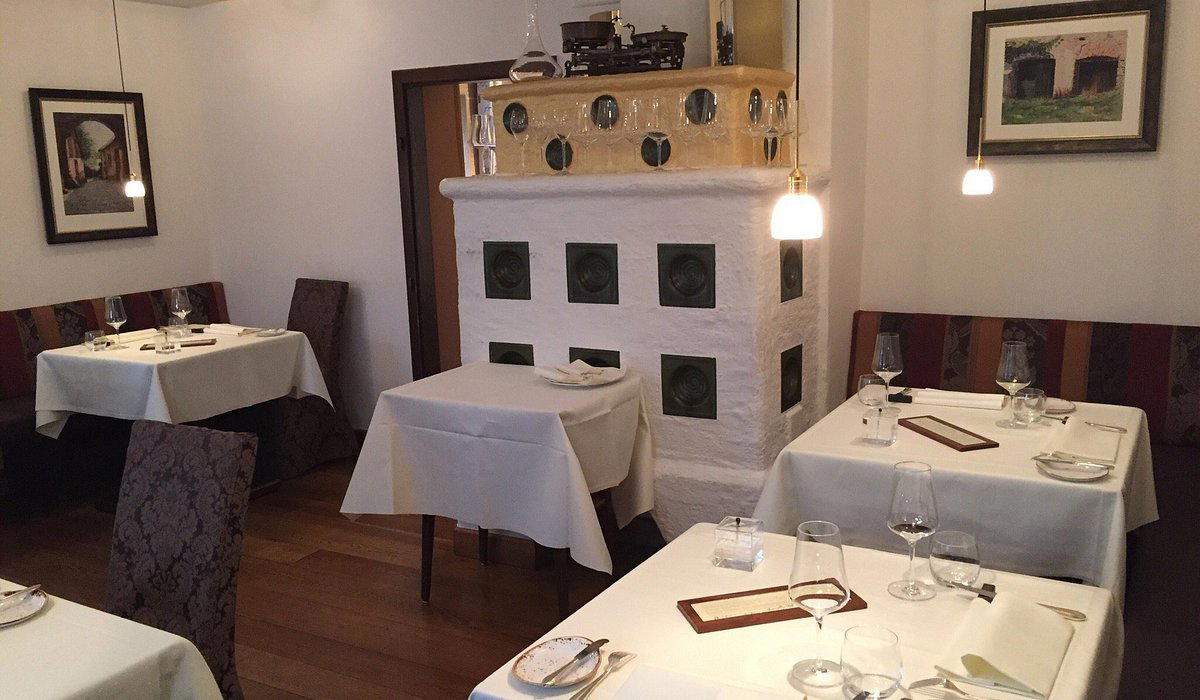
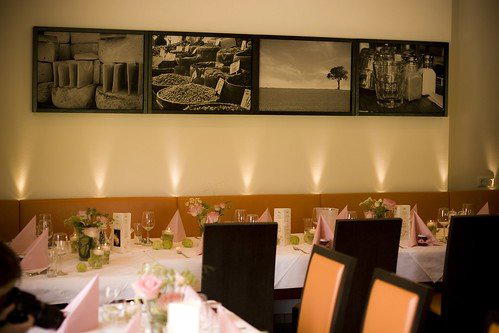
Kirchenwirt fits the Kirchenwirt format, a church-adjacent inn with deep roots in the Austro-Bavarian Gasthof tradition. In the Flachgau district of Salzburg province, these venues tend toward grounded, unfussy rooms: wood furnishings, regulars at corner tables, and a pace that differs markedly from city dining. Straßwalchen is agricultural hinterland, not a tourist corridor, which shapes the atmosphere accordingly.
How far is Kirchenwirt from Salzburg city, and how do I get there?
Straßwalchen sits roughly 25 to 30 minutes from Salzburg by regional train on the line toward Vöcklabruck and Attnang-Puchheim, making Kirchenwirt at Kirchengasse 11 a realistic half-day excursion from the city. The Flachgau district is not on a standard tourist circuit, which means the venue operates primarily for the local and regional community rather than visitors passing through.
What do regulars order at Kirchenwirt?
Austrian Gasthöfe in the Salzburg Flachgau typically anchor their menus around regional staples, Tafelspitz, Schnitzel, and seasonal preparations drawing on local farm produce from the surrounding district. The Flachgau's agricultural character means sourcing tends to be close and consistent.
What's the address for Kirchenwirt?
Kirchenwirt is located at Kirchengasse 11, 5204 Straßwalchen, Austria, Stra Walchen.
Do I need a reservation for Kirchenwirt?
No booking policy details are documented for Kirchenwirt at Kirchengasse 11, Straßwalchen. For weekend visits or larger groups, contacting the venue directly ahead of time is advisable, Austrian Gasthöfe of this format often hold tables for regulars and can fill quickly on market days or local event weekends.
What is Kirchenwirt known for?
The name itself signals the category: a Kirchenwirt is a church inn, one of the oldest hospitality formats in the German-speaking world, typically positioned beside a parish church and serving as a community dining anchor. In Straßwalchen, a Flachgau market town in Salzburg province, that role places Kirchenwirt within a tradition of feeding the local agricultural community rather than passing visitors.
Side-by-Side Snapshot
Comparable venues nearby, for context on price, style, and recognition.
| Venue | Cuisine | Price | Notes |
|---|---|---|---|
| KirchenwirtThis venue (the venue you are viewing) | Regional Austrian Seasonal Cuisine | $30–50 | Not listed |
| Landhaus Koller | Elevated Regional Austrian Cuisine | Not listed | Gosau Valley |
| Erzherzog Johann | Traditional Styrian & Austrian | $50–100 | Bad Aussee |
| Pehab | Modern Regional Austrian | Not listed | Ramsau am Dachstein |
| Schnepf'n Alm | Traditional Styrian Alpine Cuisine | Not listed | Reiteralm |
| Wassertor | Regional Austrian Fine Dining | Not listed | Schärding |
Continue exploring
More in Straßwalchen
Restaurants in Straßwalchen
All restaurants in Straßwalchen →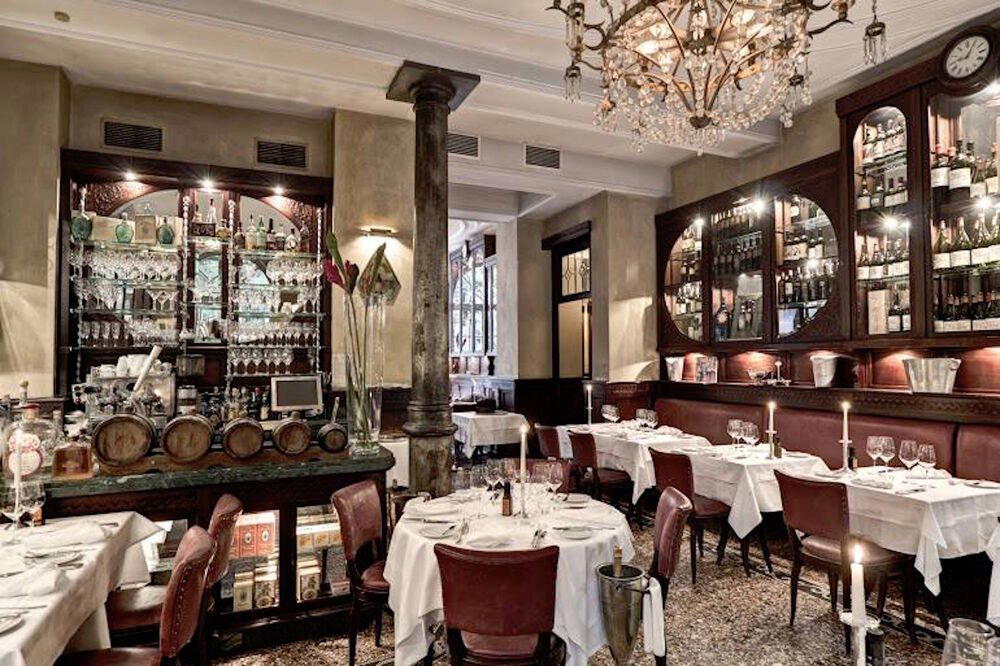
Bars in Straßwalchen
Browse all →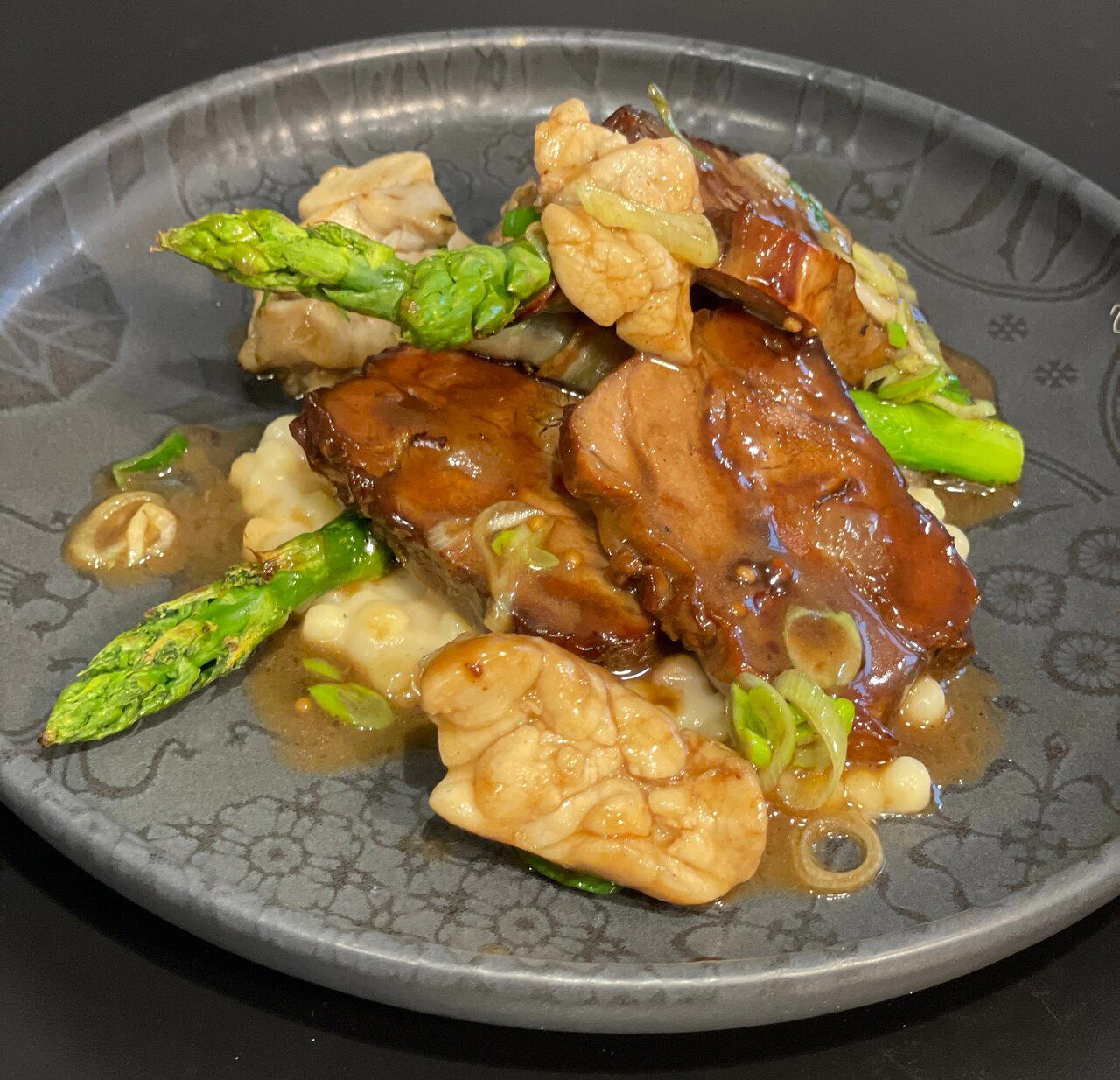

Details
- Rustic
- Cozy
- Classic
- Special Occasion
- Family
- Celebration
- Terrace
- Extensive Wine List
- Local Sourcing
- Mountain
- A La Carte
- Vegetarian Friendly
Current opening hours
- Monday
- Closed
- Tuesday
- Closed
- Wednesday
- 11:30 AM–1:30 PM, 5:30–11 PM
- Thursday
- 5:30–11 PM
- Friday
- 5:30–11 PM
- Saturday
- 5:30–11 PM
- Sunday
- 11:30 AM–1:30 PM, 5:30–9 PM
Hours can change for holidays and private events. Hours as of .
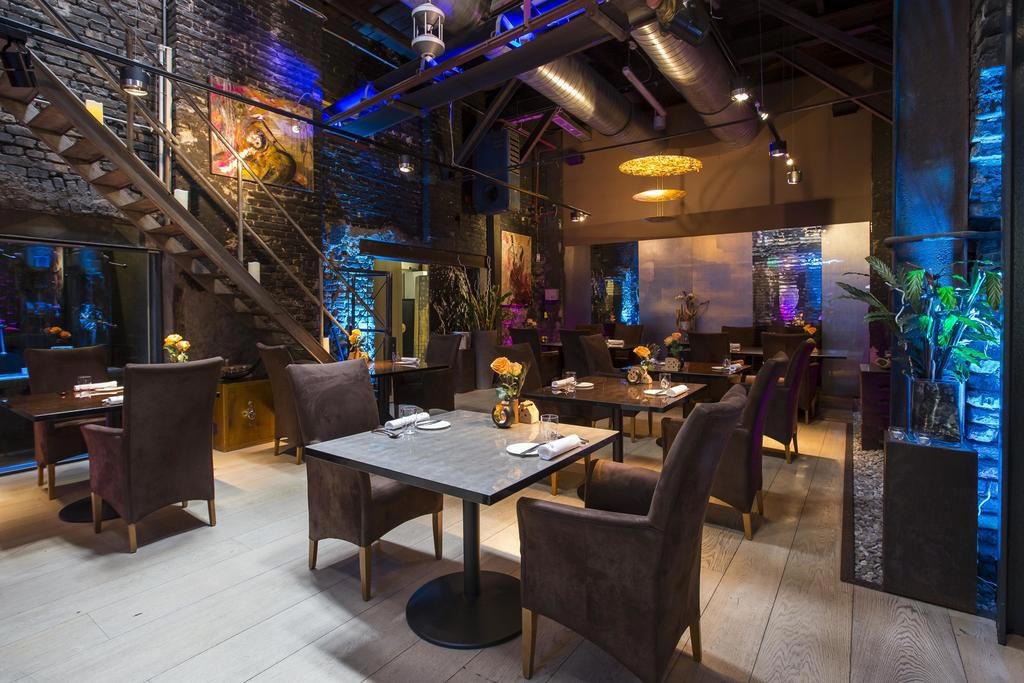
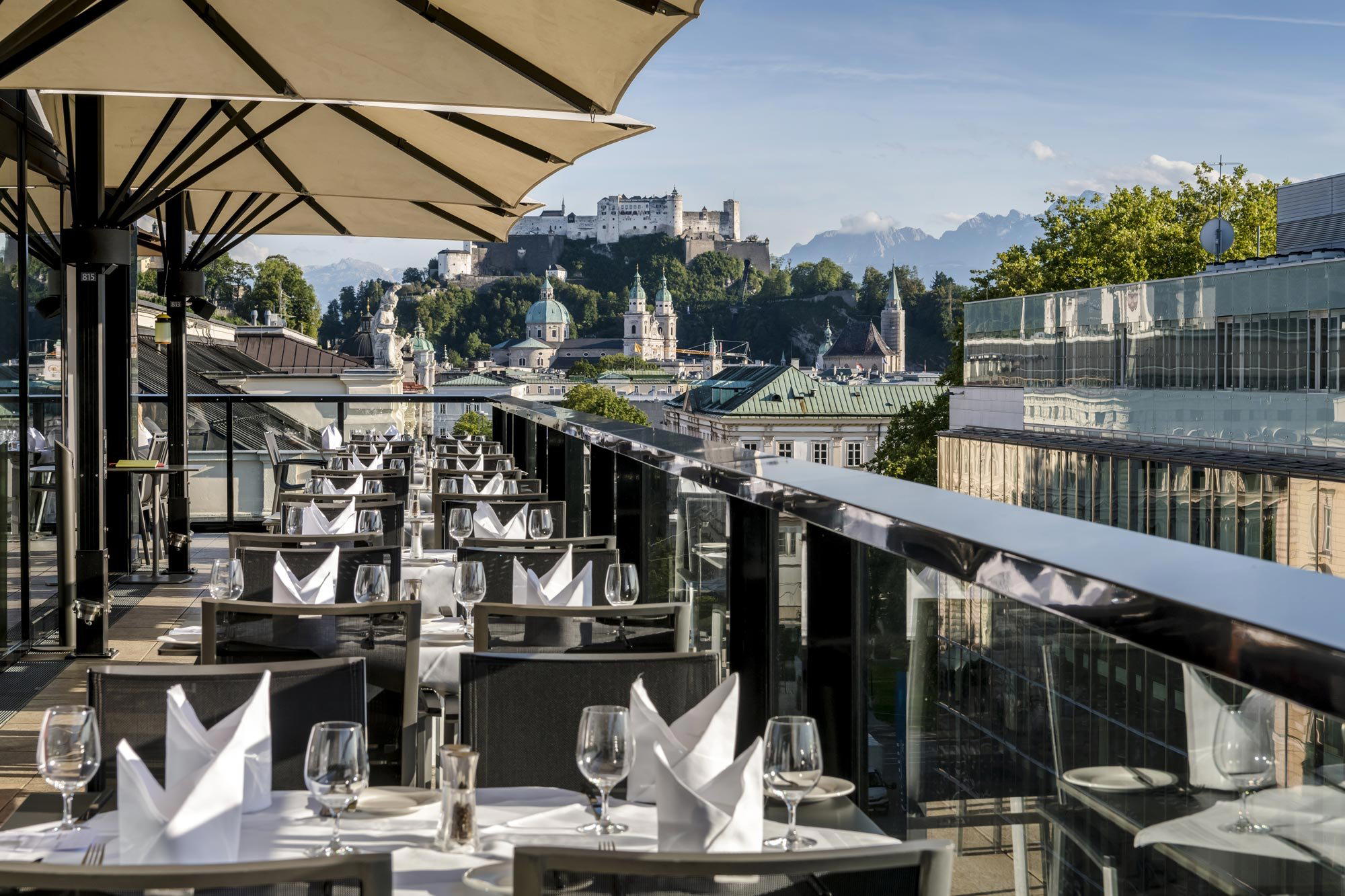
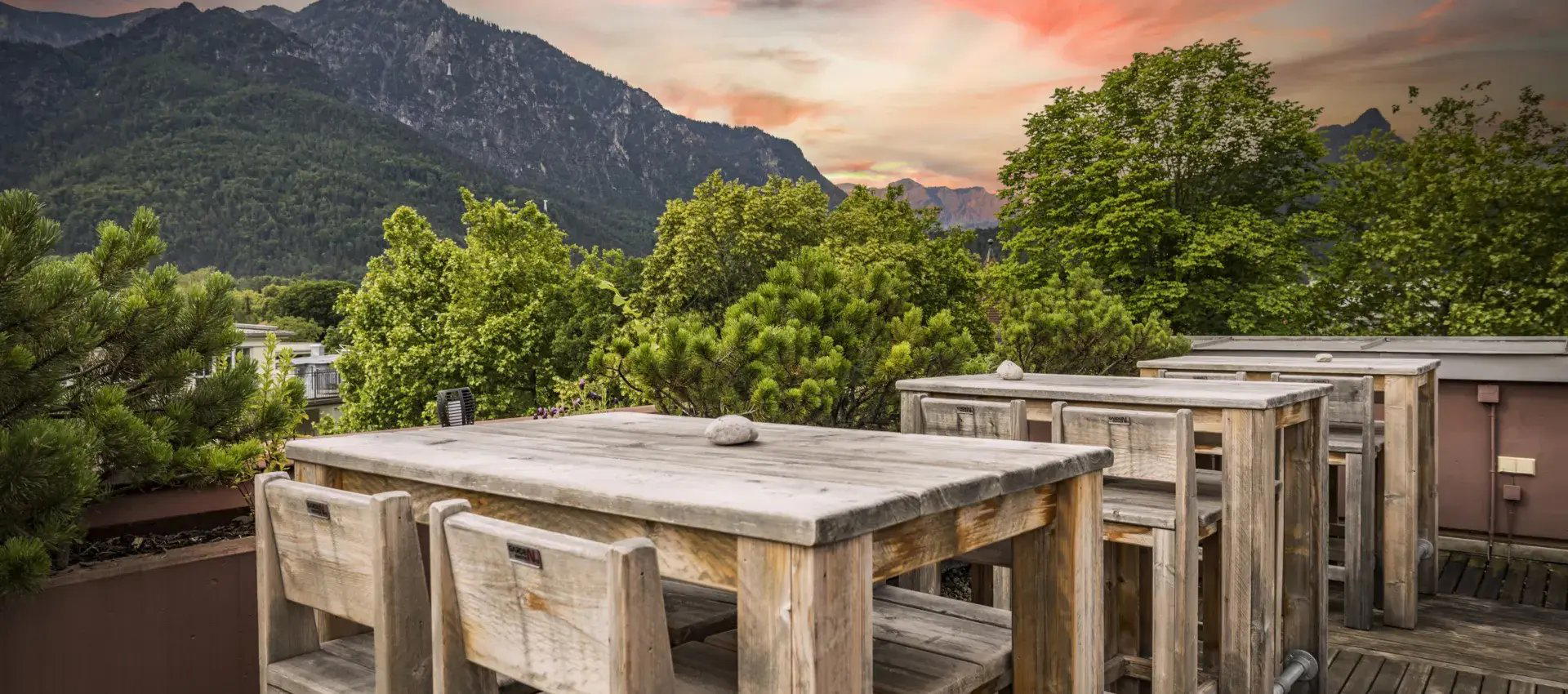
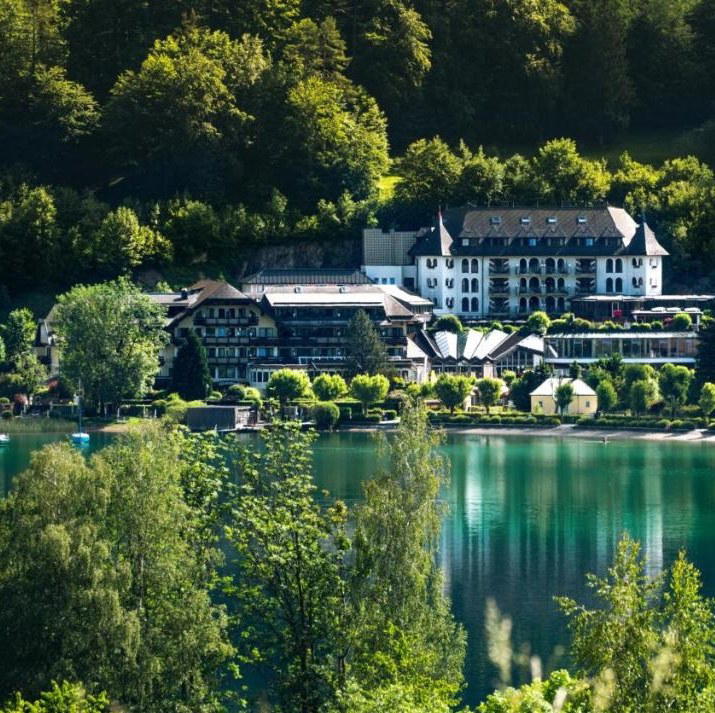
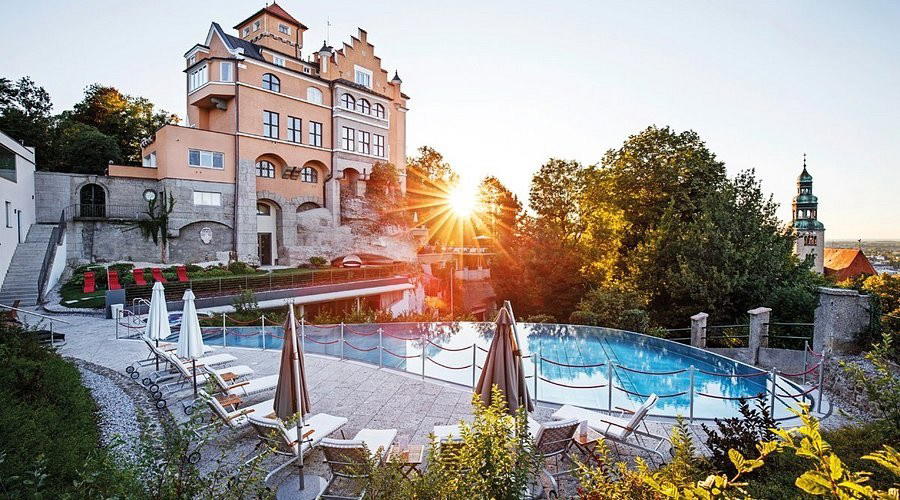
Cozy and welcoming atmosphere in a quiet village setting next to the church, with pleasant room climate and views of the Irrsberg.