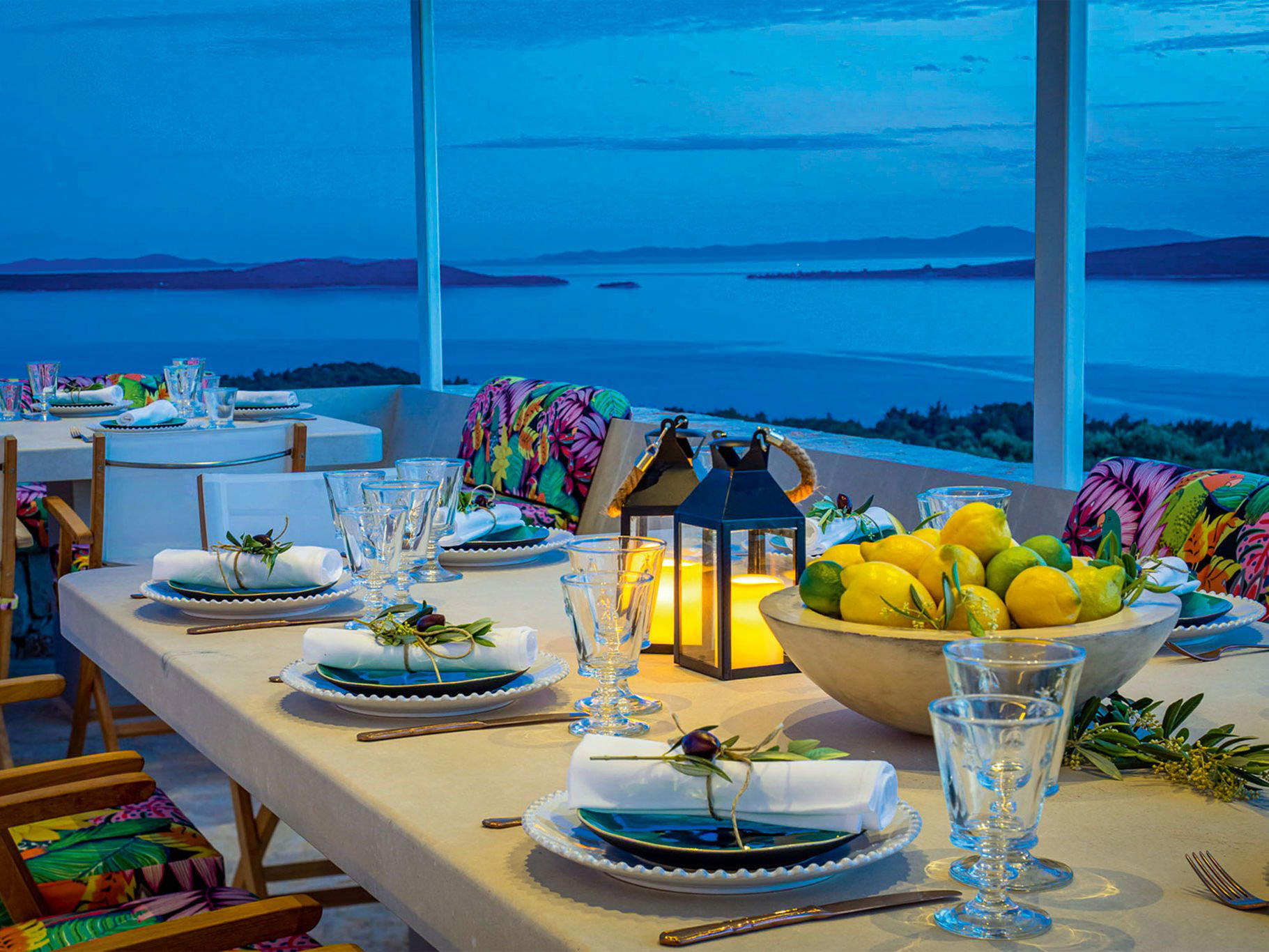
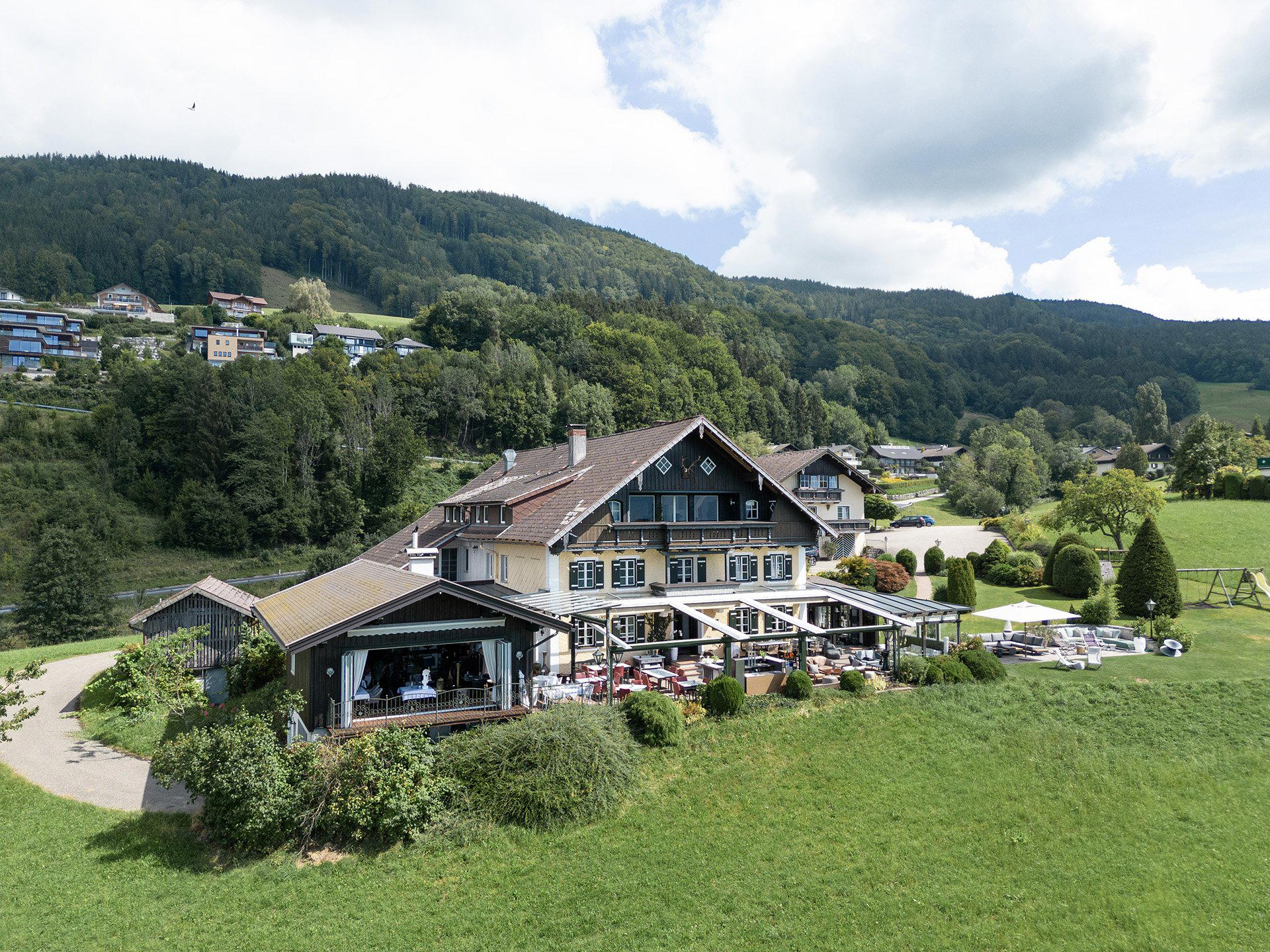
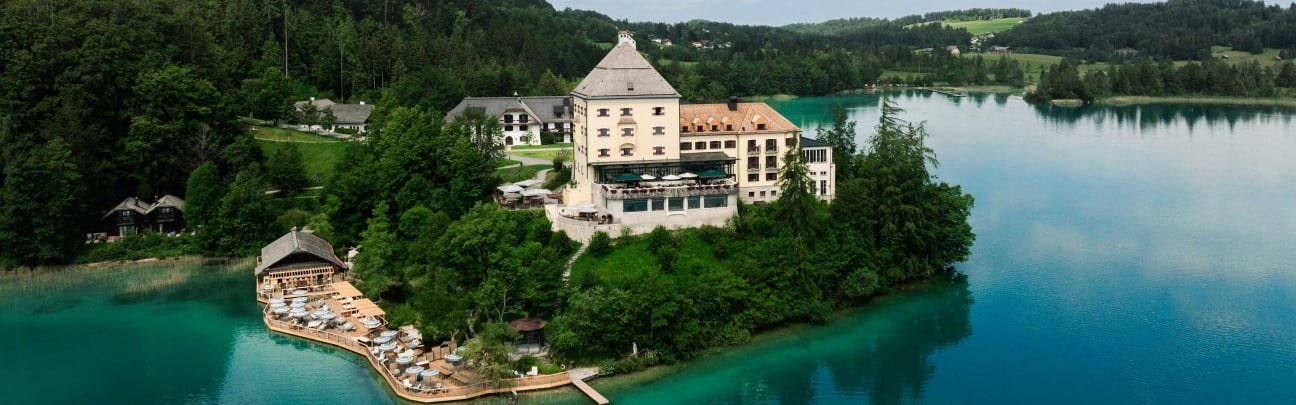
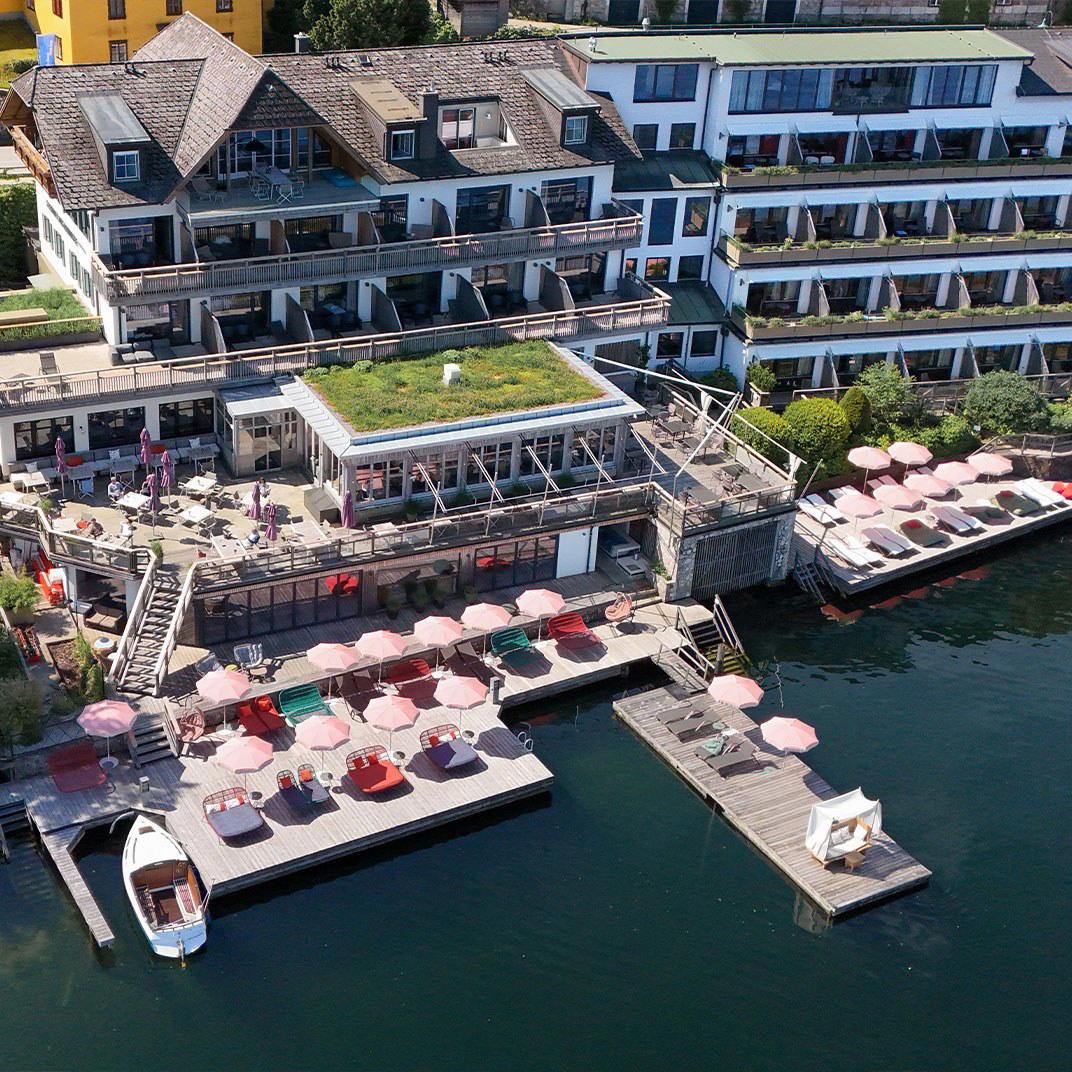
Brandauers Villen serves regional Austrian with international influences at Seehotel Brandauers Villen, with waterfront terrace seating, quiet pacing, local sourcing, and lunch or dinner service.
Pearl is the En Primeur Club membership app — saves, bookings, and concierge access live there. Same editors, same standards.
- Address
- Moosgasse 6, 5350 Strobl, Austria
- Phone
- +43613772050
- Website
- brandauers.info
- Directions
- Get directions
 Saves & bookings on Pearl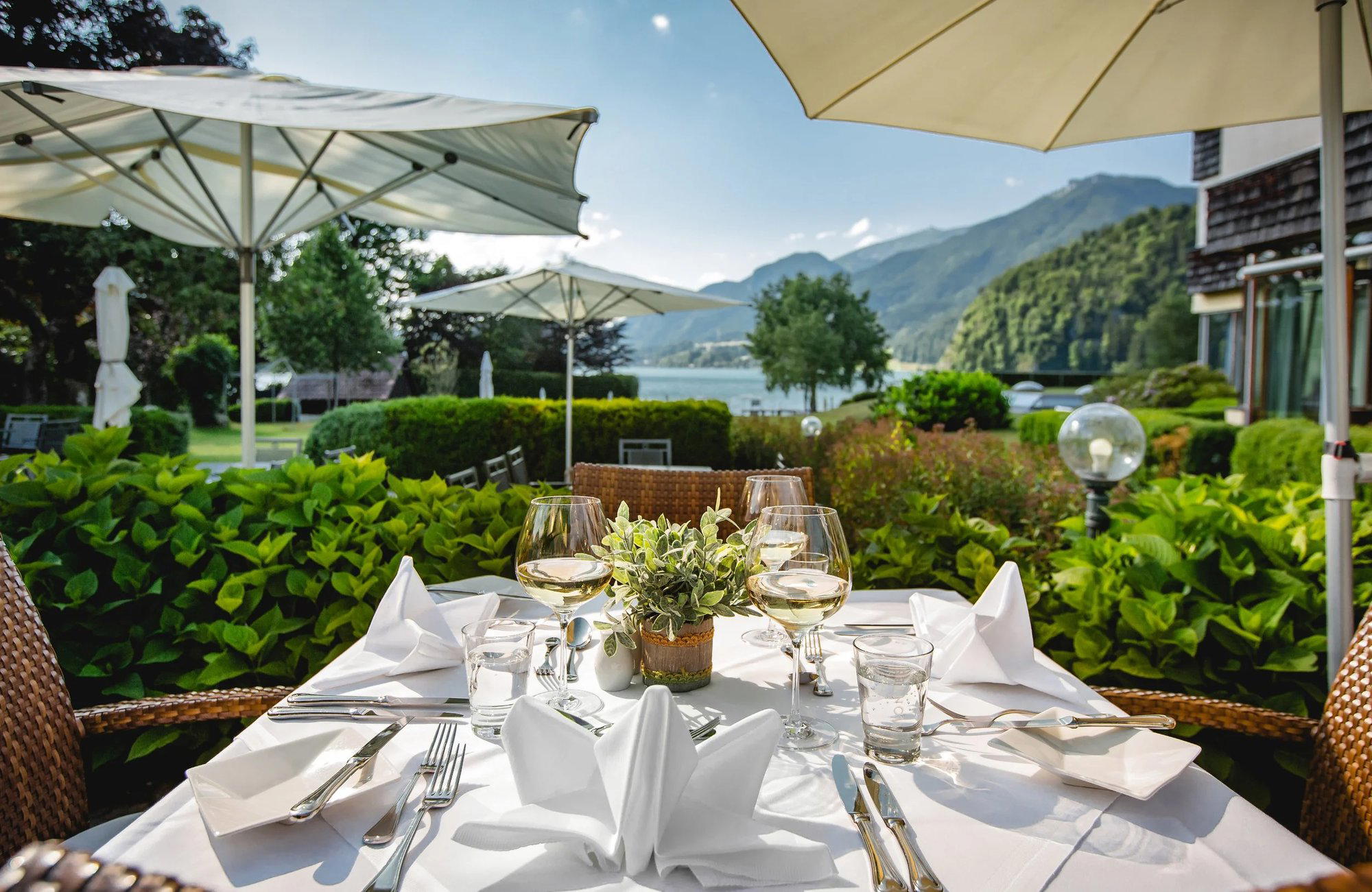
Strobl on the Wolfgangsee: Where Austrian Lake Country Dining Takes Root
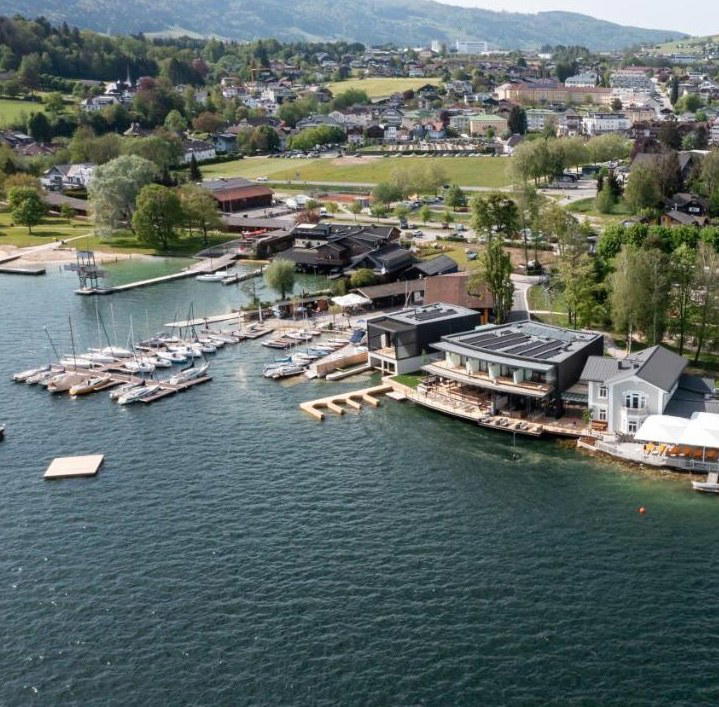
Approaching the southern shore of the Wolfgangsee in late afternoon, the light comes off the water in a particular way that explains why this corner of the Salzkammergut has drawn visitors for well over a century. Strobl sits at the quieter eastern end of the lake, past the ferry traffic of St. Wolfgang and the busier tourist infrastructure of St. Gilgen. The village holds its character in part because its hospitality layer has remained smaller and more local in orientation than its neighbours. Brandauers Villen, at Moosgasse 6, occupies that quieter register.
Austrian lake-country dining has undergone a slow but measurable shift over the past decade. Properties that once positioned themselves purely as summer retreats have had to decide whether to compete on culinary seriousness or retreat further into leisure convenience. The more compelling ones have leaned into regional sourcing as a point of distinction, drawing on the Salzkammergut's particular larder: freshwater fish from the alpine lakes, dairy from nearby farms, wild herbs from the surrounding hills. This sourcing logic reflects genuine geographic constraints and opportunities that define the cooking here.
The Salzkammergut Larder and What It Demands of a Kitchen
The lakes of the Salzkammergut produce some of Austria's most sought-after freshwater fish. Reinanke (whitefish), Saibling (arctic char), and Forelle (trout) move through menus across the region, but the quality differential between properties that source directly from local fishermen and those that work through wholesale channels is significant. In a village the size of Strobl, proximity to the source is an advantage a kitchen either uses or wastes.
Beyond fish, the broader Salzburg region sits at the intersection of alpine and pre-alpine agricultural zones, which means a short-season but high-quality calendar of ingredients: Marchfeldspargel-equivalent asparagus in late spring, wild garlic from forest edges, mountain cheeses that carry the altitude in their fat content, and game from the Salzkammergut forests from late summer through autumn. Kitchens that anchor their menus to this calendar operate on a fundamentally different rhythm from those running year-round consistent tasting formats. For a property in Strobl, seasonal alignment is less a philosophy and more a practical reality imposed by geography and supply.
This regional sourcing tradition connects Strobl to a broader conversation across Austrian dining. Properties like Döllerer in Golling an der Salzach have built substantial reputations on Salzburg-region sourcing discipline, while Obauer in Werfen demonstrates how deep regional commitment can sustain a kitchen at the highest tier over decades. At the Vienna end of the spectrum, Steirereck im Stadtpark has made hyper-local sourcing a defining institutional signature. Brandauers Villen operates in a smaller register than any of these, but the sourcing logic that makes those properties compelling applies equally to a lake-country villa in Strobl.
The Village Setting and Its Competitive Context
Strobl's dining scene is compact. The village does not carry the restaurant density of Salzburg city, nor the resort infrastructure of Zell am See or the Arlberg. What it offers instead is proximity to one of Austria's most photogenic lakes combined with a slower pace that suits properties oriented toward guests staying multiple nights rather than passing through. This positions Brandauers Villen within a broader lake-country hospitality context in the Salzkammergut.
For context on what the wider Austrian scene looks like at the serious end of this regional tier, Landhaus Bacher in Mautern an der Donau offers a useful reference point: a property where classic Austrian cuisine meets serious wine stewardship in a non-urban, river-country setting. Similarly, Taubenkobel in Schützen am Gebirge shows what modern Austrian and French contemporary approaches look like when embedded in a rural property with genuine culinary ambition. The Wolfgangsee's long association with Austrian cultural life gives the area an enduring draw.
Closer to Strobl, SeeSushi represents the village's more contemporary dining register, while Atelier Fischer in neighbouring Sankt Gilgen demonstrates what a chef-led, regionally rooted approach can achieve within a few kilometres of the restaurant.
Planning a Visit
Strobl is most easily reached by car from Salzburg, a drive of roughly 40 minutes along the B158 through Bad Ischl. The village is also accessible by the Wolfgangsee ferry service during the summer season, which connects St. Wolfgang, St. Gilgen, and Strobl across the lake. Advance planning is advisable, particularly for summer visits.
Austria's alpine restaurant scene rewards those who look beyond Salzburg and Vienna. Across the country, kitchens operating in smaller towns and villages have produced particularly interesting work of the past decade, from Kräuterreich by Vitus Winkler in Sankt Veit im Pongau to Ois in Neufelden and Restaurant 141 by Joachim Jaud in Mieming. The pattern across all of them is the same: geographic specificity, sourcing discipline, and a refusal to compete on the same terms as urban fine dining. The restaurant, in its Strobl setting, belongs to the same regional logic.
For those whose Austrian itinerary extends into Tirol, Schwarzer Adler in Hall in Tirol, Gourmetrestaurant Tannenhof in Sankt Anton am Arlberg, Stüva in Ischgl, and Griggeler Stuba in Lech each represent the alpine restaurant tier at different price points and formats. In Salzburg itself, Ikarus operates on a rotating guest-chef model that places it in a different category from regional-sourcing kitchens altogether. For international reference points on ingredient-sourcing focus, Le Bernardin in New York City and Lazy Bear in San Francisco show how sourcing discipline functions as a culinary foundation across different contexts.
How It Stacks Up
Comparable venues nearby, for context on price, style, and recognition.
| Venue | Cuisine | Price | Notes |
|---|---|---|---|
| Brandauers VillenThis venue — the venue you are viewing | Regional Austrian with International Influences | $$$ | Not listed |
| SeeSushi | Contemporary Japanese Alpine Fusion | $$$ | Strobl |
| Langwies Genussherberge | Austrian Farm-to-Table Fine Dining | $$$ | Bad Vigaun |
| Seehotel Grüner Baum | Austrian with Mediterranean Influences | $$$ | Marktplatz |
| Panorama | Traditional Austrian & International | $$$ | Salzachseen |
| Hotel & Restaurant Ragginger | Traditional Austrian | $$$ | Nussdorf am Attersee |
At a Glance
- Scenic
- Cozy
- Elegant
- Classic
- Special Occasion
- Family
- Waterfront
- Terrace
- Local Sourcing
- Waterfront
- Mountain
- Garden
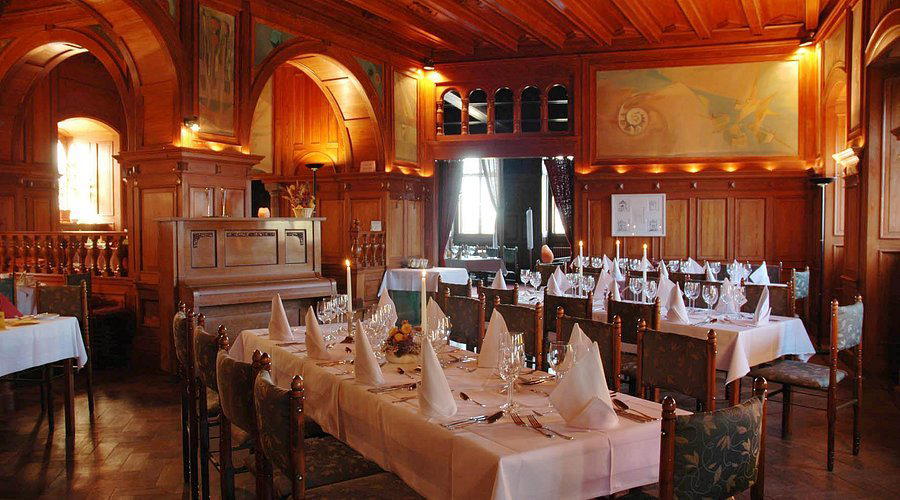
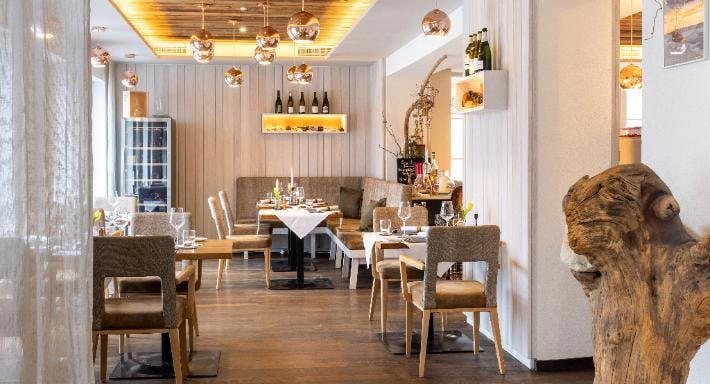
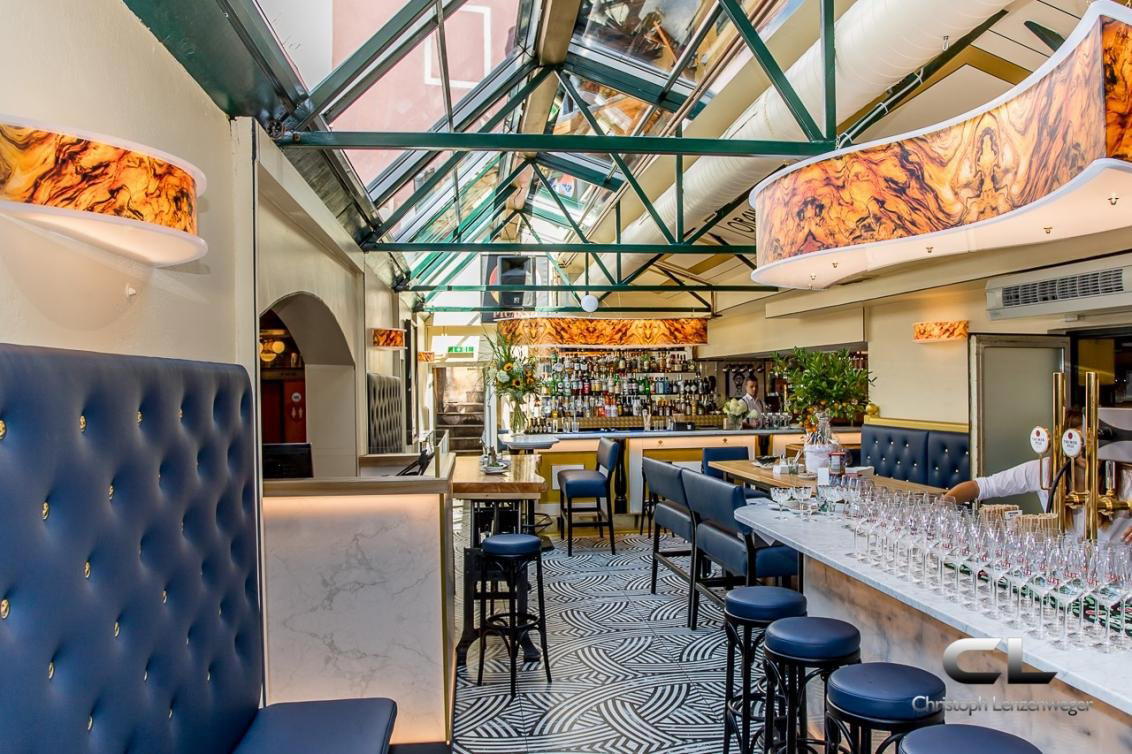
Cozy parlor and elegant winter garden with serene lake views, praised for relaxed and comfortable atmosphere.