Set along the Pass Gschütt road in the Gosau valley, Landhaus Koller operates in a tradition of Austrian alpine hospitality where the surrounding landscape defines what ends up on the plate. The Salzkammergut region's forests, pastures, and lakes have long supplied a particular kind of ingredient-driven cooking that sits apart from urban fine dining. For travelers moving through the Dachstein corridor, it represents a grounded alternative to the resort-circuit restaurants further west.
Pearl is the En Primeur Club membership app — saves, bookings, and concierge access live there. Same editors, same standards.
- Address
- Pass Gschütt Str. 23, 4824 Gosau, Austria
- Phone
- +434361368841
- Website
- hotel-koller.com
- Directions
- Get directions
 Saves & bookings on Pearl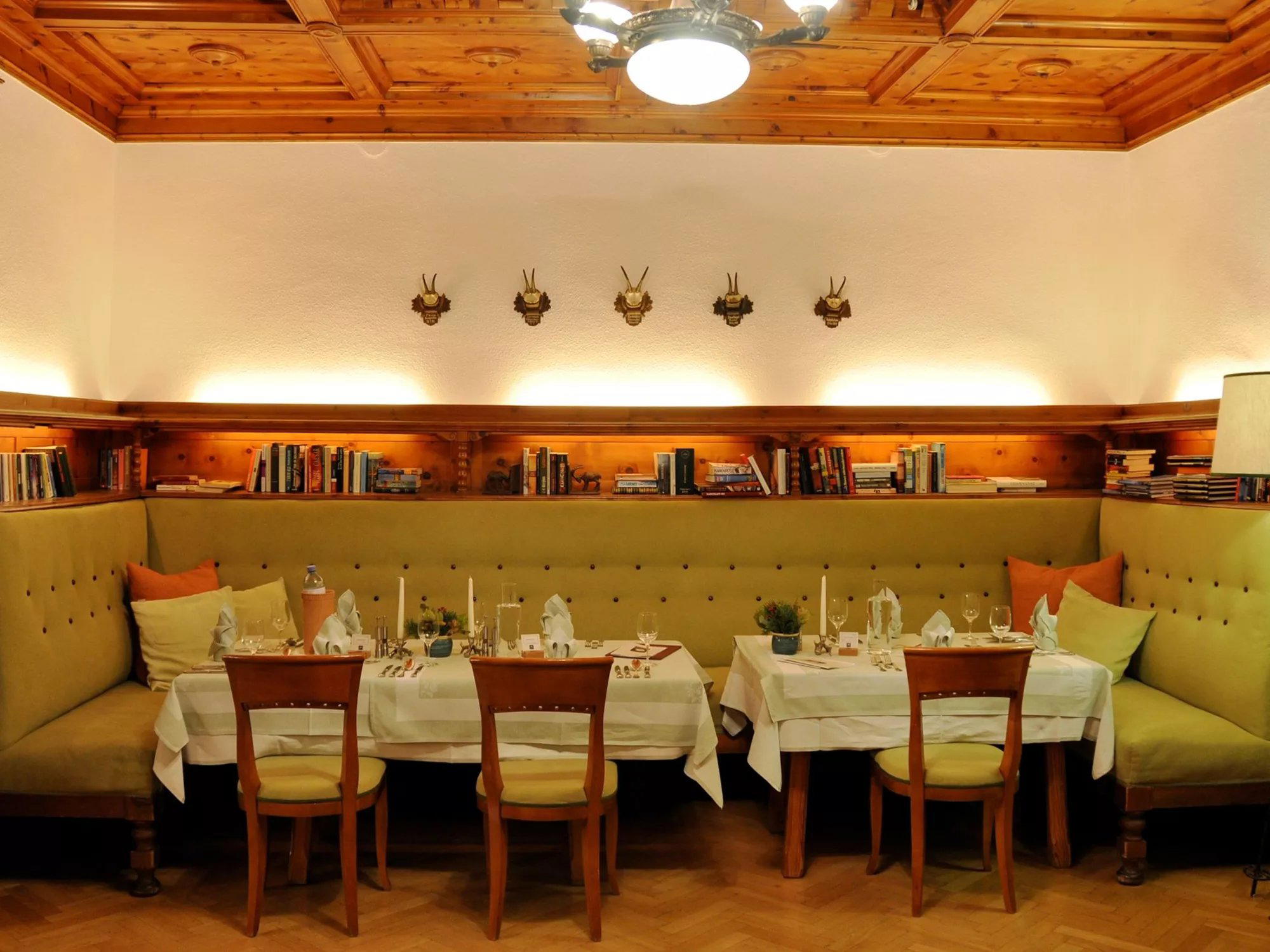
Where the Salzkammergut Sets the Menu
The road into Gosau from the Pass Gschütt side gives you the logic of the place before you arrive. The valley narrows between forested slopes and limestone peaks, with farmland running close to the tree line. This is Salzkammergut terrain, a region in Upper Austria where the proximity of mountains, lakes, and centuries-old agricultural practice has shaped a cooking tradition that is less about technique as spectacle and more about what the land reliably produces. Landhaus Koller, a restaurant in Gosau at Pass Gschütt Str. 23, reads as a direct expression of that geography. The building sits within a landscape that has been supplying Austrian kitchens for generations, and the hospitality format it occupies, the landhaus, or country house, is the regional vessel for that kind of cooking.
The Landhaus Tradition and What It Actually Means
Austria's landhaus dining culture is often misread by visitors expecting either a folk-kitsch tavern or a stripped-back modern restaurant. The format sits between those poles. Historically, the landhaus served as a gathering point for the rural gentry and the farming community alike, with a kitchen that drew from whatever was available in close proximity: game from the surrounding forests, fish from nearby lakes, dairy from valley pastures, and root vegetables from kitchen gardens. That sourcing logic was not an ideology, it was practical necessity that has since become an identity.
In the Salzkammergut specifically, that identity carries weight. The region's lakes, Gosausee is within walking distance of the village, supply freshwater fish that feature in traditional Upper Austrian cooking in ways that distinguish it from the landlocked alpine cuisines further west. The forests around Gosau yield game across hunting seasons, and the high-altitude pastures support a dairy culture that feeds into the region's cheese and butter traditions. These are the ingredient categories that define what a landhaus kitchen in this valley has to work with, and they remain the reference points by which local cooking is assessed. For comparable ingredient-driven approaches operating at the recognized apex of Austrian dining, properties like Döllerer in Golling an der Salzach and Landhaus Bacher in Mautern an der Donau demonstrate how seriously the broader Austrian scene takes the connection between regional sourcing and culinary identity.
Ingredient Sourcing in an Alpine Valley Context
The sourcing conditions around Gosau are worth understanding on their own terms. Upper Austria's alpine foothills produce ingredients that differ meaningfully from those found in the Tyrol or the Salzburg Lungau, the soil profiles, the altitude range, and the lake-to-mountain ratio create a microregional specificity that careful kitchens make use of. Forelle and Saibling (trout and Arctic char) pulled from cold Salzkammergut waters have a different character from farmed alternatives, and the game from these forests reflects a different feed profile than animals raised at lower elevations.
That ingredient specificity is what separates the more serious alpine landhaus kitchens from those that simply use the rural setting as décor. Across Austria's alpine dining circuit, from Kräuterreich by Vitus Winkler in Sankt Veit im Pongau to Obauer in Werfen, the kitchens that draw serious attention are those that can demonstrate a genuine dependency on local supply chains, not just a seasonal menu update. The Gosau valley's position within the Salzkammergut places any kitchen operating there within reach of particularly productive and distinctive alpine sourcing territory in the country.
Gosau in the Wider Austrian Dining Circuit
Gosau sits outside the main circuits that draw international dining travelers to Austria. Salzburg captures most of the regional attention, with properties like Ikarus in Salzburg drawing visitors who treat the city as a gastronomic base. Vienna anchors the national conversation, with Steirereck im Stadtpark operating at the summit of Austria's recognized fine dining hierarchy. The alpine resort circuit, Griggeler Stuba in Lech, Stüva in Ischgl, Gourmetrestaurant Tannenhof in Sankt Anton am Arlberg, attracts a different kind of high-spend visitor, one arriving by design and booking well in advance.
Gosau draws a quieter traveler: hikers moving through the Dachstein Salzkammergut UNESCO World Heritage Area, families in the summer lake season, skiers in winter. The dining expectations that come with that visitor profile are different, and the village's restaurant offer reflects that. This is not a village that competes with resort-circuit dining on price or format. It competes on groundedness, on the kind of meal that makes sense given where you actually are. For context on how other non-resort Austrian addresses handle that challenge, Ois in Neufelden and Atelier Fischer in Sankt Gilgen offer useful points of comparison from within the Upper Austrian and Salzkammergut dining orbit. Our full Gosau restaurants guide maps the village's dining options in broader detail.
Planning a Visit
Gosau is reached most directly from Salzburg via the B166, a drive of roughly 70 kilometers through the Lammertal valley. The pass road that runs past Landhaus Koller itself connects toward Hallstatt and the broader Salzkammergut lake district, making the property a practical stop for travelers moving through the region rather than destination-only diners. Summer and autumn are particularly active seasons in Gosau, with the hiking calendar driving most visitor traffic from June through October; winter brings a smaller but consistent ski-season crowd. Given the limited dining options in the village, and the seasonal nature of alpine landhaus operations, confirming hours and availability before arrival is advisable regardless of the time of year.
A Quick Peer Check
Comparable venues nearby, for context on price, style, and recognition.
| Venue | Cuisine | Price | Notes |
|---|---|---|---|
| Landhaus KollerThis venue — the venue you are viewing | Traditional Salzkammergut Cuisine | $$$ | Not listed |
| Seewirt Mattsee | Modern Austrian Fine Dining | $$$ | Mattsee, Salzburg Lake District |
| Seehotel Grüner Baum | Austrian with Mediterranean Influences | $$$ | Marktplatz |
| Brandauers Villen | Regional Austrian with International Influences | $$$ | Strobl |
| Friesacher | Austrian Farm-to-Table Fine Dining | $$$ | Anif |
| Restaurant Pfeffermühle | Modern Austrian with International Influences | $$$ | Kirchberg |
At a Glance
- Scenic
- Classic
- Elegant
- Quiet
- Rustic
- Cozy
- Special Occasion
- Date Night
- Celebration
- Family
- Private Event
- Hotel Restaurant
- Historic Building
- Panoramic View
- Garden
- Local Sourcing
- Mountain
- Garden
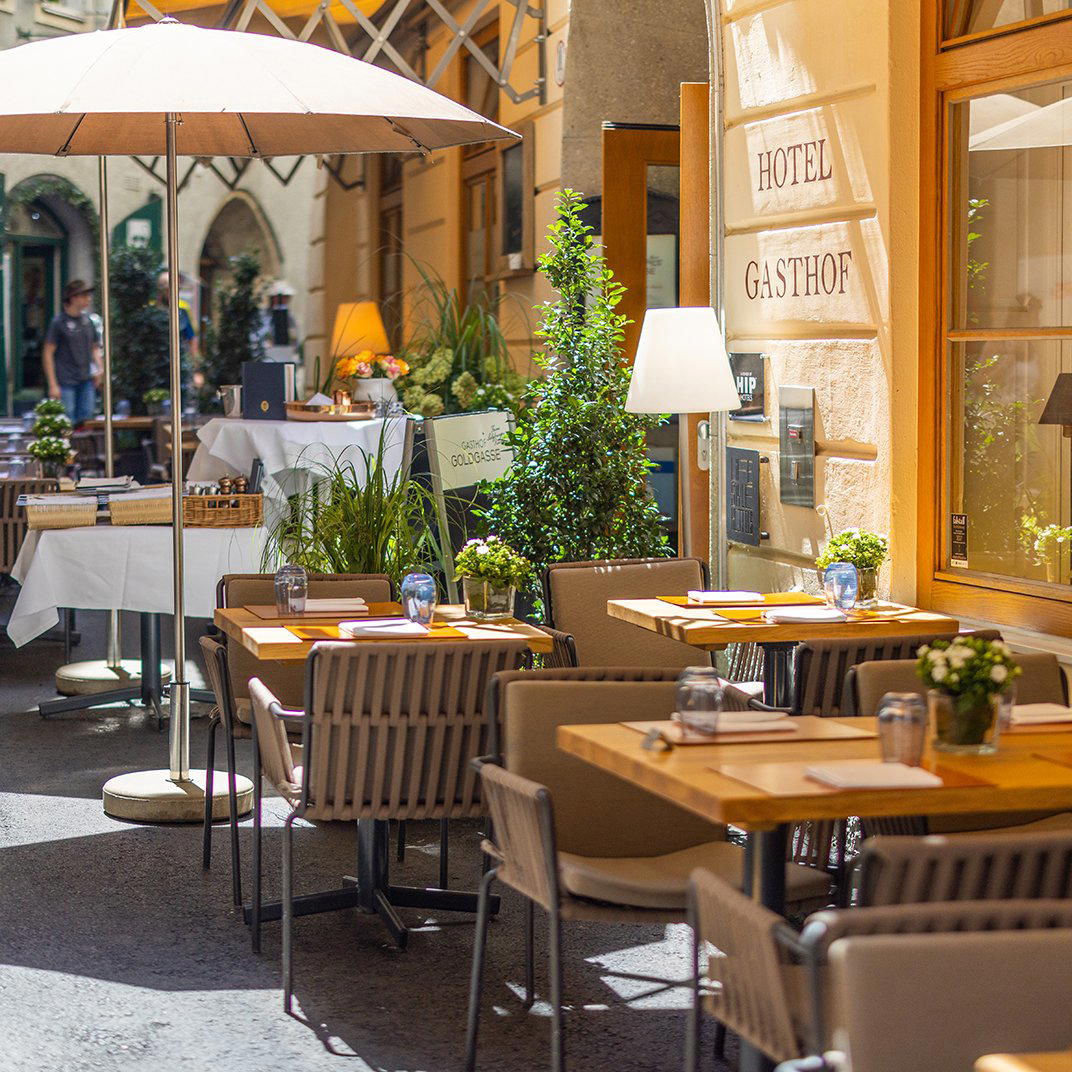
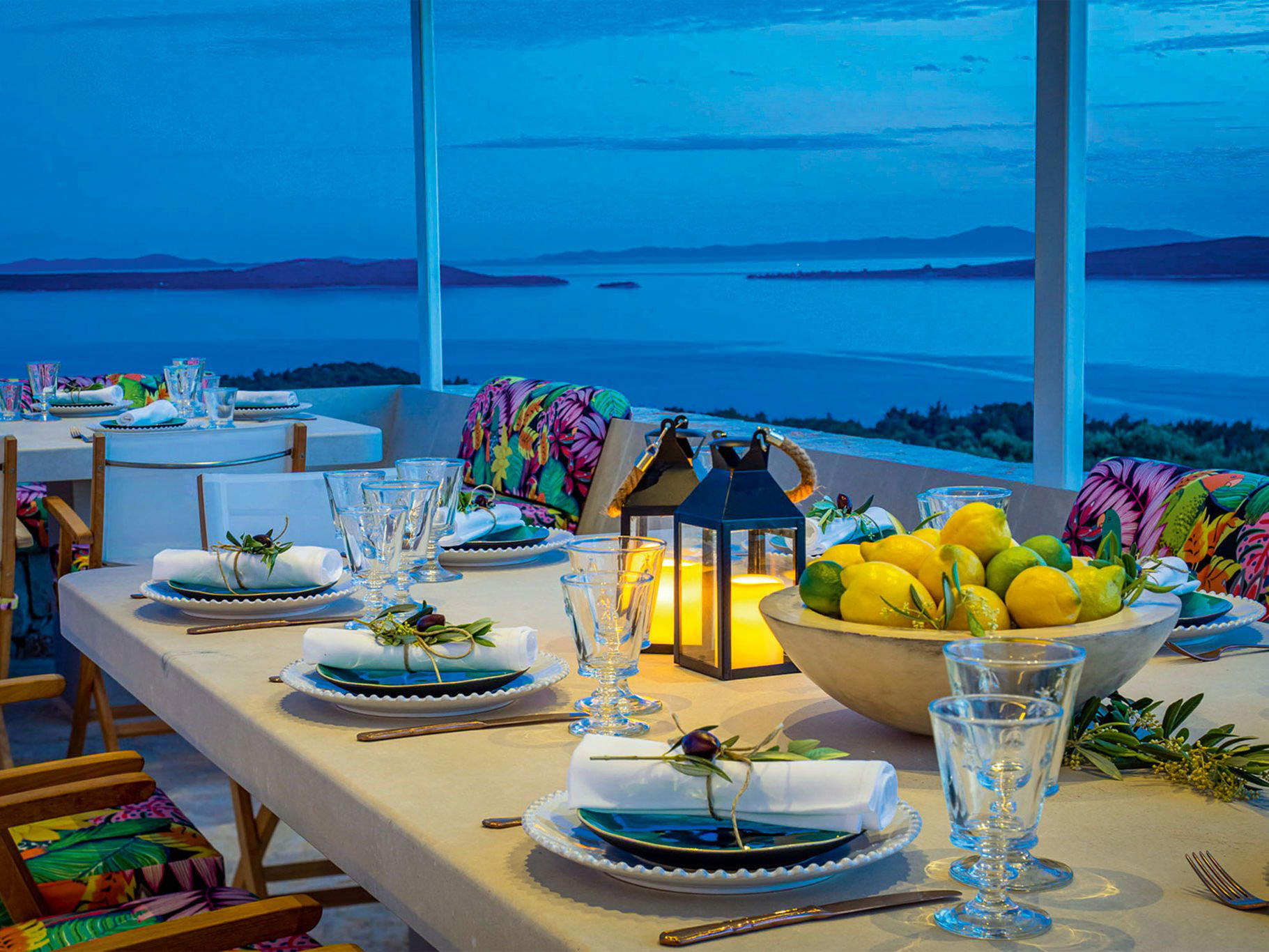
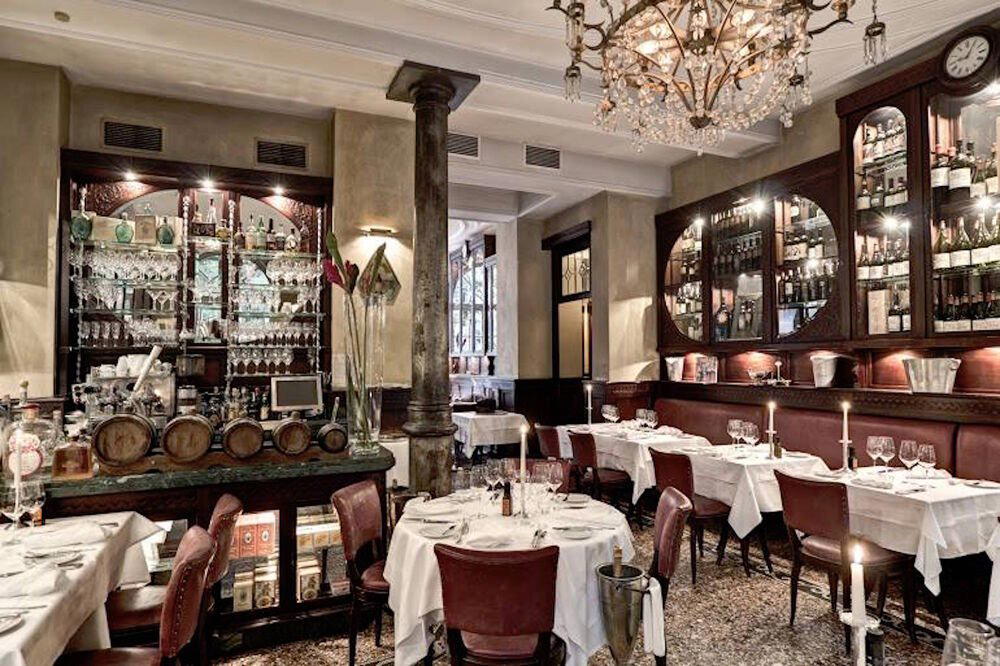
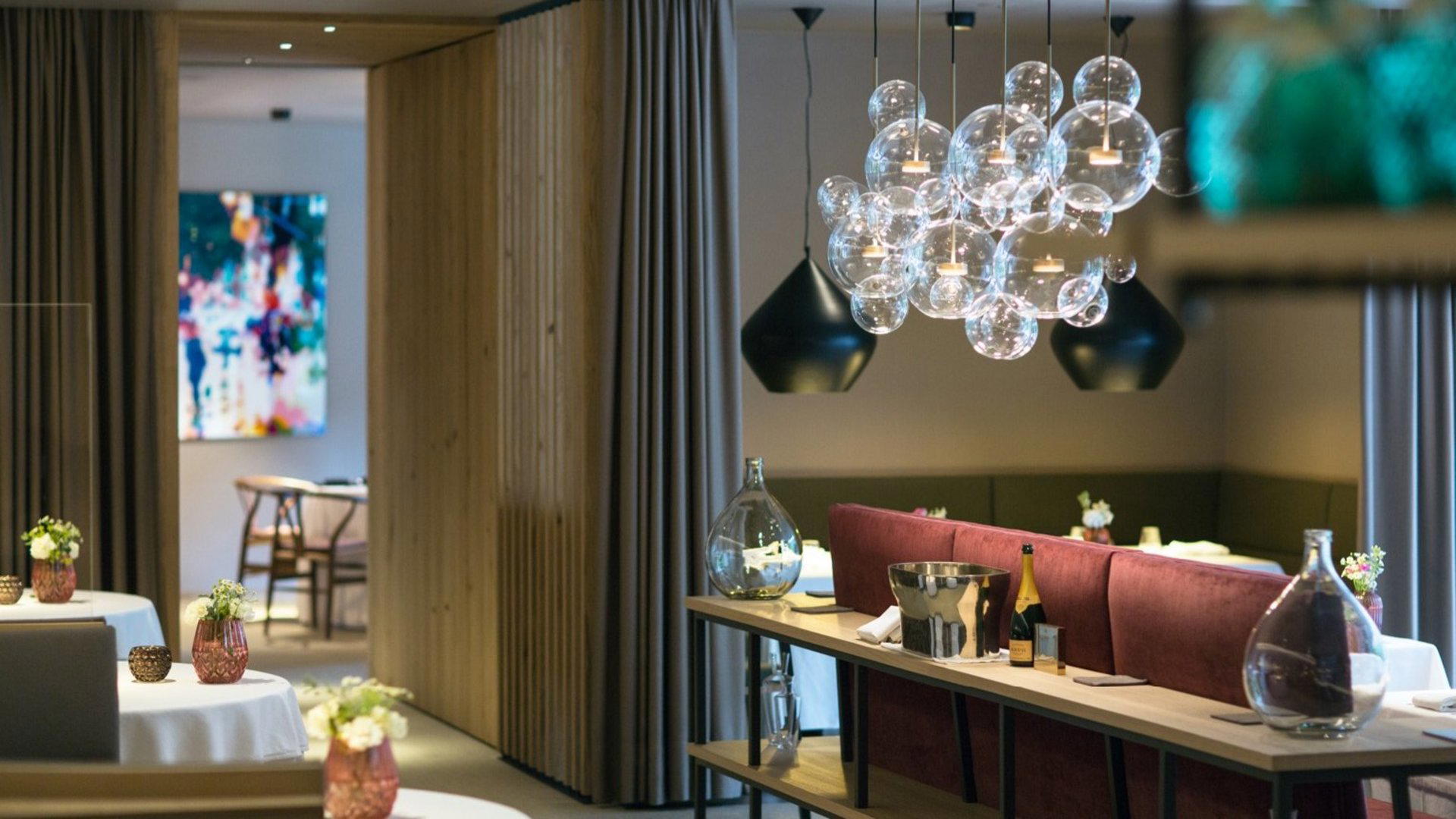
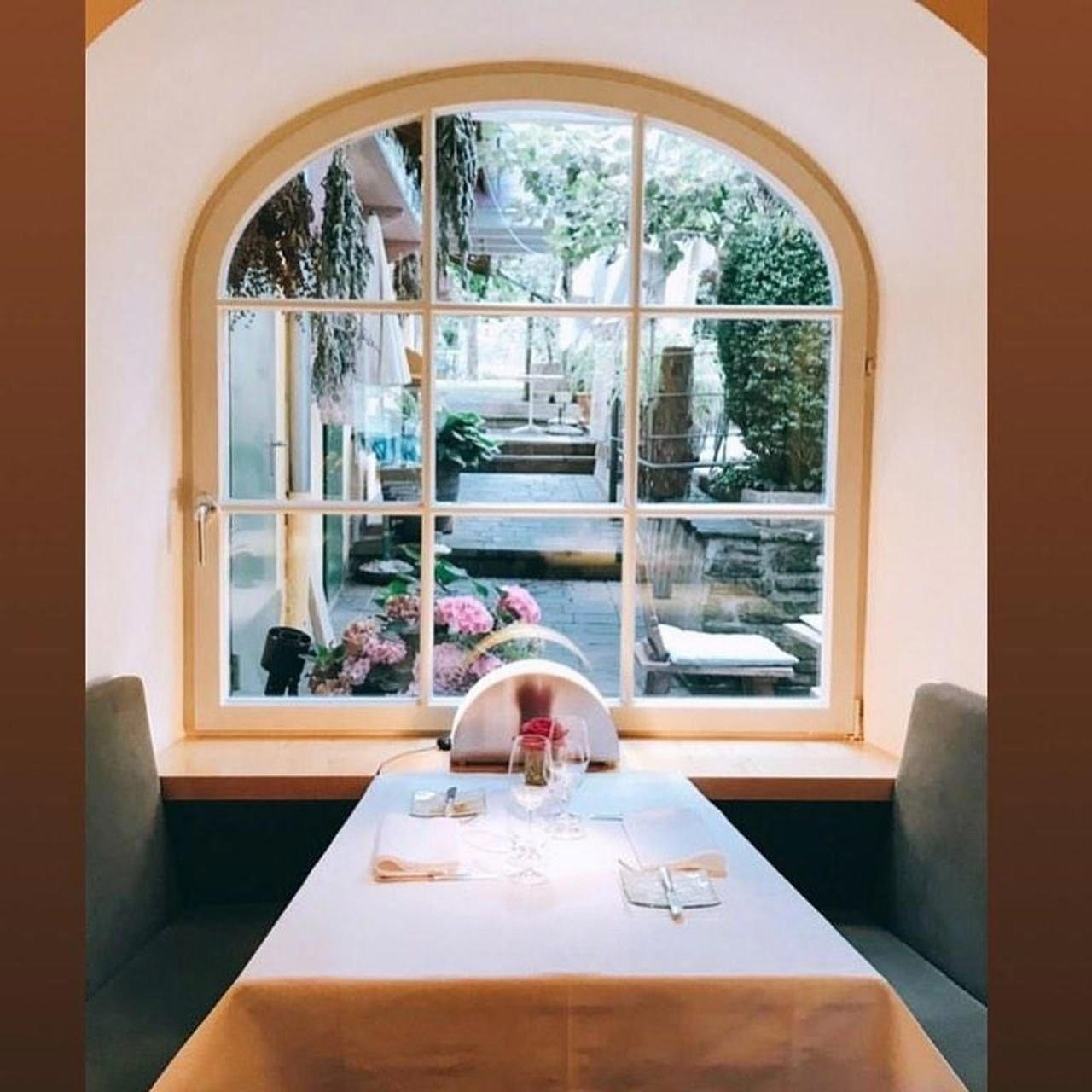
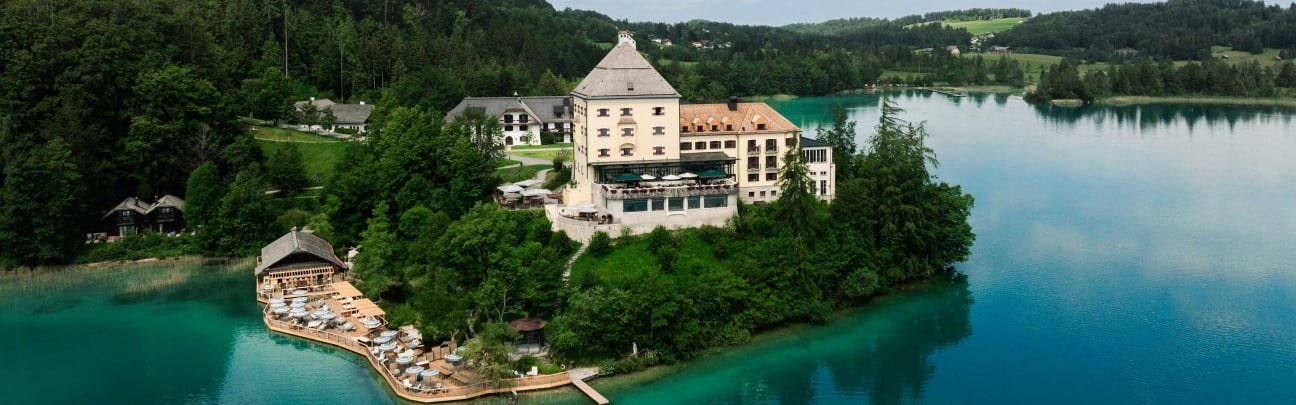
Quiet, elegant and traditional, with a historic country-house atmosphere and scenic alpine surroundings.