Our verdict
Seejungfrau sits at the marina in Jois, a small Burgenland village on the western edge of Lake Neusiedl, where the flat reed-fringed water defines everything about how and what you eat. The address places it inside one of Austria's most distinctive wine and food corridors, a region where proximity to the lake shapes ingredient sourcing as directly as any alpine kitchen. Advance planning is advisable for anyone travelling from Vienna or Graz.

Pearl is the En Primeur Club membership app — saves, bookings, and concierge access live there. Same editors, same standards.
- Address
- Yachthafen 1, 7093 Jois, Austria
- Phone
- +436504200743
- Hours
- Mon–Wed ClosedThu 4–10 PMFri–Sat 11 AM–10 PMSun 11 AM–6 PM
- Website
- seejungfrau.org
- Directions
- Get directions
- Booking
- Book on the venue's website
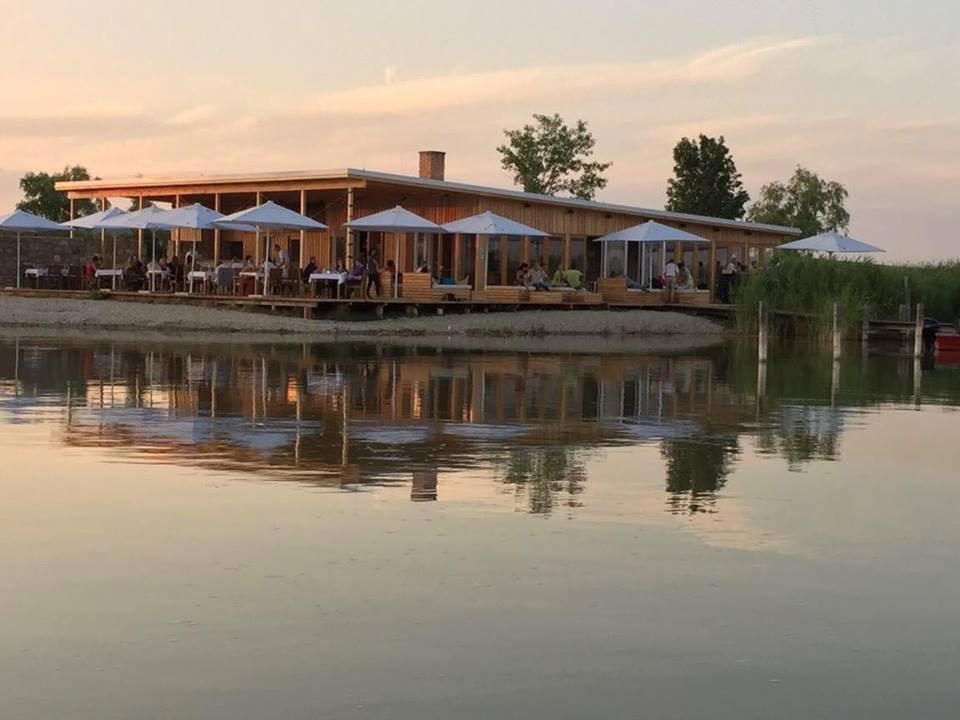
Lake Neusiedl and the Sourcing Logic of Burgenland Cooking
The western shore of Lake Neusiedl operates under a different set of culinary rules than the alpine kitchens that dominate Austria's restaurant conversation. Where places like Gourmetrestaurant Tannenhof in Sankt Anton am Arlberg or Griggeler Stuba in Lech draw on altitude, cold, and preserved tradition, Burgenland cooking is shaped by water, flatland agriculture, and a wine region that runs almost without interruption from the Hungarian border to the Leithagebirge hills. The lake itself, a UNESCO World Heritage Site and one of Central Europe's largest steppe lakes, acts as a thermal regulator across the surrounding fields, producing a growing season long enough to sustain viticulture and market gardening on a scale unusual for Austria. Restaurants in this corridor sit inside that supply chain whether they acknowledge it or not.
Jois is a village of fewer than a thousand residents positioned directly at the lake's northwestern edge, its marina giving it a character more associated with leisure and water than with the wine-cellar villages a few kilometres south. The marina address of Seejungfrau, at Yachthafen 1, anchors it physically and conceptually to the lake rather than to the agricultural hinterland. That distinction matters when thinking about what this kind of lakeside address implies for sourcing: pike-perch, carp, and other freshwater species have been fished from Neusiedl for centuries, and kitchens positioned at the waterfront have historically had the shortest possible supply chain for those ingredients.
What Arrives on the Plate: The Lake as Kitchen Logic
Freshwater fish cookery is one of the less celebrated but genuinely regional traditions of Austrian cuisine. While the alpine trout preparation familiar from Salzburg or Tyrol attracts significant editorial attention, the pike-perch and carp traditions of Burgenland occupy a quieter register. Nationally recognised restaurants like Landhaus Bacher in Mautern an der Donau have demonstrated that river and lake fish, handled with the same seriousness applied to land-based proteins, can anchor menus that earn sustained critical recognition. The same logic applies to the Neusiedl corridor, where the flatness of the terrain concentrates culinary identity on what the water and the surrounding fields produce rather than on mountain foraging or alpine dairying.
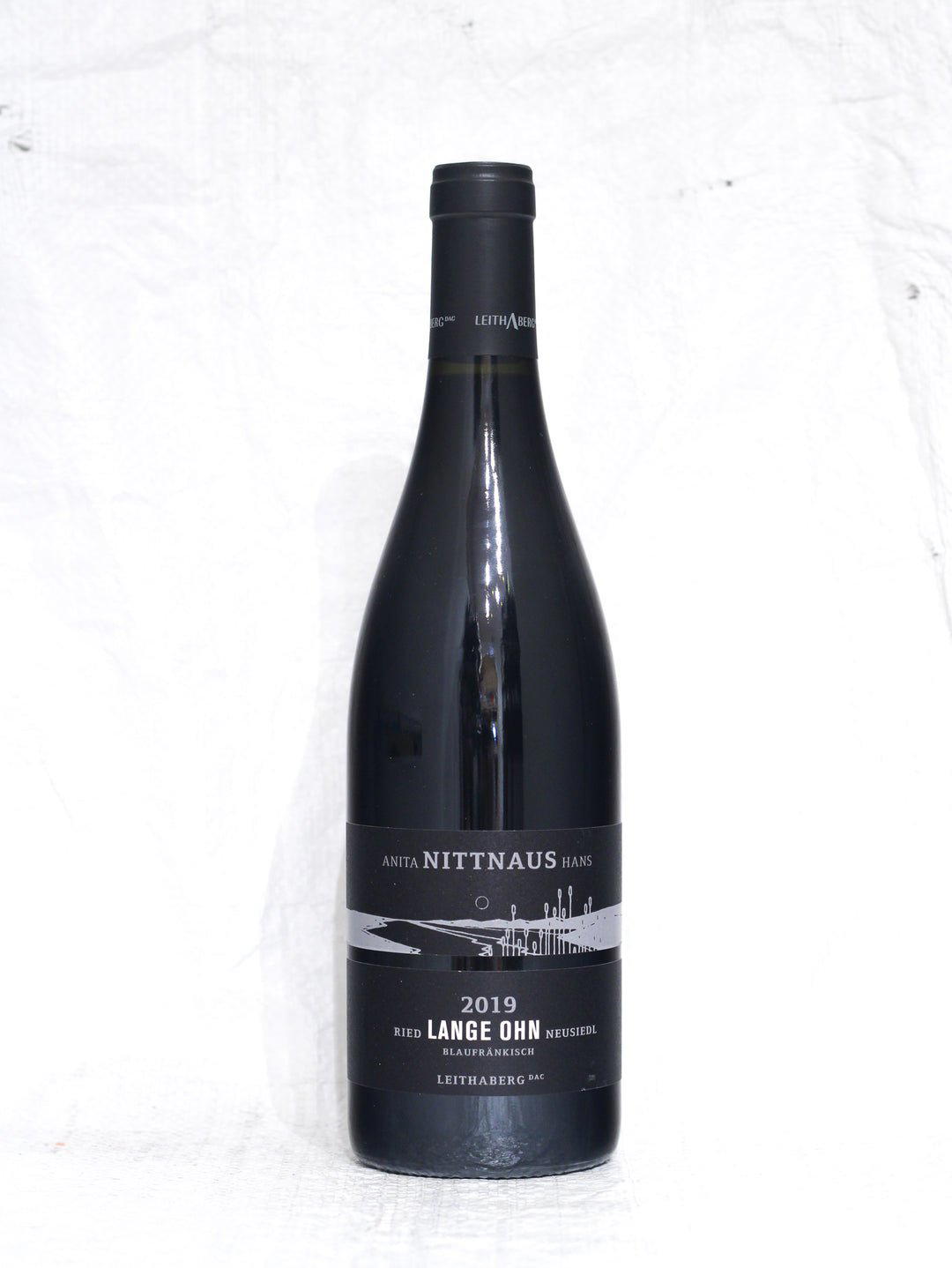
Burgenland's wine production adds a further dimension to ingredient sourcing in this region. The area around the lake, particularly the Neusiedlersee DAC zone, produces Zweigelt and Blaufränkisch on soils that shift from sandy to gravelly within short distances, giving local producers a degree of stylistic range unusual for a single appellation. For kitchens working within this geography, wine pairing is less a matter of reaching for external references and more a function of what the immediate neighbourhood grows. That kind of tight local coherence between kitchen and cellar is what distinguishes the Burgenland dining corridor from more cosmopolitan Austrian addresses. Contrast this with Ikarus in Salzburg, whose rotating guest-chef format is deliberately cosmopolitan, or with Steirereck im Stadtpark in Vienna, which draws on a national supply network rather than a specific regional corridor.
The Setting: Marina Dining on a Steppe Lake
Approaching Jois from the B304 across the flat Burgenland plain, the scale of Lake Neusiedl becomes legible well before the village itself. The reed beds that ring most of the shoreline are visible from distance, and the marina, when you reach it, frames the water against a horizon that extends further than most inland European lakes allow. This is not mountain scenery; the drama is horizontal rather than vertical, and the quality of light across the water changes significantly depending on time of day and season.
Lakeside dining in this format sits in a specific niche within Austrian hospitality: less formal than the destination restaurants found in Salzburg or the Tyrol, more connected to the physical environment than urban addresses. The comparison set is not Obauer in Werfen or Stüva in Ischgl, both of which operate as structured fine-dining anchors within their respective towns. The Neusiedl marina setting implies something more seasonal, more weather-dependent, and more directly tied to the outdoor character of the lake itself. For visitors travelling from Vienna, the drive is roughly 45 to 50 kilometres southeast via the A4 and regional roads, making Jois plausible as a day trip from the capital during the warmer months.
The regional context also includes Taubenkobel in Schützen am Gebirge, a few kilometres to the south and one of the more critically recognised addresses in the Burgenland wine corridor. That proximity means travellers exploring the western Neusiedl shore can structure a visit across multiple addresses, using the wine villages between Jois and Rust as natural stopping points.
Placing Seejungfrau in the Wider Austrian Picture
Austria's destination restaurant circuit spans a wide range of formats and price points. The €€€€ addresses that receive the most sustained critical attention, among them Döllerer in Golling an der Salzach, Kräuterreich by Vitus Winkler in Sankt Veit im Pongau, and Schwarzer Adler in Hall in Tirol, tend to operate as structured tasting-menu propositions with significant advance booking requirements. Regional addresses like Seejungfrau occupy a different position: the sourcing logic is equally local, but the format and setting suggest a less formal, more occasion-neutral experience. That distinction is worth holding onto when planning an Austrian itinerary. Not every meal in a country with serious culinary depth needs to be a multi-course commitment. For further context on where to eat across the country, our full Jois restaurants guide covers the regional picture in more detail.
For those cross-referencing against international reference points, the combination of tight regional sourcing and a specific geographic anchor recalls what lakeside and coastal kitchens elsewhere achieve when they commit to their immediate environment: Le Bernardin in New York City built its reputation on exactly that kind of ingredient fidelity applied to seafood, and Atomix in New York City demonstrates what happens when cultural specificity and sourcing discipline combine with serious technical ambition. Scale and format differ enormously, but the underlying principle, that proximity to source is a competitive advantage worth protecting, applies across formats and geographies. Closer to Jois, Ois in Neufelden, Restaurant 141 by Joachim Jaud in Mieming, Artis in Graz, and Atelier Fischer in Sankt Gilgen each represent different regional interpretations of what Austrian cooking looks like when it commits to a specific geography rather than a generalised national tradition.
Frequently asked questions
Is Seejungfrau a family-friendly restaurant?
The marina setting at Yachthafen 1 in Jois — open water, flat terrain, and a relaxed lakeside pace — suits families more naturally than a formal dining room would. The regional Burgenland cooking style, built around freshwater fish and local produce, tends toward accessible rather than highly composed tasting-menu formats. Confirm current seating arrangements and any children's options directly with the venue before visiting.
What's the vibe at Seejungfrau?
Seejungfrau sits at the Jois marina on the western shore of Lake Neusiedl, a flat steppe lake bordered by reed beds that give the setting a distinctly unhurried, central-European character. The location places it firmly outside Austria's alpine restaurant circuit, closer in feel to a serious regional table than a polished urban address. Expect the rhythm of the water and the surrounding Burgenland plain to set the tone.
Does Seejungfrau make sense as a destination restaurant for visitors coming specifically to the Lake Neusiedl region?
Jois sits on the western shore of Lake Neusiedl, a UNESCO-listed steppe lake that also anchors one of Austria's most significant wine-growing zones in Burgenland. For travellers already planning time in the region — whether for the lake, the cycling routes, or the local wine estates — Seejungfrau at Yachthafen 1 positions itself as a natural anchor point for a lakeside meal rooted in the area's freshwater cooking tradition. It functions as a regional table rather than a standalone pilgrimage destination.
How do I find Seejungfrau?
Seejungfrau is located at Yachthafen 1, 7093 Jois, Austria, Jois.
Fast Comparison
Comparable venues nearby, for context on price, style, and recognition.
| Venue | Cuisine | Price | Awards | Notes |
|---|---|---|---|---|
| SeejungfrauThis venue — the venue you are viewing | Austrian Contemporary | $20–30 | Not listed | Not listed |
| SpoonFood | Soups, Stews & Salads | $10–20 | Not listed | Praterstern Wien Nord |
| Harvest | Vegan Viennese Coffeehouse | $20–30 | Not listed | Praterstern Wien Nord |
| Lebenbauer | Vollwert Wholefood with Vegan Focus | $30–50 | Not listed | Inner City |
| das weinberg | Modern Austrian Brasserie | $30–50 | Michelin Plate | Gersthof |
| Sinatra | Austrian Streetfood Cafe | $10–20 | Not listed | Kemeten |
Continue exploring
More in Jois
Restaurants in Jois
Browse all →
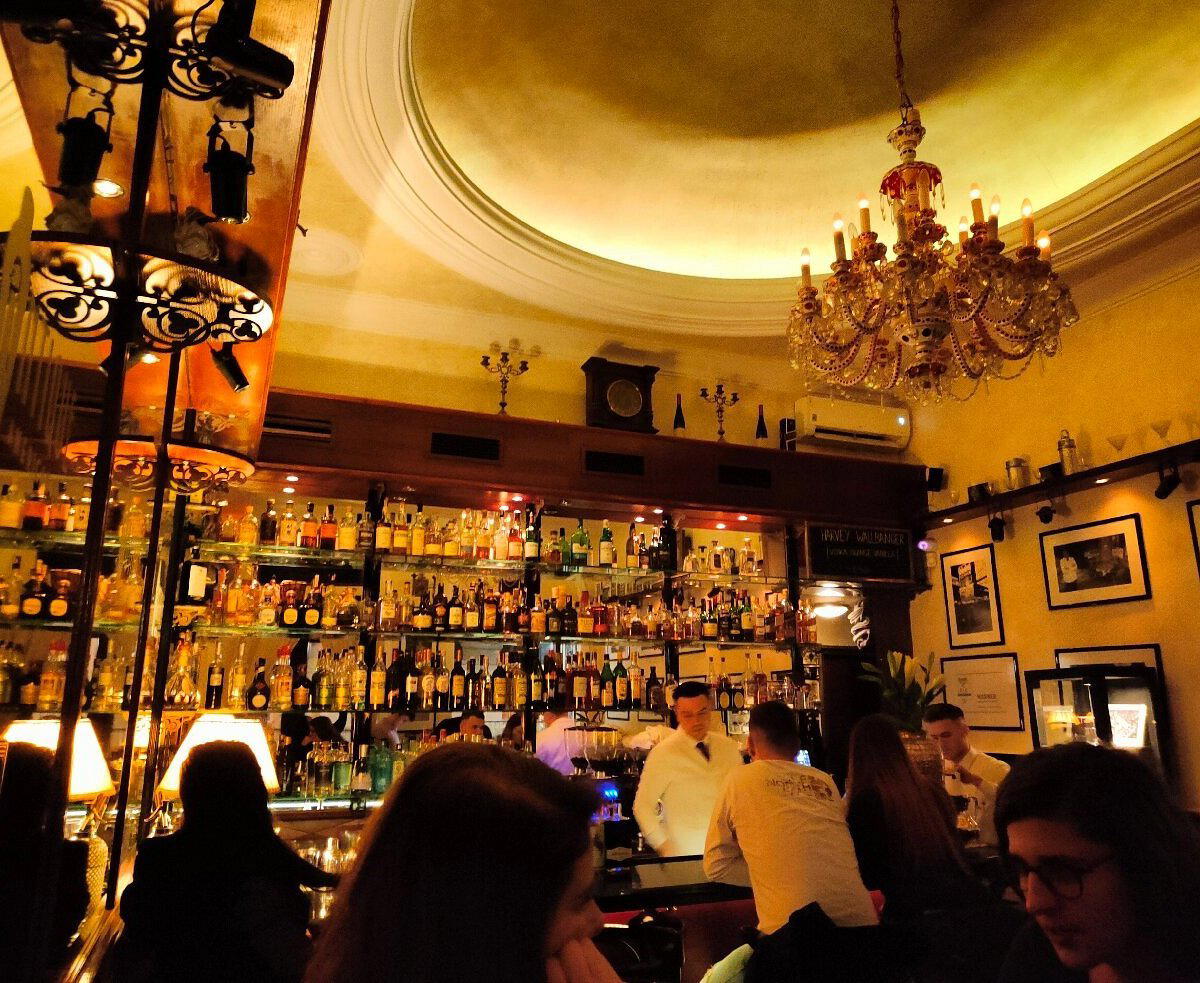
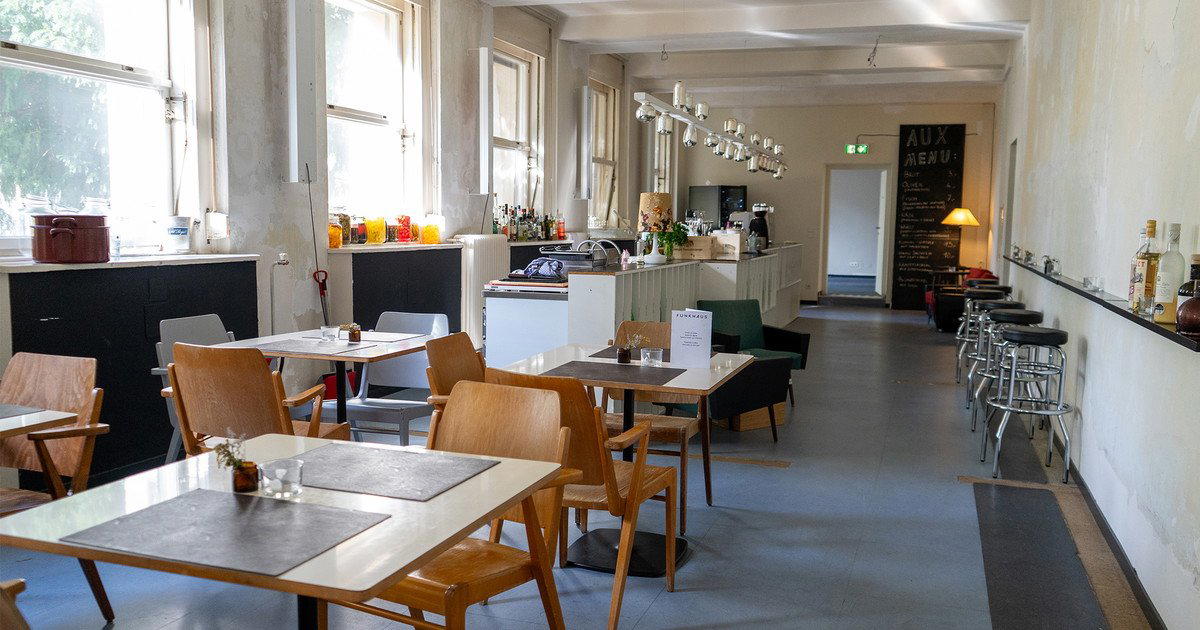
Bars in Jois
Browse all →

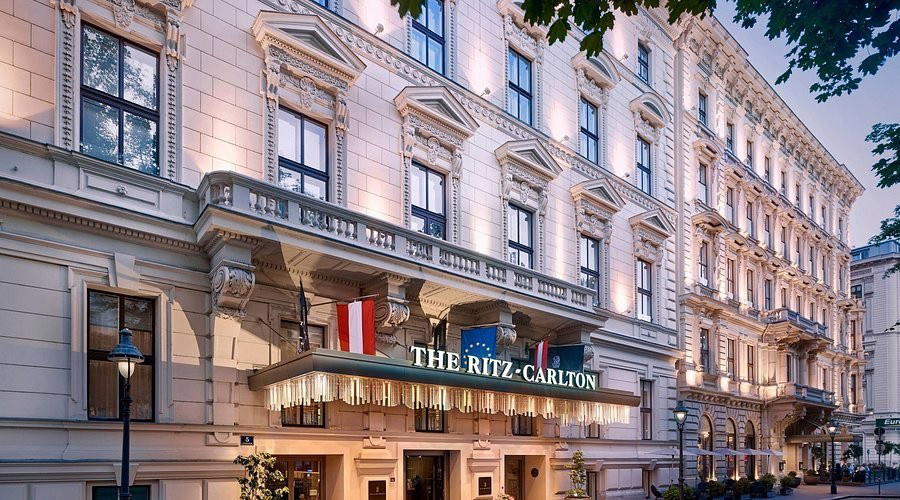
Hotels in Jois
Browse all →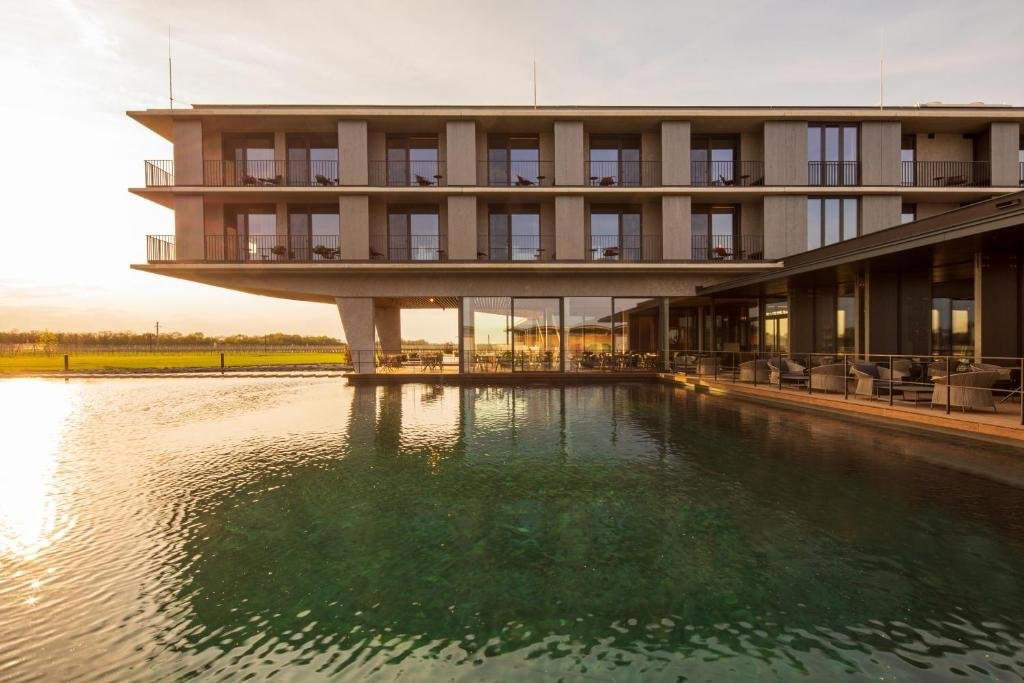

Details
- Scenic
- Rustic
- Casual Hangout
- Waterfront
- Terrace
- Waterfront
- A La Carte
- Vegetarian Friendly
Current opening hours
- Monday
- Closed
- Tuesday
- Closed
- Wednesday
- Closed
- Thursday
- 4–10 PM
- Friday
- 11 AM–10 PM
- Saturday
- 11 AM–10 PM
- Sunday
- 11 AM–6 PM
Hours can change for holidays and private events. Last verified .
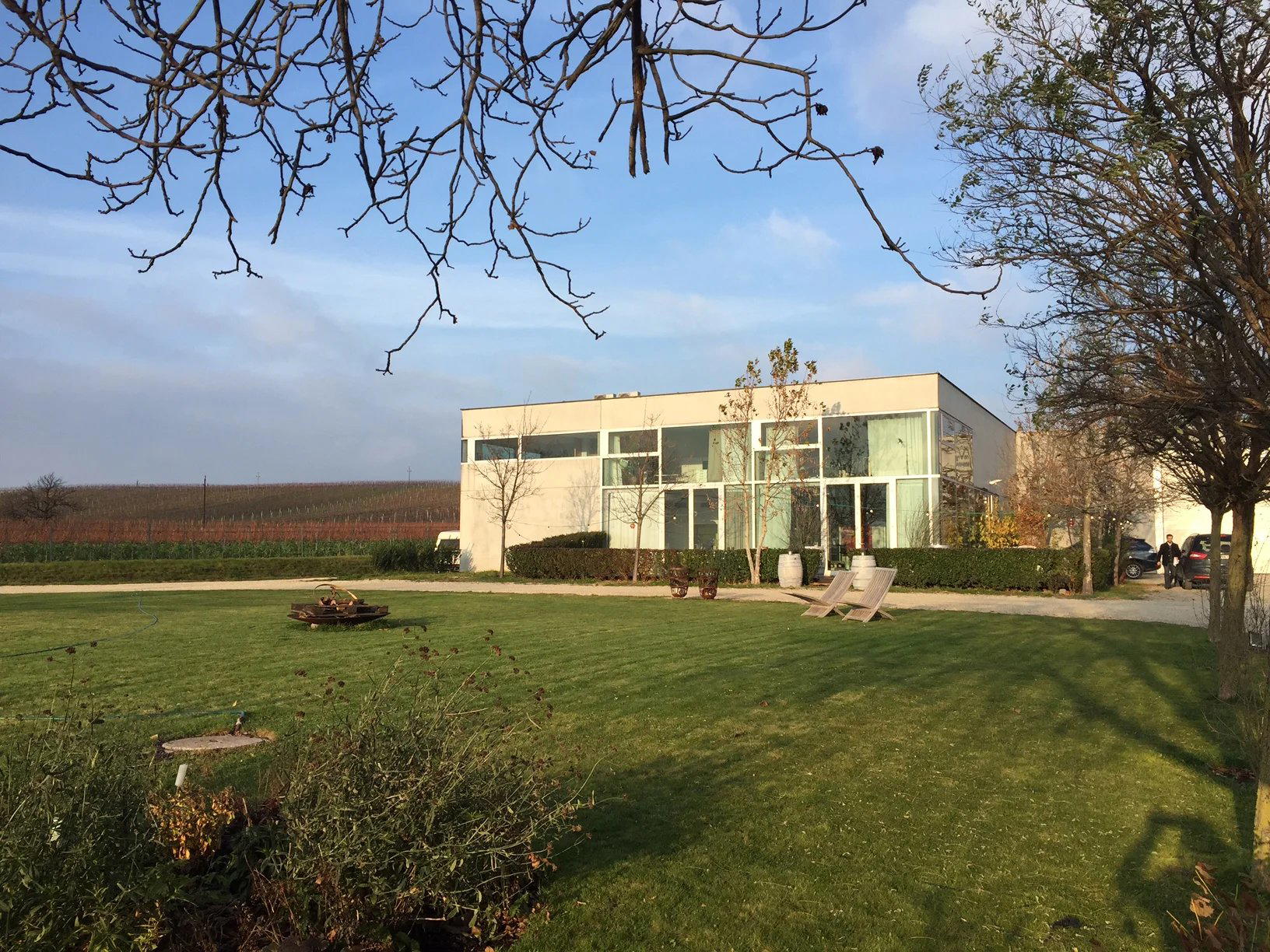
Casual lakeside atmosphere with outdoor seating.