Seahorse occupies a Yonge Street address in midtown Toronto, placing it within a neighbourhood dining corridor that rewards regulars over tourists. With Toronto's sustainability-led dining movement gaining ground among independent operators, Seahorse merits attention from readers tracking ethical sourcing and waste-conscious kitchen practices in the Canadian city context.
Pearl is the En Primeur Club membership app — saves, bookings, and concierge access live there. Same editors, same standards.
- Address
- 1226 Yonge St, Toronto, ON M4T 1W3, Canada
- Phone
- +14375384518
- Website
- seahorserestaurant.ca
- Directions
- Get directions
 Saves & bookings on Pearl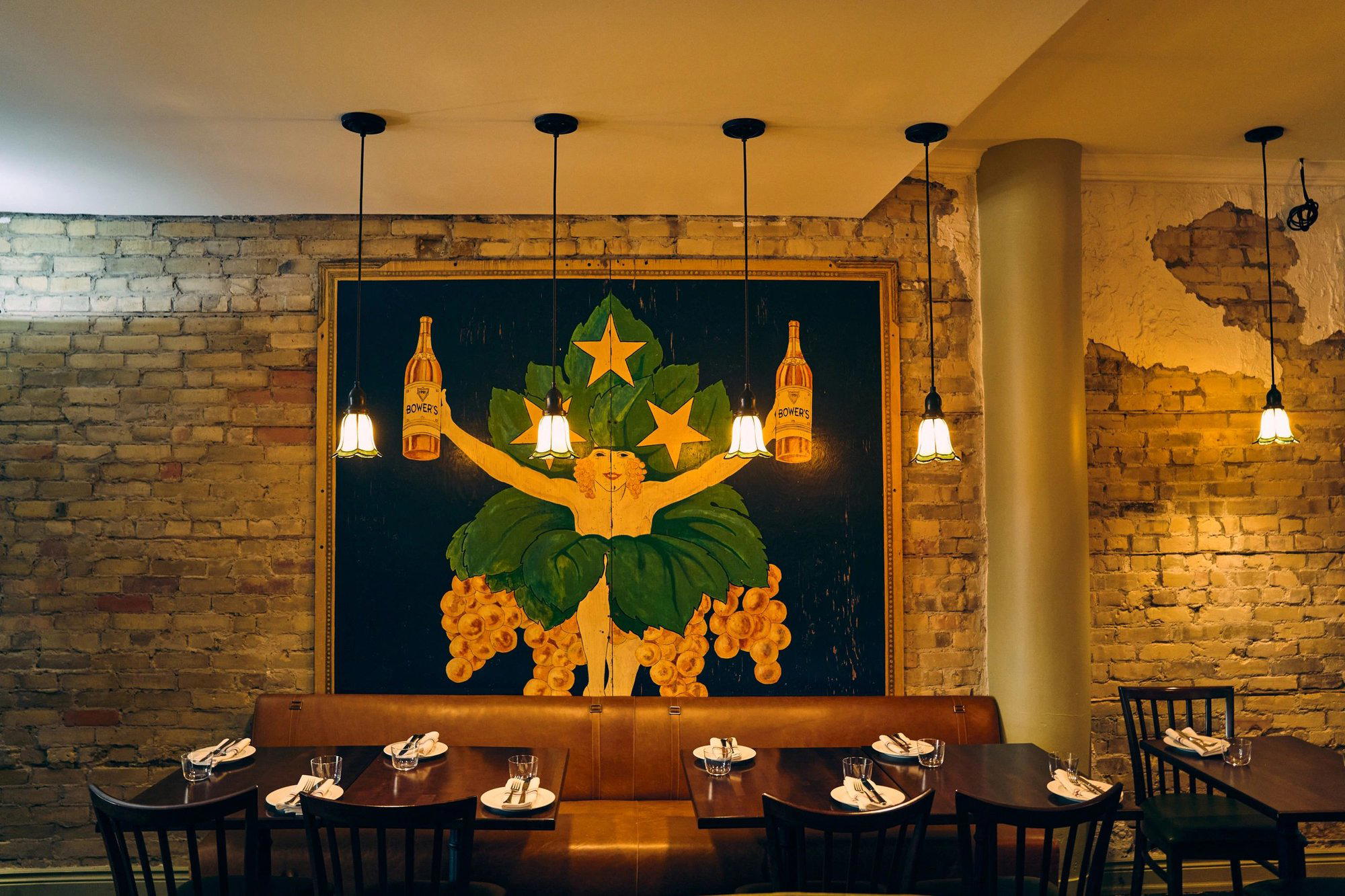
Midtown Yonge and the Ethics of the Neighbourhood Restaurant
The stretch of Yonge Street north of Bloor has never competed with King West for noise or with Ossington for trend capital. What it offers instead is a denser residential base, a clientele that returns weekly rather than annually, and, increasingly, the kind of independent restaurant that builds its identity around operational conviction rather than media positioning. At 1226 Yonge St, Seahorse occupies that quieter register. Its sustainability focus is consistent with the neighbourhood-first ethos that defines this stretch of Yonge Street.
Sustainability as Operating Logic, Not Brand Statement
Across Canada's independent restaurant tier, one consequential shift of the past decade has not been on the plate but behind it: sourcing relationships, waste protocols, and the decision to shrink menus in favour of cooking what arrives rather than ordering to a fixed template. This approach, practiced with rigour at places like Eigensinn Farm in Singhampton and Restaurant Pearl Morissette in Lincoln, treats environmental constraint not as a marketing point but as a kitchen discipline. In Quebec, operators like Tanière³ in Quebec City and Narval in Rimouski have pushed regional-ingredient sourcing into the architecture of every menu decision.
Toronto's independent scene has followed a similar arc. Ethical sourcing is no longer a differentiator at the leading end, it is closer to a baseline expectation among the city's serious diners, the same cohort that supports Alo at the formal end and neighbourhood operators at the other. Seahorse appears to position itself within that framework through waste reduction and provenance transparency.
The Yonge Street Dining Corridor in Context
The immediate Yonge and St. Clair to Yonge and Eglinton corridor holds a particular place in Toronto's restaurant geography. It is not a destination zone in the way that Ossington Avenue or the St. Lawrence Market area are for visitors arriving with a restaurant list. It serves a working neighbourhood, which means a restaurant in this zone earns its audience through repetition and reliability rather than opening-week press. That structural fact shapes what a thoughtful operator builds: menus calibrated for return visits, portion logic that does not depend on novelty, and a kitchen that cannot afford the inefficiency of high-waste cooking because its regulars will notice when quality slips.
For readers familiar with Vancouver's equivalent, AnnaLena offers a useful comparison: a neighbourhood-first identity that sits comfortably alongside serious culinary ambition, without the formal dining ceremony that separates a room from its street. Seahorse's Yonge address suggests a similar orientation, and its price tier is 3.
Toronto's Sustainability Tier and Where Seahorse Fits
Toronto's premium dining end tends toward the high-ceremony, high-price bracket. Sushi Masaki Saito and Aburi Hana operate in the omakase and kaiseki registers at the leading price tier, where sustainability credentials are present but rarely foregrounded. DaNico and Don Alfonso 1890 anchor the Italian end of the premium market, where provenance storytelling is well established but the sustainability frame is less structurally central than at produce-driven independents.
The gap, across Toronto and across Canada more broadly, is at the midpoint: operators who apply genuine sourcing discipline without the capital or the venue size to build a certified or formally credentialed sustainability program. This is the tier where independent restaurants either build durable reputations through quiet consistency or lose ground when the initial goodwill of an opening fades. Seahorse's midtown positioning suggests it belongs in this conversation, though a full editorial assessment would require confirmed data on kitchen practices, menu rotation, and supplier relationships.
For a comparable in Quebec's market, Aux Anciens Canadiens shows how deeply a restaurant can root its identity in regional tradition without requiring the external validation of a formal award program. Closer in geography, The Pine in Creemore demonstrates what a rural Ontario operator can do when local sourcing is less a choice than a geographic constraint that becomes a creative advantage.
The International Reference Point
When Toronto diners make formal-dining decisions, the comparison set increasingly includes serious international operators. Le Bernardin in New York City has, over decades, embedded responsible seafood sourcing into its identity at the summit of the market. Atomix in New York City takes a different approach: format discipline and seasonal precision as the visible expression of behind-the-scenes rigor. For Canadian operators at any price tier, these references set the ceiling for what ethical-sourcing commitments can look like when fully integrated rather than advertised. The midtown Toronto operator that learns from those examples without mimicking their scale or ceremony has the more interesting problem to solve.
For a broader orientation to where Seahorse sits within the city's dining map, our full Toronto restaurants guide covers the competitive set across neighbourhoods and price tiers. Montreal's comparable independent scene, anchored by operators like Jérôme Ferrer - Europea, and Ontario's own craft-focused outliers like Barra Fion in Burlington, provide additional reference points for how regional identity and sourcing ethics interact across Canada's independent restaurant tier.
Planning Your Visit
Seahorse is a Modern Seafood restaurant at 1226 Yonge St, Toronto, ON M4T 1W3, Canada, in the midtown Yonge corridor between St. Clair and Eglinton. Seahorse accepts reservations, and its regular hours are Monday closed; Tuesday through Thursday 4 to 10 PM; Friday and Saturday 4 to 11 PM; Sunday 4 to 10 PM. The table below positions Seahorse against confirmed peers in the Toronto market for orientation purposes.
| Venue | Cuisine / Format | Price Tier | Booking |
|---|---|---|---|
| Seahorse | Not confirmed | Not confirmed | Verify directly |
| Alo | Contemporary | $$$$ | Online reservation |
| Sushi Masaki Saito | Sushi, Japanese | $$$$ | Advance booking required |
| Aburi Hana | Kaiseki, Japanese | $$$$ | Advance booking required |
| Don Alfonso 1890 | Contemporary Italian | $$$$ | Online reservation |
Booking and Cost Snapshot
Comparable venues nearby, for context on price, style, and recognition.
| Venue | Cuisine | Price | Notes |
|---|---|---|---|
| SeahorseThis venue — the venue you are viewing | Summerhill, Modern Seafood | $$$ | Not listed |
| CLAY | Yorkville, Seasonal Modern Canadian | $$$ | Not listed |
| Cineplex Cinemas Yonge-Eglinton and VIP | Uptown Yonge, Cinema Lounge Fare | $$$ | Not listed |
| Stelvio | Little Italy, Northern Italian Lombardy | $$$ | Not listed |
| Laylak Lebanese Cuisine Toronto | Not listed | $$$ | Church-Yonge Corridor, Modern Lebanese Fine Dining |
| Rooftop at Le Germain Mercer | Not listed | $$$ | Entertainment District, New-World French Rooftop |
Continue exploring
More in Toronto
Restaurants in Toronto
Browse all →
Bars in Toronto
Browse all →
Hotels in Toronto
Browse all →

At a Glance
- Cozy
- Intimate
- Modern
- Elegant
- Date Night
- Special Occasion
- Open Kitchen
- Craft Cocktails
- Local Sourcing
Current opening hours
- Monday
- Closed
- Tuesday
- 4–10 PM
- Wednesday
- 4–10 PM
- Thursday
- 4–10 PM
- Friday
- 4–11 PM
- Saturday
- 4–11 PM
- Sunday
- 4–10 PM
Hours can change for holidays and private events. Last verified .
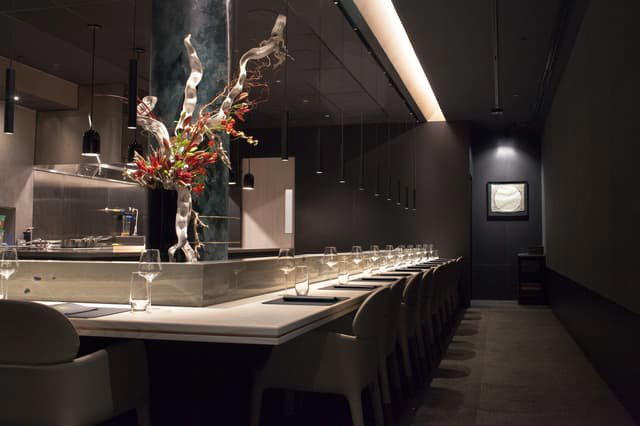
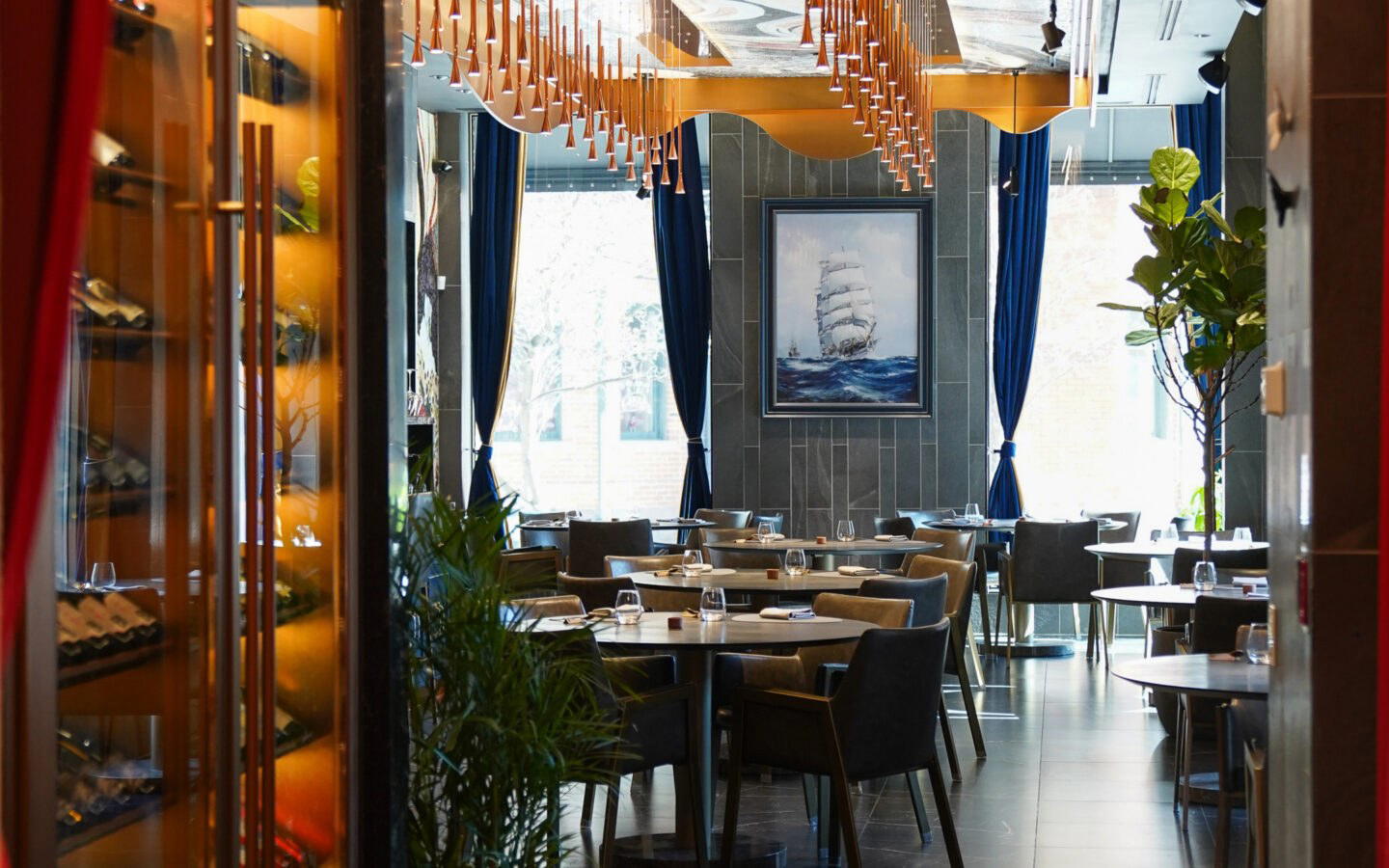
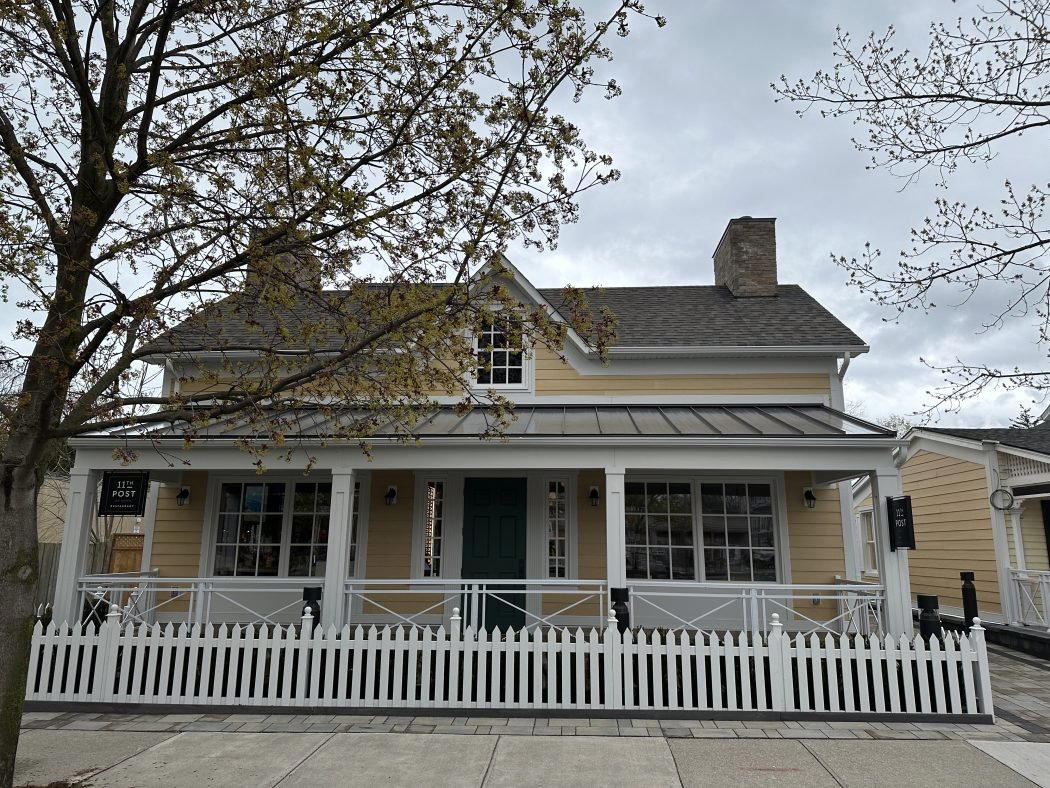
Intimate and warm with cozy vibes, exposed brick, vintage lighting, and a polished yet youthful atmosphere.