Stelvio sits in Toronto’s Dundas West corridor, where small-format restaurants compete less on spectacle than on neighbourhood rhythm, sourcing discipline, and a room that can carry a weekday dinner as easily as a later Friday table. With no public awards or chef-led mythology attached, the useful read is simpler: judge it as a west-end dining room in a city increasingly attentive to provenance, restraint, and value beyond tasting-menu theatre.
Pearl is the En Primeur Club membership app — saves, bookings, and concierge access live there. Same editors, same standards.
- Address
- 791 Dundas St W, Toronto, ON M6J 1V2, Canada
- Phone
- +14165466727
- Website
- stelviotoronto.ca
- Directions
- Get directions
 Saves & bookings on Pearl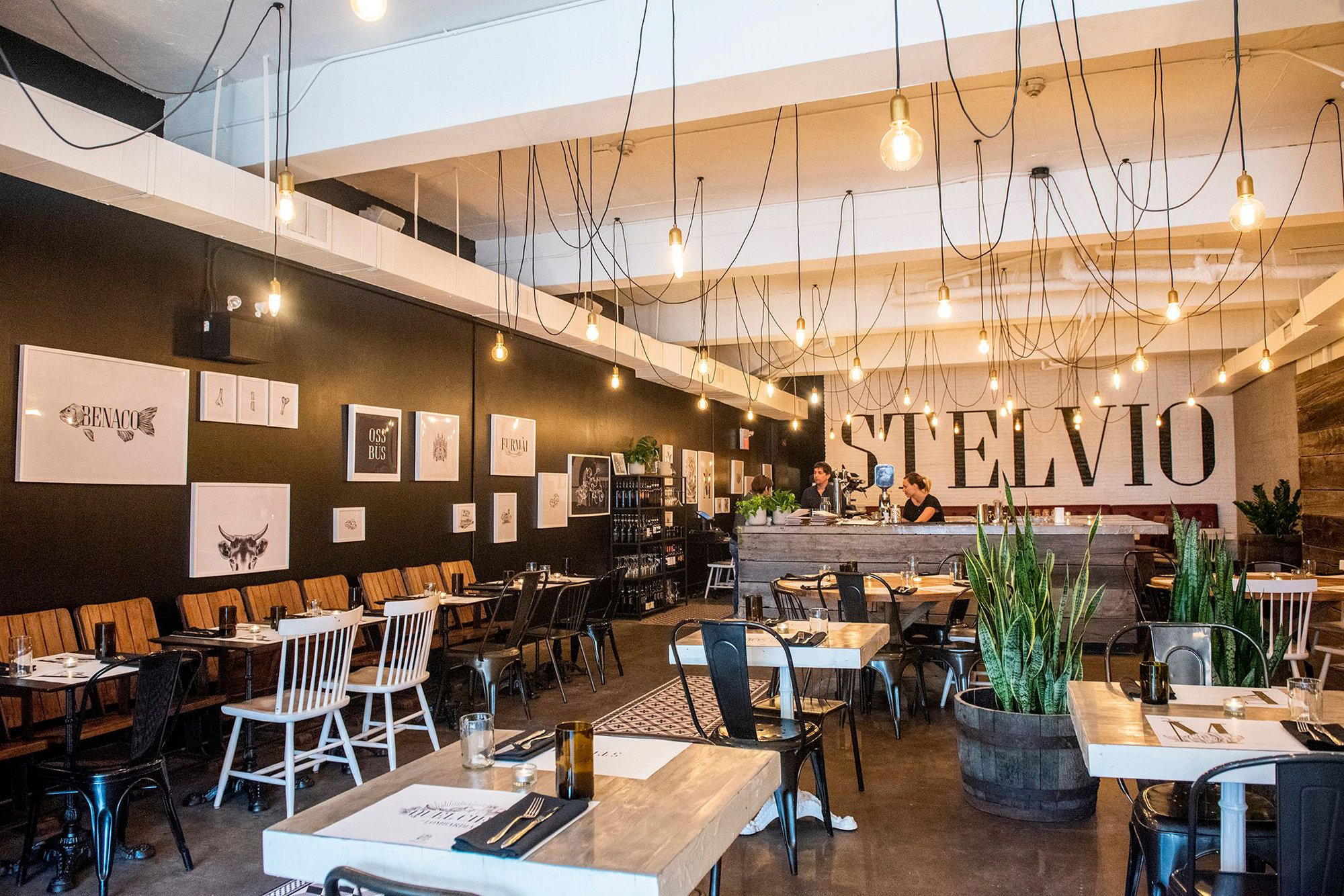
Dundas West has a particular restaurant sound after dusk: streetcars grinding past, narrow dining rooms filling in waves, and tables turning from early neighbourhood suppers into later, looser evenings. Stelvio belongs to that west-end register rather than Toronto’s trophy-dining circuit. The draw is its focus on sourcing, pacing, and atmosphere without asking the guest to treat dinner as an event.
That matters in Toronto because the city’s dining culture has split into several lanes. Downtown still supports view-led destinations such as 360 Restaurant, while hotel-adjacent kitchens like 1 Kitchen lean into ingredient language as part of a broader hospitality proposition. Dundas West works differently. The neighbourhood rewards restaurants that can absorb repeat local use, not just occasion dining, and that puts pressure on fundamentals: how produce is treated, how richness is balanced, how the room feels at 7 p.m. on a Tuesday versus 10 p.m. on a Friday.
Dundas West dining is built on sourcing choices, not ceremony
Ingredient sourcing is often discussed as though it were a luxury signal, but in Toronto it is increasingly a baseline expectation. The city sits close enough to Ontario farms, lake fish, greenhouse growers, and specialty importers that a serious kitchen has fewer excuses for generic supply-chain cooking. In this context, Stelvio reads as part of a neighbourhood pattern: compact restaurants using provenance and seasonality as structure rather than decoration. The point is whether the cooking gives ingredients a clear role and avoids flattened sameness.
That sourcing question is especially useful on Dundas West, a strip where the restaurant mix is broad and competitive. A guest can move from brunch nostalgia at Old School to Caribbean-Asian hybridity at Patois, Iranian home-style cooking at Kadbanu, or gluten-free bistro cooking at Almond Butterfly Bistro, all without leaving the city’s casual middle tier. Stelvio’s position in that field is not about being louder than those rooms. It is about offering a dinner format that depends on focus: a menu can signal confidence by leaving space, by letting a few ingredients carry the plate, and by resisting the pressure to turn every dish into a thesis.
Toronto diners have become fluent in that distinction. A farm reference on a menu no longer earns much credit by itself. The better test is whether the kitchen’s choices make sense across the meal: acidity where richness needs correction, grains or vegetables treated as more than garnish, and proteins used with enough restraint that the plate does not collapse into heaviness. Those are editorial judgments rather than listed facts, but they explain why sourcing-led restaurants in this city are judged harshly. The guest is not only buying dinner; the guest is buying the kitchen’s ability to edit.
The room belongs to Toronto's neighbourhood-restaurant middle tier
Stelvio is not positioned, from the public details attached to it, as a tasting-menu temple or award-chasing room. That absence keeps the focus on the dining room itself. Toronto has plenty of restaurants that ask diners to prepare for dinner as a campaign: book far ahead, dress for the room, surrender the evening to a fixed sequence. Dundas West’s stronger restaurants often operate with a lower centre of gravity. They still need polish, but the room has to feel accessible enough for repeat visits and composed enough for a planned night out.
That middle tier is where atmosphere becomes more than décor. A neighbourhood restaurant has to manage competing uses: couples who want a quiet table, groups arriving after work, solo diners testing the bar or small tables, and out-of-area visitors comparing the west end with Yorkville, King West, or Ossington. The stronger rooms in this category understand volume, lighting, pacing, and table spacing as part of hospitality rather than afterthoughts. Stelvio’s value sits inside that expectation. It is a room to read through Toronto’s west-end cadence, not through the lens of ceremony.
For visitors building a wider city itinerary, this distinction helps. Toronto’s restaurant scene is not one unified story; it is a set of neighbourhood arguments. Yorkville can lean polished and international, Chinatown and Kensington keep density and speed close together, King West often prizes scale, and Dundas West rewards smaller rooms with a point of view.
How to place it among Toronto's wider dining choices
The useful comparison is not only with nearby restaurants. Toronto diners now cross-reference formats constantly: French-Korean cooking at 156 Cumberland (French-Korean), the more compact identity of 156 ONEFIVESIX, or casual Mexican rooms such as 3 Mariachis. Against that spread, Stelvio’s appeal is the narrower pleasure of a west-end dinner that does not need to carry a grand concept. It belongs to a city where the strongest meals are often defined by control rather than novelty.
For travellers extending the same editorial lens across Canada, the point is transferable. Vancouver’s Spanish casual scene has a different rhythm at ¿CóMO? Taperia in Vancouver; Banff’s resort dining logic shapes 1888 Chop house in Banff; Niagara Falls, Vaughan, Montréal, and Ridgeway each pull dining toward different local demands at 21 Club Steak and Seafood in Niagara Falls, 3 Mariachis in Vaughan, 3 Pierres 1 Feu in Montréal, and 335 on the Ridge in Ridgeway. Even farther afield, Los Angeles specialists such as Jōdo Saké Bar in Los Angeles and Onigiri Time in Pasadena show how tightly focused formats can shape a meal without relying on ceremony.
The practical read is therefore simple. Stelvio is better approached as a neighbourhood dinner choice in Toronto’s west end than as a destination built around public accolades. Go when the aim is a composed room, ingredient-led cooking, and a Dundas West evening with enough structure to feel planned but not staged. In a city crowded with concepts, that restraint is a legitimate position.
Side-by-Side Snapshot
Comparable venues nearby, for context on price, style, and recognition.
| Venue | Cuisine | Price | Notes |
|---|---|---|---|
| StelvioThis venue — the venue you are viewing | Northern Italian Lombardy | $$$ | Not listed |
| Gatsby | Italian-Forward Eclectic | $$$ | Yorkville |
| Rimini Rimini | Authentic Italian Seafood & Pasta | $$$ | Allenby |
| Il Ponte | Authentic Italian Cucina | $$$ | South Riverdale |
| Positano Restaurant | Authentic Neapolitan Italian | $$$ | Davisville Village |
| Moretti Toronto | Modern Italian Pizzeria | $$$ | Entertainment District |
Continue exploring
More in Toronto
Restaurants in Toronto
Browse all →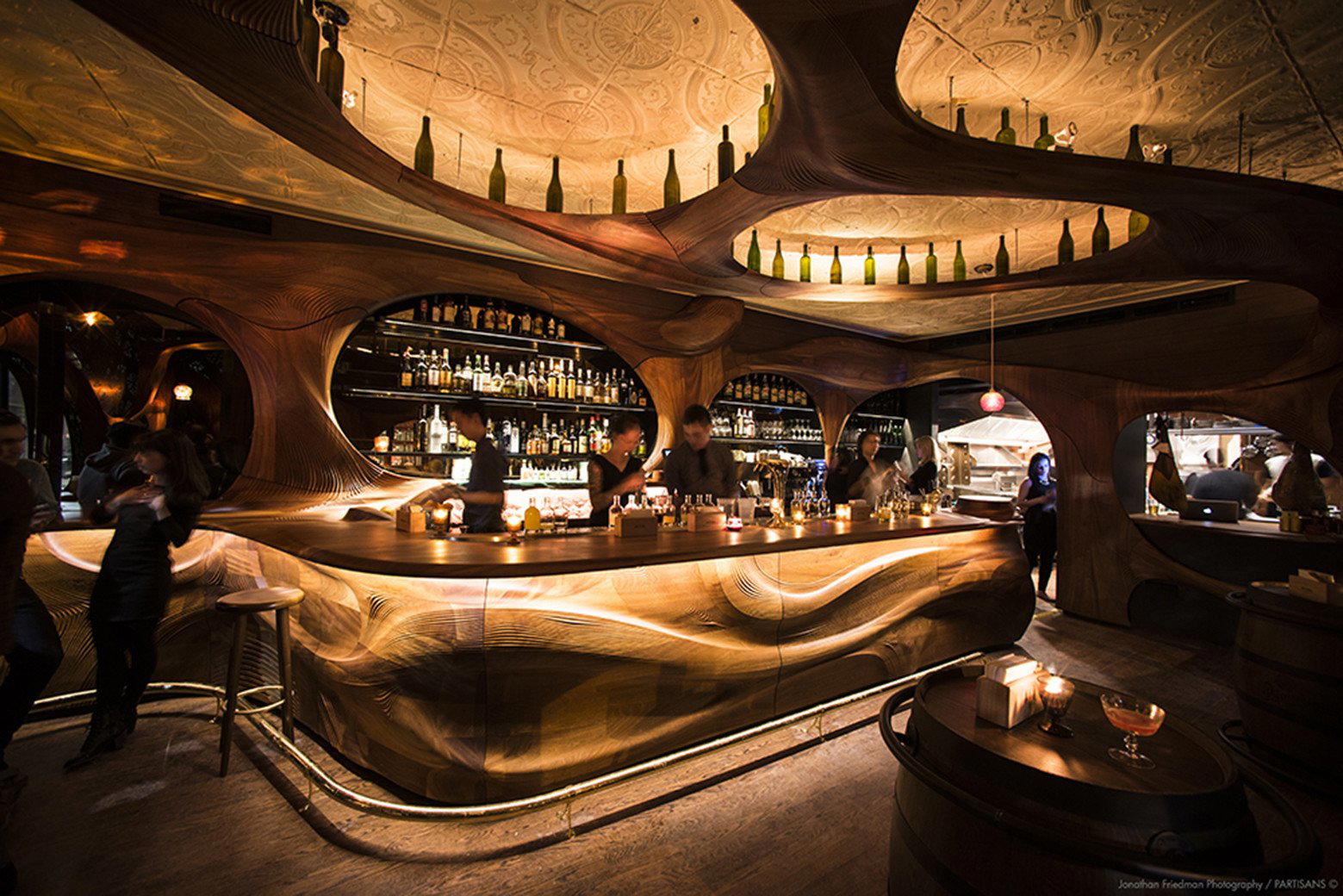
Bars in Toronto
Browse all →

Hotels in Toronto
Browse all →

Wineries in Toronto
Browse all →

At a Glance
- Rustic
- Cozy
- Modern
- Trendy
- Date Night
- Casual Hangout
- Special Occasion
- Open Kitchen
- Craft Cocktails
Current opening hours
- Monday
- Closed
- Tuesday
- 5–10:30 PM
- Wednesday
- 5–10:30 PM
- Thursday
- 5–10:30 PM
- Friday
- 5–11 PM
- Saturday
- 5–11 PM
- Sunday
- 5–10:30 PM
Hours can change for holidays and private events. Last verified .
Modern cozy atmosphere with monochromatic design, animal prints, and rustic contemporary Italian flair.