Sea Containers Restaurant
Sea Containers Restaurant occupies a prime position on the South Bank at 20 Upper Ground, SE1, with the Thames as its immediate backdrop. The address places it within one of London's most closely watched riverside corridors, where hotel dining has shifted from afterthought to genuine destination. Its kitchen works within a British-led framework that the broader South Bank scene has made its own over the past decade.
Pearl is the En Primeur Club membership app — saves, bookings, and concierge access live there. Same editors, same standards.
- Address
- 20 Upper Ground, London SE1 9PD, United Kingdom
- Phone
- +44 20 3747 1063
- Website
- seacontainerslondon.com
- Directions
- Get directions
 Saves & bookings on Pearl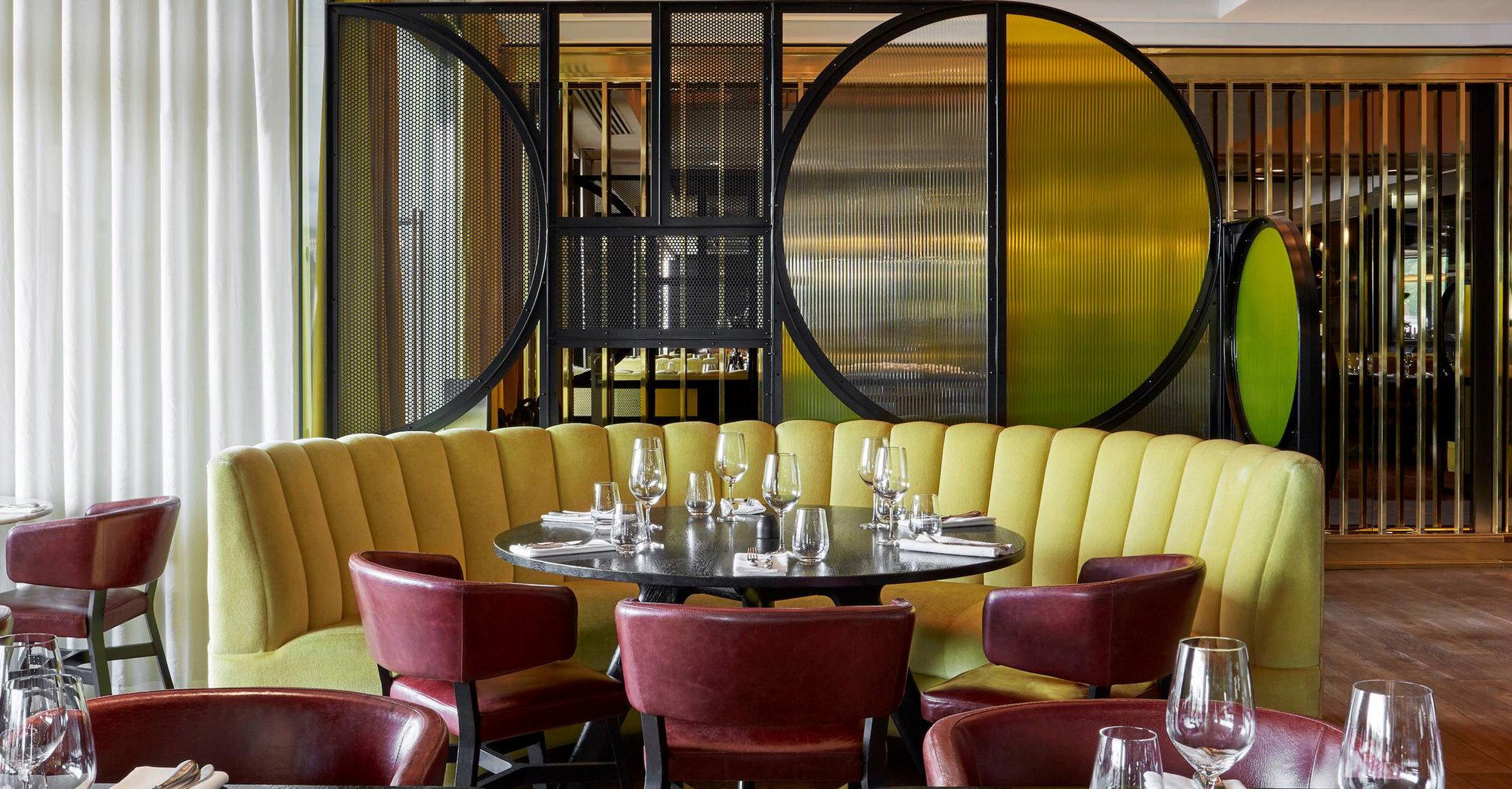
The South Bank Table: Where London's Riverside Dining Has Arrived
Sea Containers Restaurant is a London restaurant at 20 Upper Ground, London SE1 9PD, serving American-British Seasonal Sharing cuisine at about $60 per person. The South Bank has moved, over roughly fifteen years, from a cultural quarter with functional food to a genuine hospitality corridor where hotel restaurants compete on culinary terms rather than convenience. Sea Containers Restaurant, at 20 Upper Ground, SE1, sits within that shift. The Thames-facing position is not incidental: the river is the room's first argument, and the kitchen's job is to make a second one.
Across the city, the benchmark has been raised by venues like CORE by Clare Smyth, The Ledbury, and Dinner by Heston Blumenthal, all operating at the ££££ tier with Michelin recognition behind them. A riverside hotel restaurant in SE1 is not competing directly with that cohort, but it is measured against the general expectation of seriousness those kitchens have established across London's dining culture.
Ingredient Sourcing as the Story the South Bank Tells
One consistent thread running through serious British restaurant cooking in the 2020s is provenance. The sourcing conversation that once distinguished only farm-to-table specialists has migrated into mainstream hotel dining, and London's better-positioned hotel kitchens have responded by building supplier relationships that can hold up under scrutiny. In the South Bank corridor specifically, where food tourism and local regulars coexist in roughly equal measure, a kitchen's ability to speak credibly about where ingredients come from has become a baseline expectation rather than a distinguishing feature.
Britain's ingredient geography rewards that approach. The island's short distances from farm to kitchen, relative to continental supply chains, make seasonal British sourcing logistically achievable in ways that would be harder to manage in a larger country. Kitchens drawing on Kent growers, Devon dairies, Scottish fisheries, or Welsh hill farms are working within a supply network that has become increasingly formalised over the past decade, with the growth of dedicated UK food producers supplying directly to London restaurants. The strongest British-led kitchens, from L'Enclume in Cartmel to Moor Hall in Aughton, have demonstrated that hyper-local sourcing can anchor a kitchen's identity as much as any single technique or culinary tradition.
That model has trickled into London hotel dining as a competitive signal. At the higher end of the spectrum, venues like Gidleigh Park in Chagford and Midsummer House in Cambridge treat the provenance narrative as integral to the dining experience, not an addendum on a menu footnote.
The Broader SE1 Context: Competition and Category
It is a corridor with distinct pockets: the Tate Modern end attracts a more culturally led crowd, while the stretch around Waterloo and Upper Ground draws office lunch traffic, theatre-goers, and hotel guests in roughly equal measure. Sea Containers at 20 Upper Ground SE1 operates at the Waterloo end of that corridor, where the density of hotel dining options is highest and differentiation therefore most important.
Hotel restaurants in this part of London face a structural challenge that their Mayfair counterparts do not: the neighbourhood lacks the concentration of high-spending residential and business clientele that supports the ££££ tier in W1 and W8. That does not make South Bank hotel dining less interesting. It makes it differently calibrated. The kitchens that work leading in SE1 tend to operate as accessible seriousness rather than austere formality, serving food that reads as considered without requiring the full commitment of a tasting-menu-only format. Across Britain, particularly instructive comparisons are venues like Hand and Flowers in Marlow and hide and fox in Saltwood, which have found ways to operate at a high culinary register without the full apparatus of formal fine dining.
Where Sea Containers Sits in London's Wider Picture
London's restaurant landscape has stratified. At the leading, you have destination kitchens with multi-year recognition: Restaurant Gordon Ramsay, Sketch's Lecture Room and Library, and their peers. Below that sits a productive middle tier of serious restaurant cooking that does not carry the same symbolic weight but does the substantive work of feeding London's dining culture. Hotel restaurants with real kitchens occupy the upper end of that middle tier when they are operating at their leading.
Internationally, the comparison point is not dissimilar: Le Bernardin in New York City demonstrates how a restaurant operating within a hotel-adjacent structure can sustain three-star credibility, while Lazy Bear in San Francisco shows how commitment to sourcing and format can define a kitchen's identity independent of the building it sits in. The lesson across both examples is that the physical context matters less than what the kitchen chooses to do with it.
Know Before You Go
- Address: 20 Upper Ground, London SE1 9PD
- Nearest Stations: Waterloo (Northern, Jubilee, Bakerloo lines; National Rail) is the closest major hub; Blackfriars (District, Circle lines) offers a short riverside walk
- Booking: Reservations are recommended.
- When to visit: The Thames-facing aspect is most dramatic at dusk; a mid-week dinner table typically carries fewer logistical pressures than a Friday or Saturday
- Dietary requirements: Contact the restaurant directly ahead of your visit; the kitchen's sourcing-led approach typically means ingredient information is available from service staff
Cuisine Lens
Comparable venues nearby, for context on price, style, and recognition.
| Venue | Cuisine | Price | Notes |
|---|---|---|---|
| Sea Containers RestaurantThis venue — the venue you are viewing | American-British Seasonal Sharing | $$$$ | Not listed |
| Marcus | Contemporary British Fine Dining | $$$$ | Belgravia |
| Francatelli | Modern British Fine Dining | $$$$ | St. James's |
| Purple Dragon | Family-friendly British classics | $$$$ | Belgravia |
| Afternoon Tea at The Milestone Hotel | Traditional British Afternoon Tea | $$$$ | Kensington Palace Gardens |
| Whiteley’s Kitchen | Vegetable-led Modern British | $$$$ | Bayswater |
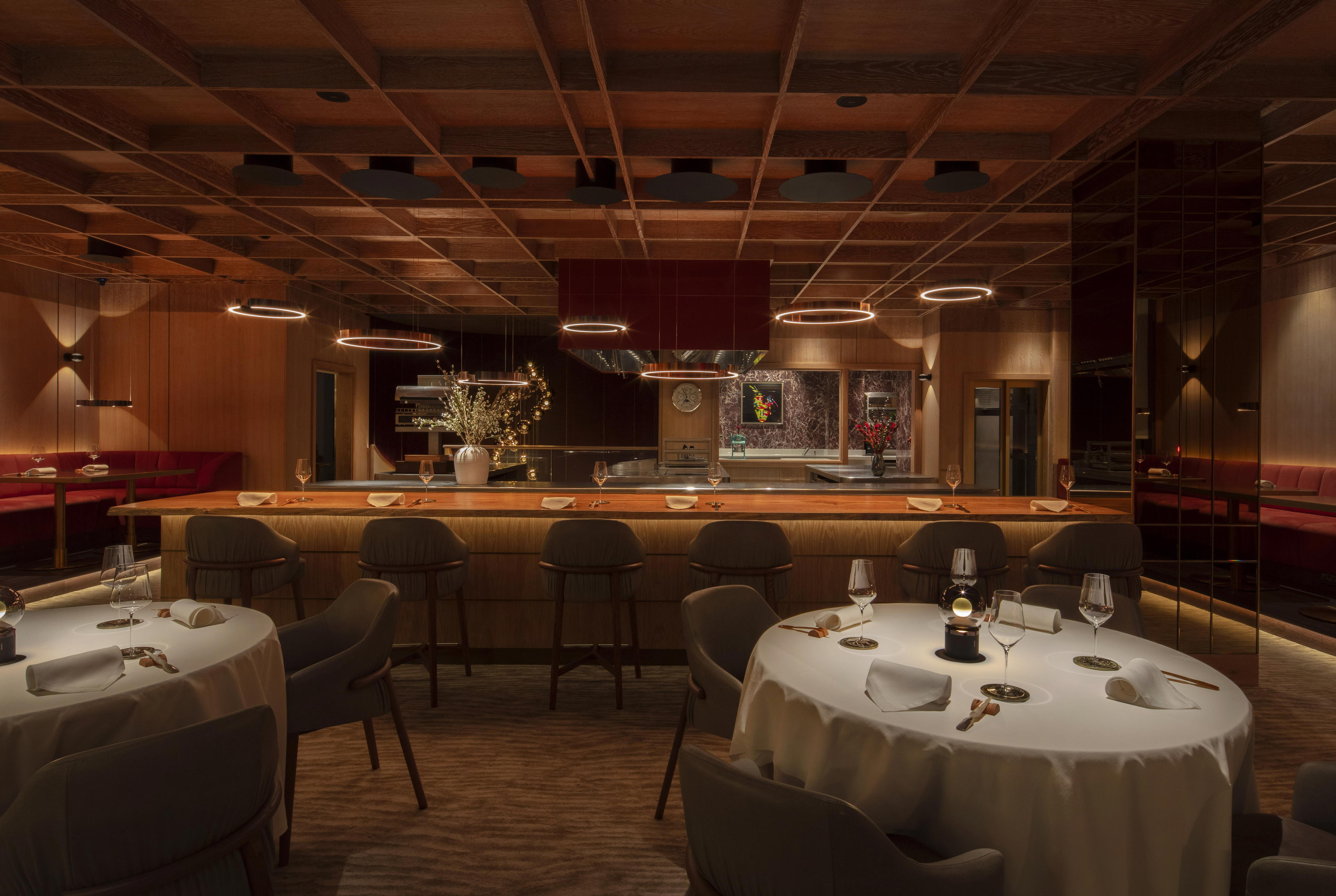
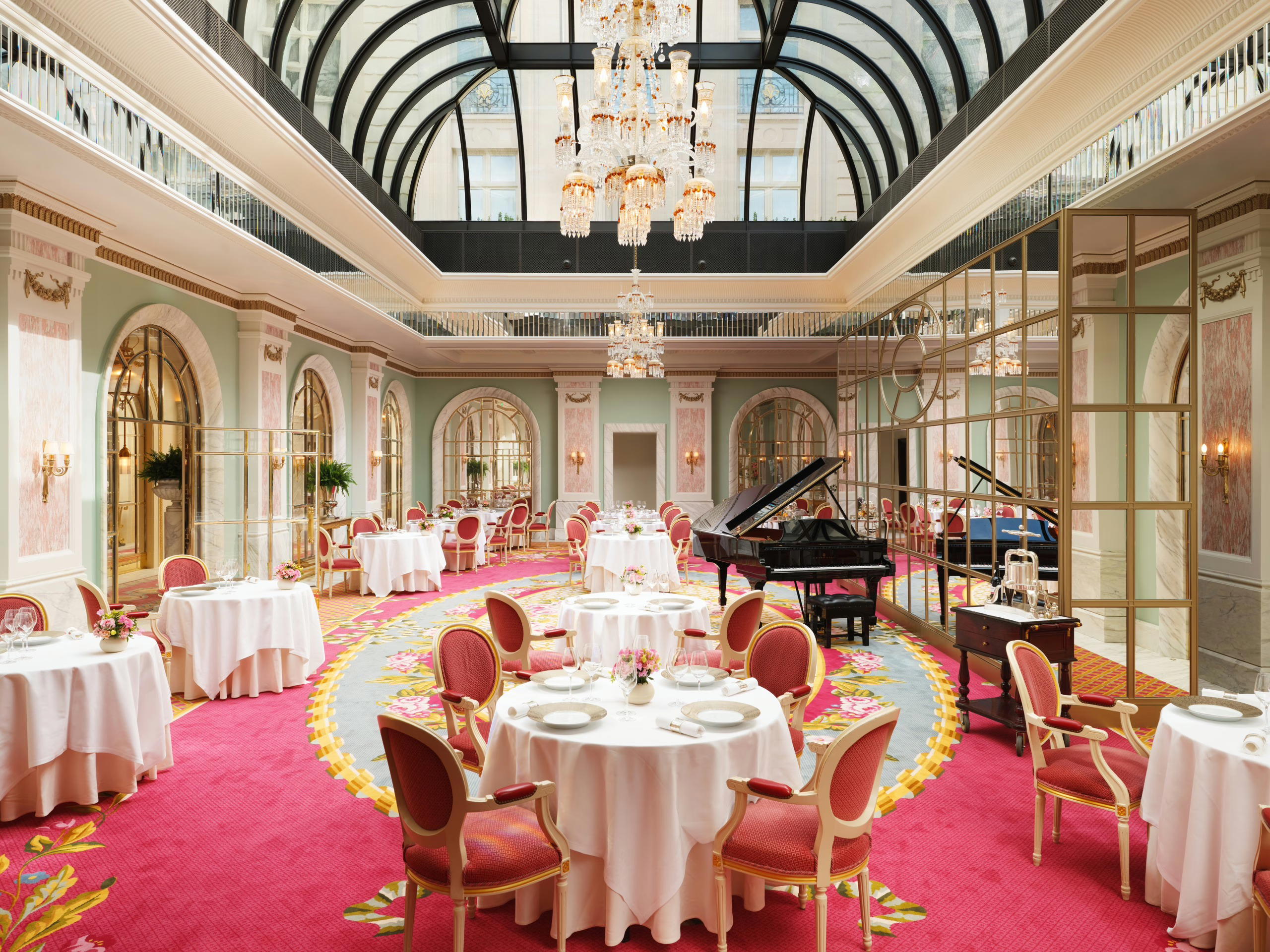
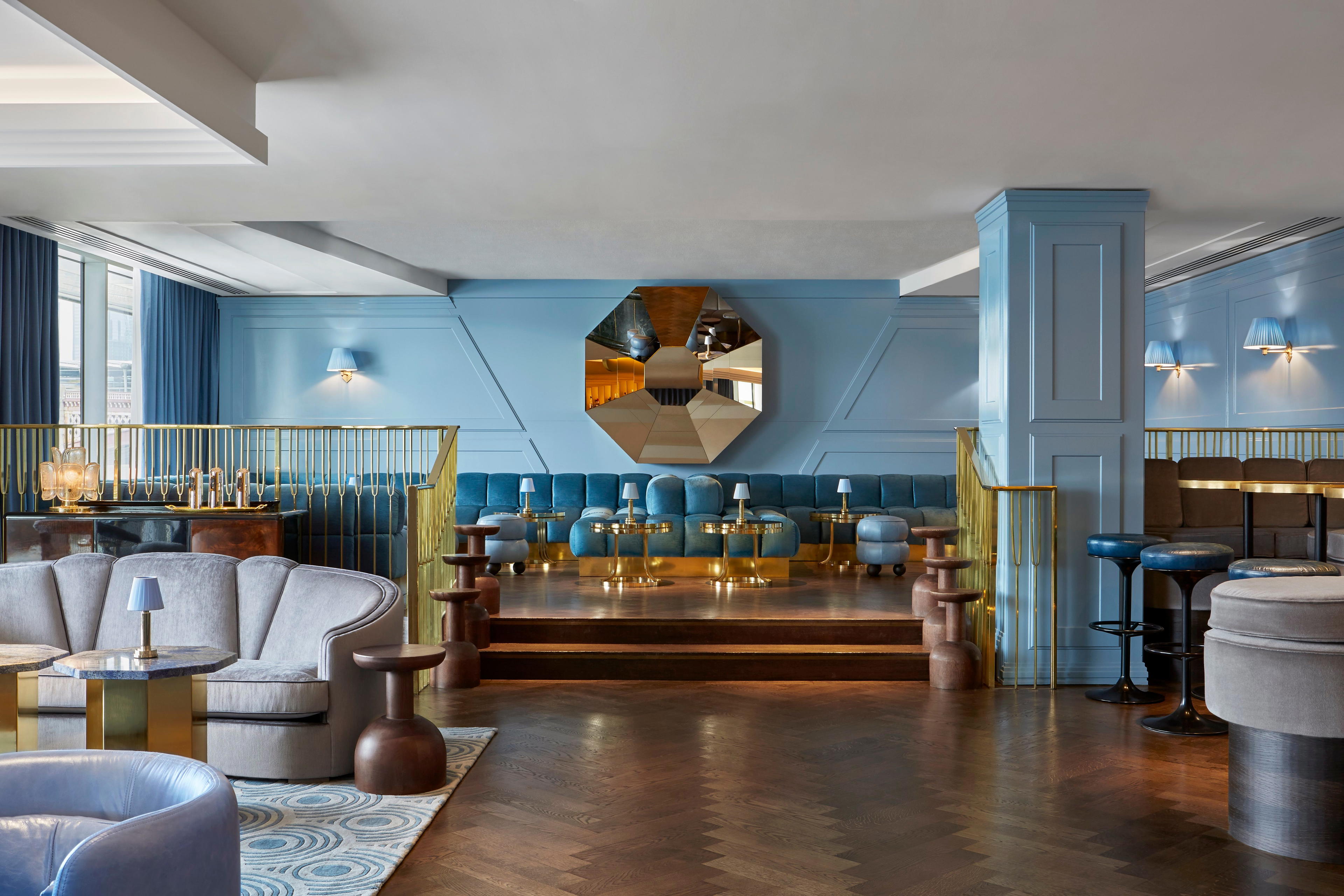
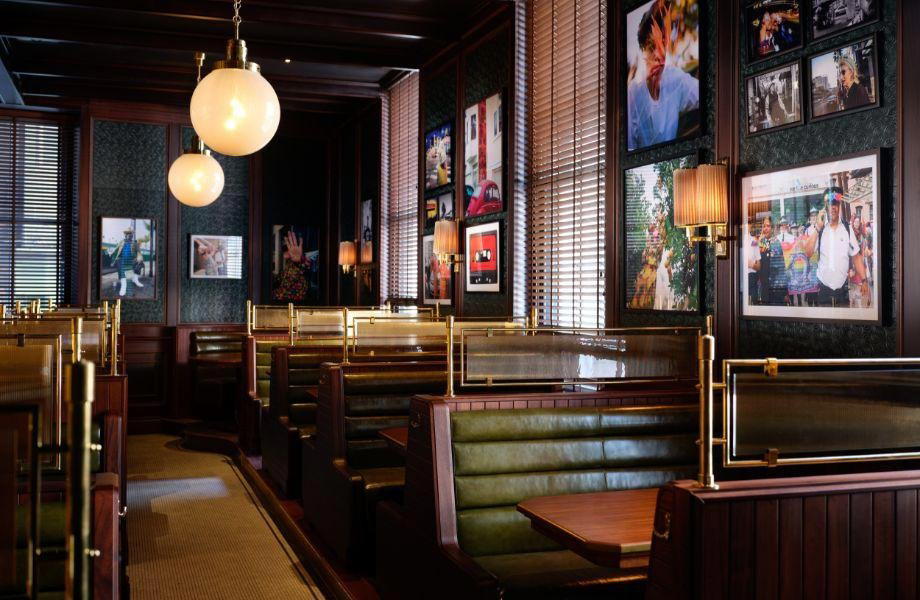

At a Glance
- Modern
- Elegant
- Scenic
- Sophisticated
- Trendy
- Date Night
- Brunch
- Special Occasion
- Group Dining
- Waterfront
- Terrace
- Hotel Restaurant
- Design Destination
- Craft Cocktails
- Extensive Wine List
- Local Sourcing
- Waterfront
- Skyline
Current opening hours
- Monday
- 7 AM–9 PM
- Tuesday
- 7 AM–9 PM
- Wednesday
- 7 AM–10 PM
- Thursday
- 7 AM–10 PM
- Friday
- 7 AM–10 PM
- Saturday
- 7 AM–10 PM
- Sunday
- 7 AM–9 PM
Hours can change for holidays and private events. Last verified .
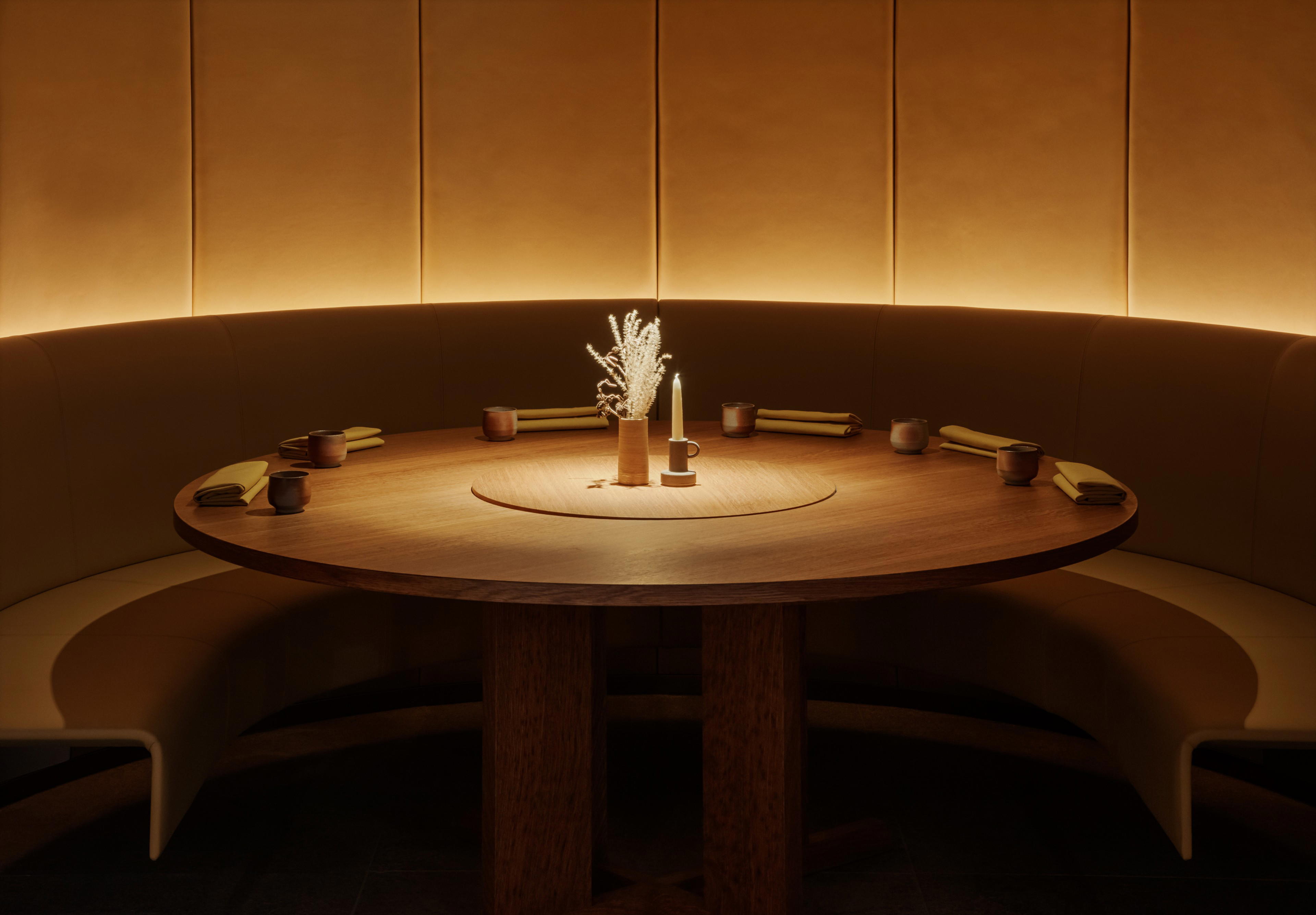
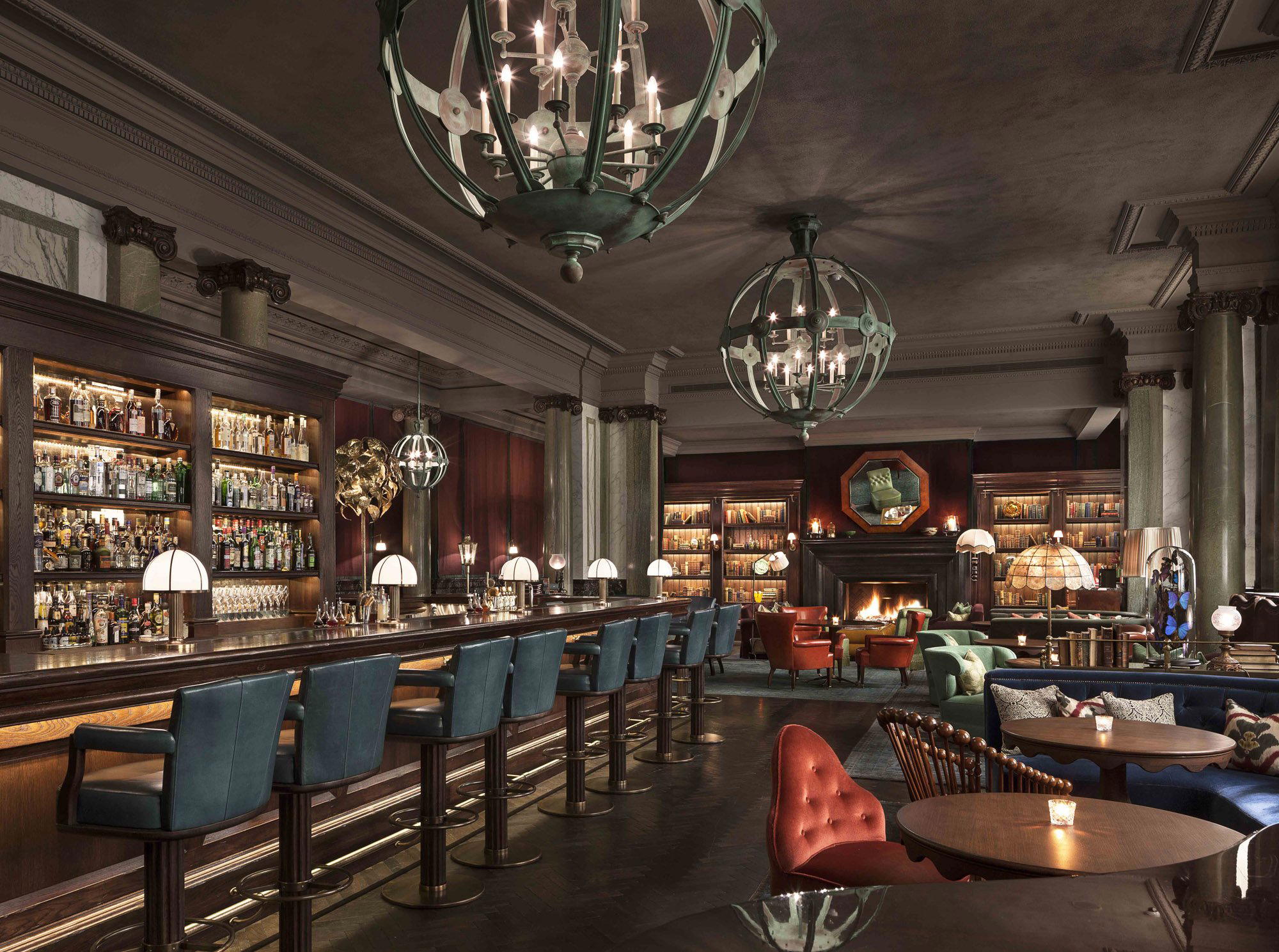
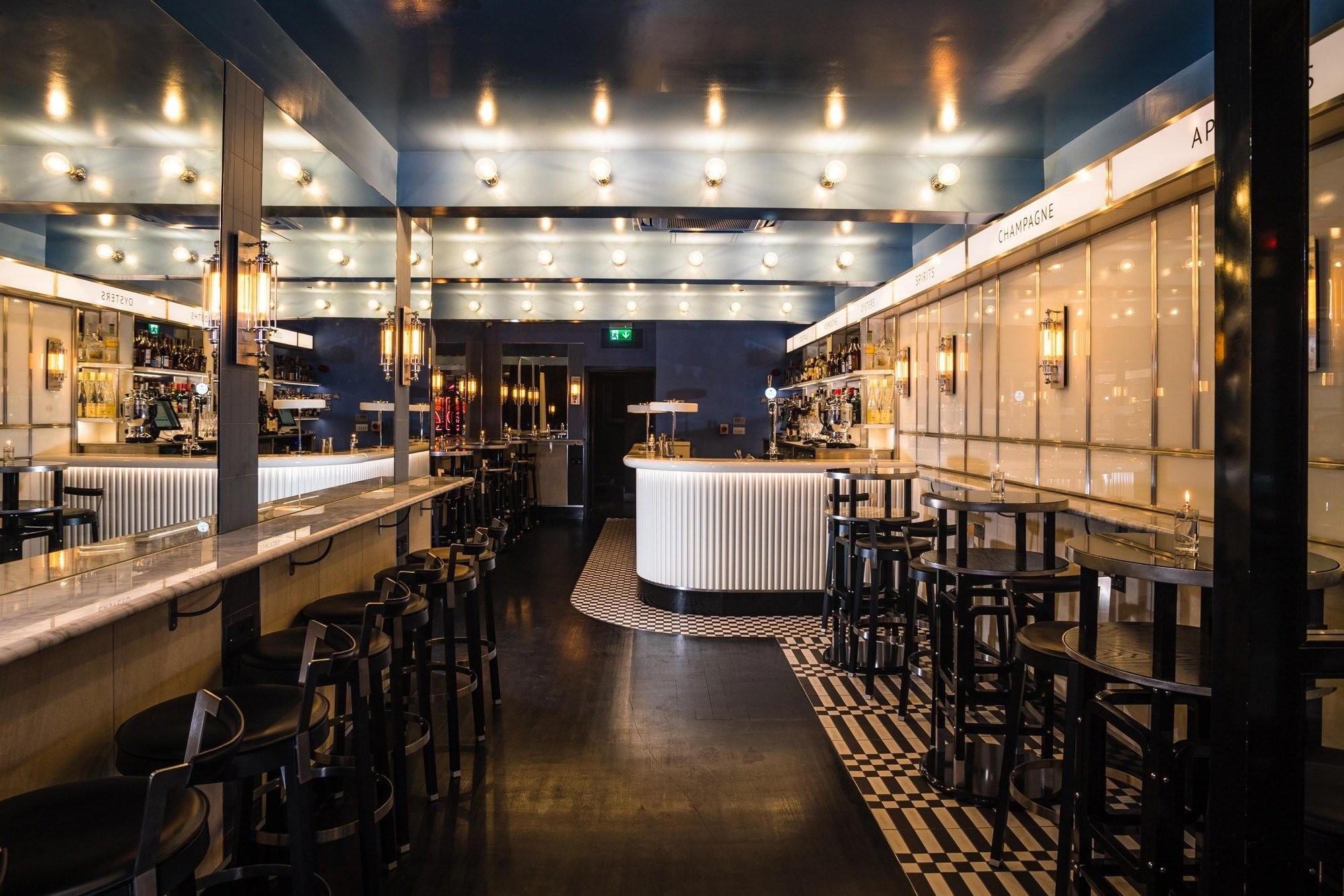
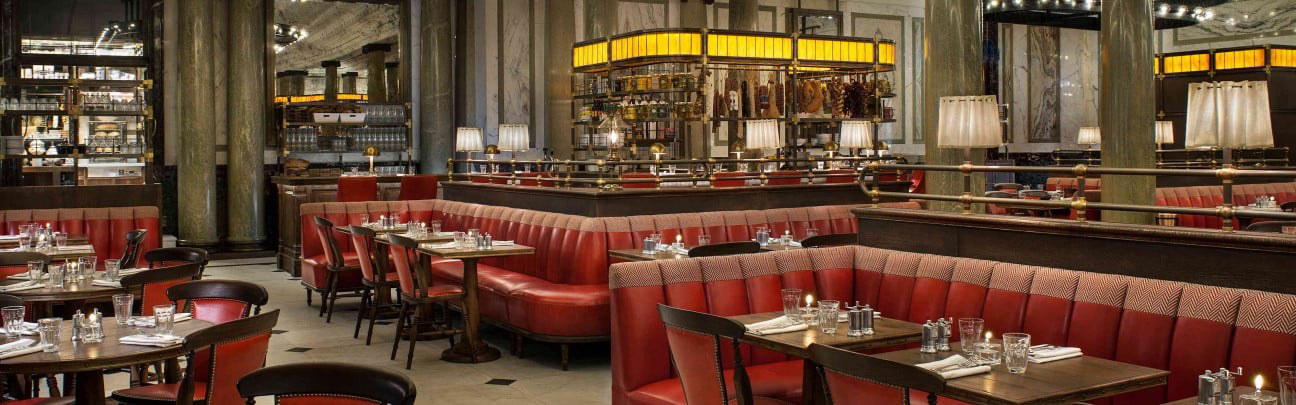
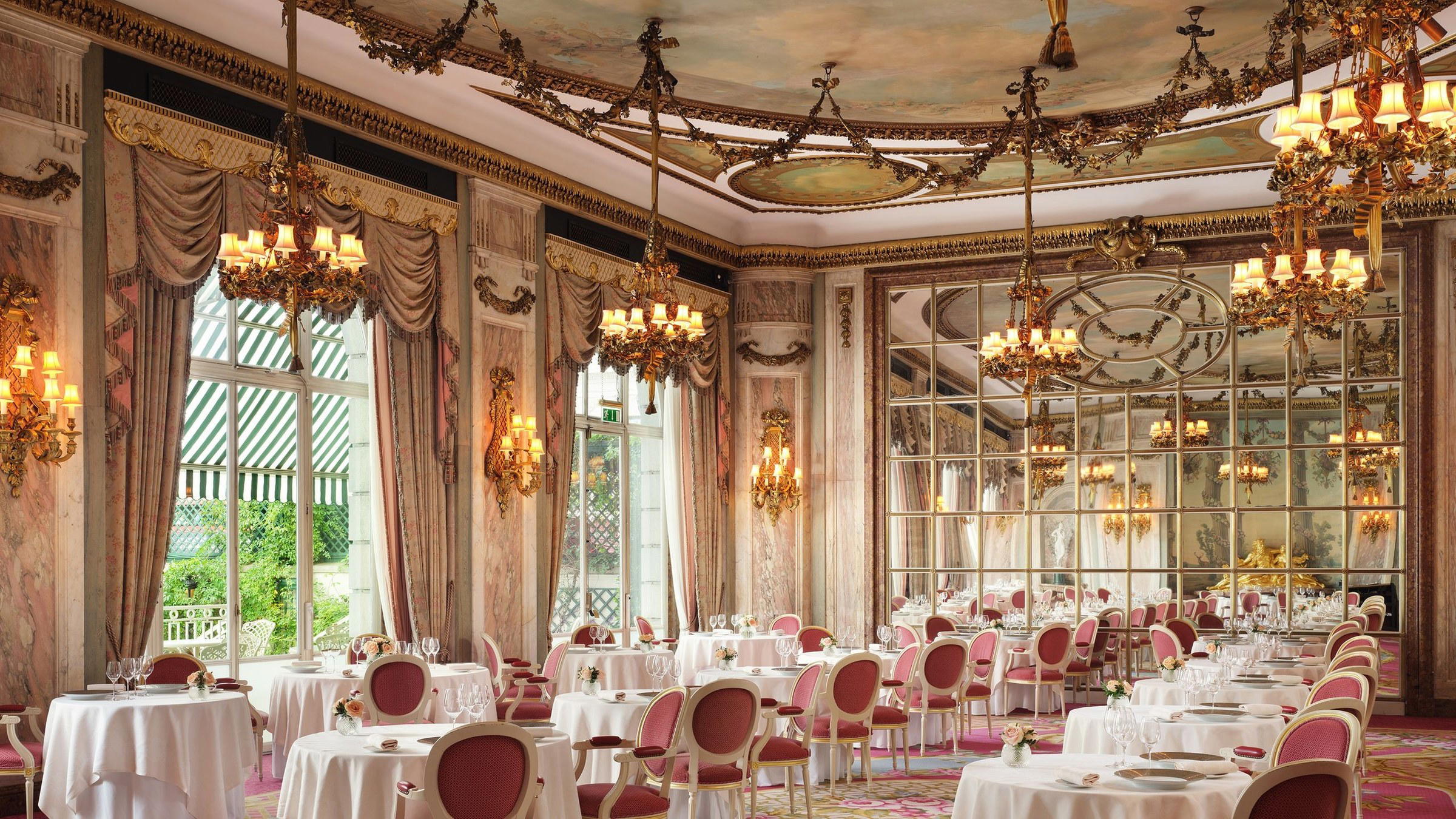
Relaxed and stylish with warm lighting, floor-to-ceiling windows overlooking the Thames, and a balanced atmosphere ideal for conversation.