Afternoon Tea at The Milestone Hotel
Afternoon tea at The Milestone Hotel occupies a particular position in Kensington's hotel tea circuit: a residential-scale property opposite Kensington Palace that draws a loyal neighbourhood clientele alongside visitors making a considered choice over the larger Hyde Park hotel alternatives. The format sits squarely in London's classic hotel tea tradition, with a setting that favours quiet intimacy over grand-ballroom scale.
Pearl is the En Primeur Club membership app — saves, bookings, and concierge access live there. Same editors, same standards.
- Address
- 1-3 Kensington Ct, London W8 5DL, United Kingdom
- Phone
- +442079171000
- Website
- milestonehotel.com
- Directions
- Get directions
 Saves & bookings on Pearl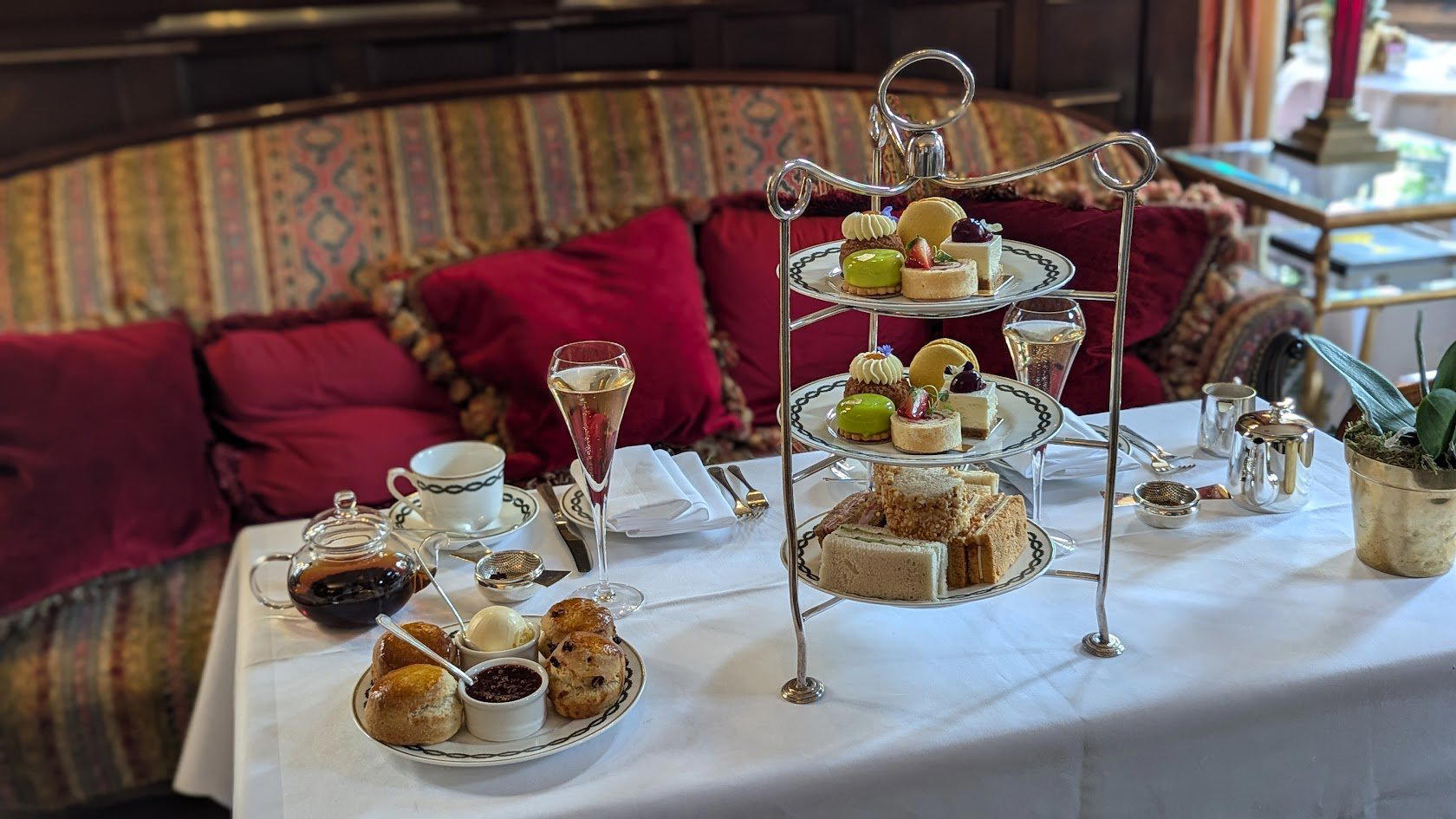
Kensington has a specific logic when it comes to afternoon tea. The neighbourhood sits between two gravitational pulls: the grand Hyde Park hotels to the east, with their high-capacity tea rooms and tourist-facing programming, and the quieter residential streets around Holland Park to the west, where scale contracts and the atmosphere shifts accordingly. The Milestone Hotel at 1-3 Kensington Court sits closer to the second camp, directly opposite Kensington Palace Gardens, and its afternoon tea operation reflects that positioning. This is not a room designed for coach parties. It is a room designed for people who return.
The Case for Smaller Scale
London's afternoon tea circuit has stratified considerably over the past decade. At one end sit the ceremony-heavy productions at the larger five-star hotels, where the experience is engineered for social media visibility and first-time visitors. At the other end, a smaller tier of hotel tea rooms operates on lower capacity and higher repeat custom, where the draw is consistency and atmosphere rather than novelty. The Milestone sits in that second tier. For regulars, the appeal is precisely the absence of spectacle: a room that feels like a private address rather than a hospitality set piece, in a part of London where that distinction carries weight.
This matters when comparing the Kensington tea options. Visitors choosing between The Milestone and the larger Hyde Park addresses are making a decision that goes beyond menu: they are choosing a format. High-volume hotel teas in London have refined their delivery considerably, but the fundamental character of a 200-cover room differs from a setting where the staff are likely to recognise a face from a previous visit. Regular guests at properties of this scale often describe a different kind of ease, one that comes less from the food and more from the rhythm of a room that has not been optimised for throughput.
What Keeps the Regulars Coming Back
The editorial angle for a venue like this is not the menu, which follows the established grammar of British afternoon tea: finger sandwiches, scones with clotted cream and jam, pastries, and a structured tea selection. That grammar is shared across London's hotel tea circuit from Claridge's to The Dorchester to The Ritz. The differentiator at smaller Kensington properties is not what appears on the stand but what the room feels like when you are halfway through it. For regulars at The Milestone, proximity to Kensington Palace Gardens is not a marketing point so much as a practical one: the location draws a neighbourhood clientele, including residents of the surrounding streets, for whom the hotel functions less as a destination and more as an extension of the local infrastructure.
There is an unwritten element to the loyal-guest experience at hotels of this type. Return visitors tend to have preferences that the kitchen accommodates without being asked: a particular tea, a seating position, dietary adjustments that have been noted from a previous booking. This kind of institutional memory is easier to maintain at a property operating at residential scale than at the large-volume flagship hotels. It is one of the reasons that the repeat-visitor rate at boutique London hotels often runs higher than at their larger competitors, even when the larger hotels carry more awards and more press.
Situating the Milestone in the Kensington Context
Kensington's dining and hospitality profile has always been shaped by its dual identity: a tourist-facing neighbourhood anchored by the major museums and the Palace, and a residential address with its own local economy of restaurants, cafes, and hotels. The afternoon tea segment reflects this split. The Milestone occupies the residential-adjacent end of that spectrum, which makes it a different proposition from the major-attraction hotels that dominate the broader London tea conversation.
For visitors already planning to see Kensington Palace or the V&A; the hotel's address on Kensington Court places it within easy reach on foot. The neighbourhood walks well: the gardens, the High Street, and the quieter streets south of it form a half-day circuit that pairs logically with a mid-afternoon tea. This is the kind of contextual detail that regulars absorb over multiple visits but that first-timers benefit from knowing in advance.
London's wider fine dining scene, anchored by the kind of Michelin-recognised kitchens that define the city's culinary standing, operates on a different register from afternoon tea. Restaurants like CORE by Clare Smyth, Restaurant Gordon Ramsay, Sketch, The Lecture Room and Library, The Ledbury, and Dinner by Heston Blumenthal represent London at a different tier of culinary ambition. Afternoon tea sits outside that conversation, operating as a social ritual rather than a gastronomic one. The Milestone's tea is not competing with those kitchens; it is competing with other hotel teas, and its advantage is format and location rather than culinary credentials. For those building a broader trip around the UK's serious restaurant circuit, the full London restaurants guide covers that territory in depth, and beyond London, properties like Waterside Inn in Bray, Le Manoir aux Quat'Saisons in Oxford, and L'Enclume in Cartmel anchor the country-house end of the spectrum. Further afield, Moor Hall in Aughton, Gidleigh Park in Chagford, Hand and Flowers in Marlow, hide and fox in Saltwood, Midsummer House in Cambridge, Opheem in Birmingham, and Restaurant Andrew Fairlie in Auchterarder represent the geographic spread of the UK's serious kitchens. For international reference points at the technical extreme, Le Bernardin in New York City and Atomix in New York City illustrate how differently ambitious hospitality can operate at the same price tier.
Know Before You Go
- Address: 1-3 Kensington Court, London W8 5DL
- Location context: Directly opposite Kensington Palace Gardens; a short walk from Kensington High Street station
- Format: Classic British afternoon tea service in a boutique hotel setting
- Scale: Smaller-capacity room; format favours intimacy over volume
- Booking: Advance reservation recommended, particularly for weekend sittings
- Well suited for: Repeat visitors and neighbourhood guests seeking a quieter alternative to the high-volume Hyde Park hotel teas
The Essentials
Comparable venues nearby, for context on price, style, and recognition.
| Venue | Cuisine | Price | Notes |
|---|---|---|---|
| Afternoon Tea at The Milestone HotelThis venue — the venue you are viewing | Not listed | $$$$ | Not listed |
| Brooklands by Claude Bosi | Not listed | $$$$ | Belgravia, Modern British Fine Dining by Claude Bosi |
| Purple Dragon | Not listed | $$$$ | Belgravia, Family-friendly British classics |
| The Ritz Palm Court | Mayfair, Modern British Fine Dining | $$$$ | Not listed |
| Butlers Restaurant | Mayfair, Classic British Fine Dining | $$$$ | Not listed |
| Palm Court at The Langham | Not listed | $$$$ | Marylebone, Traditional British Afternoon Tea |
Continue exploring
More in London
Restaurants in London
Browse all →
Bars in London
Browse all →
Hotels in London
Browse all →



At a Glance
- Elegant
- Classic
- Ornate
- Sophisticated
- Special Occasion
- Celebration
- Family
- Hotel Restaurant
- Historic Building
- Extensive Wine List
- Garden
Current opening hours
- Monday
- 1–7 PM
- Tuesday
- 1–7 PM
- Wednesday
- 1–7 PM
- Thursday
- 1–7 PM
- Friday
- 1–7 PM
- Saturday
- 1–7 PM
- Sunday
- 1–7 PM
Hours can change for holidays and private events. Last verified .
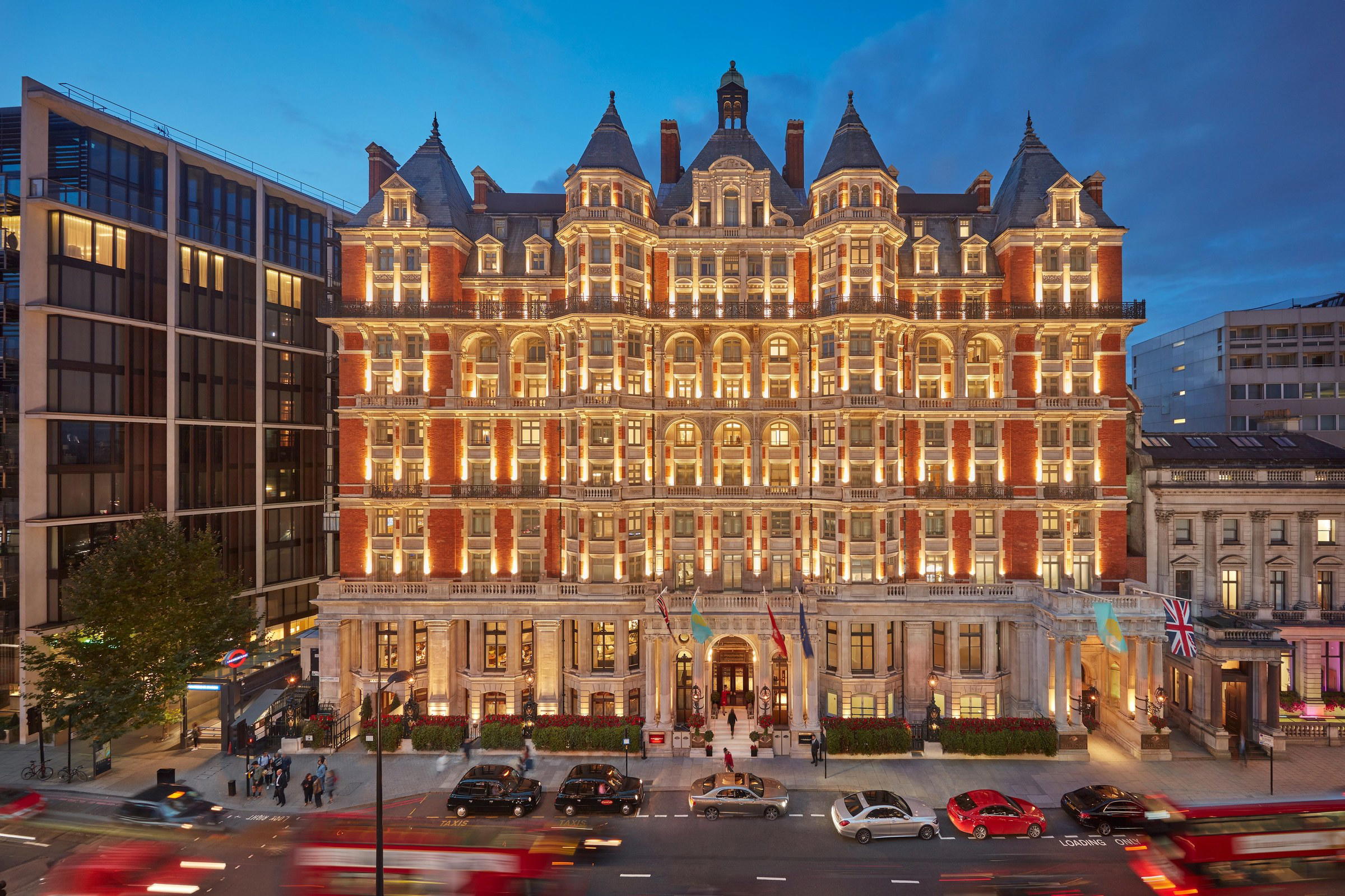
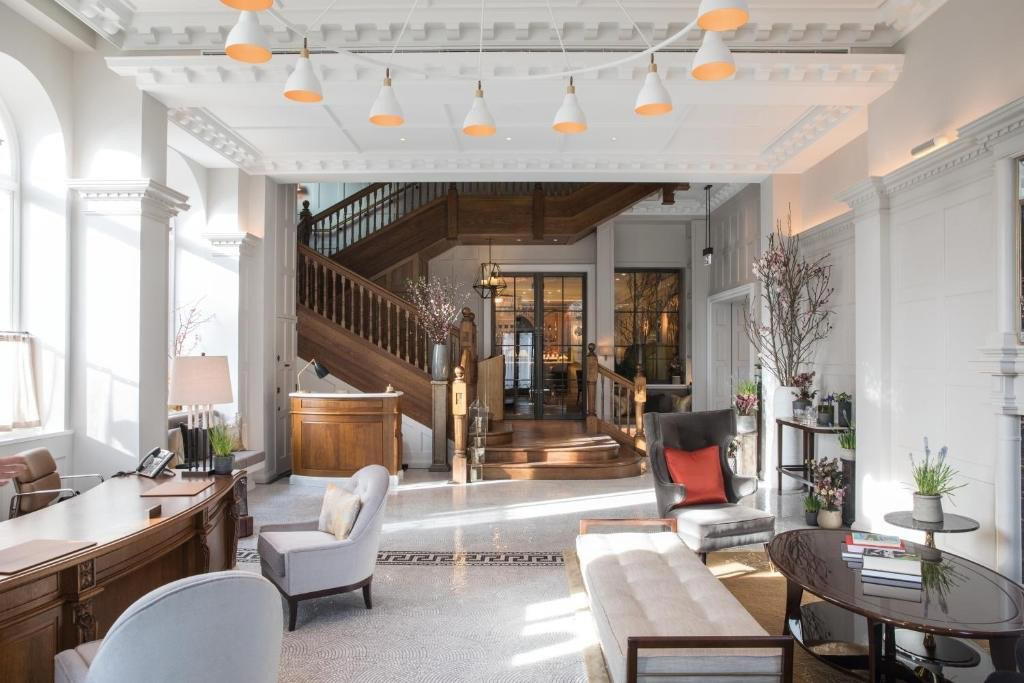
Ornate and elegant with antiques, traditional British furnishings, mahogany wood panelling, and a warm, welcoming atmosphere.