schuh's Restaurant
Schuh's Restaurant operates from a Siemensstraße address in Eggenstein-Leopoldshafen, a small industrial-residential town north of Karlsruhe in the Baden-Württemberg Rhine plain. The restaurant sits within a regional dining scene shaped by proximity to the Black Forest and Alsace, two source territories that define how serious kitchens in this corridor approach ingredients and technique.
Pearl is the En Primeur Club membership app — saves, bookings, and concierge access live there. Same editors, same standards.
- Address
- Siemensstraße 1, 76344 Eggenstein-Leopoldshafen, Germany
- Phone
- +4972140246919
- Website
- schuhs-restaurant.de
- Directions
- Get directions
 Saves & bookings on Pearl
Eggenstein at the Table: What the Rhine Plain Produces
The stretch of Baden-Württemberg running between Karlsruhe and the Rhine is not where Germany's headline restaurant culture concentrates. That tends to cluster further south, in the Black Forest valleys that gave the world Schwarzwaldstube in Baiersbronn, or in major urban centres where press coverage and award cycles reinforce each other. Eggenstein-Leopoldshafen sits in a quieter register: a town of roughly 15,000 people on the Rhine plain, its identity shaped more by the Karlsruhe Research Centre to its south and the agricultural flatlands to its north than by any culinary reputation. That context matters when reading a restaurant like Schuh's, which operates at Siemensstraße 1 within a town that places it firmly outside Germany's well-documented fine-dining corridors.
The Rhine plain itself is an ingredient story. The flatlands between Karlsruhe and the river have supplied regional kitchens for generations with asparagus, soft fruits, and field vegetables, and the proximity to Alsace across the water means the culinary reference points in this corridor are bilingual in a real sense: French technique and German product have coexisted here long enough that the distinction has softened. Serious kitchens in this region typically draw from both sides of the border, and strong examples among them treat sourcing from the immediate agricultural zone as foundational rather than fashionable. For context on how that cross-border influence shapes ambitious German cooking, the work being done at ammolite - The Lighthouse Restaurant in Rust, also within the Upper Rhine corridor, provides a useful reference point.
The Address and What It Suggests
A Siemensstraße address in Eggenstein signals something specific about positioning. Streets named for the industrial infrastructure of postwar Germany tend to sit in commercial or light-industrial zones, not in the pedestrianised centres where most reviewed restaurants operate. A kitchen choosing to anchor here is either serving a local professional and residential community, relying on destination traffic from Karlsruhe some ten kilometres to the south, or both. Word of mouth and local knowledge matter here more than digital visibility.
For a reader planning a visit, confirming details in advance is sensible. Karlsruhe, the nearest city of scale, carries its own dining options and is the more practical base for anyone building an itinerary around the region.
Ingredient Geography and the Baden Kitchen Tradition
Baden cuisine, the regional tradition that this part of Germany claims, is among the more coherent of Germany's regional cooking identities. It draws on the agricultural productivity of the Rhine plain, the game and mushrooms of the Black Forest, the freshwater fish of the region's rivers, and the wine culture of the Baden wine region, which runs the length of the eastern Rhine bank. That wine context is not incidental: Baden's Pinot Noir (Spätburgunder) and Pinot Gris (Grauburgunder) have both improved significantly over the past two decades, and kitchens in this corridor that take wine pairing seriously have better local options now than they did in the early 2000s.
The sourcing tradition in Baden kitchens at their most committed level prioritises the seasonal rhythm of the plain and the forest: white asparagus from the Rhine flatlands in spring, game in autumn, river fish year-round. That framework puts a Baden kitchen in a different relationship to its ingredients than, say, a contemporary German restaurant in a major city importing across longer supply chains. The geographic context makes this the relevant framework for evaluation. Germany's awarded kitchens working at the ingredient-first end of the spectrum, places like ES:SENZ in Grassau and Schanz in Piesport, demonstrate what serious regional sourcing looks like when it anchors a kitchen's identity.
Placing Schuh's Within the German Restaurant Conversation
Germany's higher-end restaurant scene has expanded and diversified considerably in the past decade. The country now holds more Michelin-starred restaurants than it did fifteen years ago, and the range of formats has widened: the creative dessert-led approach of CODA Dessert Dining in Berlin, the modern European register of Vendôme in Bergisch Gladbach, the technical ambition of Aqua in Wolfsburg, and the contemporary French precision of JAN in Munich all occupy distinct positions within that conversation. Schuh's, operating in Eggenstein, does not currently sit within that documented tier.
That absence of documentation does not settle the question of quality. Germany has a long tradition of serious cooking in towns and villages outside the reviewer spotlight, and particularly honest regional cooking in the country operates below the award radar. The restaurants that have built reputations in smaller German settings, from Waldhotel Sonnora in Dreis to Victor's Fine Dining by Christian Bau in Perl, did so by committing to a standard and maintaining it over years before recognition followed. For international context on what kitchen commitment looks like at the highest documented levels, Le Bernardin in New York City and Atomix in New York City represent the kind of sustained critical consensus that comes from consistency over time. Recognition tends to follow sustained commitment.
Practical Notes for Planning
Eggenstein-Leopoldshafen is accessible from Karlsruhe by local S-Bahn rail (the S5 line connects the towns on the regional network), making it reachable without a car for visitors based in the city. The Siemensstraße address places the restaurant in the town's commercial zone, not the pedestrian centre, so approach by foot from the station will take longer than a short walk. Anyone intending to visit should confirm hours and reservations before travel. For broader context on the Baden dining corridor, restaurants at ATAMA by Martin Stopp in Sankt Ingbert, AUGUST in Augsburg, AURA by Alexander Herrmann and Tobias Bätz in Wirsberg, Bagatelle in Trier, and Restaurant Haerlin in Hamburg provide reference points for what the German dining scene offers across different cities and formats.
At-a-Glance Comparison
Comparable venues nearby, for context on price, style, and recognition.
| Venue | Cuisine | Price | Notes |
|---|---|---|---|
| schuh's RestaurantThis venue — the venue you are viewing | Regional German | $$ | Not listed |
| Restaurant Kaminstubb | Traditional German Gastropub | $$ | Woerth am Rhein |
| Espenhof | German Wine Country Cuisine | $$ | Flonheim |
| Zum Löwen | Traditional Baden German | $$ | Altstadt |
| I-Punkt | Modern German & European | $$ | Wilhelmstraße |
| MainNizza | German Mediterranean Bistro | $$ | Roemerberg |
Continue exploring
More in Eggenstein
Restaurants in Eggenstein
Browse all →
Bars in Eggenstein
Browse all →

Hotels in Eggenstein
Browse all →
At a Glance
- Cozy
- Classic
- Family
- Local Sourcing
Current opening hours
- Monday
- Closed
- Tuesday
- 12–2 PM
- Wednesday
- 12–2 PM, 5:30–10 PM
- Thursday
- 12–2 PM, 5:30–10 PM
- Friday
- 12–2 PM, 5:30–10 PM
- Saturday
- 5:30–10 PM
- Sunday
- 12–2 PM
Hours can change for holidays and private events. Last verified .
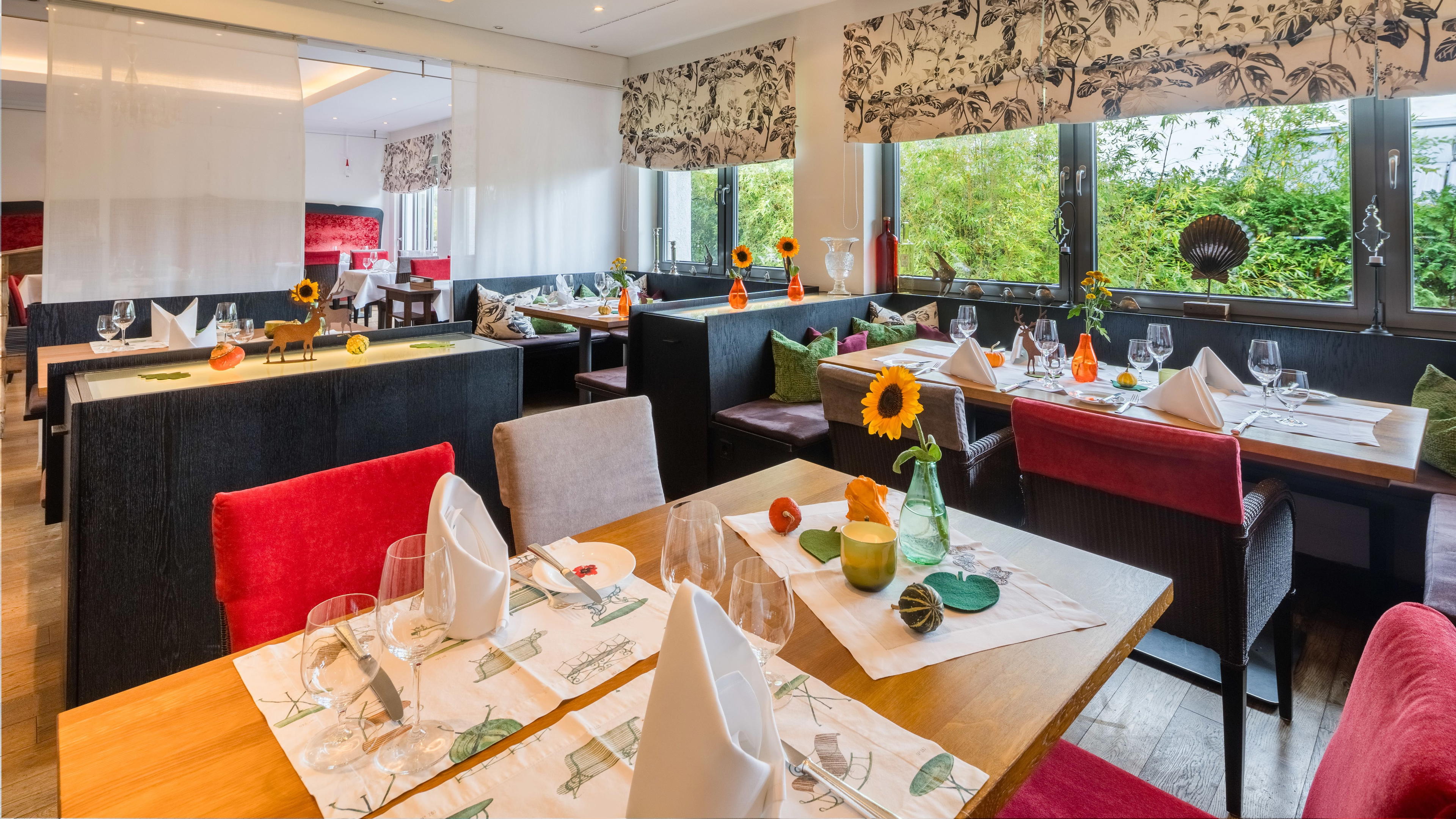
Gemütliches (cozy) ambiance with a warm, heartfelt atmosphere.