Schneggarei
Schneggarei sits at Tannberg 629 in Lech am Arlberg, one of the Austrian Alps' most concentrated pockets of serious dining. In a village where seasonal windows compress the calendar and expectations from an international clientele run high, the address signals a kitchen operating within a demanding comparable set. Visitors looking for context on Lech's broader table should consult our full restaurant guide.
Pearl is the En Primeur Club membership app — saves, bookings, and concierge access live there. Same editors, same standards.
- Address
- Tannberg 629, 6764 Lech, Austria
- Phone
- +43558339888
- Website
- schneggarei.com
- Directions
- Get directions
 Saves & bookings on Pearl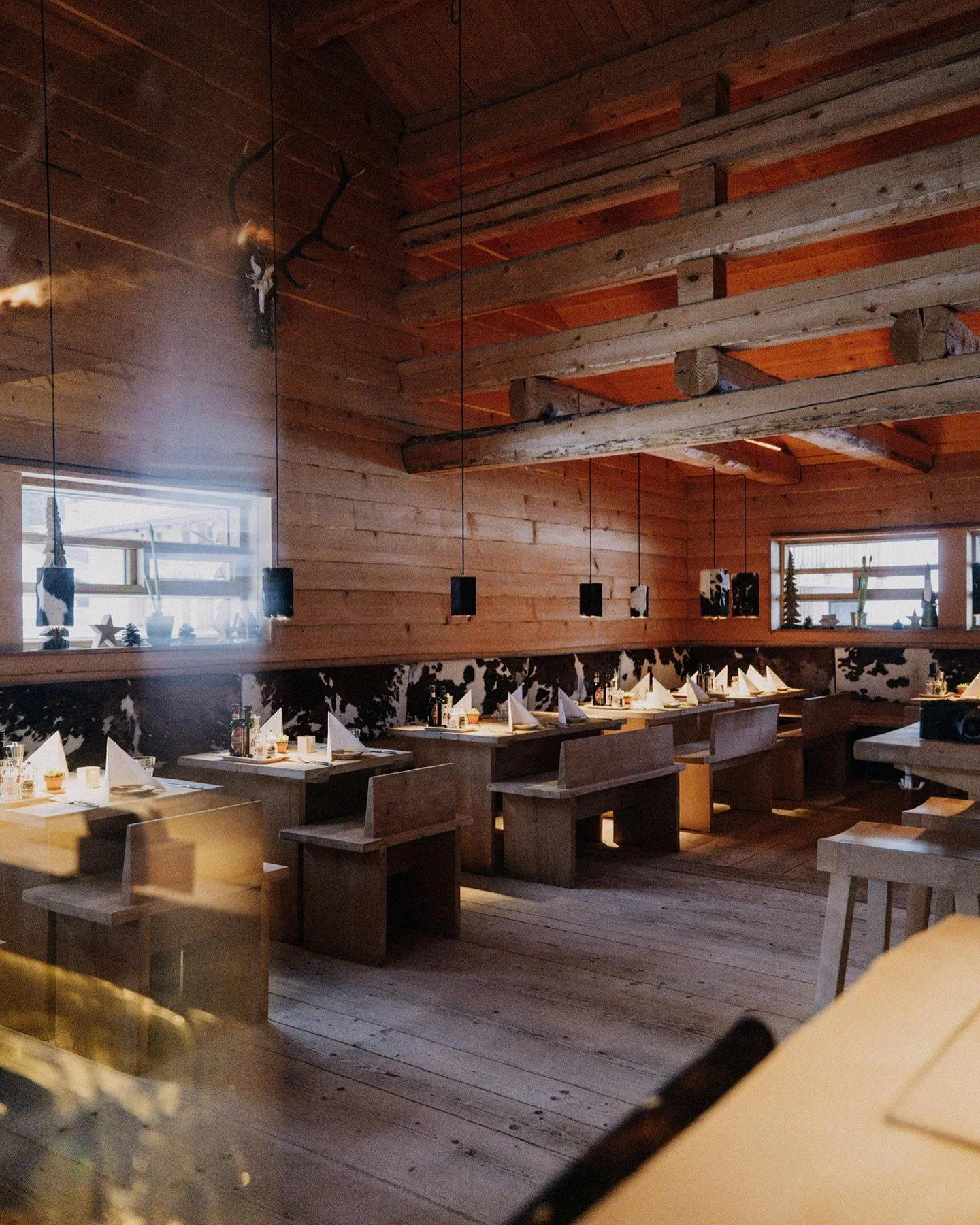
Tannberg in Winter: What the Address Tells You
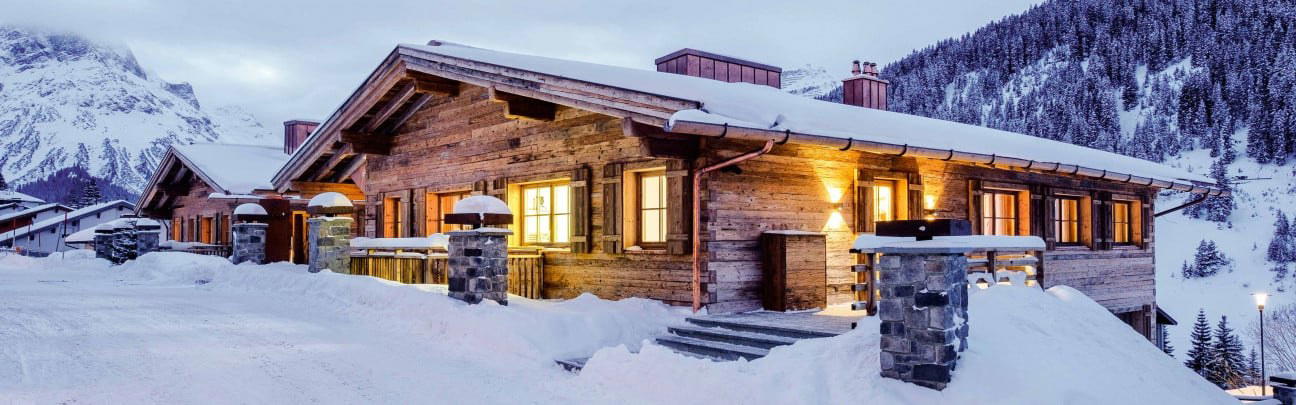
Lech am Arlberg is a small village with a disproportionately serious dining scene. The altitude, the compressed ski season, and decades of repeat visits from a well-travelled Central European and international clientele have pushed the local restaurant tier upward in ways rarely seen outside of urban culinary centres. By mid-January, tables at the village's better addresses are spoken for weeks in advance, and the kitchens operating at Tannberg, the upper residential cluster above the main village, work within that compressed, high-expectation window. Schneggarei, at Tannberg 629, is a restaurant serving modern Austrian cuisine with wood-fired pizza.
Understanding what Schneggarei is requires understanding where Lech sits in the Austrian dining hierarchy. Austria's leading restaurant tier is anchored by addresses like Steirereck im Stadtpark in Vienna and Obauer in Werfen, both of which have built multi-decade reputations on the kind of regional ingredient fluency and disciplined kitchen culture that takes years to establish. The alpine resort tier, Lech, Zürs, Sankt Anton, operates somewhat differently: kitchens here must deliver at a high level during an intensive seasonal run rather than over a full annual calendar. That constraint shapes everything from staffing to menu architecture.
The Tannberg Setting and What It Implies
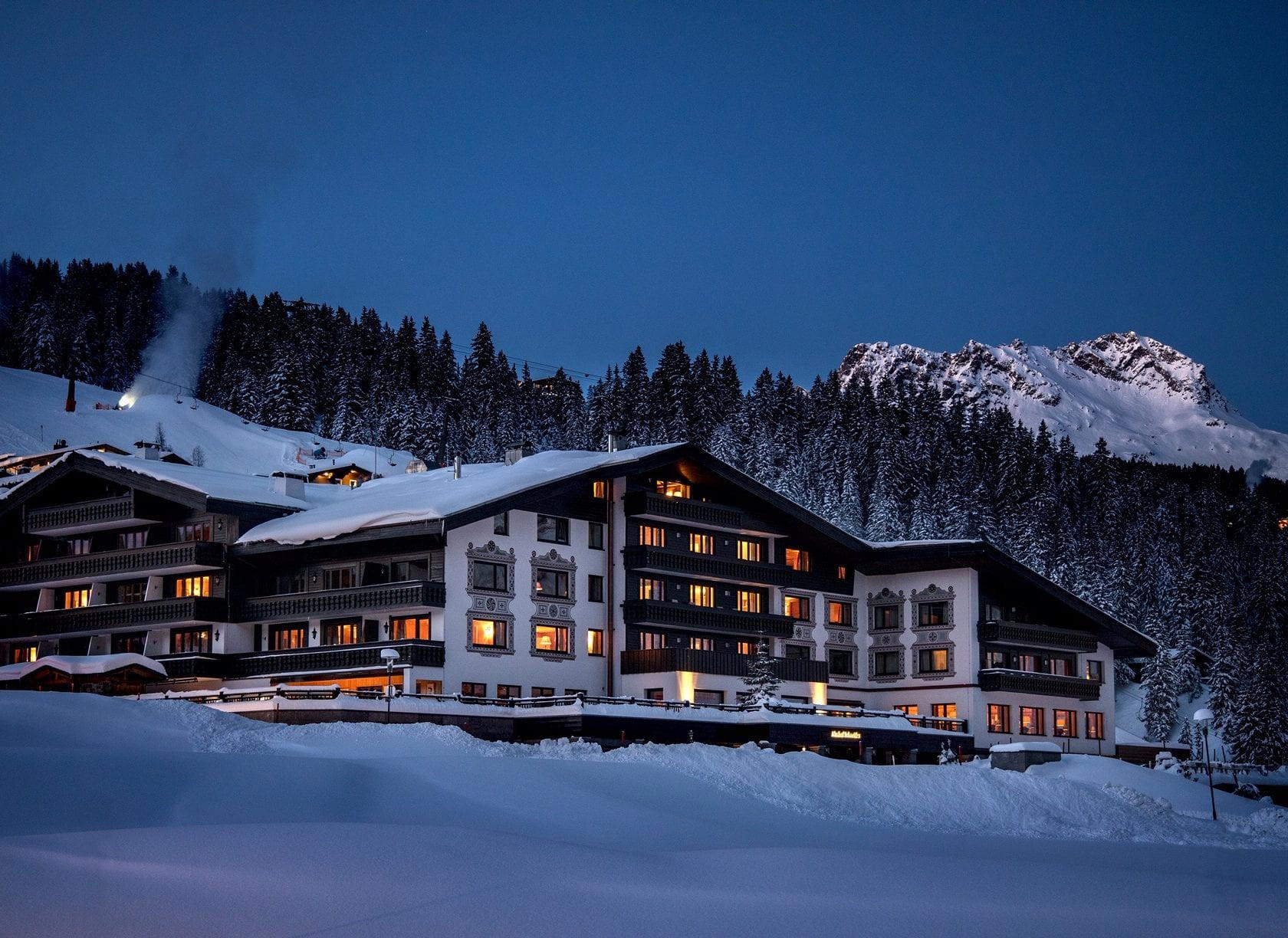
Tannberg sits above the main Lech traffic, quieter and more residential, where the properties tend to be older and the clientele more habitual. Restaurants in this part of the village typically serve a guest base that returns season after season and knows what it expects. That context shapes how a kitchen like Schneggarei's must operate: novelty matters less than consistency, and the menu architecture has to hold up to scrutiny from guests who have eaten widely and remember what they had last February.
Lech's dining scene has split, broadly, into two formats over the past decade. On one side sit the ambitious modern kitchens, such as Griggeler Stuba and Rote Wand Chef's Table, which use the alpine calendar as a frame for technically progressive menus. On the other side are the addresses that lean into the Vorarlberg alpine tradition, Stube warmth, regional produce, dishes calibrated to the cold and to the specific appetite that a day on the mountain produces. Schneggarei's Tannberg address places it closer to the second category in spirit, though the specific character of its current menu format is best confirmed directly with the venue.
Menu Architecture in the Alpine Context
How a mountain restaurant structures its menu tells you a great deal about how it reads its room. The alpine Stube format, a smaller, focused card built around seasonal availability and the physical demands of ski-resort clientele, is fundamentally different from the long tasting-menu model that has become a shorthand for fine dining ambition. The Stube approach demands a different kind of discipline: depth over breadth, refinement within constraint, and a kitchen that knows which three things it does better than any other address at that altitude.
In Vorarlberg specifically, the strongest regional menus tend to prioritise dairy-rich preparations, cured mountain proteins, and bread or dumpling formats that carry historical weight. The leading versions of this tradition, as seen at places like Enzian Stube and Die Ente von Zürs nearby, work within those parameters while finding room for the kind of sourcing intelligence that distinguishes a serious kitchen from a competent one. The menu, in these cases, is a structural argument: here is what this region produces, here is how we choose to frame it, and here is why the guest at table four, who has eaten at Ikarus in Salzburg and Le Bernardin in New York, should find it compelling on its own terms.
For Schneggarei, the specific dishes and menu format shift with the season, so the card can change materially between early and late season. What the Tannberg address and the broader Lech pattern suggest is a kitchen operating for guests who have already decided that regional cooking done with precision is worth their evening.
Planning a Visit
Lech's restaurant season runs on the alpine winter calendar, typically from December through April, with the intensity, and the booking pressure, concentrated in January and February. Tannberg properties, being slightly removed from the main pedestrian zone, are best reached on foot from the upper village or by the short taxi run from the central bus stop. For guests staying in the lower village or arriving from Zürs, the Arlberg transport network makes the logistics direct. Booking ahead is advisable at any address in Lech during peak season weeks; for the Tannberg cluster specifically, reaching out well in advance of a January or February trip is the standard approach among returning guests.
Visitors building a broader picture of Lech's dining scene will find useful comparisons at Aurelio, which operates at the contemporary end of the local spectrum, and For those extending a Vorarlberg trip into the wider Tirol and Salzburg regions,
Recognition, Side-by-Side
Comparable venues nearby, for context on price, style, and recognition.
| Venue | Cuisine | Price | Awards | Notes |
|---|---|---|---|---|
| SchneggareiThis venue — the venue you are viewing | Modern Austrian with Wood-Fired Pizza | $$$ | Not listed | Not listed |
| Klösterle | Traditional Austrian Alpine Cuisine | $$$$ | Not listed | Zuger Tal, Lech |
| Enzian Stube | Traditional Austrian Alpine | $$$ | Not listed | Zürs |
| Lechtaler Stube | Classic Austrian with Regional Influences | $$$ | Michelin Plate | Oberlech |
| Hotel Sonnenburg | Alpine Austrian with Creative Vegan Options | $$$$ | Not listed | Oberlech, Lech am Arlberg |
| Kristiania Lech | Modern Austrian Alpine | $$$$ | Not listed | Lech am Arlberg |
Continue exploring
More in Lech am Arlberg
Restaurants in Lech am Arlberg
Browse all →
Bars in Lech am Arlberg
Browse all →


Hotels in Lech am Arlberg
Browse all →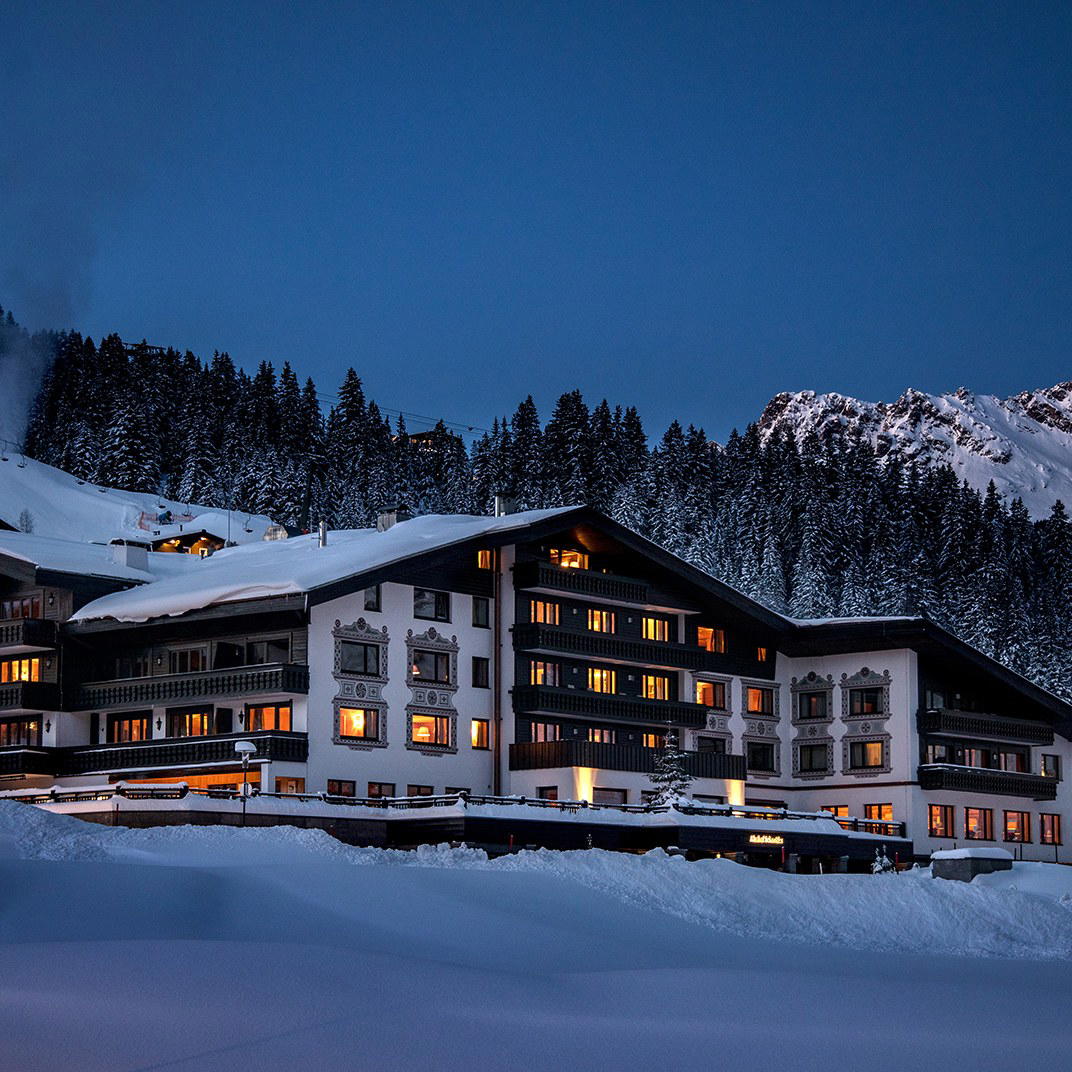

At a Glance
- Cozy
- Rustic
- Lively
- Scenic
- Casual Hangout
- Family
- Group Dining
- Terrace
- Open Kitchen
- Mountain
Current opening hours
- Monday
- 12 PM–1 AM
- Tuesday
- 12 PM–1 AM
- Wednesday
- 12 PM–1 AM
- Thursday
- 12 PM–1 AM
- Friday
- 12 PM–1 AM
- Saturday
- 12 PM–1 AM
- Sunday
- 12 PM–1 AM
Hours can change for holidays and private events. Last verified .
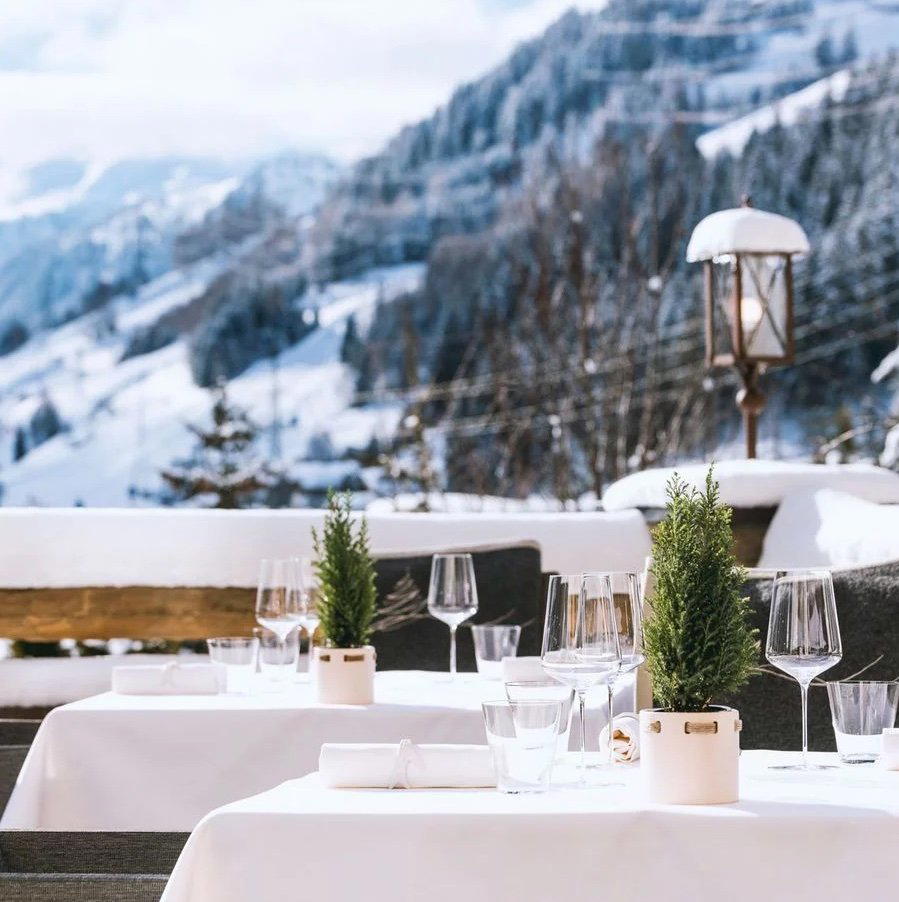
Cozy mountainside atmosphere with alpine charm, warm hospitality, modern decor, and a lively après-ski vibe on the sun terrace.