Kristiania Lech



Kristiania Lech is a 15-room family-run hotel in Lech am Arlberg offering an all-inclusive gastronomy programme with no fixed menu, no set hours, and no dining room constraints. Guests at this intimate Alpine property request what they want, when they want it, from vegan plates to traditional Austrian cooking, all included in the room rate alongside a private spa suite and a suite of personal butler services.
Pearl is the En Primeur Club membership app — saves, bookings, and concierge access live there. Same editors, same standards.
- Address
- Omesberg 331, 6764 Lech
- Phone
- +43 5583 25610
- Website
- kristiania.at
- Directions
- Get directions
 Saves & bookings on Pearl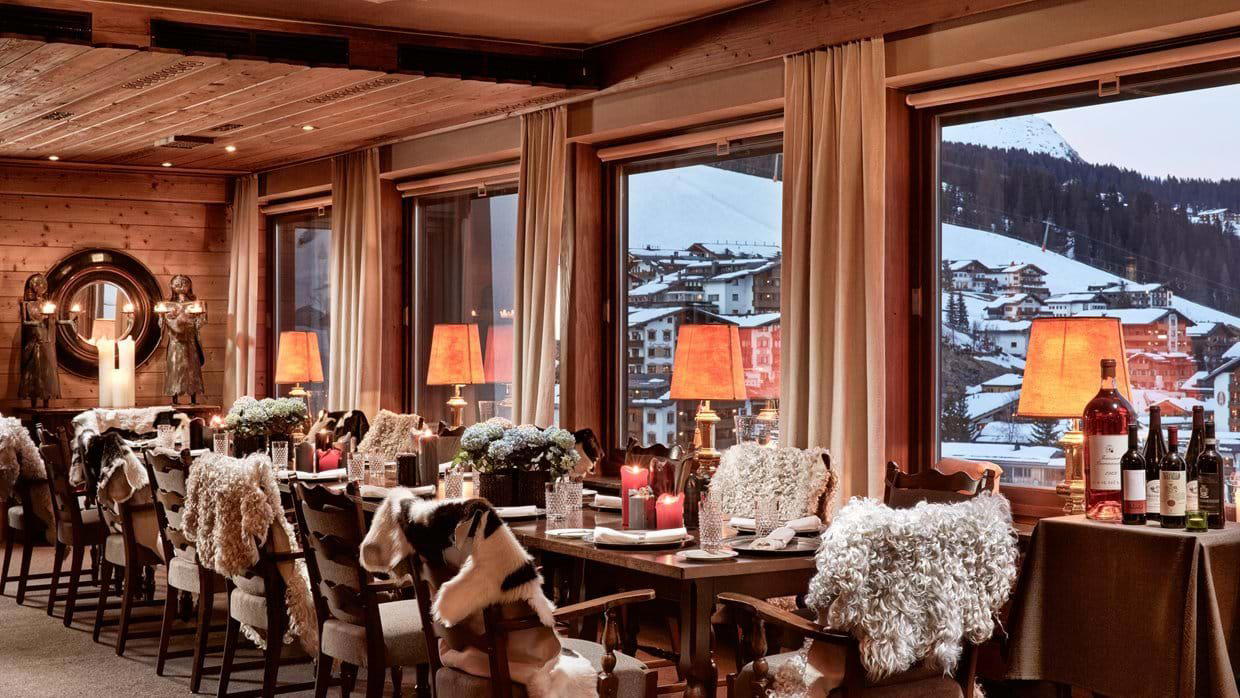
The Arithmetic of Intimacy: Lech's Small-Hotel Logic
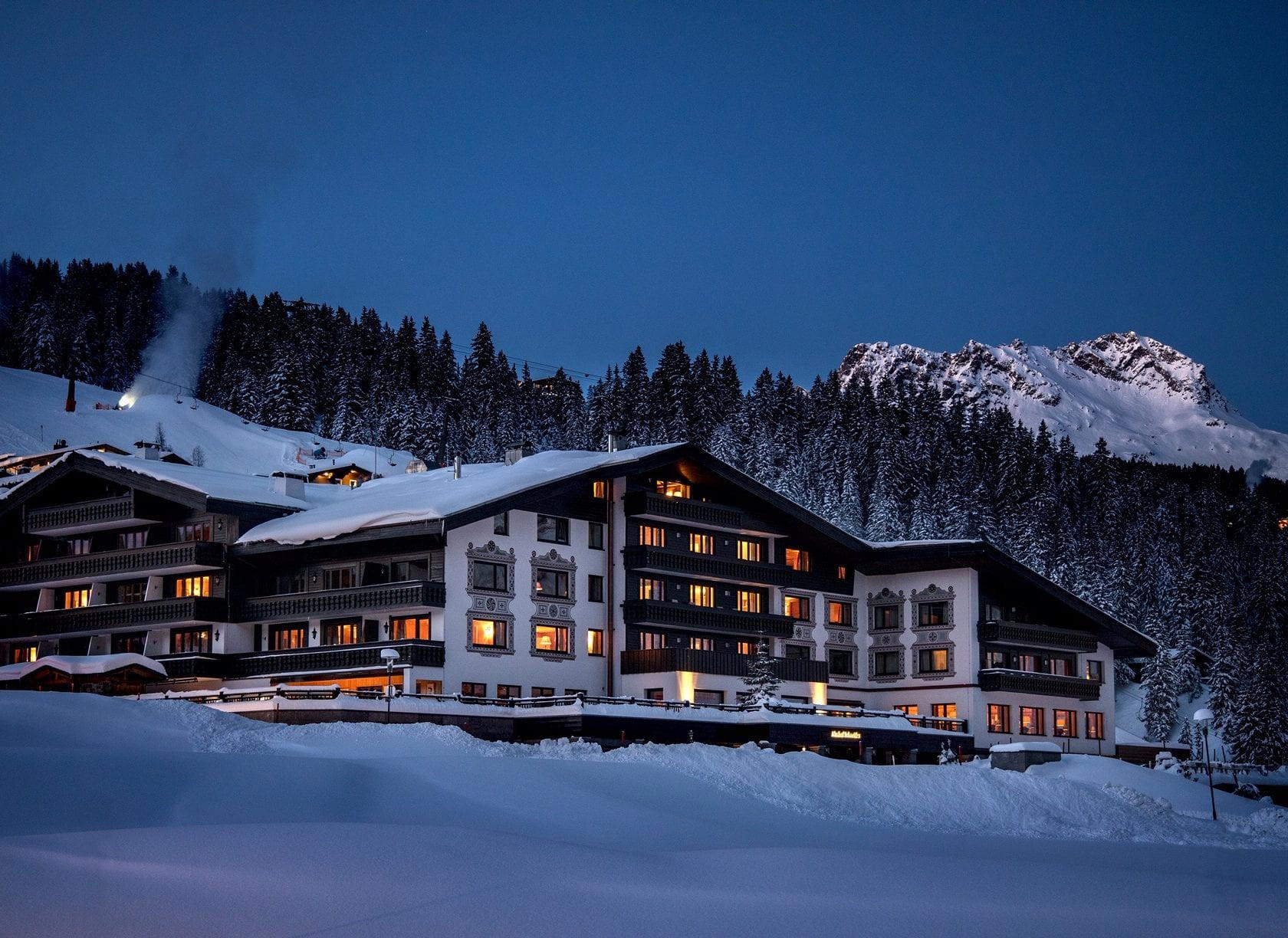
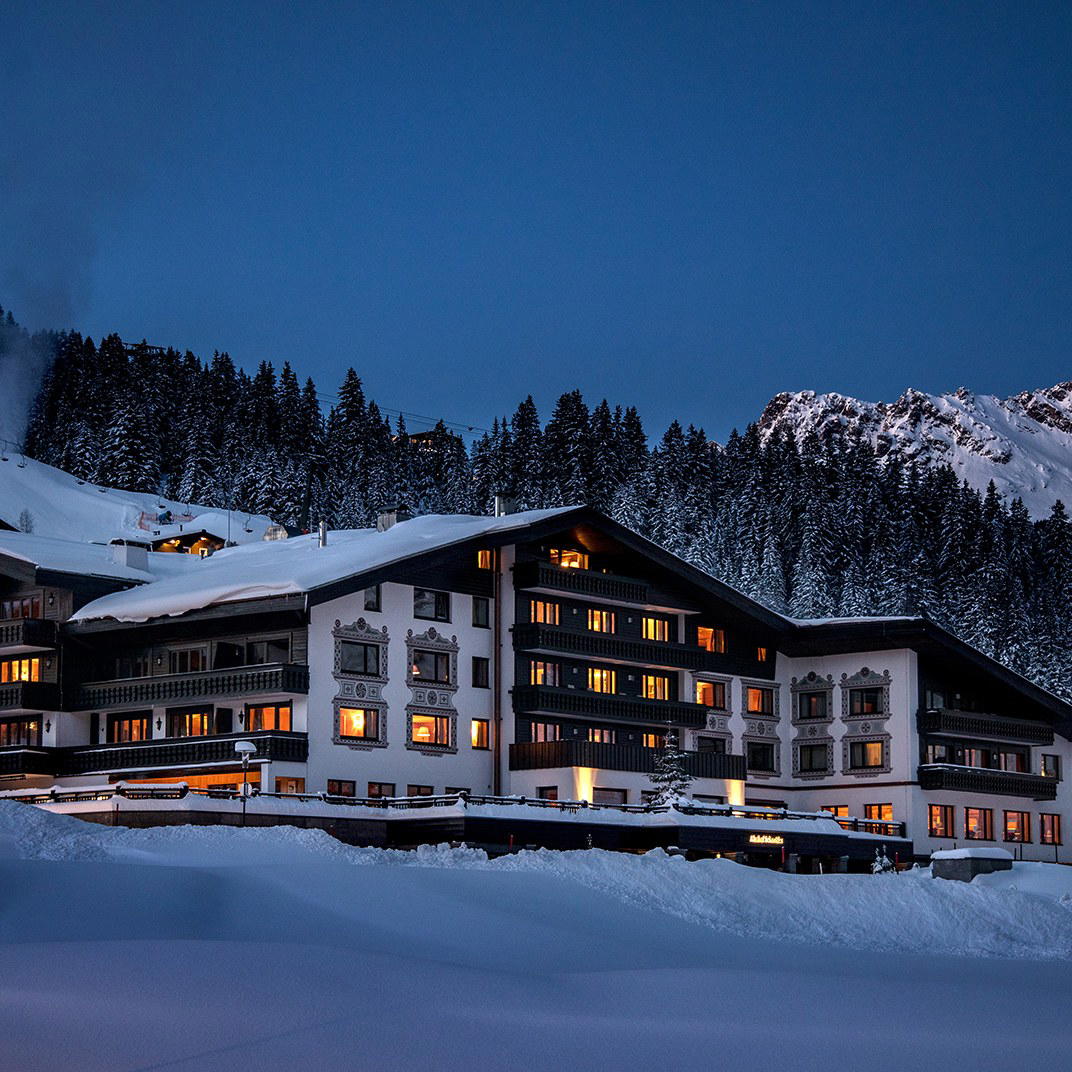
Lech am Arlberg operates at a different frequency from Austria's larger ski destinations. The village has long attracted guests who treat discretion as a baseline requirement, and the accommodation sector has evolved accordingly, tilting toward properties where low room counts and high service ratios matter more than lobby spectacle. Within that context, a 15-room hotel functions less as a modest option and more as a deliberate structural choice: the fewer the guests, the more elastic the service model can become. Kristiania Lech, at Omesberg 331, sits at the far end of that logic. The property presents as a family-run retreat with the feel of a private residence, positioned a short walk from the resort centre but removed enough to function on its own quiet terms. For a sense of what Lech's broader accommodation range looks like, Hotel Almhof Schneider in Lech offers a useful point of comparison within the same village.
What the Dining Programme Actually Means
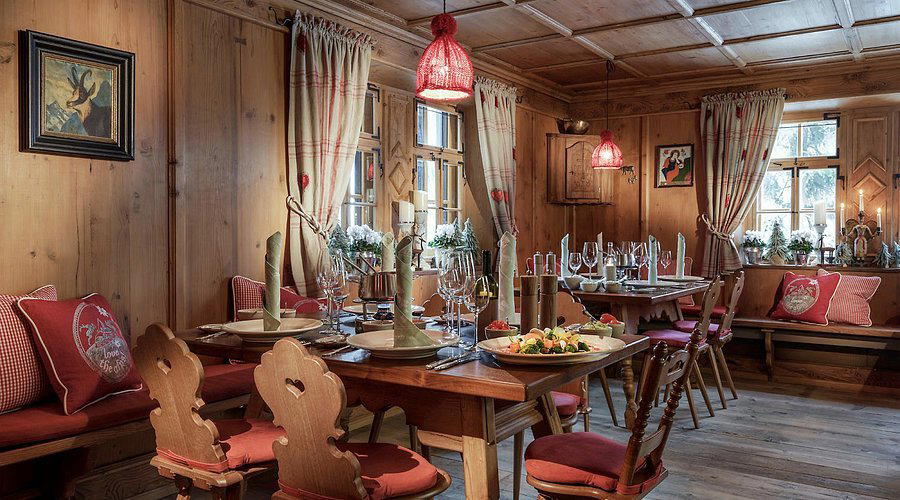
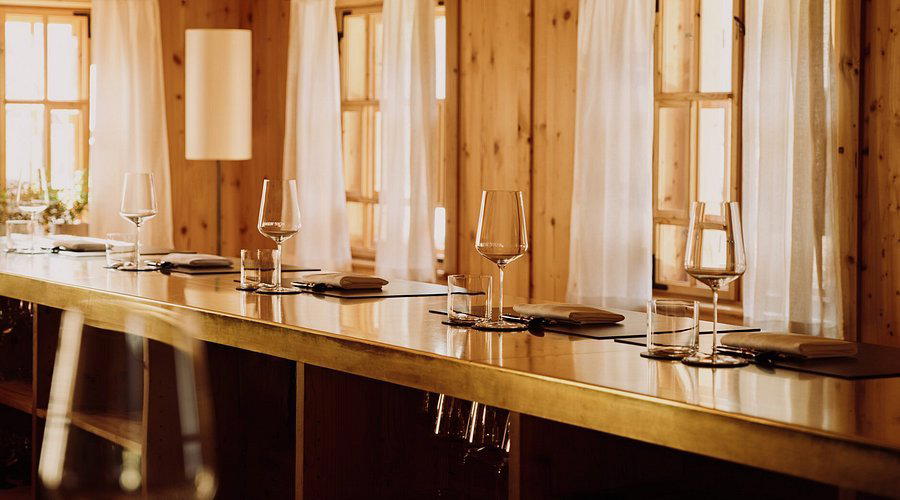
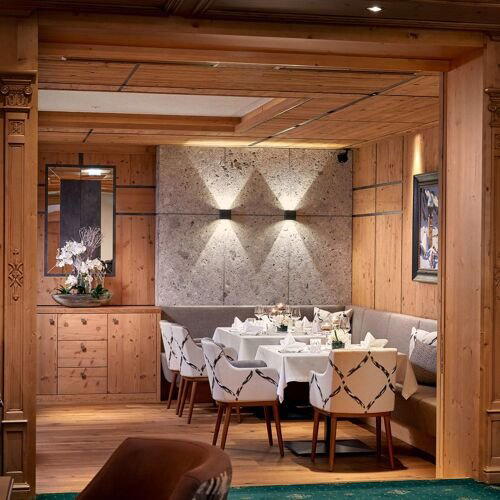
The gastronomy offer at Kristiania Lech is built around a single structural premise: the kitchen does not set the terms, the guest does. The hotel frames this as an "Unlimited Gastronomy" service, and the language used to describe it — that the property could effectively offer 65,000 configurations of when, where, and what — is less hyperbole than a statement of operational intent. Meals are included in the room rate, available at any hour, and deliverable anywhere on the property. A guest requesting a traditional Austrian meal with regional wine at a conventional dinner hour is asking for the same service as one requesting a vegan plate at noon or Crêpes Suzette mid-afternoon at a private table.
This model sits within a broader shift visible across ultra-small luxury hotels in the Alps, where the culinary offer is increasingly decoupled from fixed restaurant hours and communal dining formats. The classic hotel dining room, with set sittings and prix-fixe menus, works efficiently for properties running 80 or 100 rooms. At 15 rooms, the maths changes. The kitchen can absorb demand variability in ways that larger operations cannot, which is precisely why this format requires the scale constraint to function at all. Hotels like Alpinresort Schillerkopf in Bürserberg and LEADING Hotel Hochgurgl in Hochgurgl represent the more conventional Alpine dining format, where structured restaurant programming anchors the culinary identity. Kristiania Lech operates on a different principle: the guest's preference is the programme.
The Austrian culinary tradition that forms the backbone of the kitchen draws from a canon that includes dishes built around the region's dairy, game, and wine heritage. Vorarlberg, the westernmost Austrian state and home to Lech, has its own cheese-making traditions and agricultural identity that feed into regional cooking. When the hotel offers Austrian cuisine paired with regional wine, it is drawing on a food culture with genuine geographic specificity, not an Alpine pastiche constructed for tourist expectations.
Rooms, Suites, and the Gallery Experiment
The 15-room inventory is divided across rooms and suites, all described as expressing the property's artistic sensibility. The hotel has extended that sensibility into the physical space of its suites by converting a selection into private galleries for artists in residence. This places the rooms in an unusual category: accommodation that functions simultaneously as exhibition space, a format more common in design-led urban hotels than in Alpine ski properties. The programme changes seasonally, meaning the specific works and artists shift depending on when guests visit. For guests whose interest in mountain hotels tends toward the purely athletic, this is irrelevant. For those who treat a ski holiday as something that benefits from cultural texture, it addresses a real gap in what most resort accommodation offers.
Sleep butler service sits alongside the reading butler and leisure time consultant as part of a personal services structure that is deliberately overstaffed relative to the room count. That overstaffing is not inefficiency but the point: at 15 rooms, a property can maintain the kind of staff-to-guest ratio that larger hotels cannot justify. The reading butler who sources specific books operates in similar territory to Aman Venice's concierge-level service culture, where requests that would be unusual elsewhere are treated as standard.
The Private Spa as Policy
Spa at Kristiania Lech is available exclusively to individual guests, meaning no shared facilities, no booking competition, and no overlap with other hotel guests. This is described as a deliberate reflection of the property's approach to privacy. The spa uses Susanne Kaufmann's organic and sustainable product range, an Austrian brand with deep Vorarlberg roots, Kaufmann's Hotel Post Bezau, from which the skincare line originated, is also in the Bregenzerwald region. The geographic coherence between the spa products and the hotel's location is not incidental; it places the property within a regional quality conversation rather than defaulting to international luxury brands.
Properties like Alpen-Wellness Resort Hochfirst in Obergurgl, Naturhotel Waldklause in Längenfeld, and Alpenresort Schwarz in Obermieming invest significantly in shared spa infrastructure, with large pool and treatment areas designed for a broader guest volume. Kristiania Lech inverts that logic: the spa is deliberately small and entirely private, which requires accepting that the return on investment is measured in guest experience rather than throughput.
Lech in Winter and Summer: When to Go
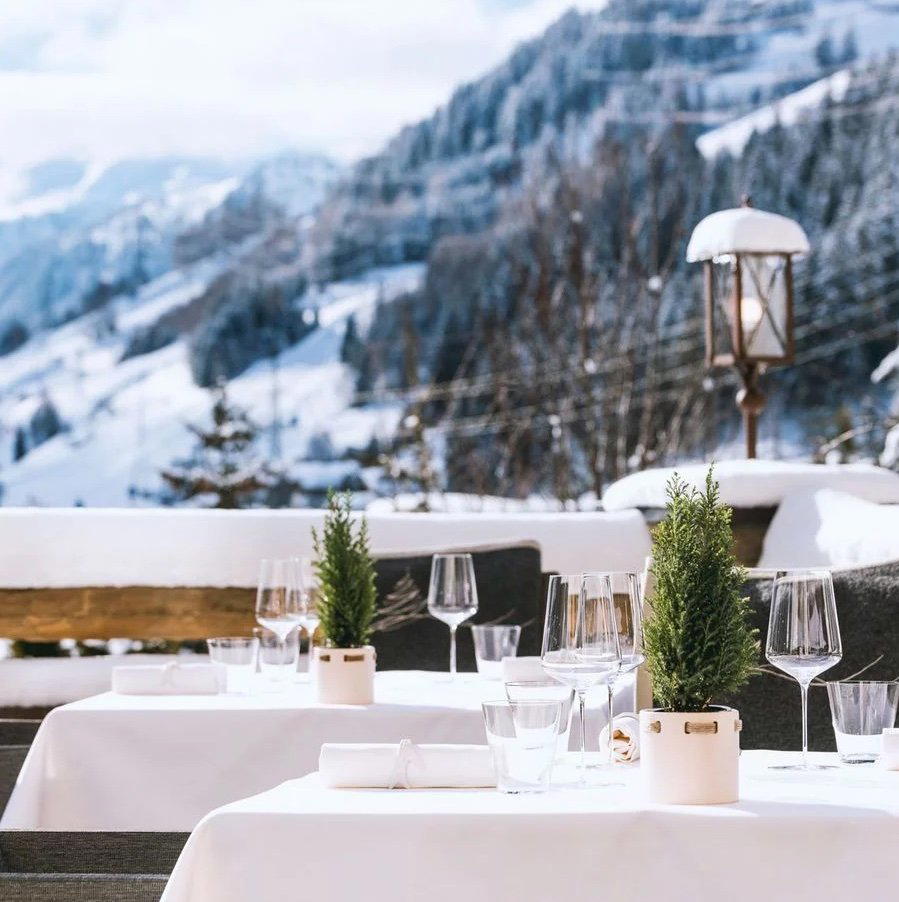
Lech am Arlberg's skiing season runs from late November through late April, with January and February typically delivering the highest snowfall. The village's lift system connects to the Ski Arlberg network, one of the largest interconnected ski areas in the Alps. In summer, the same terrain converts to hiking and cycling trails, with the valley's altitude keeping temperatures moderate even in July and August. Kristiania Lech frames both seasons, marketing the winter for fresh powder and the summer for nature hikes. For context on Austria's wider mountain hospitality range, Aktiv & Wellnesshotel Bergfried in Tux and Bergland Sölden in Solden illustrate how differently other Tyrolean properties approach the summer-winter balance. Our full Lech am Arlberg restaurants guide covers dining options across the village for guests whose plans extend beyond the hotel's own kitchen.
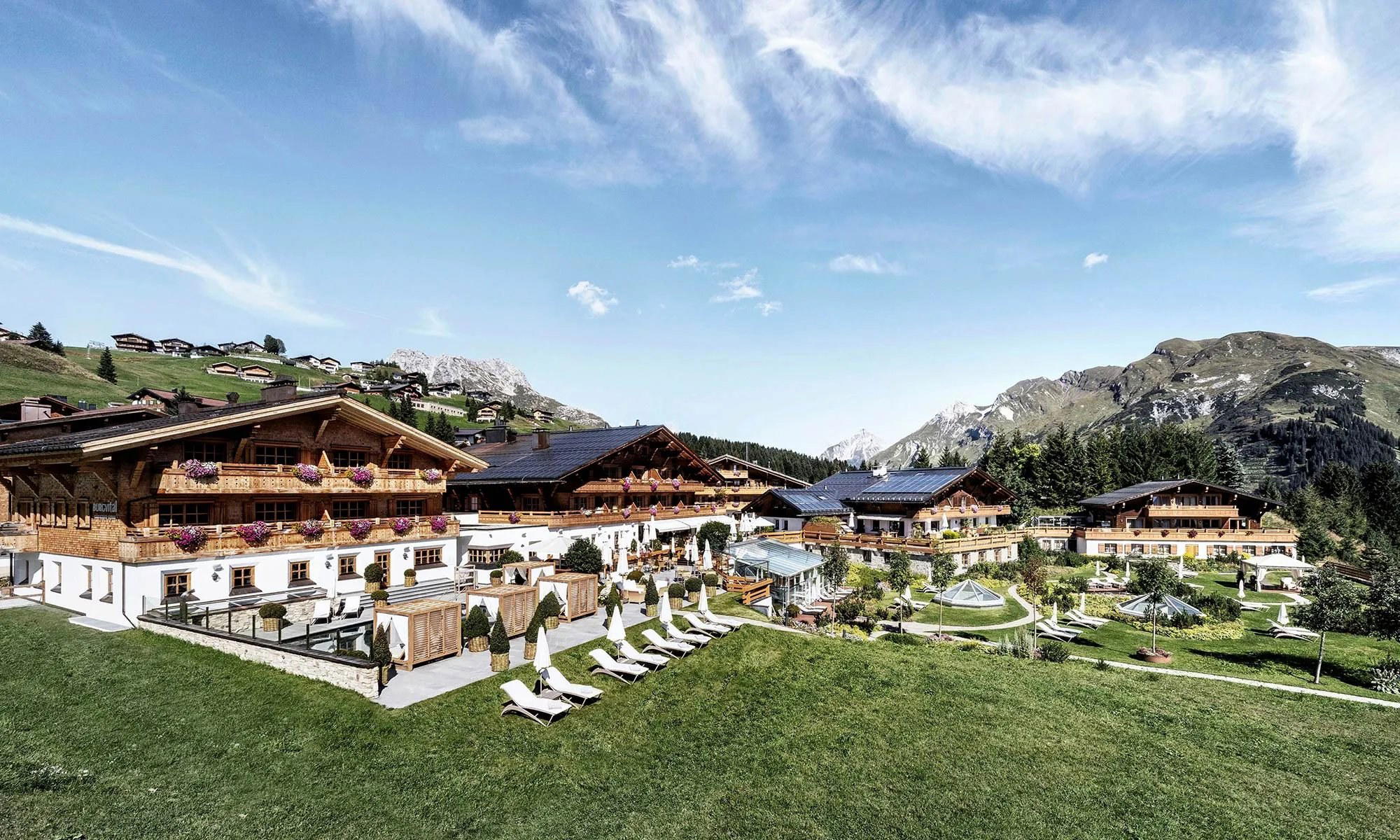
For those who treat Austria as a country-wide itinerary rather than a single destination, Hotel Sacher Wien in Vienna, Rosewood Schloss Fuschl in Hof bei Salzburg, and Schloss Mönchstein in Salzburg represent the country's other premium registers. The contrast between Lech's mountain-village discretion and Vienna's urban hotel culture is sharp, but together they outline the range of what Austrian luxury hospitality actually covers. For those comparing mountain formats internationally, Burg Vital Resort offers an alternative perspective within Lech itself.
Planning a Stay
The hotel operates as a by-invitation model, though the practical mechanism for securing that invitation is a direct inquiry rather than a traditional booking channel. With 15 rooms total, availability during peak winter weeks, particularly late December through February, compresses quickly. The all-inclusive gastronomy format means the rate structure absorbs food and beverage costs rather than billing them separately, which changes how guests should read the headline room price relative to properties where dining is charged additionally. Austria's VAT and tourism levies apply at the local rate. The property is at Omesberg 331, 6764 Lech, a short walk from the village centre but oriented toward the quieter residential edge of the resort.
Recognition history
Dated appearances from independent guides and award organizations, with the underlying list record or original source where available.
Virtuoso Luxury Hotel Partner
Virtuoso
Michelin Selected
Michelin
Small Luxury Hotels of the World Member
Small Luxury Hotels of the World
Continue exploring
More in Lech am Arlberg
Hotels in Lech am Arlberg
Browse all →
Bars in Lech am Arlberg
Browse all →


Restaurants in Lech am Arlberg
Browse all →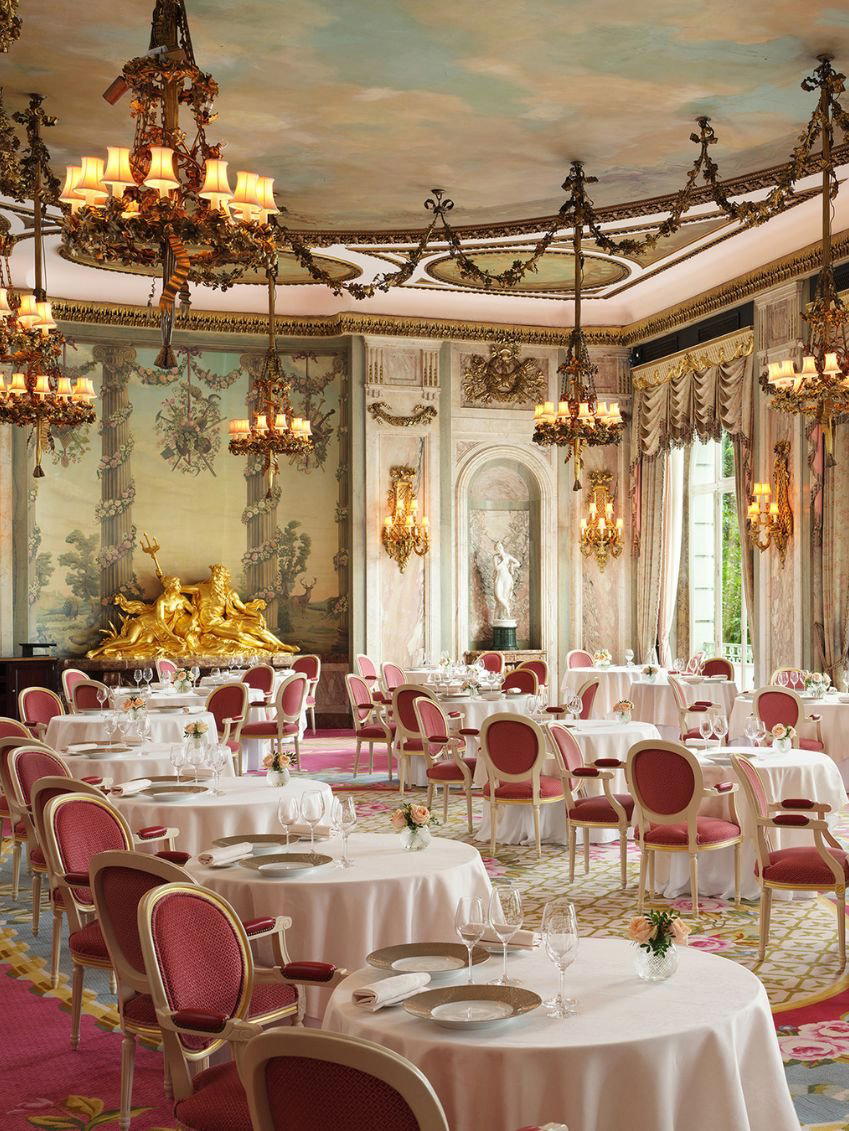

At a Glance
- Elegant
- Cozy
- Sophisticated
- Intimate
- Scenic
- Romantic Getaway
- Honeymoon
- Ski In Ski Out
- Panoramic View
- Terrace
- Spa
- Sauna
- Pool
- Wi Fi
- Concierge
- Room Service
- Restaurant
- Bar
- Valet Parking
- Airport Transfer
- Mountain
- Spa
- Sauna
- Pool
- Wi Fi
- Concierge
- Room Service
- Restaurant
- Bar
- Valet Parking
- Airport Transfer
Understated sophistication with homely feel, warm rich tones, contemporary art, cozy lobby with Steinway piano, and panoramic mountain views.