Ullrs Gourmetstube

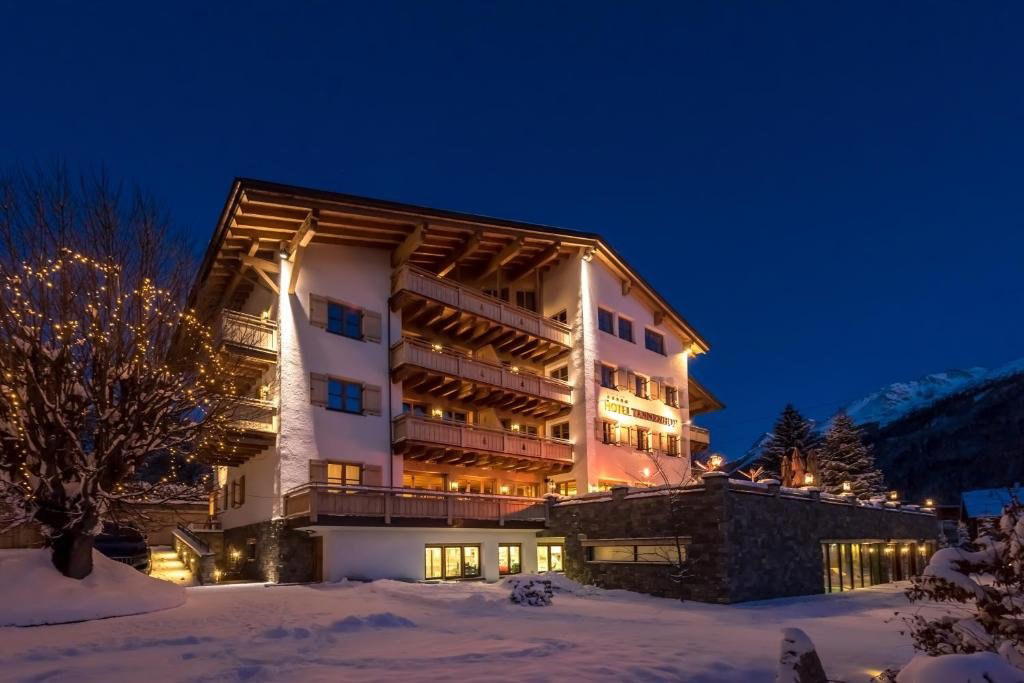
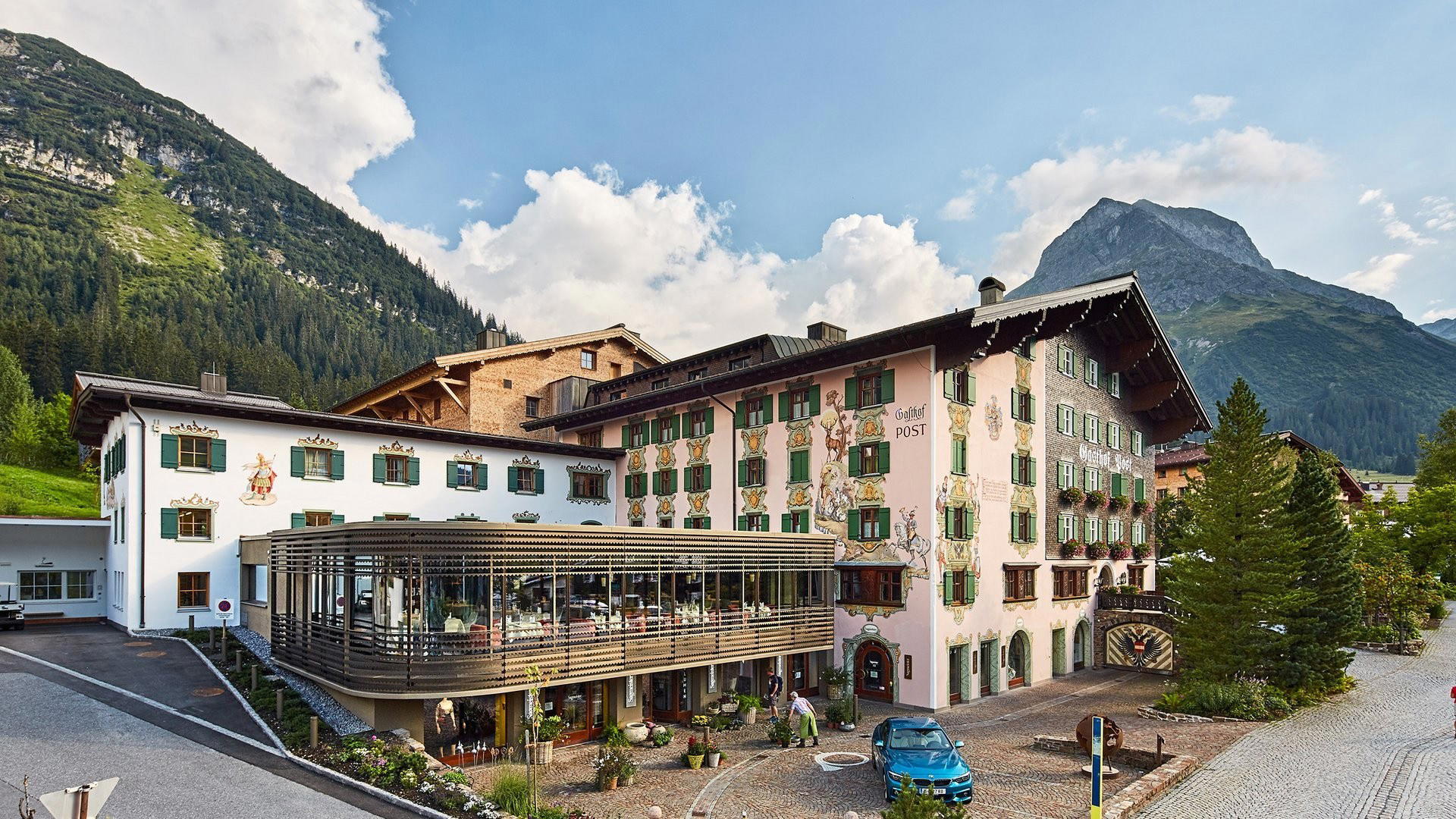
Set inside the Ullrhaus designer hotel in Sankt Anton am Arlberg, Ullrs Gourmetstube blends Alpine, Japanese, and Nordic influences into a precision-driven fine-dining menu. Diners gather at four communal tables in a Scandinavian-wood interior warmed by green-tile accents, working through a large-format set menu that draws on Austrian, Italian, and French wine estates.
Pearl is the En Primeur Club membership app — saves, bookings, and concierge access live there. Same editors, same standards.
- Address
- Alte Arlbergstraße 2, Sankt Anton am Arlberg, Tirol, 6580, AUT
- Phone
- +43 5446 35200
- Website
- ullrhaus.at
- Directions
- Get directions
 Saves & bookings on Pearl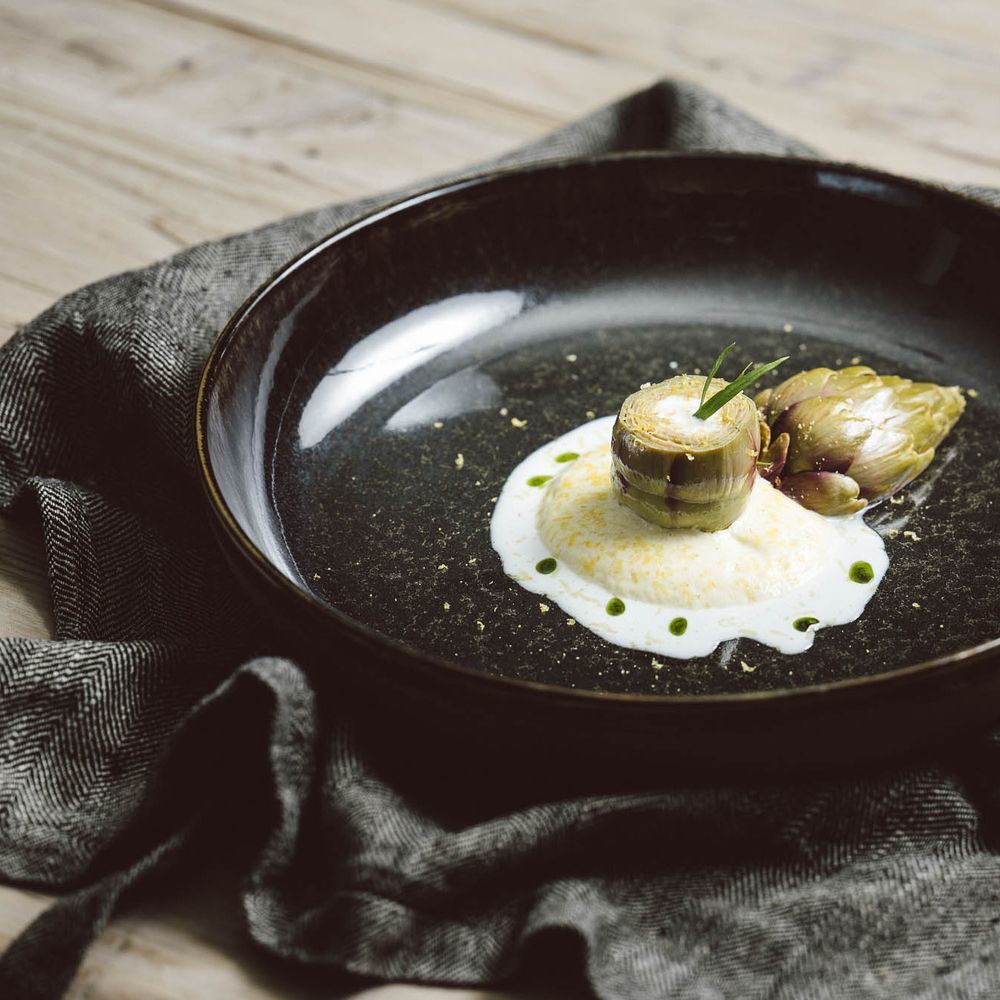
Sankt Anton am Arlberg anchors one of Austria's most compact fine-dining scenes, a handful of refined programmes compressed into a single valley town known more for its ski terrain than culinary depth. Ullrs Gourmetstube sits inside the Ullrhaus designer hotel on Alte Arlbergstraße, a few minutes' walk from the Galzigbahn cable-car station, and works from a philosophy it frames as "Alpine Soul – Japanese Spirit – Nordic Air." The result is a multi-course set menu that pulls technique and ingredients from three geographies, served in a communal-table format that strips away formality without sacrificing precision.
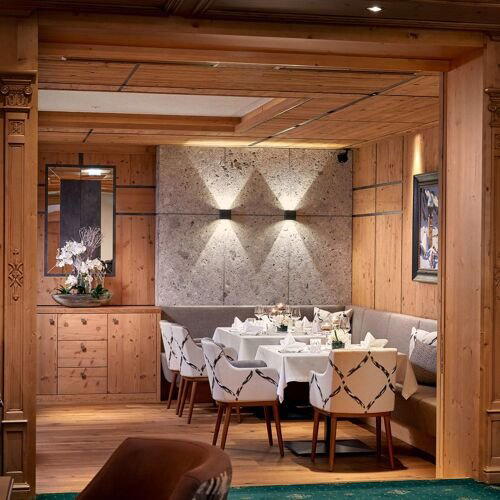
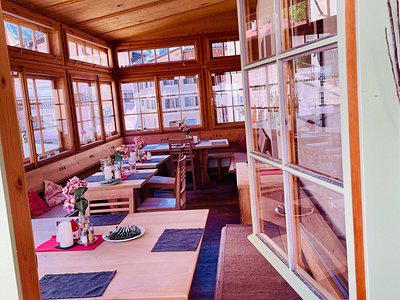
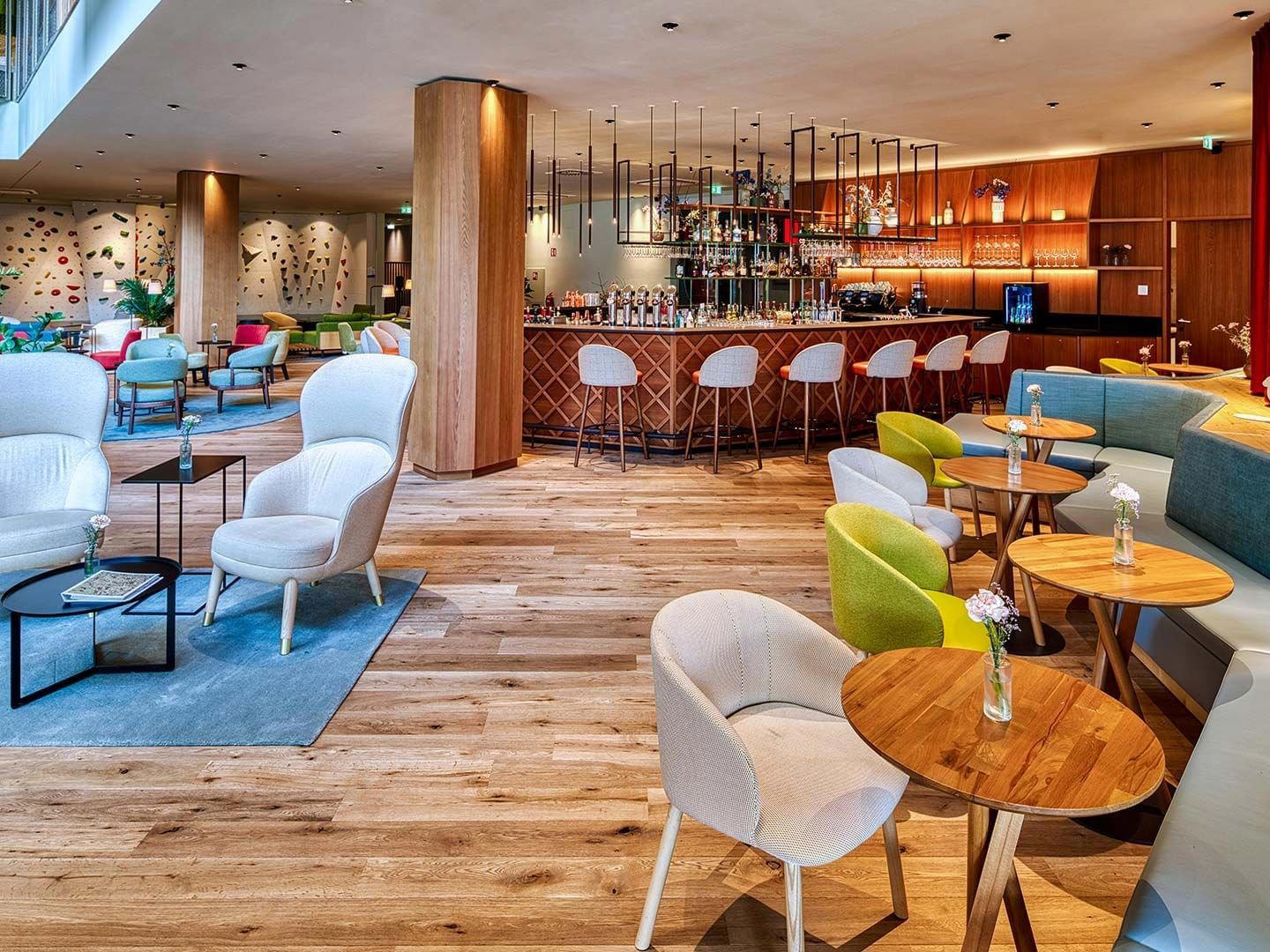
The room seats diners at four large communal tables rather than two-tops or private booths. Scandinavian-style wood lines the walls, softened by green decorative tiles and minimal ornamentation. The format pushes social proximity: you'll share a table edge with strangers, and the lack of partitioning makes the space feel less like a hushed temple and more like a designer lodge common room. The Hospiz Alm and Gourmetrestaurant Tannenhof offer more traditional seating configurations for comparison; Ullrs Gourmetstube opts for a deliberate move toward communal intimacy, a choice that divides opinion depending on whether you value privacy or prefer to lean into the format's enforced conviviality.
A Tri-Continental Sourcing Strategy
The kitchen frames its menu around first-class ingredients sourced across three culinary traditions. Components arrive from Alpine suppliers, Austrian dairy, mountain game, Tyrolean vegetables, then layer in Japanese staples like umeboshi plum, purple shiso, and dashi-based reductions, alongside Nordic touches in fermentation, preservation, and acid balance. Dishes such as "essence of shellfish, king crab, taco, tomatillo" combine Mexican taco structure with Japanese king crab and a Nordic-leaning acidic vegetable base, while "Miéral pigeon, beetroot, purple shiso, plum umeboshi" pairs French pigeon with Japanese pickling traditions and root vegetables that could easily sit on a Copenhagen plate. The approach demands remarkably precise craftsmanship: components need to balance without any single geography dominating, and the execution reflects that discipline. Flavours arrive punchy rather than muted, with salt, acid, and fat calibrated to amplify rather than harmonise.
Emphasis on ingredient quality runs through every course. King crab arrives sweet and clean; Miéral pigeon shows the kind of texture and depth that comes from controlled breeding and short supply chains. The kitchen doesn't name every supplier, but the sourcing philosophy, first-class products used extensively, manifests in the taste and texture of the raw materials. For context, Alpin Gourmet Stube operates at a similar price tier with a modern European lens, while Endlich leans into Scandinavian technique without the Japanese layer. Ullrs Gourmetstube differentiates by committing to all three poles equally, accepting the complexity that comes with balancing disparate traditions on a single plate.
Wine Programme and Service Approach
Wine list focuses on Austria, Italy, and France, with a roster that includes major estates and benchmark producers from all three regions. The selection skews toward established names rather than emerging natural or minimal-intervention labels, and the programme reflects a high-calibre approach to pairing that privileges weight and structure over novelty. Austria's Grüner Veltliner and Riesling categories anchor the white side; Italian Barolo and Brunello sit alongside French Burgundy and Bordeaux on the red. The list doesn't chase allocation or rarity for its own sake, but it assembles a serious cellar that can support a multi-course menu with technical ambition.
Service runs charming and professional, with staff who narrate dishes without slipping into scripted recitation. The communal format requires servers to manage multiple tables simultaneously, and the choreography holds: plates arrive timed to the table's pace, and wine pours stay consistent across the room. The service style reads more relaxed than at Verwallstube, which takes a more traditional fine-dining posture, and less design-forward than the theatrical approach at some contemporary Alpine programmes. The restaurant occupies a middle tier: technically accomplished, socially warm, but never casual.
The restaurant operates within a small, competitive set of fine-dining programmes in Sankt Anton am Arlberg. The town's dining scene compresses into a handful of refined kitchens, each staking out a different culinary identity: Tannenhof commits to Alpine tradition, Alpin Gourmet Stube modernises European technique, and Hospiz Alm builds a contemporary programme around seasonal ingredients. The restaurant differentiates through its tri-continental sourcing philosophy, communal seating format, and the precision required to execute a menu that spans three geographies without collapsing into fusion blur. The format won't suit diners seeking privacy or traditional two-leading intimacy, but for those willing to engage with a shared-table structure and a kitchen that balances Alpine, Japanese, and Nordic influences with technical clarity, the programme delivers one of the more distinctive fine-dining experiences in the Arlberg valley. For broader context across Austria's fine-dining landscape, 's Paul Restaurant in Traunkirchen, [aend] in Vienna, and 1er Beisl im Lexenhof in Nußdorf am Attersee offer comparable technical ambition with different regional and stylistic anchors. See our full Sankt Anton am Arlberg restaurants guide for the complete local fine-dining picture, and explore our Sankt Anton am Arlberg hotels guide, bars guide, wineries guide, and experiences guide for adjacent programming in the valley.
At-a-Glance Comparison
Comparable venues by cuisine and price in the same metro.
| Venue | Cuisine | Price | Awards |
|---|---|---|---|
| Ullrs Gourmetstube | "Alpine Soul – Japanese Spirit – Nordic Air" is the philosophy of the fine dining restaurant in the Ullrhaus designer hotel. This cosmopolitan approach is reflected in modern, creative dishes such as "essence of shellfish, king crab, taco, tomatillo" or "Miéral pigeon, beetroot, purple shiso, plum umeboshi" which are a true delight, thanks to remarkably precise craftsmanship and punchy flavours. Components are skilfully balanced, not to forget the first-class quality of the products, which are used extensively. The fantastic large-scale set menu is accompanied by a high-calibre wine selection with a focus on Austria, Italy and France, including some major names. The space, in which diners are seated at four large tables, has a sophisticated feel, with the warmth of Scandinavian-style wood and decorative green tiles on the walls. Service is charming and professional. | This venue | Not listed |
| Endlich | Scandinavian | €€€ | Scandinavian, €€€ |
| Gourmetrestaurant Tannenhof | Alpine | €€€€ | Alpine, €€€€ |
| Alpin Gourmet Stube | Modern Cuisine | €€€€ | Modern Cuisine, €€€€ |
| Verwallstube | International | €€€ | International, €€€ |
| Hospiz Alm | Contemporary | €€€€ | Contemporary, €€€€ |
Recognition history
Dated appearances from independent guides and award organizations, with the underlying list record or original source where available.
Michelin 1 Star
Michelin
Continue exploring
More in Sankt Anton am Arlberg
Restaurants in Sankt Anton am Arlberg
Browse all →
Bars in Sankt Anton am Arlberg
Browse all →
At a Glance
- Elegant
- Sophisticated
- Intimate
- Modern
- Cozy
- Date Night
- Business Dinner
- Celebration
- Special Occasion
- Hotel Restaurant
- Design Destination
- Wine Cellar
- Extensive Wine List
- Sommelier Led
- Sustainable Seafood
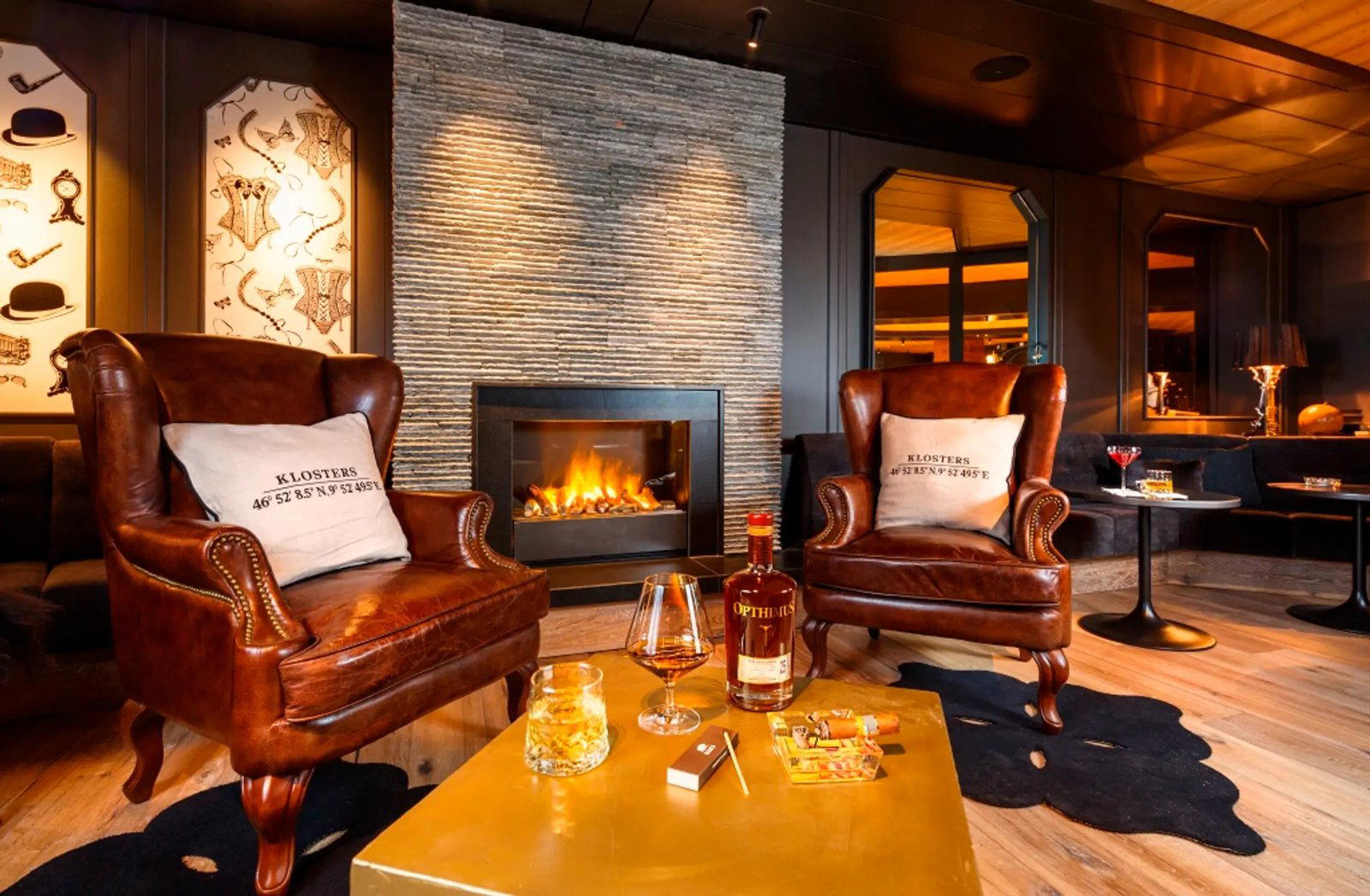
Refined and intimate fine-dining room inside a design hotel, with contemporary alpine decor, soft lighting, and a calm, quietly luxurious atmosphere suited to long tasting-menu evenings.