Tannbergerhof
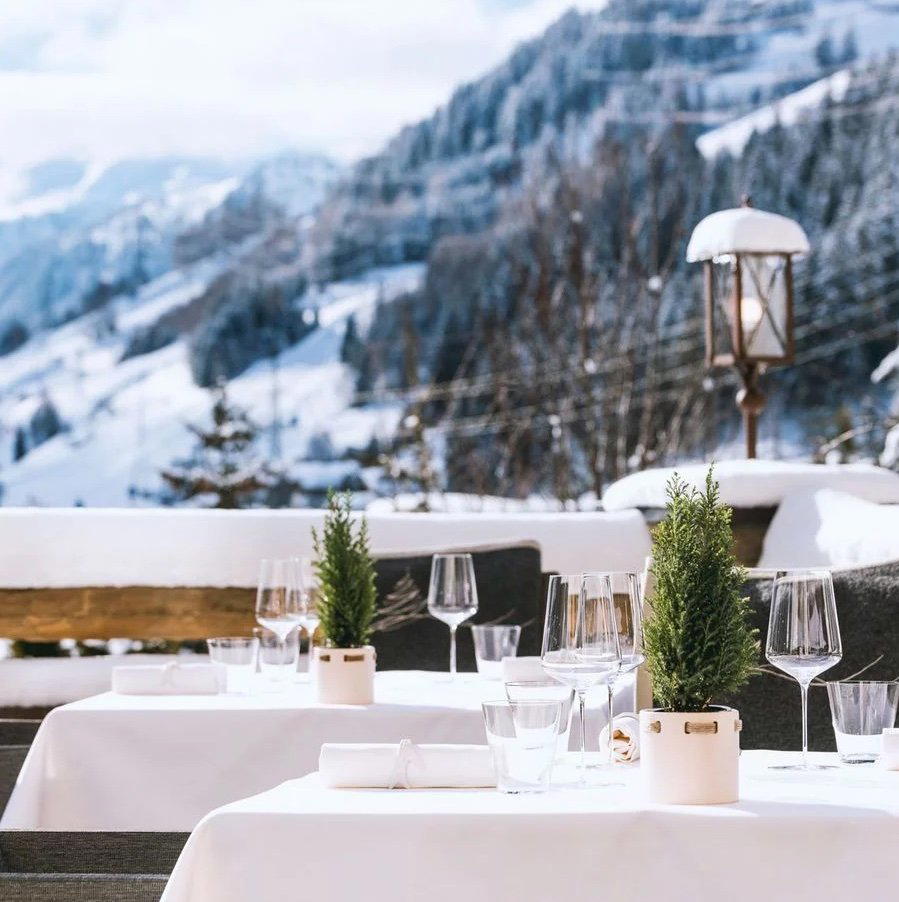
Tannbergerhof sits at the social heart of Lech am Arlberg, where the après-ski tradition carries as much weight as the skiing itself. The hotel's dining and bar spaces draw both longtime regulars and first-time visitors into the unhurried rhythm of an Austrian alpine winter, warm interiors, heavy timber, and the particular ease of a place that has been doing this for generations.
Pearl is the En Primeur Club membership app — saves, bookings, and concierge access live there. Same editors, same standards.
- Address
- Hotel Tannbergerhof, Dorf 111, 6764 Lech, Austria
- Phone
- +434355832202
- Website
- tannbergerhof.com
- Directions
- Get directions
 Saves & bookings on Pearl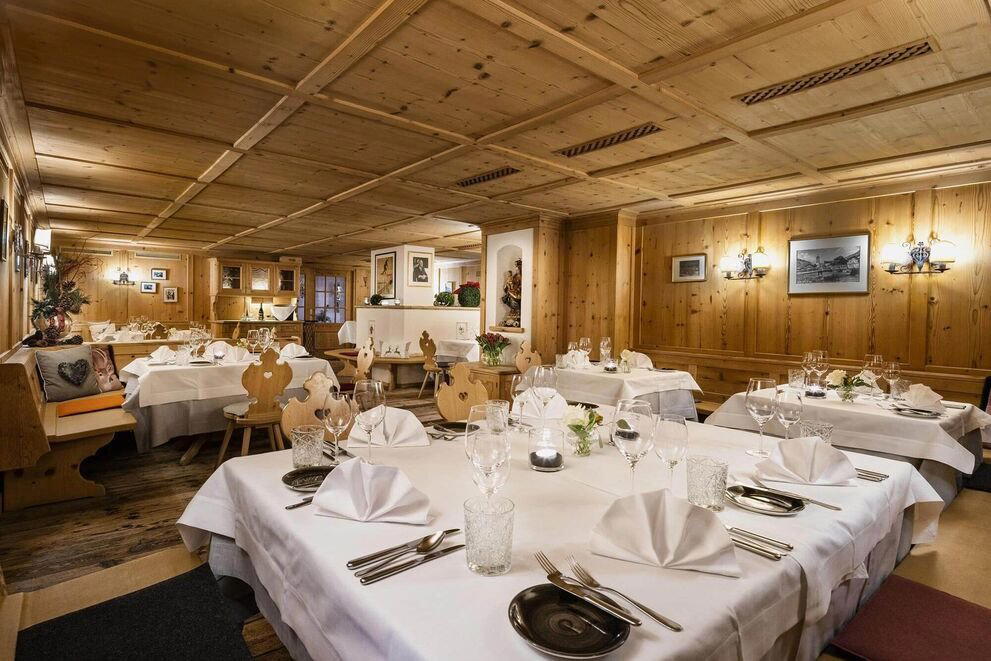
Where Lech's Winter Ritual Takes Shape
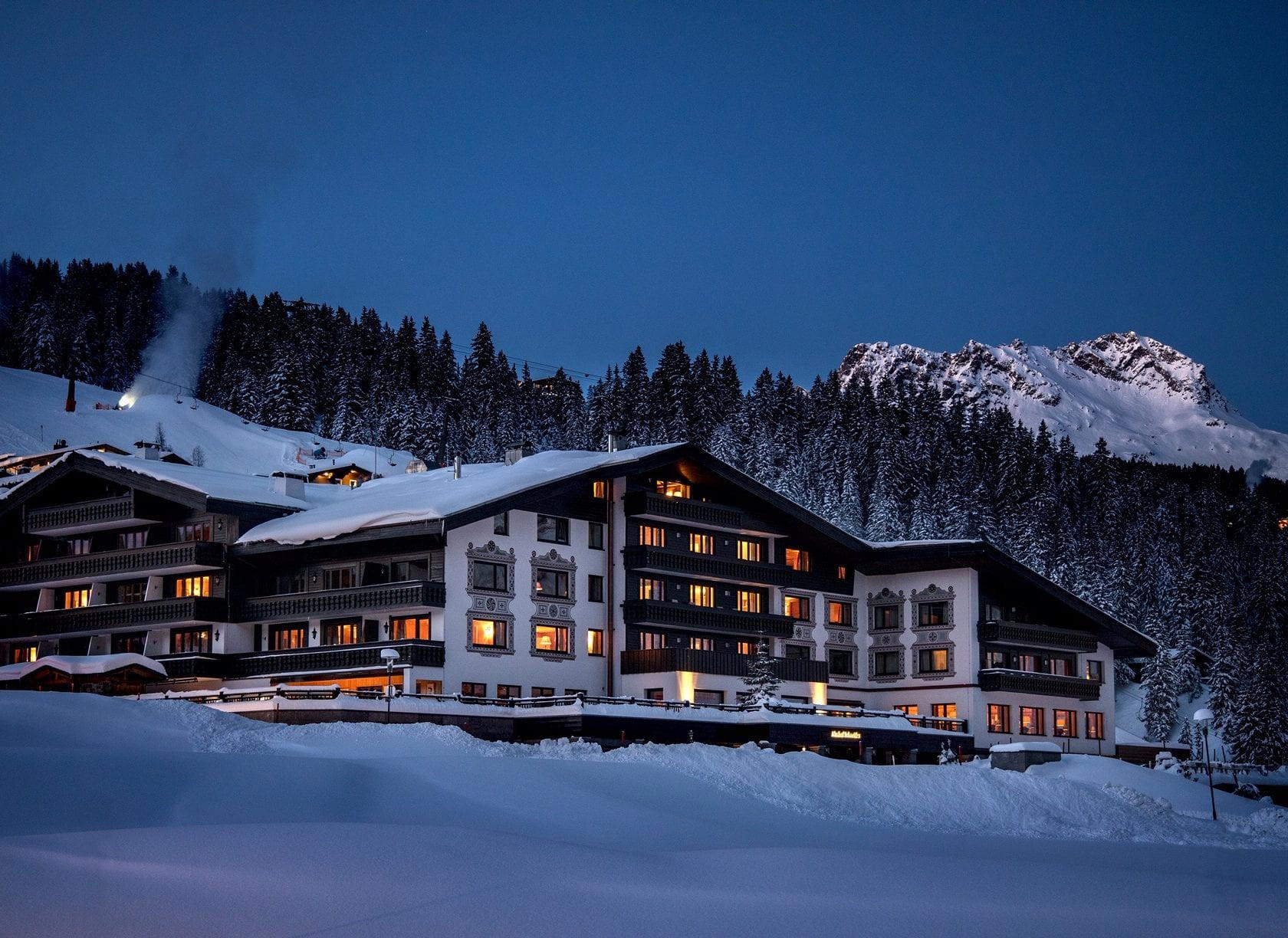
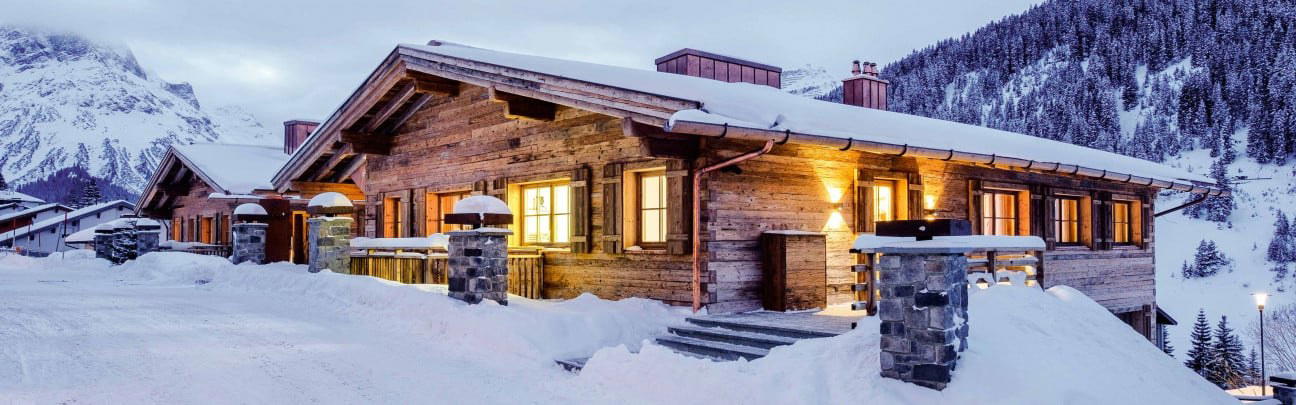
Arriving at Tannbergerhof on a clear December afternoon, the building reads as a fixed point in Lech's village geometry. The chalet architecture, the position at Dorf 111 at the center of the resort, the faint sound of conversation spilling from inside, these are the signals of a place that functions less like a hotel in the transactional sense and more like the physical hub around which a particular kind of alpine social life organizes itself. Lech has always operated on the understanding that the mountain is one experience and the village is another, equally serious one. Tannbergerhof belongs to the second category.
Lech am Arlberg sits in Vorarlberg at roughly 1,450 meters, and the resort's character differs meaningfully from its Tirolean neighbors. The clientele skews toward long-stay guests, many of them returning annually over decades, which gives the village an unusually settled quality for a ski resort. Dining and drinking here are not afterthoughts to the skiing but parallel activities with their own protocols. The après-ski window, roughly 3pm to early evening, carries genuine social weight, and the properties that anchor it tend to be the ones with the deepest institutional roots. Tannbergerhof is consistently named among them.
The Atmosphere Lech Runs On
Alpine hospitality in Austria's western resorts has evolved along two tracks. The first is the high-end gastronomic push, represented locally by properties like Griggeler Stuba and Rote Wand Chef's Table, which position Lech within the same conversation as Austria's broader fine-dining circuit, a circuit that also includes Steirereck im Stadtpark in Vienna and Obauer in Werfen. The second track is the traditional Stube-and-terrace model, where the measure of a venue is how naturally it absorbs a crowd and how long people stay. Tannbergerhof operates firmly in that second mode.
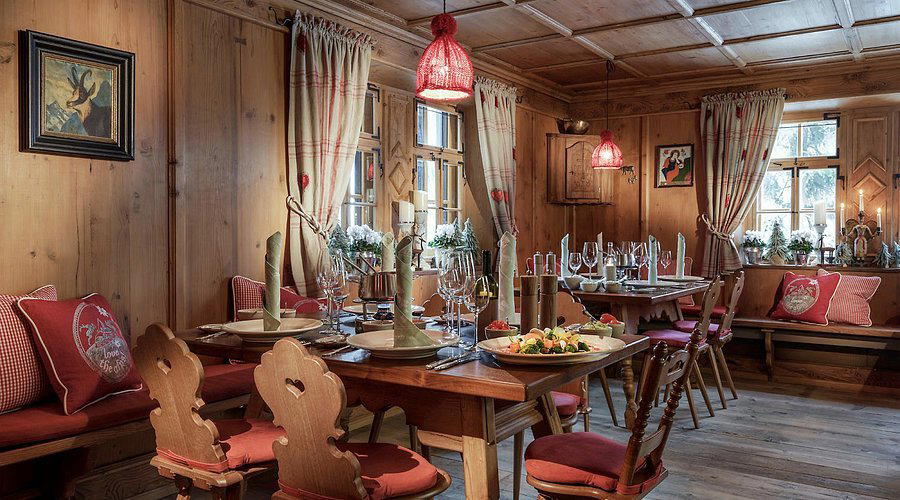
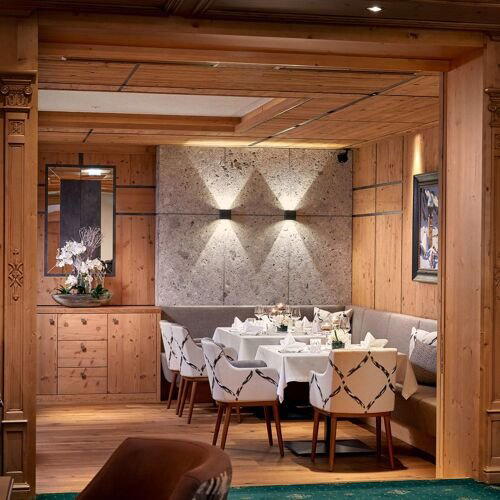
The interiors follow the Vorarlberg alpine aesthetic: exposed timber, low ceilings in the older sections, and the particular warmth that comes from a building that has been heated through many winters. This is not a designed approximation of coziness, it is the real condition of a structure with genuine history. The effect on arriving guests, particularly those coming in from a cold afternoon on the slopes, is immediate and physical. The space pulls you in and slows your pace, which is precisely what it is built to do.
Within Lech's dining scene, the range is wider than many visitors expect. Aurelio positions itself at the contemporary luxury end, while Die Ente von Zürs and Enzian Stube each occupy a different register of the traditional Austrian dining format. Tannbergerhof's position in this field is as a gathering point rather than a destination restaurant, the kind of place that earns its place in a visitor's week not through a single headline dish but through reliable atmosphere and the ease of settling in.
The Seasonal Logic of Coming Here
Lech's season runs from late November through April, with the core weeks between Christmas and mid-March representing the heaviest demand across every category of venue. During peak periods, the village fills with guests who book accommodations months in advance, and the-frequented hotel bars and terraces operate at capacity during the après-ski hours without any advertising or active promotion. Tannbergerhof benefits from this dynamic as one of the village's established names. Visitors planning a stay during the Christmas-New Year window or the February school holidays should assume that tables and rooms require forward planning, the village's limited capacity means that the well-known properties fill earliest.
Early December and late March offer a different version of Lech: fewer people, the same snow quality in good years, and the particular pleasure of a village operating at a more measured pace. The social architecture of après-ski still functions, but without the compression of high season. For guests whose priority is the atmosphere rather than the density, these shoulder windows are worth serious consideration.
Lech in the Wider Austrian Context
Austria's alpine dining scene has deepened considerably over the past two decades. Properties like Döllerer in Golling an der Salzach, Kräuterreich by Vitus Winkler in Sankt Veit im Pongau, and Ikarus in Salzburg have pushed the country's gastronomic ambitions well beyond Vienna. The Arlberg region specifically has seen investment in dining at the higher end, with Lech attracting guests whose expectations were shaped by restaurants like Le Bernardin in New York City or Atomix in New York City, places where the format and the execution are inseparable. For those guests, properties like Gourmetrestaurant Tannenhof in Sankt Anton am Arlberg or Schwarzer Adler in Hall in Tirol offer the structured fine-dining format. Tannbergerhof serves a different need in the same geography: the need for a room that feels lived-in rather than curated.
The distinction matters in practical terms. Guests who build a week around Lech rarely eat every dinner at a single property. The more common pattern involves a formal meal at one of the village's gastronomic tables, at Griggeler Stuba or a comparable room, alongside several evenings at places where the emphasis is on company and continuity rather than the progression of a tasting menu. Tannbergerhof fits the second category, and that is a genuine role, not a lesser one. See our full Lech restaurants guide for the complete picture across both registers.
Other venues in Austria's broader dining circuit worth knowing include Landhaus Bacher in Mautern an der Donau, Ois in Neufelden, and Restaurant 141 by Joachim Jaud in Mieming, each occupying a distinct niche in the regional conversation and useful reference points for understanding how Austria's hospitality offer has diversified.
Planning Your Visit
Tannbergerhof is located at Dorf 111 in the center of Lech am Arlberg, within walking distance of the main lifts and the village's primary dining strip. Guests intending to visit during the high-season weeks should treat booking as time-sensitive, the village's compact size means that established properties reach capacity well before the season opens. Arriving by car, the Arlberg pass connects Lech to the broader Tirolean road network, while the nearest rail connection is Langen am Arlberg, from which shuttle and taxi services run into the village.
Comparable Venues
Comparable venues nearby, for context on price, style, and recognition.
| Venue | Cuisine | Price | Notes |
|---|---|---|---|
| TannbergerhofThis venue — the venue you are viewing | Traditional Austrian | $$$ | Not listed |
| Schneggarei | Modern Austrian with Wood-Fired Pizza | $$$ | Lech |
| Restaurant Tannbergerhof | Traditional Austrian Gourmet | $$$ | Lech am Arlberg |
| Goldener Berg Johannesstübli | Plant-based Alpine Gourmet | $$$$ | Oberlech |
| Klösterle | Traditional Austrian Alpine Cuisine | $$$$ | Zuger Tal, Lech |
| Hotel Sonnenburg | Alpine Austrian with Creative Vegan Options | $$$$ | Oberlech, Lech am Arlberg |
Continue exploring
More in Lech am Arlberg
Restaurants in Lech am Arlberg
Browse all →
Bars in Lech am Arlberg
Browse all →


Hotels in Lech am Arlberg
Browse all →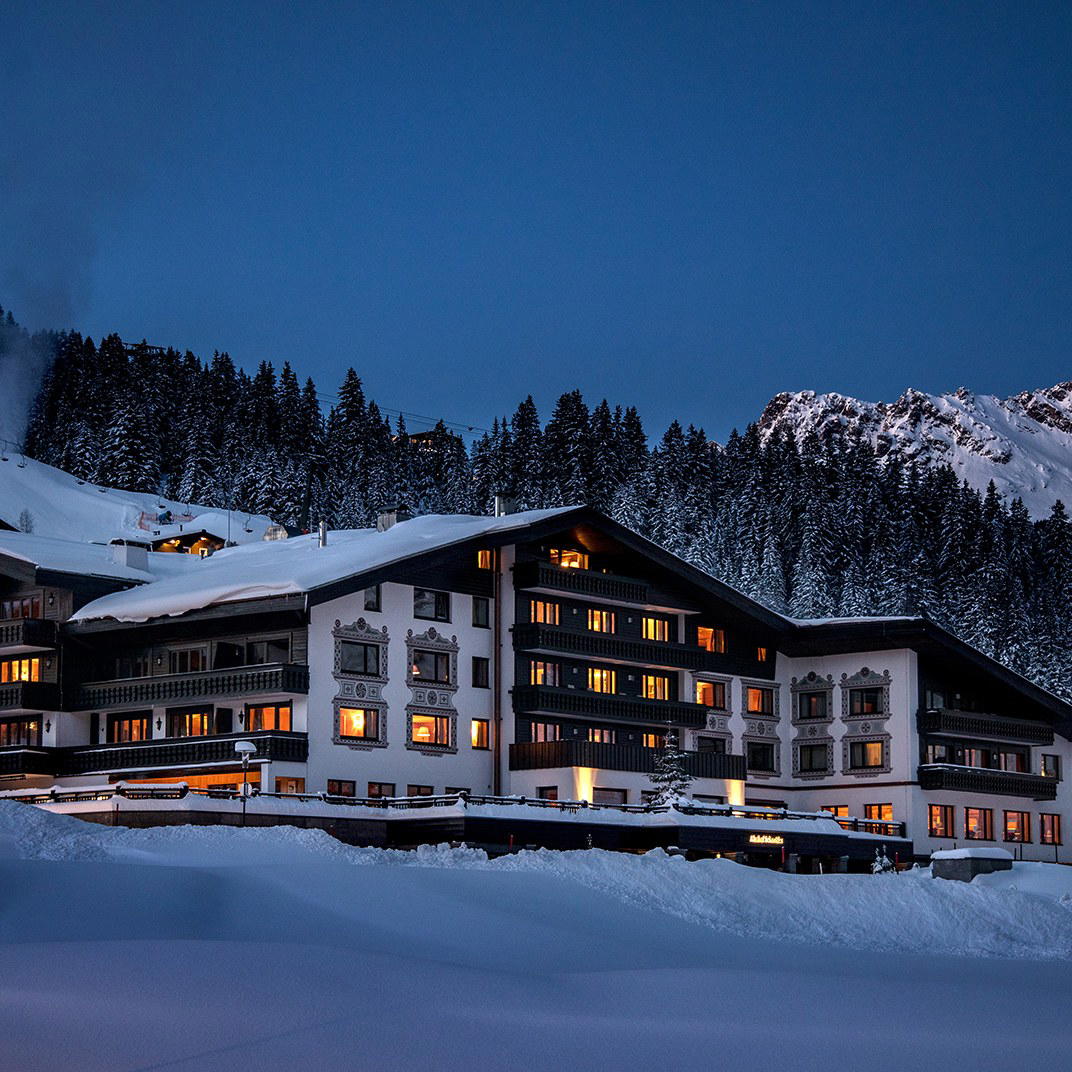

At a Glance
- Cozy
- Rustic
- Elegant
- Classic
- Special Occasion
- Hotel Restaurant
- Extensive Wine List
- Local Sourcing
Current opening hours
- Monday
- 12–11 PM
- Tuesday
- 12–11 PM
- Wednesday
- 12–11 PM
- Thursday
- 12–11 PM
- Friday
- 12–11 PM
- Saturday
- 12–11 PM
- Sunday
- 12–11 PM
Hours can change for holidays and private events. Last verified .
Cozy wooden parlor with traditional Austrian atmosphere, elegant service, and après-ski terrace vibe.