
Falstaff Winery - 2 Stars
Weingut Haug is a small organic winery in Lindau Bodensee shaped by farmstead hospitality rather than château formality. The draw is the Lake Constance setting, a 400-year-old courtyard, a converted cowshed used for cellar and tastings, and a guest format that moves between guided pours, Rädle dining, vineyard walks, and picnic baskets.

Pearl is the En Primeur Club membership app, where members save venues, book tables and use the concierge.

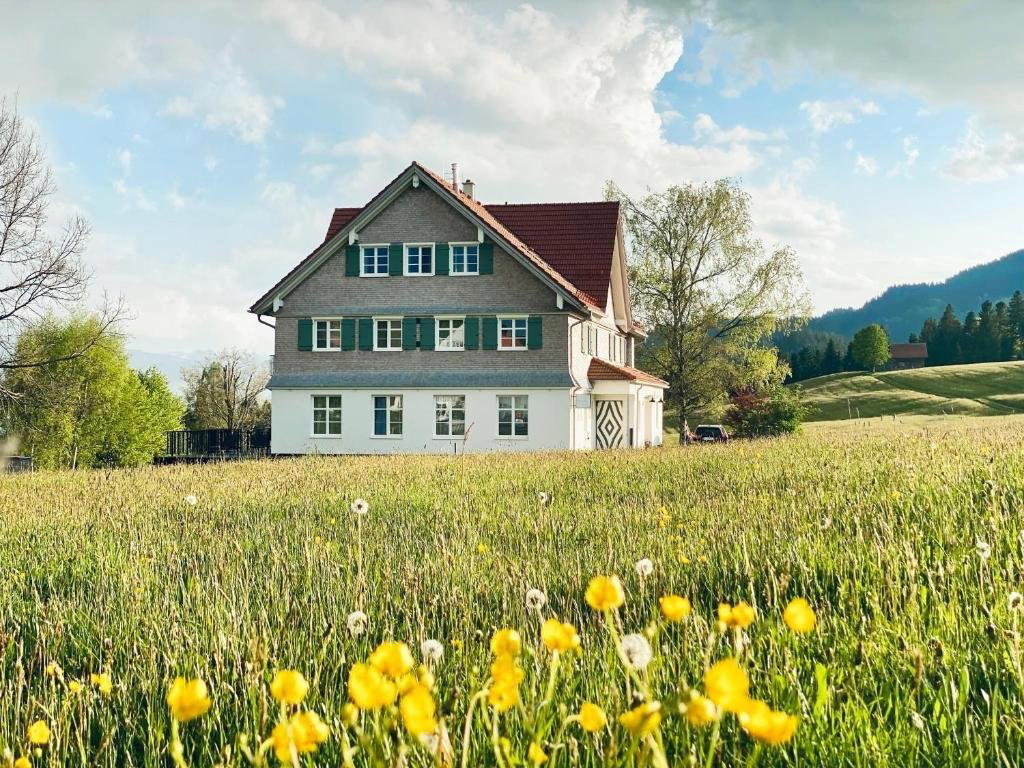
Approach the wine culture of Lindau Bodensee through a farm courtyard rather than a polished tasting salon and the region starts to make more sense. Weingut Haug is best understood as a farmstead-based wine estate with a relaxed, regional guest experience rather than as a formal destination built around spectacle. Its most grounded details are architectural and atmospheric: a 400-year-old courtyard, a former cowshed converted into a cellar and tasting room, and a small shop in a grey-shingle outbuilding. Those elements give the visit a clear sense of place without needing to overstate what is publicly verified.
The important point is not rural charm for its own sake. In a place like Lindau Bodensee, wine hospitality can be shaped as much by buildings, farm rhythms, and informal service as by any single bottle or formal program. At Weingut Haug, the picture is of a rustic estate setting where wine, courtyard, shop, Rädle culture, and picnic offerings create a relaxed regional mood. For the wider city context, use Our full Lindau Bodensee wineries guide as the broader map, with Our full Lindau Bodensee restaurants guide, Our full Lindau Bodensee hotels guide, Our full Lindau Bodensee bars guide, and Our full Lindau Bodensee experiences guide filling in the rest of the trip.
Farmstead wine culture in Lindau Bodensee
Weingut Haug should be read through its setting first. The 400-year-old courtyard gives the estate an anchored, lived-in character, while the former cowshed now used as cellar and tasting room links hospitality directly to the site’s agricultural past. This is not a setting that needs to be framed as sleek or urban. Its appeal comes from the opposite quality: an estate atmosphere where old farm structures remain part of how guests encounter the place.
That kind of setting matters because it shapes expectations. A visitor should not arrive looking for a heavily staged dining room or a grand, anonymous tasting hall. The description points instead toward a smaller, more grounded experience: a working-feeling wine estate, a courtyard with history, a cellar and tasting room adapted from farm use, and a compact shop in a grey-shingle outbuilding. Those details are enough to establish the tone without adding claims about varieties, awards, owners, scores, exact menus, or service rules.
The result is a venue whose identity is tied to place and texture. The former cowshed is especially important as an editorial clue: it suggests continuity rather than reinvention for its own sake. The building has changed function, but it still carries the farmstead logic that makes the estate distinctive. For travelers comparing wine experiences in Lindau Bodensee, that is the useful distinction. Weingut Haug is not merely a name on a bottle list; it is a site where architecture and hospitality help explain the local wine atmosphere.
Rädle culture, picnics, and the local rhythm of tasting
The Rädle and picnic offerings are the clearest signals of how Weingut Haug welcomes guests. Rather than presenting the estate only through formal tasting language, these formats point to a relaxed, regional style of hospitality. They suggest wine enjoyed in a social, unfussy way, with the farmstead setting doing much of the work. That is the kind of experience that can be especially useful for visitors who want to understand Lindau Bodensee beyond a standard restaurant or bar itinerary.
Safe reading is that the estate’s Rädle and picnic elements add informality and a regional guest experience to the core winery setting. They should not be treated as proof of any particular plate, course format, lunch service, or private appointment model unless confirmed directly with the venue.
This restraint is important for a premium guide. A thin but accurate description is more useful than a polished paragraph built on unsupported details. Weingut Haug can be recommended on the basis of what is actually known: a historic farmstead atmosphere, a converted cowshed cellar and tasting room, a compact shop, Rädle culture, picnic offerings, and a relaxed regional mood in Lindau Bodensee. Those facts already create a coherent picture of the visit.
How to read the visit
The right expectation is a rustic, farmstead-based wine estate rather than a large destination complex. The tone is relaxed and regional, with the 400-year-old courtyard and reused farm buildings setting the character. The small shop in the grey-shingle outbuilding adds to that compact estate feeling. Pricing is listed in the $$ range, which gives a broad sense of positioning without implying specific bottle prices, menu prices, or package costs.
Within Lindau Bodensee, Weingut Haug is useful for travelers who want a wine stop rooted in local atmosphere. Its appeal lies in the meeting of wine estate, old courtyard, adapted farm architecture, Rädle culture, and picnic hospitality. For readers planning a broader trip, it can sit alongside other unnamed Lindau Bodensee dining and wine options, but its own identity is clearest when kept simple: a relaxed farmstead wine estate with a historic courtyard and regional guest experience.
Recognition history
Dated appearances from independent guides and award organizations, with the underlying list record or original source where available.
Falstaff Winery - 2 Stars
Falstaff
Continue exploring
More in Lindau
Wineries in Lindau
All wineries in Lindau →Bars in Lindau
Browse all →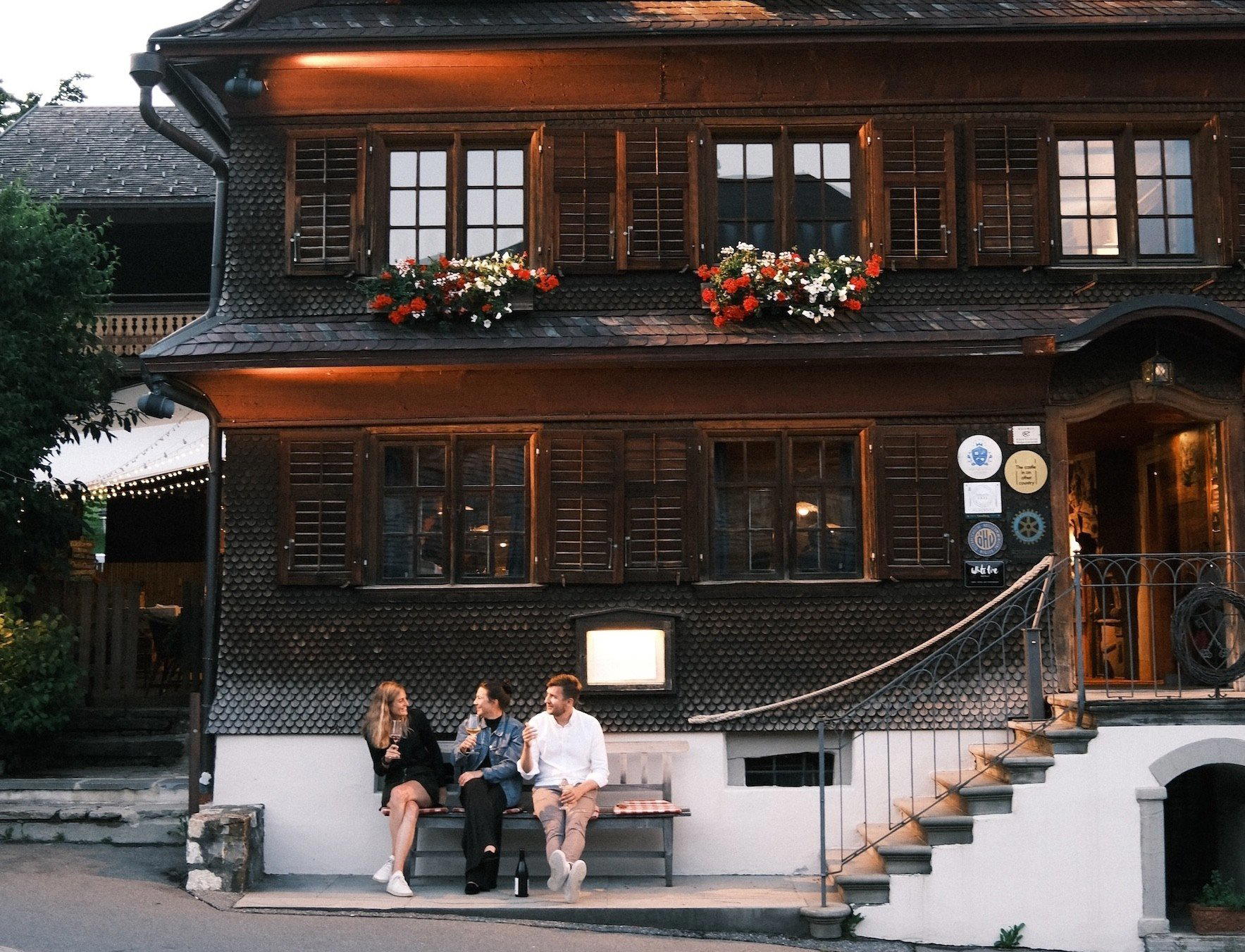
Restaurants in Lindau
All restaurants in Lindau →
Details
- Rustic
- Cozy
- Scenic
- Historic
- Family
- Group Outing
- Wine Education
- Special Occasion
- Historic Building
- Estate Grounds
- Private Tasting
- Vineyard Tour
- Organic
- Vineyard
- Garden
- Muscaris
- Cabernet Blanc
- Still White
- Still Rosé
- Orange
- Sparkling
- Private Tasting
- Guided Tasting
Rustic, farmstead-based wine estate atmosphere with a 400-year-old courtyard, former cowshed converted into cellar and tasting room, and a small shop in a grey shingle outbuilding; the Rädle and picnic offerings add a relaxed, regional guest experience.